
2027 Highest Level of Media Arts Degree You Can Achieve: Academic Progression Explained

Co-Founder and Chief Data Scientist
Many aspiring media arts professionals face uncertainty about the highest academic qualifications available in their field. According to the National Center for Education Statistics, enrollment in media arts programs has increased by over 15% in the past decade, highlighting growing interest yet unclear academic progression.
This article, prepared by career planning experts, clarifies the educational pathway, from associate degrees through doctoral studies, detailing the scope and benefits of each level. It also explains how obtaining advanced degrees can influence career opportunities and industry standing.
Key Benefits of the Highest Level of Media Arts Degree
- Attaining the highest media arts degree develops advanced expertise in emerging technologies, enabling graduates to lead complex creative projects with innovative tools and methods.
- Graduates gain leadership skills and academic influence, often becoming educators or industry advisors who shape future media arts trends and standards.
- Research opportunities at this level enhance earning potential, with median salaries increasing by over 25% compared to bachelor's degree holders in related creative fields.
What is the Highest Level of Media Arts Degree You Can Earn?
The highest level of media arts degree you can earn in the United States is typically a Doctor of Philosophy (PhD) or a Doctor of Arts (DA) in media arts or a related discipline, such as digital media, visual arts, or communication. This terminal degree signifies the pinnacle of academic achievement and emphasizes original research, creative work, and advanced theoretical knowledge, showcasing mastery in both practical and scholarly domains. Such advanced media arts degree programs demand extensive graduate coursework beyond the master's level, comprehensive examinations, and a dissertation or creative project that contributes new knowledge or innovation.
This degree is best suited for individuals pursuing careers as university professors, researchers, senior creative directors, or leaders in media theory and new media technology development. It fits within the broader academic progression that begins with foundational skills at the bachelor's level, advances through specialization during the master's, and culminates in this highest media arts degree available, preparing graduates for roles requiring critical analysis, innovative production, or policy development in arts and communications.
According to the National Center for Education Statistics, doctoral degrees in arts-related fields have grown by approximately 20% over the past decade, reflecting expanding academic and industry opportunities. Students interested in further advancing their education may also explore EdD programs online for alternative doctoral pathways focused on education leadership.
What Are the Admission Requirements to the Highest Level of Media Arts Degree?
Admission to the highest level of media arts degree programs is notably selective due to the advanced expertise and original research these doctoral candidates must demonstrate. Approximately 57% of doctoral applicants in arts and humanities gain admission, underscoring the competitive nature and stringent eligibility criteria for the highest media arts degree.
Knowing these admission requirements for doctoral media arts programs is essential for prospective students to prepare a strong application and improve their chances of success.
- Relevant Master's Degree: Applicants typically need a master's degree in a related field with a strong academic record, demonstrating foundational knowledge crucial for advanced study. A minimum GPA of 3.0 is commonly expected, although some programs may require higher standards.
- Academic and Professional Experience: Prior coursework in media-related areas such as digital design, film studies, or interactive media is important. Additionally, professional experience or significant research demonstrates practical skills and a commitment to the discipline.
- Standardized Tests: Some institutions require GRE scores, but many are moving away from this requirement to emphasize other aspects of the application.
- Research Proposal: A well-crafted research proposal is critical. This document should clearly outline the dissertation topic, emphasizing originality and feasibility, which are key for doctoral acceptance.
- Letters of Recommendation: Strong endorsements from academic mentors or industry professionals familiar with the applicant's work are necessary to attest to their capabilities and potential.
- Interviews and Portfolio Reviews: Many programs conduct interviews or portfolio assessments to further evaluate the candidate's fit and expertise.
For those considering related fields or exploring different academic paths, options like an engineering degree online can offer alternative career routes alongside media arts studies.

What Core Subjects Are Studied in the Highest Level of Media Arts Degree?
Coursework at the highest academic level in media arts, such as doctoral or terminal degrees, moves beyond the practice-focused study typical of undergraduate or master's programs. These advanced media arts graduate courses concentrate on deep theoretical knowledge, sophisticated research methods, and critical analysis, equipping students to contribute original scholarship and innovative work to the field.
Grasping the core curriculum for media arts doctorate programs is essential for those aiming for leadership and expert roles, whether in academia or the professional world. Core subjects commonly studied include:
- Advanced media theory: Explores complex frameworks behind media production, audience reception, and cultural impact, fostering the ability to critique existing paradigms and pioneer new media concepts.
- Research methodologies in media arts: Focuses on qualitative and quantitative research designs, statistical analysis, and ethical considerations critical for dissertation development and scholarly publication.
- Media history and criticism: Examines the historical evolution of media technologies and aesthetics, providing context that supports informed critique and innovative practice.
- Creative practice and innovation: Encourages experimentation with cutting-edge media technologies and interdisciplinary approaches to advance creative boundaries.
- Media policy and leadership: Studies the regulatory, economic, and social forces shaping media industries, preparing students to assume leadership positions.
For working professionals considering further education, these areas prepare graduates to influence and shape the future of media arts through research and strategic decision-making. Additionally, those exploring flexible advanced degrees might consider an online EMBA to complement career growth, particularly in leadership domains intersecting with media industries.
Knowing how long it takes to complete a terminal media arts degree is crucial for planning academic and professional goals. The duration impacts financial commitments, work-life balance, and overall career trajectory. Understanding these factors helps prospective students set realistic expectations for this level of study.
Typically, earning a doctoral degree, such as a PhD or Doctor of Fine Arts in media arts, spans four to eight years. Full-time students usually finish within four to six years, balancing coursework, exams, and the creation of a dissertation or creative project. Part-time students often require more time, sometimes doubling this range, as they juggle professional duties or personal responsibilities alongside their studies.
The research component significantly affects how long the program takes. Independent, original contributions to the field demand varying lengths of investigation depending on the project's complexity and the student's background. Those entering with a master's degree in a related discipline may progress quicker than students coming directly from undergraduate programs.
Additional elements influencing completion time include faculty support, program design, and available resources. Data from national research indicates that median times to doctorate in arts and humanities hover around 7.5 years, emphasizing the rigorous nature of these terminal degrees and the dedication they require.
Graduate-level media arts study demands a sophisticated set of abilities that surpass the solid groundwork laid in earlier academic phases. At this stage, students refine their capacity for independent inquiry and take on leadership roles, driving original research and innovative practices. The focus shifts from mastering existing skills to generating new knowledge and guiding creative or theoretical advances.
- Advanced analytical thinking: Cultivated by critically engaging with complex theories and media phenomena, allowing students to uncover new perspectives and deepen understanding within the field.
- Research and problem-solving: Developed through designing robust studies that tackle pressing issues or unexplored concepts in media arts, ensuring practical and theoretical relevance.
- Strategic decision-making: Honed by overseeing substantial projects that require managing resources, anticipating risks, and making informed choices to achieve successful outcomes.
- Leadership: Strengthened via positions that involve directing teams or mentoring peers, fostering the ability to inspire innovation and coordinate collaborative efforts.
- Communication: Enhanced through rigorous writing, presenting complex ideas, and collaborating across diverse groups to articulate creative and scholarly visions effectively.
- Ethical judgment: Sharpened by reflecting on the broader societal, cultural, and technological impacts of media work, promoting responsible practice that respects diverse perspectives.
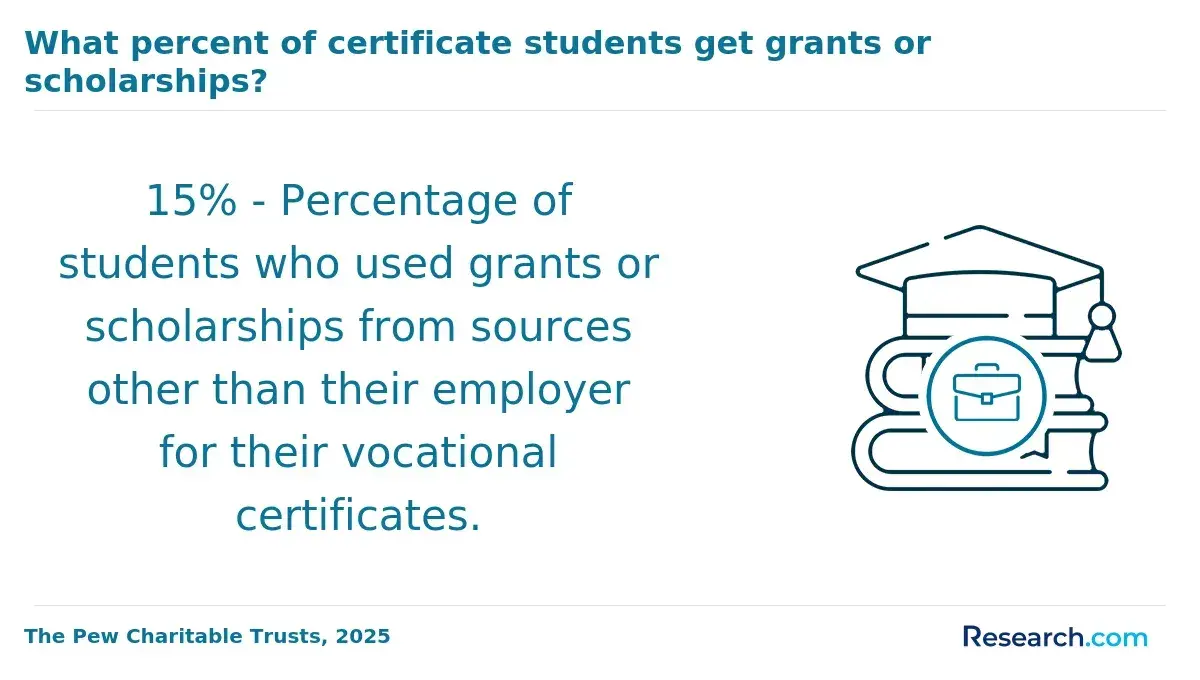
Professional certifications can significantly enhance the value of the highest media arts degree certifications typically pursued at the master's or doctoral level. These credentials provide formal recognition of advanced technical skills and leadership capabilities, expanding career options and industry standing for graduates.
While the focus of graduate media arts programs often remains on deep academic and creative development, many advanced media arts degree certifications are available in specialized fields. Below are some key professional certifications that complement the expertise gained through highest media arts degree programs:
- Adobe Certified Expert (ACE): Recognized globally, this certification validates proficiency in Adobe's suite of industry-standard creative software. It supports graduates by demonstrating up-to-date software mastery essential for roles in digital media production and creative direction.
- Certified Digital Media Professional (CDMP): This credential emphasizes applied skills in digital media design and production. It aligns with graduate-level training by showcasing technical proficiency and adaptability in evolving media technologies.
- Project Management Professional (PMP): Particularly valuable for media arts graduates moving into supervisory or executive roles, PMP certification confirms expertise in project management methodologies. According to the Project Management Institute, PMP holders report 23% higher median salaries than their non-certified peers, underlining its impact on career advancement.
Such certifications are not always mandatory but provide significant career benefits by signaling a commitment to continuous learning and industry standards. This blend of advanced academic knowledge and recognized credentials equips media arts graduates for dynamic roles across content creation, multimedia strategy, and emerging digital platforms.
For those exploring pathways within media disciplines, understanding which bachelor degree is best can serve as a helpful foundation when considering graduate certifications and career planning.
Exploring career possibilities is crucial for students considering a terminal or doctoral-level media arts program, as it helps align academic pursuits with long-term professional goals. The media arts field is expanding rapidly, with job opportunities expected to increase by over 8% in the next ten years, particularly in digital media and interactive design sectors. This growth underscores the value of advanced credentials in opening doors to leadership and specialized roles.
Below is an outline of typical career trajectories for graduates holding the highest media arts degrees.
- Academic Leader: Graduates frequently become university professors or researchers, driving innovations in media theory and investigative practices. Their advanced training equips them to contribute to scholarly discourse and mentor future professionals.
- Creative Executive: Many assume high-level creative or technical management positions such as creative directors or chief technology officers within media production firms. These roles demand strategic vision and expertise in cutting-edge technologies.
- Industry Consultant: With in-depth knowledge of emerging digital arts, graduates often advise corporations and organizations on integrating new media tools and trends, guiding transformative projects.
- Policy Advisor: Some work within regulatory or advocacy frameworks, influencing legislation and standards related to digital content, copyright, and intellectual property issues.
- Innovator in Media Technology: Pioneering new platforms in fields like virtual reality, animation, and interactive storytelling is common, as graduates apply research skills to develop novel user experiences and technologies.
Salary outcomes are a significant factor for students pursuing terminal or doctoral-level media arts programs due to the substantial investment required in time and resources. Understanding the average salary for media arts doctorate graduates helps manage expectations and plan career trajectories effectively.
Recent industry trends indicate that doctoral-level expertise in media arts increasingly opens doors to high-level research and leadership roles, often with enhanced compensation.
- Early-career earnings: Graduates with the highest media arts degree typically earn between $60,000 and $85,000 annually at the start of their careers, reflecting entry-level positions in various sectors.
- Long-term earning potential: With experience and career advancement, earning potential rises significantly, often exceeding $100,000 and reaching $130,000 or more in specialized or leadership roles.
- Industry variation: Salary outcomes vary across entertainment, education, and digital media sectors, where different skills and roles influence income levels and growth trajectories.
- Advanced degree advantages: Holding a terminal degree supports access to leadership and creative specialist positions, such as creative directors or senior digital media strategists, that command higher salaries due to the advanced skills and expertise involved.
For professionals considering the earning potential with highest media arts degree, it's also valuable to explore opportunities to enhance qualifications through certificate programs online. These can complement doctoral degrees by adding specific, marketable skills aligned with industry demands.
Organizations such as the U.S. Bureau of Labor Statistics note that arts and media managers with advanced degrees often outperform their peers in salary growth, benefiting from a combination of research acumen and managerial capabilities. This trend highlights the importance of advanced academic credentials in securing roles with greater responsibility and compensation over time.
Pursuing the highest level of a media arts degree, such as a terminal or doctoral program, demands significant time and financial commitment, typically extending several years beyond a master's degree. With fewer than 2% of arts-related graduates earning a doctoral degree annually, these programs are highly selective and require serious deliberation. To determine if this path fits your goals, consider key aspects that affect both your academic experience and career outcomes.
Reflect on the following factors when deciding whether to pursue a terminal media arts degree:
- Career goals: Clarify whether you seek leadership roles, specialized expertise, or academic positions; this degree is tailored for individuals targeting advanced responsibilities or teaching careers.
- Research interests: Doctoral programs emphasize original research and theoretical frameworks, so a passion for scholarly inquiry is essential for success.
- Time and financial investment: Be prepared for a multi-year commitment and associated costs that can impact your personal and professional life.
- Academic background: A strong foundation in media arts or related fields is critical to handle the program's advanced curriculum effectively.
- Long-term benefits: Evaluate how the degree may open doors to higher-level opportunities and influence your standing in the industry or academia over time.
Achieving the highest degree in media arts, such as a Doctor of Fine Arts (DFA) or a PhD, can substantially enhance professional growth, earning capacity, and response to industry needs. Data from the National Center for Education Statistics shows that doctoral degree holders tend to have lower unemployment and greater lifetime income compared to individuals with bachelor's or master's degrees. This advanced qualification often opens doors to leadership roles and specialist positions in fields like digital storytelling, animation, and interactive media design.
Holding a terminal media arts degree can position graduates as experts, enabling careers in academia, research, and high-level creative management. The credential provides flexibility to pursue diverse paths, from university teaching to directing complex media projects or innovating in emerging technologies. However, these programs demand substantial commitment - typically 4 to 7 years - and significant financial and time resources.
The intensive nature of doctoral study involves deep research, portfolio building, and theoretical application, which may not suit every individual. Prospective students should carefully evaluate their dedication to extended study and whether the degree aligns with their long-term professional and creative ambitions.
What Graduates Say About Their Highest Level of Media Arts Degree
- Allan: "Enrolling in the highest level of media arts was a significant investment, roughly $40,000, but the range of skills I acquired-from advanced digital storytelling to multimedia production-made every dollar worthwhile. This program sharpened my creative vision and technical expertise, allowing me to land a role in a leading design firm almost immediately after graduation. The degree truly accelerated my career growth and expanded my professional network. "
- Jonnar: "The cost of the highest level media arts degree was quite steep, yet it felt justified as it equipped me with critical competencies such as animation, interactive media, and critical media theory. Reflecting on my journey, the program deepened my understanding of media's societal impact, which has informed my work as a content strategist in meaningful ways. This degree was an essential foundation for my ongoing professional development."
- Jackson: "At approximately $40,000, the cost of the highest-level media arts degree was a substantial commitment, but the technical skills and conceptual knowledge I gained-ranging from video editing to immersive media-have been invaluable. This education has been instrumental in positioning me as a versatile media professional capable of navigating complex projects with confidence. The degree opened doors to creative leadership roles I once aspired to."
Other Things You Should Know About Media Arts Degrees
Most media arts doctorates require a final dissertation or doctoral project, usually completed after advanced seminars and candidacy approval. Universities commonly expect original research or creative practice, a formal defense, and 48 to 72 graduate credit hours total before the degree is awarded.
While not universally required, teaching experience often plays a significant role in pursuing a Ph.D. in Media Arts as of 2027. Many programs encourage teaching assistantships to develop instructional skills, enhancing both academic and professional expertise in the field.
In 2027, the highest level of media arts degree you can achieve is a Doctor of Philosophy (Ph.D.) in Media Arts. This degree focuses on advanced research, scholarly analysis, and often culminates in a dissertation that contributes new knowledge or insights to the field.
- Six profitable careers you can get with an art school degree https://www.cca.edu/newsroom/6-highest-paying-careers-you-can-get-art-school-degree/
- What Can You Do With a Media Arts and Technology Degree? https://mwcc.edu/blog/media-arts-technology-faqs/
- Essential Digital Skills for Media Students and Graduates https://al-fanarmedia.org/2025/04/essential-digital-skills-for-media-students-and-graduates/
- Top 10 Arts Certifications | ResumeCat https://resumecat.com/blog/arts-certifications
- Media Arts and Creative Entertainment, Certificate of Achievement https://catalog.cccd.edu/orange-coast/pathways/visual-arts-design-performing-arts/film-television/media-arts-creative-entertainment-certificate-achievement/
- Media & Arts Careers Guide | Higherin https://higherin.com/career-guides/media-arts
- Media Arts https://www.auarts.ca/learn-with-us/program-areas/media-arts
- Is a media arts degree the right choice for your creative career? https://www.cmich.edu/blog/all-things-higher-ed/is-a-media-arts-degree-the-right-choice-for-your-creative-career
- Bachelor of Media Arts degree https://www.ufv.ca/calendar/2023_24/ProgramsM-P/MEDIA_BMA.htm


