2027 Master's in Data Science vs. Master's in Systems Engineering: Choosing Your Graduate Path

Co-Founder and Chief Data Scientist
A master's in data science and a master's in systems engineering can both lead to technical problem-solving careers, but they prepare you to solve different kinds of problems. Data science centers on drawing useful conclusions from data; systems engineering centers on designing and coordinating complex systems that must work as a whole.
If you are weighing graduate programs or a career change, the better choice depends on the work you want to do, the preparation you already have, and whether a program's projects match your target roles.
Key Things You Should Know
- Choose data science if you want to build statistical analyses, predictive models, or data products; choose systems engineering if you want to define requirements, manage trade-offs, and integrate complex technical systems.
- The U.S. Bureau of Labor Statistics (BLS) projects 35% employment growth for data scientists from 2025 to 2035. That projection does not establish a comparable outlook for systems engineers, whose jobs span several occupational categories.
- Compare actual coursework and total cost, not degree titles alone: either program may emphasize software, analytics, engineering design, or management differently....
What is the difference between a master's in data science and systems engineering?
Data science asks what can be learned or predicted from data. Systems engineering asks how components, people, and processes should work together to meet requirements. The fields overlap when a complex system generates data that can improve its design or operation, but their primary deliverables differ.
This comparison shows the distinction to look for when reading course descriptions and project requirements. A program's title alone may not reveal its emphasis.
| Comparison point | Master's in data science | Master's in systems engineering |
| Typical problem | Find patterns, estimate outcomes, or support decisions using data | Design, integrate, evaluate, or improve a system under competing constraints |
| Core methods | Statistics, programming, machine learning, and data management | Requirements analysis, modeling, architecture, verification, and risk analysis |
| Typical project evidence | A reproducible analysis or model with a defensible evaluation | A documented design, trade-off analysis, or verification plan |
| Best fit | Someone seeking data-focused technical work | Someone seeking responsibility for how a whole system performs |
The decisive question is whether you would rather analyze the information a system produces or make the system itself meet its objectives. Some roles require both, so inspect electives and capstone options if you want to work at that intersection.
Which degree offers better career opportunities: data science or systems engineering?
Neither degree is universally better. Data science is the more direct route to roles centered on statistical modeling, experimentation, and data products. Systems engineering is more aligned with roles coordinating hardware, software, operations, and stakeholders in settings such as aerospace, manufacturing, defense, or large technology programs.
Compare opportunities by target job description, not by how broad a degree sounds. A data scientist position may prioritize coding and model evaluation, while a systems position may prioritize requirements, integration, testing, and experience in a particular industry. Some systems roles are difficult to enter through graduate study alone because employers also value familiarity with the systems they build.
If you already work in an engineering organization and want broader design responsibility, systems engineering may build more directly on that experience. If your goal is to move into analytical work, data science may provide a clearer skill-building path - but check whether your target jobs require software engineering or domain expertise beyond the degree.
What do you learn in data science and systems engineering master's programs?
Data science curricula commonly combine probability and statistics, programming, databases, machine learning, and communication of findings. Systems engineering curricula commonly address requirements, system architecture, simulation or modeling, optimization, verification, reliability, and technical decision-making. These are typical emphases, not a fixed curriculum every school follows.
Look past course titles to the assignments. A useful data science project should require you to handle imperfect data, justify a method, and evaluate its limitations. A useful systems engineering project should make you reconcile constraints and show how a proposed design would be tested. If AI is part of your goal, check whether ethical and governance questions receive substantial treatment rather than a passing mention; a guide to ethical AI study in artificial intelligence master's degrees can help you identify what to examine in relevant electives.
Do not assume that a systems program teaches advanced machine learning or that a data science program teaches system architecture. Ask for recent syllabi or project examples when that distinction will affect your career choice.
What are the admission requirements for each master's degree?
Requirements vary by institution. Data science applicants may be expected to show preparation in programming, calculus, linear algebra, or statistics. Systems engineering programs may look for quantitative preparation and relevant engineering or technical experience. Neither degree title, by itself, establishes a universal undergraduate-major requirement or guarantees that professional experience can replace a prerequisite.
If you come from a different field, separate admission eligibility from readiness to succeed. For example, independent Python study may help you prepare for data science without necessarily satisfying a school's formal graded-course requirement. Applicants considering an AI-focused alternative can use guidance on choosing an AI master's with a non-CS degree to frame questions about prerequisites, then confirm the rules for each program they actually apply to.
Before applying, send the admissions office your transcript and ask which specific courses, experience, or approved bridge options satisfy any missing requirements. That is more reliable than assuming that a broadly described "technical background" includes yours.
How long do data science and systems engineering master's programs take?
Completion time depends on required credits, course availability, enrollment pace, and whether a thesis or capstone adds a fixed sequence. Either field may offer full-time or part-time study; the degree name alone does not establish which will be faster.
For a fair comparison, map the required courses onto your intended schedule. Check whether foundational courses must precede electives, whether required classes run every term, and whether a project needs employer access or a faculty supervisor. A shorter advertised timeline is less useful if it assumes a workload or course sequence you cannot maintain.
How much do data science and systems engineering master's degrees cost?
There is no reliable field-wide price for either degree: schools set tuition and fees, and total cost changes with credit requirements, residency rules, and enrollment status. An unsupported average would be a poor basis for choosing between them. Request the current official tuition schedule for each program and calculate the cost of all credits required for your intended track.
Separate tuition from mandatory program and university fees, possible prerequisite courses, software or equipment, campus travel, and financing costs. Also consider income you would give up by reducing work hours. If an AI-focused degree is a genuine third option, lower-cost artificial intelligence master's options can broaden your shortlist, but compare their full costs and curricula against the two degrees here.
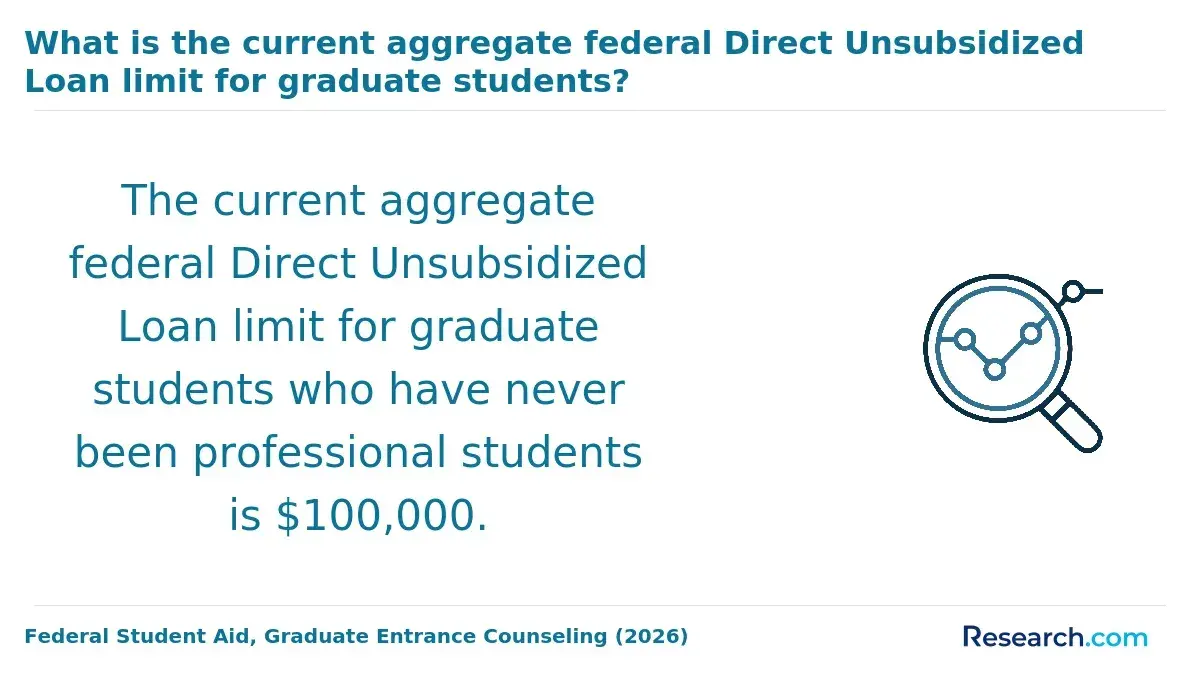
A common mistake is treating a higher occupational salary as the degree's expected return. Your financial case depends on your current earnings, the role you can realistically pursue, employer tuition support, and the amount you would need to borrow - not on a national median wage alone.
Are online or campus-based programs better for these master's degrees?
Choose the format that lets you complete the work each field requires. An online data science program may suit a working student if it provides access to computing resources, substantive project feedback, and collaboration. An online systems engineering program can also work well, particularly when students can apply assignments to systems they encounter at work. Campus study may be more valuable when you need in-person laboratory access, local recruiting, or frequent face-to-face project work.
Check for scheduled live sessions, group-work expectations, required campus visits, and support for finding a capstone topic. "Online" does not necessarily mean self-paced. If your interests extend to AI, you can explore lower-cost online AI programs as another format-and-curriculum comparison, rather than assuming an AI label is interchangeable with data science.
Working students should ask for a sample term schedule before enrolling. A program that fits your calendar but cannot support the projects you need may be a poor trade-off.
How can you verify accreditation for data science and systems engineering programs?
First, confirm that the institution holds recognized institutional accreditation using the U.S. Department of Education's accreditation database or the accreditor's directory. Then check the specific program's claims separately. Institutional accreditation does not mean every graduate program has specialized accreditation, and the absence of specialized accreditation does not automatically make a master's program illegitimate.
If a systems engineering program advertises ABET accreditation, verify the exact degree and institution in ABET's program directory rather than relying on a university-wide statement. If professional engineering licensure matters to you, ask the relevant state licensing board how it evaluates your full educational and experience record; a master's degree alone is not a license. For either online degree, also confirm that the school can enroll students in your state and that the particular program meets any financial-aid eligibility requirements you plan to rely on.
What jobs and salaries can graduates expect in each field?
Data science graduates may pursue data scientist, analytics, or machine-learning-oriented roles, depending on their skills and prior experience. Systems engineering graduates may pursue systems engineer, systems architect, integration, reliability, or technical-program roles. Job titles and duties vary substantially by employer; a new graduate should not assume immediate eligibility for senior architecture or leadership positions.
The BLS reports a $120,230 median annual wage for data scientists in May 2025. That is a wage for workers in the occupation, not an estimate of what a new master's graduate will earn. There is no single directly comparable BLS wage covering every job called "systems engineer," so comparing that data-scientist figure with one narrowly defined engineering occupation would be misleading.
For a personal comparison, collect salary ranges from recent postings for jobs you could plausibly obtain in your location and industry. Those differences can be substantial; an examination of industry salary differences for data science graduates provides additional context, but posted requirements and your existing experience should drive your estimate.
Which degree has stronger job growth and industry demand?
The BLS projects 35% growth in data scientist employment from 2025 to 2035. That signals strong projected demand for the occupation, but it does not measure demand for everyone with a data science master's or guarantee that entry-level hiring will be easy.
Systems engineering demand is harder to reduce to one number because relevant work appears across multiple industries and occupational classifications. Avoid the common mistake of treating a projection for industrial engineers, software developers, or another single occupation as the outlook for all systems engineers. Instead, examine current openings in your intended industry and note whether employers seek architecture and integration skills, specific domain experience, or data and AI capabilities.
Choose data science if your strongest interest is building and evaluating evidence from data and the programs you are considering provide substantial statistical and coding practice. Choose systems engineering if you want to make complex systems function reliably across components and stakeholders, especially if you can build on relevant technical experience. If both appeal to you, compare actual capstones and local job requirements before deciding; the better credential is the one that helps you demonstrate the work your target employer needs.
Other Things You Should Know About Data Science
Not universally. Employers set their own requirements and may weigh a relevant bachelor's degree, experience, and demonstrated analytical work differently. Check postings for the roles you want before deciding whether graduate study is necessary.
Yes, but the degree alone may not demonstrate statistical modeling or programming ability. Relevant electives, work experience, and a well-documented data project can help show those skills.
It may support an application, but doctoral programs set their own preparation and research-fit requirements. If research is your goal, compare thesis options and potential faculty advisers before choosing a master's program.
Possibly, if the program approves it. Ask about project scope, faculty supervision, data confidentiality, and whether you will be allowed to describe the finished work to future employers.
References
- How Long Does It Take to Complete a Master's Degree Program? | California Southern University https://www.calsouthern.edu/articles/how-long-is-a-masters-degree
- Data Science Applications Across 10 Different Industries | MDS@Rice https://csweb.rice.edu/academics/graduate-programs/online-mds/blog/data-science-industry-applications
- Tuition and College Costs | Admissions | UNLV https://www.unlv.edu/admissions/paying-for-college/costs
- Undergraduate and Graduate Tuition and Fees | Purdue Global https://www.purdueglobal.edu/tuition-financial-aid/undergraduate-graduate-tuition-and-fees/
- Costs of Online and Campus Colleges | University of Phoenix https://www.phoenix.edu/blog/comparing-the-costs-of-online-and-campus-colleges.html
- IT Certifications vs. Degrees: Which Should You Pursue? | Syracuse University https://ischool.syracuse.edu/it-certifications-vs-degree/
- Undergraduate Programs | Stony Brook University https://www.stonybrook.edu/ams/academics/undergraduate/
- Data Science & Machine Learning pathway | Industrial & Systems Engineering https://ise.washington.edu/datasciencepathway
- What You'll Learn in Applied Data Science: Modeling to AI | Bay Path University https://www.baypath.edu/news/bay-path-university-blogs/post/what-you-ll-learn-in-applied-data-science-modeling-to-ai/
- Master of Science: Systems Engineering | UMBC Professional Programs https://professionalprograms.umbc.edu/systems-engineering/ms-systems-engineering/