2027 Low-Cost Online Legal Studies Associate Degree Programs with Financial Aid: FAFSA, Grants, and Scholarships

Co-Founder and Chief Data Scientist
Choosing an online legal studies associate degree is really a cost-and-fit decision, not just a tuition search. College Board's 2024 Trends in College Pricing reported average published tuition and fees of $4,050 at public two-year colleges, but books, fees, enrollment status, and financial aid can change the real price.
This guide is for students comparing affordable online legal studies, paralegal studies, or legal support programs. You will learn how FAFSA, grants, scholarships, employer benefits, accreditation, and transfer options affect what you actually pay and whether the degree supports your career goals.
Key Things You Should Know
- The maximum Federal Pell Grant for the 2024-25 award year is $7,395, which can cover a large share of tuition at many public two-year colleges but may not cover books, technology fees, or living costs.
- The lowest advertised tuition is not always the lowest net price; a FAFSA-eligible program with state, institutional, or scholarship aid can cost less out of pocket than a cheaper non-aid-eligible option.
- The U.S. Bureau of Labor Statistics reported a May 2024 median annual wage of $61,010 for paralegals and legal assistants, so ROI depends heavily on graduating with low debt and choosing coursework aligned with local employer expectations.
Which Low-Cost Online Legal Studies Associate Degree Programs Offer Financial Aid?
Low-cost online legal studies associate degree programs that offer financial aid are usually offered by regionally accredited public community colleges, state colleges, and some accredited nonprofit or private institutions that participate in federal student aid. For students who are also comparing justice-related pathways, an online criminal justice degree may be worth reviewing because some schools offer overlapping legal studies, courts, corrections, and law-enforcement coursework.
In this context, "legal studies" may mean an Associate of Arts, Associate of Science, Associate of Applied Science, paralegal studies, legal assistant studies, or legal support services degree. Transfer-oriented AA and AS programs are usually better for students who plan to pursue a bachelor's degree, while AAS programs often emphasize job-ready paralegal, legal office, research, writing, litigation, and document-preparation skills.
The table below summarizes the main program categories students should compare. It focuses on financial-aid access and cost behavior rather than ranking individual schools, because aid eligibility and tuition can vary by residency, enrollment status, and aid year.
| Program category | Common online format | Financial aid availability | Cost pattern | Best fit |
| Public community college legal studies or paralegal associate degree | Fully online or mostly online with possible internship requirements | Often FAFSA-eligible if the college participates in Title IV federal aid | Usually lowest for in-district or in-state students | Students seeking the lowest tuition and strong local transfer or employer connections |
| State college online legal studies associate degree | Online general education plus online or hybrid legal specialty courses | Often FAFSA-eligible | May cost more than a community college but can offer smoother transfer into a bachelor's program | Students planning to continue into a four-year degree |
| Accredited nonprofit online associate program | Fully online, often with multiple start dates | May be FAFSA-eligible if institution and program qualify | Tuition can be higher, but institutional aid may reduce net cost | Working adults who need flexible scheduling and advising support |
| Private career college or proprietary legal assistant program | Online career-focused format | Varies; some participate in federal aid and some do not | Advertised convenience can come with higher fees or weaker transfer value | Students who verify accreditation, transferability, total cost, and employer recognition before enrolling |
| Noncredit legal secretary or legal assistant certificate | Short online training | Usually not FAFSA-eligible | Lower sticker price but limited federal aid access | Students needing quick skill development rather than an associate degree |
A low-cost program is usually strongest when it combines regional accreditation, federal aid participation, transparent fees, transferable credits, and legal specialty coursework that matches the student's goal. Students should ask whether online learners pay different tuition, whether internships can be completed locally, and whether credits transfer to a bachelor's program in legal studies, criminal justice, public administration, business, or political science.
How Does FAFSA Work for Online Legal Studies Associate Degree Programs?
FAFSA is the Free Application for Federal Student Aid. It determines eligibility for federal grants, work-study, and federal student loans, and many states and colleges also use FAFSA information to award their own need-based aid.
For an online legal studies associate degree, FAFSA eligibility depends on both the institution and the specific program. The school must participate in federal student aid, the student must meet general eligibility rules, and the degree must be an eligible program of study rather than a noncredit or continuing-education option.
Students should use the FAFSA as the starting point, but not as proof that a program will be affordable. The most important step is to connect the FAFSA result to a school-specific financial aid offer.
- Confirm that the school is accredited by a recognized accrediting agency and participates in federal student aid.
- Verify that the online legal studies, paralegal studies, or legal support associate degree itself is aid-eligible.
- Submit the FAFSA using the correct school code for each college under consideration.
- Review the Student Aid Index and any requested verification documents promptly.
- Compare each school's aid offer by separating grants and scholarships from loans.
- Ask the financial aid office how aid changes if you enroll part time, take summer courses, transfer credits, or pause enrollment.
The biggest misunderstanding is assuming that completing the FAFSA guarantees free college. FAFSA is an application and eligibility tool; it does not promise a Pell Grant, state grant, institutional award, or loan amount large enough to cover the full cost of attendance.
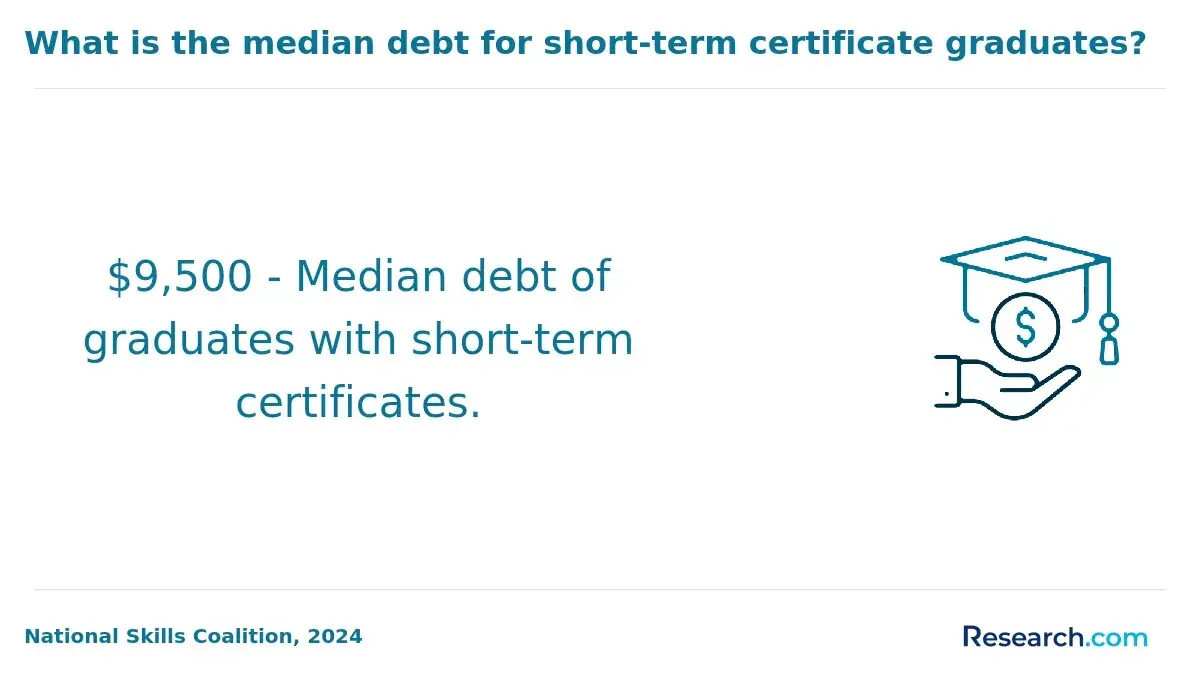
Enrollment intensity matters. Many associate degree students study part time because they work or care for family members, but Pell Grant and some state or institutional awards may be prorated when students take fewer credits. A program that looks affordable at full-time aid levels may require more out-of-pocket payment if the student takes one or two classes at a time.
What Grants Can Help Pay for an Online Legal Studies Associate Degree?
Grants are usually the best form of financial aid because they generally do not need to be repaid if the student remains eligible and meets the grant's conditions. For a low-cost online legal studies associate degree, grants can come from federal, state, tribal, institutional, or workforce-development sources.
The table below shows the grant categories students should check first. It helps distinguish broad federal aid from awards that depend on location, income, college policy, or career goals.
| Grant type | Who may qualify | Why it matters for legal studies students | Key caution |
| Federal Pell Grant | Undergraduates with financial need who have not earned a bachelor's degree | The maximum 2024-25 award of $7,395 can substantially reduce tuition at many public associate programs | The actual award depends on financial need, cost of attendance, and enrollment intensity |
| Federal Supplemental Educational Opportunity Grant | Students with exceptional financial need at participating colleges | Can add non-loan aid on top of Pell at some schools | Funding is campus-based and may run out early |
| State need-based grants | Residents who meet state rules, deadlines, and enrollment requirements | Can make an in-state online community college especially affordable | Eligibility may require residency, minimum credits, or attendance at an approved state institution |
| Institutional grants | Students selected by the college based on need, merit, program, or enrollment goals | Can lower the net cost at schools with higher sticker prices | Renewal rules may require a minimum GPA or continuous enrollment |
| Workforce or adult learner grants | Students in approved career programs, displaced workers, or returning adults | May support legal assistant, paralegal, or office technology training tied to employment | Some funds apply only to noncredit training or state-approved occupations |
Students should prioritize grants before borrowing. A practical approach is to list every grant by source, renewal rule, credit requirement, and whether it is already included in the financial aid offer or requires a separate application.
Common grant mistakes include missing state deadlines, assuming online students are automatically eligible for the same awards as campus students, and overlooking satisfactory academic progress rules. If a student withdraws from courses or repeatedly fails classes, future grant eligibility can be reduced or suspended.
Scholarships for online legal studies associate degree students are available from college foundations, local bar associations, state paralegal associations, community foundations, employer-sponsored education programs, and national legal professional organizations. Unlike grants, scholarships may be based on academic performance, career goals, community service, financial need, identity, location, or interest in the legal profession.
Students should search beyond large national databases because smaller local scholarships often have fewer applicants and may be more aligned with associate-level legal studies students. The table below organizes scholarship opportunities by where students are most likely to find them.
| Scholarship source | Examples of eligible students | What to look for | Possible limitation |
| College foundation scholarships | New, continuing, adult, online, or program-specific students | Legal studies, paralegal studies, business, public service, first-generation, or returning adult awards | Deadlines may occur before admission or before FAFSA results are finalized |
| Local bar associations | Students pursuing legal support, public service, or law-related education | County or city bar association awards, diversity initiatives, or legal community scholarships | Some awards require local residency or attendance at a nearby college |
| Paralegal associations | Students enrolled in paralegal or legal assistant programs | State or regional association scholarships and student membership opportunities | Some require program approval, faculty recommendation, or legal writing samples |
| Community foundations | Residents of a city, county, or region | Career education, adult learner, single parent, or workforce scholarships | Applications may require transcripts, essays, and proof of residency |
| Employer or union scholarships | Employees, dependents, union members, or workers in legal, government, insurance, banking, or corporate settings | Tuition scholarships, education stipends, or reimbursement plans | Funds may be paid after grades are posted rather than upfront |
A strong scholarship strategy is specific and organized. Students should build a calendar that separates one-time awards from renewable awards and keeps renewal requirements visible.
- Start with the college's scholarship portal because institutional awards may stack with FAFSA-based aid.
- Search local bar and paralegal association websites using terms such as "paralegal scholarship," "legal studies scholarship," and the student's county or state.
- Ask program faculty whether past students have received awards from legal employers, courts, nonprofits, or professional associations.
- Prioritize scholarships that accept associate degree students, part-time students, online students, and adult learners if those categories apply.
- Track whether each award is paid to the student or directly to the college because this affects billing and refund timing.
Students should be cautious with scholarship services that require payment, promise guaranteed awards, or ask for unnecessary sensitive information. Legitimate scholarships can be competitive, but they should clearly explain eligibility, selection criteria, deadlines, and how funds are disbursed.
Financial aid can reduce the cost of an online legal studies associate degree dramatically, but the reduction depends on the student's financial need, residency, enrollment level, school price, fees, and scholarship success. The right comparison is net price, not tuition alone.
The example below shows why two students in the same program can pay different amounts. It uses the 2024-25 maximum Pell Grant of $7,395 as a reference point, but actual awards can be lower.
| Cost or aid item | Low-cost public college example | Higher-sticker online program example | Decision point |
| Annual tuition and required fees | $4,050 | $9,000 | Sticker price favors the public college |
| Books, technology, and course materials | Varies by course and format | Varies by course and format | Students should request a full cost-of-attendance estimate |
| Pell Grant eligibility | May offset most or all published tuition and fees for some eligible students | May reduce the bill but leave a larger gap | Grant aid is most powerful when tuition is already low |
| Institutional scholarship | May be limited but still valuable | May be larger if the school discounts tuition | A higher-price school can become competitive only if aid is renewable |
| Likely borrowing need | Potentially lower if grants cover tuition and fees | Potentially higher if grants do not cover the gap | Loan use should be compared against career and transfer goals |
This comparison shows a key affordability rule: the largest aid package is not always the best package. A school that offers a large discount from a high tuition price can still leave the student paying more than a public college with smaller aid but lower charges.
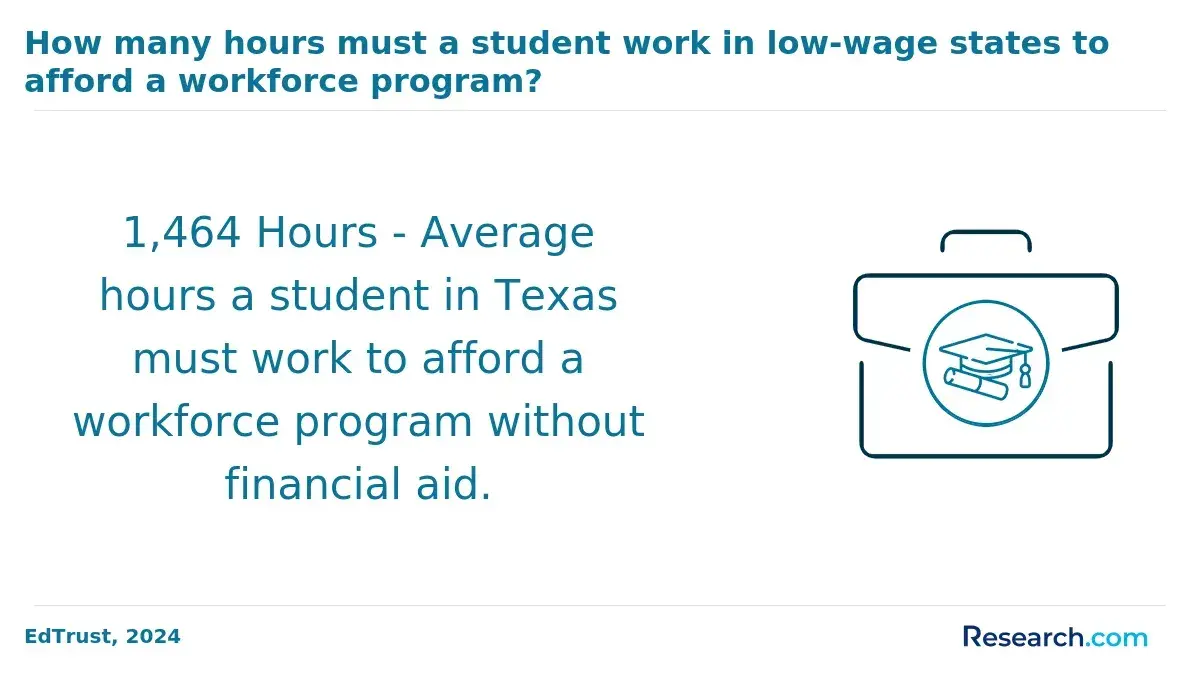
Students should also separate direct costs from indirect costs. Direct costs are billed by the college, such as tuition, fees, and sometimes course materials. Indirect costs include internet access, a laptop, transportation to a required internship, childcare, and lost work hours. Financial aid may be calculated using cost of attendance, but that does not mean every indirect cost will be covered by grants.
Financial aid packages should be compared line by line. Students who are comparing legal studies with justice-focused options can also review the best online associate degree programs in criminal justice to see how related associate degrees differ in curriculum, tuition, and career focus.
The table below gives a practical comparison framework. It helps students identify which offer leaves the lowest realistic out-of-pocket cost rather than the most impressive award total.
| Comparison item | Why it matters | Better sign | Red flag |
| Grants and scholarships | These usually do not need repayment | Renewable awards with clear GPA and credit requirements | One-time awards used to make the first year look cheaper |
| Federal loans | Loans increase affordability now but create repayment obligations later | Low or optional borrowing after grants are applied | A package that looks generous mainly because it includes loans |
| Residency pricing | Online tuition may differ for in-state, out-of-state, or district residents | Published online tuition matches the student's residency category | Assuming the lowest posted rate applies to everyone |
| Online and course fees | Technology, proctoring, legal database, and graduation fees can add cost | Complete fee schedule before enrollment | Fees disclosed only after registration |
| Transfer credit evaluation | Accepted credits can shorten the program and reduce total cost | Written evaluation before the student commits | Verbal estimates without a formal transcript review |
| Transfer pathway | Credits should support future bachelor's or career goals | Articulation agreements or clear bachelor's pathways | Career credits that do not transfer if the student later changes plans |
A good comparison process starts with the award letter but does not end there. Students should request a net-price estimate for the full degree, not just the first term.
- Calculate total required credits multiplied by the tuition rate that applies to online students.
- Add mandatory fees, estimated books, technology costs, graduation fees, and any internship-related expenses.
- Subtract only grants, scholarships, tuition waivers, and employer benefits that are confirmed or highly likely.
- Separate optional federal loans from gift aid so the aid package does not look cheaper than it is.
- Ask whether aid changes after the first year, after summer enrollment, or after switching from full time to part time.
- Compare the remaining out-of-pocket cost against expected completion time, transfer value, and career preparation.
The most common aid-package mistake is choosing the largest award total without noticing that loans make up most of the package. For a career-entry associate degree, lower debt often improves ROI more than small differences in school prestige.
Employer tuition assistance can help pay for an online legal studies associate degree, especially for students already working in law firms, courts, government agencies, banks, insurance companies, compliance departments, real estate offices, or corporate administrative roles. Students considering long-term public-sector or management goals may also compare future pathways such as a 1 year MPA online after completing an associate or bachelor's degree.
Employer benefits are especially useful when they can be combined with grants and scholarships. However, the timing matters because many employers reimburse tuition after the course is completed with an approved grade.
Before relying on employer support, students should clarify the benefit rules in writing.
- Confirm the annual tuition-assistance cap and whether fees, books, and technology costs are included.
- Ask whether the degree must be job-related, preapproved, or completed at an approved school.
- Check whether reimbursement is paid before the bill is due or only after final grades are posted.
- Review grade requirements, continued-employment obligations, and repayment clauses if the employee leaves the company.
- Ask the financial aid office whether employer payments reduce need-based aid or are treated as outside resources.
Other benefits may also reduce out-of-pocket cost. Veterans education benefits, workforce training funds, union education benefits, AmeriCorps education awards, and court or government employee training programs may help, but each has its own eligibility rules and documentation requirements.
The best use of employer tuition assistance is to reduce borrowing after gift aid has been applied. Students should avoid enrolling in a higher-cost program solely because an employer pays part of the bill unless the remaining balance, work schedule, and transfer value still make sense.
Accreditation and enrollment status are central to financial aid. A school can be online, affordable, and convenient, but if it lacks recognized accreditation or the legal studies program is not eligible for federal student aid, the student may not be able to use FAFSA-based grants or federal loans.
For most associate degree students, regional accreditation is the strongest baseline because it supports federal aid participation, credit transfer, and recognition by many employers and bachelor's programs. Programmatic approval can also matter in paralegal education, especially where employers prefer or require graduates of American Bar Association-approved paralegal programs. ABA approval is not the same as institutional accreditation, and not every online legal studies program has it.
Enrollment status affects both aid amount and time to completion. Many associate programs require about 60 credits, but the timeline changes significantly depending on course load.
| Enrollment pattern | Typical pace | Financial aid effect | Cost consideration |
| Full time | Often 12 or more credits per term | May maximize term-based grant eligibility when the student qualifies | Faster completion but heavier weekly workload |
| Three-quarter time | Often 9 to 11 credits per term | Some aid may be prorated | Can balance work and school but may extend completion |
| Half time | Often 6 to 8 credits per term | May preserve access to some aid and federal loans if eligible | Lower term bills but longer total timeline |
| Less than half time | Usually fewer than 6 credits per term | Federal aid may be limited or unavailable depending on aid type | Can appear affordable per term but may slow progress and affect aid |
Students should also understand satisfactory academic progress. Colleges that participate in federal aid must monitor academic progress, commonly including GPA, completion rate, and maximum time frame. Falling below the standard can put future grants and loans at risk.
Key red flags include programs that cannot clearly explain accreditation, schools that pressure students to enroll before providing cost and aid details, and programs that advertise "financial aid available" without confirming that the specific online associate degree is eligible.
A low-cost online legal studies associate degree with financial aid tends to benefit students who need an affordable entry point into legal support work, want a structured path to a bachelor's degree, or already work in a legal-adjacent setting and need formal credentials. Students comparing law, courts, public safety, and policy careers should also evaluate criminal justice degree price differences because a related degree may better match some career goals.
The degree is often most useful for students who want practical exposure to legal research, legal writing, civil litigation, contracts, torts, family law, criminal law, legal ethics, office technology, e-discovery, and document preparation. AI and automation are changing legal support work, but they have not removed the need for trained staff who can manage legal information carefully, follow procedures, protect confidentiality, and use legal technology responsibly.
The U.S. Bureau of Labor Statistics reported a May 2024 median annual wage of $61,010 for paralegals and legal assistants. That figure is not a starting-salary promise, but it helps students evaluate whether the degree's net cost is reasonable compared with the labor market for legal support roles.
The strongest fit is usually found among these student profiles.
- Working adults who need an online schedule and want to move into legal assistant, paralegal, compliance, court, claims, or administrative legal support roles.
- Students with high Pell, state grant, or institutional aid eligibility who can complete the degree with little or no borrowing.
- Students planning to transfer into a bachelor's degree and who choose an AA or AS with strong articulation agreements.
- Students already employed by a law firm, government office, insurer, bank, or corporate department that offers tuition assistance.
- Career changers who want a lower-cost test of the legal field before committing to a bachelor's degree or law school path.
Some students should consider a different pathway. If the goal is to become an attorney, an associate degree alone is not enough; students generally need a bachelor's degree and law school, subject to state bar rules. If the goal is immediate office employment, a shorter certificate may be sufficient. If the goal is advancement into management, policy, or compliance leadership, a bachelor's degree may provide more long-term flexibility.
How Should Students Minimize the Total Cost of an Online Legal Studies Associate Degree?
Students minimize the total cost of an online legal studies associate degree by comparing the full degree cost, not the first semester bill. The goal is to combine low tuition, gift aid, transfer credits, flexible scheduling, and strong career or transfer value.
A practical cost-control plan should be completed before enrollment, not after the first bill arrives.
- Choose only schools that can confirm recognized accreditation and financial-aid eligibility for the specific online legal studies associate degree.
- Request a full program cost estimate that includes tuition, mandatory fees, online fees, books, technology, legal database access, graduation fees, and internship-related costs.
- File the FAFSA early and list every school being compared so each can prepare an aid offer.
- Apply for state grants, institutional scholarships, local legal community scholarships, and employer benefits before relying on loans.
- Ask for a written transfer-credit evaluation if you have prior college, military, workplace, or exam-based credits.
- Compare AA, AS, and AAS options based on whether your next goal is transfer, employment, or both.
- Use federal loans only after calculating the remaining gap and considering expected entry-level pay in your region.
- Review renewal conditions for grants and scholarships, including GPA, credit load, program of study, and continuous enrollment requirements.
Students should also ask schools direct questions that reveal hidden costs and weak value. Good questions include whether online students pay out-of-state tuition, whether textbooks are included, whether proctored exams require fees, whether internships are required, and whether credits transfer to named bachelor's programs.
The clearest red flags are vague accreditation claims, aid offers dominated by loans, pressure to enroll before receiving a financial aid package, unclear refund rules, and programs that do not explain transferability. Genuine affordability means the student can finish the credential with manageable cash payments or debt and with coursework that supports a realistic career or transfer plan.
Other Things You Should Know About Legal Studies
Not always. Legal studies is often broader and may include law, government, ethics, legal systems, and transfer preparation. Paralegal studies usually focuses more directly on legal research, document preparation, litigation support, and law office skills.
No. An associate degree can support entry-level legal support work or serve as a step toward further education, but becoming a lawyer generally requires completing a bachelor's degree, graduating from law school, and meeting state bar admission rules.
ABA approval is not required for every legal studies or paralegal job, but some employers prefer it. Students should check local job postings and ask schools whether the program is ABA-approved, regionally accredited, or designed primarily for transfer or workforce entry.
A strong program should build legal research, legal writing, document preparation, ethics, litigation basics, technology use, organization, communication, and attention to detail. Courses in contracts, torts, criminal law, family law, and civil procedure can also strengthen career preparation.
- Law School Scholarship Databank https://www.accesslex.org/databank
- What is the typical debt load for graduates of four-year public universities - APLU https://www.aplu.org/our-work/4-policy-and-advocacy/publicuvalues/student-debt/
- Overborrowing for Education Could Prolong a Student Lifestyle https://paralegal.edu/blog/overborrowing-for-education-could-prolong-a-student-lifestyle/
- Earn an Online Paralegal Degree | OEDb.org https://www.oedb.org/rankings/online-paralegal-programs/
- Online Legal Studies Degrees https://www.affordablecollegesonline.org/degrees/best-online-bachelors-in-legal-studies-programs/
- Online College Costs: A Breakdown of Tuition and Fees | OnlineColleges.net https://www.onlinecolleges.net/for-students/online-college-costs/
- Distance Learning Costs Compared: Public vs. Private https://studienfluesterer.com/en/blog/distance-learning-costs-compared/
- Online Legal Studies Degrees https://delawarelaw.widener.edu/prospective-students/non-jd-programs/paralegal/paralegal-degree-programs
- Student FAFSA Guide: How To Get Federal Student Aid | Bankrate https://www.bankrate.com/loans/student-loans/fafsa-guide/
- Law School Scholarships Guide https://onlinemasteroflegalstudies.com/resources/law-school-scholarships/