2027 Licensing Exams Required After Completing an Education Degree Program

Co-Founder and Chief Data Scientist
Graduates with an education degree often face uncertainty about the licensing exams needed to begin their teaching careers. Nearly 60% of teacher candidates report confusion over varying state requirements and exam formats, which can delay employment. Passing these exams is crucial for certification and classroom placement. Understanding each state's licensure process and exam content is essential for timely career entry. This article clarifies the specific licensing exams required after completing an education degree, outlining eligibility criteria and strategies to navigate these requirements efficiently, helping graduates transition smoothly into the workforce.
Key Things to Know About the Licensing Exams Required After Completing an Education Degree Program
- Licensing exams typically require candidates to hold a completed education degree and meet specific state-defined eligibility criteria, including background checks and supervised teaching experience.
- Exams assess core knowledge in pedagogy, subject matter, and classroom management, often combining multiple-choice questions with performance-based tasks to evaluate practical skills.
- Most candidates take licensing exams near program completion; rigorous preparation recommended, as passing is crucial for employment, with certified teachers earning 20% higher salaries on average.
What Licensing Exams Are Required After Completing a Education Degree?
Licensing exams play a crucial role after completing an education degree, with statistics showing states that report higher pass rates often experience improved teacher retention and better student outcomes. Passing these assessments remains essential for meeting employer requirements and eligibility for professional teaching positions nationwide. Below are common licensing exams required or recognized across many states.
These tests assess a blend of foundational skills, subject knowledge, and teaching practice.
- Praxis Series Exams: Required in most states, these exams evaluate general teaching abilities and specific subject content knowledge. Candidates usually take the Praxis Core Academic Skills for Educators along with relevant Praxis Subject Assessments tied to their intended teaching field.
- State-Specific Exams: Certain states administer their own exams focusing on local educational laws, standards, and pedagogy, ensuring teachers meet region-specific professional criteria.
- edTPA: Often mandated by teacher preparation programs or state boards, this performance-based assessment requires candidates to document lesson planning, instructional delivery, and student assessments through portfolios, reflecting real classroom readiness.
Most graduates must successfully pass these licensing exams to receive certification and enter the teaching workforce. For those pursuing further advancement or alternative career paths, comparing options like online mba programs may also be beneficial to complement educational credentials.
What Topics Are Covered on the Education Licensing Exam?
Effective preparation for the education licensing exam depends heavily on knowing the specific topics tested. Recent candidate surveys reveal that nearly 40% find content knowledge sections among the most challenging, underscoring the importance of focused study. This insight is especially valuable for those pursuing an education licensing exam or planning to advance their teaching careers.
The core subject areas commonly assessed include:
- Content Knowledge: This section evaluates mastery of the specific subject(s) the candidate plans to teach, such as mathematics, language arts, or social studies. It ensures that teachers possess the essential foundation needed to support student learning effectively.
- Pedagogical Skills: Questions assess teaching methods, lesson planning, and instructional strategies. This area measures a candidate's ability to deliver engaging and effective education to diverse classrooms.
- Instructional Technology: Focuses on understanding how digital tools and technology integrate into modern classrooms, reflecting the growing role of educational technology in enhancing learning experiences.
- Classroom Management: Examines strategies for creating a productive, safe, and well-disciplined learning environment, which is vital for maintaining student engagement and success.
- Professional Responsibilities and Ethics: Covers legal, ethical, and collaborative aspects of teaching, ensuring that candidates recognize their duties within the education system and act accordingly.
Each topic is usually measured through multiple-choice or constructed-response items, providing a comprehensive assessment of the candidate's readiness to meet real-world teaching challenges. For those interested in accelerating their educational careers, exploring a fast track psychology degree can complement teacher certification with relevant expertise in child and adolescent development or counseling, valuable skills for educators.
Understanding these topics tested on teacher certification exams helps candidates direct their efforts efficiently and improves chances for passing and professional advancement in education licensing exam subjects.
What Requirements Must Be Met to Take the Education Licensing Exam?
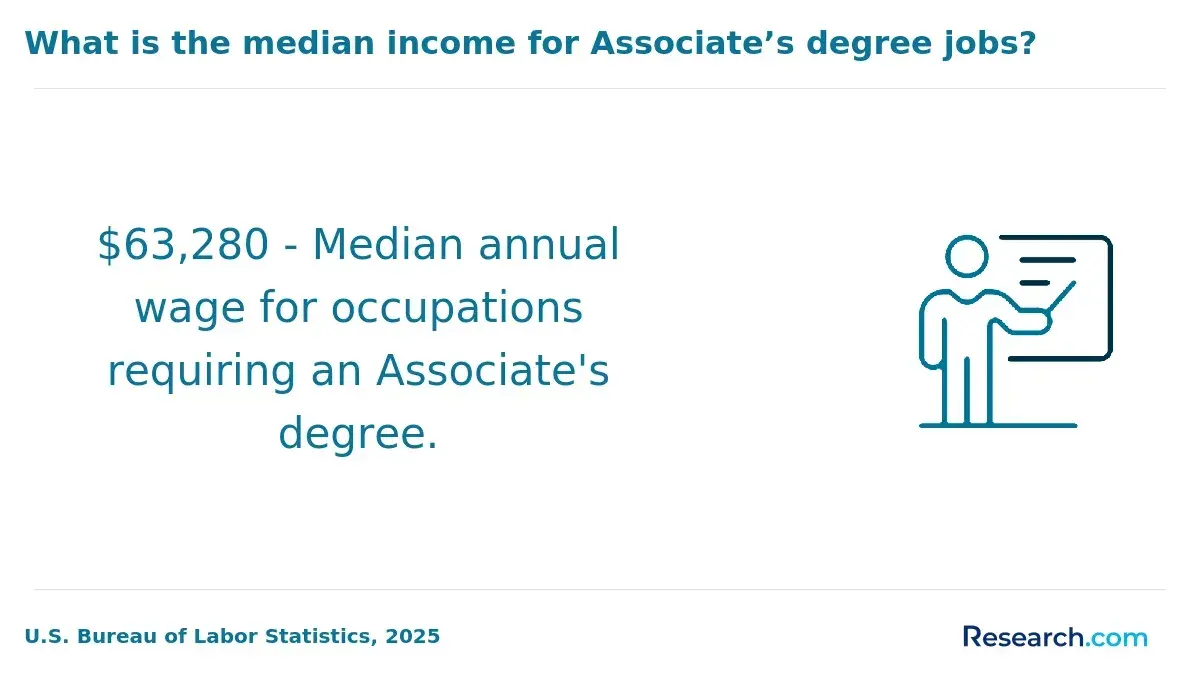
Meeting eligibility criteria for education licensing exams is essential for smooth career planning after graduation, ensuring candidates qualify to enter the teaching profession on time. These requirements help candidates understand what is needed before sitting for these tests, which can vary widely by state and specialization.
Common requirements for taking teacher licensure tests include:
- Completion of an accredited education degree program: Candidates must graduate from a state-approved or nationally recognized program that ensures adequate preparation in teaching theory and practice.
- Background checks: Criminal history screenings are typically mandatory to maintain a safe learning environment and uphold ethical standards in schools.
- Supervised field experience: Many states require a set number of student-teaching hours or a practicum. This hands-on training is critical for applying instructional skills in real classrooms.
- Application submission and fees: Candidates must submit qualifying documents and complete formal applications, which trigger eligibility reviews before approval to test.
- Specialization requirements: Depending on the licensure area-such as elementary education, special education, or subject-specific credentials-additional coursework or exams may be necessary.
Because these rules fluctuate by jurisdiction and program, candidates should consult their state education agency for detailed guidelines. Those interested in advancing their career through further studies may explore options like online executive MBA programs that complement licensure goals.
Graduates with an online education degree are often eligible for teacher licensure, though this depends largely on state-specific rules and the accreditation status of their program. Licensing bodies generally require completion of a program recognized by established accrediting agencies, frequently insisting on in-person fieldwork or student teaching to ensure practical experience. Notably, around 75% of graduates from accredited online education programs successfully fulfill licensure requirements, showing increasing acceptance of this pathway.
However, some states impose additional hurdles such as extra exams, background checks, or may disqualify candidates if the program lacks regional accreditation or sufficient classroom training. Prospective educators should thoroughly investigate their state's licensing criteria to align their online coursework accordingly.
Targeted preparation through education programs plays a vital role in passing teaching licensing exams, with graduates from well-designed curricula reporting pass rates exceeding 80%. Such success underscores the value of aligning coursework and practical experiences with exam requirements.
Below are several key strategies these programs use to enhance exam readiness:
- Curriculum alignment: Coursework is tailored to cover the specific skills and knowledge tested on licensing exams, ensuring candidates gain comprehensive subject mastery and pedagogical insight.
- Exam-focused coursework: Assignments replicate exam formats and challenge students with real-world scenarios, helping them familiarize themselves with the types of questions they will encounter.
- Practice exams: Simulated tests provide opportunities to build test-taking confidence and pinpoint areas for review, reducing anxiety before the actual licensing assessment.
- Internships and field experiences: Hands-on teaching practice during placements deepens understanding of classroom dynamics and prepares candidates for practical components of the licensing process.
- Faculty guidance: Instructors offer personalized feedback and strategic coaching, supporting candidates in mastering content and navigating exam requirements effectively.
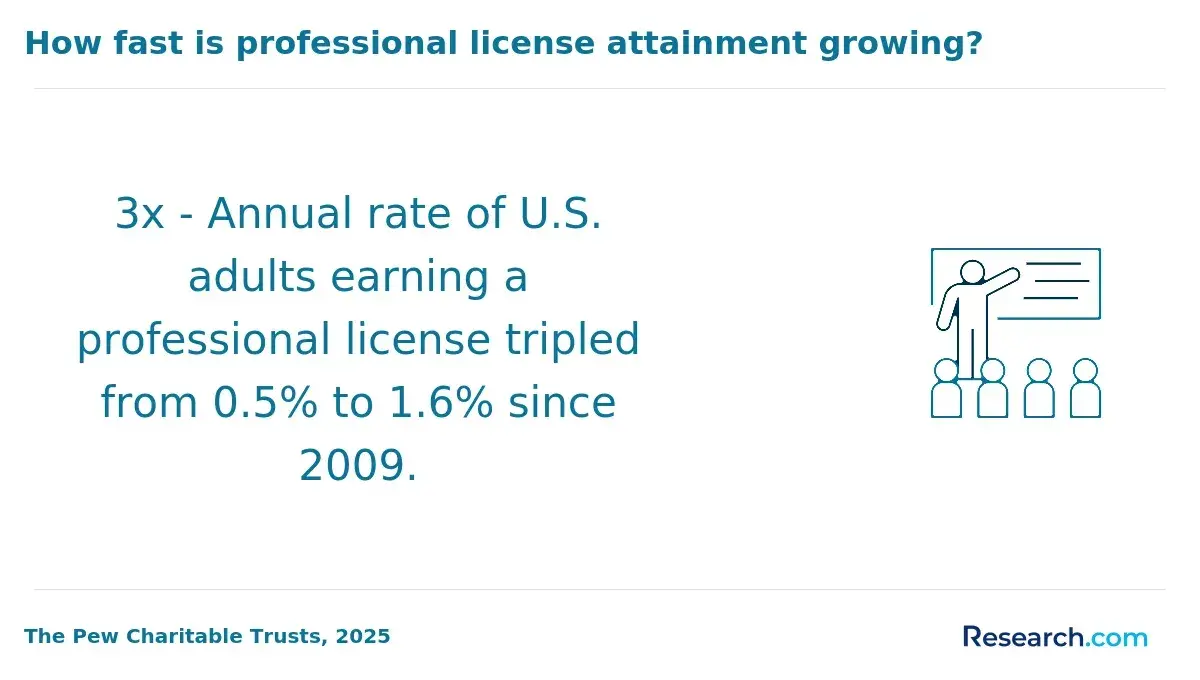
Budgeting for licensing exam fees after completing an education degree is essential for effective financial planning. The overall cost can vary widely depending on the state and type of test, so being familiar with key expense categories is helpful.
Below are the primary factors influencing the cost of teaching license exam fees after education degree completion.
- Exam fee: This is the core cost for taking the licensing test and differs by state. Typically, it ranges from $100 to $300 and is the largest single expense candidates should anticipate.
- Application fee: Separate from the exam charge, the application fee covers processing your licensure paperwork. This fee ensures your eligibility is reviewed and your credentials are officially recorded.
- Retake fees: Many states require additional payment if you must retake the exam, which can significantly increase total expenses, especially if multiple attempts are needed.
- Study materials: Investing in prep books, online courses, or practice tests is common. Costs here vary from around $50 to several hundred dollars, depending on the depth and format of the materials chosen.
- Additional training: Some prospective teachers enroll in workshops or specialized preparatory classes to meet state requirements or boost test readiness, which adds to the overall financial commitment.
These components collectively shape the financial landscape for licensing after graduation, making it important to plan ahead. For those considering further advancement, exploring options such as an online PhD organizational leadership can also be a strategic next step.
Knowing when education licensing exams are offered helps candidates plan their preparation and licensure timeline effectively. Approximately 60% of individuals pass on their first attempt during the initial testing window, demonstrating the value of aligning study efforts with exam scheduling.
Below are key factors that shape how often these exams are available.
- Testing windows: Many states set specific quarterly or monthly periods during which exams can be taken, but some jurisdictions allow more flexible, year-round appointments to accommodate various schedules.
- Online vs. in-person: The rise of remote proctored exams has broadened access beyond traditional testing centers, often increasing the number of available dates and reducing travel constraints for candidates.
- Retake policies: Most regions enforce mandatory waiting periods between attempts, which can vary widely and impact how soon candidates can reschedule after an unsuccessful try.
- Jurisdictional variation: Exam availability and frequency depend heavily on state regulations, so it's essential to check local guidelines early to ensure readiness aligns with testing calendars.
In the United States, obtaining a license is often essential for education graduates seeking roles in public schools, with nearly 80% of teaching jobs requiring state-issued licensure. This credential ensures candidates meet educational and professional standards before entering the workforce.
Several important factors influence whether licensure is required for a particular position.
- Regulatory requirements: State education departments oversee licensure processes, typically mandating candidates to pass exams and undergo background checks to verify qualifications and safety.
- Job role: Licenses are generally mandatory for classroom teachers, whereas related positions like education administration or consulting may not always require formal licensure.
- Employer preferences: While public schools almost always require a license, private and charter schools may have alternative certification standards or waive state licensure altogether.
- Specialization: Teaching specific subjects or student populations, such as special education or English as a Second Language (ESL), often demands additional endorsements beyond basic licensure.
- State-specific rules: Licensure standards can differ widely between states, with some having stricter or more flexible requirements depending on local policies and workforce needs.
Recognizing these elements can guide recent education graduates in preparing for necessary exams and fulfilling the criteria linked to their intended career paths.
Licensure significantly influences earning potential for education professionals, with licensed teachers in the U.S. typically earning between $45,000 and $75,000 annually. In contrast, unlicensed education graduates often start at lower salaries or face challenges securing full-time roles, reflecting clear salary differences for licensed education professionals.
Below are key factors driving these earnings differences:
- Regulatory requirements: Many states mandate licensure for teaching in public schools, restricting job opportunities for unlicensed graduates and limiting their ability to enter the workforce fully.
- Access to higher-paying roles: Licensed educators can pursue tenure-track positions and specialized roles that come with elevated salaries, expanding their career options compared to those without a license.
- Employer preferences: Schools tend to favor licensed candidates, viewing licensure as proof of verified competency, which enhances professional credibility and employability.
- Career advancement opportunities: Holding an education license is often a prerequisite for leadership roles like department heads or instructional coaches, offering pathways to higher pay and responsibility.
- Geographic licensing variations: Differences in state salary scales and recognition of licensure affect earning potential nationwide, meaning job opportunities with education license and income can vary by location.
Ultimately, obtaining licensure not only improves immediate salary prospects but also expands long-term career pathways and stability for education graduates. For prospective students seeking alternatives, exploring the easiest online degree options may offer flexible routes into the education field or other professions.
Licensing authority for education professionals is generally determined at the state level, meaning each state enforces its own set of rules and standards. This patchwork system affects license portability, an important factor for those relocating or seeking employment in different states. Around 25% of educators move within the first five years of their careers, underscoring the need for flexible licensure options. Many states have developed reciprocity agreements or joined interstate compacts to help facilitate the transfer of education licenses, but the specifics can vary widely between jurisdictions.
Common methods to work with an education license in another state include applying for license endorsement if credentials are accepted, completing additional exams required by the new state, or fulfilling required supervised practice or professional development. The exact criteria depend heavily on the state's regulatory board, the educator's area of specialization, and the licensing requirements in place. Because of these differences, it is crucial to consult the licensing authority in the destination state to understand the necessary steps for legally practicing education across state lines.
What Graduates Say About The Licensing Exams After Completing a Education Degree
- Dutch: "Taking the licensing exam as an online education degree graduate was a challenging yet rewarding experience. The flexibility of the online program allowed me to balance studying with work, even though the licensure costs, including registration and preparation materials, added up to roughly $300. Having my education license has truly opened doors, boosting my confidence and credibility in the classroom. "
- Niven: "The journey to obtaining my education license was quite reflective for me. The overall expenses, around $250 on average for exam fees and related costs, initially felt like a big investment. However, the real value became clear as this credential significantly enhanced my career prospects and gave me a solid foundation to advance professionally. "
- Tolland: "As a professional who completed an online education degree, I appreciated the practicality of taking the licensing exam remotely. The cost of licensure, while an extra financial consideration, was a small price to pay compared to the career growth it facilitated. Achieving this license has been instrumental in validating my skills and securing positions that require certified educators."
Other Things You Should Know About Education Degrees
Yes, most states and testing agencies provide accommodations for candidates with documented disabilities. These accommodations may include extended time, alternative test formats, or private testing rooms. Candidates must submit appropriate documentation well in advance to qualify for these adjustments.
If a candidate fails the licensing exam, they can usually retake it following a mandatory waiting period, which varies by jurisdiction. Some states limit the number of attempts within a certain timeframe. Preparing thoroughly before retaking the exam is crucial to avoid repeated delays in obtaining licensure.
State education boards set the passing score, often using a scaled score rather than a raw percentage. For example, many states require a minimum score of 220 or 240 on Praxis tests, while some use state-specific cut scores approved by the state board of education.
- USMLE Fees - USMLE Tests Cost & Payment Information https://www.dbs.bank.in/digibank/in/study-abroad/exams/usmle/usmle-exam-fees
- Pre-Licensing Online Self-Study Courses https://etrainingschool.com/FixedPages/online_self_study.aspx
- Professional Licensure Exam Prep Programs for University Partners https://kaplan.com/universities/exam-prep-credentialing/professional-licensure-prep
- ECFMG https://www.ecfmg.org/fees/
- A Guide to Teacher Licensure | ACE Blog https://ace.edu/blog/a-guide-to-teacher-licensure/
- List of Praxis Tests (2024) | 240 Tutoring https://www.240tutoring.com/resources/list-of-praxis-tests/
- Remove Product? https://praxis.ets.org/tomorrows-teacher/What-It-Takes-to-Build-a-Teacher-Licensure-Test.html
- Are Education Requirements Necessary on All Job Posts? https://datapeople.io/blog/are-education-requirements-necessary-for-all-jobs/
- Educational Requirements Are Gradually Disappearing From Job Postings - Indeed Hiring Lab https://www.hiringlab.org/2024/02/27/educational-requirements-job-postings/
- How to Prepare for Teacher Licensure Exams https://www.collegexpress.com/interests/education/articles/becoming-teacher/all-about-teacher-licensure-exams-and-how-to-prep-for-them/