
2027 Is a Public Policy Degree Better Than Experience Alone? Salary, Hiring, and Career Growth Compared

Co-Founder and Chief Data Scientist
Entering the public policy industry without a specialized degree often limits candidates to entry-level roles with modest salaries, even if they possess years of experience. Conversely, public policy degree holders report 28% higher average initial salaries, according to a 2025 National Labor Study. Employers increasingly prioritize formal education for mid- to senior-level positions, making degrees almost indispensable for substantial career growth.
Lack of a degree can stall advancement despite practical knowledge. This article explores salary differences, hiring tendencies, and career trajectories between public policy graduates and those relying solely on experience, helping readers decide which path aligns best with their goals.
Key Points About Having Public Policy Degrees vs Experience Alone
- Public policy degree holders earn on average 18% higher salaries than those relying solely on experience, reflecting industry preference for formal education credentials in compensation decisions.
- Employment opportunities are broader for degree holders, who access specialized roles and agencies routinely requiring academic qualifications, unlike many experience-only candidates.
- Career growth prospects, including promotions and leadership roles, favor degree holders, as 62% of senior public policy positions mandate an advanced degree for consideration.
What technical proficiencies can you gain from having Public Policy degrees vs self-teaching?
Professionals can acquire foundational principles and practical applications through public policy degrees that are often only partly gained through job experience. Degree programs provide a structured learning environment where complex concepts are taught systematically, while on-the-job learning may lack depth or comprehensive context. Below are five critical technical proficiencies illustrating how public policy degrees offer advantages over self-taught or experiential learning alone.
- Quantitative analysis and econometrics: Public policy degrees train students in advanced statistical software and rigorous methodologies to evaluate policy outcomes comprehensively. In contrast, professionals relying solely on experience may struggle to master these quantitative tools without formal instruction.
- Policy design and evaluation frameworks: Degree programs teach formal models and theoretical approaches that enable systematic development and assessment of policies. Learning through work experience often lacks exposure to these foundational frameworks, limiting the ability to structure interventions methodically.
- Legal and regulatory analysis: Coursework immerses students in interpreting statutes and understanding compliance intricacies crucial for policymaking. Such detailed grasp is difficult to achieve through self-teaching or fragmented workplace exposure.
- Stakeholder engagement and negotiation strategies: Structured programs incorporate simulations and supervised practice to build skills in influencing diverse political and social actors, whereas practical experience alone may provide inconsistent opportunities for this nuanced training.
- Data visualization and geographic information systems (GIS): Integrating data science with spatial analysis is emphasized in degree curricula, giving graduates an edge in evidence-based policymaking. Professionals learning on the job might lack formal exposure to these sophisticated tools.
Comparing analytical tools learned in public policy programs with those gained through self-teaching highlights that while tutorials and bootcamps introduce some technical skills, they seldom offer the interdisciplinary rigor embedded in degree programs. According to a recent industry survey, 68% of policy employers prefer candidates with formal public policy education for roles demanding advanced analytical competencies, citing better job preparedness versus those relying on self-directed learning.
Self-teaching supplements applied experience, especially for specific software skills or niche knowledge. However, complex policy challenges require a combination of theory and applied skills best developed within degree curricula. For students interested in accelerated educational paths, an accelerated BCBA program online offers a relevant example of how structured, efficient programs enhance professional competencies.
Are there certifications or licenses that only Public Policy degree holders can obtain?
Continuing education and earning additional credentials can significantly enhance career prospects, especially as more employers embrace skills-based hiring. Certain certifications and licenses specifically require a public policy degree, reflecting the need for specialized academic grounding. Below are some key credentials that often mandate such educational background.
- Certified Public Policy Analyst (CPPA): This credential demands completion of a public policy degree or an equivalent graduate program. It evaluates expertise in policy analysis techniques and data interpretation, making it ideal for those targeting analyst or advisory roles in government agencies and think tanks.
- Certified Government Financial Manager (CGFM): Though open to various disciplines, the CGFM benefits greatly from a public policy degree due to the program's rigorous exams focused on government financial management. This certification is valuable for professionals seeking advancement in federal, state, or local agencies where budgeting and policy implementation are critical.
- Project Management Professional (PMP): While not exclusively requiring a public policy degree, many employers prefer candidates who combine project management with policy expertise. A public policy degree often fulfills part of the educational prerequisites necessary for PMP eligibility, particularly for those managing public projects or programs.
- State Policy Fellowships: These are often state-specific and require a public policy degree for eligibility. Such fellowships prepare participants for leadership roles within state government and nonprofit organizations.
Holding a public policy degree also opens doors to professional certifications exclusive to public policy graduates, which can distinguish candidates in a competitive job market. Research by the National Association of Schools of Public Affairs and Administration found that credentialed degree holders in public policy earn about 18% more and advance 25% faster than those relying solely on experience and self-directed learning.
For students considering alternative educational paths, comparing public policy degrees with options like accelerated psychology programs and other disciplines can provide perspective on career trajectories and credential opportunities.
Will a degree in Public Policy make you more employable?
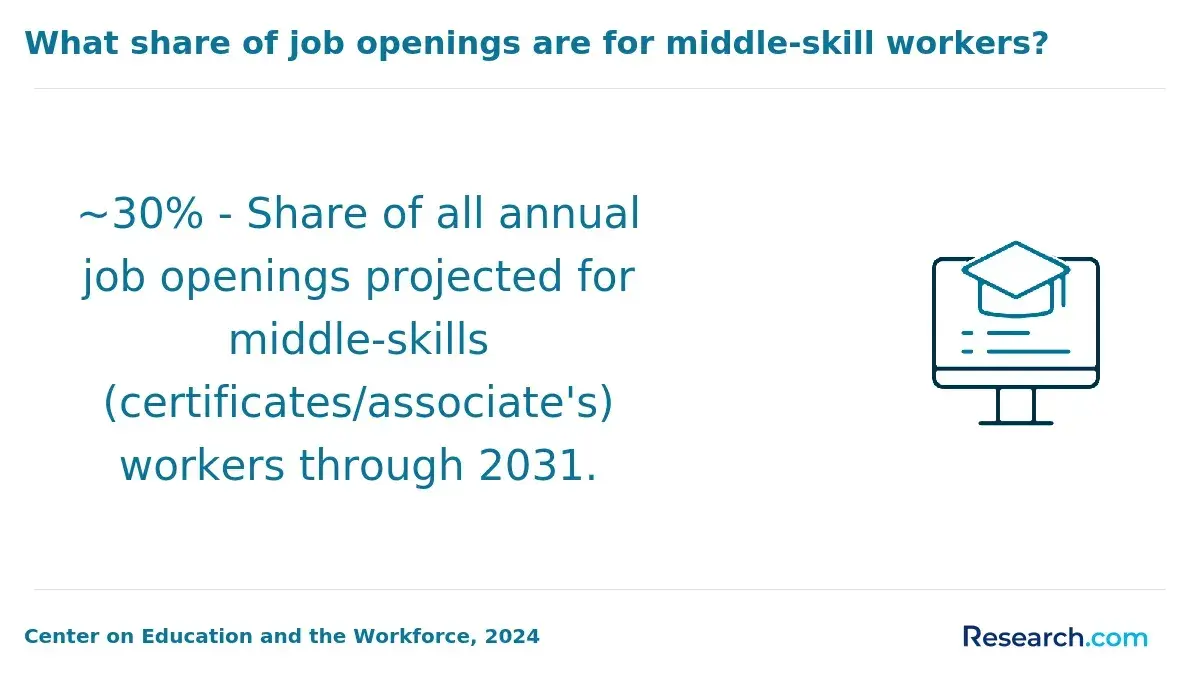
The job market for those with a public policy degree generally shows a preference for candidates holding formal credentials over those relying solely on experience or self-study. Many employers see structured academic training as beneficial for mastering research techniques, policy frameworks, and analytical skills. However, practical experience remains highly valued, especially in roles where hands-on problem solving and familiarity with policy environments are essential.
Employers increasingly prioritize a balanced skill set. Candidates who combine a public policy degree with real-world experience tend to stand out. Formal education offers theoretical knowledge and networking opportunities, while direct work experience demonstrates adaptability and applied expertise. This hybrid approach usually provides the strongest foundation for succeeding in a competitive field.
Ultimately, whether to pursue a degree depends largely on individual career objectives. For those aiming at positions requiring certification or entry-level qualifications, a degree can open doors. Others may find that gaining relevant experience, internships, and project involvement sufficiently prepares them, particularly if they demonstrate key policy-related skills without formal credentials.
When discussing this with a professional who recently earned an online public policy bachelor's degree, he shared that the program challenged him beyond expectations. He described balancing coursework with a full-time job as stressful yet rewarding, stating, "The professors pushed us to think critically about real issues, not just memorize facts." He also emphasized how access to professors and peers online helped deepen his understanding. Reflecting on job hunting after graduation, he noted that while the degree provided credibility, it was the practical projects and internships included in the curriculum that truly boosted his confidence and employability.
Many careers in the field of public policy require candidates to hold a formal degree, while others may prioritize specific skills and job-readiness, allowing professionals without a degree to compete effectively. The differences in job opportunities can significantly affect long-term career growth and salary potential in public policy-related fields. Below are some prominent roles and why a public policy degree often matters for them.
- Policy Analyst: These professionals research and evaluate government, nonprofit, and private sector policies to inform decision-making. A public policy degree equips analysts with essential training in quantitative methods and policy frameworks, which are difficult to acquire through experience alone.
- Public Affairs Specialist: Specialists manage communication strategies and stakeholder engagement around policies or organizational goals. While experience in media or community organizing can sometimes substitute, formal study usually better prepares candidates to understand legislative processes and public sentiment.
- Urban and Regional Planner: These planners create land use plans to support community growth and revitalization. Due to the specialized knowledge of demographics, environmental regulations, and policy needed, a degree or related credentials are nearly essential for advanced roles.
- Government Program Manager: Overseeing public initiatives, budgets, and compliance requires administrative expertise often gained through public policy education. Experienced professionals without degrees may enter this path but usually need proven project management skills.
- Legislative Assistant: Assisting elected officials by researching bills and drafting communications requires strong legislative knowledge and writing skills sharpened by public policy studies. Political or advocacy experience can sometimes serve as an alternative entry.
While some of the highest paying public policy jobs in the US demand formal education, others place more value on direct experience and practical skills. A well-respected 2025 study by the National Association of Schools of Public Affairs and Administration found that 65% of employers prefer candidates with a public policy degree for entry to mid-level roles.
For students considering their educational path, combining a strong academic foundation with real-world experience maximizes job prospects. In some cases, pursuing an affordable online master's degree in communications or related fields can complement policy expertise and open additional career doors.
Individuals with a public policy degree often access structured and credible professional networks through alumni links, faculty referrals, and internships. These connections provide a trusted foundation for job opportunities, as hiring in public policy frequently depends on word-of-mouth recommendations. In contrast, those without formal qualifications tend to build networks independently, relying mostly on personal contacts, online platforms, or industry-specific forums, which may not offer the same level of legitimacy or shared experience.
Key networking advantages for degree holders include access to university-affiliated research centers, career fairs tailored to government and nonprofit work, and student chapters of prominent associations such as the American Political Science Association. Non-degree professionals might draw upon immediate workplace relationships or external groups, but they often lack access to exclusive mentorship and event opportunities provided to students and alumni of academic programs.
The public policy field strongly values established networks when identifying candidates. Surveys show a significant preference among hiring managers for referrals originating from academic communities over independently cultivated contacts. This reliance on trusted networks emphasizes how holding a degree not only imparts knowledge but also opens doors to influential connections crucial for career advancement in public policy.
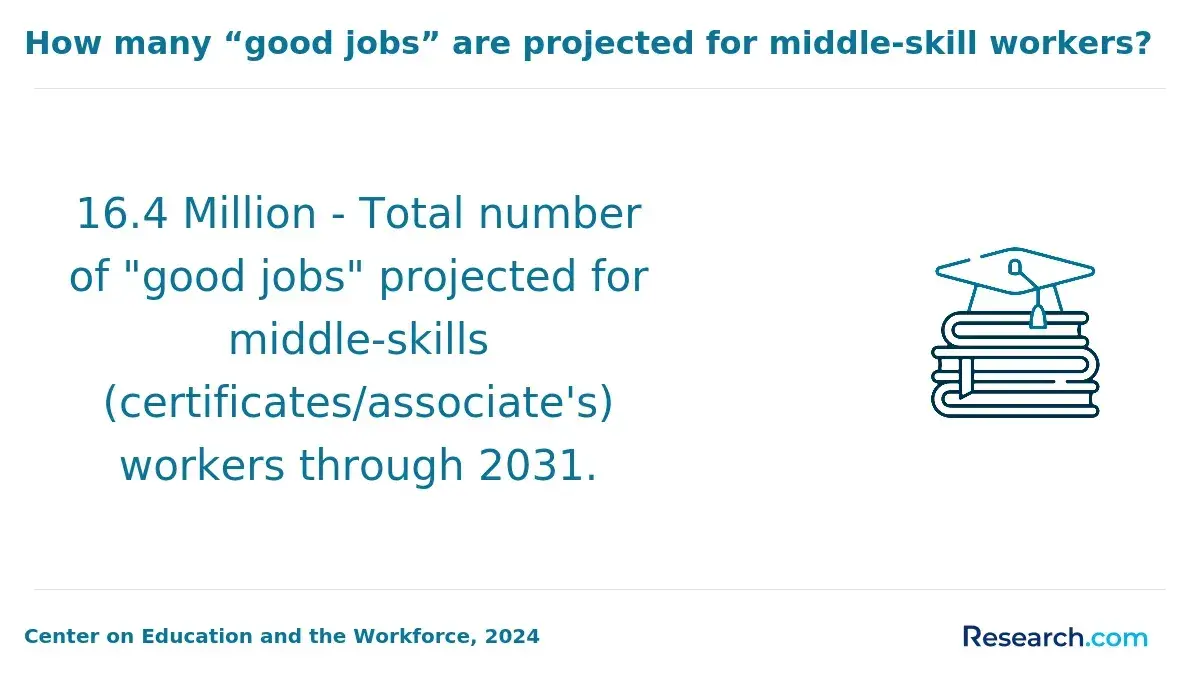
A degree in public policy can increase eligibility for leadership and advanced positions in government and nonprofit sectors. Holding this credential often distinguishes candidates by showcasing a formal grasp of regulatory and economic systems. Key elements contributing to promotion potential include the following:
- Specialized knowledge: Structured education equips graduates with analytical tools and a deep understanding of legislative processes, enabling more strategic decision-making that appeals to employers seeking leadership capabilities.
- Professional networks: Degree programs frequently offer access to alumni connections, internships, and mentorship opportunities, which help graduates build relationships that can lead to career advancement and visibility within the field.
- Competitive edge: While practical experience remains important, combining it with a public policy degree presents a well-rounded profile. This dual approach often makes candidates more attractive for cross-sector leadership roles and higher management.
Professionals holding a public policy degree typically earn 15-25% more at the entry level than those relying solely on experience and self-teaching. This public policy degree salary comparison highlights that the earnings gap often grows over time, as degree holders frequently advance into senior roles within government, consulting, or nonprofit sectors, which offer higher pay scales. Conversely, professionals without degrees may encounter a ceiling in income potential, especially beyond a decade of experience, where those with formal education often lead teams or manage strategic initiatives, commanding superior salaries.
Non-degree holders can improve their income outlook by acquiring relevant certifications, gaining deep experience, or shifting into specialized positions that value unique expertise. Yet, it remains challenging to fully match the earnings and influence of degree holders without formal qualifications. As career growth and hiring preferences continue to emphasize advanced credentials, boosting skills is essential to remain competitive.
Constantly enhancing abilities helps professionals become indispensable during organizational shifts caused by economic downturns. For those considering further education, an online master in data science can complement a public policy background and enhance marketability.
The average tuition cost for a master's degree in public policy ranges from $20,000 to $50,000 depending on the institution attended. Typically, graduates see a salary increase that allows them to recoup their investment within about 3 to 5 years. In fact, a 2025 study reported that those holding a public policy degree earned approximately 18% more than peers relying solely on experience and self-teaching in similar roles.
Financial aid options such as scholarships, grants, and employer tuition assistance can significantly reduce out-of-pocket expenses, further improving return on investment (ROI). Choosing accelerated or part-time programs enables students to remain in the workforce while studying, which helps lower opportunity costs associated with lost income.
Additionally, engaging in internships and networking during the degree program often leads to faster placement in higher-paying jobs, enhancing overall ROI. Beyond salary considerations, degree holders frequently experience greater career growth potential and access to leadership roles compared to those advancing without formal education in public policy.
The public policy job market is experiencing changes as automation and AI increasingly handle routine administrative tasks. However, the demand for strategic thinking, regulatory insight, and complex data analysis remains strong, especially in roles where human judgment and interdisciplinary understanding are crucial. Economic downturns add volatility, but those with public policy degrees tend to navigate these fluctuations more successfully due to their training in adaptive problem-solving and navigating evolving legal frameworks.
Professionals holding public policy degrees face lower risks of displacement compared to those relying solely on experience or self-guided learning. Research indicates that degree holders experience significantly fewer layoffs during recessions and are less vulnerable to replacement by AI technologies. The formal education provides skills that AI cannot easily replicate, such as critical thinking, ethical considerations, and the design of nuanced policy solutions. In contrast, individuals without formal degrees often struggle to keep pace with automated systems and changing workplace demands, which can limit their job security.
When asked about the impact of his public policy degree on career stability, a professional who completed an online bachelor's program shared that, "Knowing how to analyze complex data and understand regulations gave me confidence during economic uncertainty." He described initially feeling overwhelmed balancing coursework and work but found that the knowledge gained advanced his career prospects. He added, "Having that degree felt like a shield against layoffs because I could prove my expertise beyond just experience." This perspective highlights the practical benefits of formal public policy education in uncertain job markets.
What Graduates Say About Their Public Policy Degrees
- Olivia: "Graduating with a public policy degree truly set me apart in a competitive job market. The comprehensive curriculum provided me not only with theoretical knowledge but also practical skills that made me job-ready from day one. Looking back, I can confidently say that my degree accelerated my chances for promotions and positively influenced my salary growth."
- Allan: "From a reflective standpoint, obtaining a public policy degree shaped my critical thinking and analytical abilities which are essential in my daily work. It gave me a clear advantage when applying for roles, as employers value the multidisciplinary approach the program offered. In my experience, this degree has had a lasting impact on my career trajectory, enhancing both professional opportunities and credibility."
- Luke: "As a professional in the field, I appreciate how a public policy degree made me highly competitive among peers. The real-world case studies and internships included in the program were crucial for developing practical expertise. Ultimately, my education in public policy not only boosted my employability but also played a key role in helping me negotiate better positions and salary packages."
Other Things You Should Know About Public Policy Degrees
Employers often consider both education and experience but may prioritize a public policy degree when specific analytical and theoretical knowledge is required. A degree demonstrates mastery of policy frameworks and research methods, which can be difficult to acquire through experience alone. However, practical skills gained on the job remain highly valuable, especially in applied roles.
A public policy degree typically offers structured training in analytical skills, strategic thinking, and decision-making, which are vital for leadership roles. However, self-taught experience can also cultivate these skills, though it often requires more time and varied exposure to similar challenges.
Degree holders usually benefit from a stronger theoretical foundation, which can increase resilience during economic shifts or industry changes. This academic preparation supports a better understanding of emerging policy challenges, making degree holders more versatile. Those relying only on experience might face challenges if their skills become outdated.
Most MPP programs require a minimum 3.0 GPA for admission, though competitive schools often admit students with a 3.3 or higher. Applicants usually submit transcripts, a statement of purpose, and two or three recommendation letters, and some programs waive GRE scores in 2027.
- 12 Reasons Studying For A Masters In Public Policy - Passionate In Marketing https://www.passionateinmarketing.com/12-reasons-studying-for-a-masters-in-public-policy/
- Discover Career Paths With Bachelor's Degree In Public Policy https://online.mountsaintvincent.edu/degrees/undergraduate/bachelor-public-policy/rewarding-careers/
- Degree vs Self Taught vs Boot Camp https://dev.to/snickdx/degree-vs-self-taught-vs-boot-camp-3bo7
- Public Policy: A Lucrative Career Option in Upcoming Years - Higher Education Digest https://www.highereducationdigest.com/public-policy-a-lucrative-career-option-in-upcoming-years/
- Public policy careers driving social impact and social change https://www.ispp.org.in/public-policy-careers-that-drive-social-impact-and-sustainable-change/
- No, College Degrees Aren't Losing Their Value https://washingtonmonthly.com/2025/11/02/no-college-degrees-arent-losing-their-value/
- What Are the Benefits of a Public Policy Degree? https://www.ivywise.com/ivywise-knowledgebase/what-are-the-benefits-of-a-public-policy-degree/
- Public Policy Program ROI https://collegeroi.org/roi/major/public-policy/programs/public-policy-analysis-masters-degree/
- Public Policy Careers: 2023 Guide to Career Paths, Options & Salary https://www.beyondberea.org/blog/2023/03/22/public-policy-careers-2023-guide-to-career-paths-options-salary/
- Public Policy Degrees Can Lead to Lucrative Jobs and Universities Are Starting to Notice | Insight Into Academia https://insightintoacademia.com/public-policy-degrees-can-lead-to-lucrative-jobs-and-universities-are-starting-to-notice/


