
2027 How to Discuss a Data Science Master's with a Hiring Manager Before Enrolling

Co-Founder and Chief Data Scientist
Before committing to a data science master's, find out whether the degree would address a hiring barrier you actually face. A hiring manager can help you distinguish required credentials from skills you could demonstrate through work or projects. This guide is for prospective students weighing programs against a specific career goal. It shows how to request a useful conversation, ask questions that reveal hiring priorities, and decide whether to enroll, choose a different program, or build experience first.
Key Things You Should Know
- Ask about a specific target role: whether a master's is required, preferred, or largely interchangeable with demonstrated experience.
- Request examples of the technical work and project evidence the team evaluates; use those answers to compare curricula, not just degree titles.
- Put cost in context: the Bureau of Labor Statistics reports a $120,230 median annual wage for data scientists in May 2025, but that occupational median is not a graduate salary or a forecast of your return.
What is a data science master's degree, and who should consider one?
A data science master's is graduate study that generally combines statistical reasoning, computing, data management, and applied analysis. Programs differ substantially: one may emphasize machine learning research, while another centers on analytics for organizational decisions. The useful question is not whether the title sounds relevant, but whether its coursework and projects close gaps for the job you want.
Consider one if target employers value graduate-level preparation, you need sustained instruction in areas you cannot readily learn on the job, or you want access to substantial supervised projects. If your target work is mainly reporting, dashboards, or business analysis, compare the curriculum with advanced degree options in data analytics before committing to a data science label. A degree may be less urgent if a manager would give greater weight to your existing experience plus stronger coding and project evidence.
How can you discuss a data science master's with a hiring manager?
Frame the conversation as a request for insight into a role, not approval of a school or a promise of employment. A manager can describe how their team hires; they cannot reliably speak for every employer or predict what its requirements will be when you graduate.
Keep the request brief and give the manager something concrete to react to. This sequence helps make a short conversation useful:
- Identify a target role and two or three representative responsibilities from a current posting.
- Summarize your relevant experience and the gaps you believe a master's might address.
- Ask for a short conversation about how candidates demonstrate readiness for that work.
- Bring brief curriculum summaries from programs you are considering, without asking the manager to rank schools on reputation alone.
- Afterward, record the manager's requirements, preferences, and examples separately; compare them with other evidence before enrolling.
For example: "I'm considering graduate study to move from analytics into your team's modeling work. In my current role I use SQL and present findings, but I have limited experience evaluating models in production. Could I ask which skills and project examples you look for, and whether a master's would materially strengthen an application?" This invites a more informative answer than "Is a data science master's worth it?"
What should you ask a hiring manager before enrolling in data science graduate school?
Ask questions that could change your enrollment decision. The most valuable answers distinguish a firm hiring requirement from a preference and identify evidence you can produce without a degree.
- "For this role, is a master's required, preferred, or one of several ways to show preparation? Does that differ for entry-level and experienced applicants?"
- "Where do otherwise promising applicants tend to fall short: statistics, programming, data engineering, communication, or domain knowledge?"
- "What work sample would convince you someone can do the job? What would you examine in its methods, evaluation, or documentation?"
- "Which parts of this proposed curriculum map to work your team actually does, and which appear less relevant?"
- "How do you assess applicants whose graduate study was online, part-time, or completed while working?"
- "If I postponed enrollment, what experience could I build in the next year that would most improve my application?"
Listen for specifics. "We prefer master's graduates" is less useful than an explanation of the statistical decisions candidates must defend in an interview. If one manager calls a degree essential and another does not, investigate whether they are discussing different levels, teams, or types of data science work rather than treating either answer as a universal rule.
Which skills and courses do employers expect from data science master's graduates?
Expectations vary by role. A modeling-focused team may probe probability, inference, experimental design, machine learning evaluation, and Python or R. A team responsible for putting models into use may also expect SQL, data pipelines, version control, testing, and the ability to explain limitations to nontechnical stakeholders. Ask the manager which abilities are used on their team and how candidates demonstrate them.
Then inspect syllabi and project requirements, not just course names. "Machine learning" might mean applying prepared models to clean datasets or doing substantial work on problem formulation, leakage, validation, and error analysis. Likewise, a program that mentions data engineering may offer anything from a brief module to sustained pipeline work. If the manager emphasizes production data systems, compare the proposed degree with programs combining AI study and data engineering.
A common mistake is selecting advanced electives before checking foundations. If an interview would expose a gap in statistics or programming, a course sequence that builds and assesses those skills may be more valuable than a longer list of fashionable AI topics.
How do online and campus-based data science master's programs compare?
Ask the manager whether the team evaluates the format itself or the evidence produced through it. Format is not a substitute for checking rigor, collaboration, and access to projects. The comparison below highlights differences that may affect a working applicant's ability to build that evidence; individual programs can differ from these patterns.
| Consideration | Online program | Campus-based program |
| Schedule | May offer flexible study, though live sessions can still be required | May make daytime attendance or relocation necessary |
| Collaboration | Often relies on remote group work and digital access to faculty | Offers more opportunities for in-person interaction |
| Project access | Depends on remote datasets, partnerships, and advising arrangements | May provide access to campus labs or local partners |
Choose a format you can complete while producing credible work. Confirm live-meeting times, group-project expectations, career support, and any campus visits directly with each program. If a manager values a portfolio built from workplace problems, a flexible online format may fit; if access to a particular lab is central to your goal, campus study may be more useful.
What are the admission requirements for a data science master's program?
Admissions requirements vary by institution. Programs may ask for a bachelor's degree, transcripts, statements, recommendations, and evidence of preparation in mathematics and programming; specific prerequisite courses, tests, and experience rules must be checked with each school. A hiring manager's view of job readiness does not establish admissions eligibility.
Use the conversation to identify skills worth developing, then ask admissions staff which preparation formally satisfies their requirements. Relevant work or self-study can strengthen an application without necessarily replacing a required college course. If your background crosses disciplines, graduate AI pathways for interdisciplinary backgrounds provide another curriculum type to compare - but confirm prerequisites rather than assuming a program is open to every applicant.
How long does a data science master's take, and how much does it cost?
Length and price depend on credit requirements, course load, tuition policy, fees, and whether you can study year-round. Do not infer your completion time from an advertised minimum: prerequisite work, course availability, and a full-time job may change your schedule. Ask each school for a course-by-course plan for the pace you can sustain.
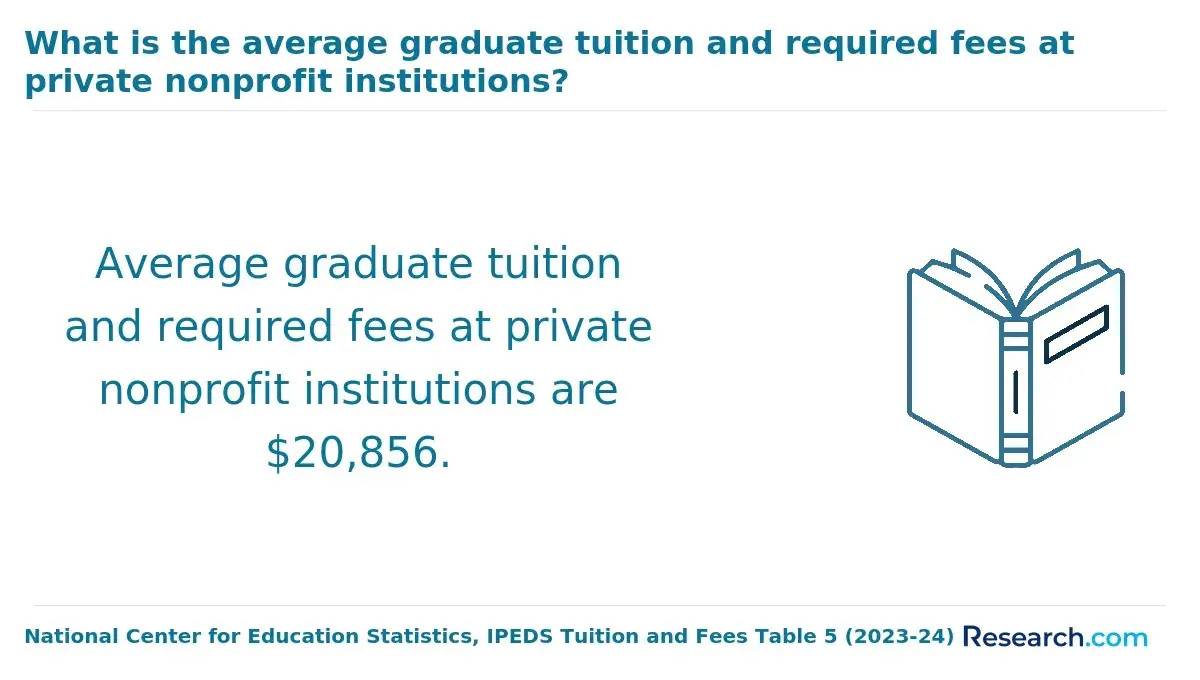
For a cost decision, compare the full amount you would pay rather than tuition alone. Include mandatory fees, materials or technology costs, travel if required, borrowing costs if applicable, and income you would give up by reducing work. Subtract only employer assistance or aid for which you have confirmed eligibility. Then ask whether the skills identified by hiring managers justify that commitment or could be developed through a smaller program or work experience. If your goal is specifically AI-focused and time is the binding constraint, compare AI master's options for a shorter study schedule against the depth your target role requires.
How can you verify a data science program's accreditation and quality?
Verify the institution's current accreditation through the recognized accreditor's directory or the U.S. Department of Education's accreditation database, then confirm that the advertised degree is awarded by that institution. Institutional accreditation is not the same thing as proof that a particular data science curriculum fits your target job. If a program makes a specialized accreditation claim, verify the claim with the named accreditor.
Quality checks should return to the hiring conversation: look for published course descriptions, substantial assessed projects, faculty and advising access, and credible information about career support. Request details when a school advertises graduate outcomes. A placement or salary figure is difficult to interpret without knowing the graduates counted, response rate, prior experience, location, and measurement period. Treat rankings and unqualified outcome claims as prompts for questions, not substitutes for evidence.
What careers, salaries, and job outlook follow a data science master's?
Possible targets include data scientist, machine learning specialist, and analytics roles, but the right target depends on your prior experience and the work you want to do. The Bureau of Labor Statistics projects 35% employment growth for data scientists from 2025 to 2035. That occupation-wide projection indicates demand, not how many openings will be available to new master's graduates or whether a particular program will lead to a job.
Compare postings for your intended role and location with the tasks a manager describes. Ask whether graduates of a program reach those roles directly or typically need related experience first. Salary comparisons also need context: occupation-wide figures reflect workers at different career stages, while data science compensation across industries can inform which markets to investigate. Neither figure measures the salary increase caused by earning a degree.
Do data science master's graduates need certifications or professional licenses?
There is no general professional license required simply to work as a data scientist in the United States. An employer may nevertheless value a certification tied to its tools or platform, and a specialized position may have separate regulatory or professional requirements. Ask about credentials only after establishing the role's core skill requirements.
Choose a certification if it validates a tool the team actually uses and helps you demonstrate a skill you lack. Do not assume certificates compensate for weak statistical reasoning, relevant experience, or the ability to explain your own project decisions. Confirm any role-specific requirements with the employer or applicable regulator.
Other Things You Should Know About Data Science
Yes. Make clear that you are seeking brief career insight, not an interview or referral, and accept that they may be unable to respond. A concise request tied to their team's work is easier to answer than a broad request for mentorship.
That depends on your workplace and goals. If you want tuition assistance or access to relevant projects, the conversation may be useful. Review employer policies before sharing plans you would prefer to keep private.
Ask about the work instead: common problems, tools, and what makes a project useful to the team. You can compare those answers with public job postings without pressing for confidential criteria.
There is no reliable universal number. Seek views from people hiring for the roles you want, and note where their answers agree or conflict. A clear pattern across relevant teams is more useful than many opinions from unrelated roles.
References
- Designing an Assessment Strategy | U.S. Office of Personnel Management https://www.opm.gov/policy-data-oversight/assessment-and-selection/assessment-strategy/
- What Can I Do With a Degree in Data Science? Career Paths & Skills | Harvard SEAS https://seas.harvard.edu/news/what-can-i-do-degree-data-science-career-paths-skills
- How to Impress a Data Science Hiring Manager: 5 Tips from Google, Instagram, & Uber Data Scientists | Rutgers University https://careers.newark.rutgers.edu/blog/2021/06/21/how-to-impress-a-data-science-hiring-manager-5-tips-from-google-instagram-uber-data-scientists/
- How to Become a Data Scientist | MDS@Rice https://csweb.rice.edu/academics/graduate-programs/online-mds/blog/how-to-become-a-data-scientist
- 5 Ways to Leverage Your Master's Degree | stedwards.edu https://www.stedwards.edu/news/5-ways-leverage-your-masters-degree
- 12 Data Science Skills (+10 Hard-Won Career Lessons) | Syracuse University https://ischool.syracuse.edu/data-science-skills/
- Closing the experience gap | Deloitte Insights https://www.deloitte.com/us/en/insights/focus/human-capital-trends/2025/closing-the-experience-gap-through-talent-development.html
- 10 Skills You Need to Succeed as a Data Scientist | Intuit Blog https://www.intuit.com/blog/innovative-thinking/data-science-skills/
- Uncovering Data Science: Skills, Careers and Education | Databricks https://www.databricks.com/blog/uncovering-data-science-skills-careers-and-education
- Personal Skills Gap Analysis: How to Identify Which Skills You're Missing | mba.com https://www.mba.com/business-school-and-careers/career-possibilities/personal-skill-gap-analysis


