
2027 How Long Does It Take to Earn an Online Strategic Leadership Doctorate? Timelines, Credits, and Dissertation Options

Co-Founder and Chief Data Scientist
If you are comparing online Strategic Leadership doctorates, the biggest question is whether the timeline fits your work, family, and budget. Federal data released by NCES in 2024 show graduate tuition and required fees exceeded $12,000 at public institutions and $28,000 at private nonprofit institutions in 2022-23, before books, technology, and lost time are considered.
This guide explains typical completion times, credit loads, dissertation options, transfer policies, and delay risks so working professionals can judge whether the degree is feasible and which program structure offers the best fit.
Key Things to Know About Online Strategic Leadership Doctorate Program Timelines
- Most post-master's online Strategic Leadership doctorate programs take about 3 to 5 years, with accelerated full-time paths sometimes finishing in about 2.5 to 3 years and part-time paths commonly extending to 4 to 7 years.
- Typical programs require about 48 to 66 post-master's credits, often including 9 to 18 credits for dissertation, applied research, or doctoral project work.
- A traditional dissertation is common in PhD-style programs, while EdD, DSL, and DBA-style leadership doctorates may offer applied dissertations, capstones, consulting projects, or scholar-practitioner projects that can affect pacing.
What is the typical completion time for online Strategic Leadership doctorate programs?
The typical completion time for an online Strategic Leadership doctorate is 3 to 5 years for students entering with a master's degree. Programs designed for senior managers, nonprofit leaders, consultants, educators, and organizational change professionals usually combine online seminars, research methods, leadership theory, and a dissertation or applied project sequence.
One reason timelines vary is that "doctorate" can mean different program models. A PhD is usually more research-intensive and may be better for students targeting academic research or faculty roles, while a Doctor of Strategic Leadership, EdD in leadership, or DBA concentration in leadership may emphasize applied organizational problems. Students comparing a doctorate in organizational leadership online will see similar timeline patterns because many strategic leadership programs sit within the broader organizational leadership category.
National data should be used carefully because most federal time-to-degree reports focus on research doctorates rather than professional online doctorates. Still, the National Center for Science and Engineering Statistics reported in 2024 that the median registered time to earn a U.S. research doctorate was 7.3 years in 2023. Online post-master's Strategic Leadership doctorates are often shorter because they are structured for professionals who already completed graduate coursework, but the data is a useful reminder that doctoral research can extend beyond the coursework calendar.
The table below summarizes realistic timelines by enrollment pace. Use it to compare the program's advertised length with the pace you can actually maintain across work, travel, family obligations, and research milestones.
| Enrollment pattern | Typical timeline | Best fit | Main timeline risk |
| Accelerated full-time | About 2.5 to 3 years | Students with flexible work schedules, strong research readiness, and continuous enrollment availability | Heavy weekly workload and little room for missed terms |
| Standard full-time | About 3 to 4 years | Working professionals who can manage two courses in some terms plus steady dissertation progress | Research delays after coursework ends |
| Part-time | About 4 to 6 years | Students with demanding jobs, caregiving responsibilities, or travel-heavy roles | Momentum loss and extended dissertation enrollment |
| Interrupted or stop-out path | About 6 to 8 years, if allowed | Students who need leaves of absence or reduced loads during major life or job changes | Hitting maximum time limits or needing curriculum updates |
A shorter advertised timeline does not always mean a better program. It makes sense when the curriculum is lockstep, dissertation planning starts early, faculty feedback is predictable, and the student can study year-round. It makes less sense if you need a lighter course load, expect job travel, or are still developing a research topic.
How many total credit hours are required for an online Strategic Leadership doctorate?
Most online Strategic Leadership doctorate programs require about 48 to 66 credits beyond the master's degree. Some programs are closer to 45 to 54 credits when they are post-master's professional doctorates, while others exceed 60 credits when they include broader research training, specialization courses, residencies, or a longer dissertation sequence.
Credit requirements matter because they determine both your time-to-degree and your total cost. Students who are still deciding between graduate pathways may want to compare doctoral study with a lower-commitment online business degree before committing to several years of doctoral research.
The table below shows common credit structures. Exact requirements vary by university, but these ranges can help you read program catalogs more strategically.
| Doctorate format | Common total credits | Typical academic emphasis | Timeline implication |
| Doctor of Strategic Leadership or similar professional doctorate | 48 to 60 credits | Leadership practice, organizational change, ethics, strategy, and applied inquiry | Often designed for 3- to 4-year completion if the student stays continuously enrolled |
| EdD with strategic or organizational leadership focus | 48 to 66 credits | Leadership in education, nonprofits, public agencies, or learning organizations | May include dissertation-in-practice milestones that begin before final coursework |
| DBA with leadership or strategy concentration | 54 to 66 credits | Business strategy, executive decision-making, applied research, and organizational performance | Often includes doctoral consulting or applied business research sequences |
| PhD in leadership, organizational leadership, or strategic leadership | 60 or more credits in many programs | Original theory-building research, advanced methodology, and scholarly publication preparation | Can take longer if the dissertation requires extensive data collection or committee review |
Credit load also affects weekly study time. A three-credit doctoral seminar may require substantial reading, writing, discussion, and research outside class. A realistic planning approach is to map each term before enrolling, then identify which terms include writing-intensive courses, residencies, proposal development, or data collection.
Before choosing a program, check how credits are distributed across these major categories:
- Core leadership courses, such as strategic thinking, organizational behavior, systems leadership, ethics, and change management
- Research methods courses, including qualitative methods, quantitative methods, mixed methods, statistics, or program evaluation
- Specialization or elective courses aligned with executive leadership, consulting, education, ministry, healthcare administration, nonprofit leadership, or business strategy
- Residency, seminar, or cohort requirements that may be online, hybrid, synchronous, or occasionally in person
- Dissertation, capstone, doctoral project, or applied research credits that continue until the final defense or presentation is approved
The common mistake is looking only at total credits and ignoring sequencing. A 54-credit program can take longer than a 60-credit program if key courses are offered only once per year or if dissertation approval does not begin until after all coursework is complete.
Is a dissertation required for an online Strategic Leadership doctorate?
A dissertation is often required, but not always in the traditional PhD sense. Many Strategic Leadership doctorates require a major doctoral research product, yet the format may be a traditional dissertation, an applied dissertation, a dissertation-in-practice, a consulting-based project, or a strategic change initiative.
The traditional dissertation is usually best for students who want to contribute original scholarly knowledge, teach in higher education, pursue research-heavy consulting, or keep open the possibility of academic publication. It may not be the fastest route if the student lacks research experience, needs difficult-to-access organizational data, or selects a topic that requires complex approvals.
The table below clarifies how dissertation expectations typically differ by degree model. This can help you ask more precise questions before applying.
| Doctoral model | Common final requirement | Research focus | Potential effect on completion time |
| PhD | Traditional dissertation | Original research that contributes to theory or scholarly literature | Often longer if the study design, data access, or committee review process is complex |
| EdD | Dissertation-in-practice or applied dissertation | Solving a leadership or organizational problem in a real setting | Can be efficient when the student has access to a suitable organization and data |
| DBA | Applied business research project or dissertation | Business, strategy, operations, or executive decision-making problem | May move faster when the project is tightly scoped and aligned with workplace needs |
| DSL or similar professional leadership doctorate | Applied dissertation, leadership project, or capstone | Strategic leadership practice, organizational transformation, or leadership effectiveness | Timeline depends heavily on project scope and faculty feedback cycles |
Students should not assume that a nontraditional final project is automatically easier. A well-run capstone can be more structured than a dissertation, but it still requires doctoral-level evidence, analysis, writing, and review. The fastest path is usually the one with clear rubrics, early topic development, accessible data, and a committee or faculty mentor who responds consistently.
Before enrolling, ask the program to explain the dissertation or project process in concrete terms:
- When do students choose a topic and chair?
- How many formal approval steps occur before data collection?
- Are institutional review board requirements built into the course sequence?
- What is the average number of dissertation or project terms after coursework?
- What happens if a chair leaves, a student changes topics, or an employer will not release data?
Are there alternatives to completing a dissertation for online Strategic Leadership doctorate programs?
Yes. Some online Strategic Leadership doctorate programs offer alternatives to a traditional dissertation, especially professional doctorates designed for working leaders. These alternatives usually keep the doctoral rigor but shift the end product toward applied problem-solving rather than purely theoretical research.
This trend is especially relevant for professionals who already hold a leadership-focused master's degree. Students comparing doctoral options after completing one of the best organizational development master's programs online may find that an applied doctoral project builds more directly on workplace change, talent development, or organizational effectiveness experience.
The most common alternatives are listed below. Each can shorten or extend your timeline depending on whether the project is well-scoped and whether you have access to the right organization, participants, and data.
- Applied dissertation focused on a practical leadership, strategy, culture, or change-management problem
- Dissertation-in-practice that studies an intervention or improvement effort in a real organizational setting
- Strategic leadership capstone that produces an evidence-based plan, model, framework, or implementation analysis
- Consulting project completed with an employer, nonprofit, public agency, or approved partner organization
- Portfolio-based doctoral project that integrates research, leadership artifacts, reflective analysis, and measurable professional outcomes
The decision should come down to career purpose. A traditional dissertation may be better if you want research credibility, academic pathways, or a scholarly publication agenda. An applied capstone may be better if your goal is executive leadership, consulting, organizational transformation, or solving a problem inside your current sector.
A key red flag is vague language. If a school says "no dissertation" but cannot explain the final doctoral project, required approvals, defense process, faculty review timeline, and evaluation standards, the timeline may be less predictable than it appears.
How do practicums or clinical hours affect the online Strategic Leadership doctorate timeline?
Strategic Leadership doctorates generally do not require clinical hours in the way nursing, psychology, counseling, or healthcare licensure doctorates do. However, some programs include practicums, leadership labs, consulting projects, executive coaching practice, field-based research, or residencies that can affect the timeline.
The table below separates common experiential requirements from true clinical obligations. This distinction matters because a program can be fully online in coursework but still require scheduled fieldwork, live virtual sessions, or short residencies.
| Requirement type | How common in Strategic Leadership doctorates | Timeline effect | What to verify |
| Clinical hours | Uncommon unless the program is tied to a licensed health or counseling field | Usually not a major factor for standard strategic leadership programs | Whether the degree leads to any licensure-related credential |
| Practicum or field project | Moderately common in applied leadership doctorates | Can add scheduling complexity if an employer, client, or partner site must approve participation | Site approval rules, deliverables, supervision, and evaluation criteria |
| Virtual residency | Increasingly common in online professional doctorates | Usually manageable but may require synchronous attendance during specific dates | Dates, time zones, attendance policy, and make-up options |
| In-person residency | Varies by institution | Can delay students who cannot travel or obtain time off | Location, cost, frequency, and whether travel is mandatory |
| Workplace-based research | Common in applied programs | Can accelerate progress if access is secure, or delay progress if data permissions are denied | Employer approval, confidentiality rules, and institutional review board expectations |
The best way to evaluate these requirements is to ask for a term-by-term plan that includes all non-coursework obligations. A program that appears shorter on paper may become harder to complete if residencies conflict with work travel, if field sites require separate approvals, or if your employer will not allow internal data to be used for research.
What factors determine how fast you can finish an online Strategic Leadership doctoral degree?
The fastest completion path depends on more than motivation. It depends on enrollment intensity, transfer credit, course availability, dissertation readiness, advisor support, employer flexibility, and whether the final project is realistically scoped.
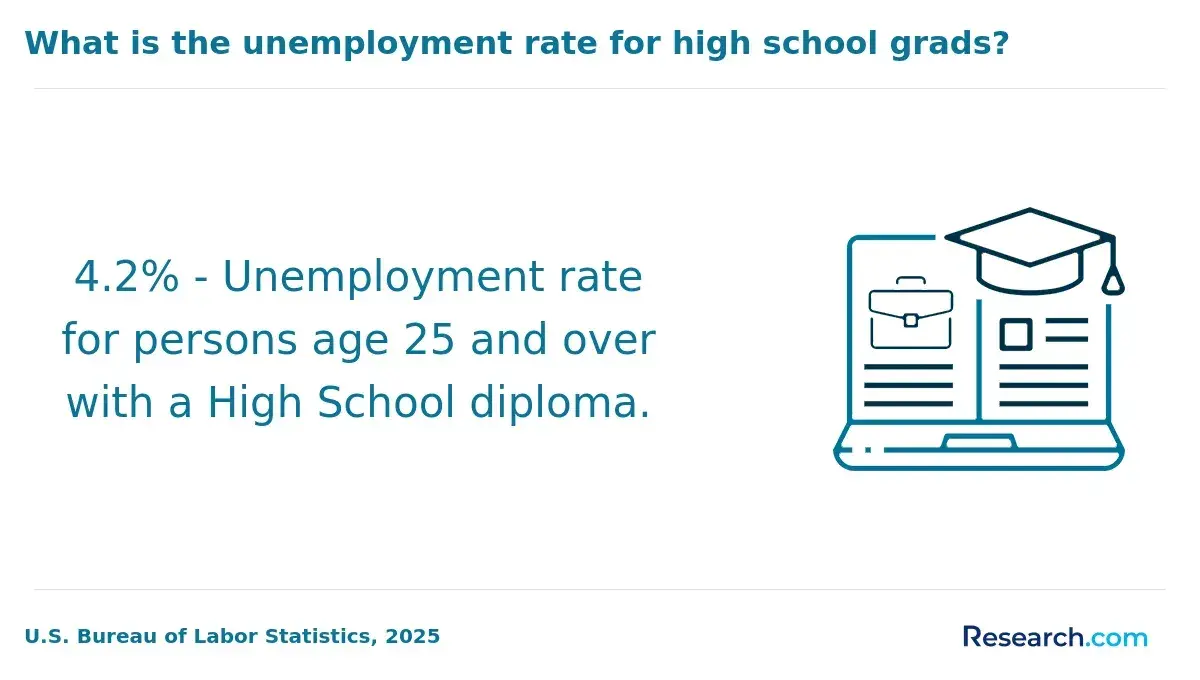
ROI should be considered alongside time. BLS May 2024 wage data show a median annual wage of $122,090 for management occupations, but a doctorate does not automatically move someone into a higher-paying role. The degree tends to make the most sense when it supports a clear goal such as executive advancement, organizational consulting, senior learning and development leadership, higher education teaching, or evidence-based change leadership. Professionals who need a faster business credential may find an MBA operations management online more aligned with near-term promotion or operations leadership goals.
The table below summarizes common factors that influence completion speed. Use it to identify which parts of your timeline are within your control and which depend on institutional policy.
| Factor | Why it matters | Typical effect on timeline |
| Enrollment pace | Full-time students complete credits faster, but workload rises sharply | Can shorten or extend completion by several terms |
| Continuous summer enrollment | Many accelerated plans assume year-round study | Skipping summers can add a year or more |
| Transfer credit approval | Accepted graduate credits reduce coursework requirements | May shorten coursework, but usually not dissertation time |
| Research topic readiness | A clear, feasible topic reduces proposal revisions | Often the difference between steady progress and extended dissertation enrollment |
| Committee and chair responsiveness | Doctoral milestones require faculty review and approval | Slow feedback cycles can add months |
| Employer support | Protected study time and research access can prevent missed deadlines | Can improve consistency, especially during data collection |
A good fit is a program whose expectations match your actual weekly capacity. Full-time pacing makes sense if you can protect significant study hours and handle overlapping deadlines. Part-time pacing makes sense if staying employed and avoiding burnout is more important than finishing as quickly as possible.
Prospective students should take these steps before committing to a timeline:
- Ask the admissions office for a sample full-time and part-time degree plan, including summer terms.
- Request the average time students spend in the dissertation, capstone, or doctoral project phase after coursework.
- Confirm how often required courses are offered and whether missing one term disrupts the sequence.
- Discuss workload with your employer and identify predictable weekly study blocks before the first term begins.
- Choose a tentative research area early, then test whether data, participants, and permissions are realistic.
Are there fast-track or accelerated online Strategic Leadership doctorate options available?
Yes, accelerated online Strategic Leadership doctorate options exist, but they are not the right fit for every student. Fast-track programs usually shorten completion time through year-round enrollment, shorter academic terms, lockstep cohorts, integrated dissertation courses, higher transfer credit allowances, or early research development.
The table below compares accelerated and standard paths. It can help you decide whether a faster program is truly feasible or simply more intense.
| Program feature | Accelerated path | Standard path | Decision point |
| Course length | Often 6 to 8 weeks | Often 8 to 15 weeks | Shorter terms require faster reading and writing cycles |
| Enrollment pattern | Year-round, often including summer | May allow lighter terms or breaks | Acceleration usually depends on not skipping terms |
| Dissertation integration | Topic and proposal work may begin early | Research phase may begin after core courses | Early integration can prevent post-coursework delays |
| Cohort structure | More likely to be lockstep | May offer more course choice | Cohorts support momentum but reduce flexibility |
| Best student profile | Experienced writer, clear goals, strong schedule control | Busy professional needing pacing flexibility | The fastest option is not always the most sustainable option |
An accelerated program makes sense if you already know your research interests, can write at a doctoral level, have employer or family support, and can study during summer terms. It is risky if you are returning to school after a long break, have unpredictable work travel, or need time to develop academic research skills.
When reviewing a fast-track option, pay attention to what is being accelerated. A program can compress coursework but still require multiple dissertation terms. The most reliable accelerated designs include faculty-guided topic development, research methods preparation, proposal workshops, writing support, and transparent review timelines.
Can you transfer graduate credits into an online Strategic Leadership doctorate program?
Many online Strategic Leadership doctorate programs allow some transfer of graduate credits, but policies vary widely. Transfer credit can shorten coursework, reduce tuition, and make an accelerated plan more realistic, but it rarely eliminates the need to complete the program's doctoral research sequence.
Common transfer limits range from a few courses to a substantial block of post-master's credit. Some universities cap transfer at 6 to 12 credits, while others may consider 18, 24, or even 30 credits if the prior coursework is recent, graduate-level, relevant, and completed with strong grades. Doctoral dissertation, capstone, residency, and research seminar credits are usually less transferable because schools want to control the final scholarly standard.
The practical transfer evaluation process usually includes these steps:
- Collect official transcripts from all graduate institutions attended.
- Gather syllabi, course descriptions, reading lists, and major assignments for relevant prior courses.
- Match prior coursework to required leadership, strategy, research, statistics, ethics, or specialization courses.
- Ask whether transfer decisions are made before enrollment or only after matriculation.
- Request a written degree audit showing exactly which credits apply and which requirements remain.
The biggest mistake is assuming master's credits automatically reduce doctoral credits. Many programs require a completed master's degree for admission but treat it as an entry requirement, not as transferable coursework. Others will not accept older credits, credits from non-accredited institutions, or credits that do not align closely with the doctoral curriculum.
Before relying on transfer credit to shorten your timeline, ask these questions:
- What is the maximum number of credits that can be transferred into the doctorate?
- Are transferred credits applied to electives only, or can they replace core requirements?
- Is there a recency limit for graduate credits?
- Will transfer credits reduce tuition, time-to-degree, or both?
- Can dissertation, capstone, or doctoral project credits ever be transferred?
Is there a maximum time limit to complete an online Strategic Leadership doctorate?
Yes, most universities set a maximum time limit for completing an online Strategic Leadership doctorate. A common range is 7 to 10 years from initial enrollment, although some schools use shorter limits for professional doctorates or different limits for coursework and dissertation candidacy.
Maximum time limits matter because doctoral study does not always progress in a straight line. Job changes, caregiving responsibilities, health issues, committee changes, research access problems, or topic revisions can add time. Once students exceed the limit, they may need an extension, updated coursework, a new catalog year, or readmission.
The table below shows common time-limit policies to look for in university catalogs. These are not universal rules, but they identify the policies that can affect your completion plan.
| Policy area | What it controls | Why it matters |
| Maximum program duration | Total years allowed to complete the doctorate | Students who stop out or slow down may risk exceeding the limit |
| Continuous enrollment | Whether students must register every term after reaching dissertation or project phase | Extended research periods can create ongoing tuition or fee obligations |
| Leave of absence | Whether approved breaks pause academic requirements | Some leaves pause enrollment but not all deadlines |
| Catalog expiration | Whether old degree requirements remain valid | Long delays may force students into new curriculum requirements |
| Satisfactory academic progress | Minimum pace and GPA expectations for aid eligibility | Falling behind can affect federal financial aid or institutional funding |
Students should read the doctoral handbook, not just the marketing page. The handbook usually explains candidacy rules, extension petitions, dissertation enrollment fees, leave policies, and what happens if a student fails to meet milestone deadlines.
How can students avoid delays in their online Strategic Leadership doctorate timeline?
Students avoid delays by treating the doctorate as a multi-year project with milestones, not just a sequence of online courses. The most successful planning starts before enrollment, when you can still compare policies, faculty support, course sequencing, and dissertation expectations across programs.
A practical timeline plan should include the following steps:
- Build a term-by-term credit map that includes coursework, research methods, residency dates, proposal development, data collection, writing, revision, and defense.
- Protect weekly study time before the program begins, and renegotiate work travel, committee responsibilities, or major projects when heavy writing terms arrive.
- Start a research idea file during the first term, including possible topics, organizations, data sources, and leadership problems worth studying.
- Use writing centers, library consultations, statistical support, and research design workshops early instead of waiting until the dissertation phase.
- Confirm institutional review board requirements before contacting participants or collecting workplace data.
- Schedule regular check-ins with your advisor or chair and document feedback, deadlines, and revision expectations.
- Keep a financial plan for extended dissertation enrollment so one extra term does not force an avoidable stop-out.
Several red flags can signal a higher risk of delay. They do not automatically mean a program is poor, but they should prompt more questions before you enroll.
- The program advertises a very short completion time but does not publish a sample course sequence.
- Admissions staff cannot explain how long students typically spend after coursework in dissertation or project enrollment.
- The final project is described as "simple" or "not really research" without clear doctoral standards.
- Required courses are offered infrequently, making one missed term costly.
- Residency, practicum, or synchronous requirements are not clearly disclosed before admission.
- Transfer credit approval is discussed informally but not documented in a written degree plan.
The best decision is not always the fastest program. It is the program with a timeline you can sustain, a final project that supports your career goal, transparent policies, and enough academic support to keep you moving when the work becomes more independent.
Other Things You Should Know About Strategic Leadership
Yes, many students do, but full-time work usually pairs better with part-time or carefully planned full-time study. The key is protecting weekly writing time and avoiding terms where work travel overlaps with major research deadlines.
They can be, especially when the institution is properly accredited and the program aligns with the student's leadership field. Employers usually care more about accreditation, reputation, applied value, and demonstrated expertise than whether coursework was online.
Some do and some do not. Many programs now use virtual residencies, but others require short in-person sessions for orientation, research development, cohort meetings, or final presentations.
Look for doctoral writing support, library research help, statistics or methods consulting, dissertation chair availability, career services, and clear milestone tracking. These services can make a major difference once coursework ends and independent research begins.
References
- Why Study Through Miscio? https://www.miscio.io/catalogue/doctorate-of-strategic-leadership-dsl
- How Long is an Online EdD Program? Full-Time vs Part-Time EdD Programs https://www.onlineeddprograms.com/faqs/length-of-edd-programs
- Doctor of Strategic Leadership Online | Liberty University https://www.libertyuniversityonline.com/doctor-of-strategic-leadership/


