
2027 Highest-Paying Jobs with a Clinical Nurse Specialist Doctorate: Salaries, Career Paths, and Growth Outlook

Co-Founder and Chief Data Scientist
A Clinical Nurse Specialist doctorate can move an experienced nurse from bedside expertise into high-impact leadership, advanced practice, quality, education, informatics, and executive roles. The decision matters because the U. S. Bureau of Labor Statistics projects much faster-than-average growth for advanced practice registered nurses through 2033, while healthcare systems continue to pay premiums for clinicians who can improve outcomes and reduce risk. This guide is for nurses comparing DNP, PhD, or post-master's CNS pathways and wanting to know which jobs pay the most, which specializations matter, and whether the investment fits their goals.
Key Things to Know About High-Paying Jobs in Clinical Nurse Specialist
- Clinical Nurse Specialist doctorate holders often compete for high-paying roles in advanced clinical practice, nursing leadership, quality and safety, informatics, academia, and healthcare administration rather than only traditional staff CNS positions.
- Recent U.S. labor data shows strong adjacent demand: nurse practitioner roles and medical and health services manager roles are both projected to grow much faster than average through 2033, which supports opportunities for doctoral-prepared APRNs with leadership and systems expertise.
- The highest compensation is usually tied to scope expansion, specialty expertise, budget responsibility, measurable outcomes, and executive influence; the doctorate helps most when paired with APRN certification, CNS experience, specialty credentials, and a portfolio of clinical improvement results.
Is there high demand for Clinical Nurse Specialist doctorate graduates?
Yes, there is high demand for doctorate-prepared Clinical Nurse Specialists, but the strongest demand is not evenly distributed across every CNS job title. Employers are most likely to value the doctorate when the role involves advanced clinical decision-making, care model redesign, population outcomes, quality metrics, staff development, or regulatory performance.
The U.S. Bureau of Labor Statistics projects advanced practice registered nurse employment to grow much faster than average through 2033. For CNS doctorate graduates, this matters because many employers are trying to solve problems that require both clinical authority and systems-level thinking: avoidable readmissions, workforce shortages, patient safety, infection prevention, behavioral health access, and value-based care performance.
Demand is also shaped by how the CNS role is regulated in the state where you plan to work. In some states, CNSs have clearer APRN recognition and prescriptive authority pathways; in others, employers may define CNS jobs more narrowly. Before investing in a doctorate for salary growth, compare your state board of nursing rules, local job postings, and the credential language used by target employers.
For nurses who are also comparing CNS roles with NP roles, exploring online nurse practitioner programs can help clarify whether a CNS doctorate, NP route, or combined credential is better aligned with the clinical scope and compensation you want.
The strongest demand tends to cluster around several employer needs. These are the areas where a doctoral-prepared CNS can often make a more visible business and patient-care case:
- Complex specialty care, including critical care, oncology, cardiovascular care, women's health, pediatrics, gerontology, and psychiatric-mental health.
- Quality improvement and safety leadership, especially roles tied to infection prevention, sepsis outcomes, fall reduction, readmission reduction, and regulatory readiness.
- Advanced practice leadership, including APRN practice governance, clinical standards, onboarding, competency systems, and evidence-based protocols.
- Academic and clinical education roles, especially where schools and health systems need doctoral-prepared faculty and practice partners.
- Digital health, informatics, and clinical transformation roles that require nurses who can translate data into workflow change.
Which Clinical Nurse Specialist doctorate specializations lead to high-paying roles?
The highest-paying CNS doctorate specializations usually combine clinical scarcity with measurable institutional value. A broad CNS doctorate can support leadership advancement, but niche expertise often improves leverage because employers can connect the specialty to revenue protection, cost reduction, risk management, or hard-to-fill clinical service lines.
The table below compares specializations by the kinds of roles they can support and why employers may pay more for that expertise. Salary potential depends on geography, employer type, APRN scope, leadership responsibility, and years of experience.
| Specialization | High-paying role alignment | Why it can command a premium |
| Critical care or acute care CNS | ICU clinical director, rapid response program lead, advanced practice leader | Hospitals need expertise in high-acuity care, sepsis protocols, mortality reduction, and complex team coordination. |
| Psychiatric-mental health | Behavioral health clinical leader, integrated care consultant, APRN behavioral health administrator | Mental health access gaps make clinicians with advanced behavioral health expertise valuable across hospitals, clinics, and telehealth models. |
| Oncology CNS | Oncology program director, survivorship program lead, clinical trials nursing leader | Cancer centers need specialized clinical knowledge, symptom management expertise, navigation models, and quality reporting support. |
| Adult-gerontology CNS | Population health leader, transitional care director, long-term care clinical executive | Aging-related care complexity creates demand for expertise in chronic disease management, readmissions, frailty, and care coordination. |
| Informatics or clinical transformation | Nursing informatics director, EHR optimization leader, AI workflow governance contributor | Health systems need nurses who understand clinical workflows, data quality, documentation burden, and safe technology adoption. |
| Quality, safety, or outcomes science | Patient safety director, quality improvement executive, accreditation leader | These roles are tied to regulatory performance, patient outcomes, reimbursement risk, and enterprise-level accountability. |
Psychiatric-mental health deserves special attention because some nurses compare the CNS path with PMHNP preparation. If your goal is diagnosis, medication management, and direct psychiatric prescribing where allowed, reviewing the best PMHNP programs online may help you decide whether an NP credential is a better match than a CNS-only doctorate.
A niche specialization makes the most sense when you already have experience in that area or can access strong clinical placements, mentors, and outcomes projects. A general doctorate may be better if your goal is broad executive leadership, academic administration, or systemwide quality work rather than one patient population.
How competitive are the applications for high-paying Clinical Nurse Specialist jobs?
Applications for high-paying Clinical Nurse Specialist jobs can be competitive because the best-paid roles often require more than the doctorate. Employers usually look for a combination of advanced practice credentials, specialty credibility, leadership proof, measurable project outcomes, and the ability to influence physicians, nurses, administrators, and finance teams.
The market is favorable in many advanced nursing areas, but top compensation is concentrated in fewer positions. A hospital may employ many advanced practice nurses, but only one director of nursing practice, one service-line quality leader, or a small number of CNS executives. That makes the search less like applying for a typical clinical job and more like competing for a leadership role.
Recent U.S. job outlook data helps explain the mixed picture. Medical and health services manager roles are projected to grow much faster than average through 2033, which is positive for nurses pursuing leadership. However, many of those roles also attract candidates with MBAs, MHAs, public health degrees, operational backgrounds, or long management experience.
To improve competitiveness, candidates should build evidence before they apply. The strongest applications usually show that the CNS doctorate translated into operational results, not just academic completion:
- Document improvement projects with baseline problems, interventions, outcome measures, and sustained results.
- Earn specialty certifications that match the target role, such as critical care, oncology, informatics, quality, executive nursing, or psychiatric-mental health credentials where appropriate.
- Seek committee, shared governance, or service-line leadership experience before graduation.
- Build relationships with medical directors, quality executives, APRN leaders, and nurse executives who can validate your impact.
- Use job postings to identify repeated requirements, then fill gaps in budgeting, analytics, EHR optimization, regulatory standards, or staff development.
A common mistake is assuming the doctorate alone will make an application stand out. It helps most when the résumé also shows specialty depth, change leadership, and evidence that the candidate can improve outcomes across a unit, service line, or organization.
Clinical Nurse Specialist doctorate earnings vary because CNS doctorate holders work across several labor categories: APRN practice, hospital leadership, nursing education, quality and safety, informatics, consulting, and executive administration. There is no federal salary dataset that isolates "doctorate-prepared CNS" as a separate category, so the most reliable way to estimate pay is to compare closely related U.S. occupations and then adjust for specialty, scope, experience, and leadership level.
According to recent BLS wage data, nurse practitioners and other advanced nursing roles tend to out-earn registered nurse roles, while healthcare management and executive positions can exceed clinical practice compensation when they include budget and enterprise responsibility. For a CNS doctorate holder, the key question is whether the degree helps you move into a higher-responsibility labor category, not simply whether the letters after your name increase base pay.
The table below provides a practical salary context using U.S. role categories commonly relevant to CNS doctorate holders. These are not guaranteed earnings; they are comparison anchors for evaluating job postings and career goals.
| Role category | Typical salary context | How a CNS doctorate may affect pay |
| Staff or unit-based CNS | Often aligned with senior RN or APRN pay bands | The doctorate may support higher placement if the role requires advanced practice authority, education leadership, or specialty program ownership. |
| Advanced practice or specialty CNS leader | Often aligned with APRN compensation | Doctoral preparation may strengthen candidacy for lead, principal, or system-level practice roles. |
| Quality, safety, or outcomes director | Often aligned with healthcare management pay bands | The doctorate can be valuable when paired with measurable quality improvement and regulatory outcomes. |
| Nursing informatics or clinical transformation leader | Often aligned with informatics, operations, or digital health leadership compensation | Pay tends to rise when the nurse can manage implementation, data governance, workflow redesign, and adoption. |
| Nursing executive | Often aligned with director, vice president, or chief nursing officer compensation | The doctorate may help with executive credibility, but operational leadership and budget responsibility are usually decisive. |
| Nursing faculty or academic administrator | Often lower than executive hospital roles, but stable and mission-driven | A doctorate may be required or strongly preferred for tenure-track, graduate faculty, or dean-level roles. |
Psychiatric-mental health can be especially lucrative when the nurse also holds the appropriate NP credential and scope of practice. Nurses comparing psychiatric pathways can review psychiatric nurse practitioner salary data by state to see how geography changes earning potential.
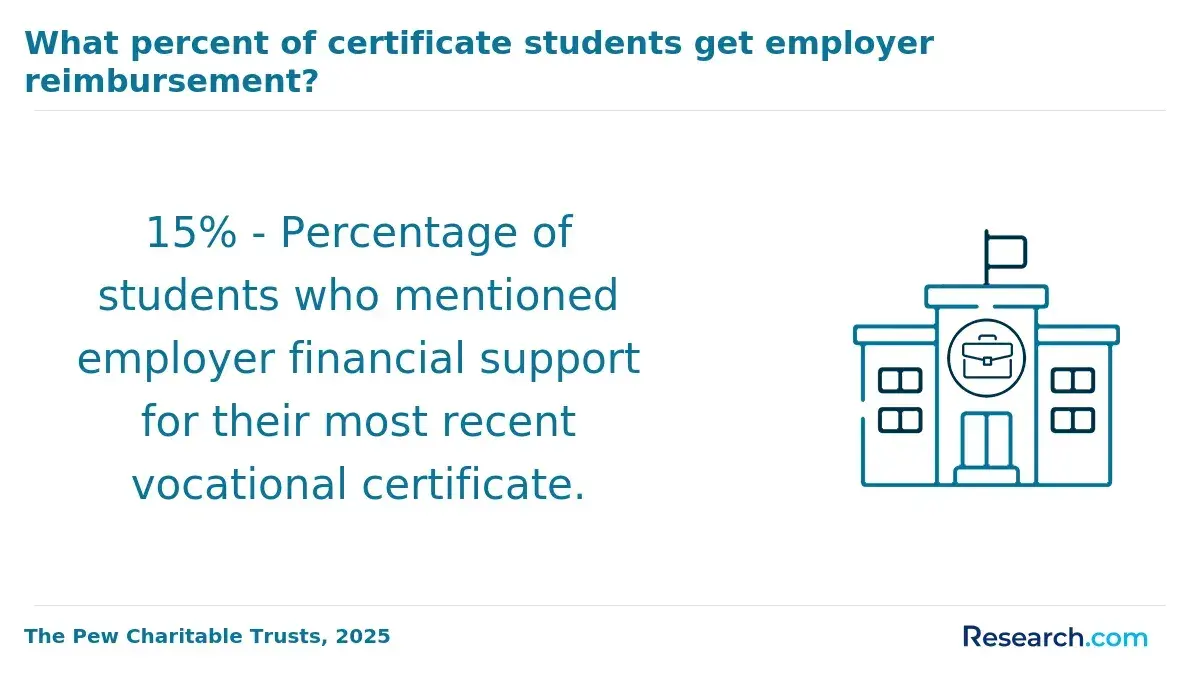
Program cost should be part of the salary calculation. Recent national graduate tuition data does not isolate CNS doctorates, and total cost of attendance varies widely by school, residency requirements, clinical fees, and whether the student can keep working. A practical ROI review should compare total tuition and fees, lost work time, employer tuition benefits, and the realistic salary difference between your current role and the roles you are qualified to pursue after graduation.
The highest-paying jobs for Clinical Nurse Specialist doctorate holders are usually roles that combine advanced nursing judgment with leadership authority. Some are direct CNS roles, while others are leadership, academic, informatics, or consulting roles where the CNS doctorate strengthens the candidate's credibility.
The table below summarizes high-paying paths and the salary logic behind each one. Use it as a career-mapping tool rather than a promise of a specific salary.
| High-paying job | Where the doctorate adds value | Best fit for |
| Chief Nursing Officer or Vice President of Nursing | Supports executive credibility, evidence-based strategy, practice governance, and quality leadership. | Experienced nurse leaders with management, finance, operations, and board-level communication skills. |
| Director of Advanced Practice Nursing | Connects APRN governance, scope standards, onboarding, productivity, quality, and clinical practice policy. | CNSs with broad APRN leadership experience and strong knowledge of state practice rules. |
| Clinical Nurse Specialist Program Director | Uses doctoral-level evidence appraisal, staff development, clinical protocols, and outcomes evaluation. | CNSs who want to lead specialty programs in hospitals, academic medical centers, or health systems. |
| Healthcare Quality and Patient Safety Director | Applies outcomes science, systems thinking, root cause analysis, and change management. | Nurses with quality improvement portfolios and experience with accreditation or regulatory metrics. |
| Nursing Informatics or Clinical Transformation Director | Bridges clinical workflow, EHR design, AI-enabled documentation, analytics, and adoption strategy. | CNSs comfortable with data, technology, implementation, and interdisciplinary project leadership. |
| Oncology, Critical Care, or Behavioral Health Service-Line Leader | Links specialty expertise to care standardization, clinical outcomes, patient experience, and staff competency. | CNSs with deep specialty experience and the ability to influence multiple units or care sites. |
| Graduate Nursing Faculty or Program Director | Doctoral credentials may be required for graduate teaching, curriculum leadership, and accreditation work. | CNSs interested in education, research translation, academic leadership, and workforce development. |
| Clinical Consultant for Health Systems, Technology, or Medical Products | Uses clinical authority to advise on workflow, training, evidence, safety, and implementation. | CNSs with strong communication skills, specialty credibility, and comfort working across organizations. |
The best-paying path depends on whether you want to remain clinically close to patients or move into broader organizational influence. For example, a CNS program director may provide more specialty impact, while a CNO role may offer higher compensation but less direct clinical practice.

Earnings from high-paying Clinical Nurse Specialist jobs depend on job level, employer, region, and whether the role is clinical, administrative, academic, or consulting-based. Doctoral-prepared CNSs usually see the biggest income jump when they move from individual contributor roles into lead, director, executive, or specialized APRN positions.
A useful way to estimate earning potential is to map your likely career stage after the doctorate. The table below shows a practical progression framework for nurses evaluating whether the doctorate may produce enough salary upside to justify the time and cost.
| Career stage | Common role examples | Compensation pattern |
| Early post-doctorate transition | Senior CNS, clinical practice specialist, specialty educator, APRN lead | Pay may rise modestly if the employer has fixed clinical salary bands; gains are stronger when the role includes specialty or lead duties. |
| Mid-level leadership | CNS program manager, quality manager, informatics manager, service-line clinical lead | Compensation often improves as the nurse gains responsibility for programs, staff development, outcomes, or cross-unit initiatives. |
| Director level | Director of advanced practice, patient safety director, clinical transformation director | Higher pay is usually tied to budget responsibility, direct reports, regulatory accountability, or enterprise-wide metrics. |
| Executive or senior expert level | CNO, VP of nursing, system CNS leader, national consultant, academic dean | Top earnings are most likely when the nurse influences strategy, finances, quality, workforce planning, or multi-site operations. |
To estimate your own ROI, compare the total cost of the doctorate with the salary difference between your current role and realistic target roles in your region. The most practical approach is to calculate a break-even point before enrolling.
- List the total program cost, including tuition, fees, travel, books, clinical expenses, and any unpaid time away from work.
- Identify at least five target job postings that specifically prefer or require a doctorate, CNS certification, APRN status, or advanced leadership experience.
- Compare posted pay ranges with your current compensation, including shift differentials, bonuses, retirement contributions, and overtime.
- Estimate how long it would take for the annual pay difference to cover the degree cost.
- Factor in non-salary benefits such as schedule stability, leadership access, academic eligibility, remote work potential, or reduced physical demands.
The doctorate may not be financially ideal if your employer does not reward graduate credentials, your target region has few CNS leadership roles, or you prefer a job that does not require doctoral-level responsibility. It is more likely to pay off when you already have specialty expertise and a clear plan for moving into higher-authority roles.
The highest-paying industries for Clinical Nurse Specialist doctorate holders are usually those with complex care delivery, high regulatory pressure, large budgets, or strong demand for advanced clinical leadership. Hospitals remain central, but health systems, academic medical centers, consulting firms, technology vendors, insurers, and universities can also value doctoral-prepared CNS expertise.
The table below compares sectors by salary potential and stability. It is designed to help you target employers where the CNS doctorate is more likely to be treated as a strategic asset.
| Industry or sector | Pay potential | Why it values CNS doctorate holders |
| Hospitals and health systems | High for director and executive roles | Need advanced clinical leaders for quality, safety, specialty care, workforce development, and practice standardization. |
| Academic medical centers | High for hybrid clinical-academic leaders | Value research translation, complex specialty care, graduate education, and interprofessional practice models. |
| Ambulatory care networks | Moderate to high for population health and specialty leadership | Need expertise in chronic disease management, care coordination, preventive care, and readmission reduction. |
| Behavioral health organizations | High where advanced psychiatric credentials are scarce | Need leaders who can support integrated care, crisis models, staff competency, and complex patient populations. |
| Healthcare technology and informatics | High for experienced transformation leaders | Need clinicians who can guide EHR optimization, AI governance, workflow design, and implementation safety. |
| Insurance, managed care, and population health | Moderate to high for outcomes-focused roles | Value expertise in utilization, care management, quality metrics, risk adjustment, and patient outcomes. |
| Colleges and universities | Variable; often lower than executive healthcare roles | Need doctoral-prepared faculty, program directors, accreditation leaders, and clinical education partners. |
| Consulting and medical product companies | High but variable | Value specialty credibility, training ability, evidence translation, and client-facing communication. |
Industry choice should reflect your tolerance for risk. Hospitals and academic medical centers may offer stability and benefits, while consulting or technology roles may offer higher upside but more variable expectations, travel, sales support, or project-based work.
The most valuable skills for high-paying CNS doctorate jobs are the ones that help employers solve expensive, measurable problems. Doctoral coursework can build evidence appraisal, leadership, systems thinking, and practice innovation, but candidates need to translate those skills into outcomes that hiring managers understand.
The table below connects core CNS doctorate competencies with the high-paying job functions they support. This can help you choose electives, projects, certifications, and practicum experiences strategically.
| Skill or competency | Why employers pay for it | Roles where it matters most |
| Evidence-based practice translation | Turns research into protocols, staff behavior, and measurable patient outcomes. | CNS program director, specialty practice leader, academic clinical partner. |
| Quality improvement and outcomes measurement | Supports safety goals, accreditation, reimbursement performance, and risk reduction. | Quality director, patient safety leader, service-line leader. |
| Clinical analytics and data interpretation | Helps leaders identify trends, evaluate interventions, and justify resource decisions. | Informatics director, population health leader, clinical transformation manager. |
| Change management | Improves adoption of new protocols, technologies, staffing models, and care standards. | Clinical transformation leader, APRN director, executive nursing leader. |
| Advanced specialty knowledge | Supports care for complex populations and differentiates candidates in scarce expertise areas. | Critical care, oncology, behavioral health, gerontology, cardiovascular leadership. |
| Financial and operational literacy | Helps nurses connect clinical outcomes with budgets, staffing, productivity, and value-based care. | CNO, director of nursing practice, service-line executive. |
| Teaching and competency design | Improves staff readiness, onboarding, retention, and clinical standardization. | Nursing faculty, clinical educator leader, professional development director. |
| Ethical AI and technology governance | Supports safe use of documentation tools, predictive models, decision support, and workflow automation. | Nursing informatics, digital health, quality, and clinical transformation roles. |
AI is increasingly affecting nursing leadership, but not by replacing CNS expertise. The higher-value opportunity is for doctoral-prepared CNSs to help evaluate whether AI-supported documentation, risk prediction, remote monitoring, or clinical decision tools are safe, equitable, and usable in real workflows.
To build a stronger salary case, do not only list skills on a résumé. Show how you used them:
- Describe a clinical problem, the intervention you led, and the outcome measure used to evaluate success.
- Include examples of cross-functional leadership with physicians, pharmacists, informatics teams, finance leaders, and bedside nurses.
- Keep a portfolio of protocols, dashboards, presentations, publications, teaching materials, and quality projects.
- Use specialty certifications to validate expertise in areas employers repeatedly mention in job postings.
- Practice explaining your doctorate project in business terms, including risk reduction, staff efficiency, patient outcomes, and sustainability.
The most stable sectors for CNS doctorate holders are those tied to ongoing patient care needs, regulation, workforce development, and chronic disease management. Stability is not the same as highest pay: some stable academic or public-sector roles may pay less than executive hospital or consulting roles, but they can offer predictable schedules, benefits, and long-term professional identity.
Healthcare demand also depends on demographics. An aging population, high chronic disease burden, behavioral health needs, and persistent nursing workforce shortages all support continued need for advanced clinical nursing leadership. CNS doctorate holders who can improve care quality while supporting staff development may be especially valuable during periods of staffing pressure.
For long-term stability, compare sectors by the kind of demand behind the job:
- Hospitals and health systems offer strong stability when the role is tied to essential operations, quality, safety, regulatory readiness, or specialty care lines.
- Academic medical centers offer stability for nurses who can combine clinical excellence, education, research translation, and interprofessional leadership.
- Universities and nursing schools can be stable for doctoral-prepared nurses, especially in graduate education, although pay may not match executive healthcare roles.
- Population health, ambulatory care, and managed care can be stable when roles are tied to chronic disease management, care coordination, utilization, and value-based outcomes.
- Technology and consulting may offer strong compensation but can be more sensitive to budgets, sales cycles, travel demands, and project pipelines.
If stability is your priority, ask whether the role would still be funded if budgets tighten. Positions tied to compliance, patient safety, core clinical operations, and required education are usually more resilient than discretionary innovation roles.
What do employers of high-paying jobs look for when hiring Clinical Nurse Specialist doctorate holders?
Employers hiring for high-paying CNS doctorate roles look for proof that the candidate can operate beyond expert clinical practice. They want someone who can lead change, influence stakeholders, improve measurable outcomes, and understand the financial and regulatory environment of healthcare.
The doctorate is often viewed differently depending on the employer. Academic employers may see it as a baseline credential for teaching, research translation, or program leadership. Hospitals may see it as an advantage only when the candidate also has specialty expertise and operational results. Technology, consulting, or payer employers may value the doctorate when it strengthens clinical credibility with clients and teams.
Top employers commonly evaluate candidates across several dimensions:
- Licensure and certification fit, including RN licensure, CNS/APRN recognition where applicable, specialty credentials, and state-specific practice authority.
- Specialty depth in areas such as critical care, oncology, behavioral health, gerontology, informatics, quality, or population health.
- Leadership history, including committees, direct reports, program ownership, project leadership, and cross-site influence.
- Measurable outcomes, such as quality improvement results, staff competency gains, care standardization, readmission reduction, or safety improvements.
- Communication ability with bedside teams, physicians, executives, regulators, students, patients, and external partners.
- Business awareness, including budgeting, productivity, staffing, reimbursement, risk, and strategic planning.
If your long-term goal is broader advanced practice authority rather than a CNS-specific leadership role, it may be useful to review how to become a nurse practitioner through Research.com's guide on how to become a nurse practitioner. The CNS and NP pathways can overlap in advanced nursing, but they are not interchangeable in scope, certification, or employer expectations.
Avoid three common mistakes when positioning yourself for high-paying roles. First, do not rely on the degree title alone; translate it into outcomes. Second, do not ignore state scope rules because they can affect job eligibility and pay. Third, do not wait until graduation to network with leaders in your target sector.
Other Things You Should Know About Clinical Nurse Specialist
Yes, an online CNS doctorate can support high-paying roles if the program is accredited, meets state and certification requirements, includes strong clinical or practice experiences, and helps you produce measurable outcomes. Employers usually care less about online delivery and more about licensure fit, specialty credibility, leadership experience, and results.
A DNP is usually better for clinical leadership, advanced practice, quality, informatics, and executive practice roles. A PhD is usually better for research-intensive faculty roles, funded research, and academic scholarship. The higher-paying choice depends on whether your goal is practice leadership or research leadership.
Some nurses see a salary benefit immediately if they move into a lead, director, APRN, or academic role soon after graduation. Others need one to three years to build leadership experience, publish or present their doctoral work, earn specialty credentials, or wait for a higher-level opening.
Ask where graduates work, whether alumni have moved into director or executive roles, how clinical placements are arranged, what specialty tracks are available, what the total cost of attendance is, and whether the curriculum includes finance, quality improvement, informatics, leadership, and outcomes measurement.
- Top 10 Highest-Paying Nursing Jobs 2025â2026 https://credenzahealth.com/career-advice/top-10-highest-paying-nursing-jobs
- NHS Clinical Nurse Specialist: Pay, Salary, Progression & How to Become (2026/27) | NHS Pay Calculator https://www.nhspaycalculator.co.uk/nhs-roles/clinical-nurse-specialist
- Five Key Reasons to Pursue a CNS Career | Omaha https://blog.methodistcollege.edu/five-reasons-to-become-a-clinical-nurse-specialist-omaha
- How Much Do Clinical Nurse Specialists Make? – Nursing Education https://nursingeducation.org/careers/clinical-nurse-specialist/salary/
- EdAssist | The future of nursing https://www.brighthorizons.com/resources/blog/edassist/the-future-of-nursing
- Exploring the Benefits and Paths to Nursing Higher Education https://blog.diversitynursing.com/blog/exploring-the-benefits-and-paths-to-nursing-higher-education
- What Are the Highest Paying Nursing Jobs | CCU Online https://www.ccu.edu/blogs/cags/2014/12/what-are-the-highest-paying-nursing-jobs/
- 10 Highest Paying Nursing Jobs and Specialties https://everynurse.org/10-highest-paying-nursing-jobs/
- Clinical Nurse Specialist (CNS) Career Guide: Advancing Nursing Expertise https://nurseslabs.com/clinical-nurse-specialist-cns-career-guide/
- Nursing Workforce Fact Sheet https://www.aacnnursing.org/news-data/fact-sheets/nursing-workforce-fact-sheet


