2027 Gerontology Clinical Hours Requirements: What Counts and How to Complete Them

Co-Founder and Chief Data Scientist
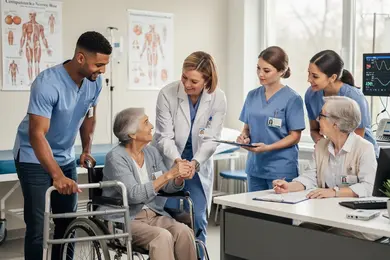
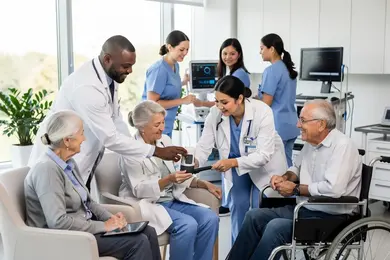
How can students ensure their clinical hours meet the rigorous requirements for gerontology degree programs? Understanding what qualifies as field experience is crucial, especially since most programs mandate at least 300 supervised hours to develop essential skills. Clinical practicums often take place in settings like assisted living facilities, community health centers, or rehabilitation clinics, where students engage in hands-on care and interdisciplinary collaboration.
Recent data shows a 12% projected job growth in gerontology-linked healthcare roles, making proper training vital. This article clarifies which experiences count as clinical hours and outlines effective strategies for completing these requirements within gerontology education.
Key Things to Know About Gerontology Clinical Hours Requirements
- Required clinical hours provide supervised hands-on experience, enabling students to apply classroom knowledge to real-world gerontology care scenarios, enhancing practical skills and professional readiness.
- Clinical placement depends on program partnerships and approved training sites like long-term care facilities, impacting where and how students complete their hours.
- Strict documentation, supervision by qualified professionals, and formal evaluations ensure clinical requirements are met successfully, supporting competency and certification goals.
What Are the Clinical Hours Requirements for Gerontology Programs?
Gerontology programs commonly require students to complete between 300 and 500 clinical hours to meet accreditation and certification standards. Research shows that students who participate in experiential learning, including clinical education, improve their job readiness and performance by over 40% compared to those without such experience. These clinical hours provide essential hands-on training that bridges classroom learning with real-world applications, preparing students to address the needs of aging populations effectively. This practical component is crucial in reinforcing theoretical knowledge through direct interaction with older adults.
Typically, these clinical hour requirements are integrated as a mandatory part of program completion, ensuring every student gains sufficient supervised practical exposure before graduating. This approach develops applied competency and enhances workplace readiness by exposing students to diverse cases and care scenarios they will encounter in professional settings. Incorporating clinical hours strengthens critical thinking, decision-making, and evidence-based practice skills essential for gerontology certification and professional success. Students interested in accelerated pathways might explore options like medical assistant programs accelerated to complement their practical experience.
What Counts as Clinical Hours in Gerontology Programs?
Clinical hours in gerontology programs are essential for transforming theoretical knowledge into practical skills, allowing students to directly engage with aging populations. Research shows that experiential learning leads to a 68% improvement in skill retention compared to purely classroom-based education. These hands-on experiences prepare students to effectively address the diverse needs of older adults.
Several types of activities typically qualify as clinical hours in gerontology programs:
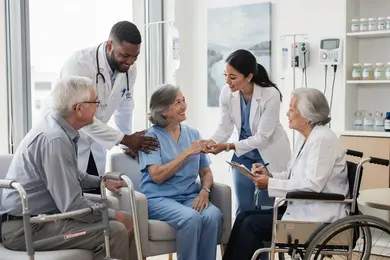
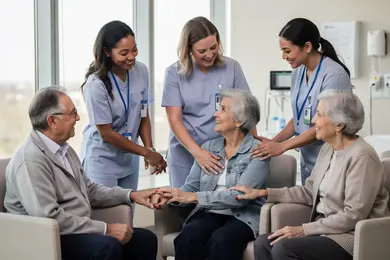
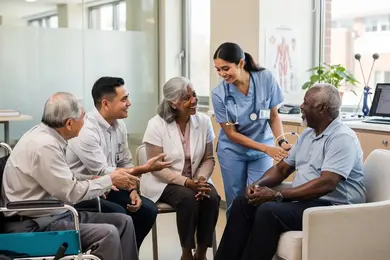
- Direct Client Interaction: Conducting assessments, care planning, or providing support in environments like nursing homes, assisted living facilities, or community centers offers students firsthand experience with older adults' daily challenges and health needs.
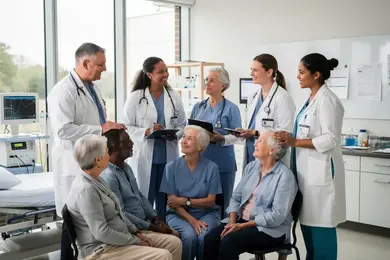
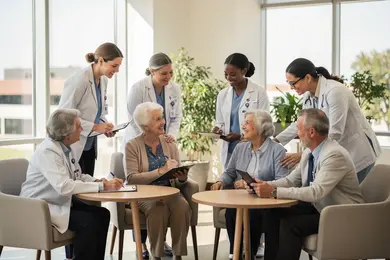
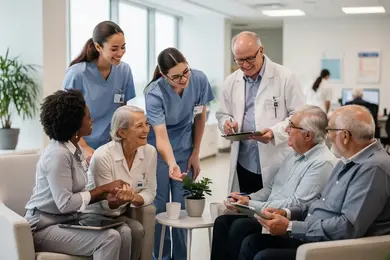
- Interdisciplinary Collaboration: Participating in team meetings with healthcare professionals or social workers fosters a comprehensive understanding of coordinated care for the elderly, emphasizing communication and collaborative planning.
- Educational Services: Leading workshops or support groups focused on healthy aging or specific age-related concerns allows students to apply evidence-based knowledge while promoting community well-being.
- Environmental Assessments: Home visits to evaluate safety and support systems give students insight into real-world living conditions and the adaptations necessary for seniors to maintain independence.
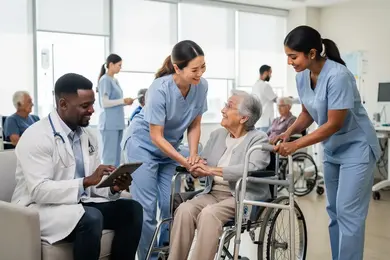
- Rehabilitative Support: Engaging in cognitive or physical therapy sessions tailored to older adults enhances students' skills in customizing interventions to improve their clients' quality of life.
A gerontology degree graduate described the clinical hour experience as both challenging and rewarding. He noted that balancing coursework with real-world placements initially felt overwhelming, especially when adapting communication styles for different elders. "It was eye-opening to see how each older adult's needs varied so much," he recalled. He also mentioned the satisfaction of applying classroom theories in settings that demanded quick problem-solving and empathy. Reflecting on the process, he emphasized that the clinical hours were vital not only for skill-building but also for gaining confidence to pursue a career supporting aging populations.
Do Clinical Hour Requirements Vary by State?
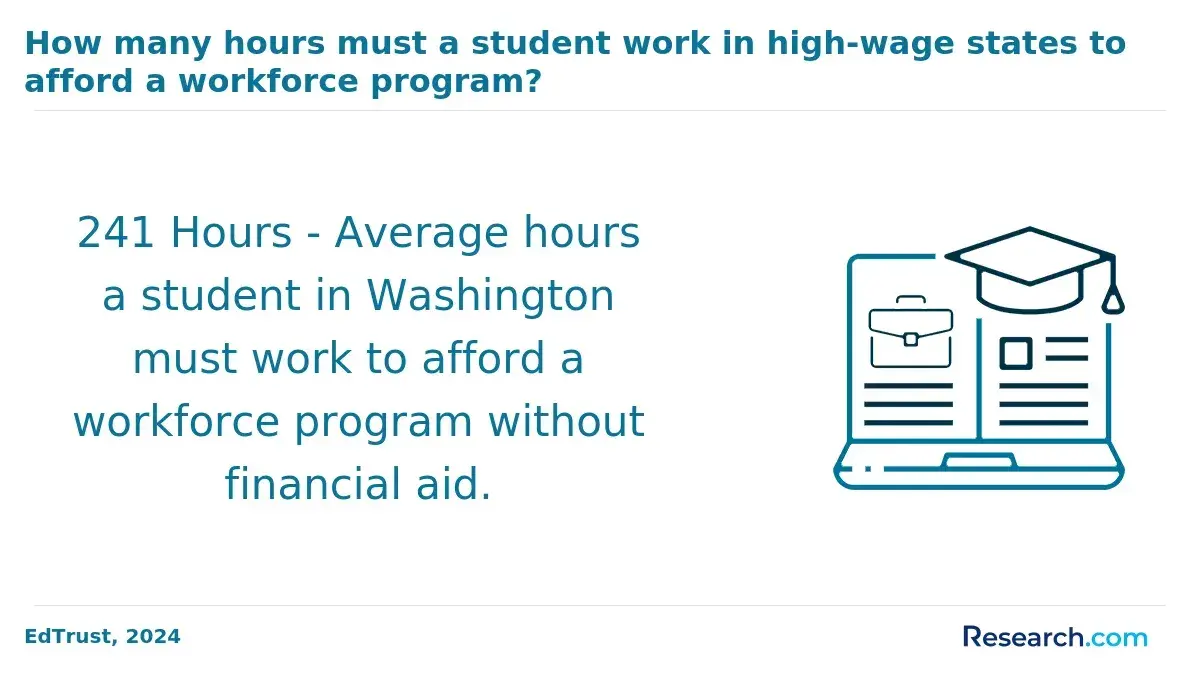
State regulatory boards and professional licensing criteria significantly shape clinical training standards for gerontology programs across the U.S. Research indicates that about 30% of states display substantial differences in clinical hour mandates within similar healthcare educational tracks. These variations influence how students fulfill their practical experience requirements.
- Required Hours: States establish diverse minimum clinical or practicum hour requirements, which can affect the length and depth of hands-on training needed for completion.
- Qualified Settings: Definitions of acceptable clinical environments differ, with some states allowing a broad spectrum of experiences while others restrict hours to specific populations or approved care settings relevant to gerontology.
- Timing Rules: Certain states mandate when clinical hours must be completed, often requiring a designated portion during the final education phase to ensure preparedness for professional responsibilities.
- Licensure Overlap: In several states, clinical hours for degree completion may also fulfill licensure prerequisites, making the training period more integrated but sometimes more demanding.
- Supervision Standards: State regulations govern how clinical hours are overseen and validated, impacting documentation and the official acknowledgment of completed experience.
Where Do Students Complete Gerontology Clinical Hours?
Experiential learning is a crucial component of professional education, with studies showing that nearly 60% of clinical hours occur in direct care settings. This hands-on approach allows students to develop critical skills necessary for effective practice. Gerontology students often complete their clinical hours in varied environments that enhance their understanding of aging and elder care.
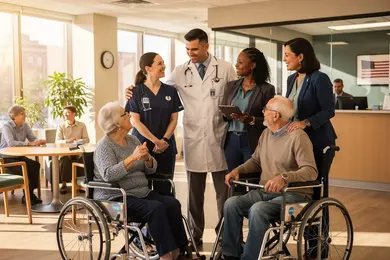
- Long-Term Care Facilities: These include nursing homes and assisted living centers where students engage in daily caregiving activities. This setting helps students gain practical experience in managing chronic health conditions and supporting seniors in residential care.
- Hospitals and Rehabilitation Centers: Students gain exposure to acute healthcare by working with older adults recovering from surgery or illness. Collaborative teamwork and clinical interventions in these settings deepen their medical knowledge and interdisciplinary skills.
- Community Senior Centers: Focused on promoting social interaction and wellness, these centers offer students opportunities to coordinate activities and resources that support seniors living independently, highlighting preventive care and social support.
- Home Health Care Agencies: Providing care in patients' homes, this environment teaches personalized care planning and an understanding of family dynamics, enhancing students' ability to tailor interventions for individual needs.
- Advocacy and Protective Services: Involvement with organizations dedicated to elder rights and safety allows students to address ethical issues and develop strategies for intervention and protection of vulnerable adults.
Each placement equips gerontology students with diverse perspectives crucial for comprehensive elder care, blending clinical expertise with social and ethical awareness.
How Are Clinical Placements Assigned in Gerontology Programs?
Clinical placements in gerontology programs provide students with essential supervised experiences working with aging populations, fulfilling clinical hour requirements critical to their training. Research indicates that about 60% of professional programs rely on a coordinated system for experiential learning, emphasizing the structured nature of clinical site assignment in gerontology programs. Several approaches help organize these placements effectively.
- Centralized Coordination: Institutions often employ dedicated placement offices or coordinators who collaborate with healthcare facilities to arrange student assignments based on site availability and curriculum needs.
- Student Preferences: Many programs ask students to rank or select preferred clinical sites. Placement coordinators then balance these choices with site capacity to finalize assignments within the gerontology clinical placement process.
- Formal Partnerships: Some academic programs have established agreements with care providers, directing students to specific pre-approved settings that align with educational goals.
- Fixed Rotations: This method involves systematically scheduling students through various clinical sites to ensure exposure to diverse aspects of aging services.
- Matching Software: An increasing number of programs use algorithms or digital platforms that consider factors like location, skills, and site demand to optimize clinical site assignment in gerontology programs.
Students exploring clinical training options can also consult resources on affordable online FNP programs for related pathways in healthcare education.
Can Gerontology Clinical Hours Be Completed Online or Part-Time?
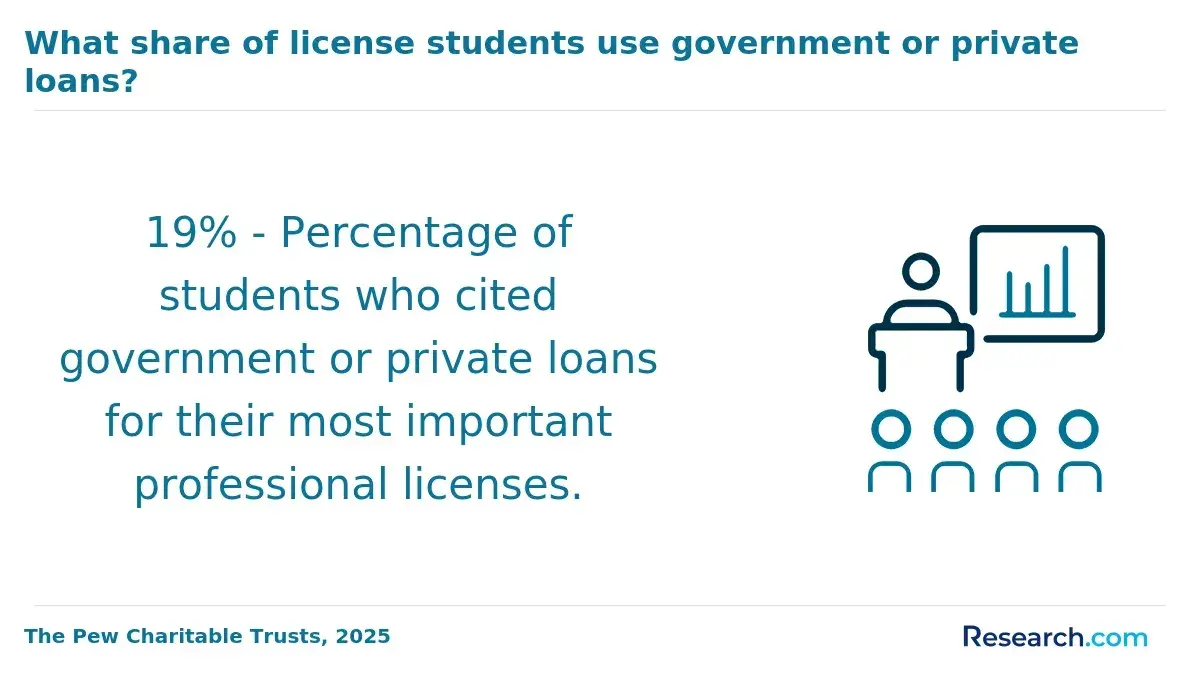
Gerontology clinical hours generally cannot be fully completed online, though part-time options are sometimes available depending on the program. About 35% of healthcare training programs have adopted hybrid or flexible scheduling to improve access for students. These limitations exist because clinical hours require direct, supervised interaction with older adults to build practical skills that cannot be replicated remotely. Understanding these constraints helps clarify why a hybrid approach may be the most feasible alternative in some cases.
Programs offering partial flexibility often blend online coursework with required in-person clinical experiences. The hands-on portion remains essential, as it ensures students observe and respond to real-world health and social needs of older adults under professional supervision. Online elements usually include preparatory learning, reflective assignments, or case studies that support-but do not replace-clinical practice. This hybrid design balances convenience with the rigor needed to maintain program accreditation and professional competency.
When asked about her experience, a professional with a Gerontology degree shared that while completing clinical hours online was impossible, the part-time schedule offered some relief amid work commitments. She recalled feeling anxious initially about coordinating hours in different care settings but appreciated how the structured mix of online study and face-to-face practice helped deepen her understanding. "It wasn't just about clocking hours," she said, "but truly engaging with patients and learning to adapt in real time." Her insights highlight how the blend of formats can challenge yet enrich the training process.
What Supervision Is Required During Gerontology Clinical Hours?
Supervision during gerontology clinical hours is typically provided by a qualified professional with expertise in gerontology or a related healthcare or social services field. This supervision is crucial to ensure students acquire hands-on experience under skilled guidance, promoting both effective learning and safety. The supervisor oversees the student's interactions with older adults and monitors the practical application of theoretical knowledge. According to the National Council of State Boards of Nursing, supervised clinical practice increases competency levels by 30% compared to unsupervised experiences, highlighting the vital role of professional oversight.
This supervision fosters the development of essential professional skills such as ethical decision-making, communication, and problem-solving. Through ongoing evaluation, supervisors help students reflect on their performance and refine their abilities. This process prepares students for independent practice by identifying strengths and areas for improvement before entering the workforce. The structured guidance also ensures compliance with program and regulatory standards, building student confidence and professional readiness in real-world settings.
How Are Gerontology Clinical Hours Tracked?
Tracking clinical hours is essential for documenting student progress and ensuring the completion of gerontology clinical hour requirements. A 2021 survey by the Association of American Colleges and Universities found that over 85% of health-related professional education programs use formal systems to document experiential learning, highlighting the critical role accurate tracking plays in maintaining program standards. Below are several approved methods commonly used for documenting clinical hours in gerontology programs.
- Digital Logging Systems: These platforms enable students to record hours in real time via online portals or mobile apps. Automatic reminders and verification features help maintain accurate and up-to-date records, supporting consistent compliance.
- Supervisor Verification Forms: Clinical supervisors sign off on completed hours, providing accountability and sometimes qualitative feedback. This traditional method verifies both the quantity and quality of clinical experiences.
- Attendance Documentation: Using sign-in sheets or electronic systems, attendance records confirm a student's presence during scheduled clinical shifts. This adds an extra level of validation to ensure hours are legitimately earned.
- Progress Reports: Periodic submissions by students or supervisors combine quantitative data with insights on skill development. These reports provide a comprehensive view of learning outcomes alongside hours completed.
- Academic Tracking Platforms: Integrated with student information systems, these platforms centralize clinical experience data. Advisors and faculty can efficiently monitor progress and intervene if students fall behind.
Prospective students should consider how to track gerontology clinical hours effectively before enrolling. For those interested in accelerated pathways, exploring an LPN fast track program may also provide relevant experiential learning options within healthcare education.
What Challenges Do Students Face During Clinical Training?
Clinical training in gerontology can be especially demanding due to the combination of rigorous academic standards and the need for real-world experience. Research shows that about 70% of healthcare students experience significant stress during clinical rotations, which can impact their learning and well-being. For those navigating gerontology clinical training challenges in the United States, this stress is often intensified by the complexity of working with aging populations. Below are some common obstacles for gerontology students in clinical placements.
- Balancing Responsibilities: Managing academic coursework alongside clinical schedules often leads to time management stress and physical fatigue. This balancing act can reduce overall effectiveness in both areas if not carefully planned.
- Professional Environment Adaptation: Students must quickly adjust to healthcare settings where clear communication, confidentiality, and teamwork are essential. Meeting high professional expectations can be overwhelming for those new to clinical experiences.
- Emotional Challenges: Working closely with older adults facing decline, chronic illness, or end-of-life issues may cause emotional distress. Coping with these realities requires resilience and support to maintain mental health during training.
- Irregular Hours: Clinical placements often involve unpredictable or lengthy shifts that conflict with personal and academic commitments. This irregularity can strain students' ability to maintain consistent progress.
- Hands-on Learning Demands: Applying theoretical knowledge in unpredictable clinical situations challenges students to adapt quickly. Developing practical skills in these environments is crucial but may initially cause uncertainty.
Students seeking health information technology associate degree online programs can sometimes find structured clinical components that help ease transitions into these demanding real-world settings, which can ultimately support successful completion of clinical hour requirements.
What Strategies Help Students Succeed in Clinical Environments?
Preparation and flexibility are crucial for thriving in clinical settings focused on gerontology. Students who adapt well can navigate the varied and often unpredictable demands of clinical rotations. Research indicates that 85% of participants in experiential learning programs feel more ready to take on professional roles after completing hands-on training. The following strategies enhance success during gerontology clinical hours.
- Effective Communication: Building clear, empathetic dialogue with supervisors and patients strengthens trust and supports better care outcomes. This skill also facilitates collaboration within interdisciplinary teams, essential for meeting clinical goals.
- Time Management: Prioritizing and organizing clinical tasks allows students to fulfill gerontology clinical hours requirements efficiently while reducing stress. Managing time well ensures focused attention on learning and patient care without feeling overwhelmed.
- Professionalism: Exhibiting punctuality, respect, and ethical behavior encourages positive evaluations and aligns with workplace expectations. Maintaining professional conduct enhances students' reputations during clinical rotations.
- Active Learning: Taking initiative by asking questions and seeking meaningful feedback deepens understanding. This engagement promotes skill growth critical for success in dynamic clinical environments.
- Organizational Skills: Keeping detailed records and managing assignments systematically helps students stay on track with documentation and deadlines. These habits support consistent progress through clinical training requirements such as those outlined for gerontology programs.
Understanding how strategic approaches contribute to clinical success can also influence future career paths, including roles with competitive PMHNP salary prospects.
What Graduates Say About Gerontology Clinical Hours Requirements
- Irene: "Completing the clinical hour requirements for my gerontology degree was both challenging and rewarding. I found the process well-structured, which made it easier to manage my time and gain hands-on experience. Although the cost was a consideration, the skills I acquired have already had a positive impact on my career in elder care."
- Henrik: "Reflecting on my gerontology clinical hours, I realize how essential they were in bridging theory and practice. The expenses involved were notable but justified given the direct patient interaction and learning opportunities. These clinical hours have profoundly shaped my professional approach and confidence in working with older adults."
- Weston: "The clinical hours required for my gerontology program provided me with invaluable real-world exposure. While budgeting for the associated costs was a necessary challenge, I now appreciate how these experiences have distinguished my resume and opened doors for career advancement. I highly recommend embracing this aspect fully to anyone pursuing this field."
Other Things You Should Know About Gerontology Degrees
Yes, most gerontology programs require students to maintain detailed logs or journals documenting their clinical hours. These records typically include dates, hours completed, types of activities performed, and supervisor signatures. Accurate and timely documentation ensures verification for program completion and accreditation purposes.
Some programs allow clinical hours gained in closely related fields such as nursing, social work, or occupational therapy to partially fulfill gerontology clinical hour requirements. However, these hours must directly involve working with older adult populations and be pre-approved by program coordinators. It is essential to verify eligibility with the specific gerontology program.
Background checks and health clearances are standard prerequisites before beginning clinical placements in gerontology programs. These safeguards protect vulnerable elderly populations and ensure compliance with institutional policies. Students should prepare for immunizations, drug screenings, and criminal record checks as part of the placement process.
References
- Gerontology Nursing - Atlantic Technological University https://www.atu.ie/courses/postgraduate-diploma-in-science-gerontology-nursing-blended-part-time
- Online Adult Gerontology Nurse Practitioner (AGNP) Post-Master's Certificate Programs https://www.graduatecertificate.org/programs/adult-gerontology-nurse-practitioner/
- Training For Geriatric Social Workers | American Geriatrics Society https://www.americangeriatrics.org/geriatrics-profession/training-requirements/training-geriatric-social-workers
- Clinical Social Worker in Gerontology (CSW-G (NASW)) Complete Guide on Vivian Health https://www.vivian.com/certifications/csw-g-nasw/
- Client Challenge https://www.springerpflege.de/nursing-students-experience-with-clinical-placement-in-nursing-h/50628028
- Improving elder care with innovative training programs for nursing students https://www.mariposatraining.com/blog-posts/improving-elder-care-with-innovative-training-programs-for-nursing-students
- Get Prepared for AGPCNP-BC Certification With WP Online https://online.wpunj.edu/degrees/healthcare/msn/agnp/eligibility-and-requirements/
- RN New Graduate Program https://www.agrace.org/careers/clinical-experiences/
- Adult Gerontology Acute Care Nurse Practitioner (AG-ACNP) https://nursinglicensemap.com/advanced-practice-nursing/nurse-practitioner/adult-gerontology-acute-care-np/
- Difficulties Experienced by Clinical Practice Supervisors in Geriatric Nursing Training https://www.jstage.jst.go.jp/article/ajhs/30/1/30_e3001.1.013/_article