2027 General Psychology Degree Master's Programs You Can Get Into Right Now (Eligibility-Based Matches)

Co-Founder and Chief Data Scientist
Many career changers face obstacles entering psychology fields due to rigid admission criteria for master's programs. Those lacking a psychology background worry about eligibility and timely graduation while balancing work and life. This concern is valid, as 68% of online general psychology degree programs now cater specifically to nontraditional students, offering flexible prerequisites. Demand for accessible master's options grows as employment in psychology-related jobs is projected to increase 14% through 2031. This article identifies current master's programs in general psychology still admitting candidates based on eligibility, helping readers find practical, accredited pathways to start or advance careers in psychology without delays.
Key Benefits of Eligibility-Based General Psychology Degree Master's Programs
- Eligibility-based master's programs offer flexible scheduling suitable for working professionals, enabling part-time or asynchronous study without compromising career responsibilities.
- Accelerated pathways focus on targeted coursework and practical skills, allowing students to gain competencies swiftly, often completing programs in under two years.
- Students benefit from access to global alumni and faculty networks, fostering international collaborations and expanding professional opportunities across diverse psychology sectors.
What Is the Minimum GPA Requirement for General Psychology Master's Programs?
Prospective students evaluating the minimum GPA requirement for general psychology master's programs need clear benchmarks to assess their eligibility realistically. Below are crucial insights into varying GPA criteria and admissions flexibility to help applicants identify suitable programs.
Key points to consider include:
- Minimum GPA Thresholds Vary: Highly ranked programs typically require a hard minimum GPA of 3.0, reflecting strict admissions standards, while mid-tier and regional schools might accept GPAs as low as 2.75, often requiring supplemental materials like strong recommendation letters or relevant professional experience.
- Hard Minimum vs. Competitive Average: Some institutions enforce a firm GPA cutoff-usually 3.0-whereas others report this as a competitive average, allowing applicants with lower GPAs to be considered through holistic evaluation.
- Holistic Review Process: Admissions committees increasingly assess candidates beyond GPA, considering personal statements, GRE scores (if required), and interviews. For example, Southern New Hampshire University accepts applicants with a 2.75 GPA if accompanied by compelling supplemental materials.
- Concrete GPA Examples: The University of Missouri-Columbia enforces a strict 3.0 GPA minimum, serving as a clear benchmark for applicants.
- Using GPA Data Strategically: Applicants should use these GPA requirements as an initial filter when narrowing their list of schools, ensuring their efforts align with realistic admission chances.
Recent trends indicate approximately 60% of general psychology master's programs now incorporate holistic admissions, broadening access for students with slightly lower GPAs. For those balancing finances, it is useful to explore resources such as the cheapest MSW programs online as a model for evaluating cost-effective options. Understanding these GPA eligibility criteria provides applicants with a foundational guide to target programs aligning with their academic profile and goals.
Which General Psychology Master's Programs Accept Students Without Direct Field Experience?
Applicants to general psychology master's programs come from diverse academic and professional backgrounds, including career changers, recent graduates, and professionals from related fields. This diversity means experience requirements vary widely across programs, with some demanding direct field experience and others adopting more flexible admissions criteria. The following points outline key mechanisms schools use to accommodate applicants without prior psychology work experience:
- Bridge Courses and Foundational Classes: Many programs offer required or optional foundational coursework before or during the master's curriculum to ensure all students gain essential knowledge. This approach allows applicants without previous experience to build necessary skills without being excluded.
- Prerequisite Waivers and Conditional Admission: Some institutions permit applicants to waive prerequisite courses based on academic aptitude or test scores. These waivers often come with conditional admission, requiring students to complete specific courses during their initial terms.
- Experience Substitutions Through Related Backgrounds: Experience in related fields such as social work, education, or healthcare may be accepted as equivalent to direct psychology experience, widening eligibility for applicants from other disciplines.
- Explicit Admissions Policies: Programs at universities like Walden University and Capella University explicitly state no prior field experience is necessary, showcasing their inclusive admissions and support structures.
- Support Services and Mentoring: To assist those lacking field experience, some schools provide mentoring, tutoring, and skills workshops that help bridge applied knowledge gaps during study.
Applicants targeting graduate psychology degrees accepting students from other fields should honestly present their limited experience while highlighting transferable skills, motivation, and academic strengths. Emphasizing adaptability and commitment can compensate for less direct exposure to psychology. Recent data from the Council of Graduate Schools shows nearly 40% of psychology master's programs have increased enrollment of students without prior field experience in the last five years, reflecting a trend toward greater inclusivity.
For those exploring accessible academic options, researching programs offering an easy masters degree in psychology can be a practical next step toward an effective career transition.
Are There General Psychology Master's Programs That Do Not Require the GRE or GMAT?
Graduate programs increasingly embrace flexible admissions, with many opting for test-optional or test-waiver policies after the COVID-19 pandemic. This trend extends notably to general psychology master's programs, where GRE and GMAT requirements have shifted to broaden applicant access. Here are essential points illustrating how these policies unfold:
- Full Waivers: Certain institutions, including the University of Southern California and Columbia University, have eliminated GRE or GMAT requirements entirely. These programs emphasize undergraduate GPA, recommendation letters, and relevant experience over standardized test scores.
- Optional Submission Policies: Schools like Boston University and the University of Denver allow applicants to decide whether to submit GRE or GMAT scores. Those with strong academic records may choose not to submit, while others might include scores to strengthen their application.
- Conditional Waivers Based on GPA or Experience: Some programs waive test requirements if applicants meet criteria such as a minimum 3.0 GPA or demonstrated professional or research experience in psychology-related areas, balancing academic achievement with practical skills.
- Temporary Suspensions: Several universities paused GRE/GMAT mandates during the pandemic but could reinstate them. Applicants should consult admissions offices to confirm the current test policy status.
- Strategic Score Submission: Optional does not mean irrelevant; submitting strong scores can offset weaker GPAs or limited experience. Conversely, low test results likely won't penalize candidates who opt out.
A professional I spoke with, who recently entered a general psychology master's program, described navigating these varying policies as both confusing and hopeful. "I was relieved when I found programs that didn't require the GRE because preparing for the exam while working full time was overwhelming," he shared. However, he cautioned others to thoroughly research each program's current requirements, since "one university's waiver last year wasn't guaranteed the next." For him, choosing programs with waived or optional test policies made the application process less stressful and more aligned with his strengths outside standardized exams.
Applicants targeting master's degrees in general psychology should be prepared to submit letters of recommendation, a pivotal component of the admissions process. Below are essential considerations to guide prospective students through typical expectations and strategic approaches.
- Typical Recommendation Letter Requirements: Most general psychology master's programs ask for two to three letters of recommendation, balancing comprehensive insight into applicants' strengths without overwhelming reviewers.
- Academic Versus Professional Recommenders: Academic recommenders usually highlight research abilities, coursework performance, and scholarly potential, while professional references emphasize practical skills, relevant experience, and interpersonal competence, crucial for candidates with workplace psychology exposure.
- What Admissions Committees Value: Strong letters showcase critical thinking, motivation, communication skills, and readiness for graduate-level psychology study. Admissions panels prefer specific examples and verifiable achievements over vague commendations.
- Practical Tips for Requesting Letters: Request recommendations at least six to eight weeks before deadlines, supplying your resume, statement of purpose, and program information to assist recommenders in crafting tailored, effective letters.
- Submission Details and Formatting: Some programs mandate submission through portals or systems such as Interfolio and may have strict formatting or confidentiality rules, so confirm these requirements well ahead of time.
Exploring financial options can also be beneficial; for instance, researching EMBA online programs offers insight into affordable pathways for continuing education alongside psychology studies.
Prospective master's students in general psychology often juggle multiple application deadlines that can influence admission chances and financial aid opportunities. Recognizing the various deadline types and their timing helps applicants plan strategically. Here are some essential points to consider:
- Early Decision and Priority Deadlines: These typically fall between October and December for fall admission. Applying by these dates may boost acceptance odds and increase eligibility for scholarships, but early decision may require a binding commitment.
- Regular Deadlines: Most general psychology programs set these from November to February, aligning with fall term starts. Meeting these deadlines ensures full consideration; missing them could delay enrollment to the next cycle.
- Rolling Admissions: Programs with rolling admissions review applications as they arrive until all places fill. Early submission is advantageous due to limited openings, even though fixed deadlines are absent.
- Document vs. Application Deadlines: It's important not to confuse deadlines for submitting supporting materials with the main application deadlines. Both sets must be respected to keep applications complete and competitive.
- Personal Deadline Trackers: Managing deadlines across schools can be complex. Creating a tracker including application openings and closings, document due dates, test score releases, and financial aid forms helps prevent missed steps.
A professional who completed her online general psychology master's recalled the stress of keeping deadlines straight across several programs. She explained, "I underestimated how critical it was to track every deadline separately, especially supporting documents. Missing one set of dates almost cost me a spot at my preferred school." She recommends starting early and building a clear schedule to maintain control throughout the process. This proactive approach made a significant difference in her seamless admission experience and funding opportunities.
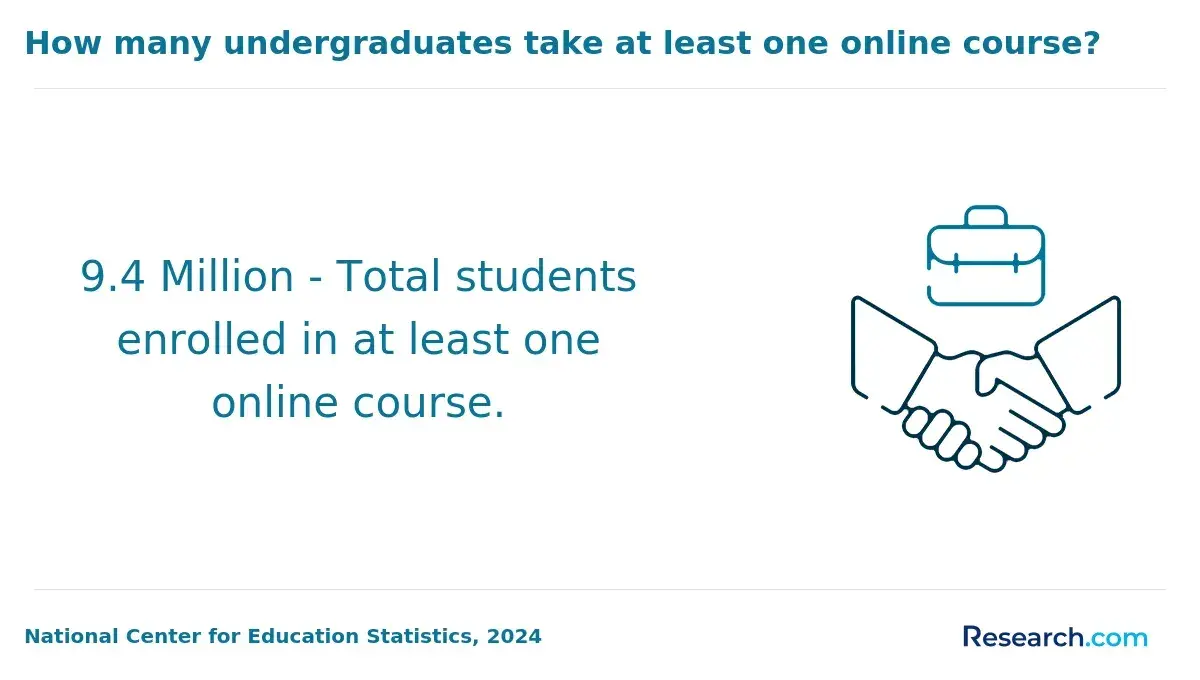
Flexible delivery formats are vital considerations for prospective master's students in general psychology who juggle work, caregiving, or other responsibilities. Options include fully online, hybrid, part-time evening, and weekend cohort models, each with unique benefits and challenges. Key factors to weigh when choosing a format include program authenticity, employer perspectives, and practical concerns. Below are essential points to guide these decisions.
- Program Formats and Delivery: Many schools offer fully online, hybrid, and part-time schedules that fit varied lifestyles. Online programs allow studying from anywhere, while hybrid models mix digital coursework with occasional campus visits for hands-on training.
- Accreditation and Credential Validity: Institutions such as Capella University, Walden University, and the University of Southern California confirm their online and part-time psychology degrees hold the same regional accreditation and academic standards as traditional on-campus offerings.
- Employer Perceptions: Current industry data shows growing acceptance of online degrees among psychology employers, who prioritize accreditation, course rigor, and relevant experience more than delivery format.
- Networking and Residency Needs: Campus-based and hybrid learners often benefit from direct faculty interaction, peer collaboration, and local internships, whereas fully online students engage mainly through virtual communities and may attend required residencies.
- Cost and Time Considerations: Online and part-time programs frequently reduce commuting and allow a self-paced schedule, which can lower costs and fit busy lives, although time to completion might be longer and tuition rates vary.
Applicants aiming for general psychology master's programs often face specific prerequisite coursework requirements that influence their eligibility. Knowing these requirements helps you identify gaps early and plan how to meet them. Below are key points to guide you through assessing and fulfilling typical prerequisites.
- Core Coursework Requirements: Most programs expect completed undergraduate classes in psychological theory, research methods, and statistics, providing a foundation to engage in graduate-level study.
- Hard vs. Soft Prerequisites: Hard prerequisites must be finished before enrollment, while soft prerequisites may be allowed concurrently during the first semester, offering some flexibility.
- Identifying Gaps and Remediation Options: If you lack needed courses, consider community college classes, accredited MOOCs, or certificate programs that fit realistic timelines and won't delay your application.
- Waivers and Professional Experience: Some programs waive prerequisites for relevant work experience or equivalent coursework. Contact graduate advisors to confirm whether this applies to you.
- Documentation and Verification: Prepare and submit official transcripts and course descriptions that clearly document your completed prerequisites, helping advisors evaluate your qualifications efficiently.
Funding plays a crucial role in determining the feasibility of pursuing general psychology master's programs. Navigating the financial aid options for general psychology master's programs requires close attention to deadlines and application requirements. Key types of funding available to prospective students include:
- Institutional Scholarships: Typically merit-based awards offered by universities to recognize academic excellence. Deadlines for these scholarships often coincide with admissions but may sometimes precede general application dates, so early inquiry is advisable.
- Departmental Fellowships: These prestigious awards come from psychology departments and are funded by endowments or external grants. They usually require a separate application and are highly competitive, emphasizing both academic record and fit with department priorities.
- Teaching Assistantships (TAs): Offering stipends and often tuition waivers, TAs assist with undergraduate courses and tend to favor candidates with strong academic backgrounds or relevant experience. These positions often require timely applications distinct from admissions.
- Research Assistantships (RAs): RAs provide financial support tied to faculty research projects and valuable practical experience. Selection is based on merit and alignment with faculty interests, frequently requiring direct contact with the supervising professor.
- External Scholarships and Professional Awards: National organizations such as the American Psychological Association (APA), Psi Chi, and the Association for Psychological Science (APS) offer discipline-specific scholarships and awards. These external scholarships supplement university funding and have strict application timelines.
Comparing these funding sources helps applicants accurately calculate their net cost of attendance by deducting all awarded aid from tuition and living expenses. Approximately 60% of psychology master's students receive financial aid, underscoring how scholarships and assistantships for graduate psychology students actively reduce financial barriers. Prospective students may explore additional options by researching affordable master's degrees online to find programs balancing cost with quality. Careful evaluation of funding packages is equally important as reviewing admissions criteria when crafting a realistic and strategic school list.
Crafting a compelling statement of purpose is essential for prospective general psychology master's degree students aiming to excel in competitive graduate admissions. This section outlines strategic elements every effective statement should include. Consider these critical aspects when writing your statement of purpose for general psychology master's programs.
- Compelling Opening: Start with an engaging introduction that clearly conveys your motivation for pursuing a general psychology master's degree. This initial impression should capture the admissions committee's attention and establish a focused narrative.
- Clear Research or Professional Focus: Detail your specific academic interests or career objectives within general psychology. Highlight relevant experiences that have shaped your focus, emphasizing a clear direction instead of vague goals. This clarity boosts your application by presenting a purposeful plan aligned with your ambitions.
- Evidence of Preparation: Demonstrate your readiness for graduate-level work by outlining your academic background, research projects, internships, or professional experiences. Concrete examples signaling relevant skills and knowledge increase credibility and show you meet program expectations.
- Program-Fit Paragraph: Replace generic praise with tailored explanations referencing specific faculty members, labs, or resources that align with your interests. Show a genuine understanding of how the program will help you reach your goals and how you contribute to its academic community.
- Revision and Feedback Process: Eliminate vague or redundant language and emphasize a confident, active voice. Seek feedback through peer review, writing center consultations, or mentors. Expect to refine your statement across at least three drafts to enhance clarity and impact.
Admissions reviewers assess intellectual focus, writing quality, self-awareness, and how well your goals align with program strengths. Writing strategically rather than generically improves your likelihood of admission. For applicants who are also exploring options beyond psychology, comparing programs on access, value, and financial aid pathways ensures a balanced school list that matches actual strengths. For example, exploring alternatives like an accelerated construction management degree online can broaden career perspectives while maintaining academic rigor.
Access to reliable career outcome data is essential for prospective general psychology master's students weighing program options and career possibilities. While such data varies in quality and transparency, knowing where to look and what to prioritize can greatly enhance your decision-making process. Below are important aspects to consider when evaluating career outcomes for these programs.
- Trusted Data Sources: First-destination surveys, institutional graduate outcome reports, and LinkedIn alumni filters provide vital information on employment rates, salaries, and job placements. Each source offers unique insights but use multiple sources for a well-rounded view due to differing reporting practices.
- Core Outcome Indicators: Focus on key metrics like the percentage of graduates employed within six months, median starting salary, typical job titles obtained, and the sectors where alumni are employed, such as healthcare, education, or research.
- Program and Location Variability: Career results often depend on whether a program emphasizes thesis research or coursework, as well as specializations within psychology. Geographic factors and institutional reputation also strongly influence job prospects.
- Direct Alumni Feedback: Engaging with graduates through LinkedIn can uncover honest, practical experiences that go beyond official marketing materials, helping you assess realistic career trajectories and challenges post-graduation.
Eligibility-based matching offers a practical way for prospective students to create a tailored list of general psychology master's programs by focusing on admissions criteria such as GPA, test scores, relevant experience, and program compatibility. Unlike rankings-driven searches that prioritize prestige, this method emphasizes realistic admission chances, making it easier to identify programs suited to your profile and career goals.
Popular matching platforms include Peterson's, Niche, GradCafe, and professional association directories, each with distinct approaches and limitations. Peterson's compiles admissions statistics and program details but may rely on self-reported data, which can sometimes lack accuracy or currency. Niche provides student reviews and overall ratings, though it doesn't delve deeply into eligibility requirements. GradCafe shares real-time applicant outcomes, offering recent trends but often anecdotal and incomplete snapshots. Professional association directories list accredited programs and official criteria, yet they seldom feature tools for personalized eligibility checks.
Since automated matching tools can miss recent changes-like GRE waivers or flexible admissions policies-it's essential to verify the information directly through official program websites. This cross-validation ensures your shortlist reflects the most current requirements and holistic considerations beyond algorithmic suggestions.
Use these tools as a starting point, not the final decision. Follow up by contacting admissions offices to clarify uncertainties or policy updates before applying, allowing you to build a thoughtfully balanced list based on your actual qualifications rather than perceived prestige.
What Graduates Say About Eligibility-Based General Psychology Degree Master's Programs
- Vance: "Choosing an eligibility-based general psychology master's degree was a strategic move for me because it provided the flexibility I needed while working full-time. The program's reasonable cost made it accessible without overwhelming my finances, which was crucial. Completing the degree has not only enhanced my professional skills but also given me the confidence to pursue leadership roles I once thought were out of reach."
- Marvin: "Reflecting on my journey, the decision to pursue an eligibility-based general psychology master's degree stemmed from a desire to deepen my understanding of human behavior for my counseling career. The cost, while an investment, was justified by the quality and practical relevance of the coursework. This degree truly shifted my life goals, empowering me to make a meaningful impact in my community through evidence-based practice."
- Parker: "I approached the eligibility-based general psychology master's program with a professional mindset, focusing on how it would complement my existing experience. The program's affordability and eligibility criteria aligned perfectly with my career timeline, allowing me to advance without delay. Ultimately, this degree broadened my opportunities and set a clear path toward achieving my aspirations in organizational psychology."
Other Things You Should Know About General Psychology Degrees
In 2027, acceptance rates for general psychology master's programs vary widely depending on the institution. Top schools may have lower acceptance rates, often below 20%, due to higher demand and rigorous admission criteria. However, other programs may offer rates between 40% to 70%, providing diverse options for applicants.
Many programs require either a thesis, a capstone, or a comprehensive exam for 30–36 credits of graduate study. Thesis tracks usually include research methods and faculty supervision, while non-thesis tracks often replace the thesis with a final project or exam before graduation.
The average time to completion for general psychology master's programs typically ranges from 1 to 2 years. This duration depends on factors like the specific program structure, whether a student attends full-time or part-time, and if a thesis is required.
- Search for a program - APAC https://apac.au/accredited-programs/search-a-program/
- 25 Psychology Graduate Programs that Don't Require the GRE https://www.mydegreeguide.com/psychology-graduate-programs-no-gre/
- 4 Benefits of Earning a Psychology Degree https://www.ndnu.edu/articles/psychology/four-benefits-of-earning-a-psychology-degree%20.html
- to deadlines and dates Master Psychology https://www.uni-siegen.de/en/to-deadlines-and-dates-master-psychology
- Masters Match – Find your Perfect Match — Unimy Masters https://www.unimymasters.com/
- Can You Switch Fields to Psychology for Graduate School? https://www.verywellmind.com/switching-to-psychology-for-graduate-school-2795144
- Can a Non-Psychology Student pursue a Master’s in Psychology? - UPS Education https://www.upseducation.in/update/can-a-non-psychology-student-peruse-masters-in-psychology/
- What Can You Do With a Master’s in Psychology? https://www.iona.edu/iona-blog/what-can-you-do-with-masters-psychology
- SOP for Masters in Psychology- Sample, Format and Guidelines https://sophelp.com/sop-for-masters-in-psychology/
- 48 Most Affordable Small Colleges for a Master’s Degree in Psychology 2025 https://www.bestmastersinpsychology.com/affordable/small-colleges-masters-in-psychology-2016/