2027 Fully Online vs Hybrid Native American Leadership Degree Master's Programs: Which Is Better?

Co-Founder and Chief Data Scientist
A student balancing work, family, and community commitments considers pursuing a master's in Native American leadership but struggles to decide between fully online and hybrid formats. With 62% of graduate students reporting they need flexible schedules to maintain employment while studying, choosing the right delivery method significantly impacts success and well-being.
Fully online programs offer convenience, whereas hybrid models provide in-person engagement opportunities. This article examines the distinct advantages and challenges of both formats, helping prospective students identify which approach best suits their learning style, scheduling needs, and long-term career objectives in Native American leadership.
Key Things to Know About Fully Online vs Hybrid Native American Leadership Degree Master's Programs
- Fully online Native American Leadership programs offer maximum scheduling flexibility, ideal for professionals balancing work and family, allowing access to coursework anytime without geographical constraints.
- Hybrid formats include mandatory in-person sessions, fostering community engagement and networking, benefiting students seeking direct interaction and collaborative learning experiences.
- Students with unpredictable or intensive professional commitments often prefer fully online formats, while those valuing face-to-face mentorship and campus resources favor hybrid options for enhanced support.
How Do Hybrid and Online Native American Leadership Master's Programs Differ?
Fully online and hybrid Native American Leadership master's programs differ mainly in their instruction, participation, and overall learning experiences. Nearly 40% of graduate programs now offer hybrid formats, highlighting a growing demand for flexible yet engaged academic options.
Below are key differences that illustrate how these formats vary in structure and student engagement.
- Learning Format: Fully online programs deliver all coursework virtually, allowing students to study from any location. Hybrid programs combine online study with scheduled in-person sessions, fostering both digital and face-to-face interaction.
- Residency Expectations: Hybrid formats typically require attendance at campus residencies or workshops to build community and access faculty directly, while fully online programs rarely demand physical presence.
- Scheduling Structure: Online courses tend to be asynchronous, giving students flexibility to learn at their own pace. Hybrid programs often include synchronous components during on-campus sessions, requiring coordination with campus schedules.
- Participation Methods: Fully online students engage through virtual discussion boards and assignments, which may limit spontaneous dialogue. Hybrid students benefit from a blend of live discussions and online forums, enhancing real-time interaction.
- Campus Engagement: Hybrid students gain access to campus resources, networking, and cultural activities supporting leadership skill development in Native American contexts. Online students rely heavily on alternative virtual resources to supplement their learning experience.
Prospective students weighing differences in flexibility and academic requirements for Native American leadership master's degrees should consider how these factors align with their learning preferences and career goals. For those exploring options, consulting data on majors in college can provide additional guidance on program choice and career trajectories.
Which Native American Leadership Master's Program Format Is More Flexible?
Flexibility ranks high among considerations for students deciding between fully online and hybrid Native American Leadership master's programs. Recent data shows that around 40% of graduate students enroll in some form of online education, highlighting a trend toward programs that fit busy schedules.
Several factors shape how flexible these program formats are:
- Class Schedule: Fully online programs often feature asynchronous classes, giving students the ability to access materials at any time, which benefits those balancing work and family. Hybrid programs, meanwhile, usually have fixed in-person sessions that require scheduling adjustments.
- Location Requirements: Online students enjoy the freedom to study from any location, an advantage for those in remote areas or with travel limitations. Hybrid learners must attend on-campus or designated sites, which can limit flexibility.
- Course Pacing: Many fully online Native American Leadership degree program schedule advantages include self-paced coursework, allowing learners to progress according to their own timing. In contrast, hybrid programs often follow set timelines that demand adherence.
- Attendance Expectations: Online students typically have fewer mandatory live sessions, supporting flexibility for those with fluctuating daily commitments. Hybrid students are generally expected to attend some face-to-face classes, adding scheduling complexity.
- Travel Commitments: Hybrid formats often require periodic travel, which can create challenges for students juggling professional or family responsibilities. Online formats eliminate this barrier, enhancing accessibility.
These differences impact how well students can integrate graduate study with their personal and career lives, frequently making fully online Native American Leadership master's degrees the more adaptable choice. For those exploring options suitable for a busy lifestyle, consulting resources on the easy masters degree may offer additional guidance on selecting the right program.
Which Native American Leadership Master's Program Format Is Cheaper?
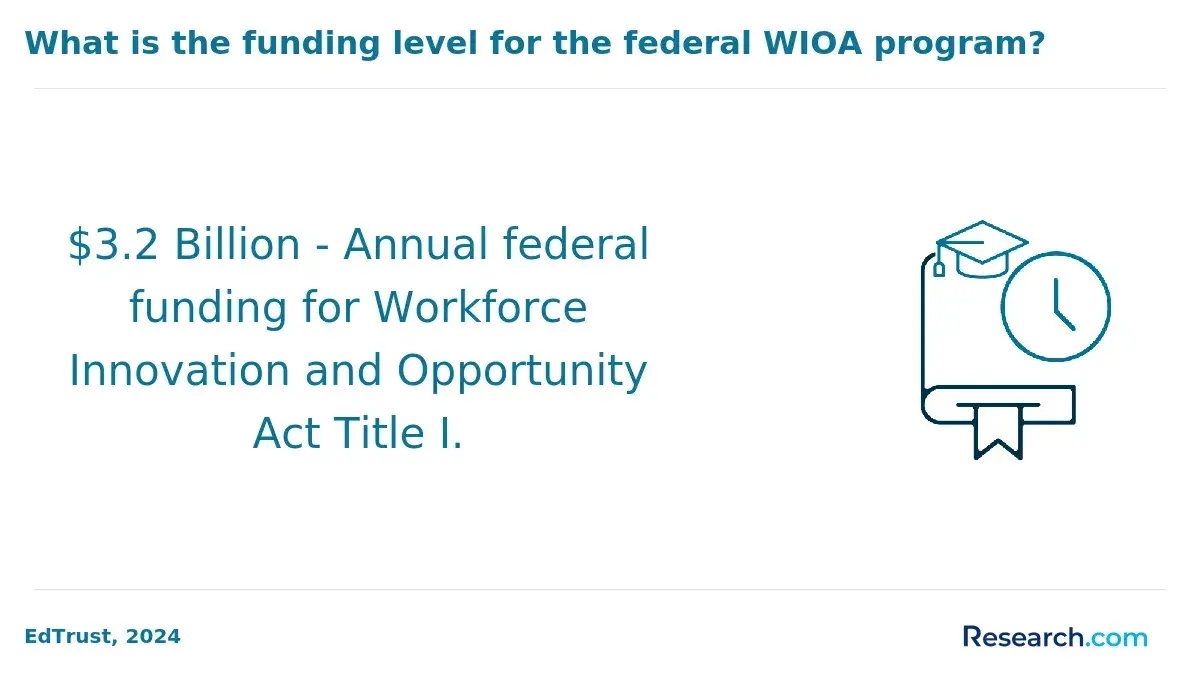
Cost remains a significant factor for students weighing fully online versus hybrid Native American Leadership master's programs. Data from the National Center for Education Statistics shows that graduate tuition for online programs often runs 15-20% lower compared to traditional on-campus formats.
Several key financial elements determine which format might ultimately prove more affordable.
- Tuition Structure: Fully online programs typically offer a flat tuition rate per credit hour without the additional fees charged for campus facilities or administrative support common in hybrid models.
- Campus Fees: Hybrid students frequently face extra expenses tied to the use of on-site resources, such as library access, student activity fees, or technology support, adding to their overall cost.
- Commuting Expenses: Attending in person even partially means hybrid learners must account for transportation costs, which can vary widely depending on distance and frequency of campus visits.
- Housing Costs: Online students can often avoid relocating or paying for housing near campus, an important consideration for those balancing family and work commitments.
- Technology Requirements: While remote learners may need specific devices, software, or reliable internet, these investments usually remain less costly than campus-related travel and living expenses.
When asked about his experience completing a Native American Leadership master's degree online, a graduate student highlighted unexpected challenges. He described the initial adjustment to self-directed study and managing virtual collaboration as "demanding," yet appreciated the flexibility it offered.
"Balancing work and family was tough," he noted, "but I saved significantly on commuting and housing costs, which made it manageable." Reflecting on affordability, he concluded that while technology expenses arose, they were far outweighed by not having to be physically present on campus.
This perspective underscores how personal circumstances play a critical role in determining which program format is financially preferable.
Financial aid options play an important role for students exploring online Native American Leadership master's degree financial aid options compared to hybrid setups. About 85% of online graduate students secure some type of federal assistance.
Below are key considerations that highlight differences and similarities in funding between fully online and hybrid formats.
- Eligibility Criteria: While federal aid is generally accessible for both program types, certain state grants might only apply to hybrid or in-person enrollment, potentially limiting aid for fully online students.
- Types of Aid: Most students qualify for federal loans and Pell Grants regardless of format, but some institutional scholarships focus on those attending hybrid programs, affecting funding availability.
- Institutional Scholarships: Universities sometimes reserve awards for hybrid students who participate on campus, making these less attainable for fully online learners pursuing Native American Leadership degrees.
- Federal and State Funding: Federal aid is widely available for online learners; however, state-based aid often requires residency and physical presence, leading to possible variations in aid packages between formats.
- Employer Tuition Assistance: Online programs frequently attract employer support due to scheduling flexibility, but certain companies prefer hybrid formats for enhanced employee engagement, impacting tuition reimbursement chances.
Students should also explore specialized scholarships and funding through resources like the cheapest online LPC programs to identify additional financial support aligned with their educational goals.
Admissions criteria play a significant role when comparing hybrid and fully online Native American leadership master's programs. While both formats share several foundational requirements, certain distinctions can influence an applicant's preparation and fit.
Below are five essential admission factors to weigh when considering these options.
- Academic Prerequisites: Both program types generally require a bachelor's degree from a recognized institution. Hybrid programs may place additional emphasis on prior coursework related to leadership or Indigenous studies to prepare for occasional in-person sessions.
- Professional Experience: Demonstrated leadership or community involvement is valued across formats. Hybrid programs often stress this more, as their structure encourages active cohort participation and practical application.
- Letters of Recommendation: Recommendations are standard, but hybrid options might specifically seek references highlighting collaborative skills and interpersonal abilities suited to a mixed learning environment.
- Standardized Tests: Some programs waive GRE or equivalent exams. However, hybrid formats occasionally still require these tests, although this practice is gradually diminishing.
- Application Deadlines: Hybrid programs tend to have stricter, fixed deadlines aligned with campus calendars, whereas fully online programs may provide rolling admissions for greater scheduling flexibility.
A professional intending to pursue a hybrid Native American leadership master's program shared her experience: "Preparing for the application felt a bit more demanding because I needed to ensure my prior academic background and leadership roles aligned well with the program's expectations.
Gathering recommendation letters that spoke to my teamwork skills was especially important since the format requires close collaboration. Although the deadlines felt tight compared to online options, I appreciated how structured the process was-it gave me confidence in what to expect once enrolled."
Her reflections highlight how subtle nuances in admission requirements can shape the preparation journey for hybrid program applicants.
For students selecting between fully online and hybrid Native American Leadership master's programs, recognizing curriculum overlaps and distinctions is key. Research shows that more than 75% of institutions offer comparable core courses in both delivery modes to maintain academic integrity and meet accreditation requirements.
Below are five important factors outlining how curricula align or vary across these program types.
- Core Course Content: Both online and hybrid programs typically include the same essential classes, focusing on leadership models, indigenous governance systems, and cultural foundations to ensure a consistent academic experience.
- Elective Offerings: Online formats often provide a wider array of electives accessible anytime, whereas hybrid programs may restrict choices to those possible during in-person or condensed weekend sessions.
- Project-Based Learning: Hybrid students generally engage in more face-to-face group work, fostering direct collaboration; online cohorts replicate this through digital platforms and virtual teamwork exercises.
- Capstone or Thesis Requirements: Both methods maintain comparable demands for culminating projects or theses, emphasizing research and applied leadership relevant to Native American communities.
- Experiential or Applied Components: Hybrid programs frequently incorporate hands-on elements like community involvement or site visits, while online options simulate practical experiences via virtual case studies or interactive scenarios.
For prospective students considering fully online Native American Leadership master's programs, knowing how exams are conducted is essential to prepare effectively. A survey of online graduate programs found that 68% of fully online students identified proctored online exams as presenting unique challenges compared to traditional testing environments.
Below are five key aspects that highlight differences in exam formats between fully online and hybrid programs:
- Online Proctoring: Fully online programs typically require exams to be taken under remote proctoring software, which uses webcam, microphone, and screen sharing to uphold academic integrity throughout the test.
- In-Person Exams: Hybrid programs usually incorporate some in-person exams held on campus or at designated testing centers, providing a controlled environment monitored by physical proctors.
- Timed Assessments: Both formats employ timed exams, but fully online assessments often offer more flexible scheduling windows, while hybrid exams are generally scheduled at fixed times.
- Open-Book vs Closed-Book: Fully online programs tend to favor open-book formats to encourage practical application of knowledge, whereas hybrid programs often use closed-book exams during in-person sessions to assess recall.
- Integrity Measures: Hybrid exams depend on physical supervision and secure locations, while fully online exams rely on advanced software algorithms designed to detect suspicious behavior and enforce compliance.
These distinctions influence how students experience and prepare for their Native American Leadership master's exams, impacting scheduling flexibility, test-taking strategies, and the overall assessment environment.
Networking opportunities play a vital role when choosing between fully online and hybrid Native American Leadership master's programs. According to a survey by Graduate Education Review, 67% of students found face-to-face interactions to significantly enhance their professional networking.
Five key aspects influence networking benefits depending on the program format:
- Peer Interaction: Hybrid programs allow periodic in-person meetings, which foster deeper personal connections and more dynamic exchanges compared to fully online forums that rely heavily on virtual discussions and may limit spontaneous engagement.
- Faculty Engagement: Regular on-campus availability in hybrid programs enables informal mentorship and direct conversations, while online students usually access faculty through scheduled virtual office hours, limiting casual interaction.
- Alumni Access: Hybrid formats often include in-person alumni events that create valuable networking platforms, whereas fully online programs typically depend on digital networking spaces which can feel less impactful.
- Industry Events: Integrated into hybrid curricula, these provide real-world networking opportunities. Online students must rely on virtual conferences, which might not offer the same relationship-building potential.
- Collaborative Projects: Face-to-face teamwork in hybrid programs encourages stronger and longer-lasting professional bonds. Online collaborative efforts are possible but may suffer from lower engagement due to reduced personal interaction.
When evaluating networking advantages of fully online vs hybrid Native American Leadership degrees, prospective students should consider how these interaction differences align with their career goals and learning style. For those seeking flexibility combined with some in-person networking, hybrid programs may offer a balanced approach.
Meanwhile, students prioritizing schedule adaptability may choose fully online formats but should plan for strategies to enhance virtual networking.
For additional guidance on advanced leadership education pathways, you can explore the best online doctorate in organizational leadership, which provides insight into online learning opportunities related to leadership roles in various fields.
Employment outcomes are a crucial consideration for prospective students comparing hybrid and fully online Native American Leadership master's programs. Research shows hybrid students often achieve a 7% higher job placement rate within six months after graduation than their online-only peers.
Several key factors contribute to these differences in career outcomes and employment success in Native American leadership master's programs.
These factors include:
- Industry Connections: Hybrid programs frequently provide more in-person engagement with local Native American organizations and leaders. This face-to-face interaction helps build stronger professional relationships that can lead to valuable job opportunities.
- Internship or Practicum Access: The on-campus components of hybrid programs facilitate easier placement in internships or practicum experiences, which employers highly regard when evaluating candidates.
- Alumni Networks: Hybrid students often benefit from stronger alumni connections due to more direct contact, enhancing mentorship availability and job referrals after graduation.
- Career Services Support: Students in hybrid formats typically receive more personalized career counseling and greater access to job fairs, boosting their job readiness and placement success.
- Regional Employment Opportunities: Hybrid programs located near Native American communities can provide better access to local job markets compared to online programs with broader geographic reach.
Each element can significantly influence job placement rates, so applicants should carefully weigh how program format aligns with their career goals and access to support. For students exploring related fields, comparing options like a master of construction management may also provide insight into varied program delivery and career outcomes.
Salary potential plays a significant role for students deciding between fully online and hybrid Native American Leadership master's programs. Graduates of hybrid formats generally earn starting salaries about 8% higher on average than those from fully online options.
This difference often stems from how each format supports career advancement and access to opportunities. Several factors contribute to these salary variations:
- Networking Opportunities: Hybrid programs offer more in-person engagement with classmates and faculty, fostering professional relationships that can lead to better-paying jobs.
- Industry Connections: On-campus components create stronger ties with local organizations and leaders, increasing chances for internships and job placements.
- Program Prestige: Some hybrid programs are linked to well-regarded institutions known for Native American leadership, which can enhance employer perceptions and salary offers.
- Experiential Learning: Hybrid formats often include fieldwork or community projects, providing hands-on skills that employers highly value.
- Geographic Flexibility: Fully online programs accommodate students from varied locations but may lack local networks that help with employment and negotiating salaries.
What Graduates Say About Fully Online vs Hybrid Native American Leadership Degree Master's Programs
- Nita: "Choosing a fully online Native American Leadership master's program was a game-changer for me because it offered the flexibility to balance my work and family commitments. I found the cost to be significantly more affordable compared to traditional on-campus options, which made pursuing this degree much more feasible. This program not only expanded my cultural understanding but also opened new leadership roles within my community, advancing my career in ways I hadn't imagined."
- Sage: "My decision to enroll in a hybrid Native American Leadership master's degree was driven by the desire for face-to-face interaction combined with the convenience of online study. Although the hybrid format was slightly more expensive than a fully online program, the networking opportunities and direct mentorship were invaluable. Reflecting on my journey, this degree has enhanced my professional credibility and empowered me to implement impactful projects in tribal governance."
- Wynn: "Pursuing a fully online Native American Leadership master's program was a practical choice for me as a working professional living far from campus. The affordability was a major factor, allowing me to invest in my education without accumulating overwhelming debt. Professionally, the program sharpened my leadership skills and gave me the confidence to take on more significant responsibilities in my organization, positioning me for long-term growth."
Other Things You Should Know About Native American Leadership Degrees
Fully online programs often offer flexible learning and access to a wide variety of resources. However, they might lack the immersive cultural experiences and face-to-face interactions that can enhance cultural competence, which is crucial for leadership roles in tribal communities. Hybrid programs may offer more hands-on experiences in relevant cultural settings.
Hybrid programs typically offer more opportunities for cultural immersion through in-person interactions, workshops, and community events that enhance understanding of Native American traditions and leadership styles. The face-to-face components allow students to engage directly with tribal elders and leaders, fostering deeper cultural connections that are harder to achieve in fully online environments. This can be an important factor for students seeking experiential learning grounded in cultural context.
Most programs require a completed application, official transcripts showing a bachelor’s degree, a résumé, a statement of purpose, and two to three letters of recommendation. Some schools also ask for a writing sample or tribal affiliation documentation when a program gives preference to Native students or community leaders.
- Native-Focused Student Services and Degree Programs - Map | American Indian College Fund https://collegefund.org/cre/explore-careers/native-focused-student-services-and-degree-programs-map/
- Hybrid vs Fully Online MBA Programs - Key Differences https://www.onlinecu.in/blog/cu/differences-between-hybrid-and-fully-online-mba-programs.php
- Master of Science in Leadership | 100% Online or Hybrid https://online.merrimack.edu/ms-in-leadership/
- Inside Online Master’s Programs in Oklahoma: Compare Schools https://www.onlinemastersdegrees.org/best-programs/oklahoma-ok/
- Online Master's in Leadership at Keuka College https://programs.keuka.edu/leadership/
- Hybrid Programs- Which Students Want Them? https://www.encoura.org/resources/wake-up-call/hybrid-programs-which-students-want-them/
- Why Are Online, Modular, and Hybrid MBAs Taking Over? - Learners Education https://learnerseducation.com/why-online-modular-and-hybrid-mba-taking-over/
- Professional Leadership, Online MS https://www.arcadia.edu/majors-and-programs/ms-professional-leadership/
- How viable is a US degree without OPT? https://thepienews.com/how-viable-is-a-us-degree-without-opt/
- Online - Northwest Indian College % https://www.nwic.edu/online/