
2027 Flexible Online Digital Media Associate Degree Programs: Part-Time, Hybrid, Evening, and Self-Paced Options

Co-Founder and Chief Data Scientist
Choosing an online digital media associate degree is often less about finding "online" classes and more about finding a schedule you can actually finish. NCES reported in 2024 that 53% of U. S. undergraduates took at least one distance education course in fall 2022, showing how common flexible study has become.
This guide is for working adults, parents, career changers, and first-time college students comparing part-time, hybrid, evening, and self-paced formats. You'll learn how each option affects attendance, workload, completion time, cost planning, and transfer or career goals.
Key Things You Should Know
- Part-time programs usually reduce weekly workload but extend a 60-credit associate degree beyond two years, while self-paced programs may move faster only if you can consistently submit portfolio, design, video, or web projects.
- Hybrid programs add campus or scheduled lab requirements, so they are less location-flexible than fully online options; evening programs work best when class times are predictable and your work schedule is stable.
- For cost planning, the College Board reported an average published in-district public two-year college tuition and fee price of $4,050 for 2024-25, but online fees, software, equipment, and longer part-time enrollment can change the total price.
What Flexible Online Digital Media Associate Degree Formats Are Available?
A flexible online digital media associate degree is typically a 60-credit undergraduate program that combines general education with creative and technical coursework. Depending on the school, the major may be called digital media, multimedia design, digital design, interactive media, graphic communications, web and digital media, or media arts.
Digital media coursework often includes visual design, digital imaging, video production, motion graphics, web design, user experience basics, content strategy, typography, and portfolio development. Some programs lean toward creative production, while others focus on web, marketing, social media, or communications. Students interested in content strategy and audience engagement may also compare related social media degree programs before choosing a digital media track.
The main flexible formats differ in when you attend class, where you complete work, and how quickly you can move through assignments. The table below summarizes the differences most likely to affect your schedule and completion plan.
| Format | How scheduling usually works | Campus requirements | Best fit | Main trade-off |
| Part-time online | Fewer courses per term, often one to three classes | Usually none if the program is fully online | Working students, caregivers, and students easing back into college | Lower weekly workload but longer time to graduation |
| Self-paced or competency-based | Students progress by completing assessments or demonstrating skills | Usually none, but portfolio reviews may be structured | Motivated students with prior experience or strong time management | More freedom but less built-in structure |
| Evening online | Live classes meet after typical business hours | Usually none if fully online | Students who want instructor interaction outside daytime work hours | Less flexible than asynchronous study |
| Hybrid | Online coursework plus scheduled campus labs, critiques, orientations, or exams | Yes, frequency varies by school | Students near campus who want hands-on equipment access | Better studio support but weaker location flexibility |
| Asynchronous online | Weekly deadlines without required live class meetings | Usually none | Students with changing work shifts or family schedules | Requires independent planning and regular login habits |
| Synchronous online | Live virtual class meetings at set times | Usually none | Students who learn better through discussion and real-time feedback | Attendance times may conflict with work |
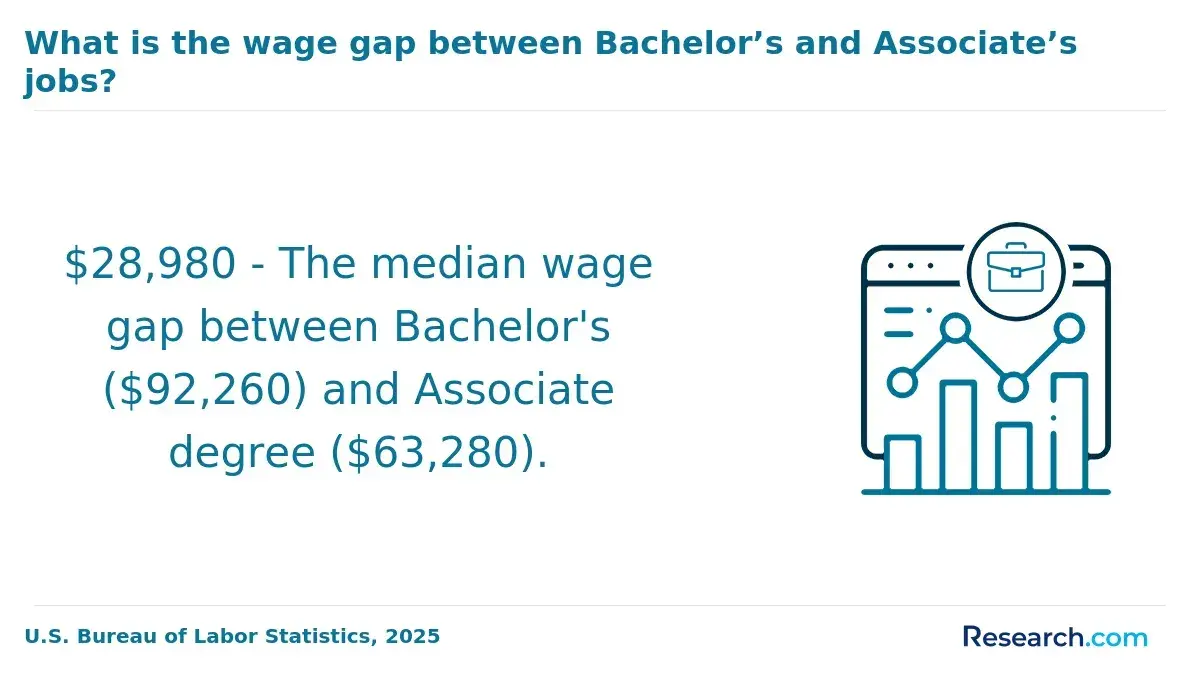
Career outcomes vary because "digital media" is broad. Graduates may pursue entry-level roles such as production assistant, junior graphic designer, web content assistant, social media content creator, multimedia technician, or digital marketing assistant. The BLS reported a May 2024 median annual wage of $95,380 for web developers and digital designers, but associate degree graduates usually need a strong portfolio, relevant software skills, and sometimes additional experience before competing for higher-paying design or development roles.
How Do Part-Time Online Digital Media Associate Degree Programs Work?
Part-time online digital media programs let students take a lighter course load than a traditional full-time schedule. Instead of taking four or five courses in a semester, you might take one or two, which can make studio-heavy assignments more manageable if you work, care for family, or have an unpredictable schedule.
The practical difference is workload, not necessarily academic expectations. A part-time student still completes the same design projects, media labs, general education classes, critiques, and portfolio requirements as a full-time student, but spreads them across more terms.
Part-time study works especially well when you need predictable weekly capacity. Before enrolling, compare the following details because schools define part-time status differently:
- Credit load: Ask whether part-time means fewer than 12 credits, fewer than nine credits, or a school-specific threshold.
- Financial aid eligibility: Federal aid may still be available at reduced enrollment levels, but award amounts and satisfactory academic progress rules can change.
- Course rotation: Some digital media courses are offered only once per year, so skipping a term can delay later portfolio or capstone classes.
- Software access: Confirm whether Adobe Creative Cloud, web hosting, video editing tools, or campus lab access are included for part-time students.
- Advising support: Ask for a term-by-term part-time plan that shows prerequisites and expected graduation timing.
A part-time format may not be ideal if your main goal is to transfer quickly to a bachelor's program or finish in the shortest possible time. It can also become more expensive if the school charges recurring term fees or if longer enrollment means paying for software subscriptions over more years.
Students who enjoy organizing creative teams, deadlines, and deliverables may later connect digital media experience with production management roles; in that case, comparing a project management degree can help clarify whether a creative or operations-focused path is a better long-term fit.
How Do Self-Paced and Competency-Based Digital Media Associate Degree Programs Work?
Self-paced and competency-based programs are flexible, but they are not the same thing. A self-paced course usually gives students more control over when they complete lessons and assignments within a term. A competency-based program allows students to progress by proving mastery of specific skills, often through assessments, projects, or portfolios.
For digital media students, this flexibility can be valuable because creative work does not always fit neatly into a weekly lecture schedule. However, design, video, animation, web, and interactive media projects still require planning, revision, and feedback. A self-paced label does not mean unlimited time or unlimited instructor access.
Use this comparison to understand the academic expectations behind each model before you assume one is easier than another.
| Feature | Self-paced course | Competency-based program |
| Progress model | Students complete course modules with flexible timing | Students advance after demonstrating required competencies |
| Deadlines | May include term-end deadlines or milestone dates | May include assessment windows, subscription periods, or faculty review timelines |
| Feedback | Instructor feedback may be available but not always immediate | Feedback often focuses on whether work meets defined competency standards |
| Good fit | Students with changing weekly schedules | Students with prior skills, professional experience, or strong independent study habits |
| Risk | Procrastination can cause end-of-term overload | Students may underestimate the rigor of proving mastery through projects |
This format is strongest for students who can create their own production calendar. If you already know basic photo editing, video editing, HTML/CSS, or social content tools, a competency-based model may let you move efficiently through familiar material. If you need frequent critique, peer discussion, and step-by-step instruction, a structured asynchronous or synchronous class may be a safer choice.
Before choosing this format, ask how many attempts are allowed on assessments, how faculty evaluate creative work, whether portfolio reviews are scheduled, and what happens if you do not finish within the subscription period or academic term.
Yes, some online digital media associate degree programs offer evening classes, especially through community colleges and career-focused institutions serving working adults. Evening online classes are usually synchronous, meaning you log in at a set time for live instruction, demonstrations, critiques, or discussion.
Evening classes can be a strong option if you want structure after work and benefit from real-time instructor feedback. They are especially useful in courses where live demonstrations matter, such as video editing, motion graphics, web design, typography critique, or portfolio presentation.
The key issue is schedule consistency. An evening program can feel flexible because it avoids daytime classes, but it may still require attendance at the same time each week. Before enrolling, check these points carefully:
- Class start times: A 6 p.m. class may be difficult if your commute, shift, or childcare schedule runs late.
- Time zone rules: Online evening classes may follow the school's local time zone, not yours.
- Attendance policy: Some instructors require live participation for critiques, presentations, or group projects.
- Course availability: Confirm whether the full degree can be completed in the evening or only selected courses.
- Studio workload: Evening attendance does not replace independent production time for editing, designing, revising, and exporting projects.
Evening study may not be the best choice for students with rotating shifts, caregiving duties that change week to week, or limited quiet time at night. In those cases, asynchronous online courses may provide more practical flexibility.
Synchronous online programs require students to attend live virtual classes at scheduled times. Asynchronous online programs let students complete lectures, readings, discussion posts, quizzes, and projects on their own schedule, usually with weekly or module-based deadlines.
This distinction matters because digital media courses often require critique and revision. Some students learn best by seeing a live software demonstration and asking questions immediately. Others need the freedom to watch tutorials late at night, pause often, and complete production work around employment or family responsibilities.
The table below shows how synchronous and asynchronous formats affect daily life, not just course delivery.
| Question | Synchronous online | Asynchronous online |
| Do I need to be online at a set time? | Yes, for live class meetings | Usually no, except for occasional exams, critiques, or appointments |
| How is feedback delivered? | Often live during class or critique sessions | Usually through comments, recorded feedback, discussion boards, or rubrics |
| What schedule does it fit best? | Stable work and home schedule | Variable shifts, caregiving, or nontraditional study hours |
| What is the main advantage? | More structure and immediate interaction | More control over when coursework happens |
| What is the main risk? | Missed sessions can affect learning or attendance | Falling behind can happen quietly without strong routines |
Neither format is automatically better. Choose synchronous study if you value scheduled accountability and live critique. Choose asynchronous study if your availability changes, but be honest about whether you can keep up without someone telling you exactly when to log in.
Hybrid digital media programs combine online coursework with required in-person activities. These may include studio labs, equipment training, photography sessions, video production work, portfolio critiques, exams, advising sessions, or capstone presentations. Some programs require weekly campus visits, while others require only occasional meetings.
Hybrid study can be useful in digital media because students may need access to cameras, lighting kits, audio equipment, printers, drawing tablets, green screens, or production studios. It can also create stronger peer relationships, which helps in collaborative fields where feedback and teamwork matter.
Campus requirements vary widely, so students should not assume "hybrid" means mostly online. Ask the school to explain the in-person commitment in writing before you apply or register:
- Frequency: Find out whether campus visits happen weekly, monthly, once per course, or only for selected labs.
- Location: Confirm which campus or learning center is used, especially if the college has multiple sites.
- Timing: Ask whether required sessions are offered during evenings, weekends, or weekday business hours.
- Equipment access: Check whether remote students can borrow gear or must use campus labs.
- Attendance consequences: Ask whether missing an in-person session delays course completion or lowers your grade.
A hybrid program is often a good fit if you live near campus and want more hands-on support than a fully online program provides. It may be a poor fit if transportation, childcare, disability access, work travel, or distance makes campus attendance difficult.
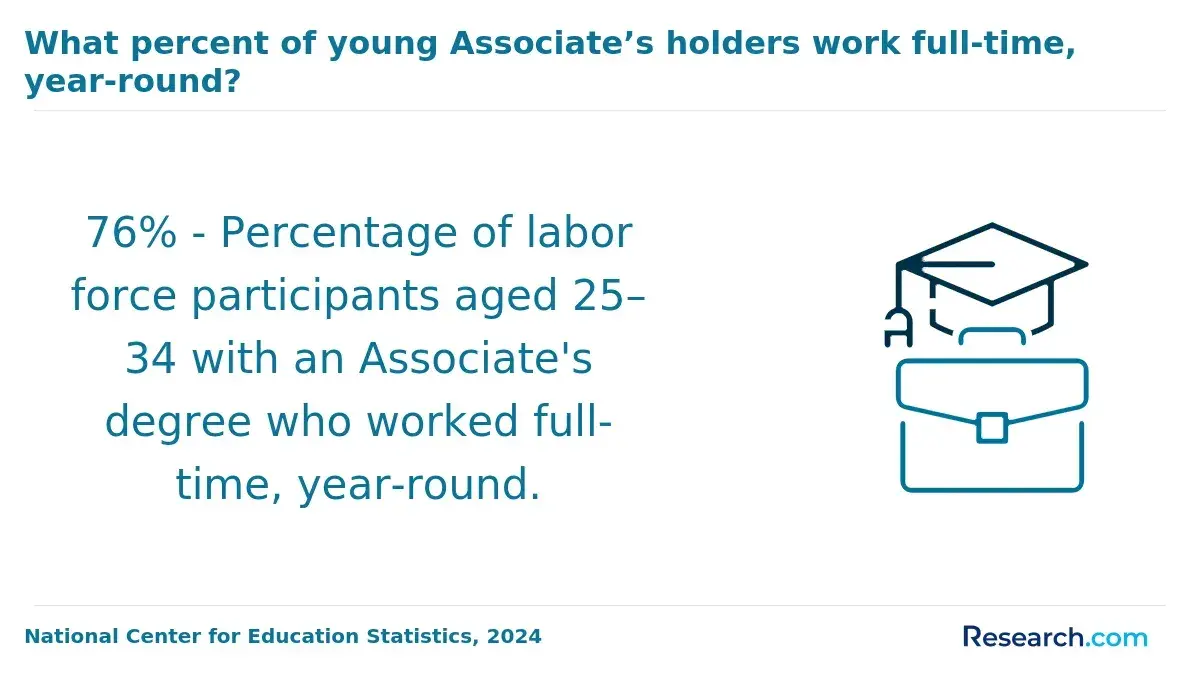
Most associate degrees require about 60 credits. A full-time student commonly finishes in about two academic years, while part-time students may need three years or longer. Accelerated, self-paced, and competency-based formats can shorten the timeline for some students, but only when the student can complete projects consistently and meet all course sequencing requirements.
Completion time depends on more than the word "flexible." Digital media programs often have prerequisites, portfolio milestones, and production-heavy courses that cannot always be stacked into one term. The table below shows realistic pacing patterns to discuss with an academic advisor.
| Enrollment pattern | Typical course load | Likely pace for a 60-credit degree | What to watch |
| Full-time online | 12 to 15 credits per term | About two years | Heavy weekly workload, especially in project courses |
| Half-time online | About six credits per term | Often three to four years | Longer exposure to tuition changes and software costs |
| Accelerated terms | Shorter sessions with concentrated coursework | Can shorten calendar time for prepared students | Fast deadlines can be difficult for design and video projects |
| Self-paced or competency-based | Varies by progress and assessment model | Can be faster or slower depending on completion habits | Requires strong self-management and clear assessment rules |
| Hybrid part-time | Reduced credits plus campus sessions | Often longer than two years | Course rotation and required in-person labs may affect timing |
Students sometimes underestimate the production time required outside class. A three-credit digital imaging or video course may require many hours of shooting, editing, revising, exporting, troubleshooting software, and responding to critique. If you work full time, a lighter course load may increase your odds of finishing even if it extends the calendar.
If your long-term goal includes coordinating creative teams, timelines, or client deliverables, degree planning should also consider whether a media program or a management pathway is the better next step. Some students eventually compare digital media study with a project management degree online when they want to move toward production coordination or operations roles.
Accreditation is one of the most important checks before enrolling. For an associate degree, institutional accreditation from an agency recognized by the U.S. Department of Education is the baseline to look for. It affects federal financial aid eligibility, credit transfer, employer recognition, and whether a bachelor's program is likely to evaluate your credits.
Digital media programs usually do not require state licensure, but accreditation still matters because students may want to transfer into bachelor's programs in digital media, communication, graphic design, web design, marketing, animation, or information technology. Transfer-friendly programs make requirements transparent before you enroll.
Use the following steps to reduce transfer and recognition risks:
- Search the school in the U.S. Department of Education's accreditation database or confirm accreditation directly through the school's official accreditation page.
- Ask whether the associate degree is an Associate of Arts, Associate of Science, Associate of Applied Science, or another credential because transfer outcomes can differ by degree type.
- Request a written transfer pathway or articulation agreement if you plan to continue into a bachelor's program.
- Check whether major courses transfer as direct equivalents, electives, or only general credit.
- Review portfolio requirements for transfer admission because design and media programs may evaluate creative work separately from transcripts.
- Confirm whether credits from prior colleges, military training, industry certifications, or professional experience can reduce your required coursework.
A common mistake is choosing the most flexible schedule without checking whether the credits lead where you want to go. If your goal is employment after the associate degree, focus on portfolio quality, software skills, internships, and career services. If your goal is a bachelor's degree, prioritize transfer agreements and general education alignment.
Costs vary by school type, residency status, online fees, technology fees, textbooks, software, equipment, and enrollment pace. The College Board reported an average published in-district public two-year college tuition and fee price of $4,050 for 2024-25, making community colleges a common starting point for cost-conscious students. That figure is useful as a benchmark, but it does not include every digital media expense.
Digital media students should budget beyond tuition because creative programs often require specialized tools. The most common cost categories include:
- Tuition charged per credit, per term, or through a subscription model
- Online learning, technology, lab, or portfolio fees
- Software such as image editing, video editing, motion graphics, web design, or prototyping tools
- Hardware such as a laptop, external drive, drawing tablet, camera, microphone, or headphones
- Books, stock media, printing, hosting, domain registration, or portfolio platform costs
- Transportation and parking if the program is hybrid
The table below shows how flexible formats can affect total cost even when tuition rates look similar.
| Cost factor | Why it matters | Format most affected |
| Longer enrollment | Part-time students may pay recurring fees over more terms | Part-time online and hybrid part-time |
| Software subscriptions | Longer completion time can mean paying for tools over more months | Part-time and self-paced |
| Campus travel | Required labs or critiques can add transportation and childcare costs | Hybrid |
| Acceleration fees | Subscription or competency-based models may reward faster progress but cost more if progress is slow | Self-paced and competency-based |
| Equipment access | Fully online students may need to buy or borrow equipment that campus students use in labs | Fully online and asynchronous |
Financial aid may be available if the school is accredited and the student meets eligibility requirements. Federal aid can include Pell Grants, loans, and work-study, and the maximum Federal Pell Grant for 2024-25 was $7,395. Students may also qualify for state grants, institutional scholarships, employer tuition assistance, military education benefits, or workforce training funds.
When comparing education costs across media, marketing, and business pathways, broader affordability resources such as this guide to the cheapest online marketing degree can help you think through tuition, duration, and earnings trade-offs, even though associate and master's programs differ substantially.
How Should You Choose the Best Flexible Online Digital Media Associate Degree Program for Your Schedule?
The best flexible program is the one you can complete while building a usable portfolio and keeping transfer or career options open. A program with maximum scheduling freedom is not always the best choice if it lacks feedback, clear deadlines, career support, or transferable credits.
Start with your weekly availability, not the school's marketing language. Then match your schedule to the format that gives you enough structure to finish.
- Map your real weekly study time: Include work hours, commuting, caregiving, sleep, and project production time, not just class attendance.
- Choose your structure level: Pick synchronous or evening classes if you need accountability; choose asynchronous or self-paced study if your schedule changes often.
- Check campus obligations: For hybrid programs, ask for exact dates, locations, and attendance consequences before committing.
- Review the portfolio sequence: Make sure the program builds toward a final portfolio, demo reel, website, or capstone that supports your goals.
- Compare total cost: Include fees, software, equipment, travel, and the cost of extending enrollment part time.
- Verify transfer fit: If you plan to earn a bachelor's degree, ask how each course transfers before your first term.
- Ask about career support: Look for internship help, portfolio reviews, employer projects, alumni examples, and software training.
Common red flags include vague hybrid attendance rules, no published course rotation, unclear accreditation status, limited faculty feedback in self-paced courses, no portfolio requirement, and promises that a degree alone will lead to a specific job or salary. Digital media hiring is portfolio-driven, so the program should help you produce work that demonstrates visual, technical, and communication skills.
If your schedule is extremely unpredictable, asynchronous study may be safer than evening classes. If you need equipment, critique, and hands-on support, hybrid may be worth the travel. If you have prior skills and strong discipline, self-paced learning may be efficient. If your goal is steady progress without burnout, part-time study may be the smartest investment.
Other Things You Should Know About Digital Media
Most associate degree programs do not require a professional portfolio for admission, especially at community colleges. However, some selective design or media programs may ask for samples, placement materials, or a portfolio review after foundational courses.
Students typically need a reliable computer that can run design, video, and web tools, plus strong internet access. Before buying equipment, ask the program for exact hardware specifications because requirements vary by software, course level, and media concentration.
Sometimes. Schools may award credit for prior college coursework, military training, industry certifications, portfolio assessment, or competency-based evaluations. Policies vary, so request a transfer credit or prior learning review before enrolling.
Digital media is broader and may include design, video, web, and content production. Graphic design is usually more visual-design focused, while marketing emphasizes audiences, campaigns, and analytics. The better fit depends on whether you want to create media assets, plan campaigns, build web experiences, or combine several skills.
- Online Bachelor’s in Digital Media Programs (Digital Media Major) https://www.mastersincommunications.com/related-degrees/bachelors-in-digital-media
- 2025 Most Affordable Online Associate Degrees https://www.onlineu.com/most-affordable-colleges/associate-degrees
- Degree Programs for Working Adults — Online & In Person | NEIT https://www.neit.edu/the-neit-edge/degree-pathways/for-working-professionals
- Full-time, part-time, online - which study mode is right for you? https://www.studentspace.pl/en/blog/post/studia-stacjonarne-zaoczne-wieczorowe---ktory-tryb-wybrac
- Boost Income with Flexible Online Degrees https://www.marian.edu/blog/2026/02/how-flexible-online-degrees-help-you-boost-income-on-a-budget.php
- Applied Digital Skills https://skillshop.exceedlms.com/student/path/285314-google-workspace
- Online Associate in Creative Digital Media | Indiana Wesleyan University https://www.indwes.edu/program/as-creative-digital-media/
- 10 Digital Skills for Students That Can Make Them Employable in 2026 https://www.iconnectdm.com/blog/digital-skills-for-students-2026/
- Hybrid class vs. online: Choosing the best for your student https://www.asuprepdigital.org/blog/hybrid-class-vs-online/
- Financial Aid For Online Colleges https://www.affordablecollegesonline.org/financial-aid/financial-aid-for-online-colleges/


