
2027 Fastest Two-Year Degrees

Co-Founder and Chief Data Scientist
If you want an associate degree quickly, the shortest advertised timeline may not be the one you can actually meet. Prerequisites, course schedules, and clinical placements can change your finish date. The stakes extend beyond speed: the U.S. Bureau of Labor Statistics reports a May 2024 median annual wage of $94,260 for dental hygienists, an occupation that typically requires an associate degree and state licensure.
This guide compares degree fields by realistic time to completion, then shows how to check costs, career requirements, and the schedule you would need to graduate.
Key Things You Should Know
- Many associate degrees require about 60 credits; finishing faster than two years usually means taking heavier course loads, studying year-round, or applying accepted prior credit.
- The College Board reports average 2024-25 in-district tuition and fees of $4,050 at public two-year colleges. Compare total costs, not just the annual price.
- Business and general studies may offer simpler scheduling; nursing and allied-health programs can take longer because prerequisites, selective admission, and clinical placements limit acceleration.
Top 10 Fastest Two-Year Degrees
Business Programs
A business administration AA or AS may be a fast transfer route if required courses run online and throughout the year. An AAS may focus more on accounting, office operations, or applied management skills. Both commonly include general education and business coursework.
Choose the transfer route if a bachelor's degree is your goal; check how each course will apply at your destination school. For faster workforce entry, compare an AAS with a shorter certificate rather than assuming the degree is always necessary.
Healthcare Programs
Healthcare AAS options include medical assisting, health information technology, and allied-health specialties. Their timelines differ substantially: some require labs, supervised practice, or courses offered only once a year.
A health information program may offer more online coursework, while hands-on specialties usually cannot be completed entirely online. Before choosing the shortest advertised option, check prerequisites, placement availability, and whether its curriculum meets the requirements for your intended credential or job.
Information Technology Programs
An IT, cybersecurity, or computer support AS or AAS can suit students seeking a relatively flexible schedule. Coursework may be available online without clinical placements, making year-round enrollment more practical. An AS may emphasize transferable computing and math courses; an AAS may emphasize technical practice.
Check course sequencing and whether employers in your target role expect certifications, projects, or experience alongside the degree. A short certificate may be quicker if you need one specific skill rather than an associate credential.
Nursing / Pre-Nursing Programs
An associate degree in nursing can prepare students to seek registered-nurse licensure, but admission, prerequisite science courses, clinical schedules, graduation, and the licensing examination are separate steps. A pre-nursing AA or AS may cover prerequisites without qualifying its holder for nursing licensure.
These paths can be valuable, but a short college term does not shorten required clinical hours. Ask whether the published program length starts before or after prerequisites and selective admission.
Criminal Justice Programs
A criminal justice AA or AS often supports transfer, while an AAS may emphasize applied public-safety coursework. Online availability and limited lab requirements can make either easier to schedule than a clinical degree.
The credential alone does not qualify someone for every law-enforcement job: agencies may impose academy training, background checks, physical standards, and other requirements. If your target employer does not require an associate degree, compare the degree's cost and time with direct-entry or academy routes.
Psychology / Counseling Programs
A psychology AA or AS is usually a transfer foundation, not a route to independent counseling practice. General education and introductory psychology courses may be widely available, helping students maintain a steady pace.
Confirm that courses satisfy the intended bachelor's program's requirements. If your goal is licensed counseling or psychology practice, plan for additional education and state-specific requirements; choose this associate path for its transfer fit, not because it offers quick professional licensure.
What Are the Fastest Two-Year Degrees to Complete?
For students starting without college credit, the fastest practical paths are usually associate programs with frequent course offerings, few fixed-sequence requirements, and no clinical placement.
Business, IT, criminal justice, and transfer-focused general studies may fit that description. "Fastest" is not a fixed property of a major: the same field can take longer at a college that offers a required course only once a year.
This comparison shows where scheduling tends to create flexibility and where it tends to create delays. It is a guide to questions worth checking, not a promised completion timeline:
| Degree path | Potential speed advantage | Likely constraint |
| Business or general studies AA/AS | Broad course availability may support year-round study | Transfer requirements can restrict course choices |
| IT or criminal justice AS/AAS | Online coursework may reduce scheduling conflicts | Technical or major courses may have prerequisites |
| Allied-health or nursing AAS/associate degree | Structured schedules can make requirements clear | Admission, labs, and clinical placements may set the pace |
If you already have credits, a fastest associates degree online option may be worth examining. First request a credit evaluation: a short completion claim often assumes that substantial applicable coursework is already finished.
Which Two-Year Degrees Lead to the Best-Paying Careers?
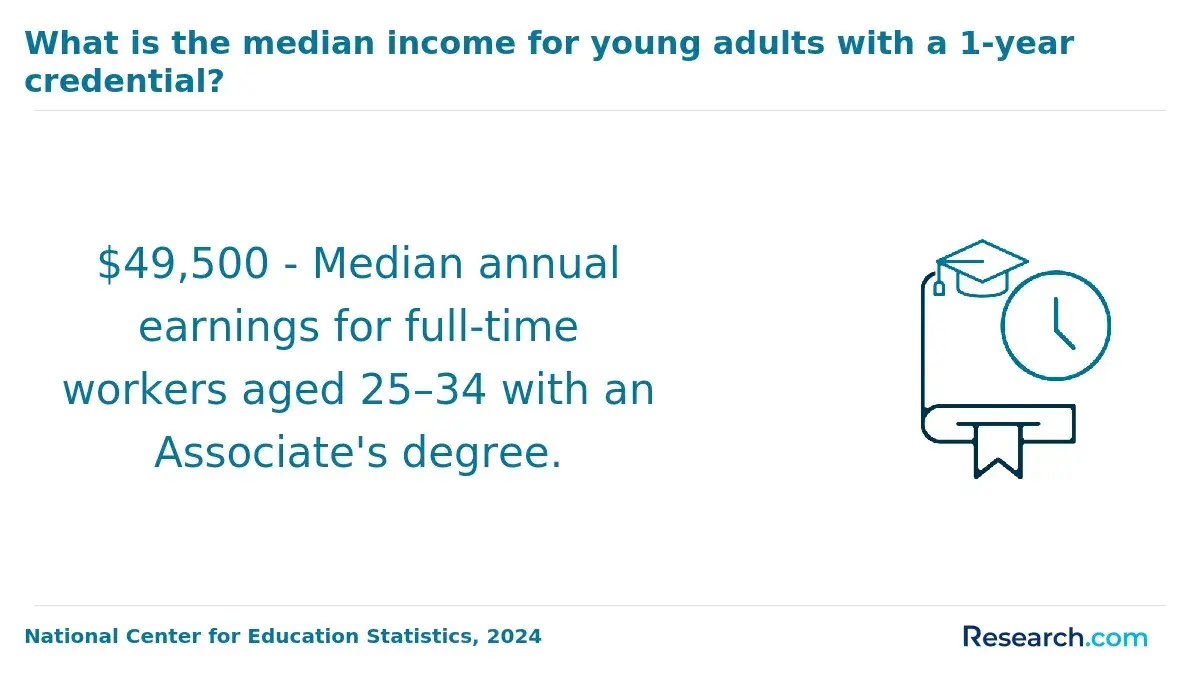
Some healthcare associate degrees connect to comparatively well-paid occupations, but higher pay often comes with selective admission and licensure requirements. The Bureau of Labor Statistics' May 2024 median wage of $94,260 for dental hygienists describes workers in that occupation, not the earnings of new associate-degree graduates.
Dental hygienists generally need an accredited educational program and state licensure, so this is not necessarily the quickest path from application to employment.
Compare wages only after confirming that a program provides a viable route into the occupation. A faster business or IT degree may better fit a near-term employment goal, while a longer clinical program may fit a student prepared for its entry requirements.
If your intended career requires graduate study, a list of easy masters degrees cannot substitute for checking the profession's specific admissions and licensing rules.
What Jobs Can You Get With a Two-Year Degree?
Possible entry-level paths include office and administrative work after business study, computer support after IT study, and records or support roles in healthcare settings.
Specific employers may require software skills, certification, experience, or additional training. Nursing and dental hygiene have more defined occupational pathways, but graduates must meet applicable examination and licensure rules before practicing.
Work backward from job postings in the location where you intend to work. Look for recurring degree, certification, and experience requirements. If postings ask for skills rather than an associate degree, compare a certificate, apprenticeship, or direct-entry job before committing to the longer program.
How Long Do Fast Two-Year Degree Programs Take?
A conventional full-time associate path often spans two academic years because many programs require about 60 credits. Finishing in roughly 12-18 months may be possible with a suitable year-round schedule, a heavier course load, or accepted transfer credit; it is not a standard promise. Part-time study, prerequisites, course availability, and clinical placements can extend the timeline.
To test a school's advertised finish date, ask for a term-by-term plan showing every remaining general education, major, and experiential requirement. Check whether the timeline assumes summer attendance or previously earned credits.
Interest in competency based masters degrees does not mean an associate program uses the same progression model; verify how the college actually awards credit and schedules courses.
How Much Do Two-Year Degree Programs Cost?
Start with published tuition and mandatory fees, then calculate what completing your particular program would cost. The national average below is a comparison point, not a quote for your school or a two-year total.
Public two-year colleges: $4,050 in average in-district tuition and fees for the 2024-25 academic year, according to the College Board.
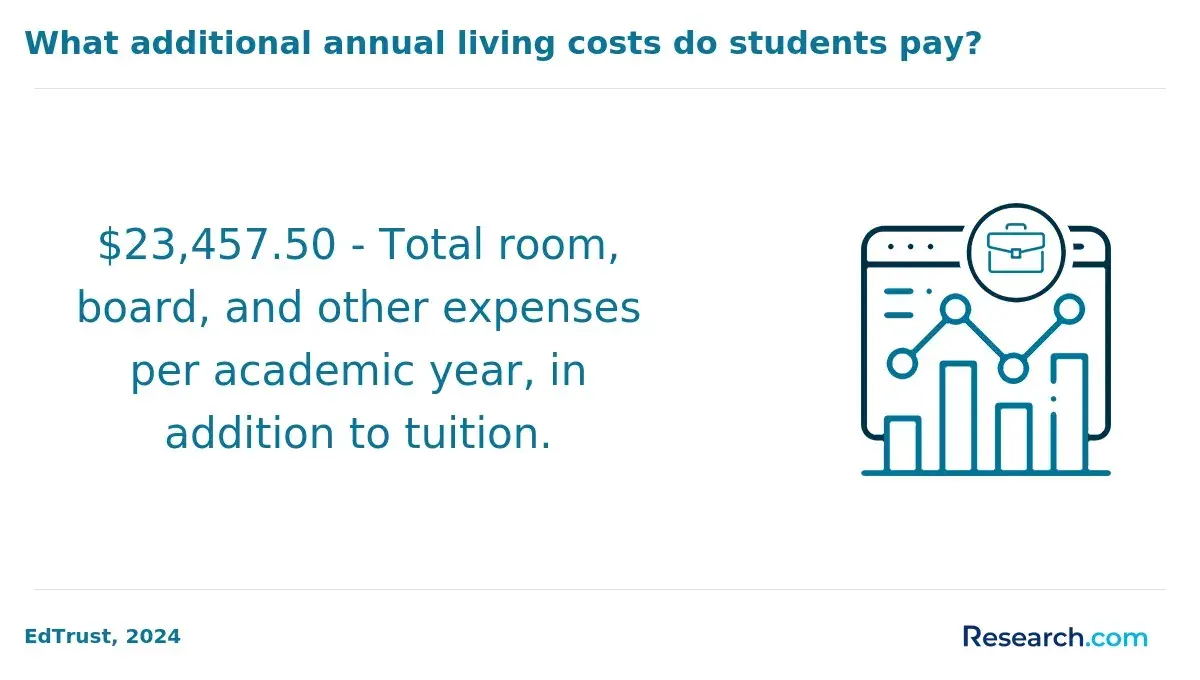
Residency status, books, equipment, transportation, and required clinical expenses can change the total. Ask for a program-specific cost breakdown and a financial aid estimate.
Federal aid eligibility depends on the institution, program, and student; also check scholarships, employer assistance, and whether accepted transfer credits reduce the courses you must pay to take.
Are Online or Campus-Based Two-Year Degrees Faster?
Neither format is automatically faster. Online study may eliminate commuting and offer more available sections, but courses can still have fixed deadlines, live meetings, or limited start dates. Campus study may provide dependable access to labs and required equipment. Nursing and allied-health programs often combine online coursework with in-person labs or clinical placements.
Ask whether every required course is offered in the terms your schedule permits and whether any placement depends on local availability. Online delivery and accelerated programs address different needs: one describes where learning happens; the other should describe a workable path through the entire degree.
What Accreditation Should Fast Two-Year Degrees Have?
Check that the college holds institutional accreditation recognized by the U.S. Department of Education. Accreditation can matter for federal financial aid and transfer, though it does not guarantee that another college will accept a course toward your intended major.
For a regulated healthcare field, also ask whether the specific program has the accreditation or state approval needed for certification or licensure eligibility.
Verify requirements with the relevant licensing board before enrolling. A warning sign is a school advertising speed without clearly identifying its accreditation, clinical requirements, or graduates' eligibility to seek the required credential.
What Admissions Requirements Apply to Two-Year Degree Programs?
Many colleges admit applicants with a high school diploma or equivalent, but admission to the college is not always admission to the major. Nursing and other allied-health programs may require prerequisite courses, minimum grades, health documentation, or a separate competitive application.
Colleges may use placement measures to determine starting courses even when standardized admissions tests are not required.
Request an evaluation of previous college work before relying on a short timeline. Ask which credits apply to the degree, not merely which credits the college accepts, and whether grade, age-of-course, or residency rules leave additional coursework to complete.
Do Fast Two-Year Degrees Require Licensure or Certification?
It depends on the occupation. Business, IT, and criminal justice degrees do not create a universal license to practice; a particular employer or public-safety agency may still require training or certification.
Registered nursing and dental hygiene require separate steps beyond earning the degree, including meeting state eligibility rules and passing applicable examinations.
Before choosing a fast program, identify your intended job and the state where you plan to work. Compare the program's accreditation, curriculum, clinical experience, and graduate eligibility with that state's requirements. The shortest degree is a poor shortcut if it does not lead to the credential you need.
Other Things You Should Know About
Possibly, especially with substantial applicable transfer credit or an intensive year-round schedule. Ask the college for a personalized degree audit; a one-year claim should account for all remaining credits and required course sequences.
There is no single fastest major. Programs with frequent course offerings and few labs or clinical requirements - often business, general studies, IT, or criminal justice - may be easier to accelerate, depending on the college.
The abbreviation does not determine speed. Compare required credits, prerequisites, course availability, and whether the curriculum meets your transfer or career goal.
Consider one if a specific entry-level job calls for a narrow skill set rather than an associate degree. Choose the degree when its broader coursework, transfer pathway, or occupational eligibility is important to your goal.
References
- Fast Facts: Time to degree (569) | ed.gov https://nces.ed.gov/fastfacts/display.asp
- Five types of transfer credit in addition to college courses | pa.gov https://collegetransfer.pa.gov/Student/Types-of-Transfer-Credit
- How Internships, Practicums, and Clinicals Actually Work | Florida National University (FNU) https://www.fnu.edu/internships-practicums-clinicals-explained/
- Licensure Programs - Office of Institutional Effectiveness https://institutionaleffectiveness.louisiana.edu/accreditation/licensure-programs
- Credit for Prior Learning (AP, Dual Credit, CLEP, Military, etc...) | Indiana University East https://east.iu.edu/admissions/apply/credit-prior-learning.html
- What is the time commitment for different degree options? | Penn State World Campus https://www.worldcampus.psu.edu/about-us/news-and-features/what-is-the-time-commitment-for-different-degree-options
- Can You Work Full-Time and Complete a Degree in 2 Years | College Transitions https://www.collegetransitions.com/blog/can-you-work-full-time-and-complete-a-degree-in-2-years/
- Get Your Associate Degree Faster Than You Think | bestcolleges.com https://www.bestcolleges.com/accelerated-degrees/fastest-associates-degree-online-in-six-months/
- U.S. Department of Education Issues New Guidance on Implementation of Program Length Regulations | Thompson Coburn LLP https://www.thompsoncoburn.com/insights/u-s-department-of-education-issues-new-guidance-on-implementation-of-program-length-regulations/


