2027 Entertainment Business Master's Degree vs Graduate Certificate: Which Is Better?

Co-Founder and Chief Data Scientist
Choosing between an entertainment business master’s degree and a graduate certificate is really a decision about career timing, cost, and the level of authority you need in the industry. A master’s degree usually signals deeper preparation for leadership, strategy, finance, production management, and long-term advancement. A graduate certificate is narrower, faster, and often better suited to professionals who need targeted skills or want to test the field before committing to a full degree.
The trade-off matters because the two credentials do not carry the same cost, admissions expectations, time commitment, or employer signal. Data from 2024 indicates that master’s degree holders in entertainment business earn approximately 20% more on average than those with only a graduate certificate. That potential salary lift can make a master’s worthwhile for some students, but it does not automatically make it the better choice for everyone.
This guide compares both options across admissions, GPA expectations, completion time, cost, salary impact, career paths, stackability, employer perception, and career-change value. Use it to decide whether you need the depth and recognition of a full graduate degree or the speed and focus of a certificate.
Key Things to Know About Which Is Better: A Entertainment Business Master's Degree or a Entertainment Business Graduate Certificate
- Entertainment business master's degrees typically involve higher tuition-averaging $30,000 to $50,000-while graduate certificates cost significantly less, often under $10,000.
- Graduate certificates can be completed in less than a year-usually 6 to 9 months-versus 1.5 to 2 years for a master's degree, offering faster entry or upskilling.
- Employers generally recognize master's degrees more widely-resulting in an average 15% salary increase-whereas graduate certificates are valued for specific skill boosts but have limited impact on compensation.
What Is the Difference Between a Entertainment Business Master's Degree and a Entertainment Business Graduate Certificate?
An entertainment business master’s degree is a full graduate degree designed for students who want broad, advanced preparation for management, strategy, production, finance, marketing, legal issues, and leadership in the entertainment industry. These programs typically require 30 to 60 credit hours and take one to two years to complete, depending on enrollment format and program structure.
An entertainment business graduate certificate is a shorter graduate credential built around a narrower skill set. Certificates usually require 12 to 18 credit hours and can often be completed within several months to a year. They are commonly used by working professionals, career changers, and degree holders who want focused training in areas such as digital rights management, entertainment marketing, contract negotiation, or media distribution.
| Factor | Entertainment Business Master’s Degree | Entertainment Business Graduate Certificate |
| Credential type | Full graduate degree | Graduate-level non-degree credential |
| Typical credit load | 30 to 60 credit hours | 12 to 18 credit hours |
| Typical focus | Broad business, leadership, strategy, and industry management | Targeted professional skills in a specific entertainment business area |
| Best fit | Students pursuing senior roles, long-term advancement, or deeper academic preparation | Working professionals, career changers, or learners seeking a faster skills upgrade |
| Career signal | Shows sustained graduate-level preparation and broader expertise | Shows focused competency in a defined skill area |
- Academic standing: A master’s degree is a complete graduate credential. A graduate certificate is a shorter specialization that can strengthen a resume but does not equal a degree.
- Curriculum depth: Master’s programs usually combine theory, applied business practice, research, leadership, and industry analysis. Certificates emphasize immediate workplace application.
- Time and workload: Master’s degrees require substantially more coursework. Certificates are designed for faster completion and less disruption to work schedules.
- Professional purpose: A master’s degree is better for students aiming at executive, strategic, or analytical roles. A certificate is better for targeted upskilling or entering the field quickly.
- Stackability: Some certificate credits can be applied toward a master’s degree, but this depends on school policy, grades earned, time limits, and curriculum alignment.
- Common mistake: Treating a certificate as a “mini master’s” can lead to unrealistic expectations. Certificates can be valuable, but they usually do not provide the same depth, recognition, or advancement potential as a full graduate degree.
Students comparing entertainment business credentials should also think about how business education fits their broader goals. For example, researching online business schools can help clarify how program cost, flexibility, and business curriculum design vary across institutions.
Those exploring options can further consult resources on best degrees for the future to inform their decisions about next steps in education and career planning.
What Are the Typical Admission Requirements for a Entertainment Business Master's Program Compared to a Entertainment Business Graduate Certificate?
Entertainment business master’s programs usually have more selective admissions requirements than graduate certificate programs. A master’s degree asks the school to admit a student into a complete graduate pathway, so admissions committees often review academic readiness, writing ability, professional direction, and evidence that the applicant can handle advanced coursework. Certificate admissions are typically more streamlined because the program is shorter and more skill-focused.
| Requirement | Master’s Program | Graduate Certificate |
| Undergraduate GPA | Often expects a minimum around 3.0 on a 4.0 scale | Usually more flexible and may not enforce a strict GPA cutoff |
| Prerequisite coursework | May expect background in entertainment business, business administration, media studies, or related fields | Often accepts applicants from more varied academic backgrounds |
| GRE or GMAT | Some programs request scores, although this is becoming less common | Rarely required |
| Letters of recommendation | Commonly requires two or three academic or professional references | May require fewer letters or waive them |
| Personal statement | Usually required to assess goals, fit, and readiness | May require a shorter statement or none at all |
For applicants with strong grades, relevant internships, or entertainment industry experience, a master’s program may be realistic from the start. For applicants changing careers, returning to school after a long gap, or building confidence in graduate-level work, a certificate can be a practical first step.
- Choose the master’s route if: you meet the academic requirements, have clear long-term goals, and want the broader credential for advancement.
- Choose the certificate route if: you need a faster admissions process, want to build industry-specific knowledge, or plan to strengthen your record before applying to a master’s program.
- Ask before applying: whether certificate credits can later transfer into the school’s master’s program, and whether admission to the certificate guarantees, supports, or has no effect on later master’s admission.
For those seeking flexible online options, programs like MSW online exemplify how accessible graduate pathways can open doors to further academic and professional advancement.
What Is the Minimum GPA Requirement for a Entertainment Business Master's Program?
Most accredited entertainment business master’s programs set a baseline GPA between 3.0 and 3.5 on a 4.0 scale. The minimum GPA is usually a screening standard, not a guarantee of admission. A student who meets the minimum may still need strong recommendations, a focused statement of purpose, relevant experience, or a strong portfolio of professional work.
- Competitive programs: Programs with strong industry networks, selective cohorts, or high placement visibility may prefer applicants closer to 3.5 or higher, even when the published minimum is lower.
- Flexible programs: Programs designed for working professionals or career changers may consider applicants slightly below 3.0 if they show relevant work experience, strong writing, leadership potential, or clear career goals.
- Conditional admission: Some schools allow provisional entry for applicants who are close to the minimum GPA. These students may need to earn specified grades in early coursework to continue in the program.
- Application strategy: If your GPA is near the minimum, use the rest of the application to show readiness. Explain academic improvement, highlight industry experience, and choose recommenders who can speak directly to your discipline and reliability.
The practical takeaway is simple: treat the minimum GPA as the floor, not the target. A higher GPA helps, but admissions decisions are often holistic, especially in professional graduate programs where work experience and career fit matter.
A graduate who completed an entertainment business master’s program described the experience this way: “My undergraduate GPA was just at the minimum, and initially, I worried about competing with candidates boasting stronger records. However, emphasizing my industry experience and recommendations helped. The program’s provisional admission gave me a chance to prove myself through early coursework. The journey was challenging and required steady focus, but meeting those academic benchmarks reinforced my confidence and commitment to advancing my career.”
How Long Does It Take to Complete a Entertainment Business Master's Degree Versus a Entertainment Business Graduate Certificate?
An entertainment business master’s degree usually takes much longer than a graduate certificate. Full-time master’s students commonly finish in 1.5 to 3 years, while part-time students may take beyond 4 years. Graduate certificates are shorter by design, typically taking 6 months to 1 year full-time and rarely surpassing 2 years even with part-time enrollment.
| Credential | Typical Full-Time Timeline | Typical Part-Time Timeline | Main Reason for the Difference |
| Entertainment business master’s degree | 1.5 to 3 years | Often beyond 4 years | More credits, broader curriculum, and possible comprehensive exams, thesis work, or capstone projects |
| Entertainment business graduate certificate | 6 months to 1 year | Rarely surpassing 2 years | Fewer credits and a narrower skills-focused curriculum |
- Program requirements: Master’s degrees usually require 30 to 60 credit hours and may include a thesis, capstone, comprehensive exam, or applied research project. Certificates focus on 12 to 18 credit hours and usually avoid major research requirements.
- Enrollment intensity: Accelerated master’s options can reduce completion time, but they often require heavier course loads. Certificates are naturally easier to complete quickly because the curriculum is shorter.
- Work and family constraints: Working professionals may find a certificate easier to fit around full-time employment. A master’s degree may be manageable part-time, but the longer timeline can affect motivation, cost, and career planning.
- Career urgency: If you need a credential quickly for a current role or near-term job search, a certificate may be the more practical option. If your goal is long-term leadership, the additional time required for a master’s may be justified.
For those exploring related fields, reviewing options like a communication master degree may also inform career strategy and planning.
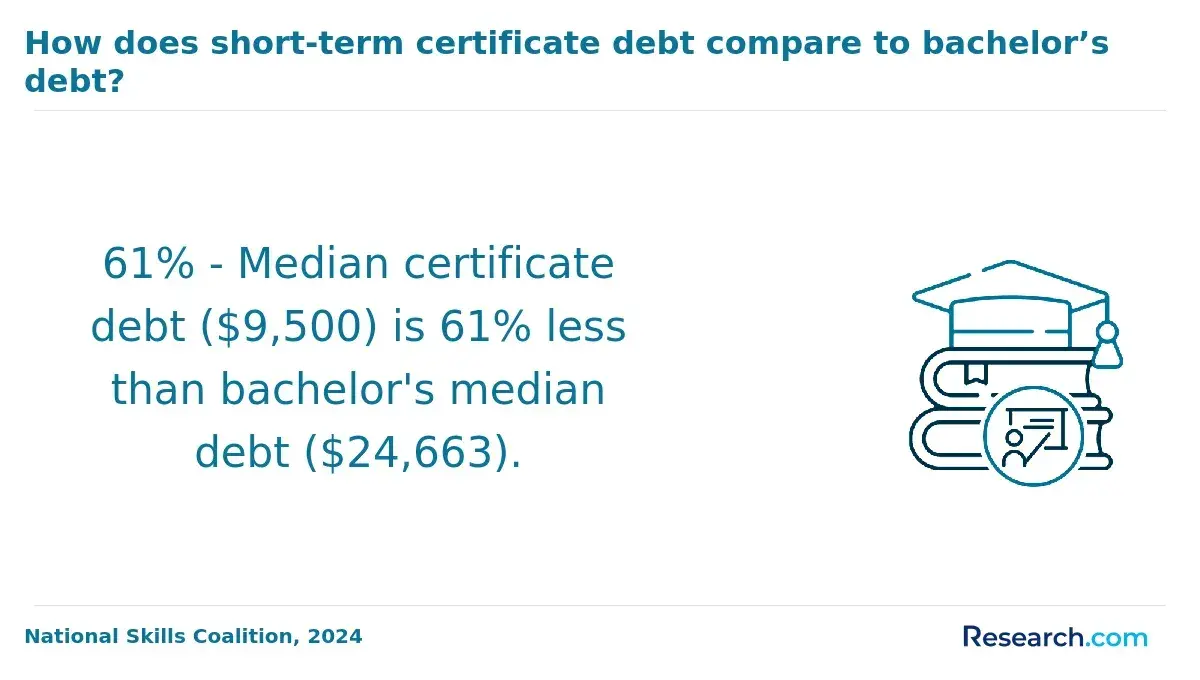
How Much Does a Entertainment Business Master's Degree Cost Compared to a Entertainment Business Graduate Certificate?
An entertainment business master’s degree usually costs substantially more than a graduate certificate because it requires more credits, takes longer, and may involve additional fees, materials, and opportunity costs. Public universities typically charge in-state students between $20,000 and $40,000, while out-of-state rates range from $40,000 to $60,000. Private schools commonly set prices between $50,000 and $90,000 or higher. Graduate certificates in entertainment business are lower-cost by comparison: public certificate programs usually cost $5,000 to $15,000, while private programs often fall between $15,000 and $25,000.
| Program Type | Typical Cost Range | Cost Notes |
| Public master’s degree, in-state | $20,000 to $40,000 | Usually the lower-cost full-degree option for residents |
| Public master’s degree, out-of-state | $40,000 to $60,000 | Often much higher than in-state tuition |
| Private master’s degree | $50,000 to $90,000 or higher | May offer stronger networks or brand recognition, but students should compare net cost carefully |
| Public graduate certificate | $5,000 to $15,000 | Lower sticker price because the program is shorter |
| Private graduate certificate | $15,000 to $25,000 | May still be far less expensive than a private master’s degree |
- Credit load: Master’s degrees often require 30 to 45 credits compared with 9 to 15 for certificates, which is a major reason for the price gap.
- Time commitment: A master’s degree may take one to two years, while some certificates take only months. Longer programs can create additional living, commuting, technology, and lost-income costs.
- Financial aid: Master’s students may have access to assistantships, fellowships, loans, and employer tuition assistance. Certificate students may have fewer funding options, so the lower sticker price can still require more direct out-of-pocket payment.
- Opportunity cost: If a master’s program forces you to reduce work hours or delay full-time employment, the true cost is higher than tuition alone. Certificates often allow students to keep working while adding targeted skills.
- ROI calculation: Compare net cost after aid, likely salary effect, time to completion, and whether the credential is necessary for your target jobs. The cheapest option is not always the best value, but the most expensive option is not automatically the strongest investment.
A professional who earned her master’s in entertainment business reflected on the personal impact: “Balancing coursework with part-time work was challenging, and the financial investment was significant. Still, securing assistantships helped ease the burden. The program’s length meant putting some career plans on hold, but it also opened doors I hadn’t anticipated. Looking back, the time and money spent made a tangible difference in my industry opportunities.”
How Does Earning a Entertainment Business Master's Degree Affect Salary Compared to a Entertainment Business Graduate Certificate?
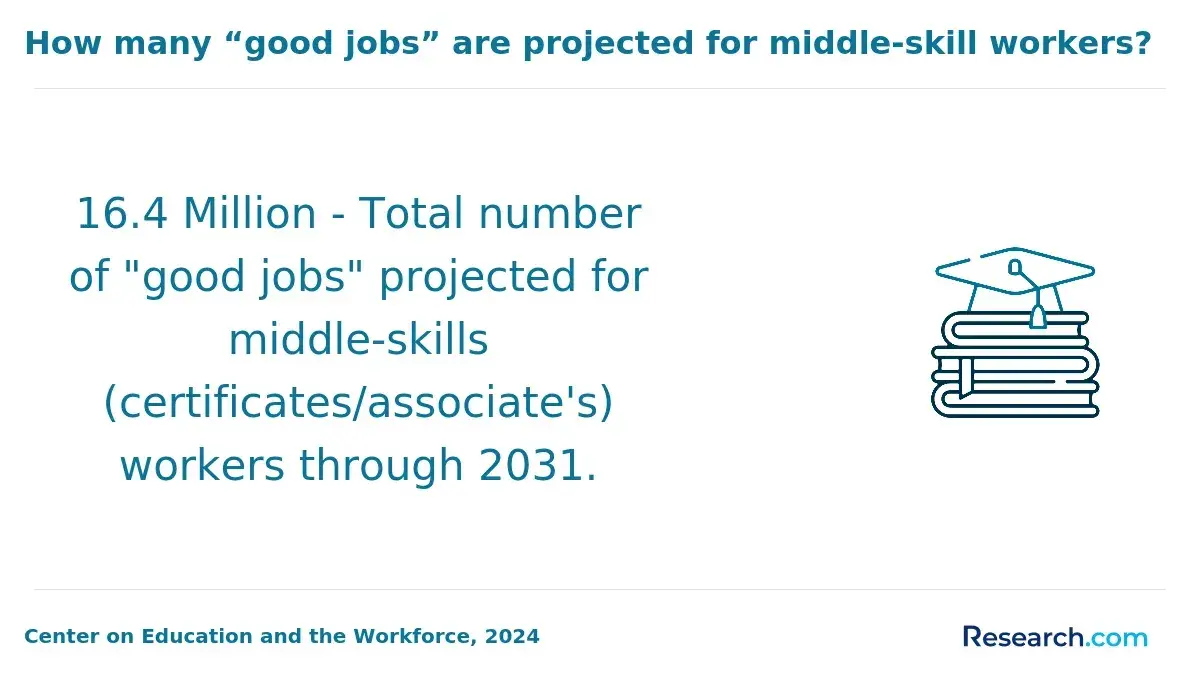
Based on occupational data from the Bureau of Labor Statistics and wage research at Georgetown University, professionals with a master’s degree in entertainment business typically earn median salaries 15% to 25% higher than those holding only a graduate certificate. That premium reflects the broader preparation, strategic training, and employer recognition associated with a full graduate degree.
The salary difference is not automatic. Pay depends on role, employer, location, prior experience, negotiation leverage, portfolio strength, and the type of entertainment business work involved. A master’s degree may create stronger salary potential over time, while a certificate may produce a faster return if it helps a worker qualify for a better role quickly and at lower cost.
- Where the master’s premium is strongest: Senior management roles at major entertainment firms, film studios, and global media companies often place a higher value on advanced business strategy, leadership, finance, and organizational decision-making.
- Where certificates can compete well: Specialized roles in digital content strategy, social media marketing, entertainment compliance, analytics, or rights-related work may reward specific skills more than the broader degree title.
- Short-term ROI: Certificates generally require less time and lower tuition, so they may pay off faster for professionals who already have relevant experience and only need a focused credential.
- Long-term ROI: Master’s degrees can offer better positioning for leadership tracks, salary negotiation, and advancement into roles where a graduate degree is preferred or expected.
- Employer signal: A master’s degree often communicates sustained commitment and wider professional preparation. A certificate communicates targeted competency, especially when the curriculum closely matches the job.
As of 2024, the Georgetown University Center on Education and the Workforce reports increasing salary premiums for master’s degree holders in entertainment business, reinforcing the credential’s role in accessing leadership opportunities despite rising certificate program popularity.
Which Entertainment Business Career Paths Favor a Master's Degree Over a Graduate Certificate?
Entertainment business career paths that involve leadership, strategic planning, high-level financial decisions, research, or formal credential expectations are more likely to favor a master’s degree. Employers hiring for these roles often want evidence that candidates can manage complex projects, lead teams, interpret industry data, and make business decisions across legal, creative, financial, and distribution contexts.
- Senior management: Studio executives, production company directors, strategic development heads, and similar leadership roles often favor candidates with a master’s degree because the work requires broad decision-making and organizational leadership.
- Research-intensive roles: Positions involving data analysis, market research, audience studies, or entertainment market forecasting may benefit from the deeper methodological and analytical training usually found in master’s programs.
- Entertainment law and intellectual property-related roles: Specialized roles connected to entertainment law, intellectual property management, or certain unionized positions may require formal graduate degrees as part of licensure or certification prerequisites. Students should verify requirements carefully because certificates cannot always substitute for degree-based eligibility.
- Promotion-track corporate roles: Some entertainment companies use a master’s degree as a preferred or required credential for advancement into upper management, particularly in larger organizations with formal promotion ladders.
- Academic or training roles: Teaching, curriculum, research, or institutional roles related to entertainment business may require a full graduate degree rather than a certificate.
According to recent labor data from 2024, the share of entertainment business job postings specifically requesting a master’s degree has increased by 12% compared to the previous year. This suggests that, in competitive segments of the field, a master’s degree may help candidates clear screening requirements and compete for higher-responsibility positions.
Before enrolling, review job postings for your target title and employer type. If the roles you want repeatedly list a master’s degree as required or strongly preferred, a certificate may be useful but may not be enough for your long-term plan.
Which Entertainment Business Career Paths Favor a Graduate Certificate Over a Master's Degree?
Graduate certificates are often a better fit for entertainment business roles that require current, specialized, applied skills rather than broad graduate training. This is especially true in fast-moving areas where platforms, tools, audience behavior, licensing models, and digital distribution practices change quickly.
- Digital media production: Roles focused on production workflows, platform-specific content, or digital campaign execution may value hands-on skills and portfolio evidence more than a full master’s degree.
- Content licensing and rights support: Certificates can be useful for professionals who need targeted knowledge in rights management, licensing processes, or contract-related workflows.
- Entertainment technology management: Jobs tied to new tools, streaming operations, analytics systems, or platform management may reward focused technical fluency.
- Marketing analytics and social media strategy: Employers may prioritize candidates who can use current tools, interpret campaign data, and execute audience growth strategies immediately.
- Project coordination and mid-level management: Professionals already in the industry may use a certificate to qualify for a new function without pausing their careers for a full degree.
- Career-change entry points: People moving from unrelated fields can use a certificate to learn entertainment business fundamentals quickly and show employers a credible commitment to the field.
A certificate can be especially effective when paired with prior experience, a strong portfolio, internships, freelance projects, or measurable achievements. For example, a marketing professional moving into entertainment may not need a full master’s degree if a certificate provides the missing industry-specific knowledge.
However, certificate holders should be realistic about ceilings. A graduate certificate may help open the door to technical, applied, or mid-level roles, but it may not carry the same weight for executive leadership, advanced research, or formal promotion tracks.
To explore broader career prospects after credentials, consider reviewing findings on high-paying jobs with environmental science degree, which illustrate how specialized education can impact job pathways significantly.
Is a Entertainment Business Graduate Certificate Stackable Toward a Master's Degree?
An entertainment business graduate certificate may be stackable toward a master’s degree, but stackability is never automatic. Each university sets its own policy on whether certificate credits can transfer into a master’s program, how many credits can count, which grades qualify, and how long credits remain valid.
Stackable certificates can be useful for students who want a lower-risk entry point into graduate study. They allow learners to complete a smaller credential first, assess the field, manage cost, and possibly apply credits toward a full degree later. This can be especially helpful for working professionals who are unsure whether they can commit to a longer program.
- Institutional policy: Some universities clearly publish how many certificate credits can transfer into a related master’s degree. Others evaluate requests case by case.
- Grade thresholds: Students often need to earn a minimum grade, commonly a B or higher, for certificate courses to apply toward the master’s degree.
- Time limits: Graduate credits may expire after a certain period, so students should ask how long they have to move from the certificate into the master’s program.
- Program alignment: Credits are more likely to transfer when the certificate and master’s degree are in the same department or closely related curriculum area.
- Admission distinction: Completing a certificate does not always guarantee admission to the master’s program. Students may still need to submit a full application.
- Cost planning: Stackability can reduce duplicated coursework, but only if the student confirms the transfer rules before enrolling.
The safest step is to ask the graduate admissions office for a written explanation of credit transfer rules before starting the certificate. Students should also confirm whether the certificate courses are identical to master’s-level courses or are separate professional-development courses that may not count toward a degree.
For those exploring related fields or alternative pathways, it may be helpful to investigate options such as an online photography degree for military veterans. Students weighing career moves should compare stackable graduate certificates with full degree programs across cost, time-to-completion, admissions requirements, and career impact.
How Do Employers in the Entertainment Business Field Perceive a Master's Degree Versus a Graduate Certificate?
Employers in entertainment business do not view master’s degrees and graduate certificates as interchangeable in every context. Perception depends on the role, employer, sector, school reputation, and how closely the credential matches the job. Survey data from sources like the NACE Job Outlook Report and LinkedIn Talent Insights reveal these distinctions.
- Master’s degree perception: Employers often see a master’s degree as evidence of advanced preparation, persistence, broader business knowledge, and readiness for leadership or analytical work.
- Graduate certificate perception: Employers often value certificates when they provide targeted, current skills that solve an immediate workplace need.
- Sector differences: Tech-driven entertainment, digital media, and consulting-related roles may be more open to certificates because they prioritize applied skill sets and speed. Traditional, academic, legal, or regulated areas may place more weight on the master’s degree.
- Role differences: Executive, strategy, finance, research, and senior management roles tend to favor master’s degrees. Technical, marketing, rights-management, platform, and project-based roles may respond well to certificates.
- Institutional reputation: A certificate from a respected, accredited institution can be more persuasive than a weakly recognized credential. Conversely, a master’s degree from a program with poor industry relevance may not deliver strong hiring value.
The best credential is the one that matches the employer’s decision criteria. Before enrolling, review job descriptions, alumni outcomes, faculty industry experience, internship access, employer partnerships, and whether the program’s curriculum reflects current entertainment business realities.
For many candidates, the decision is not simply “master’s versus certificate.” It is whether the credential gives enough credibility, skill, network access, and career mobility to justify its cost and time.
Can a Entertainment Business Graduate Certificate Help Someone Transition Into the Field From a Different Background?
Yes. An entertainment business graduate certificate can be a practical bridge for someone moving into the field from another background, especially when the goal is to gain industry language, business context, and applied skills quickly. It is often faster and less expensive than a master’s degree, which makes it attractive for mid-career professionals who cannot pause work for a longer program.
- Speed: Certificate programs usually require fewer courses, allowing students to build relevant knowledge and start applying for entertainment business roles sooner.
- Cost-effectiveness: Lower tuition can make a certificate a more manageable first investment for career changers.
- Applied learning: Many certificates emphasize projects, case studies, and portfolio-ready work that can help applicants demonstrate practical ability.
- Stackability: Some certificates can later count toward a master’s degree, creating a flexible path for students who decide they want deeper preparation.
- Career testing: A certificate lets students test whether the entertainment business field fits their interests before committing to a longer graduate program.
A certificate works best when it is combined with evidence of real engagement in the field. Career changers should look for internships, freelance projects, volunteer production work, industry events, informational interviews, and portfolio opportunities. The credential can open conversations, but experience and demonstrable skills often determine whether those conversations lead to job offers.
There are limits. A certificate may not provide enough depth for senior, specialized, or highly competitive roles that favor a full master’s degree. For career changers aiming at leadership or strategic roles, the certificate may be a first step rather than the final credential.
What Graduates Say About Which Is Better: A Entertainment Business Master's Degree or a Entertainment Business Graduate Certificate
- : "“Choosing between an entertainment business master’s degree and a graduate certificate was tough, but the cost difference really tipped the scales for me—the certificate was far more affordable without sacrificing quality. I also appreciated that the certificate program had fewer admission hurdles, making it accessible when I needed to pivot my career quickly. While the master’s may carry more weight on paper, my certificate’s practical focus helped me land a job faster.” — Jase"
- : "“Reflecting on my journey, the time-to-completion was the biggest factor—going for a certificate meant I could finish my credentials in under a year, versus the two years required for a master’s. However, I noticed employers generally recognize the master’s degree as a clear indicator of dedication and advanced knowledge, which did affect salary negotiations down the line. Still, the certificate gave me the career utility I needed to break into new roles without a long-term commitment.” — Kyro"
- : "“From a professional standpoint, the master’s degree definitely offers stronger employer recognition and greater potential salary impact over a graduate certificate—something that helped me justify the additional time and expense. But the stringent admission requirements made the certificate an attractive initial step, especially for those testing the waters in entertainment business. Ultimately, understanding your career goals first makes all the difference when choosing between these paths.” — Aaron"
Other Things You Should Know About Entertainment Business Degrees
Online entertainment business master's programs generally offer a more comprehensive and in-depth curriculum compared to graduate certificates. Master's degrees are widely recognized by employers and academic institutions for their rigor and broader scope, often opening doors to higher-level positions. Graduate certificates focus on specialized skills and are valued for quick upskilling but may not carry the same weight in long-term career advancement.
Accreditation is crucial for both master's degrees and graduate certificates to ensure program quality and legitimacy. Regionally accredited institutions provide credentials that employers and other schools trust, which impacts credit transferability and eligibility for financial aid. Lack of proper accreditation can limit job prospects and diminish the credential's professional value.
A master's degree in entertainment business generally prepares graduates for advanced roles in management, offering them a competitive edge for senior positions. Meanwhile, a graduate certificate is suited for specific skill enhancement and is ideal for industry professionals seeking career advancement or specialization without a full degree commitment.
Individuals seeking comprehensive expertise, leadership roles, or academic advancement are better suited for a master's degree due to its depth and duration. Graduate certificates are ideal for working professionals or career changers who need focused skills in a shorter time frame. Certificate holders often consider moving on to master's programs for broader knowledge and improved salary potential.
References
- Entertainment Business Master's Degree https://www.fullsail.edu/degrees/entertainment-business-master
- How to Apply - Digital Entertainment Business Master in Management of Creative and Cultural Industries - Amsterdam/Milan https://businessschool.luiss.it/digital-entertainment-business/how-to-apply/
- Graduate Certificate vs. Master’s Degree: What’s the Difference https://www.aiuniv.edu/degrees/business/articles/graduate-certificate-vs-masters-degree
- Lipscomb University launches innovative graduate program designed to help artists, entertainment professionals advance careers | Lipscomb University https://lipscomb.edu/news/lipscomb-university-launches-innovative-graduate-program-designed-help-artists-entertainment
- Is a Degree in Entertainment Management Right for You? https://www.lccm.ac.uk/blog/is-a-degree-in-entertainment-management-right-for-you/
- Average Cost of a Master's Degree: 2025 Analysis https://educationdata.org/average-cost-of-a-masters-degree
- Business and Management of Entertainment | UCLA Extension https://www.uclaextension.edu/entertainment/film-tv/certificate/business-and-management-entertainment