2027 Are Online Entertainment Business Degrees Respected by Employers?

Co-Founder and Chief Data Scientist
Choosing an online entertainment business degree is partly an academic decision and partly a credibility decision. The format can give working adults, career changers, and students outside major entertainment hubs access to business training in media, music, film, gaming, live events, and digital content. But the question most applicants still need answered is practical: will employers respect the degree when it appears on a résumé?
The answer depends less on the word “online” and more on the institution behind the degree, the program’s accreditation, the student’s portfolio, and the graduate’s ability to show industry-ready skills. Recent data shows that 70% of employers view online degrees as equally credible to traditional programs when earned from accredited institutions. That is encouraging, but it does not mean every online program carries the same weight.
This guide explains how employers evaluate online entertainment business degrees, what makes a program legitimate, when school reputation matters, how AI-powered virtual classrooms may affect trust, and what graduates can do to strengthen salary potential, promotion prospects, and hiring outcomes.
Key Benefits of Online Entertainment Business Degrees Respected by Employers
- Employers increasingly recognize online entertainment business degrees as credible, with over 65% of hiring managers reporting equal respect for online and traditional degrees in recent industry surveys.
- Graduates develop practical skills in digital marketing, contract negotiation, and project management, which 78% of employers identify as critical for success in entertainment industry roles.
- Holding an online entertainment business degree is linked to faster career advancement, with alumni experiencing a 20% higher likelihood of promotion within three years compared to those without formal education.
Which Accrediting Bodies Make an Online Entertainment Business Degree Legitimate?
Accreditation is the first credibility test for an online entertainment business degree. It tells employers, graduate schools, and licensing or credential-review bodies that the institution or program has been evaluated against recognized academic standards. Without proper accreditation, a degree may be harder to use for transfer credit, graduate admission, tuition reimbursement, or competitive hiring.
Students should verify accreditation before comparing tuition, course format, or program length. A low-cost program is not a good value if employers or other colleges do not recognize the credential. If affordability is a major concern, compare accredited options carefully, including resources on the cheapest business degree online, rather than choosing a school based on price alone.
Regional Accreditation
Regional accreditation is the most widely recognized form of institutional accreditation in the US. It is granted by one of seven regional accrediting bodies, such as the Middle States Commission on Higher Education (MSCHE) or the Higher Learning Commission (HLC). For many students, this is the safest accreditation standard because it is commonly preferred by employers, graduate schools, and other colleges evaluating transfer credits.
For an online entertainment business student, regional accreditation can matter when applying for management roles, moving into a graduate program, or transferring from one institution to another. Coppin State University, for example, holds MSCHE regional accreditation for its entertainment management degree.
National Accreditation
National accreditation is often associated with online, career-focused, and vocational institutions. Agencies such as the Distance Education Accrediting Commission (DEAC) are recognized by the US Department of Education, but national accreditation may not carry the same transferability or institutional prestige as regional accreditation.
This does not automatically make a nationally accredited program unacceptable. However, students should ask direct questions before enrolling: Will credits transfer to regionally accredited schools? Do employers in the target entertainment sector recognize the institution? Does the program have strong placement support, internships, or industry partnerships?
Programmatic Accreditation
Programmatic, or specialized, accreditation evaluates a particular academic unit or discipline rather than the entire institution. For business-related entertainment programs, relevant accreditors include the Accreditation Council for Business Schools and Programs (ACBSP) and the Association to Advance Collegiate Schools of Business (AACSB).
Programmatic accreditation can strengthen a degree because it signals that the business curriculum, faculty qualifications, learning outcomes, and student support have been reviewed against field-specific standards. Oklahoma City University's business school, which offers an entertainment business program, holds the highly selective AACSB accreditation, a distinction earned by fewer than 5% of business schools worldwide.
The practical takeaway is simple: prioritize an accredited institution first, then look for specialized business accreditation if available. A strong online entertainment business degree should be able to document its accreditation clearly on the school website and in official catalogs.
Does University Reputation Affect Employer Views of Online Entertainment Business Degrees?
Yes. University reputation can influence how quickly an employer trusts an online entertainment business degree, especially when the hiring manager is unfamiliar with the program. In entertainment, where networks, internships, and prior project experience often shape opportunities, the name behind the degree can help a candidate get a closer look.
Reputation does not mean prestige alone. Employers may consider whether the university is accredited, whether it has a physical campus, whether alumni work in relevant entertainment roles, and whether the program has relationships with media companies, production firms, agencies, streaming platforms, or event organizations.
What employers usually look for
- Accreditation: A recognized accreditor is the baseline proof that the degree is legitimate.
- Institutional stability: Established universities may face less skepticism than schools with limited public recognition.
- Industry relevance: Programs connected to entertainment law, marketing, production, finance, licensing, and digital distribution tend to look more practical.
- Alumni outcomes: Graduates working in visible roles can strengthen employer confidence in the program.
- Career support: Internships, capstones, portfolio development, and employer partnerships make the degree easier to translate into hiring value.
Still, a respected university name will not replace evidence of ability. Employers increasingly expect candidates to show what they can do through internships, campaign samples, production budgets, event plans, marketing analytics, contracts coursework, or project portfolios.
Students comparing online pathways should avoid choosing a program only because it looks convenient. Resources on accessible online degree options can help with planning, but employer respect depends on quality, accreditation, and career relevance as much as workload.
Do Employers Treat Online and On-campus Entertainment Business Degrees Equally?
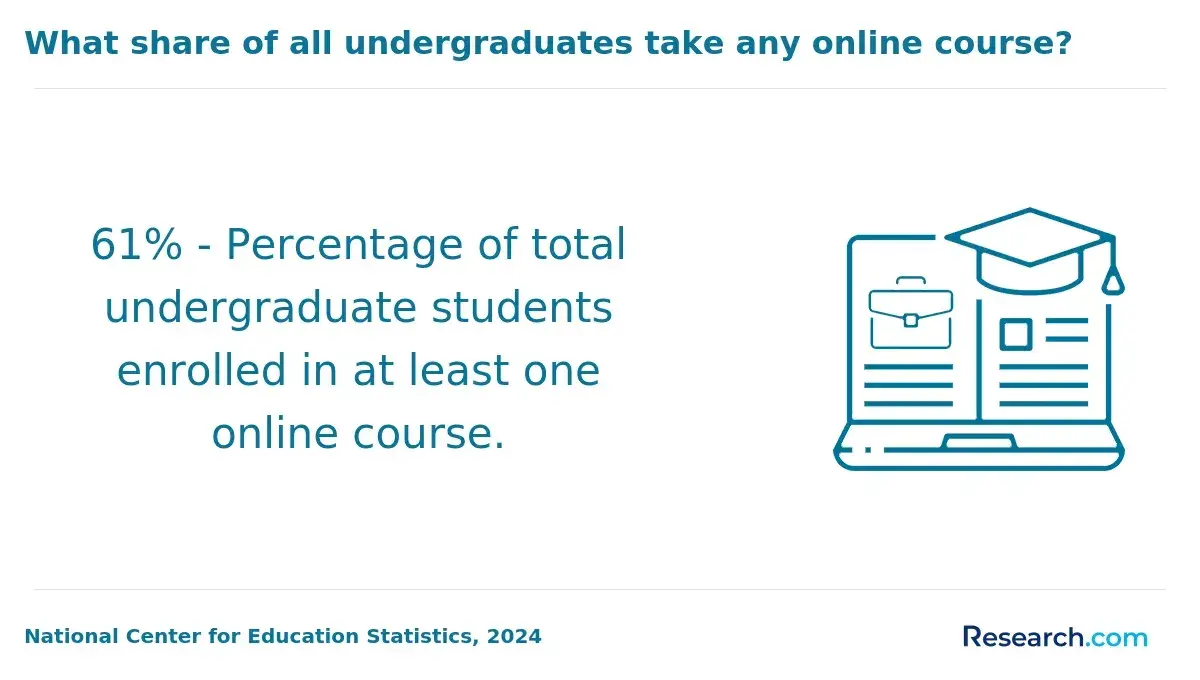
Many employers now evaluate online and on-campus entertainment business degrees similarly when the degree comes from a reputable, accredited institution. The delivery format is usually less important than the school’s credibility, the rigor of the curriculum, and the graduate’s ability to demonstrate job-ready skills.
That said, equality is not automatic. Some employers still give an edge to traditional programs with strong local networks, studio pipelines, or face-to-face internship access. This can matter in entertainment markets where hiring is relationship-driven and early career opportunities often come through referrals, events, assistant roles, and project-based work.
When an online degree is likely to be treated equally
- The institution is accredited and recognizable: Employers are more comfortable when the school has clear academic standing.
- The program includes applied work: Capstones, industry projects, internships, and portfolio assignments help prove practical ability.
- The graduate has relevant experience: Prior work in marketing, production, events, music, talent coordination, or digital media can reduce concerns about format.
- The résumé focuses on outcomes: Employers respond better to measurable projects and responsibilities than to course lists alone.
Where on-campus programs may still have an advantage
- Local networking: Campus programs near entertainment hubs may provide easier access to in-person events and internships.
- Brand familiarity: Some employers have long-standing recruiting relationships with specific universities.
- Hands-on production access: Certain roles benefit from physical studios, equipment, live event settings, or collaborative spaces.
Online graduates can close much of this gap by building a strong portfolio, attending industry events when possible, joining professional associations, completing internships, and clearly explaining how online coursework developed discipline, collaboration, and business judgment.
Do Employers Trust Online Entertainment Business Degrees from AI-powered Virtual Classrooms?
Employer trust in AI-powered virtual classrooms is growing, but it depends on how the technology is used. AI tools can strengthen an online entertainment business program when they support instruction, feedback, simulation, and student accountability. They can weaken credibility if they are used as a substitute for qualified faculty, rigorous assessment, or real industry engagement.
In a strong program, AI-powered learning may include adaptive lessons, virtual simulations, automated feedback, practice negotiations, analytics exercises, and digital collaboration tools. These features can help students build skills relevant to streaming, digital marketing, audience analysis, content strategy, licensing, and project management.
Why AI-enabled programs may appeal to employers
- Adaptive learning: Students can receive targeted practice in areas where they need improvement.
- Virtual simulations: Entertainment business scenarios can help students practice budgeting, scheduling, pitching, contract review, and stakeholder communication.
- Real-time feedback: AI-supported tools can help students revise work more quickly and learn from mistakes.
- Digital fluency: Graduates become comfortable with remote platforms, analytics tools, and technology-mediated workflows.
Why some employers remain cautious
- Assessment integrity: Employers may wonder whether online work was completed independently.
- Limited face-to-face networking: AI tools cannot fully replace in-person relationship building in entertainment.
- Variable program quality: Not every AI-powered classroom is well designed or faculty supervised.
The strongest signal to employers is not that a program uses AI. It is that the program uses AI within an accredited, faculty-led, outcomes-focused curriculum that produces verifiable projects, portfolios, and practical experience.
What Skills Do Employers Value from Online Entertainment Business Graduates?
Employers value online entertainment business graduates who can combine business judgment with creative industry awareness. The degree is most useful when graduates can show practical competence in planning, communication, budgeting, marketing, contracts, analytics, and cross-functional teamwork.
Because entertainment work often moves quickly and involves freelancers, agencies, creators, vendors, and digital platforms, employers look for candidates who can manage ambiguity without losing track of deadlines, costs, or stakeholder expectations.
- Remote collaboration: Online programs often require students to work across digital platforms, time zones, and asynchronous schedules. This mirrors the way many entertainment teams coordinate campaigns, productions, and distributed creative work.
- Digital literacy: Graduates should be comfortable with content platforms, productivity tools, marketing dashboards, data reporting, and online communication systems. This is especially important as streaming, social media, gaming, and digital distribution shape entertainment revenue.
- Project management: Entertainment employers need people who can track budgets, timelines, approvals, vendors, and deliverables. Students who can point to completed projects are stronger than those who only list coursework.
- Self-motivation and discipline: Completing an online degree requires planning and follow-through. Employers may view this as evidence that a candidate can work independently with limited supervision.
- Communication skills: Clear writing, persuasive pitching, meeting preparation, client communication, and conflict management are essential in entertainment business roles.
- Adaptability and resilience: Projects change, budgets shift, releases move, and creative direction evolves. Graduates who can adjust quickly are more valuable than those who need highly predictable work.
- Business and legal awareness: Entertainment roles often touch contracts, intellectual property, licensing, royalties, sponsorships, and rights management. Graduates do not need to be lawyers, but they should understand the business implications of these topics.
Students considering advanced credentials should weigh whether the next degree is truly necessary for their target role. Some leadership paths may benefit from graduate study, while others may be better served by experience, certifications, or portfolio work. For academic career planning, resources on an online doctorate without dissertation can provide additional context.
Do Professional Certifications Help Validate Online Entertainment Business Degrees?
Professional certifications can help validate an online entertainment business degree when they document specific, current skills. They are most useful when they complement the degree rather than repeat it. For example, a graduate interested in entertainment marketing may benefit from certifications tied to analytics, advertising platforms, or digital strategy, while someone pursuing production operations may look for credentials in project management or budgeting tools.
Certifications do not fix a weak or unaccredited degree. They are strongest when paired with a legitimate academic credential, relevant experience, and a portfolio of applied work.
- Industry-recognized credentials: Certifications from respected organizations can give employers a standardized way to assess technical or specialized knowledge.
- Accelerated career advancement: Data shows certified professionals experience a 27% higher chance of promotion within two years and often command better salaries.
- Employer trust and credibility: Approximately 68% of recruiters regard professional certifications as reliable indicators of capability.
- Current skill validation: Certifications typically keep skills 30% more current compared to degree-only credentials, which can matter in areas affected by new software, streaming models, and digital distribution channels.
A useful way to choose certifications is to start with job postings. If target roles repeatedly mention campaign analytics, entertainment law, project coordination, contract administration, or digital media buying, a focused certification in one of those areas may strengthen the résumé.
One online entertainment business graduate described being concerned that some agencies might question the online format of his degree. To reduce that concern, he completed certifications in digital marketing strategies and entertainment law while working full time. The added credentials gave him concrete proof of skills beyond the transcript.
He noted, "Having those certifications on my résumé opened doors that might have otherwise stayed closed, especially in competitive agencies where proof of specific skills matters." His experience shows why certifications are most valuable when they answer a specific employer concern.
Do Online Entertainment Business Graduates Earn the Same Salaries as On-campus Graduates?
There is no significant national evidence that online entertainment business graduates consistently earn lower salaries than on-campus graduates when the degree comes from a reputable, regionally accredited institution. In practice, pay is usually shaped more by role, location, prior experience, employer type, portfolio strength, and network access than by whether the coursework was online or in person.
Entertainment is a broad field, so salary outcomes can vary widely across production, marketing, talent management, events, gaming, music, streaming, and business affairs. Degree format is only one part of the hiring equation.
- Accreditation and school reputation: Employers tend to value degrees from recognized, regionally accredited institutions regardless of delivery format. Top schools offering online entertainment business degrees, such as Florida International University, may also provide stronger alumni networks and career visibility.
- Professional experience and internships: Internships, freelance projects, assistant roles, campaigns, production work, or event experience can have a major effect on entry-level and early-career pay.
- Networking opportunities: On-campus programs may offer easier face-to-face networking, but online students can build comparable connections through alumni groups, virtual events, local industry meetups, and professional associations.
- Employer perceptions and industry trends: Surveys from the Society for Human Resource Management show a growing employer acceptance of online degrees when programs carry strong accreditation and reputation.
- Location and job market: Major entertainment hubs may offer more opportunities and higher-paying roles, but they may also involve greater competition and higher living costs.
The best salary strategy is to treat the degree as a foundation, not the entire value proposition. Graduates should document projects, quantify results when possible, pursue internships or contract work, and build relationships in the sector they want to enter.
For candidates considering advanced education later, information on the shortest phd program options may be useful for comparing accelerated academic pathways.
How Do Online Entertainment Business Degrees Impact Career Growth and Promotions?
An online entertainment business degree can support career growth when it helps a student build skills that are visible at work: stronger budgeting, better campaign planning, clearer communication, improved contract awareness, or more confident project leadership. For working professionals, the online format can be especially useful because lessons can often be applied immediately on the job.
The degree may be most valuable for people who already have some exposure to entertainment, media, events, marketing, or creative operations but need stronger business training to move into coordination, management, or strategic roles.
- Industry-relevant skills and knowledge: Coursework commonly covers marketing, operations, finance, intellectual property, and project management in entertainment contexts. These subjects can prepare graduates for broader responsibility.
- Practical experience and networking: Applied assignments, internships, capstones, and alumni connections can help students turn academic work into career evidence.
- Flexibility for working professionals: Online study can allow students to keep earning income and gaining experience while completing the degree.
- Preparation for diverse roles: Graduates may pursue work in event management, digital media, production coordination, talent support, entertainment marketing, or business operations.
- Enhanced business acumen and leadership: Programs that emphasize strategy and decision-making can help graduates prepare for supervisory roles, especially when paired with strong workplace performance.
One professional who completed an online entertainment business program said the format allowed her to keep a demanding job while building skills she could immediately use at work. Assignments tied to real business problems helped her show supervisors that she could think beyond her current role.
Over time, that translated into higher-profile projects and eventually a promotion to a management role. She reflected, "The program gave me confidence and practical tools that traditional degrees didn't offer, especially in navigating complex entertainment business challenges." Her experience highlights an important point: promotion value comes from applying the degree, not merely earning it.
What Companies Actively Hire Graduates from Online Entertainment Business Programs?
Graduates of online entertainment business programs may find opportunities across media, live events, digital platforms, production, gaming, music, marketing, and talent-related businesses. Employers in these areas often care less about whether the degree was online and more about whether the candidate understands revenue models, audiences, contracts, scheduling, budgets, and creative collaboration.
Common hiring environments include:
- Media and broadcasting companies: These employers may hire graduates for marketing, content operations, audience development, scheduling, research, and project coordination roles.
- Digital entertainment platforms: Streaming, social media, and creator-focused companies may look for candidates who understand content strategy, analytics, user engagement, partnerships, and digital monetization.
- Film and television production: Production companies need employees who can coordinate logistics, support budgets, communicate with stakeholders, and balance creative goals with business constraints.
- Video game development: Game studios and publishers may value graduates who can connect creative development with marketing, community engagement, licensing, product management, and commercial strategy.
- Music and talent organizations: Agencies, labels, management firms, and booking companies often need business-minded employees who understand contracts, promotion, scheduling, and client service.
- Live events and experiential companies: Event producers, venues, festivals, and brand experience agencies may seek graduates with planning, vendor management, sponsorship, and operations skills.
Students targeting entertainment business degree jobs in California or other major markets should build location-specific networks early. Local internships, industry events, alumni contacts, and freelance projects can matter as much as the degree itself.
For readers comparing broader postsecondary career routes, resources on trade school careers can offer a useful contrast to entertainment business degree pathways.
What Future Trends Will Shape Online Entertainment Business Degrees' Credibility?
The credibility of online entertainment business degrees will likely continue to improve as online learning becomes more sophisticated, employers become more familiar with digital education, and programs build stronger ties to industry. The programs that gain the most trust will be those that can prove learning quality, assessment integrity, and career relevance.
- AI-driven learning validation: Artificial intelligence tools may help track student progress, personalize instruction, assess skill mastery, and reduce academic dishonesty. Used well, these tools can make online learning more transparent and measurable.
- Global accreditation collaboration: As entertainment companies operate across borders, more consistent quality standards may make it easier for employers to evaluate online credentials from different regions.
- Increased employer partnerships: Programs with internships, capstone sponsors, guest instructors, hiring pipelines, and project collaborations will have an advantage over programs that are purely classroom-based.
- Skill-based hiring: Employers are placing more weight on demonstrable skills in digital marketing, data analysis, project management, content strategy, and business operations. Online programs that produce portfolios and verified work samples will be better positioned.
- Integration of emerging industry trends: Curricula that address AI, sustainability, interactive media, streaming, gaming, and immersive entertainment can help graduates stay aligned with changing employer needs.
The future credibility of these degrees will not depend on technology alone. It will depend on whether programs can show that students are learning, producing meaningful work, and entering the entertainment labor market with skills employers can use.
Here's What Graduates of Respected Online Entertainment Business Programs Have to Say About Their Degree
- Cameron: "Completing my online entertainment business degree opened doors I never imagined, especially in networking and mentorship opportunities within the industry. Being able to study while working gave me practical insights that accelerated my entry into a major studio's marketing team. The program's flexibility meant I could balance family and career goals, which truly made all the difference early on. I now feel empowered to contribute creative solutions and lead projects confidently, knowing my education was tailored to real-world challenges in entertainment."
- Pugh: "Choosing an online entertainment business degree allowed me to build expertise without relocating or putting my career on hold. The curriculum was comprehensive, covering everything from contract negotiations to digital media trends, which made me highly competitive for roles in talent management. I appreciate how the program emphasized strategic thinking alongside creative development. This degree has been instrumental in helping me secure leadership positions and mentor younger professionals in the field."
- Abdullah: "My journey through an online entertainment business degree was transformative, not just professionally but personally. It gave me the confidence to start my own indie production company, which focuses on empowering underrepresented voices. The diverse community and real-world case studies helped me understand the complexities of the industry and develop a strong ethical perspective. Holding this degree has also made it easier to collaborate on larger projects and secure funding, advancing both my career and commitment to social impact."
Other Things You Should Know About Respectable Online Entertainment Business Degree Programs
Yes. Employers commonly verify regional accreditation through agencies recognized by the U.S. Department of Education or the Council for Higher Education Accreditation. In 2027, many hiring managers also review the college’s business school accreditation, such as AACSB, especially for roles in management, finance, or media operations.
An online entertainment business degree can facilitate career advancement by equipping graduates with strategic management and industry-specific skills. Graduates often find new job opportunities and higher positions within entertainment companies, especially if they demonstrate hands-on experience.
By 2026, the acceptance of online entertainment business degrees may vary among employers, often depending on factors like the reputation of the institution and the industry sector. Many employers focus more on skills and experience rather than the mode of acquiring the degree, increasingly recognizing the value of online education.
In 2027, online entertainment business degrees are increasingly valued by employers, especially when accredited and from reputable institutions. Technological advancements and the rise of remote work have contributed to greater acceptance, as employers recognize the skills and flexibility such programs offer graduates.
References
- MBA Degree Salaries: Guide to Highest Paying Concentrations https://www.onlinemba.com/rankings/best-online-mba/highest-paying/
- 2025 Media & Entertainment Industry Outlook + Key Trends https://intellias.com/media-entertainment-industry-trends/
- Online Bachelor with E-Gaming & the Entertainment Industry https://www.global-business-school.org/programs/bachelor-europe-bachelor-of-business-administration-online/online-bachelor-with-e-gaming-the-entertainment-industry/
- London School of International Business https://www.lsib.co.uk/2022/course-details-mba.aspx
- Digital Transformation in Media & Entertainment for 2025 https://www.edstellar.com/blog/digital-transformation-in-media-entertainment
- Digital Workforce in Media & Entertainment 2025 | Industry Landscape https://www.rapidinnovation.io/post/digital-workforce-for-media-entertainment
- Superagency in the workplace: Empowering people to unlock AI’s full potential https://www.mckinsey.com/capabilities/mckinsey-digital/our-insights/superagency-in-the-workplace-empowering-people-to-unlock-ais-full-potential-at-work
- Do employers take online degrees seriously? https://people.howstuffworks.com/do-employers-take-online-degrees-seriously.htm
- The impact of AI on the workplace: Main findings from the OECD AI surveys of employers and workers | OECD https://www.oecd.org/en/publications/the-impact-of-ai-on-the-workplace-main-findings-from-the-oecd-ai-surveys-of-employers-and-workers_ea0a0fe1-en.html
- The Business of Entertainment, Media, and Sports | Executive Education | Executive Education https://www.exed.hbs.edu/business-entertainment-media-sports