2027 Entertainment Business Master's Degree vs Doctorate: Career Paths & Salary Differences

Co-Founder and Chief Data Scientist
The practical choice is not “master’s or doctorate—which is better?” It is “which credential unlocks the work you actually want, at a cost and timeline that make sense?” In entertainment business, a master’s degree is usually the faster route into management, strategy, marketing, production operations, talent representation, and entrepreneurial roles. A doctorate is a longer, research-heavy commitment that can matter for academic careers, policy research, specialized consulting, and a smaller set of senior expert roles.
The salary question is just as nuanced. As of 2024, the median early-career salary for master’s graduates in this field is approximately 18% higher than for those holding only a bachelor’s degree. Doctorate holders may gain access to narrower but potentially higher-ceiling roles over time, especially where research credibility, faculty status, or advanced policy expertise is required. That advantage must be weighed against years of additional study, delayed earnings, funding uncertainty, and lifestyle strain.
This guide compares entertainment business master’s and doctorate pathways across career access, salaries, advancement speed, ROI, geography, institution prestige, and industry versus academic preparation. Use it to decide whether you need a practical graduate credential for faster market entry or a terminal degree for research-driven authority and long-term specialization.
Key Things to Know About Career Paths & Salary Differences Between an Entertainment Business Master's Degree and a Doctorate
- Master's graduates typically access mid-level management roles faster, while doctorates unlock senior leadership or specialized academic positions-often leading to higher lifetime earnings but delayed initial salary gains.
- Salary trajectories for doctorate holders in entertainment business show sharper growth post-8 years, with average salaries 20-35% above master's degree holders by mid-career, reflecting advanced expertise demand.
- Return on investment favors master's degrees for quicker promotion potential and earlier salary boosts, but doctorates provide stronger long-term professional outlooks in research and executive domains.
What is the difference between an entertainment business master's degree and a doctorate, and which should you pursue?
An entertainment business master’s degree is designed primarily for professional advancement. It helps students build applied skills in management, marketing, finance, distribution, rights, live events, entrepreneurship, and media strategy. A doctorate is designed primarily for original research, academic contribution, and high-level analytical expertise. Both can support leadership, but they prepare graduates for different kinds of authority.
- Duration: A master’s program typically takes one to two years. A doctorate, whether a PhD or professional doctorate, usually requires four to seven years of intensive study.
- Curriculum: Master’s coursework is usually practice-oriented, with emphasis on business decisions inside entertainment companies. Doctoral coursework is more theory-driven and research-intensive, often focusing on methods, scholarship, and original inquiry.
- Research requirements: Master’s students may complete a thesis, capstone, business plan, or applied project. Doctoral students complete a dissertation that requires substantial independent research and academic rigor.
- Career focus: Master’s graduates commonly pursue management, operations, marketing, strategy, production, licensing, and entrepreneurial roles. Doctorate holders are more likely to target tenure-track faculty jobs, research leadership, specialized consulting, or policy-oriented roles.
- Purpose: According to the Council of Graduate Schools and leading universities, master’s degrees are generally built to deepen professional expertise, while doctorates are intended for scholarly work, advanced research, and terminal-level specialization.
- Outcome differences: A master’s degree usually improves access to managerial roles and earlier salary growth. A doctorate may open doors to thought leadership, academic credibility, and niche advisory roles that are not available to master’s graduates.
Choose the master’s degree if your goal is faster movement into the entertainment workforce or a stronger business foundation for leadership. Choose the doctorate only if the roles you want clearly require terminal credentials or if you are committed to research, teaching, policy analysis, or highly specialized consulting. If you are still building undergraduate credentials, an accelerated bachelor’s degree can be a strategic first step before graduate study.
What career paths are exclusively available to entertainment business doctorate holders that are closed to master's graduates?
Most entertainment business roles do not legally require a doctorate. The doctorate becomes essential when the job is built around scholarly research, faculty status, advanced policy analysis, or credentials that employers treat as non-negotiable. In these cases, experience and a master’s degree may not be enough to pass the initial screening stage.
- Academic tenure-track faculty: Universities hiring permanent faculty in entertainment business, media industries, cultural economics, or related interdisciplinary programs almost always expect a doctorate. Master’s graduates may be considered for adjunct, lecturer, or practitioner-in-residence roles, but they typically cannot compete for tenure-track appointments.
- Research directorships and think tank leadership: Positions leading studies on entertainment marketing trends, media economics, audience behavior, streaming models, or cultural markets may require doctoral training because the work depends on research design, methodology, publication standards, and data interpretation.
- Senior government or cultural policy roles: Some high-level roles in arts agencies, cultural policy organizations, and public research institutions favor or require doctoral preparation. These jobs can involve policy analysis, grant oversight, impact studies, and evidence-based planning.
- Specialized clinical or consulting credentials: Although uncommon in entertainment business, some consulting roles connected to media effects, psychology, audience research, or behavioral analysis may require doctoral clinical licensure or another terminal credential.
These doctorate-only career opportunities in the United States are reinforced by accreditation standards and employer expectations reflected in job postings on LinkedIn and workforce analytics from firms such as Lightcast. Some employers are loosening requirements in adjunct teaching or selected research roles, but that flexibility is not yet the norm for permanent academic or senior research posts.
If your target career is executive production, artist management, brand partnerships, licensing, venue leadership, entertainment marketing, or business development, a doctorate is rarely required. If your goal is a faculty career, research authority, or policy leadership, the doctorate may be the credential that determines whether you are eligible at all. Students considering adjacent fields with psychological or clinical components may also compare options such as a psychology online degree.
What career paths are best suited to entertainment business master's graduates in today's job market?
Entertainment business master’s graduates are strongest in roles where employers want applied judgment, industry awareness, leadership ability, and commercial execution. These positions usually reward experience, networks, portfolio evidence, and problem-solving more than doctoral research credentials. Based on BLS Occupational Employment data and NACE employer surveys, the best-fit roles tend to sit in management, operations, development, marketing, and revenue strategy.
- Project management: Production managers, talent coordinators, tour coordinators, event planners, and content operations managers need organization, budgeting, communication, and deadline control. Master’s programs often prepare graduates directly for these responsibilities.
- Business development: Strategy, partnerships, sales growth, sponsorships, and market expansion roles align well with graduate business training, especially when paired with entertainment industry experience.
- Talent and artist management: Negotiation, relationship management, contract awareness, branding, and career planning are practical skills that often matter more than research credentials.
- Media and distribution operations: Rights management, content licensing, streaming strategy, release planning, and distribution coordination are natural paths for graduates with business and entertainment-specific training.
- Entrepreneurship and startup leadership: Students who want to launch production companies, management firms, media ventures, or live-event businesses may benefit from a master’s curriculum focused on finance, marketing, and operational execution.
These career paths can offer earlier workforce entry, lower opportunity cost, and faster practical experience than a doctorate. The master’s degree is especially useful when paired with internships, industry projects, alumni networks, and measurable work samples. Students who want broader managerial preparation before specializing may also compare a business administration degree online as part of their long-term education planning.
One entertainment business professional who completed a master’s said the degree helped him “blend creative passion with sharp management skills” more directly than the doctoral path he had considered. He described early work as demanding, especially when “juggling tight deadlines and coordinating multiple projects,” but said the practical frameworks from his coursework helped him adapt quickly and contribute sooner.
How do long-term salary trajectories differ between entertainment business master's and doctorate degree holders over a full career?
Entertainment business master’s graduates often see stronger early salary momentum because they enter the workforce sooner and move into applied management roles faster. Doctorate holders may earn more later in careers that reward research authority, academic rank, policy expertise, or advanced specialization, but the payoff is not automatic.
- Early salary growth: Master’s graduates commonly build earnings during their first decade through roles in production, marketing, business affairs, distribution, operations, and management. Their advantage comes from earlier full-time work and faster accumulation of industry experience.
- Mid-career shift: After 10 to 15 years, doctorate holders may surpass master’s graduates in settings where terminal credentials are rewarded, including universities, research organizations, policy institutions, and certain executive advisory roles.
- Specialization effects: Doctorate holders who focus on areas such as media economics or entertainment law may see stronger premiums when their expertise matches employer demand. In smaller private firms, the pay difference between degree levels may be narrower.
- Sector and location influence: Salary gaps are often larger in academia, government research, and credential-heavy organizations. In private entertainment companies, proven results and industry relationships can matter as much as, or more than, doctoral study.
- Long-term earnings: Over 20 to 30 years, doctorate holders may build an earnings advantage if they reach tenured, senior research, or executive expert roles. That outcome depends heavily on specialization, employer type, and geographic market.
The key mistake is assuming the doctorate always produces higher lifetime earnings. A master’s graduate who enters a high-growth entertainment hub, earns promotions quickly, and avoids years of delayed income may outperform a doctorate holder in many commercial roles. Tools such as the BLS Occupational Outlook Handbook and Georgetown CEW earnings calculator can help readers model individual scenarios instead of relying on broad averages. Comparable examples, such as accelerated psychology masters programs, show how timeline and career context can shape earnings as much as degree level.
What is the return on investment for an entertainment business master's degree versus an entertainment business doctorate?
ROI depends on more than tuition. Students should calculate direct cost, funding, debt, lost earnings, time away from full-time work, likely promotion speed, and the kinds of roles the credential makes available. In entertainment business, the master’s degree often has a clearer short-term ROI because it requires less time and leads back to the labor market faster. A doctorate can have a stronger long-term ROI only when it leads to roles that actually require or reward terminal credentials.
Master’s programs generally cost between $30,000 and $70,000 over two years, including tuition, fees, and living expenses. Doctoral study often spans four to six years, and total costs can sometimes surpass $100,000 if funding is not secured. At the same time, many doctoral candidates receive stipends, assistantships, or tuition waivers that can substantially change the ROI calculation.
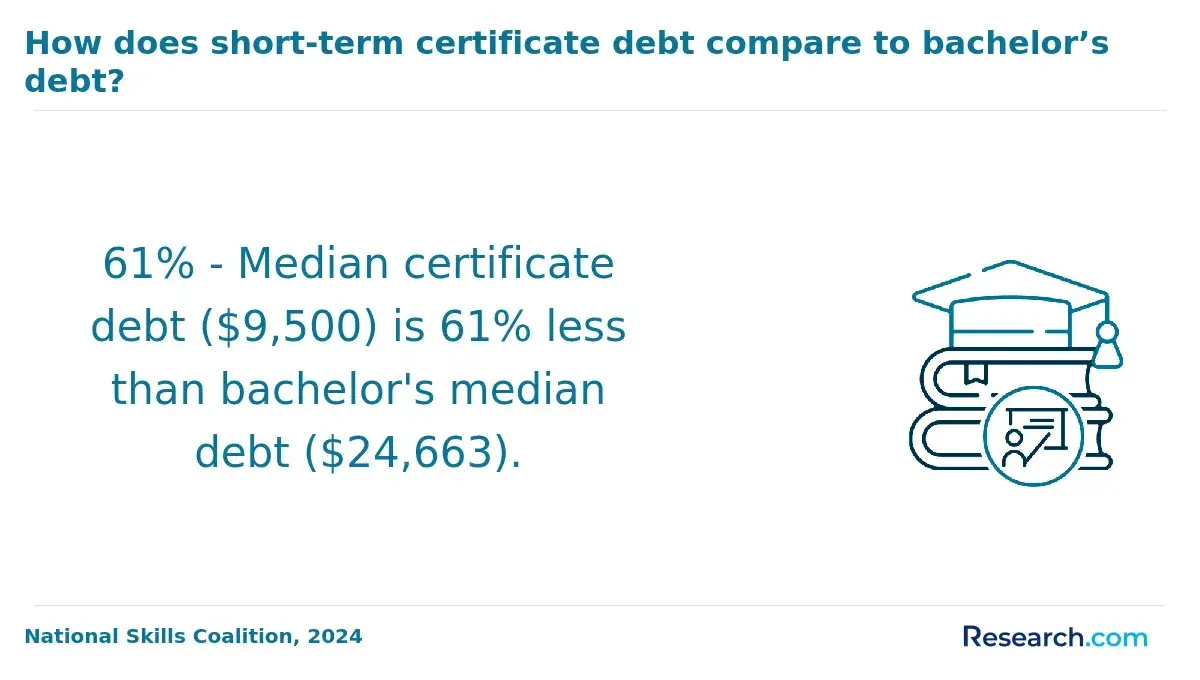
According to data from sources such as Georgetown CEW, individuals with Entertainment Business master’s degrees often gain a lifetime earnings premium of $400,000 to $600,000 compared to bachelor’s holders. Doctorate holders may earn more in research or executive roles, but the advantage has to overcome delayed labor market entry. For example, delaying workforce entry by three to five years at an average bachelor’s salary of $60,000 reduces short-term ROI unless funding, stipends, or later salary gains compensate for the gap.
- Funding: A fully funded doctorate can be financially reasonable; an unfunded doctorate can be risky if the target career does not clearly require it.
- Forgone income: Master’s students usually give up fewer earning years, which improves near-term payback.
- Net earnings premium: Both degrees can raise salary potential, but the strongest premium comes when the credential matches employer requirements.
- Non-monetary returns: Prestige, research autonomy, intellectual satisfaction, and access to academic communities can matter, especially for doctoral students.
- Personal circumstances: Age, debt tolerance, family obligations, location flexibility, and career goals can make the “best” ROI different for each student.
One professional who completed an Entertainment Business master’s said she balanced full-time study with part-time consulting to reduce financial strain. “The costs were manageable compared to a doctorate, and the quicker entry back into leadership roles made the investment tangible,” she reflected. For her, the master’s degree matched immediate career goals and lifestyle needs better than a longer doctoral path.
How does an entertainment business master's degree versus a doctorate affect advancement speed and promotion potential?
A master’s degree can speed advancement in entertainment business when promotions depend on managerial readiness, business fluency, and the ability to lead projects. A doctorate can improve promotion potential in roles where expert status, research output, or terminal credentials define advancement. The faster path depends on the employer’s promotion system.
- Credential ceiling: Doctorates can open principal, senior scholar, or expert-track roles that require deep specialization. Master’s holders often move faster into practical management and operational leadership because they spend less time in school and more time building industry experience.
- Industry impact: Doctorates accelerate advancement mainly in R&D-driven companies, research universities, and federal scientific agencies that prioritize advanced research skills. Media production, entertainment marketing, and corporate analytics generally offer fewer promotion benefits beyond a master’s degree.
- Advancement metrics: If advancement means title, team leadership, or operating authority, a master’s may be the better accelerator. If advancement means academic rank, research influence, or specialized advisory authority, a doctorate may matter more.
- Employer variation: Large entertainment conglomerates and research-focused units may value doctorates for specialist tracks. Startups, nonprofit arts organizations, agencies, and digital media companies often prioritize adaptability and execution.
- Geographic and specialization considerations: Established metropolitan entertainment hubs may reward doctoral credentials in strategic analytic roles, while emerging markets may favor master’s-trained professionals who can manage varied responsibilities.
According to a 2024 industry survey, 62% of entertainment business professionals reported faster salary increases when aligning degree level with their targeted sector’s credential expectations. That finding supports a practical rule: do not choose the most advanced degree by default; choose the degree that matches the promotion rules of the sector you want to enter.
What are the time and lifestyle costs of pursuing an entertainment business doctorate compared to a master's degree?
The lifestyle difference is substantial. Doctoral programs in Entertainment Business require 4 to 7 years post-bachelor’s, compared with master’s degrees that typically last 1 to 3 years. Doctoral timelines can be less predictable because dissertation progress, advisor availability, research access, and publication expectations may extend completion. The Council of Graduate Schools reports an average completion rate near 57% for doctoral programs in business fields, which underscores the risk of a long and nonlinear path.
- Workload and stress: Doctoral students face comprehensive exams, original research, dissertation writing, peer review, and often teaching or assistantship duties. These pressures are consistent with concerns documented by the American Psychological Association’s surveys on graduate student well-being. Master’s programs usually have clearer milestones and shorter deadlines.
- Personal sacrifices: Doctoral candidates may delay full-time earnings, relocation decisions, homeownership, family planning, or career stability. Master’s students generally return to full-time employment sooner and may find it easier to balance childcare, eldercare, or ongoing work.
- Financial strain: Longer enrollment increases tuition exposure and opportunity cost. Master’s graduates often carry less total debt and have a faster route to income recovery. Recent data shows nearly 65% of Entertainment Business master’s graduates experience improved salary trajectories within two years.
- Career interruption risk: Career changers, older students, and students with dependents should be especially cautious about the doctoral timeline. Part-time, online, or accelerated master’s options may provide a more manageable route.
- Self-assessment: Before choosing a doctorate, evaluate stress tolerance, funding certainty, support networks, geographic flexibility, and whether the jobs you want truly require the degree.
Choosing a master’s degree for quality-of-life reasons is not a weaker professional choice. In many entertainment business careers, it is the more efficient and financially disciplined option.
How does geographic location influence career and salary outcomes for entertainment business master's versus doctorate holders?
Location can change the value of each credential. Data from BLS OEWS and state workforce development reports show that doctoral salary premiums vary widely by region. They tend to be strongest in metropolitan areas anchored by major research universities, biotech hubs, and federal agencies, where advanced research credentials are more likely to be rewarded. In entertainment-centered markets, practical experience and networks may narrow the salary gap between master’s and doctorate holders.
- Market structure: Regions with dense clusters of high-technology firms, media conglomerates, universities, or government agencies may offer stronger rewards for doctoral expertise. Cost-sensitive production markets may prioritize hands-on business judgment over academic credentials.
- Cost of living: Nominal salary gaps can look largest in coastal cities such as New York, Los Angeles, and San Francisco. After adjusting for cost of living, the real advantage may shrink. A master’s graduate in a lower-cost market may have stronger purchasing power than a doctorate holder earning more in a high-cost city.
- Network access: Entertainment business careers often depend on proximity to employers, clients, investors, venues, agencies, studios, and creative communities. Relocating to a stronger market can sometimes produce a salary gain that rivals or exceeds the doctoral premium.
- Mobility: Geographic flexibility benefits both degree levels. Master’s graduates may use relocation to accelerate management opportunities, while doctorate holders may need to move for academic, research, or policy roles.
Students should compare salaries by region, not just by degree. A strong master’s program connected to a major entertainment hub may outperform a more advanced credential in a market with limited demand. Those who need flexibility while pursuing terminal credentials may also review online doctoral programs without dissertation when comparing doctoral formats and career fit.
What role does institution prestige play in entertainment business master's versus doctorate career and salary outcomes?
Institution prestige matters, but it does not matter equally in every career path. In academia and research, the reputation of a doctoral institution, advisor network, and scholarly placement record can strongly influence hiring. In commercial entertainment roles, employers often care more about experience, portfolio quality, internships, alumni access, and results.
Research from sources such as the National Bureau of Economic Research and Georgetown CEW shows that the value of institutional prestige depends heavily on career direction. That means students should evaluate prestige through the lens of placement outcomes, not brand recognition alone.
- Academic hiring: Doctoral graduates benefit most from prestige when seeking faculty roles. Universities often favor candidates from highly ranked or well-known institutions, especially when those programs have strong faculty networks, research reputations, and placement histories.
- Private sector sensitivity: Entertainment production, management, creative development, marketing, and business affairs roles tend to place less weight on university ranking. Demonstrated skill, industry relationships, internships, and prior work can outweigh pedigree.
- Outcome metrics: Students should review alumni placement, employer partnerships, faculty research output, internship access, salary reports, and U.S. Department of Education College Scorecard data rather than relying only on popular rankings.
- Cost-benefit trade-offs: A lower-ranked but affordable or fully funded program may be a better decision than an expensive prestigious one if it leads to the same target roles. For doctoral candidates, dissertation quality, advisor fit, and professional networks can be more important than institutional fame alone.
The best program is the one with credible evidence that graduates reach the jobs you want. Students comparing career-aligned online options in other fields can see similar evaluation principles in resources such as the best online cybersecurity degree programs for veterans, where outcomes, flexibility, and support services matter alongside reputation.
How do entertainment business master's and doctorate programs differ in preparing graduates for industry versus academic careers?
Master’s and doctorate programs are built around different professional end points. A master’s degree prepares students to make business decisions inside entertainment organizations. A doctorate prepares students to produce original research, teach, publish, and contribute to scholarly or policy conversations.
- Research emphasis: Doctoral candidates conduct independent research intended to advance knowledge in a field. Master’s students may complete applied research, but the work is usually tied to practical industry problems.
- Applied projects: Master’s programs often include case studies, internships, business plans, capstones, consulting projects, or simulations. Doctoral programs prioritize dissertation work, research design, theory, and scholarly writing.
- Professional development: Master’s programs are more likely to emphasize networking, leadership, client communication, pitching, budgeting, negotiation, and project execution. Doctoral programs emphasize academic mentorship, teaching experience, conferences, and publication.
- Industry preparedness: Doctoral graduates may be highly analytical but less prepared for the pace, ambiguity, and interpersonal demands of entertainment business roles unless they seek internships or industry-facing research opportunities. Master’s graduates usually have a clearer practitioner pathway.
- Career placement evidence: Prospective students should ask each program where graduates actually work: academia, industry, government, nonprofits, research institutes, or entrepreneurship. Placement patterns reveal the real purpose of the curriculum.
If your goal is to manage teams, negotiate deals, lead projects, grow revenue, or build a company, the master’s degree is usually the better fit. If your goal is to teach, publish, conduct original research, or shape policy through scholarship, the doctorate is the more appropriate path.
How do starting salaries for entertainment business master's graduates compare to those for entertainment business doctorate holders?
Starting salaries vary by sector, and the doctorate does not always produce an immediate pay advantage large enough to offset extra years of study. Doctorate holders often start higher in academia and research settings, where advanced expertise is central to the job. Master’s graduates may start earlier and build compensation through experience, promotions, and industry mobility.
- Doctoral premium: Doctorate holders may start with salaries 20% to 40% more than master’s graduates in settings such as universities, research centers, and think tanks.
- Commercial-sector gap: In media management, marketing, production, distribution, and entertainment operations, salary gaps are often less than 10% because employers prioritize applied experience and business results.
- Opportunity cost: A doctorate usually adds three to five years beyond a master’s degree. During that time, candidates may earn less, accumulate debt, or delay promotions that master’s graduates are already pursuing.
- Government and nonprofit roles: Salary data is mixed. Some roles reward terminal credentials, while others place more weight on certifications, relevant experience, grant management, or policy background.
- Total compensation: Starting salary should be evaluated with benefits, job security, advancement path, geographic cost of living, and work-life balance.
The strongest starting salary is not always the best financial outcome. A master’s graduate who enters the industry sooner may reach salary parity with a doctorate holder before mid-career, especially in private-sector roles where performance matters more than terminal credentials.
What Entertainment Business Graduates Say About the Career Paths & Salary Differences Between a Master's Degree and a Doctorate
- : "Choosing to pursue a master's in entertainment business opened doors I hadn't imagined-entry-level roles turned into mid-tier management quickly, but I noticed that doctorate holders tend to access more specialized leadership positions. Salary-wise, the jump from master's to doctorate isn't linear immediately, yet over time, those with doctorates often enjoy steeper salary trajectories. The real value was in long-term growth and professional stability-earning my doctorate felt like investing in a future where promotions were more merit-based and less about just experience. — Jase"
- : "Reflecting on my journey, the master's degree gave me a solid foundation and quicker career access, which was perfect for getting my foot in the door of the entertainment business world. However, watching peers with doctorates climb the ranks revealed that their return on investment came through advanced roles and higher salary ceilings after several years. I'd say if you're aiming for rapid entry and respectable earnings, the master's is the way to go-but if long-term upward mobility and specialized expertise intrigue you, the doctorate is unmatched. — Kyro"
- : "The entertainment business landscape values both master's and doctorate credentials differently-my professional outlook changed dramatically after completing my doctorate, especially regarding promotion potential. Master's grads often start with better immediate salaries, but doctorate holders tend to outperform in compensation growth over time due to increased credibility and research-based skills. Reflecting on my own experience, the doctorate's return on investment went beyond salary-granting me access to strategic decision-making roles that a master's degree alone rarely achieves. — Aaron"
Other Things You Should Know About Entertainment Business Degrees
In entertainment business, a master's degree is frequently sufficient for many industry roles-especially in management, marketing, and production. A doctorate is valued in academic, research, or high-level strategic positions but may be seen as less practical for typical corporate roles. Employers often prioritize relevant experience alongside the degree level when making hiring decisions.
For master's students, specializations such as entertainment marketing, digital media management, and production management are highly sought after. Doctoral candidates often focus on research areas like media economics, entertainment law, or cultural studies, which prepare them for academic and consultancy careers. Both degrees reward specialization but target different career paths within the sector.
Most professionals benefit from completing a master's degree before pursuing a doctorate, as it builds foundational knowledge and industry connections. Direct entry into a doctoral program is less common and usually suits candidates with a strong research background and clear academic goals. The master's pathway also offers flexibility for shifting between industry roles and academia.
References
- Is Grad School Worth It? A Comprehensive Return on Investment Analysis - FREOPP https://freopp.org/whitepapers/is-grad-school-worth-it-a-comprehensive-return-on-investment-analysis/
- What Are the Career Options With a PhD in Business? https://www.ucumberlands.edu/blog/what-jobs-can-you-get-with-a-phd-in-business
- Non-Academic Doctorate Jobs: Top Career Paths https://imetworldwide.com/doctorate-jobs-that-arent-academic-career-paths-beyond-teaching-research/
- How to Succeed in the Entertainment Business Master's Degree Program - The Hub https://hub.fullsail.edu/articles/how-to-succeed-in-the-entertainment-business-masters-degree-program
- Doctorate of Business Administration Salary: An Overview https://lsmt.org.uk/blog/doctorate-of-business-administration-salary-an-overview
- Is a Doctorate Better Than a Masters? https://aituedu.org/is-a-doctorate-better-than-a-masters/
- The 10 Best Nontraditional Jobs for MBA Graduates https://www.onlinemba.com/resources/non-traditional-jobs/
- Master’s vs PhD: Which Degree Is Right for Your Career Goals? https://theredpen.in/blog/masters-vs-phd-everything-you-need-to-know/
- Academia or industry: which is right for you? https://frontlinegenomics.com/academia-or-industry-which-is-right-for-you/
- Top 10 Business Graduate Career Paths That Maximize Jobs https://shabujglobal.com/blog/cutting-edge-business-courses-career/top-business-graduate-career-paths