
2027 Do Employers Pay for Sustainability Degrees: Tuition Reimbursement and Sponsorship Options

Co-Founder and Chief Data Scientist
Many working professionals hesitate to pursue a Sustainability degree due to high tuition costs and mounting student debt. The average annual expense for a Sustainability program can exceed $20, 000, contributing to the growing $1. 7 trillion student loan crisis in the U. S. Employers increasingly offer tuition reimbursement or sponsorship to help alleviate these financial barriers. This article explores how such programs work, eligibility criteria, and the variety of options available. Understanding these opportunities can empower prospective students to finance their education strategically, making sustainability credentials more accessible without overwhelming personal debt burdens.
Key Benefits of Employers Paying for Sustainability Degrees
- Employer tuition reimbursement reduces average student debt, which in sustainability-related fields can exceed $30,000, making advanced education more accessible and financially viable.
- Sponsorship programs often include mentorship and career development, enhancing practical skills directly applicable to sustainability roles.
- Funding from employers encourages workforce retention by aligning employee education with company sustainability goals, boosting both professional growth and organizational impact.
Do Employers Pay for Sustainability Degrees?
Many employers in the United States offer education support, with around 49% providing tuition reimbursement programs to employees, a trend reflecting growing investment in workforce skill development. Companies see particular strategic value in sponsoring employees pursuing sustainability degrees, as these programs prepare workers to address environmental challenges, comply with regulatory demands, and lead green initiatives. For those exploring employer tuition reimbursement for sustainability degrees, this support can significantly reduce financial barriers and boost career prospects in environmentally focused roles.
The likelihood of employer payment for these degrees depends heavily on industry relevance and employee roles. Sectors such as energy, manufacturing, consulting, and logistics are more apt to offer sponsorship due to their direct environmental impact and regulatory pressures.
Understanding company sponsorship programs for sustainability education is vital for prospective students targeting these fields, as such programs may include tuition reimbursement, scholarships, or paid study leave. Exploring options like BCBA online masters programs can also help students find affordable pathways aligned with their educational and career goals.
What Types of Tuition Assistance Do Employers Offer for Sustainability Degrees?
Employer-provided tuition support plays a crucial role for professionals pursuing a sustainability degree by significantly reducing out-of-pocket expenses and lowering financial risk. These benefits enable working students to advance their education while maintaining employment, making it easier to invest in skills that promote environmental and social impact.
Common types of employer tuition assistance for sustainability degrees include:
- Tuition reimbursement: Employers repay part or all of tuition costs after successful course completion and meeting grade requirements, typically subject to an annual cap. This helps alleviate direct educational expenses for sustainability programs.
- Direct tuition payment: Some organizations pay colleges or universities directly, removing the need for employees to front tuition costs. This seamless funding option can simplify the path to earning a sustainability degree.
- Scholarships or grants: Occasionally, companies provide financial awards specifically targeted at employees enrolled in sustainability-related education, boosting affordability and access.
- Educational loan repayment assistance: Employers may contribute to repaying existing student loans, indirectly reducing the total cost of sustainability education and easing debt burdens.
These employer tuition reimbursement programs for sustainability degrees frequently cover a sizable portion of expenses, often capped at several thousand dollars annually. Additionally, corporate sponsorship options for sustainability education can further support working professionals in balancing career advancement and study commitments. For those exploring affordable avenues for higher education, researching options such as online business colleges may offer complementary pathways to manage education costs effectively.
Who Is Eligible for Employer Tuition Reimbursement for Sustainability Degrees?
Employer tuition reimbursement can significantly reduce the cost of pursuing a sustainability degree, but eligibility requirements play a crucial role in planning your education strategy. These requirements influence when you can enroll, the programs you choose, and ultimately the return on investment (ROI) from employer-sponsored education. Carefully considering who qualifies for tuition reimbursement for sustainability degrees helps align your educational path with employer expectations and benefits.
- Employment status: Most programs require full-time employment or a minimum number of work hours to ensure the employee's commitment and eligibility for funding.
- Tenure requirements: Employers often expect a minimum period of continuous service before reimbursement eligibility begins, protecting their investment by encouraging employee retention.
- Job relevance: The sustainability degree typically must relate directly to the employee's current role or support a clear career progression within the company to qualify for reimbursement.
- Academic standards: Maintaining a specified grade point average or passing percentage is commonly required to continue receiving tuition benefits and demonstrate satisfactory progress.
- Approval processes: Pre-approval from management or human resources is usually necessary before starting coursework, ensuring the program aligns with organizational goals.
- Ongoing employment: Employers may require employees to remain with the company for a defined period after completing the degree to safeguard their investment.
Prospective students exploring eligibility requirements for employer tuition reimbursement should research and plan accordingly to maximize education value. For those considering executive-level education, programs such as an EMBA online can also offer structured flexibility and professional advancement opportunities alongside sustainability studies.
For students pursuing a sustainability degree while working, understanding employer tuition reimbursement programs can significantly impact financial planning and career development. These programs often help offset education costs but come with specific requirements and procedures. Knowing how they operate allows working professionals to maximize benefits and avoid unexpected hurdles.
- Approval Process: Employees typically must obtain prior consent from their employer before enrollment. This involves submitting course information and demonstrating how the sustainability degree aligns with job duties or company objectives.
- Payment and Reimbursement Timing: Usually, students pay tuition upfront and later submit claims for reimbursement. Payments from employers may occur after each course or once the full program is completed.
- Documentation Requirements: To qualify for reimbursement, employees submit receipts and academic records. Proof of course completion and meeting grade standards, often a B or higher, is commonly required.
- Reimbursement Limits: Most employers set annual or total caps on the reimbursable amount. Understanding these financial boundaries is crucial to plan how much of your tuition will be covered.
- Academic Performance Expectations: Maintaining a minimum grade is essential for eligibility. Employers often tie reimbursements to satisfactory academic achievement to ensure investment in relevant, quality education.
Employer support for online sustainability degrees has grown notably as perceptions of remote education have shifted. Whereas online programs were once met with doubt regarding their academic rigor and value, many companies now recognize their potential for workforce development.
A survey by the Society for Human Resource Management indicated that around 75% of employers have some form of tuition reimbursement, reflecting increasing openness toward funding higher education, including online degrees. Still, this figure suggests a growing trend rather than a certainty that every online sustainability program will qualify for sponsorship.
When deciding to back an online sustainability degree, employers typically evaluate key criteria such as the institution's accreditation to ensure legitimacy, how well the curriculum relates to the employee's current job or career growth, and the program's overall quality compared to traditional formats. Additionally, alignment with the company's broader sustainability goals and strategic priorities plays a crucial role.
In discussing these realities with a professional who completed their sustainability degree online through employer sponsorship, he shared how initially navigating the approval process was challenging due to skepticism about course quality. He explained, "I had to clearly demonstrate how the program's content directly applied to our environmental projects and company initiatives." Once approved, balancing coursework with work demands required discipline and communication with supervisors, but he emphasized that the experience ultimately enhanced both his skills and his employer's support for such education investments.
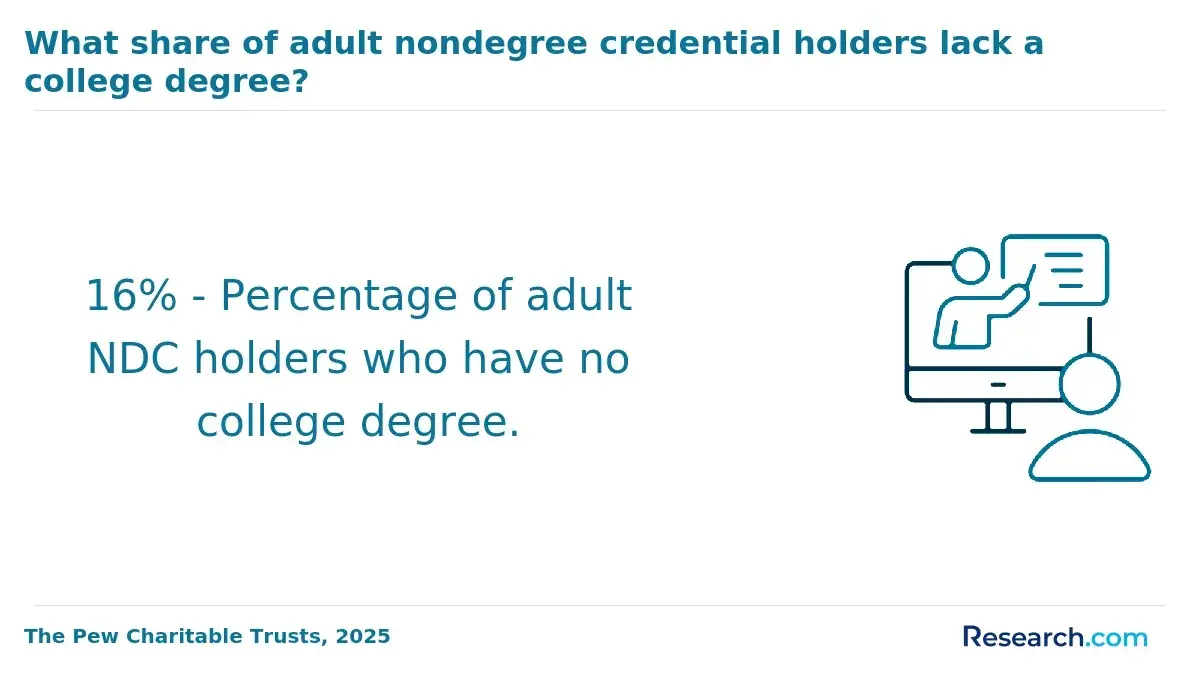
Tuition reimbursement limits significantly affect the affordability and return on investment of pursuing a sustainability degree. These caps determine the maximum financial support employees can receive, which shapes long-term education planning. Notably, about 56% of U.S. employers offer some form of tuition assistance, highlighting the importance of understanding these benefits when budgeting for education expenses.
Typically, annual tuition reimbursement limits range from $5,000 to $10,000, while lifetime caps often fall between $25,000 and $50,000. The amount reimbursed can vary depending on factors such as the industry sector, company size, and how closely the degree aligns with an employee's current or future position. Additionally, federal tax provisions allow employer-provided educational assistance of up to $5,250 per year to be excluded from taxable income, influencing how reimbursement programs are structured without serving as legal guidance.
Knowing the potential financial consequences of leaving an employer-sponsored sustainability degree program early is crucial for anyone considering these benefits. Nearly 60% of employers with tuition reimbursement policies have repayment or clawback provisions to protect their investment, making it vital to grasp common penalty structures before enrolling. These typical scenarios often include:
- Tuition repayment: Employees may be required to reimburse tuition funds already paid by the employer, often based on how long they stayed with the company after receiving the benefit.
- Prorated repayment schedules: The amount owed can decrease the longer an employee remains post-education, but leaving too soon may trigger full or partial repayment obligations.
- Early termination clauses: If an employee leaves or is terminated within a specified timeframe-usually one to three years-they may have to repay education costs.
- Restrictions on future benefits: Departing early can disqualify employees from receiving additional employer-sponsored education benefits down the line.
When speaking with a professional who recently completed a sustainability degree through an employer-assisted tuition program, she emphasized how these clauses influenced her decision to stay. "Knowing the financial stakes upfront helped me weigh my options carefully," she shared. Initially, she found juggling work, coursework, and contract obligations challenging but rewarding. The company required a commitment of two years post-graduation, which she honored despite tempting offers elsewhere. Reflecting on her experience, she remarked, "It wasn't just about the money; it was about valuing the opportunity and trusting the process. The support I received made it easier to stay motivated and engaged." Her story highlights how understanding penalty conditions can impact career and education choices in meaningful ways.
Evaluating the impact of employer-sponsored education on career earnings is essential for working professionals considering a sustainability degree. Studies show that employees receiving tuition reimbursement often experience an average salary increase of 6% to 12% after graduation. Understanding these benefits helps individuals weigh education costs against long-term financial gains and career advancement possibilities.
Several key factors demonstrate the positive impact of employer-paid sustainability degrees on career growth including:
- Increased Promotion Opportunities: Tuition sponsorship equips employees with specialized knowledge that enhances their qualifications, making them strong candidates for promotions within their organizations.
- Faster Career Progression: With employer support, professionals can pursue degrees without financial strain, accelerating their journey toward leadership roles by gaining essential strategic and regulatory skills.
- Access to Higher-Paying Roles: Degrees focused on sustainability open doors to emerging positions in environmental management, renewable energy, and corporate social responsibility, which often command premium salaries.
- Enhanced Skills and Qualifications: Sustainability education develops critical expertise highly valued in the green economy, including regulatory knowledge and strategic thinking, improving credibility and job performance.
- Improved Return on Investment: Employer-paid programs reduce out-of-pocket expenses, aligning employee skills with market demands to maximize long-term salary benefits and career efficiency.
The long-term salary benefits of tuition reimbursement for sustainability programs are increasingly recognized as a strategic advantage for both employees and employers. For those assessing which field to specialize in, resources like what degrees make the most money provide valuable insight into financial outcomes associated with various educational paths within sustainability and related areas.
Proactively communicating and preparing your case is essential when asking your employer to pay for a sustainability degree. Research indicates that 72% of employers are more willing to provide tuition reimbursement when employees clearly demonstrate the return on investment. This makes understanding your company's policies and presenting a compelling argument critical to securing support for your education.
- Research Company Tuition Assistance Policies: Start by reviewing your employer's tuition reimbursement or educational assistance programs, usually outlined in employee handbooks or HR portals. Knowing the formal guidelines ensures your request aligns with company standards and increases the chances of approval.
- Prepare a Business Case: Develop a concise explanation emphasizing how the sustainability degree will benefit both you and your employer. Highlight skills that improve sustainability initiatives or operational efficiency relevant to your role or future career growth.
- Schedule a Formal Meeting: Request a meeting with your manager or HR representative to present your case professionally. Use this opportunity to discuss your goals and the program's relevance, reinforcing how employer sponsorship supports organizational objectives.
- Demonstrate Program Relevance: Connect the degree coursework directly to your current job responsibilities or long-term career development. Clearly showing the practical value can strengthen your request for employer tuition reimbursement for sustainability degrees.
- Follow Up with Documentation: After your meeting, provide detailed program costs, course schedules, and any required reimbursement forms. Staying organized and professional increases the likelihood of receiving financial assistance or flexible support.
For additional ideas and guidance on enhancing your career through education, consider exploring options for online certificates that complement your sustainability focus and offer strong job market value. Knowing how to request employer sponsorship for sustainability education combined with strategic credential planning can significantly reduce your out-of-pocket expenses and boost your professional trajectory.
Covering the full cost of a sustainability degree without employer sponsorship can pose significant financial challenges. Nearly 70% of college students use financial aid, underscoring the importance of seeking alternative funding to avoid excessive debt. The following strategies can help manage expenses and make education more attainable.
- Federal and State Financial Aid: Completing the FAFSA application opens access to grants, subsidized loans, and work-study programs that often offer the most affordable funding options available to students.
- Scholarships and Grants: Numerous scholarships focus specifically on environmental and sustainability studies. Diligent research can uncover awards that do not require repayment and reduce overall tuition burdens.
- Personal Savings and Loans: Utilizing savings strategically while considering low-interest student loans helps balance tuition costs with day-to-day living expenses without immediate financial strain.
- Income-Share Agreements: Some institutions offer arrangements where tuition is paid as a percentage of future earnings instead of upfront fees, allowing students to invest in their education with less initial financial pressure.
- Part-Time or Online Programs: Enrolling in flexible formats can lower tuition costs and enable students to maintain employment, spreading expenses over a longer timeframe to improve affordability.
Combining several of these approaches often leads to the best financial outcome, especially when employer support is unavailable. Early and thorough exploration of funding resources is essential to successfully financing a sustainability degree.
What Graduates Say About Employers Paying for Their Sustainability Degrees
- Panya: "The sustainability degree program typically costs around $30,000, which felt daunting at first. Thankfully, my employer's tuition assistance covered a significant portion, making it much more affordable and accessible. This support not only eased my financial burden but also opened doors to leadership roles focused on corporate responsibility."
- Ersa: "With an average tuition exceeding $25,000, pursuing a sustainability degree seemed out of reach until my company offered a full sponsorship. This experience gave me a unique edge in my field, allowing me to implement impactful environmental initiatives at work confidently. It has truly transformed my professional path."
- Teddy: "Covering the cost of a sustainability degree, which can be upwards of $28,000, was a challenge until my employer stepped in with tuition assistance. This backing allowed me to focus on gaining critical skills without financial stress. As a result, I've successfully advanced in my career, contributing to meaningful sustainability projects within my organization."
Other Things You Should Know About Sustainability Degrees
Yes, in 2027, many employers restrict tuition assistance to accredited institutions or programs that align with the company's sustainability goals. It's crucial to check with your employer on approved programs before enrollment to ensure eligibility for tuition assistance.
In 2027, employers typically require sustainability degree programs to be accredited by recognized bodies to qualify for tuition reimbursement. Some companies may also have partnerships with specific universities and provide reimbursement only if the degree is completed through one of these institutions. **Question** How can pursuing a sustainability degree impact an employee's work schedule in 2027? **Answer** In 2027, pursuing a sustainability degree can impact an employee's schedule, requiring flexible work hours or reduced hours to accommodate academic commitments. Some employers may offer remote work options or flexible schedules to support their employees’ educational pursuits. **Question** Are there penalties if an employee fails to complete a sustainability degree after employer sponsorship in 2027? **Answer** If an employee fails to complete a sustainability degree in 2027 after receiving employer sponsorship, they may need to repay part or all of the sponsorship funds, depending on the employer's policy. Employers usually outline these terms in a sponsorship agreement. **Question** What are the updated trends in employer tuition reimbursement policies for sustainability degrees in 2027? **Answer** In 2027, more employers are recognizing the importance of sustainability and are enhancing tuition reimbursement policies, offering more comprehensive support for employees pursuing degrees in this field. Companies are increasingly aligning educational investments with sustainable corporate goals.
Yes. Many sponsorship agreements require a 12- to 24-month work commitment after the final payment or graduation. If the employee leaves early, the employer may require repayment of tuition, fees, and any related assistance under a signed reimbursement agreement.
- Achieve Successful Career Development with Employer Sponsorship! https://executiveacademy.at/en/knowledge/employer-sponsorship
- Sustainability as a job factor: importance for applicants, employees and companies https://plant-values.de/en/sustainability-as-a-job-factor/
- Employer Tuition Reimbursement: What MBAs Should Know https://www.bschools.org/blog/mba-tuition-reimbursement
- Environment and Sustainability https://www.bbk.ac.uk/courses/postgraduate/environment-and-sustainability
- Can My Employer Penalize Me for Not Joining a Wellness Program? Question https://lifestyle.sustainability-directory.com/question/can-my-employer-penalize-me-for-not-joining-a-wellness-program/
- Defining a well-structured live online sustainability program with digital coursework - Center for Sustainbability & Excellence https://cse-net.org/defining-a-well-structured-live-online-sustainability-program/
- Discover our global guide to sustainability recruitment https://enable.green/news/a-global-guide-to-sustainability-recruitment-top-jobs-skills-and-salaries/
- Seneca ESG https://senecaesg.com/insights/csrd-penalties-for-non-compliance-understanding-the-stakes/
- How to approach your employer for master's degree sponsorship https://www.online.southampton.ac.uk/blog/how-approach-your-employer-masters-degree-sponsorship
- ESG and Sustainable Management Major https://www.kozminski.edu.pl/en/esg-and-sustainable-management-major


