
2027 Sustainability Degrees Explained: Are They Classified as Professional Degrees?

Co-Founder and Chief Data Scientist
Many prospective students mistakenly assume that sustainability degrees are universally classified as professional degrees, necessary for licensure and career advancement. However, only 35% of sustainability programs align with formal professional degree standards, which often impacts graduates' eligibility for specialized roles. The green workforce is projected to grow 21% from 2020 to 2030, amplifying the need for clear distinctions between academic and professional credentials. This article clarifies the classification of sustainability degrees, examining program structures, accreditation, and career outcomes. It aims to guide readers in making informed decisions about the value and requirements of professional sustainability education.
Key Benefits of Professional Sustainability Degrees
- Professional sustainability degrees enhance career advancement by qualifying graduates for leadership roles in industries prioritizing environmental responsibility and corporate governance.
- Graduates typically experience higher earning potential, with sustainability professionals earning up to 20% more on average than those without advanced credentials.
- These degrees often meet criteria for regulated positions or advanced certifications, supporting long-term job stability in growing green sectors.
What Is Considered a Professional Sustainability Degree?
Clarifying what qualifies as a professional sustainability degree is crucial for students evaluating career-focused and licensure-oriented education pathways. Distinguishing these programs helps candidates invest in degrees that align directly with workforce demands and credentialing requirements. A recent trend shows a 24% increase in U.S. job postings requiring sustainability-related certifications over five years, highlighting the rising value of professional sustainability degree programs.
Below is a myth-versus-fact overview to clear common misconceptions.
Program Purpose
- Myth: All sustainability degrees are professional degrees focused on licensure and immediate career entry.
- Fact: Professional sustainability degrees emphasize applied training and industry-recognized credentials designed for specific career outcomes.
Licensure Prep
- Myth: Sustainability programs do not include licensure preparation.
- Fact: Many professional sustainability degree programs incorporate coursework and training for certifications like LEED that support licensure and career advancement.
Credential Value
- Myth: A sustainability degree alone guarantees job readiness and advancement.
- Fact: Professional degrees provide industry certifications enhancing employability and clear pathways to higher earnings.
Students considering options may also explore related fields such as an online AI degree to complement interdisciplinary skills valuable in sustainability careers.
Who Should Pursue a Professional Sustainability Degree?
Identifying the right candidates for professional sustainability degrees is essential for students pursuing career-focused, practice-oriented education. These programs are designed to meet the needs of individuals seeking impactful careers that require specialized expertise. Enrollment in sustainability-related programs has increased by over 50% in the last decade, demonstrating a rising demand for these skill sets.
The following myth-versus-fact sections clarify who benefits most from professional sustainability degrees.
Early-Career Focus
- Myth: Professional sustainability degrees are only for students fresh out of high school.
- Fact: These degrees primarily benefit early-career professionals aiming to specialize in sustainability or switch careers toward environmental and social impact roles.
Enrollment Criteria
- Myth: Anyone can enroll in a professional sustainability degree without consideration for career goals.
- Fact: Identifying candidates with clear career objectives-especially those pursuing licensure, regulated industries, or leadership roles-ensures the program's value and practice-oriented education.
Value for Changers
- Myth: Career changers won't find value in professional sustainability degrees.
- Fact: Career changers can leverage these degrees to gain relevant expertise and credentials, which support entry into emerging sustainability industries.
Common candidates for the best professional sustainability degree programs include early-career professionals seeking credentialed expertise, individuals pursuing licensing or certification, and those targeting specialized or regulated sustainability roles. For those interested in expanding their credentials in counseling alongside sustainability, exploring online counseling programs can also complement career development.
What Are the Most Common Professional Sustainability Degree Programs?
Knowing the different professional sustainability programs helps students match their skills and interests with the right curriculum. This clarity supports informed choices aligned with career goals. Enrollment in sustainability-related programs has grown by about 15% over the past five years, showing increasing demand for expertise in this field.
Below are some of the most common sustainability degree programs available:
- Environmental Management: This program focuses on resource conservation, environmental policies, and sustainable operations. It prepares students to handle regulatory compliance and develop strategies to minimize environmental impact.
- Sustainable Business: Emphasizing corporate responsibility, this program combines business principles with sustainability practices. Graduates learn to integrate social and environmental factors into business decision-making and strategy.
- Renewable Energy Engineering: Centered on the design and implementation of clean energy technologies, this program addresses technical skills needed to advance solar, wind, and other renewable solutions. It suits those interested in the technical aspects of sustainable energy systems.
Accreditation is a top concern for students evaluating professional sustainability degree programs because it directly impacts program credibility, eligibility for financial aid, and career opportunities. Recent data show that about 70% of sustainability-related programs in the U.S. are offered by institutions accredited by regional accrediting bodies, setting a foundational standard of quality. Understanding accreditation nuances is essential when assessing sustainability degrees.
Below are common myths and facts clarifying accreditation issues in sustainability education.
Programmatic Accreditation
- Myth: All professional sustainability degrees require specific programmatic accreditation from specialized bodies.
- Fact: Institutional accreditation by recognized regional agencies is nearly universal for legitimate sustainability degrees, but specialized programmatic accreditation for sustainability is uncommon due to the field's interdisciplinary nature blending environmental science, business, and social sciences.
Licensure Relevance
- Myth: Sustainability degrees without programmatic accreditation lack value for licensure and employment.
- Fact: Licensing rarely demands sustainability-specific programmatic accreditation; institutional accreditation typically suffices for financial aid, credit transfer, and employer recognition. Employers often emphasize practical skills and experience over specialized accreditation.
Accrediting Bodies
- Myth: There are well-established, top sustainability degree accreditation organizations governing all programs.
- Fact: Regional accrediting agencies oversee institutional quality, and professional sustainability accreditation efforts are emerging but not yet widespread or mandatory. Accreditation affects federal aid eligibility and credit recognition, so students should verify both institutional accreditation and program relevance to their career goals.
Prospective students interested in sustainability often compare costs and program quality similarly to those seeking a psychology degree online, emphasizing value and accreditation. Investigating accrediting bodies for professional sustainability degrees helps clarify which programs meet acceptable standards for career advancement.
Knowing admission requirements is essential for students deciding on professional sustainability programs because these criteria ensure applicants are well-equipped academically and professionally. As interest in sustainability careers grows, enrollment in related programs has surged by over 25%, making selection increasingly competitive.
The following outlines common prerequisites to help prospective students prepare effectively.
- Bachelor's Degree: Most programs mandate completion of an accredited undergraduate degree, often favoring fields like environmental science, biology, or engineering. This foundation is important to handle the interdisciplinary and technical content presented in sustainability studies.
- Academic Performance: A minimum GPA, commonly around 3.0 on a 4.0 scale, is typical to demonstrate that candidates can manage demanding coursework. It reflects readiness for the rigorous academic environment and ability to grasp complex concepts.
- Supporting Documents: Letters of recommendation and a personal statement usually form part of the application, allowing candidates to showcase motivation and relevant experience. These materials help admissions identify individuals with genuine commitment and professional potential.
- Relevant Experience: Work or volunteer involvement related to sustainability strengthens an applicant's profile by evidencing practical engagement and a proactive mindset toward environmental and social challenges.
- Standardized Tests: Depending on the program, GRE scores may be optional or required. Such tests assist in objectively assessing analytical and verbal skills when applicable.
Choosing a professional sustainability degree requires careful consideration of the curriculum and practical training components to ensure alignment with career goals and job market demands. Knowing the required courses and hands-on experiences helps prospective students evaluate the program's relevance for licensure, career advancement, and higher earning potential.
The following are common course topics and practical training elements typically included in professional sustainability degree programs:
- Core Environmental Science: These courses cover ecological principles, environmental processes, and impact assessment techniques. They build a scientific foundation essential for understanding complex sustainability challenges and their implications for natural resources.
- Sustainable Development and Policy Analysis: Students explore frameworks for sustainable growth, public policy, and governance. This coursework emphasizes economic and social factors influencing sustainability, preparing graduates to engage in policy formulation and evaluation.
- Resource Management and Social Equity: Programs often address equitable resource use and social justice issues, essential for promoting inclusive sustainability practices in diverse communities and sectors.
- Practical Training Components: Internships, fieldwork, and capstone projects provide critical hands-on experience. These allow students to apply classroom theories, develop skills in data analysis, project management, and stakeholder engagement, enhancing job readiness in various industries.
- Systems Thinking and Interdisciplinary Skills: Courses emphasize holistic approaches to sustainability challenges, integrating knowledge across environmental, economic, and social domains. This interdisciplinary training helps graduates navigate complex problems and collaborate effectively across sectors.
Including practical training for sustainability degree careers is increasingly recognized as vital because it equips students to meet real-world demands and supports smoother transitions into the workforce. Understanding these requirements also informs decisions about time commitment, professional certification eligibility, and potential compensation, which are critical for anyone considering this field.
For those prioritizing earning potential, exploring the easiest college majors with high pay can provide helpful context when comparing sustainability degrees to other programs.
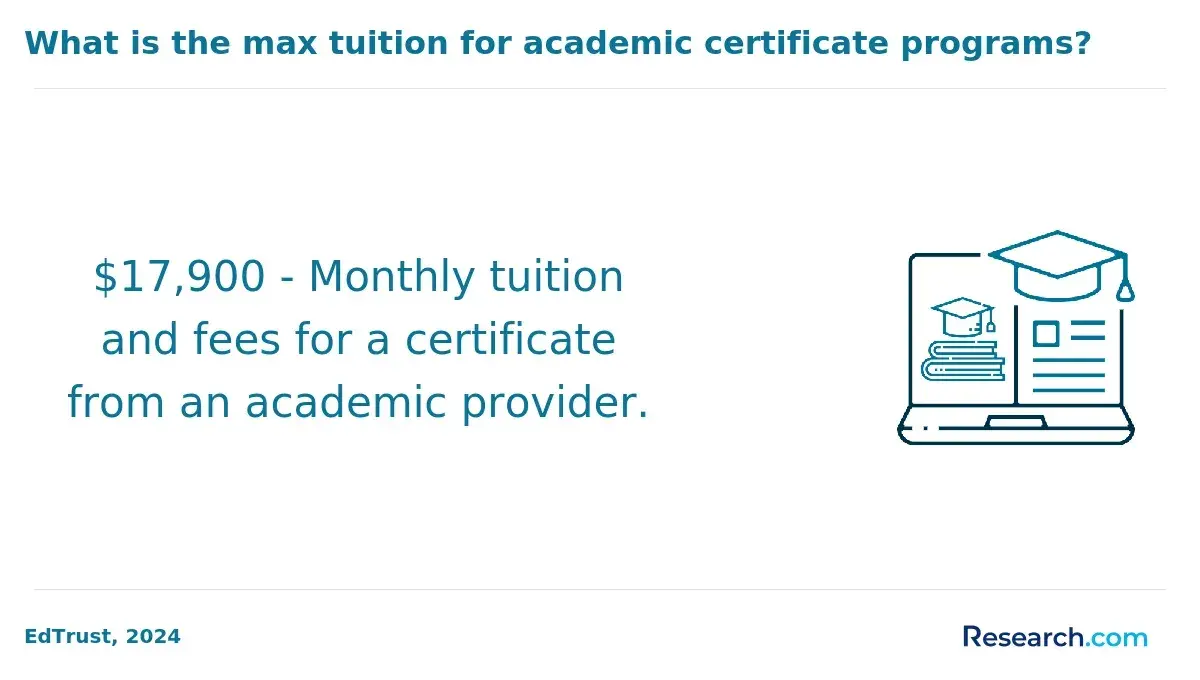
Understanding the total cost of professional sustainability degrees is essential for prospective students weighing their educational investment. On average, tuition for sustainability degree programs ranges from $10,000 to $50,000, but total costs often exceed this due to additional expenses and varying program formats. Several costs influence the overall affordability of a sustainability degree.
These factors should be carefully considered before enrollment.
- Tuition and fees: This remains the most significant expense, varying widely between public and private institutions, and between online and on-campus programs. Tuition rates have increased about 3% annually, reflecting inflation in higher education.
- Books and materials: Specialized textbooks, software, and technical resources required for sustainability studies can add several hundred dollars per year to the budget.
- Living expenses: Students attending on campus face additional costs such as housing, food, and transportation, which can significantly raise the total program cost.
- Program requirements: Many sustainability degrees include internships, fieldwork, or study abroad components. These experiences can improve career readiness but also increase upfront costs.
- Financial aid availability: Scholarships, grants, and employer tuition reimbursement programs can mitigate expenses, but availability varies and is not guaranteed.
Prospective students interested in an easiest bachelor degree to get online may find sustainability programs with flexible online formats that impact costs differently. Considering the cost of professional sustainability degrees alongside potential career benefits is crucial for making informed decisions.
Affordability is a major concern for students considering professional sustainability programs due to potentially high tuition and related expenses. Most rely heavily on financial aid, with about 62% of graduate students in environmental fields receiving some form of assistance.
Here are common myths and facts addressing financial aid eligibility for these programs.
Financial Aid Eligibility
- Myth: Professional sustainability degrees do not qualify for federal financial aid.
- Fact: Accredited sustainability programs commonly qualify for federal aid, including Direct Unsubsidized Loans and Grad PLUS Loans, depending on enrollment status and institution accreditation.
Scholarship Availability
- Myth: Scholarships for sustainability-related degrees are rare and hard to find.
- Fact: Numerous scholarships and grants exist through universities, nonprofits, and industry groups, while certain employers also offer tuition reimbursement for sustainability credentials.
Loan Forgiveness
- Myth: Public service loan forgiveness does not apply to sustainability graduates.
- Fact: Graduates working in government or nonprofit sustainability roles often qualify for programs that reduce student debt, such as public service loan forgiveness.
When evaluating professional sustainability programs, it is crucial for students to identify specific degree and credential requirements for their target roles to avoid unnecessary time and expense. Workforce data indicates that environmental science and protection jobs are expected to grow 8% between 2022 and 2032, highlighting rising demand for sustainability expertise across industries.
Below are common misconceptions contrasted with facts about the necessity of sustainability degrees for career qualification.
Degree Necessity
- Myth: A professional sustainability degree is required for all sustainability-related careers.
- Fact: Many sustainability roles do not mandate a dedicated sustainability degree; instead, applicable certifications and skills often hold more weight.
Licensing Requirements
- Myth: Licensure in sustainability fields relies solely on sustainability degrees.
- Fact: Licenses typically depend on accredited degrees in specialized disciplines such as engineering or urban planning, sometimes paired with certifications, rather than on sustainability degree titles.
Regulated Professions
- Myth: All regulated sustainability professions require professional sustainability degrees.
- Fact: Professions like environmental engineering require specific accredited degrees and licenses, but these degrees are usually in fields like engineering or environmental science, not explicitly sustainability.
Career Eligibility
- Myth: Having a sustainability degree automatically qualifies candidates for advancement in sustainability careers.
- Fact: Career progression often depends on industry recognitions, certifications, and hands-on experience, so degree title alone is insufficient for eligibility.
Students weighing the cost of advanced sustainability degrees need to know if these credentials translate into greater earnings. Evaluating financial returns helps candidates make smart choices about education investments in a competitive job market.
Below are common misconceptions contrasted with facts about sustainability degrees and their financial impact.
Salary Impact
- Myth: Earning a professional sustainability degree guarantees a higher salary.
- Fact: Although such degrees can increase earning potential, actual salary growth depends on experience, industry, location, and skills gained during the program.
Career Advancement
- Myth: A sustainability degree alone leads to quick promotions.
- Fact: These degrees enhance leadership qualifications, but career progress also relies on real-world experience and professional networking.
Role Requirements
- Myth: High-paying sustainability positions always require a specialized degree.
- Fact: Employers often value a mix of interdisciplinary skills, certifications, and hands-on experience alongside formal education.
Long-Term Benefits
- Myth: Investing in a sustainability degree guarantees superior financial outcomes over time.
- Fact: Financial gains are more likely when graduates move into leadership or niche roles, but it's crucial to balance costs with realistic salary expectations.
What Graduates Say About Their Professional Sustainability Degree
- Chandler: "The flexibility of the professional sustainability degree program truly made it possible for me to balance my full-time job and family commitments. Choosing this path was a game-changer; the average cost of attendance was reasonable considering the quality of education I received. Since graduating, I've been able to lead impactful environmental projects that directly influence corporate policies. "
- Rory: "Reflecting on my experience, enrolling in the professional sustainability degree program was a pivotal decision that aligned with my career goals and personal values. The program's flexible structure allowed me to study without sacrificing my work responsibilities. Investing in this degree, which cost around the national average, has opened doors to senior roles where I drive sustainable initiatives."
- Hollis: "As a professional, I appreciate that the sustainability degree program offered a rigorous curriculum without compromising flexibility, essential for my demanding schedule. The decision to pursue this program was strategic, given the competitive edge it provides in the job market despite the average cost of attendance. The knowledge and credentials I gained have empowered me to advise organizations on sustainable practices effectively."
Other Things You Should Know About Sustainability Degrees
Yes, many institutions offer online sustainability degrees in 2027. These programs are designed to be flexible and accommodating, allowing students worldwide to gain knowledge in sustainability practices and theory without the need to be physically present on campus.
Graduates with professional sustainability degrees often pursue roles in environmental consulting, corporate sustainability management, renewable energy project coordination, and public policy development. These degrees equip students with interdisciplinary skills, preparing them for positions that influence sustainability initiatives across private and public sectors.
Yes. In the United States, a sustainability degree is only treated as professionally oriented if the program is accredited by the institution’s regional accreditor and, for some tracks, by a field-specific body such as ABET or CEPH. Employers and licensure boards use that accreditation to judge program quality.
- Certifications for sustainability – their advantages and disadvantages https://www.hausvoneden.com/sustainability/certifications-for-sustainability/
- Sustainability Excellence Professional https://sustainability-excellence.gbci.org/sep
- Top Sustainability MythsâDebunked by an Expert | Tomorrow University https://www.tomorrow.university/blog/sustainability-myths-busted
- Sustainability: Myth vs Reality - CDUK Surface Design Solutions https://cdukltd.co.uk/sustainability-myth-vs-reality/
- Sustainability and ESG Courses and Degrees | US, UK, Europe, Free UN Options https://enable.green/news/top-10-sustainability-esg-courses-degrees-us-uk-europe/
- Admissions | Environmental Change and Global Sustainability | Master's programme | University of Helsinki https://www.helsinki.fi/en/degree-programmes/environmental-change-and-global-sustainability-masters-programme/admissions
- Why Choose a Career in Sustainability Management? https://www.schiller.edu/blog/why-choose-a-career-in-sustainability-management/
- Admissions https://www.hec.edu/en/master-s-programs/master-sustainability-and-social-innovation/admissions
- 5 Biggest Green Career Myths in the UK – Debunked with Facts, Salaries & Real Job Examples https://www.jobsinecology.co.uk/resources/blog/2025/08/5-biggest-green-career-myths-in-the-uk-debunked-with-facts-salaries-real-job-examples/
- 7 Reasons to Study Sustainability - S U M A S https://sumas.ch/7-reasons-study-sustainability/


