
2027 Customer Lifetime Value in an Online Data Science Master's: Courses, Projects, and Program Selection

Co-Founder and Chief Data Scientist
Customer lifetime value (CLV) is a useful test of whether an online data science master's teaches more than predictive modeling. A strong program should help you connect customer data, statistical methods, business decisions, and responsible deployment. If you want to work in customer analytics, this guide will help you identify the courses and projects that build those skills - and decide whether a program's cost and format justify the investment for you.
Key Things You Should Know
- For a CLV-focused career, prioritize programs that combine statistics, customer-level data engineering, causal evaluation, and a substantial applied project - not merely a course that mentions marketing analytics.
- Keep two calculations separate: customer lifetime value estimates a customer relationship's future contribution; degree value compares your likely career gains with education costs and realistic alternatives.
- The U.S. Bureau of Labor Statistics reports a $120,230 median annual wage for data scientists in May 2025, but that occupation-wide figure is not a forecast of what a master's graduate - or a CLV specialist - will earn.
What Is Customer Lifetime Value in an Online Data Science Master's?
Customer lifetime value estimates the economic contribution a customer is expected to generate over a defined future period. A data science master's may teach it through marketing analytics, forecasting, applied machine learning, or a capstone rather than a course titled "CLV." Useful instruction goes beyond predicting who will buy again: it addresses contribution margin, retention, uncertainty, and which decisions a prediction can improve.
The phrase "lifetime value" can also describe the value of the degree to you. These are different analyses. The distinction matters when assessing a program: an impressive CLV model demonstrates an applicable skill, but it does not establish that the degree will pay for itself.
This comparison shows what each calculation measures and how it informs your decision.
| Calculation | Question it answers | Inputs that matter |
| Customer lifetime value | Which customer relationships may justify a retention or acquisition investment? | Future contribution margin, purchase or retention probability, time horizon, discounting, and acquisition cost where relevant |
| Degree investment value | Is this program a better use of your time and money than your alternatives? | Total education cost, forgone earnings, plausible career changes, and uncertainty about those changes |
How Do You Calculate the Lifetime Value of an Online Data Science Degree?
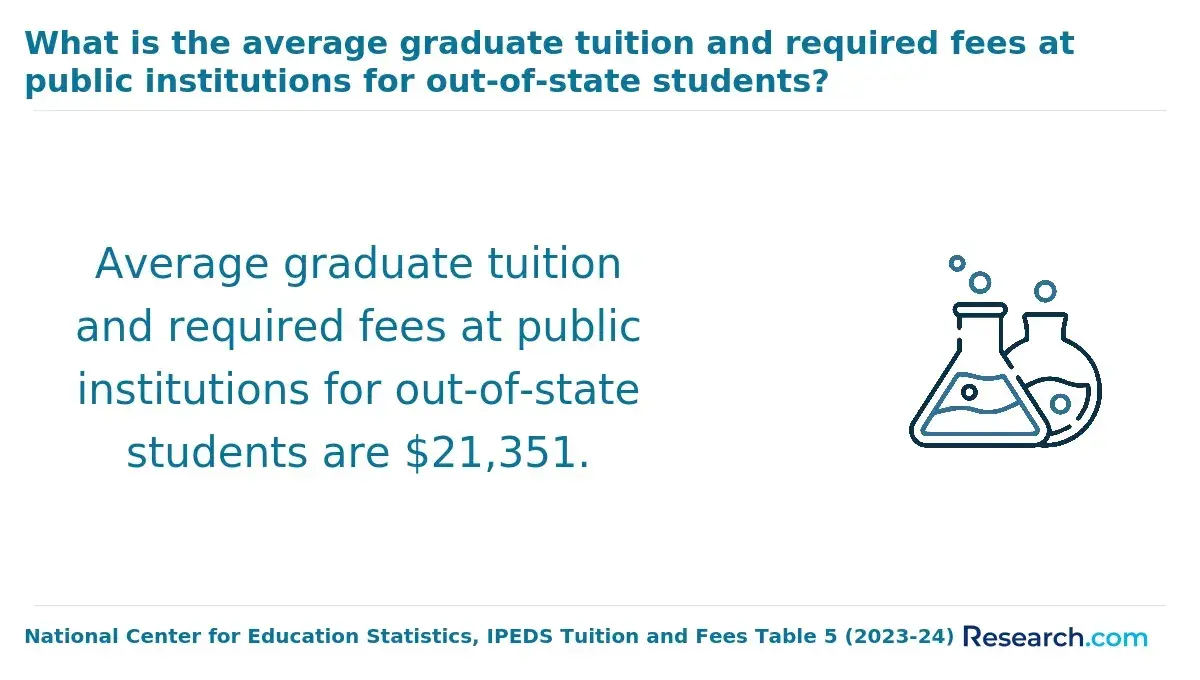
Compare the program with a credible alternative, such as remaining in your current role while building skills through work or shorter courses. Estimate the difference in after-tax earnings and career-related costs over a time horizon you choose, discount future differences, then subtract the degree's tuition, mandatory fees, materials, financing costs, and any earnings you would forgo. Account for employer assistance or grants against costs; do not count loan proceeds as income.
Because promotions and job changes have multiple causes, calculate a conservative case in which the degree produces little immediate pay change as well as a stronger case supported by your skills, target roles, and local opportunities. A shorter path may be preferable if it can produce the same portfolio evidence. Start by comparing lower-tuition online data science master's programs, but request each school's full cost estimate before treating a low advertised price as a low total cost.
Is an Online Data Science Master's Worth the Investment?
It may be worth considering if you need structured graduate-level training, feedback on rigorous projects, and a credential relevant to roles you can realistically pursue. Its value is less clear if you already build and evaluate customer models at work, or if a targeted statistics course and an independently reviewed project would address your main gap. A degree is not necessary for every customer analytics role, and admission or graduation does not guarantee a job change.
Make the choice against a specific alternative, not against doing nothing. If your intended work is primarily AI development rather than customer economics and decision-making, compare curriculum and total cost with AI master's degrees with lower tuition costs. A less expensive credential is only the better investment if it teaches the methods your target work requires.
What Courses Are Included in an Online Data Science Master's?
Appropriate graduate-level depth means testing assumptions and defending a method, not simply running a packaged model. For example, a program might mention churn in one lecture, devote a full course to customer behavior, or support a capstone that models repeat purchases and tests a retention decision. Those experiences offer different levels of preparation. Ask whether students work with longitudinal customer data, distinguish revenue from contribution margin, handle incomplete observation, and compare model performance against a simple baseline.
What Projects Build an Online Data Science Master's Portfolio?
A strong CLV project starts with a decision: which customers, if any, should receive a retention offer, and what would make that offer financially worthwhile? It then defines a prediction date and future observation window, prepares transaction or subscription histories without leaking future information, and estimates value with clearly stated costs and assumptions.
For portfolio value, show how a simple benchmark compares with a more complex model, how results change across customer groups, and whether a proposed action remains sensible when predictions are wrong. Document reproducible code, data limitations, and privacy protections. If the aim is to claim that an intervention increased value, predictive accuracy alone is insufficient; an experiment or defensible causal design is needed. Before enrolling, ask whether students can choose a customer analytics capstone topic and receive feedback from someone qualified to assess both its technical and business reasoning.
What Are the Admission Requirements for Online Data Science Master's Programs?
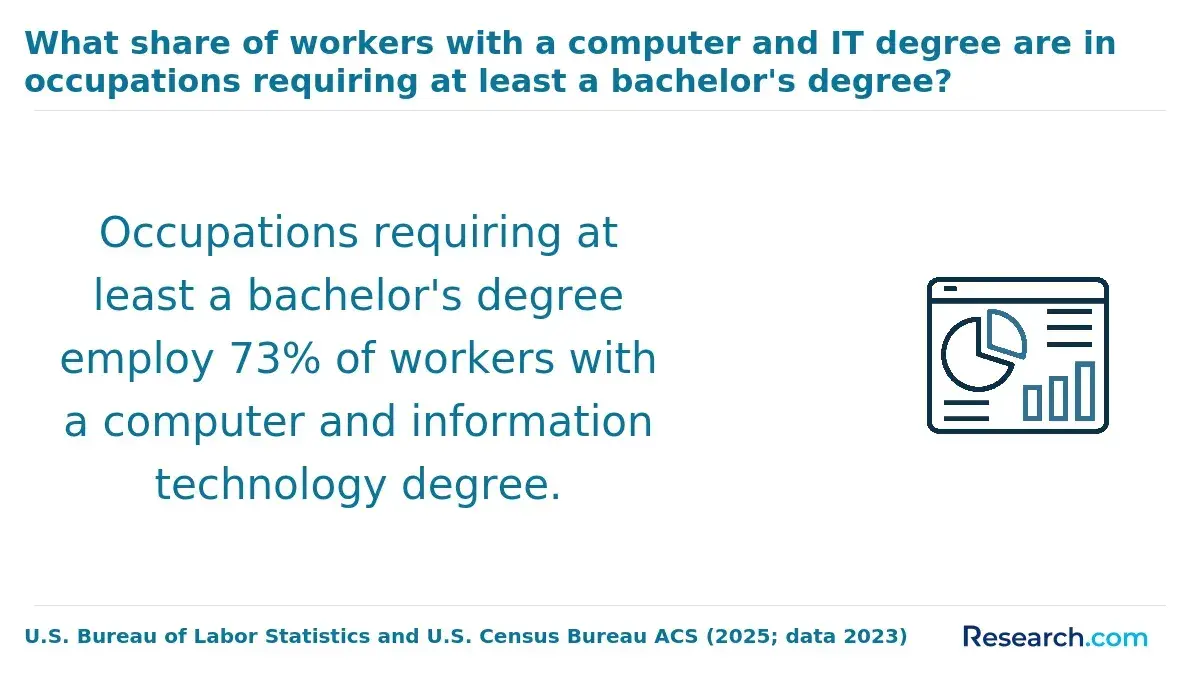
Requirements vary, so check each program's current admissions page for degree eligibility, mathematics and programming prerequisites, application materials, and any rules for conditional entry. For CLV-focused study, readiness in probability, statistics, and coding matters because later work combines behavioral data with uncertain forecasts. Professional experience with customers or marketing can supply valuable context, but it does not automatically fulfill a formal prerequisite.
If your background is outside computer science, distinguish a course that helps you prepare from one the admissions office accepts to satisfy a requirement. Ask which gaps must be resolved before enrollment and which can be addressed within the degree. Readers choosing between related fields can also assess AI master's program fit for non-CS applicants, while checking whether those programs provide the customer-economics depth they want.
How Long and How Much Do Online Data Science Master's Programs Take?
There is no reliable single price or completion time for online data science master's programs. Both depend on the institution, credit requirements, course availability, enrollment pace, and tuition policies. A working student should compare a realistic part-time schedule - not just the shortest advertised completion path - with work and family obligations.
Request a written estimate covering tuition for all required credits, mandatory fees, software or materials, and any travel or on-campus requirements. Ask whether tuition changes with residency or enrollment status and how a delayed course would affect time and cost. Include interest if you expect to borrow and forgone earnings if study will reduce your working hours. Comparing tuition-only figures with another school's all-in estimate is a common and avoidable mistake.
How Does Online Learning Compare With Campus-Based Data Science Programs?
Online study may make it easier to keep working and apply CLV methods to problems from your current job. Campus study may be more suitable if you need in-person collaboration or access to particular facilities and events. Neither format establishes instructional quality on its own; compare the same courses, faculty access, project supervision, and career support across options.
For an online program, verify whether sessions and exams are synchronous, how time zones affect attendance, and how groups collaborate on data projects. Also ask whether you can complete a meaningful capstone without access to confidential employer data. These operating details matter more than an "online" label when deciding whether you can finish the work well.
What Careers and Salaries Can an Online Data Science Master's Lead To?
CLV skills can support applications for customer or marketing data scientist, product analyst, retention analyst, and related roles; titles and degree requirements vary by employer. The U.S. Bureau of Labor Statistics reports a $120,230 median annual wage for data scientists in May 2025. That is a benchmark for an occupation, not an entry-level offer, a CLV-specific salary, or evidence that a master's caused higher pay.
Your prior experience, industry, location, and ability to demonstrate useful work will shape the opportunities available to you. When assessing a target role, compare data science graduate pay across industries through data science degree salary by industry, then check current postings for the skills and experience those employers request. Treat a program's reported graduate salary cautiously unless it discloses who responded, their prior experience, and whether the figure measures salary level or salary growth.
How Do You Choose an Accredited Online Data Science Master's Program?
First, verify the institution's accreditation through the institution and the relevant recognized accreditor or U.S. government listing. Then confirm that the school can enroll students where you live; accreditation and state authorization answer different questions. Do not assume that a program-specific accreditation exists or is required for every data science master's.
Next, compare finalists on evidence directly tied to CLV work: required quantitative courses, access to customer-data electives, the scope of projects, faculty or mentor feedback, and the total cost at your likely pace. Ask to see course descriptions and representative capstone expectations. Guidance on online data science education and career readiness can help frame that comparison, but program claims should be checked against current official materials.
Choose a program if its required work - not just optional course names - will help you build skills you lack at a cost you can justify. If no finalist offers substantive customer analytics work, a broader degree paired with a supervised CLV project may be a better fit than one marketed around a thin specialization.
Other Things You Should Know About Data Science
Not without explicit permission and a review of applicable agreements and privacy requirements. Publish a description of your methods instead, or rebuild the analysis with data you are authorized to share.
Not necessarily. Employers set their own requirements; evidence that you can model customer behavior and explain a business decision may be more relevant than a general marketing certificate.
Yes. Customer histories can often be linked with internal identifiers rather than names, although those records may still be sensitive and require appropriate access controls.
There is no universal schedule. Monitor changes in customer behavior, data quality, and prediction performance, then reassess the model when those changes could affect decisions.
References
- Going the Distance: Why Online Learning Works | Harvard Extension School https://extension.harvard.edu/blog/going-the-distance-why-online-learning-works/
- Data Analytics Engineering MS at Mason - 2-Year Online Track https://masononline.gmu.edu/programs/master-of-science-in-data-analytics-engineering/
- Master's in Data Science | utexas.edu https://cdso.utexas.edu/msds
- Admissions - UVA School of Data Science https://datascience.virginia.edu/degrees/info/online-msds-admissions
- Master of Science - Data Analytics | Academics | UNLV https://www.unlv.edu/degree/ms-data-analytics
- Data Science Master's Program - College of LSA https://lsa.umich.edu/stats/masters_students/mastersprograms/data-science-masters-program.html
- Analytics Careers with AI: Top Jobs for Graduates | USC Online https://online.usc.edu/news/what-careers-can-you-pursue-masters-degree-applied-analytics/
- Online Degree vs. Traditional: Choosing the Right Path | beal.edu https://beal.edu/online-degree-vs-traditional/
- MS in Data Science | Online | $9900 | Eastern University https://www.eastern.edu/academics/graduate-programs/ms-data-science
- Customer Lifetime Value: What It Is and Why It Matters - Wharton | Wharton Executive Education https://executiveeducation.wharton.upenn.edu/thought-leadership/wharton-online-insights/why-customer-lifetime-value-matters/


