
2027 Competency-Based Online Interior Design Master's Degrees

Co-Founder and Chief Data Scientist
Many potential students struggle to balance demanding careers or personal obligations while pursuing a master's degree in interior design. Traditional programs often require fixed schedules and time-consuming credit hours, limiting flexibility for working professionals or career changers. The rise of competency-based education (CBE) offers an alternative, focusing on mastered skills rather than time spent in class.
Notably, a recent study found that 48% of online interior design master's students preferred CBE programs for their accelerated pacing and personalized learning paths. This article explores how competency-based online interior design master's degrees operate and guides prospective students through their distinctive benefits and challenges.
Key Benefits of Competency-Based Online Interior Design Master's Degree
- Competency-based online interior design master's degrees offer flexible pacing, enabling working professionals to balance studies with careers through self-directed progress rather than fixed semesters.
- These programs accelerate skill acquisition by allowing students to demonstrate mastery and bypass redundant coursework, reducing time to completion by up to 30% compared to traditional models.
- Global networking is enhanced via diverse virtual cohorts and industry partnerships, expanding connections beyond local markets and supporting career transitions internationally.
What is a competency-based interior design master's degree, and how does it work?
Prospective students exploring competency-based online interior design master's degree programs will find this approach offers a fundamentally different learning experience than traditional credit-hour models. Competency-based education (CBE) focuses on mastery of core skills rather than time spent in class. This section highlights key features of how competency-based learning works in interior design master's programs to help students understand what to expect.
- Focus on Mastery Over Seat Time: Instead of accumulating credit hours, students progress by demonstrating their proficiency in specific interior design skills and knowledge. This evidence-based approach ensures readiness for professional application.
- Self-Paced Learning Modules: Programs are structured so that students can move through coursework at their own pace, enabling them to balance studies with personal and professional responsibilities.
- Regular Assessments and Practical Demonstrations: Learners complete projects, create portfolios, and solve real-world design problems that directly assess their competencies rather than relying solely on exams.
- Mentor and Faculty Support: Although learners largely direct their own studies, mentors and instructors provide personalized feedback and guidance to promote skill development throughout the program.
- Alignment with Adult Learners' Needs: With flexibility cited as a key benefit, over 30% of graduate students now opt for competency-based programs, making this model particularly suited for working professionals seeking an interior design master's degree online.
Students interested in flexible graduate education options might also consider exploring various one year online masters programs that can complement or expand their competencies efficiently.
What are the admission requirements for a competency-based online interior design master's program?
Prospective students pursuing a competency-based online interior design master's degree should carefully consider the typical admission requirements to align their credentials with program expectations. These standards help institutions assess readiness beyond traditional credit-hour evaluations. Below are common criteria applicants need to prepare for:
- Bachelor's Degree and Transcripts: Applicants must hold a completed bachelor's degree from an accredited institution. Official transcripts are required to verify academic performance and foundational knowledge relevant to interior design master's programs, including GPA and portfolio requirements.
- Professional Experience: While prior experience in interior design or a related field is not always mandatory, it is often preferred. Demonstrating practical competencies through work, internships, or portfolios can notably strengthen an application, showcasing alignment with program competencies.
- Letters of Recommendation: Most programs request at least two letters of recommendation, ideally from academic mentors or professional supervisors who can attest to the applicant's skills, diligence, and suitability for advanced study.
- Standardized Test Requirements: Competency-based online interior design master's programs frequently waive GRE or GMAT requirements, contrasting with traditional graduate admissions. This reflects a holistic review process prioritizing competencies and relevant experience instead of test scores.
- Holistic Evaluation: Admissions committees assess the entire application, including transcripts, experience, recommendations, and personal statements. Emphasizing relevant interior design work and projects can improve an applicant's chances by clearly demonstrating readiness for graduate study.
Applicants can further enhance their prospects by highlighting skills and practical expertise aligned with program competencies. For those exploring educational options, it's helpful to research certificate programs online that complement a graduate degree. Understanding these typical requirements ensures applicants to competency-based online interior design master's programs present a strong, relevant profile.

What is the minimum GPA requirement for an interior design competency-based master's program?
Prospective students considering competency-based online interior design master's programs often wonder about GPA requirements and how they influence admissions. While a solid academic record is important, many programs offer some flexibility depending on other qualifications. The following points highlight typical expectations and alternatives regarding GPA standards.
- Common GPA Threshold: Accredited interior design CBE master's programs typically expect a minimum undergraduate GPA of about 3.0 on a 4.0 scale to demonstrate academic readiness.
- Allowance for Experience: Candidates with lower GPAs may still be considered if they present significant professional experience or accomplishments that showcase their skills in interior design.
- Alternative Admissions Criteria: Because CBE emphasizes demonstrated competencies, many programs accept portfolios, competency assessments, or completed projects to better gauge an applicant's abilities beyond GPA.
- Variable Institutional Policies: Each school sets its own admissions standards, so it is important to carefully review the specific GPA and evaluation requirements listed on program websites.
- Consultation Recommended: Directly contacting admissions advisors can provide personalized insight into how GPA factors into acceptance decisions and how to strengthen an application through other credentials.
One professional who enrolled in a competency-based online interior design master's program shared that the GPA criteria initially worried him. He noted, "My undergraduate GPA was below the usual standard, but they really valued my work experience and portfolio." Navigating the application process involved detailed conversations with advisors to understand how his background weighed in admissions.
He found reassurance when the program emphasized demonstrated skills over grades alone, saying, "It felt like they were looking for more than just numbers-they wanted to see if I truly had the practical knowledge." This approach helped him transition confidently into a new career path.
For those considering a competency-based online interior design master's degree, understanding the time investment needed is essential, especially when balancing career and personal life. The duration of online competency-based interior design master's programs varies widely, reflecting individual pace and mastery. Below are key factors influencing how long to complete competency-based interior design master's degree programs:
- Flexible, Self-Paced Progression: Students advance by proving mastery of required skills rather than following a fixed schedule. Highly driven learners with dedicated study time might finish in as little as 12 months, while others may take up to 3 years to accommodate work and family commitments.
- Subscription Tuition Incentives: Many programs charge tuition by term rather than per credit, motivating students to complete requirements faster, reducing total cost.
- Prior Learning Assessments and Transfer Credits: Applicants with prior interior design education or professional experience can use PLA or transfer credits to bypass relevant competencies, shortening the overall program duration.
- Setting Realistic Expectations: Candidates should carefully assess their work schedules, personal obligations, and existing familiarity with interior design topics to create achievable timelines that foster steady progress without burnout.
The flexibility of CBE programs offers an opportunity to tailor your learning journey, making it important to plan realistically. For those interested in exploring the best degrees in the world, this model offers a blend of efficiency and personalization unmatched by traditional formats.
Prospective students exploring competency-based online interior design master's programs should be aware that tuition models vary notably and can impact overall affordability. Two prevalent tuition structures highlight different approaches to charging students. Below are key considerations to help you evaluate cost implications before enrolling.
- Subscription-Based Tuition: This model charges a fixed fee each term, allowing students unlimited access to complete competencies within that period. It benefits self-motivated learners who want to accelerate their studies by pacing themselves efficiently, often lowering total tuition compared to traditional per-credit payment.
- Per-Competency or Per-Credit Pricing: Students pay specifically for each competency or credit completed, resembling conventional tuition but with flexible timing. Costs are generally less because these programs require fewer total credits due to mastery learning and streamlined coursework.
- Reduced Costs Versus Traditional Programs: Competency-based degrees usually cost less overall because of faster completion times and minimized institutional expenses tied to prolonged enrollment and on-campus delivery.
- Financial Aid Availability: Many students qualify for federal loans, and employer tuition reimbursement programs may apply. Additionally, scholarships focused on graduate interior design students can further ease financial burdens.
- Comprehensive Cost Assessment: When budgeting, consider additional fees like technology, essential software, textbooks, and the opportunity cost of study time away from paid work. These contribute to the real total expense of earning the degree.
A professional who changed careers after completing a competency-based online interior design master's shared that managing tuition with subscription payments initially felt empowering because she controlled her pace. However, she cautioned that without careful planning, the flat fee each term could add up if progress slowed.
She emphasized the importance of factoring in software subscriptions and specialty tools required for design projects, which stretched her budget beyond tuition alone. Reflecting on her journey, she noted, "The ability to accelerate through the material made a real difference, but I had to balance the costs with the time and resources needed to master each skill." This insight offers valuable perspective for new students navigating cost expectations alongside their educational goals.
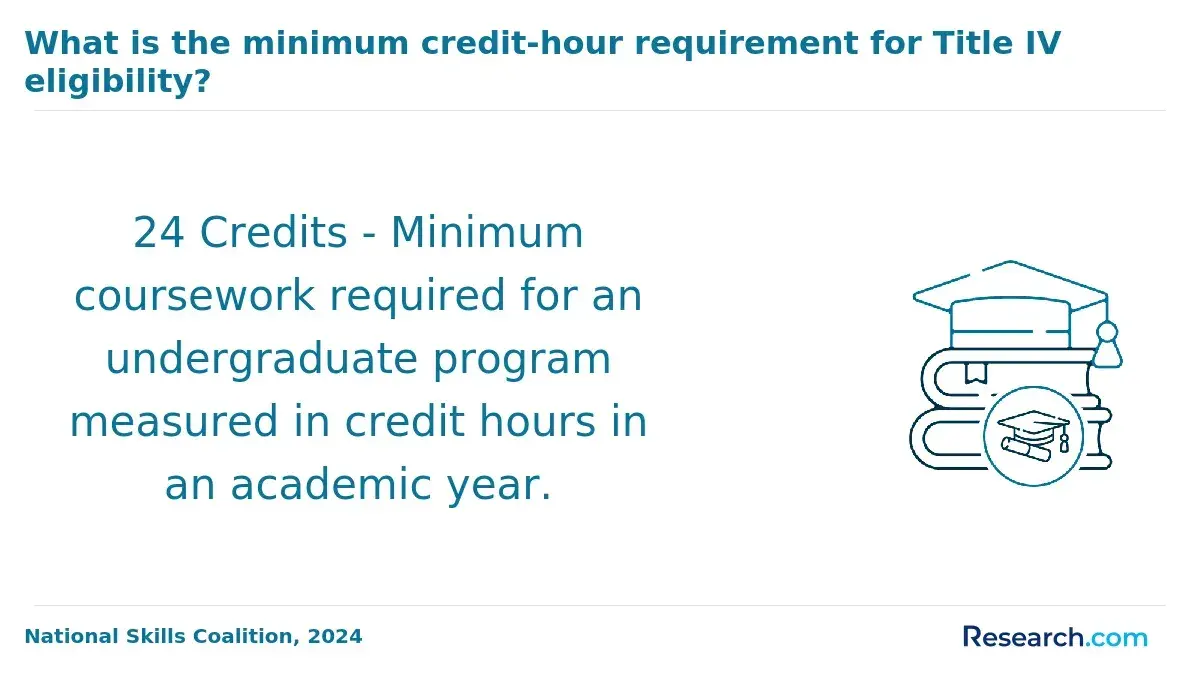
For prospective students pursuing a competency-based online interior design master's degree, confirming accreditation status is essential to ensure their credential is recognized by employers and qualifies for federal aid. Below are important accreditation considerations to keep in mind.
- Regional Accreditation Is Essential: Regional agencies such as the Higher Learning Commission (HLC), Southern Association of Colleges and Schools Commission on Colleges (SACSCOC), and WASC Senior College and University Commission (WSCUC) provide institutional accreditation. These bodies assess the overall quality of education offered, including factors relevant to competency-based education like curriculum rigor and faculty expertise.
- Programmatic Accreditation Applies to Interior Design: Discipline-specific accreditors like the Council for Interior Design Accreditation (CIDA) focus on program-level standards, evaluating core competencies and learning outcomes particular to interior design. Programs with CIDA accreditation demonstrate industry-recognized quality and relevance.
- Verify Accreditation Through Official Sources: Prospective students can confirm a program's accreditation by consulting the U.S. Department of Education's Database of Accredited Postsecondary Institutions and Programs (DAPIP). This ensures the information is accurate and up to date, helping avoid programs that lack legitimate recognition.
- Accreditation Impacts Financial Aid and Career Mobility: Accredited status affects eligibility for federal financial aid and often influences employer and licensing board acceptance, making it a vital factor in program selection.
- Beware of Unrecognized Accrediting Bodies: Some institutions may claim accreditation from organizations without proper authority. These predatory accreditors often mislead students into investing time and money in programs that do not meet accepted educational standards.
Students considering a competency-based online interior design master's degree benefit from understanding how these programs emphasize specific, measurable learning outcomes tied closely to industry standards and professional expectations. Below are the key competency domains typically addressed within these programs.
- Analytical Reasoning and Problem Solving: Students cultivate skills to critically evaluate complex design challenges by applying research methods and data analysis. This enables the creation of innovative, practical solutions that align with client demands and regulatory frameworks.
- Leadership and Collaboration: Effective communication, project management, and teamwork are stressed to prepare students for leading multidisciplinary design teams and coordinating effectively with clients and contractors across diverse environments.
- Domain-Specific Technical Skills: Advanced competencies in digital modeling, materials science, sustainable design, spatial planning, and building code application equip students to produce functional and creatively viable interior environments.
- Ethical Practice and Professional Responsibility: Instruction covers navigating ethical dilemmas, legal requirements, and sustainability concerns to foster socially responsible design choices with cultural sensitivity.
- Competency-Based Curriculum Structure: Program learning is organized into defined competency units assessed by applied projects, simulations, and portfolio work, reflecting authentic interior design scenarios rather than relying solely on traditional exams or credits.
Prospective students should carefully review each program's competency framework to confirm it aligns with their career objectives and ensures acquisition of the skills necessary for success in today's interior design field.
Technology plays a crucial role in delivering flexible and effective online competency-based interior design master's programs. These platforms support personalized learning paths and foster student engagement. Highlighted below are key elements found in technology infrastructure for distance interior design education:
- Learning Management Systems (LMS): Programs commonly use LMS platforms such as Canvas, Blackboard, or tailored proprietary systems. These platforms centralize coursework, competencies, assessments, and feedback, helping students stay organized and monitor their mastery of skills.
- Asynchronous Learning: Central to competency-based education is asynchronous access, enabling students to study interior design content according to their own schedules. This flexibility allows working professionals and international students to balance commitments while progressing efficiently.
- Synchronous Components: While mostly self-paced, some programs include live virtual labs, interactive discussion sessions, or real-time presentations. These synchronous elements encourage collaboration and immediate feedback, enriching the remote learning experience.
- Accessibility and Mobile Compatibility: Quality programs adhere to accessibility standards like WCAG, offering screen reader support and captioning. Mobile-friendly interfaces let students learn through tablets or smartphones, supporting productivity beyond traditional computers.
- Technical Support Services: Reliable assistance through help desks, tutorials, and troubleshooting resources ensures students can navigate the technology and specialized design software effectively.
Prospective students should consider requesting platform demonstrations or free trial periods to verify that the technology suits their preferred learning modalities and device capabilities. Exploring how technology integrates with program delivery is essential for anyone interested in online interior design competency-based learning platforms. For example, those exploring related fields might also find value in a library science masters program offered online.
For prospective students considering competency-based online interior design master's degrees, assessment methods differ significantly from traditional exams. Mastery in these programs is demonstrated through practical performance tasks and projects. The following points highlight how assessment works in competency-based interior design graduate programs.
- Performance-Based Assessment: Students complete tasks such as design projects, simulations, portfolios, and capstone assignments instead of timed exams. These practical activities showcase real-world skills essential for interior design practice.
- Faculty Evaluation Using Rubrics: Experienced faculty or competency assessors review student work with standardized rubrics aligned to professional interior design standards, ensuring objective and consistent evaluation of competency.
- Resubmission Opportunities: Students who do not meet mastery criteria are encouraged to revise and resubmit their work. This non-punitive process fosters growth and learning without penalizing initial setbacks.
- Evidence of Skill Mastery: The focus is on collecting tangible evidence demonstrating competency rather than relying solely on letter grades or point totals, making the demonstration of skills more meaningful.
- Employer Relevance: This evidence-based approach better reflects student capabilities, offering employers clear insights into an applicant's readiness for professional interior design roles.
These competency-based assessment methods for online interior design master's degrees offer a flexible and practical alternative to traditional credit-hour exams, aligning education outcomes with professional demands. For students balancing pace and mastery, a 2 year construction management degree online illustrates the kind of accelerated, skill-focused training available in many disciplines.
Prior learning assessment (PLA) is a valuable option for students pursuing competency-based online interior design master's degrees, as it recognizes experience and knowledge gained outside the classroom. By demonstrating mastery of essential skills, students can receive credit toward their degree, accelerating progress and cutting costs. The following points highlight common PLA approaches in interior design CBE programs:
- Portfolio Evaluation: Applicants often submit a comprehensive portfolio displaying professional projects and design work. This allows programs to assess practical expertise and award credit for demonstrated competencies.
- Standardized Exams: Some programs accept exams such as CLEP and DSST to validate prior knowledge in foundational subjects, enabling students to bypass certain course requirements efficiently.
- Institutional Challenge Exams: Many schools provide customized challenge tests for their CBE curriculum that let students prove mastery and test out of specific interior design courses.
- Transfer Credit Limits: Programs typically cap the amount of credit earned through PLA or transfer to ensure students engage thoroughly with the institution's curriculum. Awareness of these limits is important for planning degree completion.
- Time and Cost Reduction: Earning credit through PLA can significantly shorten a program's length and lessen tuition expenses-advantages especially beneficial for working professionals balancing education with career demands.
Prospective students should carefully collect documentation related to their interior design experience, certifications, and previous coursework before applying. Contacting admissions offices about PLA policies can help maximize credit recognition and streamline pathway planning within these competency-based programs.
For those pursuing a competency-based online interior design master's degree, understanding how this credential translates into career growth is crucial. Employers are focusing more on proven abilities rather than traditional academic records. Below are several important ways CBE graduates can benefit professionally:
- Employer Preference for Skills: Hiring managers increasingly prioritize candidates who can demonstrate concrete skills in areas such as design software, client relations, and project management, signaling immediate readiness for work.
- Relevant Roles and Industries: Graduates often qualify for positions like Interior Designer, Space Planner, Project Coordinator, and Sustainability Consultant across sectors including residential, commercial, hospitality, and corporate environments.
- Salary Expectations and Growth: Starting salaries for interior design master's holders generally range from $55,000 to $75,000 annually, with opportunities to exceed $90,000 as professionals advance.
- Leveraging Competency Portfolios: Detailed portfolios showcasing specific skills and project accomplishments provide a competitive edge during job searches and interviews, emphasizing real-world experience over academic credentials alone.
- Networking and Professional Connections: Engagement with industry organizations like the American Society of Interior Designers and alumni networks linked to competency-based programs plays a vital role in mentorship, job leads, and staying informed about market trends.
What Graduates Say About Their Competency-Based Online Interior Design Master's Degrees
- Elisa: "Choosing a competency-based online interior design master's program was a game-changer for me because it allowed me to accelerate my studies based on my prior knowledge and skills. The flexible pacing and affordability made it possible to balance my career and education without financial strain. This approach has truly expanded my professional opportunities and confidence in the industry."
- Chiara: "The cost-effectiveness of the competency-based online interior design master's degree was a major factor in my decision to enroll, especially compared to traditional programs. I appreciated the practical, skills-driven curriculum that focused on what matters most in real-world applications. Reflecting on my journey, the degree not only enhanced my portfolio but also deepened my understanding of design principles, which I apply daily as a professional."
- Dana: "I pursued a competency-based online interior design master's program because it offered the flexibility to learn at my own pace while continuing full-time work. This model suited my professional lifestyle perfectly, allowing me to tailor my education around my career demands. The result has been a significant boost in my career trajectory and the ability to take on more complex projects confidently."
Other Things You Should Know About Interior Design Degrees
Yes, but many programs cap transfer credit at 6 to 9 semester hours and require a minimum grade of B in graduate coursework. Competency-based curricula often limit transfers because students must complete program-specific assessments and demonstrations of mastery. A registrar or graduate school usually makes the final evaluation.
Competency-based programs emphasize mastery of specific skills and knowledge areas over accumulating credit hours in a set timeline. This allows motivated students to progress faster by demonstrating competencies through assessments. In contrast, traditional online master's degrees follow a semester schedule with fixed course sequences. CBE programs tend to offer greater flexibility, while traditional programs may provide more structured interaction and cohort experiences.
Advantages of CBE programs include flexible pacing, personalized learning paths, and a clear focus on practical skills relevant to interior design careers. They may also reduce overall time and cost compared to traditional programs. On the downside, CBE requires strong self-motivation and discipline, and some students may miss the cohort networking experience common in traditional formats. Additionally, fewer schools currently offer CBE interior design master's degrees, which can limit options.
- Masters in Interior Design: Is It Worth for Your Career in 2025? - United Institute of Design https://uid.edu.in/blogs/masters-in-interior-design-is-it-worth-for-your-career-in-2025/
- Improve Your Market Value by Taking an Interior Design Course https://insdvasai.com/blogs/improve-your-market-value-by-taking-an-interior-design-course.php
- 8 Tech-Based Solutions for Designing and Delivering CBE https://www.instructure.com/resources/blog/8-tech-based-solutions-designing-and-delivering-cbe
- What are the Core Skills You Will Develop through an Interior Design Course - paperloftdesigninstitute.com https://paperloftdesigninstitute.com/what-are-the-core-skills-you-will-develop-through-an-interior-design-course/
- 10 Key Components of a Competency-Based Education Program https://www.openlms.net/blog/education/10-key-components-competency-based-education-program/
- Master of Design (MDes) Theory & Practice Degree Program | Graduate Admissions - Apply Here - Concordia University https://www.concordia.ca/academics/graduate/design.html
- Technology in interior design: tools and trends that shape the future - ALMA de LUCE https://www.almadeluce.com/blog/technology-in-interior-design-tools-and-trends-that-shape-the-future/
- Accreditations and Recognition — IDI USA https://www.theinteriordesigninstitute.com/us/en/accreditations
- FAQs - Competency Based Education - University of West Alabama https://online.uwa.edu/faqs-cbe/
- Interior Design Career Opportunities: Turn Creativity into Success https://nifglobal.college/blog/interior-design-career-opportunities-where-creativity-meets-career-growth/


