2027 Online Interior Design Degree Master's Programs That Accept Transfer Credits

Co-Founder and Chief Data Scientist
Many students pursuing an online interior design master's degree face challenges transferring credits from prior studies, risking delays and added costs. About 65% of online master's programs in interior design accept transfer credits, but policies vary widely, causing confusion. Graduates who successfully transfer eligible credits tend to finish faster, entering a competitive job market where design roles are projected to grow 4% annually.
This article explores how to identify online interior design master's programs that accept transfer credits, detailing admission criteria, credit evaluation, and financial benefits. It aims to guide prospective students in selecting programs that align with their academic background and career goals.
Key Benefits of Online Interior Design Degree Master's Programs that Accept Transfer Credits
- Transfer credits in online interior design master's programs can significantly reduce time-to-degree, often allowing completion up to 30% faster than traditional routes.
- Students save on tuition costs by applying previous coursework, minimizing redundant classes and lowering overall financial burden.
- Flexible scheduling suits working professionals and career changers, enabling continued employment while pursuing advanced academic credentials remotely.
Why Should You Pursue an Online Interior Design Master's Degree With Transfer Credits?
For prospective students and career changers considering online interior design master's programs that accept transfer credits, understanding how transfer credits can impact degree progression is essential. Transfer credits for online interior design graduate degrees offer significant advantages that streamline completion and reduce costs. Key factors to consider include the following:
- Time Savings: Transfer credits reduce the total credit hours required, allowing students to finish their degree faster while maintaining academic momentum.
- Cost Reduction: Fewer required credits mean spending less on tuition and fees, making education more affordable for many learners.
- Flexibility: These programs cater to working professionals, career changers, and re-entry students by often providing adaptable enrollment and course scheduling options.
- Clear Credit Policies: Transfer-friendly programs typically have transparent evaluation procedures so students can understand how previous coursework applies toward their degree.
- Comparable Outcomes: Despite accelerated pacing, these online programs deliver academic results similar to traditional options with enhanced convenience and cost-effectiveness.
Students weighing their options should also explore financial aid possibilities and accreditation standards. For those seeking the most budget-conscious options, examining cheapest MBA online programs can provide useful context on cost efficiency in graduate education.
What Is the Minimum GPA Requirement for a Interior Design Master's Program?
The minimum GPA requirement for online interior design master's programs typically ranges from 3.0 to 3.5 on a 4.0 scale. While this serves as a general admission benchmark, transfer credit GPA policies for interior design graduate degrees often require a higher standard for accepted coursework.
Many institutions evaluate transfer credits not only by GPA but also by the content relevance and how recently the courses were completed. Some programs offer conditional acceptance to applicants whose GPAs fall just below the minimum, particularly if they demonstrate strong professional experience or an impressive portfolio.
According to recent data, around 65% of online interior design master's programs consider GPA alongside holistic factors during transfer credit evaluations, highlighting the importance of a well-rounded application.
- General Admission GPA: Most programs require a minimum cumulative GPA of 3.0 to ensure candidates have sustained solid academic performance in their undergraduate studies.
- Transfer Credit GPA Requirements: Transfer credits usually must come from courses where a B grade or higher (approximately a 3.0 GPA) was earned to be eligible for acceptance toward graduate degree credits.
- Conditional Acceptance: Applicants with GPAs slightly below 3.0 may still receive conditional admission if they provide additional documentation such as a compelling portfolio, professional experience, or strong letters of recommendation.
- Strengthening Applications: Candidates near the GPA cutoff can enhance their admission chances by submitting persuasive statements of purpose, recommendation letters, or proof of recent academic improvement.
- Institutional Variability: Each school's policies vary, so prospective students should carefully review program-specific guidelines regarding GPA and transfer credits to identify the best fit for their goals.
For students uncertain about GPA thresholds or looking to boost their academic credentials, exploring shorter programs like associates degrees online can be a strategic step to strengthen foundational skills before pursuing a master's degree.
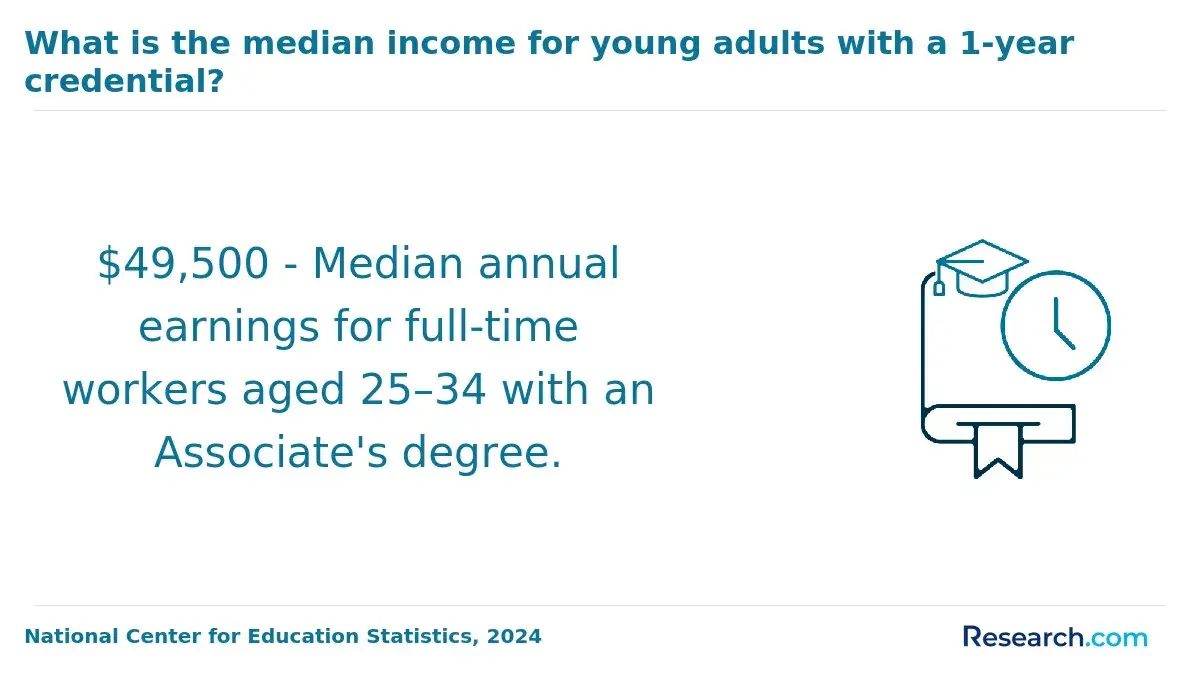
How Many Transfer Credits Can You Apply to an Online Interior Design Master's Program?
Transfer credit policies are a key consideration for students enrolling in online interior design master's programs, as they can significantly impact the duration and expense of completing the degree. Nearly 70% of graduate students utilize transfer credits, highlighting their popularity as a way to accelerate studies.
- Credit Limits: Many programs cap the number of transfer credits accepted, typically between 6 and 12 semester hours. These limits ensure that students complete the majority of their coursework within the institution, preserving academic standards and program integrity.
- Accreditation Differences: Credits earned from regionally accredited colleges or universities tend to have higher acceptance rates compared to those from nationally accredited schools. Regional accreditation signals adherence to rigorous academic criteria, often making those credits more transferable.
- Transfer Review Process: Prospective students should seek a formal evaluation of their previous coursework before enrolling. This assessment determines how well past courses match program requirements and learning objectives, preventing surprises later on.
A professional who recently enrolled in an online interior design master's program that accepts transfer credits shared that the evaluation stage was both exciting and nerve-wracking. He recalled, "Submitting my transcripts felt straightforward, but waiting for the credit assessment was unsettling because I wasn't sure how many credits would be approved."
Once the evaluation confirmed 9 transfer credits, he described feeling relief and motivation, as it reduced the time needed to graduate. However, he also emphasized the importance of being proactive and communicating closely with academic advisors throughout the process to navigate any unexpected obstacles effectively.
Transfer credits for online interior design master's programs are primarily influenced by various accreditation bodies, with regional accreditation generally offering the most favorable credit acceptance. Regional accreditors uphold stringent academic criteria widely recognized across the U.S., improving the chances that transfer credits will be accepted between institutions. On the other hand, national accreditation often applies different standards, sometimes making it more difficult to transfer credits into regionally accredited programs.
Specialized accreditors in the interior design field frequently enforce specific curriculum alignment, which can restrict the transferability of credits that do not directly meet industry-related standards. Prospective students should confirm the accreditation status of both their previous school and the target graduate program using resources like the U.S. Department of Education and the Council for Higher Education Accreditation (CHEA).
This step is crucial as research shows that nearly 70% of transfer credit issues arise from differences in accreditation standards. Verifying these details ensures smoother credit evaluation and better alignment with goals while pursuing an online interior design master's program accreditation standards.
- Regional Accreditation: Institutions accredited by bodies such as the Middle States Commission on Higher Education (MSCHE) and the Western Association of Schools and Colleges (WASC) often accept transfer credits more readily due to recognized rigorous standards.
- National Accreditation: Focused on vocational and specialized schools, national accreditors' standards may not always be accepted by regionally accredited programs, limiting transfer credit options.
- CIDA (Council for Interior Design Accreditation): This specialized accreditor mandates that transfer credits align closely with their curriculum requirements to ensure program quality and relevancy.
- NECHE (New England Commission of Higher Education): Governs transfer policies for many institutions in New England, emphasizing equivalency based on their regional standards.
- ABET Accreditation: Though less common, ABET accreditation influences interdisciplinary interior design programs with a technical focus, impacting the acceptance of STEM-related coursework.
To reduce the overall cost and time of earning a master's degree in interior design, students should explore transfer credit opportunities carefully. Programs listed as CACREP accredited demonstrate a commitment to recognized standards, which can guide applicants toward institutions with transparent transfer policies aligned with their academic history.
For students considering an online interior design master's program, knowing which previous courses may count toward transfer credit can significantly streamline their degree path. Recent data from the National Center for Education Statistics shows that almost 60% of graduate students transfer credits to shorten their studies, highlighting the importance of understanding transfer policies.
- Core Curriculum Courses: These include foundational topics such as spatial planning, color theory, and design history. Eligible transfer courses usually need to align closely with the program's central academic requirements to ensure relevance.
- Specialization Classes: Advanced subjects like sustainable design, lighting techniques, or digital modeling often qualify if they correspond with the program's area of focus and are completed at the graduate level.
- Graduate-Level Coursework: Transfer credits generally must come from accredited institutions and represent graduate-level work, guaranteeing academic standards and applicable content.
- Recency of Credits: Many institutions require courses to have been completed within the last five to seven years to maintain the currency and relevance of the knowledge being transferred.
- Supporting Documentation: Providing detailed syllabi, course descriptions, and transcripts is critical for verifying course equivalency and convincing admissions committees to accept transfer requests.
One professional who transitioned careers following her online interior design master's reflected on her transfer credit journey. She recalled the initial uncertainty about which of her previous courses would qualify but found that gathering thorough documentation helped ease the process. "Submitting detailed syllabi was essential; it showed the admissions team that my prior coursework met their standards," she explained.
While the evaluation took time, the ability to transfer credits ultimately shortened her program and reduced tuition costs. She encourages prospective students to be proactive in collecting all relevant academic materials early, as this preparation made her experience more manageable and rewarding.
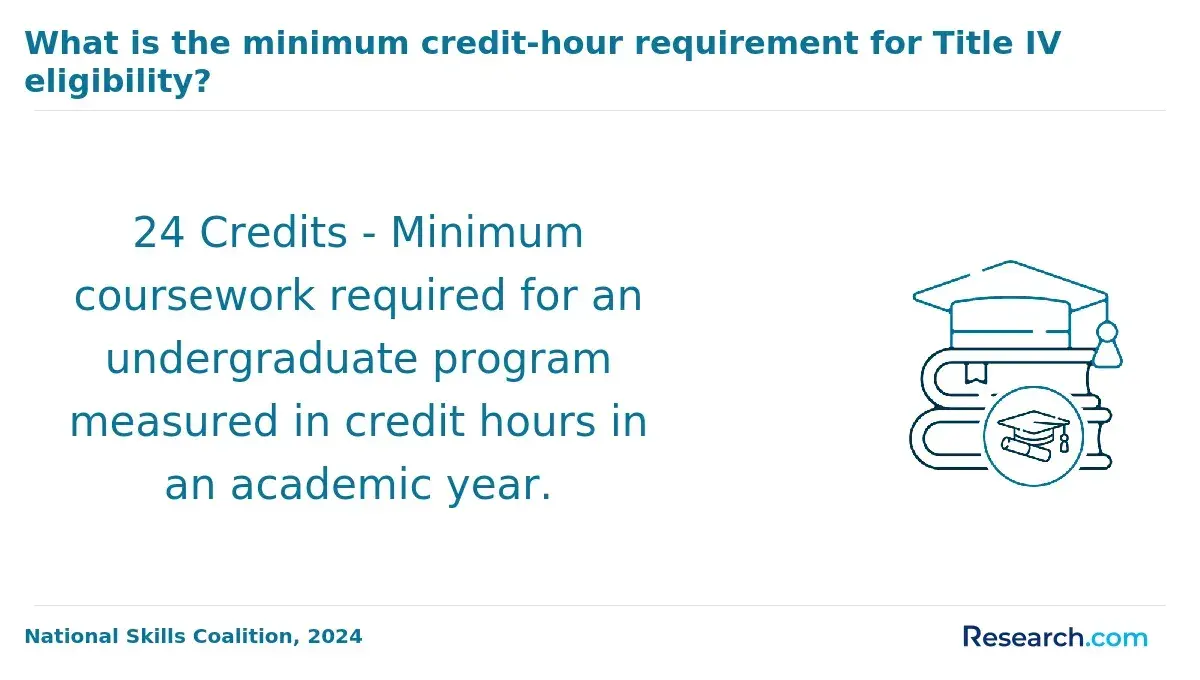
Online master's programs in interior design have seen enrollment rise by around 15% in recent years, making transfer credit evaluation an essential step for many applicants aiming to shorten their degree path. Knowing how to properly initiate this process can help avoid admission delays and decrease overall expenses. Below are key considerations to keep in mind when applying for transfer credit evaluation:
- Submission Timing: Request your transfer credit evaluation early, ideally during your initial application or immediately after acceptance. This helps prevent hold-ups in registering for courses or starting the program.
- Essential Documents: Prepare and submit official transcripts, detailed course syllabi, and comprehensive course descriptions. These documents must clearly explain the course content and skills to facilitate accurate credit assessment.
- Ongoing Communication: Maintain regular contact with the registrar's office or graduate admissions team to track your evaluation status and quickly respond to any requests for more information.
- Documentation Backup: Keep copies of all submitted materials and correspondence related to the transfer process. This record is vital for clarifications or appeals if any credits are not initially granted.
Prospective students aiming to earn an online interior design master's degree often seek clarity on how transfer credits impact their program duration. Research indicates transfer credits can reduce graduation time by up to 30%, though actual timelines depend on factors like credit acceptance and enrollment status.
- Transfer Credit Impact: Approved transfer credits shorten degree completion by lowering the number of required courses. The more credits accepted, the fewer foundational classes students must take, enabling focus on advanced interior design topics.
- Enrollment Pace: Full-time learners typically finish within 1 to 2 years, whereas part-time students may take 3 or more years. Transfer credits accelerate progress for both groups by reducing total semesters needed.
- Credit Caps and Limits: Most programs restrict transferable credits to about 30-50% of total credits, limiting how much time transfer credits can shave off the degree timeline.
- Course Sequence Requirements: Sequential prerequisite courses often require students to follow a set order, which can slow completion even when transfer credits are applied, especially for part-time students balancing other commitments.
- Residency Requirements: Institutions typically mandate that a minimum number of credits be earned directly through the school, restricting how much transfer credits reduce on-campus or online coursework time.
- Personalized Timeline Calculation: Students should evaluate their existing credits against program policies and their enrollment speed to estimate realistic completion dates tailored to their academic background.
Prospective students exploring top online interior design master's programs that accept transfer credits benefit from understanding what sets reputable, transfer-friendly programs apart. These programs often streamline admission through clear policies and support systems, helping students from diverse academic backgrounds advance efficiently.
- Generous Credit Limits: Many transfer-friendly programs offer the option to apply a substantial portion of previous coursework toward degree requirements, sometimes covering up to half or more of total credits. This feature is especially valuable for recent graduates and career changers, as it minimizes both time and tuition costs.
- Clear Evaluation Processes: Leading programs provide transparent, prompt credit evaluation procedures to clarify which credits qualify before enrollment. This clarity reduces uncertainty and supports effective academic planning, making it easier for students to understand how their prior learning fits into the new curriculum.
- Strong Student Support: Dedicated transfer advisors are a hallmark of high-quality online interior design graduate programs that accept transfer credits. These advisors offer personalized guidance throughout admission, credit transfer assessment, and course selection, creating a seamless experience for students navigating complex policies.
- Accredited and Reputable Options: Accreditation by regional or specialized bodies guarantees educational standards and smooth acceptance of transferred credits. Prospective students should consult accreditation databases, university rankings, and alumni reviews to identify programs with verified quality and support, ensuring a sound academic investment.
- Comprehensive Financial Aid: Some transfer-friendly master's programs also provide tailored financial aid to help offset costs uniquely associated with transfer credit evaluation and course fees. Considering these options can make advanced interior design study more accessible.
When researching the best transfer-friendly online interior design graduate programs, candidates should confirm transfer policies directly with institutions to stay updated on procedural changes. Additionally, those uncertain about the most suitable educational path might explore what is the easiest associate's degree to get for foundational options.
Prospective students pursuing an online interior design master's program should carefully consider how transfer credits affect overall expenses. With master's degree holders in interior design earning a median annual salary exceeding $70,000, understanding tuition and fees can help optimize investment in advanced education, especially when looking for reduced tuition for online interior design master's transfer credits.
- Per-Credit Costs: Most online interior design master's programs charge tuition by credit hour. Approved transfer credits reduce the number of credits a student must pay for, lowering tuition, but per-credit rates vary widely between schools, influencing cost savings.
- Residency Requirements: Programs often mandate a minimum number of credits earned at the host institution. Such residency rules limit how many transfer credits apply, potentially restricting the reduction in program length and cost.
- Mandatory Fees: Fees like technology, registration, and student services frequently apply per term or per credit and may not decrease proportionally with transferred credits, affecting the net cost of enrollment.
- Financial Aid Implications: Transferring credits to shorten the program impacts financial aid eligibility. Aid awards often depend on enrollment status and credit load, so fewer credits remaining may reduce available financial assistance.
- Net Cost Estimation: It is essential to request personalized net cost estimates from each program's financial aid office. Understanding the true financial commitment after accounting for transfer credits, fees, and aid ensures well-informed decisions aligned with academic goals.
For applicants comparing options, consulting resources like the best online data science masters programs may offer insights into pricing structures and transfer policies, benefiting decisions about pursuing an online interior design master's program cost with transfer credits.
Financial support is a vital consideration for students pursuing an online interior design master's degree, particularly for those transferring credits who may experience changes in enrollment status.
Data from the National Center for Education Statistics reveal that approximately 85% of graduate students utilize financial aid in some form, emphasizing the need to understand diverse funding options.
- Federal Aid Eligibility: Federal financial aid often depends on students maintaining full-time enrollment, but transferring credits can reduce course load, potentially shifting status to part-time. This shift may limit access to certain aid types such as Pell Grants or subsidized loans.
- Institutional Financial Support: Many universities offer customized aid packages that factor in transfer credits, which can decrease tuition obligations by recognizing prior academic work. Prospective students should carefully review each institution's policies on transfer limits and aid qualifications.
- Graduate Scholarships: Numerous scholarships target graduate interior design students, often rewarding qualities like creativity and leadership. Career changers should actively seek program-specific or industry grants tailored to their background and goals.
- Employer Tuition Assistance: Some employers provide tuition reimbursement to support continuing education. Students currently employed should verify if their organization offers these benefits to help defray program costs.
- FAFSA Completion and Assistantships: Filing the FAFSA is essential to accessing federal aid options. Additionally, graduate assistantships and teaching roles are common in these programs, offering stipends or tuition reductions while providing practical experience.
Applicants to online interior design master's programs should be prepared for admission criteria that extend beyond GPA alone. Nearly 60% of graduate arts and design programs require additional materials to ensure candidates possess the academic and professional readiness necessary for success.
- Letters of Recommendation: Most programs request two or three letters from academic or professional contacts. These letters help assess an applicant's skills, work ethic, and potential beyond what grades show.
- Personal Statement: Craft a statement that clearly explains your motivation to pursue interior design and relates any prior graduate experience to your new educational objectives, strengthening your application.
- Standardized Test Scores: Some universities may ask for GRE or similar test results, though policies vary. Career changers should confirm whether these requirements can be waived based on experience or former degrees.
- Transfer Credits Documentation: Holding transfer credits doesn't mean an automatic pass through admissions. Schools typically require official transcripts, detailed course syllabi, and related documents to verify credit applicability.
- Flexible Enrollment Options: Programs with rolling admissions or multiple yearly start dates allow transfer students to begin studies without delay, maintaining momentum while integrating transferred credits.
What Graduates Say About Online Interior Design Degree Master's Programs That Accept Transfer Credits
- Wendy: "Switching careers felt daunting until I found an online interior design master's program that fit my busy schedule. The affordability compared to traditional programs made it accessible, and the comprehensive curriculum helped me build a solid foundation from scratch. Now, I'm confidently working in a field I'm passionate about and grateful for the flexibility that made it possible."
- Gillian: "Choosing an online interior design master's degree was a practical decision driven by my need to balance work and family commitments. The cost was reasonable, especially given the quality of instruction and resources provided. Reflecting on my journey, this degree has opened doors I never imagined, allowing me to transition smoothly into a creative and fulfilling profession."
- Andrew: "As a professional looking to pivot careers, I appreciated the structured approach of the online interior design master's program I completed. It was a smart investment, with tuition costs that made sense for the expertise gained. This education not only enhanced my design skills but also gave me the credibility I needed to establish myself in a competitive industry."
Other Things You Should Know About Interior Design Degrees
In 2027, online interior design master's programs typically assess transfer credits by evaluating accreditation of the originating institution, course content similarity, credit level, and the grade earned. Programs ensure that transferred courses align with their academic standards and degree requirements.
Some programs accept certain professional certifications related to design software, project management, or LEED credentials as credit equivalents. Work experience is less commonly credited but may count in special circumstances if well-documented and directly relevant to interior design competencies.
Most online interior design master’s programs accept up to 9 to 12 semester credits, and many cap transfer credit at 25% to 50% of the degree. Credits usually must come from a regionally accredited graduate program and match course content, grade standards, and recency rules.
- Best Online Interior Design Degrees - Online Schools Report https://www.onlineschoolsreport.com/best-online-interior-design-degrees/
- Post-Professional Master of Fine Arts in Interior Design — New York School of Interior Design https://www.nysid.edu/postprofessional-master-of-fine-arts-in-interior-design
- Interior Design https://illinoisstate.edu/academics/interior-design-masters/
- Online Master's Degree | Interior Design with Practice Management https://www.nda.ac.uk/study/courses/ma/interior-design-with-practice-management/
- What You Need to Know About Studying Interior Design Online - HomeByMe https://home.by.me/en/decor-magazine/professionals/becoming-pro/what-need-to-know-studying-interior-design-online/
- Transfer Students https://www.newschool.edu/parsons/admission-transfer-student/
- Transferring Masters programs | Forum | Archinect https://archinect.com/forum/thread/150283267/transferring-masters-programs
- Interior Design Education | SBID https://www.sbid.org/careers-and-training/universities/
- Transfer Credit Evaluation https://www.processmaker.com/solutions/initiatives/transfer-credit-evaluation/