2027 Choosing an Online BA in Psychology - Mental Health for a Future Community Psychology Graduate Application: Prerequisites to Compare
Audited and Verified:
Our Editorial and Data Verification Process
Research.com uses government datasets, official education statistics and primary institutional information to support its career and degree guides. Our review process checks factual accuracy, occupational definitions, source dates and the requirements associated with the credentials discussed.
How This Article Was Fact-Checked
Our editorial team verifies salary estimates, employment projections, education requirements and program information against original data providers and official organizations. Salary figures are checked against the relevant occupational definitions and reporting periods. Information about licensure, accreditation and required in-person training is reviewed separately.
Fact-checked and verified on:

Co-Founder and Chief Data Scientist
An online psychology BA with a mental health focus can be a strong starting point for community psychology graduate study—but the concentration name tells you less than the transcript and experiences behind it. Prospective applicants need to know whether a program develops research skills, covers their target graduate programs' prerequisites, and offers credible ways to work with communities.
This guide shows you how to compare those features, account for online scheduling and costs, and avoid mistaking mental health coursework for clinical training.
Key Things You Should Know
- Compare each graduate program's stated prerequisites against actual BA courses, not the mental health concentration label; statistics, research methods, and relevant psychology coursework deserve particular attention.
- An online BA can support a community psychology application when it provides research mentorship, strong writing samples, and ethical community-based experience—not merely recorded lectures.
- Institutional accreditation matters for degree recognition, but neither an accredited BA nor a mental health focus qualifies its holder to diagnose conditions or provide psychotherapy.
What Is an Online BA in Psychology With a Mental Health Focus?
It is a bachelor of arts in psychology delivered wholly or partly online, with coursework addressing topics such as psychological disorders, prevention, health disparities, or mental health services. The focus might be a formal concentration, a set of electives, or simply the way a school describes its curriculum. Ask which designation will appear on your transcript.
Community psychology examines how people and settings affect one another. Its work often emphasizes prevention, participation, equity, and the evaluation of programs rather than individual diagnosis or treatment. That makes courses on service systems useful, but method training and opportunities to work respectfully with communities are just as important.
Students choosing an addiction counseling degree route may find that a psychology bachelor’s with an addictions-focused concentration offers a practical starting point, since it builds knowledge of prevention, mental health services, and community-based care. Confirming how the concentration appears on the transcript helps them plan toward state credential requirements.
Is an Online Psychology BA Suitable for Community Psychology Graduate School?
Yes, potentially. Graduate programs generally evaluate what applicants studied and can do, rather than assuming online delivery is a disadvantage. A suitable BA should let you complete relevant prerequisites, demonstrate research reasoning, build relationships with faculty who can assess your work, and explain a coherent interest in community-level questions.
First identify the degree you intend to pursue. A research-oriented community psychology master's or doctoral program may value an independent project and faculty fit; a counseling or social work program follows a different professional-training path. An undergraduate mental health focus does not make these graduate destinations interchangeable. Compare any proposed accelerated online master's degrees in psychology against your actual goal: a shorter general psychology program may offer neither community-focused research nor a route to clinical licensure.
A psychology BA is not always the only viable starting point. If a target graduate program accepts other majors, an applicant with public health, sociology, social work, or education preparation may need only specified psychology or methods courses. Ask the graduate admissions office before committing to another full degree.
What Prerequisites Should You Compare for Community Psychology Programs?
There is no universal community psychology prerequisite list. Use the current admissions page for each intended master's or doctoral program, then ask admissions staff how they classify unclear coursework. Separate required courses from recommended preparation and from evidence that would make an application more competitive.
The comparison below identifies common areas to investigate; it does not claim that every graduate program requires them:
| Preparation to check | What to look for in the online BA | Why the distinction matters |
| Statistics | A substantive statistics course and opportunities to interpret findings | A general mathematics requirement may not meet a psychology statistics prerequisite. |
| Research methods | Study design, sampling, ethics, and a substantial written assignment | Reading about research is different from designing or evaluating it. |
| Psychology breadth | Developmental, social, cultural, and mental health coursework as relevant | A narrow concentration may leave gaps identified by a target program. |
| Applied or research experience | Faculty-supervised research or approved community-based work | Competitive evidence is not necessarily a formal admissions requirement. |
If you are transferring, request a degree audit showing whether prior statistics and methods courses satisfy major requirements, not just whether their credits are accepted. Consult psychology degree transfer pathways as a starting point, but obtain the receiving institution's written evaluation before relying on a course substitution. Then send target graduate program course descriptions or syllabi when equivalence is uncertain.
The academic questions should be the same: Who teaches the course, what work does the student produce, and how is it assessed? Online delivery can make lectures easier to schedule, while campus study may offer simpler access to laboratories, community partners, and informal faculty contact. Neither format guarantees those advantages.
Ask specifically about live class meetings, group-project schedules, research assistant roles, local placements, and any campus visits. An asynchronous methods class might still require coordinated data collection or meetings with a supervisor. That distinction matters especially if employment or caregiving limits your availability.
Do not equate faster delivery with stronger preparation. When considering accelerated undergraduate psychology program choices, check whether the schedule leaves room for methods courses in sequence, meaningful feedback, and a research or community project. A slower route with accessible mentorship may yield a stronger graduate application.
Prioritize a foundation in statistics and research methods, then choose courses that help explain how mental health outcomes relate to development, social context, culture, and access to services. Depending on the graduate programs you target, social psychology, developmental psychology, community psychology, health psychology, and courses addressing psychopathology or substance use may all be useful.
Look beyond course titles. A strong elective might require you to critique a prevention study, assess whether its sample represents the community it discusses, and explain the limits of its conclusions. A supervised project evaluating an outreach program can also demonstrate useful skills, provided the organization and faculty approve the work and any use of participant or client data. Publicly available material is often a more feasible starting point than restricted service records.
If elective space is tight, protect the courses your target programs explicitly require before adding another mental health topic. Academic study of assessment or counseling techniques is valuable context, not authorization to administer restricted tests or treat clients.
Students weighing a substance abuse counseling undergraduate education investment should compare degree costs against the state credential requirements they will need, since a bachelor’s program alone rarely qualifies someone to practice independently. Building strong statistics and research skills early makes the coursework more useful for any graduate pathway they pursue later.
First-year applicants typically need to meet the institution's undergraduate admission rules; transfer applicants also need an evaluation of previous college work. Admission to the university, entry to the psychology major, and acceptance of credits toward particular degree requirements may be separate decisions. Check the rules for your intended entry term rather than assuming an online section has identical policies.
Before accepting an offer, request a written degree audit and confirm how any previous statistics, introductory psychology, and research coursework will apply. Ask whether required courses have enrollment limits or prerequisites that could delay your sequence. If you are weighing a quicker alternative such as an accelerated undergraduate forensic psychology study, make the same checks; a different concentration does not bypass community psychology graduate prerequisites.
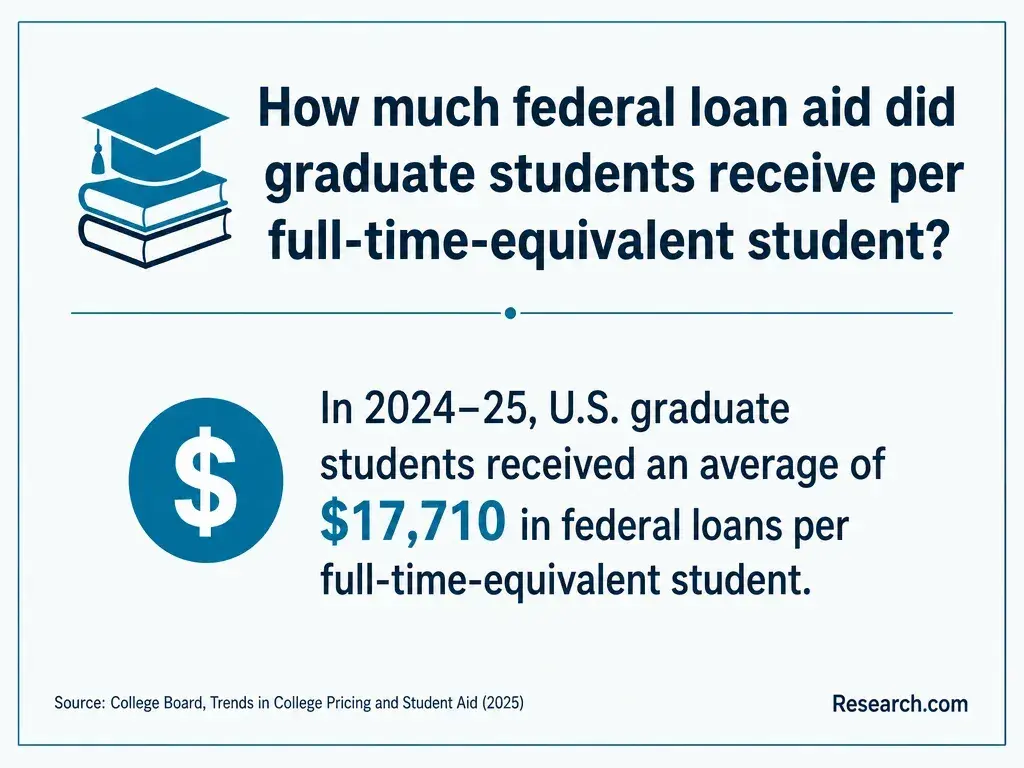
Time and total cost depend on remaining degree requirements, accepted transfer work, course availability, enrollment pace, tuition, and fees. An advertised completion estimate may assume a particular incoming credit total or uninterrupted full-time study. Ask for a term-by-term plan based on your evaluated credits, including when statistics, methods, and a capstone or placement are offered.
Compare the whole route to your intended graduate degree, not the BA's tuition alone. Include technology and course fees, possible travel or unpaid project hours, and any graduate prerequisites the BA would leave unfinished.
Request a personalized aid estimate and check eligibility conditions before treating a grant, employer benefit, or loan as available funding. For an alternative substance-use counseling route, financial aid planning for a substance use counseling bachelor's can help identify questions to take to the financial aid office.
Confirm the university's current institutional accreditation through its accreditor and the U.S. Department of Education's recognized-accreditor information. Check that the degree, online delivery, and any advertised concentration are offered by the institution you will attend. Accreditation status does not establish that every desired elective, placement, or graduate prerequisite is available online.
Do not reject a psychology BA because it lacks APA accreditation: APA accreditation applies to specified professional psychology training programs, not general undergraduate psychology degrees. Conversely, institutional accreditation does not establish eligibility for a future clinical license. Even when comparing evaluating online bachelor's study in addiction psychology, confirm the exact award and its scope rather than inferring a professional credential from the program's name.
A psychology BA can support applications for nonclinical roles such as community outreach assistant, human services assistant, program coordinator, or research support worker. Duties may include explaining available services, arranging referrals, maintaining permitted records, collecting program feedback, and helping prepare reports. Employers may also require relevant experience, training, background checks, or a different degree.
For pay comparisons, use the U.S. Bureau of Labor Statistics profile for the specific occupation you are considering, then compare local postings' qualifications and wages. An occupation-wide median is not the expected salary of online psychology BA graduates, and a job title can cover different duties across agencies. Graduate education may be worthwhile for a research goal, but the cost of further study should be weighed against the work it enables—not an assumed salary increase. For example, one-year forensic psychology graduate tuition comparisons concern a different specialization and cannot substitute for evidence about community psychology careers.
What Licensing or Certifications Are Needed for Mental Health Careers?
Requirements depend on the role and state. A psychology BA, including one with mental health coursework, does not authorize independent diagnosis, psychotherapy, or use of a protected psychologist title. Licensed counseling, clinical social work, and professional psychology follow distinct educational, supervised-practice, examination, and jurisdictional rules. Some peer-support or substance-use roles have separate state-recognized credential requirements.
If your ultimate goal is therapy rather than community research or program evaluation, compare qualifying professional programs directly. Budget planning for mental health counseling study can help frame the financial side, but verify a specific program's fit with the licensing board in the state where you plan to practice before enrolling.
For nonclinical outreach or research jobs, ask employers which duties require training, supervision, or certification. Respectful interaction with people seeking help, accurate documentation, confidentiality, and appropriate referrals matter even when a professional license is not required.
Other Things You Should Know About Psychology
If a program admits students to work with particular researchers, a brief, specific inquiry can help establish whether your interests align and whether they expect to take students. Follow that program's stated contact guidance.
Yes, if you can explain your responsibilities, what you learned from the organization and community, and the limits of your role. Volunteering does not automatically satisfy an academic placement requirement.
Not universally. A thesis can show sustained research work, but a substantial methods project, research assistantship, or strong writing sample may provide relevant evidence where a thesis is unavailable.
Save syllabi, approved academic writing, research posters, and descriptions of your contributions. Remove confidential information and obtain permission before sharing work created with a community partner or research team.
- Accreditation in the U.S. | ed.gov http://www.ed.gov/laws-and-policy/higher-education-laws-and-policy/college-accreditation/accreditation-in-the-us
- Preparing for Graduate School - Psychology | Academic Affairs https://uwm.edu/psychology/students/undergraduate/engagement-learning-opportunities/preparing-for-graduate-school/
- Community Psychology (M.A.) | Sage College https://grad-catalog.sage.edu/psychology/community-psychology-ma
- Choosing a Program - APA Accreditation https://accreditation.apa.org/choosing-a-program
- Community Psychology Admission Requirements | depaul.edu https://www.depaul.edu/academics/programs/community-psychology-ms/admission-requirements
- Datapoint: Admission criteria for graduate psychology programs are changing | apa.org https://www.apa.org/monitor/2024/06/admission-criteria-graduate-psychology-programs
- Psychology Graduate School Advice | Field Study - UC Irvine https://fieldstudy.soceco.uci.edu/pages/psychology-graduate-school-advice
- Research - Getting Started https://curf.ku.edu/research-getting-started