2027 Cheapest Online Web Development Associate Degree Programs That Pay Well: Tuition, Duration, and Career Outcomes

Co-Founder and Chief Data Scientist
Choosing the cheapest online web development associate degree is really a question about value: Will the program help you build job-ready coding skills without taking on unnecessary debt? The U. S. Bureau of Labor Statistics reported a May 2024 median wage of $95,380 for web developers, but entry-level outcomes depend heavily on portfolio quality, location, employer expectations, and degree type.
This guide is for students comparing low-cost online associate programs, including career changers, working adults, and future bachelor's students. You'll learn how to compare tuition, time to completion, aid, transfer options, and realistic career outcomes.
Key Things You Should Know
- The lowest-cost online web development associate degrees are usually public community college programs; resident tuition can fall near $5,000 to $7,000 before fees, while national online private options often cost much more.
- A typical associate degree requires about 60 to 70 credits and takes two years full time, but transfer credits, summer courses, competency-based formats, and part-time enrollment can change both duration and ROI.
- BLS May 2024 wage data shows web developers had a $95,380 median wage, but students should treat that as an occupation-wide benchmark, not a guaranteed starting salary for associate-degree graduates.
Which Are the Cheapest Online Web Development Associate Degree Programs That Lead to Well-Paying Careers?
The cheapest online web development associate degree programs are often offered by community colleges and public technical colleges, especially when you qualify for in-state or in-district tuition. The best option is not always the program with the lowest advertised rate; it is the program that combines low total cost, accredited coursework, strong programming practice, portfolio development, transfer options, and a realistic path to local or remote entry-level work.
The table below highlights affordable online or online-forward associate degree options to investigate. Tuition estimates are based on commonly published credit ranges and recent per-credit pricing patterns; students should confirm the latest tuition, fees, residency rules, online course availability, and total degree requirements directly with each school before enrolling.
| School | Program Type | Approximate Credits | Estimated Tuition Pattern | Why It May Offer Strong Value | Best Fit |
| Wake Technical Community College | AAS in Web Development | About 65 to 70 | Low North Carolina public community college tuition for residents | Career-focused curriculum with web programming, database, and application development coursework | North Carolina residents seeking a low-cost job-focused pathway |
| Seminole State College of Florida | AS in Web Development or related IT pathway | About 60 | Low Florida public college tuition for residents | Applied web and programming coursework with potential transfer options in Florida's public system | Florida students who want an affordable AS degree with bachelor's pathway potential |
| St. Petersburg College | AS in Web Development | About 60 | Low Florida public college tuition for residents | Online-friendly public college structure and applied technology coursework | Students balancing cost, flexibility, and transfer possibilities |
| Northcentral Technical College | Associate Degree in IT-Web Designer/Developer | About 60 | Moderate public technical college tuition, with rates varying by residency | Technical, skills-based curriculum focused on designing, building, and maintaining websites | Students who want a technical-college format and applied portfolio preparation |
| Bismarck State College | AAS in Web Page Development and Design | About 60 | Public college tuition with online-course pricing that should be verified by residency | Combines design, coding, and development skills in an applied associate format | Students looking for a practical web design and development credential |
| Mesa Community College | AAS or certificate stack in web design/development-related fields | Varies by pathway | Low in-county public community college tuition; online availability varies by course | Stackable coursework may help students start with certificates before completing an associate degree | Arizona students who want flexible, modular technical training |
| American Public University | AS in Web Development | About 60 | Flat national online tuition that is usually higher than in-district community college rates | Fully online structure with broad access for students outside a local service area | Adults who need a national online format and cannot access a low-cost local option |
Program names and delivery formats can change, so students should verify whether every required course is available online in the term they plan to enroll. Some colleges advertise an online program but require proctored exams, synchronous meetings, internships, or occasional campus-based labs.
A good low-cost web development associate degree should include more than HTML and CSS. Look for coursework in JavaScript, responsive design, databases, server-side programming, version control, accessibility, web security basics, user experience, content management systems, and portfolio development.
Students should also distinguish among AA, AS, and AAS degrees. An Associate of Arts or Associate of Science is often more transfer-oriented, while an Associate of Applied Science is usually more career-focused; however, transfer rules vary by school and state, so an AAS can still transfer well in some articulation agreements.
How Much Does an Online Web Development Associate Degree Cost?
The cost of an online web development associate degree depends on residency, credit requirements, tuition category, online fees, books, software, exam proctoring, and how many credits you transfer in. College Board's 2024 Trends in College Pricing and Student Aid reported average published tuition and fees of $4,050 at public two-year colleges for in-district students, which explains why local community colleges often beat national online colleges on price.
Students comparing web development with broader computing pathways may also want to review a cheapest online computer science degree list, especially if they are deciding between a two-year web credential and a longer programming or software engineering pathway.
The table below shows how the same 60-credit associate degree can produce very different tuition totals depending on the school's pricing model. It focuses on tuition only, so students should add required fees and materials before making a final decision.
| Pricing Scenario | Example Per-Credit Tuition | Tuition for 60 Credits | What It Means for Students |
| Low-cost in-district community college | $80 | $4,800 | Often the best sticker-price option if the program is fully online and accredited |
| Typical public two-year online tuition for residents | $120 | $7,200 | Still relatively affordable, especially when combined with Pell Grants or state aid |
| Out-of-state public online tuition | $250 | $15,000 | May erase the affordability advantage unless the school offers a flat online rate |
| Private or national online college | $330 | $19,800 | Can be worthwhile for flexibility, but students should compare transfer value and outcomes carefully |
When calculating total cost, do not stop at tuition. Web development students may also pay for a laptop that meets technical specifications, cloud tools, design software, course platforms, portfolio hosting, certification exams, graduation fees, and transcript fees.
A practical cost review should include the following items before you enroll:
- Total required credits for the degree, not just the advertised per-credit rate
- Online, technology, lab, proctoring, and course-specific fees
- Books, software, cloud services, and web hosting costs
- Residency rules and whether online students pay in-state, out-of-state, or flat-rate tuition
- Transfer-credit limits, because accepted credits can reduce both cost and time
- Graduation, portfolio, internship, and capstone requirements that may affect scheduling
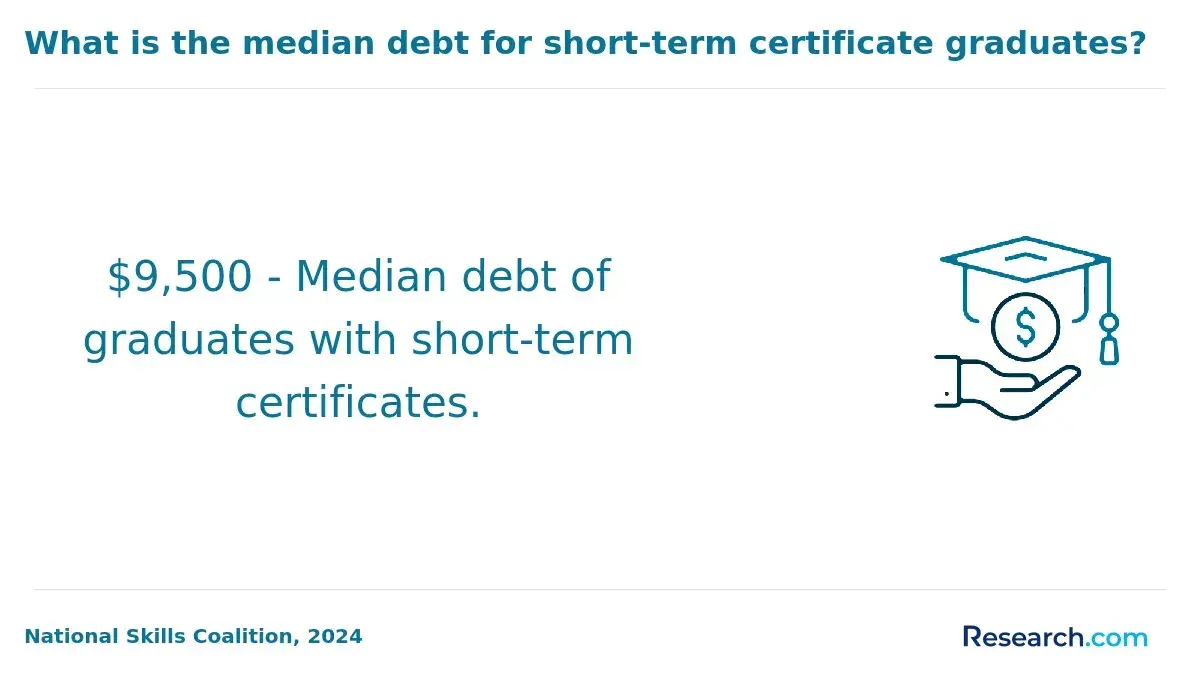
A common mistake is assuming an online degree is automatically cheaper than a campus-based program. The best financial value may be a nearby public college that lets you complete most or all coursework online while still charging in-district tuition.
How Long Does It Take to Complete an Online Web Development Associate Degree?
Most online web development associate degrees require about 60 to 70 credits. Full-time students commonly finish in two academic years, while working adults who take one or two courses per term may need three to four years.
Students who want to shorten the timeline can compare transfer-friendly and accelerated technology programs, including options similar to an accelerated computer science degree online if their long-term goal is software development rather than only web production.
The table below shows common completion patterns and how they affect the financial value of the degree. Time matters because a program that is slightly more expensive but completed faster may help some students enter the job market sooner.
| Enrollment Pattern | Typical Course Load | Estimated Completion Time | ROI Consideration |
| Full time | 12 to 15 credits per term | About 2 years | Usually the fastest standard route, but harder for students working full time |
| Part time | 6 to 9 credits per term | About 3 years | May reduce short-term financial pressure, but extends time before graduation |
| Accelerated with transfer credits | Varies by accepted credits | About 12 to 18 months for some students | Can improve ROI if prior credits apply to major or general education requirements |
| Certificate-to-degree stack | Short credential first, associate later | Varies | Useful for students who want employable skills early while continuing toward a degree |
Accelerated completion works best for students who already have college credit, strong self-discipline, and enough weekly study time to handle programming assignments. Web development is project-heavy, so rushing through courses without building a portfolio can weaken the degree's career value.
Before choosing a fast program, ask the school these questions:
- How many transfer credits can apply toward the degree?
- Are major courses offered every term or only once per year?
- Can students take summer courses online?
- Are courses asynchronous, synchronous, or hybrid?
- Does the program include a capstone, internship, or final portfolio review?
- What is the maximum course load allowed for online students?
The best timeline is the one you can complete successfully. A slower, lower-cost path can be better than an accelerated schedule that leads to dropped courses, repeated classes, or an incomplete portfolio.
An online web development associate degree can prepare students for entry-level roles in front-end development, web content production, junior web design, quality assurance, technical support, and digital production. Higher-paying roles may require a bachelor's degree, professional experience, specialized certifications, or a strong portfolio that proves job-ready skills.
The table below uses U.S. Bureau of Labor Statistics May 2024 wage data as an occupation-wide benchmark. These are median wages for all workers in the occupation, not starting salaries and not associate-degree-only outcomes.
| Career Path | May 2024 Median Wage | Associate Degree Fit | What Students Should Know |
| Web Developer | $95,380 | Good fit with portfolio and coding projects | Employers often prioritize demonstrated skills in JavaScript, responsive design, APIs, and version control |
| Web and Digital Interface Designer | $98,540 | Possible fit with design portfolio | Students may need user experience, visual design, accessibility, and prototyping skills |
| Software Developer | $133,080 | Usually a longer-term pathway | Many roles prefer a bachelor's degree, but an associate degree can be a first step |
| Computer Support Specialist | $61,550 | Accessible related role | Can provide IT experience while students continue building development skills |
| Quality Assurance Analyst or Tester | $102,610 | Possible with technical skills | Testing roles may require scripting, documentation, debugging, and software lifecycle knowledge |
The strongest associate-degree candidates usually graduate with several finished projects, not just completed courses. A simple portfolio might include a responsive business website, a JavaScript application, a database-driven project, a content management system build, and a documented capstone project on GitHub or a similar repository.
Students should be careful not to confuse median wages with entry-level pay. Local labor markets, internship experience, remote-work competition, industry, and the quality of the portfolio can all influence first-job offers.
AI is also changing employer expectations. Tools can generate code, but employers still need people who understand requirements, debug problems, maintain websites, improve accessibility, protect user data, and communicate with clients or internal teams. That means students should learn how to use AI responsibly without skipping fundamentals.
The best ROI usually comes from a low-cost accredited program that students can finish on time and use either for employment or transfer. A cheap program with weak advising, limited online course availability, or poor transferability can cost more in the long run if it delays graduation or forces students to retake credits.
A simple way to compare ROI is to look at tuition relative to a realistic career benchmark. The table below uses tuition-only examples and the BLS May 2024 web developer median wage as a broad benchmark, but students should also research entry-level wages in their own region.
| Estimated Tuition | Tuition as Share of $95,380 Median Wage | How to Interpret the Comparison |
| $5,000 | About 5% | Potentially strong tuition-to-earnings value if the program is accredited and job-relevant |
| $10,000 | About 10% | Still reasonable for many students, especially with transfer value or strong career services |
| $20,000 | About 21% | Requires closer review of flexibility, completion speed, credit transfer, and support services |
| $30,000 | About 31% | May be harder to justify unless the program provides exceptional flexibility or prior-credit savings |
This comparison has limits because it does not include fees, living costs, lost work hours, financial aid, or entry-level wage differences. Still, it helps students avoid choosing a program that is too expensive for the career level they are targeting.
Students can estimate ROI more realistically by following this sequence:
- Calculate total program cost, including tuition, fees, books, technology, software, and exam costs.
- Subtract grants, scholarships, employer tuition benefits, and transfer-credit savings.
- Research entry-level web developer, junior front-end developer, support, and digital production wages in your state or metro area.
- Check whether local employers ask for an associate degree, bachelor's degree, bootcamp experience, certifications, or a portfolio.
- Compare the net education cost with realistic first-year earnings, not only national median wages.
- Factor in transfer value if the associate degree is meant to lead into a bachelor's program.
An associate degree is often worth considering when it keeps debt low, provides structured practice, and preserves transfer options. It may be less attractive if the student already has strong coding skills and only needs a short credential, or if their target jobs routinely require a bachelor's degree.
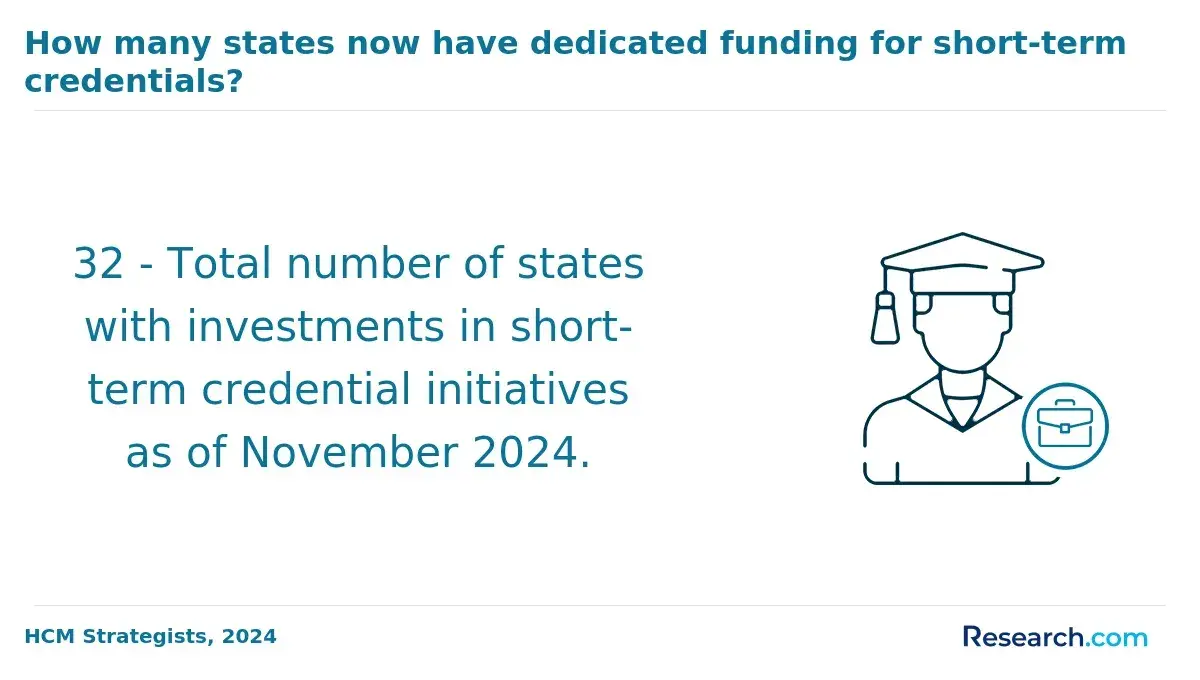
Financial aid can make a low-cost online web development associate degree substantially cheaper, especially at public colleges. The federal Pell Grant maximum award for the 2025-26 award year is $7,395, which can cover a large share of tuition at many community colleges for eligible students.
Students should complete the FAFSA even if they are unsure they qualify. Many state grants, institutional scholarships, and work-study opportunities use FAFSA information, and some aid is available to adult learners, part-time students, and students returning after a break.
The most common aid options include the following:
- Federal Pell Grants, which do not have to be repaid if students meet eligibility and enrollment rules
- State grants for residents attending public colleges or approved in-state institutions
- Institutional scholarships from community colleges, technical colleges, and foundations
- Employer tuition assistance or reimbursement for workers moving into IT or digital roles
- Workforce-development funding through local career centers or approved training providers
- Federal student loans, which can help cover costs but should be borrowed carefully
- Credit for prior learning, military training, industry certifications, or previous college coursework
Students should ask whether scholarships apply to online learners and whether part-time enrollment changes award amounts. Some aid requires a minimum number of credits per term, satisfactory academic progress, or enrollment in an eligible degree program rather than a standalone certificate.
A major red flag is a school that pushes loans before explaining grants, scholarships, transfer credits, and lower-cost public options. Affordable programs should be transparent about net price, not only monthly payment plans.
Accreditation affects whether an online web development associate degree is eligible for federal financial aid, whether credits may transfer, and how employers or bachelor's programs evaluate the credential. Students should verify that the college holds recognized institutional accreditation; program-specific accreditation is less common for web development associate degrees than for fields such as nursing or engineering technology.
Students drawn to web security, secure coding, or network defense should compare web development curricula with a cybersecurity degree online, because security-focused programs may align better with roles that require networking, incident response, or security operations skills.
Program quality matters as much as institutional approval. A very cheap degree can still be a poor investment if it teaches outdated tools, offers limited instructor feedback, or lacks meaningful projects.
When reviewing quality, focus on evidence you can verify:
- Recognized institutional accreditation listed by the accreditor and school
- Current curriculum covering HTML, CSS, JavaScript, databases, accessibility, responsive design, and secure development basics
- Portfolio, capstone, internship, or project-based assignments
- Faculty with relevant technical or industry experience
- Clear transfer agreements for students planning a bachelor's degree
- Career services that support resumes, portfolios, interview preparation, and employer connections
- Transparent tuition, fee, refund, and withdrawal policies
Students should be cautious with programs that make aggressive salary promises, hide fee schedules, lack recognized accreditation, provide vague course descriptions, or claim that a degree alone is enough to secure a high-paying development role. In web development, employers typically want proof of skills as well as a credential.
Flexible and accelerated options are most valuable for students who are working, parenting, serving in the military, or changing careers while managing other responsibilities. The strongest programs offer online course sequencing that lets students make steady progress without waiting a full year for required courses.
The table below summarizes flexible features to look for when comparing affordable online web development associate degrees. These features can matter as much as tuition because they affect whether you can actually finish the program on schedule.
| Flexibility Feature | Why It Matters | Students Who Benefit Most |
| Asynchronous online courses | Allows students to complete weekly work without required live class meetings | Working adults and students in different time zones |
| Multiple start dates | Reduces waiting time if students miss a traditional fall or spring start | Career changers who want to begin quickly |
| Summer online courses | Can shorten the total completion timeline | Students pursuing full-time or accelerated study |
| Stackable certificates | Lets students earn smaller credentials on the way to the associate degree | Students who want job skills before graduation |
| Generous transfer-credit review | Can reduce both tuition and time in school | Students with prior college, military, or technical coursework |
| Part-time degree maps | Shows how to complete the program while taking fewer courses per term | Students balancing school with work or caregiving |
Some public colleges offer the lowest tuition but have fewer online sections of required technical courses. Others cost more but provide stronger year-round scheduling. Students should compare both price and course availability before assuming the cheaper program is faster.
Ask the advisor to provide a term-by-term plan for your intended pace. If the plan depends on courses that are not regularly offered online, the program may take longer than advertised.
An online web development associate degree can support career advancement in two ways: it can help students qualify for entry-level web or IT work, and it can serve as the first half of a bachelor's degree. The second path is especially important for students who eventually want software engineering, product, data, or management roles that commonly prefer four-year or graduate-level education.
Students thinking beyond web development may eventually compare bachelor's programs and, later, an online masters in data science if they want to move toward analytics, machine learning, or data engineering after building stronger programming and math foundations.
Transfer value depends on degree type. AA and AS degrees are often designed for transfer, while AAS degrees are often designed for immediate employment; however, many colleges have applied bachelor's pathways that accept AAS credits. Students should not assume either outcome without checking the written transfer agreement.
Before enrolling, students planning a bachelor's degree should ask these questions:
- Does the associate degree satisfy lower-division requirements for a specific bachelor's program?
- How many credits are guaranteed to transfer, and which credits apply to the major?
- Will technical web development courses transfer as major courses, electives, or not at all?
- Is there a statewide articulation agreement or a school-to-school transfer pathway?
- What minimum grades are required for transfer credit?
- Will completing an AAS add extra time compared with an AS or AA pathway?
The associate route is a good stepping stone when it lowers early education costs, gives students marketable skills, and keeps the bachelor's pathway open. Students should consider starting directly in a bachelor's program if their target employers usually require a four-year degree and the transfer pathway is unclear.
How Should Students Choose the Cheapest Online Web Development Associate Degree for Their Career Goals?
Choosing the cheapest online web development associate degree should be a structured decision, not a quick sort by tuition. The right program should fit your budget, schedule, career target, learning style, and long-term education plan.
Use the following process to compare programs in a practical way:
- Define your target outcome: entry-level web developer, web designer, IT support, QA tester, freelancer, or bachelor's transfer student.
- Confirm accreditation through the school and accreditor, and make sure the program is eligible for the aid you plan to use.
- Calculate total net cost after grants, scholarships, employer benefits, and transfer credits.
- Check whether all required courses are offered online often enough for your preferred timeline.
- Review the curriculum for current coding, design, database, accessibility, security, and portfolio requirements.
- Ask for job-placement, graduation, transfer, or career-services information, while remembering that outcomes vary by student and region.
- Research local and remote job postings to see whether employers ask for an associate degree, bachelor's degree, certifications, or specific tools.
- Compare transfer agreements if you may continue into a bachelor's degree later.
- Speak with an advisor about part-time, full-time, and accelerated plans before enrolling.
- Choose the lowest-cost program only if it also supports completion, skill development, and your next career or education step.
Several mistakes can make a cheap program expensive. Students often overlook online fees, assume national median wages apply to entry-level jobs, ignore transfer rules, choose a program without recognized accreditation, or enroll in a technical path that does not match their intended career.
The strongest decision is usually a balanced one. Prioritize low tuition when two programs offer similar quality and transfer value, but be willing to consider a slightly higher-cost option if it provides better online availability, stronger portfolio preparation, clearer transfer agreements, or faster completion without sacrificing learning.
Other Things You Should Know About Web Development
You do not usually need advanced math for entry-level web development coursework, but you should be comfortable with logic, problem-solving, patterns, and step-by-step thinking. Some transfer-oriented programs may require college algebra, statistics, or precalculus.
Most students need a reliable laptop or desktop that can run a modern code editor, browser developer tools, video meetings, and database or server software. Check the school's technology requirements before buying equipment because some courses may require specific operating systems or software.
Yes, freelancing is possible, but clients usually care more about your portfolio, communication, reliability, and ability to maintain a site than the degree itself. Students interested in freelancing should learn contracts, pricing, hosting, accessibility, maintenance, and client communication.
Certificates can be useful if they are low-cost, stack into the associate degree, or validate a specific skill such as JavaScript, cloud fundamentals, accessibility, or content management systems. Avoid paying heavily for certificates that duplicate degree coursework without improving employability or transfer value.
- How long does it take to complete an IT program? | WCC - Western Community College https://wcc.ca/blog/how-long-does-it-take-to-complete-an-it-program/
- Top Web Development Degree Programs | ComputerScience.org https://www.computerscience.org/degrees/web-development/
- The 25 Best Online Associate in IT Programs https://www.onlinecolleges.net/rankings/best-online-associate-information-technology-degree-programs/
- Explore the Best Web Development Degree Programs | Cyberdegrees.org https://www.cyberdegrees.org/listings/web-development/best-programs/
- 2025 Most Affordable Online Bachelor's Degrees in Web Development https://www.onlineu.com/most-affordable-colleges/web-development-degrees
- What Is A Web Developer Salary For Fresher? https://woz-u.com/blog/what-web-developer-salary-for-fresher/
- Top 10 Colleges for an Online Associate in Web Development https://www.greatvaluecolleges.net/affordable/online-associates-web-development/