2027 Cheapest Online Nurse Midwifery Doctorate Programs That Pay Well: Tuition, Duration, and Career Outcomes

Co-Founder and Chief Data Scientist
Admissions demand is shifting toward lower-tuition, mostly online DNP nurse-midwifery tracks because certified nurse-midwives can often finish a post-master's doctorate without leaving practice. Costs vary widely, but the U. S. Bureau of Labor Statistics reported a May 2024 national mean wage of $128,790 for nurse midwives, making ROI a serious factor. This guide is for MSN-prepared CNMs, BSN-to-DNP applicants, and working nurses comparing affordable doctoral routes. You will learn estimated tuition, duration, low-cost accredited options, aid strategies, hidden fees, and career paths that can make the degree financially worthwhile.
Key Things About the Cheapest Online Nurse Midwifery Doctorate Programs That Pay Well
- Lowest-cost online Nurse Midwifery doctorates are usually post-master's DNP completion programs for certified nurse-midwives, often requiring about 28 to 40 credits rather than the 65 to 90 credits common in BSN-to-DNP routes.
- A practical low-cost tuition target is roughly $15,000 to $45,000 before fees for post-master's options, while BSN-to-DNP nurse-midwifery tracks can exceed $60,000 because they include advanced practice preparation and clinical requirements.
- ROI depends more on role change than degree title alone: clinical CNM pay is strong, but the fastest payback usually comes from leadership, faculty, health system, policy, consulting, or director-level positions that reward doctoral preparation.
What is the estimated cost of completing an online doctorate in Nurse Midwifery?
The estimated cost of an online doctorate in Nurse Midwifery depends on whether you are entering as a licensed CNM with a master's degree or as a BSN-prepared nurse seeking both midwifery preparation and a doctorate. The cheapest path is usually a post-master's DNP because it avoids repeating advanced practice coursework already completed in an accredited nurse-midwifery master's program.
For budgeting, separate tuition from the full cost of attendance. Tuition is the largest line item, but required fees, clinical compliance costs, travel for intensives, books, board preparation, and lost work hours can change the true out-of-pocket cost. Students comparing related advanced practice options can also review affordable online nurse practitioner programs to understand how nursing graduate tuition structures differ across specialties.
The table below summarizes realistic U.S. cost bands for accredited online or hybrid nurse-midwifery doctoral pathways. Use it to decide whether a program's advertised tuition is genuinely low-cost for your entry point.
| Entry path | Typical credits | Estimated tuition range | Best fit | Cost caution |
| Post-master's DNP for certified nurse-midwives | 28 to 40 | $15,000 to $45,000 | Practicing CNMs who want a terminal practice doctorate, leadership preparation, or faculty eligibility | Some programs charge doctoral project, residency, or technology fees that are not included in the per-credit quote |
| MSN-to-DNP with added population health or leadership focus | 35 to 50 | $25,000 to $60,000 | APRNs who want broader executive, quality improvement, or systems leadership training | Not all programs include a nurse-midwifery specialization, so verify relevance before applying |
| BSN-to-DNP nurse-midwifery track | 65 to 90 | $45,000 to $110,000+ | Registered nurses seeking initial CNM preparation and doctoral-level practice training | Clinical placement, travel, and reduced work hours often raise the real cost substantially |
| Online nursing Ph.D. with reproductive health or maternal health research | 45 to 75 | Highly variable | Nurses targeting research faculty, funded research, or academic scientist roles | A Ph.D. is usually research-focused and may not substitute for CNM clinical preparation |
As a rule of thumb, a program is more affordable when it offers a flat online tuition rate, accepts prior graduate credits, requires minimal campus travel, and clearly publishes all doctoral fees before enrollment. A very low per-credit price can still become expensive if the program adds multi-day residencies, ongoing project continuation fees, or clinical placement charges.
How long does it take to complete the cheapest online Nurse Midwifery doctorate program?
The cheapest online Nurse Midwifery doctorate program typically takes one to three years for post-master's CNM students and three to five years for BSN-to-DNP students. The time difference matters because every additional term can add tuition, fees, and opportunity costs if you reduce clinical hours to study.
Program length is driven by credits, doctoral project pace, clinical hour requirements, and whether the school offers year-round courses. If your main goal is speed, compare completion policies with other fast advanced practice routes, including accelerated nurse practitioner programs, but remember that midwifery clinical competency cannot be rushed beyond accreditation and licensure expectations.
The following comparison shows when each completion model makes sense. It is especially useful for working CNMs deciding whether to study part time or compress the doctorate into a shorter timeline.
| Completion model | Typical duration | Who it works best for | Financial advantage | Main risk |
| Full-time post-master's DNP | 12 to 24 months | CNMs with flexible work schedules and a clear doctoral project topic | Fewer semesters of fees and faster access to leadership or faculty roles | Heavy workload can be difficult with full-time clinical practice |
| Part-time post-master's DNP | 24 to 36 months | Working CNMs who need income stability | Allows tuition to be spread across more pay periods | Longer enrollment can add continuation or technology fees |
| BSN-to-DNP nurse-midwifery | 36 to 60 months | RNs seeking initial CNM licensure and doctoral preparation | Combines graduate preparation into one pathway instead of two separate degrees | Higher total tuition and more clinical scheduling complexity |
| Research Ph.D. in nursing with maternal health focus | 3 to 6 years | Nurses targeting research, tenure-track academia, or grant-funded scholarship | Some Ph.D. programs offer assistantships or tuition support | Less aligned with clinical executive practice if you do not want a research career |
Students comparing practice and research doctorates should be clear about the intended outcome. A DNP is usually the better fit for CNMs who want clinical leadership, quality improvement, practice transformation, or executive roles. A Ph.D. may be better for students seeking funded research careers; researching the cheapest online nursing PhD programs can make sense if scholarship, not clinical leadership, is the goal.
To finish faster without overspending, ask whether the school accepts transfer credits, awards credit for prior graduate-level statistics or informatics, allows year-round enrollment, and lets students begin the doctoral project early. Avoid taking the maximum course load simply because it is available; withdrawing from a course can erase the savings from an accelerated plan.
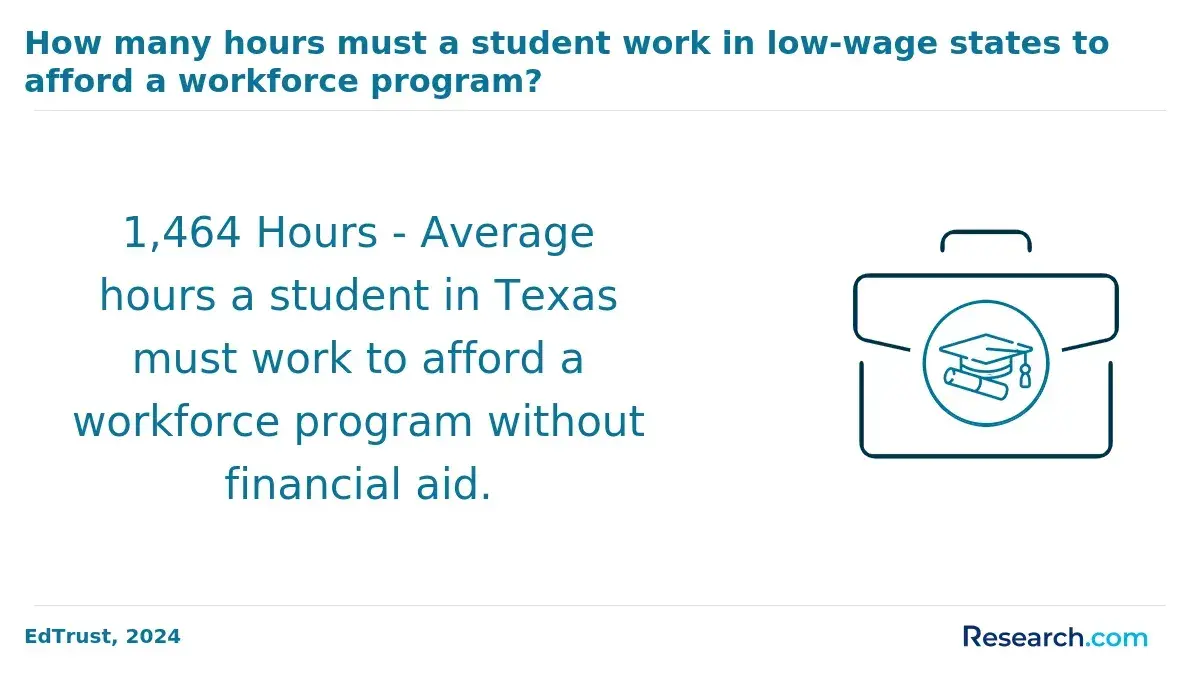
Which accredited universities offer the lowest tuition for an online Nurse Midwifery doctorate?
Accredited low-tuition online Nurse Midwifery doctorates are concentrated in a small number of DNP programs, and many are hybrid rather than fully online because midwifery education requires clinical verification and sometimes campus intensives. The key accreditation checks are institutional accreditation, DNP nursing accreditation such as CCNE or ACEN where applicable, and Accreditation Commission for Midwifery Education recognition for programs preparing students for initial CNM certification.
The table below lists examples of U.S. universities that commonly appear in affordability searches for online or hybrid nurse-midwifery doctoral study. Tuition changes often, so use these as starting points for comparison rather than final quotes.
| University | Common nurse-midwifery doctorate route | Online format | Why it may be cost-competitive | Best applicant profile |
| Frontier Nursing University | Post-graduate DNP and DNP pathways connected to nurse-midwifery preparation | Mostly online with required in-person experiences | Specialized graduate nursing mission and comparatively transparent per-credit pricing | Students who want a midwifery-focused institution with distance learning experience |
| University of Cincinnati | DNP nurse-midwifery options and advanced nursing pathways | Online or hybrid depending on track and clinical needs | Public university structure may be competitive for eligible students | RNs or APRNs seeking a large research university with online nursing infrastructure |
| Stony Brook University | DNP with midwifery specialization options | Hybrid/online coursework with clinical and campus requirements | Public university tuition may be favorable for some residents | Students who can manage New York-related clinical or on-site requirements |
| University of Utah | DNP nurse-midwifery track | Hybrid with distance-supported coursework | Public university pricing can be attractive when residency rules work in the student's favor | Students in or near approved clinical regions who want a university-based DNP |
| Bethel University | Post-master's DNP for advanced practice nurses | Primarily online with limited intensives | Shorter post-master's structure can reduce total credits for eligible APRNs | Certified CNMs who need a practice doctorate rather than initial midwifery preparation |
The cheapest university on paper is not always the best financial choice. A school with slightly higher tuition but stronger clinical placement support, fewer travel requirements, better employer recognition, and a shorter doctoral project timeline can produce a lower real cost than a lower-priced program with weak advising or repeated delays.
Before applying, ask admissions and financial aid officers these questions so you can compare programs consistently:
- Is the nurse-midwifery pathway accredited for the outcome I need: initial CNM certification, post-master's DNP completion, or leadership advancement?
- What is the total number of billable credits after my transcript review?
- Are online students charged the same rate regardless of state residency?
- How many campus visits, intensives, or immersion days are required?
- Are doctoral project continuation credits required if I do not finish on schedule?
- Does the school help secure clinical sites, or am I fully responsible for placement?
What hidden fees should you expect in an online Nurse Midwifery doctorate program?
Hidden fees can turn a cheap online Nurse Midwifery doctorate into an unexpectedly expensive program. The most common problem is comparing only the advertised per-credit tuition while ignoring semester-based charges and costs tied to clinical practice requirements.
Use the following checklist when reading a tuition page or speaking with a program coordinator. These are the costs most likely to affect your final bill after admission.
- Technology and online learning fees charged every term, even when courses are fully remote
- Clinical compliance costs, including background checks, drug screening, immunization tracking, liability insurance, and health documentation platforms
- Campus intensive expenses, including airfare, lodging, meals, local transportation, and unpaid time away from work
- Doctoral project or dissertation continuation credits required when the project extends beyond the planned timeline
- Graduation, transcript, simulation, laboratory, or proctoring fees that may not appear in the base tuition quote
- Clinical placement fees if the university uses outside placement vendors or charges for coordination support
- Books, statistical software, evidence appraisal tools, board review materials, and professional association memberships
A practical way to avoid surprises is to create a total-cost worksheet before submitting an enrollment deposit. Ask the school for a degree audit, a term-by-term plan, and a written estimate of required fees. If a program cannot explain the full cost of attendance, treat that as a financial warning sign.
Common mistakes include assuming "online" means no travel, forgetting that part-time enrollment can add extra semesters of fees, and enrolling before confirming clinical placement expectations. The lowest-risk choice is a program that publishes all mandatory expenses clearly and confirms your remaining credit requirement before you commit.
What financial aid options and federal grants are available for online Nurse Midwifery doctoral candidates?
Online Nurse Midwifery doctoral candidates can often combine federal aid, institutional scholarships, employer benefits, and service-based programs to reduce out-of-pocket costs. Graduate students do not typically receive the same grant access as undergraduates, so the strongest affordability strategy is to reduce borrowed principal rather than assume grants will cover the bill.
The U.S. Department of Education's 2024-25 federal student aid framework continues to use FAFSA information to determine eligibility for federal graduate loans and some school-administered aid. For doctoral nursing students, this means filing the FAFSA early can matter even if you expect to rely mainly on employer reimbursement or scholarships.
The table below explains the main aid sources and how they usually apply to online DNP or nurse-midwifery doctoral students. It can help you prioritize the options most likely to lower your net cost.
| Aid source | How it may help | Best for | Limitation to check |
| FAFSA-based federal graduate loans | Can cover tuition and approved cost-of-attendance items | Students who need predictable financing | Loans must be repaid with interest, so borrow only what is necessary |
| Institutional nursing scholarships | May reduce tuition directly | Applicants with strong academic, service, rural health, or diversity-focused profiles | Deadlines may occur before admission decisions are finalized |
| HRSA and service-based nursing programs | May support clinicians serving shortage areas or underserved populations | CNMs committed to eligible practice settings | Service obligations and eligibility rules can be strict |
| Employer tuition reimbursement | Can reimburse courses after successful completion | Working nurses in hospitals, academic medical centers, public health systems, or large clinics | Annual caps, grade requirements, and retention agreements vary |
| Military and veterans benefits | Can offset tuition, fees, or living costs for eligible students | Veterans, service members, and qualifying dependents | Benefit amounts depend on individual eligibility and school participation |
To maximize aid, follow a sequence rather than applying randomly:
- File the FAFSA as soon as possible and list every school you are seriously considering.
- Ask each financial aid office for nursing-specific scholarships, not just general graduate awards.
- Request a written employer reimbursement policy before enrolling, including annual caps and repayment obligations if you leave the job.
- Search for state maternal health, rural health, and workforce grants tied to service needs in your region.
- Build a borrowing plan based on the remaining balance after scholarships and reimbursement, not on the full published cost.
The biggest mistake is paying out of pocket for the first term before checking school-based aid deadlines. Many nursing scholarships are awarded early, and late applicants may miss funds even when they qualify academically.
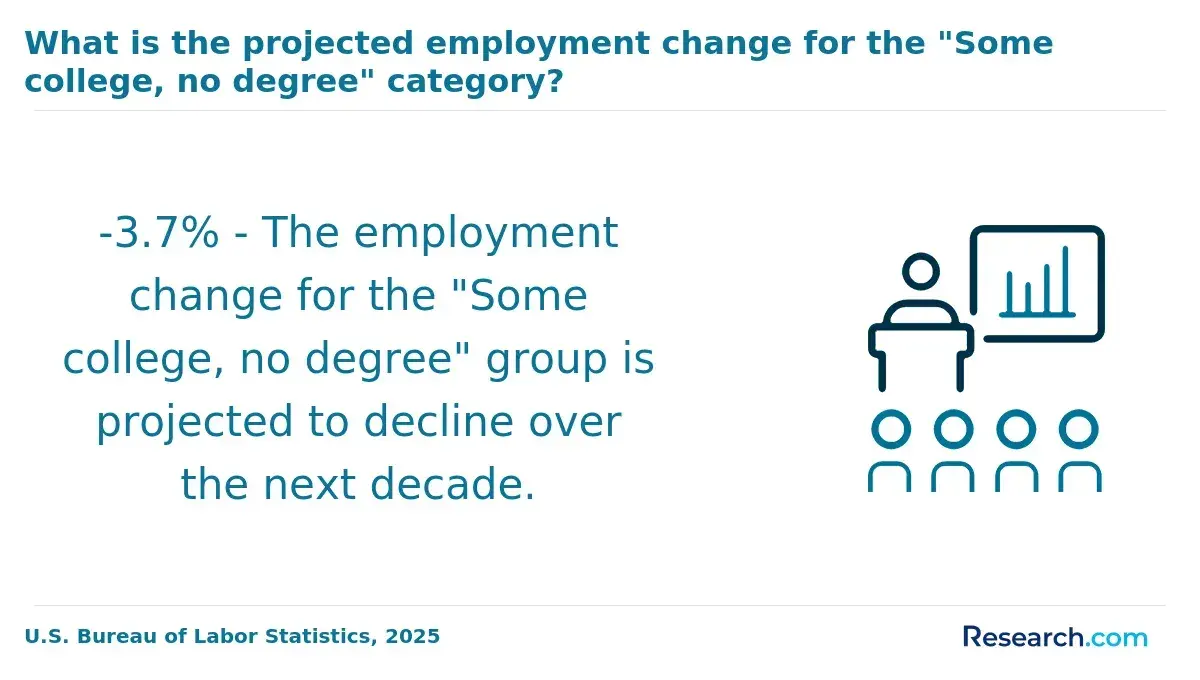
How can fellowships and research stipends offset the cost of an online Nurse Midwifery doctorate?
Fellowships, research assistantships, teaching stipends, and project-based grants can reduce the net cost of an online Nurse Midwifery doctorate, but availability is uneven. They are more common in research-intensive nursing schools and Ph.D. programs than in practice-focused online DNP programs, so applicants should ask direct questions before assuming support exists.
The most realistic funding opportunities are tied to faculty research, maternal health quality improvement, rural health, health equity, lactation, perinatal outcomes, and reproductive health access. A DNP student with a strong doctoral project proposal may be competitive for smaller internal grants even when full tuition remission is unavailable.
Use these steps to find offset funding before and after admission:
- Review faculty profiles and identify professors working on maternal health, midwifery, perinatal safety, health policy, or rural care access.
- Email the program director with a concise summary of your clinical background and ask whether DNP students can assist on funded projects.
- Ask whether online students are eligible for teaching assistant, research assistant, or graduate assistant roles.
- Look for internal doctoral project grants, nursing foundation awards, and state maternal health workforce initiatives.
- Time your application around scholarship and assistantship deadlines rather than the final program deadline.
A fellowship makes the most financial sense when it reduces tuition without delaying graduation. Be cautious if a stipend requires so many work hours that it extends your program by an extra semester; the added tuition and fees may cancel out the award.
Students choosing between a DNP and Ph.D. should pay special attention to funding. A Ph.D. may offer stronger assistantship possibilities, but it is not automatically cheaper if it takes longer or does not align with your career goal. A DNP with modest employer reimbursement can be a better ROI choice for a working CNM aiming for practice leadership.
What is the average starting salary and long-term earnings potential for Nurse Midwifery doctorate graduates?
Starting salary after an online Nurse Midwifery doctorate depends on whether the graduate remains in clinical CNM practice or moves into leadership, academia, consulting, or health system roles. The doctorate itself does not automatically increase pay; the financial return usually comes from qualifying for higher-responsibility positions.
The U.S. Bureau of Labor Statistics reported a May 2024 national mean annual wage of $128,790 for nurse midwives. This benchmark is useful because it shows the earning base for the profession, but it does not isolate DNP-prepared CNMs from master's-prepared CNMs, so applicants should evaluate employer-specific salary ladders before assuming a premium.
The table below shows practical salary context by role type. These are not guarantees; they are decision-support ranges based on common U.S. role structures and the fact that compensation varies by state, employer, call schedule, leadership scope, and clinical volume.
| Career direction | Common entry point after doctorate | Long-term earnings potential | Why the doctorate may help |
| Clinical certified nurse-midwife | Often near experienced CNM salary bands rather than a separate doctoral scale | Higher pay may come from productivity, call, specialty setting, or regional shortages | Supports evidence-based practice leadership and quality improvement credibility |
| Midwifery program director or clinical director | Often above staff CNM roles when budget, staffing, and service-line responsibility are included | Can increase with multi-site responsibility or executive reporting lines | Doctoral preparation can strengthen leadership, systems, and outcomes credentials |
| Nursing faculty or clinical education leader | May start lower than some clinical roles but offer academic advancement pathways | Improves with rank, administrative duties, grants, or program leadership | Many colleges prefer or require doctoral preparation for faculty advancement |
| Maternal health consultant or policy specialist | Project-based or salaried roles vary widely | Can be strong for experts in perinatal quality, Medicaid, safety, or rural access | Doctorate signals advanced expertise in translating evidence into systems change |
For comparison, salary research in other APRN fields, such as psychiatric nurse practitioner salary data, shows why location and specialization can strongly affect advanced nursing compensation. Nurse-midwifery doctorate candidates should use the same logic: compare local job postings, state salary data, and employer pay scales before estimating ROI.
The clearest long-term earnings advantage appears when the doctorate helps you move from individual clinical production into roles that influence service lines, quality metrics, education, workforce strategy, or maternal health policy. If you plan to stay in the exact same staff CNM role with no pay differential, choose the lowest-cost accredited option or delay enrollment until a financial benefit is clearer.
What high-paying career paths justify the cost of an online doctorate in Nurse Midwifery?
High-paying career paths justify the cost of an online doctorate in Nurse Midwifery when the degree supports a real promotion, expanded scope of influence, or access to positions requiring doctoral preparation. It is less financially compelling if the program is expensive and the graduate has no plan to change role, employer, or leadership responsibility.
The best ROI career paths usually combine clinical credibility with systems-level responsibility. These roles can be competitive, so relevant experience, measurable outcomes, and leadership accomplishments matter alongside the degree.
- Director of midwifery services: Strong fit for experienced CNMs who want responsibility for staffing, clinical quality, patient outcomes, and service-line growth.
- Women's health service-line leader: Best for clinicians who can connect midwifery practice with hospital operations, patient safety, and financial performance.
- DNP-prepared nursing faculty member: Makes sense for CNMs interested in teaching, curriculum design, simulation, clinical education, and program accreditation work.
- Maternal health quality improvement leader: Strong ROI when the doctorate project produces measurable outcomes in cesarean reduction, safety bundles, postpartum care, or access to care.
- Perinatal policy or public health advisor: Fits CNMs interested in Medicaid, rural maternal health, health equity, community-based birth models, or state-level maternal health initiatives.
- Independent consultant: Can pay well for CNMs with niche expertise in clinical operations, risk reduction, program development, or accreditation readiness.
A doctorate is not strictly required for every executive nursing role. Some employers promote master's-prepared CNMs with strong management experience, financial skills, and outcome data. The doctorate becomes more valuable when job descriptions list DNP or doctoral preparation as preferred, when you want faculty advancement, or when you need formal training in evidence translation and systems leadership.
Before enrolling, identify three target roles and compare their requirements. If most postings emphasize experience over degree level, you may get a better short-term return by pursuing management training, quality improvement certification, or employer-sponsored leadership development before starting the doctorate.
Which high-paying industries actively recruit professionals with an online doctorate in Nurse Midwifery?
High-paying industries recruit Nurse Midwifery doctorate graduates when they need advanced clinical judgment, maternal health expertise, leadership ability, and evidence-based practice skills. The strongest opportunities are often in organizations facing pressure to improve perinatal outcomes, expand access, reduce risk, or build advanced practice models.
The table below summarizes industries where a DNP-prepared CNM may find financially attractive roles. Use it to match your doctoral project and electives to the sectors most likely to value your expertise.
| Industry | Typical employers | Relevant job titles | Why doctoral preparation is valued |
| Hospitals and health systems | Academic medical centers, community hospitals, integrated delivery networks | Midwifery director, women's health director, perinatal quality leader | These employers value outcomes improvement, interprofessional leadership, and service-line strategy |
| Outpatient women's health and birth centers | Clinic networks, federally qualified health centers, birth center groups | Lead CNM, clinical operations director, practice director | Doctoral training can support protocol development, patient safety, and care model expansion |
| Universities and nursing schools | Public universities, private nonprofit universities, teaching hospitals | Assistant professor, clinical faculty, program coordinator | Doctoral credentials often support faculty eligibility and accreditation expectations |
| Government and public health | State health departments, federal contractors, maternal health initiatives | Maternal health advisor, program evaluator, policy consultant | Doctoral work can demonstrate evidence appraisal, population health, and implementation skills |
| Healthcare consulting and quality organizations | Consulting firms, patient safety organizations, nonprofits | Perinatal consultant, quality improvement specialist, clinical strategist | Advanced expertise can help organizations redesign care and meet quality benchmarks |
The most active recruiting environments tend to reward candidates who can show results. A doctoral project that reduced delays in postpartum follow-up, improved hypertension screening, strengthened interprofessional handoffs, or expanded access in a shortage area can become a strong interview asset.
To improve your employment ROI, choose a program that lets you build a doctoral project around your target industry. For example, a CNM aiming for hospital leadership should focus on quality metrics and service-line operations, while a future faculty member should prioritize curriculum, teaching, and accreditation experience.
How quickly can you achieve a positive ROI on an online Nurse Midwifery doctorate?
You can achieve a positive ROI on an online Nurse Midwifery doctorate quickly if three conditions align: low net tuition, continued employment during study, and a post-graduation role that increases compensation or advancement potential. If tuition is high and the degree does not change your role, payback can take much longer.
A simple ROI estimate starts with net cost, not sticker price. Subtract scholarships, employer reimbursement, tuition discounts, assistantship support, and tax-advantaged education benefits where applicable. Then compare the remaining cost with the realistic annual increase tied to your new role.
Use this practical sequence to estimate your payback timeline before enrolling:
- Calculate total tuition based on credits remaining after transcript review.
- Add required fees, travel, books, clinical compliance, and project continuation risk.
- Subtract confirmed aid, employer reimbursement, scholarships, and benefits.
- Estimate the annual compensation change from a realistic target role, not an ideal role.
- Divide net cost by annual compensation increase to estimate payback years.
For example, if your net doctoral cost is $24,000 after employer support and the degree helps you move into a role paying $12,000 more per year, the simple payback period is about two years. If the same degree costs $70,000 and produces no immediate salary change, the financial ROI depends on long-term advancement rather than short-term payback.
The biggest savings usually come from choosing a post-master's completion route, remaining employed, using employer reimbursement, avoiding unnecessary private loan borrowing, and selecting a program with minimal travel. The biggest ROI mistakes are enrolling in an unaccredited program, ignoring hidden fees, assuming a doctorate automatically raises clinical pay, and choosing a Ph.D. when an applied DNP better fits the desired career outcome.
Other Things You Should Know About Nurse Midwifery
Many do. Even programs described as online may require campus intensives, skills sessions, orientation, project presentations, or clinical check-ins. Ask for the exact number, timing, and location of required visits before enrolling.
Yes, but you usually need a BSN-to-DNP or similar pathway that includes nurse-midwifery preparation and clinical training. Post-master's DNP completion programs are generally designed for already certified APRNs, including CNMs.
Not automatically. Licensure, clinical placement approval, and authorization rules vary by state. Confirm that the program is approved to enroll students from your state and that it supports the certification or practice outcome you need.
It may not be the right move if you want the cheapest route to basic RN employment, cannot manage clinical or project time, lack access to approved clinical sites, or do not need doctoral preparation for your career goals.
References
- 39 Scholarships for Nursing Students https://www.allnursingschools.com/financial-aid/nursing-scholarships/
- Nurse Midwifery https://www.gcsu.edu/health/nursing/nurse-midwifery
- Nurse-Midwifery https://www.kumc.edu/school-of-nursing/academics/doctor-of-nursing-practice/nurse-midwifery.html
- Graduate degrees pay—but it’s complicated | Brookings https://www.brookings.edu/articles/graduate-degrees-pay-but-its-complicated/
- Affordable CNM Programs Under $40K: State Schools Ranked https://www.midwifeschooling.com/blog/affordable-cnm-programs/
- Top Online Nurse-Midwifery Programs | 2026 CNM Rankings https://www.npschools.com/rankings/all-online-nurse-midwifery-programs
- Nursing Financial Aid https://nursinglicensemap.com/resources/nursing-financial-aid/
- Nurse Midwife - Explore Healthcare Careers - Mayo Clinic College of Medicine & Science https://college.mayo.edu/academics/explore-health-care-careers/careers-a-z/nurse-midwife/
- Nurse Practitioner Salary | Certified Nurse Midwife | Anesthetist Salaries https://www.graduatenursingedu.org/salaries/
- New Graduate Employment Data https://www.aacnnursing.org/news-data/research-data-center/new-graduate-employment-data