
2027 Cheapest Online Leadership & Organizational Leadership Associate Degree Programs That Pay Well: Tuition, Duration, and Career Outcomes

Co-Founder and Chief Data Scientist
Choosing a cheap online leadership associate degree is really a cost-versus-outcome decision: Will the credential help you move into supervision, management support, or a bachelor's pathway without taking on unnecessary debt? The Bureau of Labor Statistics reported a $122,090 median annual wage for management occupations in May 2024, but many higher-paying roles require experience or a bachelor's degree.
This guide helps working adults, transfer students, and first-time college students compare low-cost online options, estimate total cost, understand timelines, and judge whether an associate degree is the right first step.
Key Things You Should Know
- The cheapest realistic path is usually a public community or technical college: College Board's 2024 pricing data lists average public two-year in-district tuition and fees at about $4,050 for one academic year, making total tuition far lower than most four-year options.
- An associate degree can support entry-level or advancement-oriented roles such as team lead, office supervisor, retail supervisor, or operations coordinator, but the highest-paying leadership careers commonly require experience, industry knowledge, and often a bachelor's degree.
- The best ROI is not always the lowest advertised tuition; students should compare total credits, fees, transferability, employer tuition benefits, completion speed, and local wages before choosing a program.
Which Are the Cheapest Online Leadership & Organizational Leadership Associate Degree Programs That Lead to Well-Paying Careers?
The cheapest online leadership and organizational leadership associate degree programs are usually offered by public two-year colleges, especially when students qualify for in-district or in-state tuition. Because "organizational leadership" is not always used in the degree title at the associate level, strong low-cost options may appear as leadership development, supervision, organizational management, business management, or business administration programs with leadership coursework.
The table below highlights affordable online or online-friendly associate options that can prepare students for supervisory, administrative, and transfer-focused pathways. Tuition changes frequently, so students should treat these as starting points and verify the current total program cost directly with the college before enrolling.
| School | Online associate option | Typical degree focus | Why it may be cost-effective | Best-fit student |
| Rio Salado College | AAS in Organizational Management or related business pathway | Organizational management, supervision, workplace communication | Public community college pricing can keep tuition comparatively low for eligible students | Students who want an online, career-oriented management credential |
| Central Georgia Technical College | AAS in Business Management with supervision or leadership-related coursework | Business operations, management foundations, team supervision | Georgia technical college tuition is often among the lower-cost public options for in-state students | Georgia residents seeking a practical management credential |
| Albany Technical College | AAS in Business Management with leadership or management preparation | Small business, supervision, administrative leadership | Low public technical college tuition can reduce upfront borrowing needs | Students planning to enter local business, office, or operations roles |
| Northcentral Technical College | Leadership Development associate degree | Leadership development, coaching, team performance, communication | Wisconsin technical college tuition can be affordable for residents and working adults | Employees seeking promotion into lead or supervisor roles |
| Fox Valley Technical College | Leadership Development associate degree | Applied leadership, workplace problem-solving, management basics | Technical college structure emphasizes job-focused coursework and transfer options | Students who want leadership-specific coursework rather than a general business degree |
| Ivy Tech Community College | Business Administration AS or AAS with management-relevant coursework | Business administration, operations, management fundamentals | Statewide community college tuition and transfer pathways can improve long-term value | Indiana students considering either employment or bachelor's transfer |
A low-cost program is more valuable when it connects to your actual goal. Students aiming for immediate employment may benefit from an AAS with applied supervision courses, while students planning to earn a bachelor's degree should prioritize an AA or AS designed for transfer.
Before shortlisting programs, look for these indicators of genuine value rather than just low advertised tuition:
- The program is offered by a regionally accredited public or nonprofit institution, or by an institution with recognized institutional accreditation accepted by employers and transfer colleges.
- The curriculum includes practical leadership skills such as conflict resolution, business communication, project coordination, human resources basics, and data-informed decision-making.
- The school publishes total tuition, required fees, online course fees, graduation fees, books, and technology costs clearly enough for students to estimate the full degree price.
- The degree has documented transfer agreements, especially if the student may continue into a bachelor's degree in organizational leadership, business administration, management, or human resources.
How Much Does an Online Leadership & Organizational Leadership Associate Degree Cost?
An online leadership or organizational leadership associate degree usually requires about 60 credits. At a low-cost public two-year college, tuition may be close to the national public two-year benchmark, while out-of-state, private, or fee-heavy programs can cost substantially more.
College Board's 2024 pricing data reports average public two-year in-district tuition and fees at about $4,050 for one academic year. For students comparing online leadership associate degrees, that figure is useful because it shows why local public colleges often provide the strongest affordability advantage.
The table below breaks down the main cost categories students should compare. This matters because two programs with the same tuition can have very different final prices once online fees, textbooks, and transfer-credit policies are included.
| Cost factor | What to check | Why it affects affordability |
| Tuition per credit | In-district, in-state, out-of-state, and online-only rates | The per-credit rate drives most of the program cost in a 60-credit degree |
| Mandatory fees | Technology, online course, student services, registration, and graduation fees | A low tuition rate can become less competitive if fees are high |
| Books and materials | Open educational resources, textbook rentals, e-books, and course software | Business and leadership courses may require digital platforms or paid simulations |
| Transfer credits | Accepted prior college credits, military credit, industry training, and prior learning assessment | Accepted credits can shorten the program and lower the total price |
| Completion pace | Full-time, part-time, summer enrollment, and accelerated terms | Longer enrollment can increase fees and delay earnings or promotion benefits |
To estimate the real cost, multiply the tuition rate by the number of credits you still need, then add fees, books, software, and any residency-related tuition differences. Students should avoid judging affordability from a homepage tuition rate alone because some schools quote only one semester, one credit, or resident tuition.
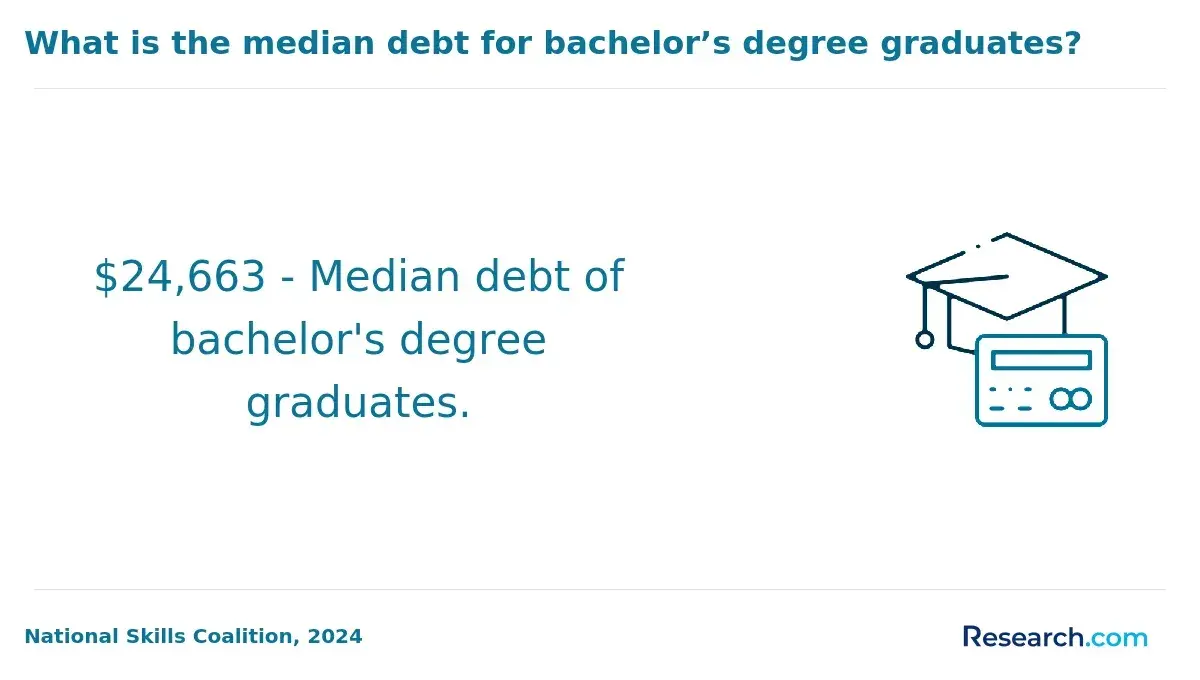
Common cost mistakes include overlooking online fees, assuming every online student pays the same rate, ignoring course retake costs, and choosing a nontransferable program because it appears cheaper in the short term. The better approach is to calculate the total cost to finish, not the cost to start.
How Long Does It Take to Complete an Online Leadership & Organizational Leadership Associate Degree?
Most online leadership and organizational leadership associate degrees take two years of full-time study, but many working adults finish more slowly. A typical 60-credit program may require general education, business foundations, leadership courses, electives, and sometimes a capstone or applied project.
The table below compares common pacing options. Completion time matters because a cheaper program that takes much longer to finish may delay the career or transfer benefit the student is trying to achieve.
| Enrollment pace | Typical course load | Common completion time | Financial value considerations |
| Full-time | 12 to 15 credits per term | About 2 years | Fastest path to transfer or credential-based advancement, but harder for full-time workers |
| Part-time | 6 to 9 credits per term | About 3 to 4 years | May reduce work disruption and borrowing, but delays completion |
| Accelerated terms | Shorter 5-week to 8-week courses | Potentially under 2 years with year-round enrollment | Can improve speed, but workload is intense and not ideal for every learner |
| Transfer-credit pathway | Varies based on accepted credits | Potentially shorter than 2 years | Often the best value for students with prior college, military, or workplace training |
Students trying to finish quickly should ask whether courses are available every term, whether leadership courses have prerequisites, and whether the college limits the number of accelerated courses a student can take at once. A program advertised as "online" may still require proctored exams, live meeting times, internships, or campus visits.
Full-time study can offer better ROI when the student can complete the degree without reducing income too much. Part-time study can be financially smarter for working adults who need employer tuition assistance, steady income, or a lower course load to avoid withdrawals and retakes.
Graduates can then improve their earning potential by pursuing a bachelor's degree, then a masters in organizational leadership.
An online leadership associate degree can support several business and supervisory pathways, but it is important to separate roles commonly accessible with an associate degree from higher-paying management jobs that usually require a bachelor's degree and substantial experience. The degree is often most useful for moving from individual contributor to shift lead, office coordinator, assistant manager, or front-line supervisor.
The table below uses Bureau of Labor Statistics May 2024 wage data where available to show salary context for related occupations. These are occupational medians, not starting salaries, and individual earnings vary by state, industry, employer, experience, and whether the role requires additional education.
| Career path | Typical role connection | May 2024 median annual wage | Associate-degree fit |
| First-line supervisor of office and administrative support workers | Office supervisor, administrative team lead, records supervisor | About $65,000 | Good fit when paired with office experience and communication skills |
| First-line supervisor of production and operating workers | Operations lead, production supervisor, floor supervisor | About $68,000 | Good fit for workers with industry experience moving into supervision |
| Food service manager | Restaurant manager, shift manager, dining operations manager | About $63,000 | Possible with experience; employer requirements vary widely |
| First-line supervisor of retail sales workers | Retail supervisor, department lead, assistant store manager | About $45,000 | Common entry leadership pathway, but wages vary significantly by employer and region |
| Administrative services or facilities manager | Facilities coordinator progressing toward manager | Above $100,000 | Often requires experience and may favor bachelor's-level preparation |
The highest salary potential usually comes from combining the associate degree with experience in a specific industry, such as healthcare administration support, manufacturing operations, logistics, hospitality, retail operations, or office administration. Leadership coursework alone is rarely enough; employers also look for scheduling ability, conflict management, budgeting basics, software skills, and measurable workplace results. Of course, the field still offers the highest salary to those who have a doctorate in organizational leadership.
Students should be careful not to confuse median wages with likely first-job earnings. A new graduate without supervisory experience may start below the occupational median, while an experienced worker who earns the degree to qualify for promotion may see a stronger payoff.
The best return on investment comes from the program that produces the strongest combination of low total cost, fast completion, transferable credits, and realistic career value. For many students, that means choosing a public online associate degree that either supports a near-term promotion or transfers cleanly into a bachelor's degree.
A simple ROI screen is to compare estimated degree cost with the wage range of the roles you can realistically pursue. The table below shows how different associate degree structures tend to affect value.
| Program type | Primary value | ROI strength | Main limitation |
| AA in leadership, business, or organizational studies | Transfer preparation | Strong if credits apply to a bachelor's degree | May be less job-specific for immediate employment |
| AS in business administration or management | Transfer plus business foundation | Strong for students planning a bachelor's in business, management, or organizational leadership | Course transfer rules vary by receiving university |
| AAS in leadership development, supervision, or organizational management | Workforce preparation | Strong for working adults seeking promotion | Some credits may not transfer as smoothly into a bachelor's program |
| Private online associate degree | Convenience and structured online delivery | Depends heavily on tuition, aid, accreditation, and transfer outcomes | May cost more than public two-year alternatives |
A cheap online leadership associate degree is most likely to be worth it when the student already has work experience, can use employer tuition assistance, plans to transfer, or needs a credential to qualify for internal promotion. It may be a weaker investment if the student expects the associate degree alone to unlock senior management roles immediately.
Students should avoid choosing based solely on the lowest price when the program has limited transfer agreements, unclear career support, poor course availability, or fees that erase the tuition advantage. A slightly more expensive program can produce better long-term value if it saves time, accepts more transfer credit, or leads directly into a reputable bachelor's pathway.
Those who are looking for a good alternative can consider pursuing an accelerated business program.
Financial aid can make an already affordable online leadership associate degree significantly cheaper. The most important step is completing the FAFSA and comparing aid offers by net price, not sticker price.
The maximum federal Pell Grant for the 2024-2025 award year is $7,395. For eligible low-income students at public two-year colleges, that amount can cover a large share of tuition and fees, although awards depend on enrollment intensity, cost of attendance, and federal aid eligibility.
Students should review several aid sources because the cheapest option after aid may not be the school with the lowest published tuition:
- Federal Pell Grants, which do not have to be repaid if eligibility and enrollment requirements are met.
- State grants, especially for community college, adult learners, workforce training, or residents pursuing high-demand credentials.
- Institutional scholarships from the college, including awards for business, leadership, first-generation students, working adults, or transfer students.
- Employer tuition assistance or reimbursement, which can be especially valuable for students already working in retail, healthcare, logistics, government, manufacturing, or office administration.
- Military and veteran education benefits, including benefits that may apply to online public colleges.
- Prior learning assessment, credit for military training, and credit for professional certifications, which can reduce the number of courses required.
Students comparing aid packages should ask each school whether scholarships apply to online students, whether aid covers short-term accelerated courses, and whether dropping below half-time status affects eligibility. Borrowing should be conservative because associate-level leadership roles can vary widely in starting pay.
Accreditation affects whether an online leadership associate degree is recognized by employers, whether students can receive federal financial aid, and whether credits may transfer into a bachelor's program. For most students, institutional accreditation is the first quality checkpoint. So make sure to properly screen business schools online.
Program quality also depends on curriculum design, faculty experience, student support, and transfer outcomes. A low tuition rate is less valuable if students cannot get required courses, receive advising, or transfer credits efficiently.
Before enrolling, students should verify these quality signals:
- The college is institutionally accredited by an accreditor recognized by the U.S. Department of Education or the Council for Higher Education Accreditation.
- The program's credits are accepted by bachelor's programs in organizational leadership, business administration, management, human resources, or related fields.
- The curriculum includes applied leadership skills, not only broad introductory business courses.
- Online students have access to advising, tutoring, library services, career support, technical support, and disability accommodations.
- The school is transparent about graduation requirements, course rotations, transfer agreements, and total cost.
Business-specific accreditation can be a positive signal, but it is not always required at the associate level. Students should prioritize recognized institutional accreditation and transfer acceptance first, especially if a bachelor's degree is part of the long-term plan.
Flexible and accelerated online leadership associate degrees are especially useful for working adults, parents, military learners, and students trying to reduce time away from full-time employment. The most flexible programs usually offer asynchronous coursework, multiple start dates, year-round enrollment, and clear transfer-credit evaluation before the first term begins.
Flexibility should be judged by how the program actually operates, not only by the word "online" in the marketing materials. Students should look for these features when comparing accelerated or adult-friendly options:
- Asynchronous classes that do not require students to log in at a fixed weekly meeting time.
- Multiple start dates, including 8-week or shorter sessions that allow students to begin outside the traditional semester calendar.
- Year-round course availability, including summer terms, so students do not lose momentum.
- Transfer-credit reviews before enrollment, which help students know how many credits remain.
- Credit for prior learning, military training, workplace training, or industry credentials when academically appropriate.
- Part-time pathways that still keep students eligible for financial aid, employer reimbursement, or academic advising.
Accelerated study can shorten the path to completion, but it is not automatically the best financial choice. Students who overload their schedule and withdraw from courses may pay more in the long run, so the strongest pace is the one the student can complete successfully while balancing work and personal obligations.
An online leadership or organizational leadership associate degree can lead to career advancement, but it is often most powerful as a stepping stone. Workers already employed in business operations, retail, healthcare support, logistics, hospitality, manufacturing, or office administration may use the credential to qualify for shift lead, assistant manager, coordinator, or supervisor openings.
For students who want higher-level management, human resources, project management, training, or executive leadership roles, the associate degree should usually be planned as the first half of a bachelor's pathway. Many bachelor's programs in organizational leadership, business administration, public administration, or management accept transfer credits from accredited associate degrees, but acceptance is never automatic.
Students planning to transfer should take these steps before choosing the associate program:
- Identify the bachelor's degree you may want later, such as organizational leadership, business administration, management, human resources, or public administration.
- Ask the receiving university which associate degree type transfers best: AA, AS, or AAS.
- Request a written degree plan showing which associate courses meet bachelor's requirements.
- Check whether leadership or business electives transfer as major requirements or only as general electives.
- Confirm minimum grade requirements for transfer credit and whether there is an expiration policy for older credits.
An AAS can be excellent for immediate workforce advancement, but an AA or AS may transfer more cleanly depending on the university. Students should not assume every low-cost associate degree saves money later; credits that do not transfer can increase the total cost of earning a bachelor's degree.
How Should Students Choose the Cheapest Online Leadership & Organizational Leadership Associate Degree for Their Career Goals?
Students should choose the cheapest online leadership associate degree only after confirming that it supports their career goal, transfer plan, schedule, and budget. The right program is the one that reduces total cost while still providing recognized credits, useful leadership skills, and a realistic path to employment or further education.
Use the following decision process to compare programs in a practical way:
- Define your goal first: immediate promotion, entry-level business role, transfer to a bachelor's degree, or a career change into supervision.
- Choose the degree type that fits that goal: AAS for applied workforce preparation, AA for liberal arts transfer, or AS for business and technical transfer pathways.
- Calculate total cost to finish, including tuition, fees, books, software, transfer credits, and the number of credits still required.
- Verify accreditation and transferability before applying, especially if you may pursue a bachelor's degree later.
- Compare local job postings to see whether target employers accept an associate degree or prefer a bachelor's degree plus experience.
- Review course delivery carefully, including asynchronous access, proctored exams, required group work, course rotations, and capstone requirements.
- Ask about career services, internship options, employer partnerships, and support for online students.
- Compare net price after grants, scholarships, employer assistance, and transfer credit instead of relying on sticker tuition.
Students should avoid an associate degree based primarily on low cost if their target roles usually require a bachelor's degree, licensure, specialized technical training, or significant industry experience. In those cases, the best value may be a transfer-oriented associate degree, a bachelor's-completion pathway, or a more specialized credential.
The strongest final choice will usually answer four questions clearly: Can I afford to finish it, can I complete it on my schedule, will employers or transfer colleges recognize it, and does it move me toward a specific career outcome?
Other Things You Should Know About Leadership & Organizational Leadership
No. Many programs accept students with a high school diploma or GED and do not require prior management experience. However, students with work experience may be able to apply the degree more quickly toward promotion opportunities.
Not exactly. Business administration is broader and usually covers accounting, marketing, economics, and operations. Organizational leadership focuses more on communication, team performance, decision-making, workplace behavior, and leading people.
Employers are more likely to respect an online degree when it comes from an accredited college and the student can show practical skills. The delivery format matters less than accreditation, relevant coursework, experience, and job performance.
Useful skills include spreadsheet software, business writing, scheduling, conflict resolution, customer service, basic budgeting, presentation skills, and familiarity with workplace collaboration tools. These skills can make the degree more practical in supervisor and coordinator roles.
- Leadership Development https://www.ntc.edu/academics-training/programs/all/associate-degree/leadership-development
- 2025 Best Organizational Leadership Degrees Online https://www.onlineu.com/degrees/organizational-leadership
- 20 Best Online Associates Degrees in Management - Great Business Schools https://www.greatbusinessschools.org/top/online-associates-management-degrees/
- The Best EdD in Organizational Leadership Programs of 2025 https://www.eddprograms.org/schools/organizational-leadership/
- What Jobs Can I Get With a Degree in Organizational Leadership? | CSU Global https://csuglobal.edu/blog/what-jobs-can-you-get-bachelors-degree-organizational-leadership
- Cost of College by Country [2025]: Average Tuition Fees https://educationdata.org/average-cost-of-college-by-country
- Unlock Your Future: 11 Best Online Degrees With Highest ROI Scholacareer.com https://scholacareer.com/best-online-degrees-highest-roi/
- Organizational Leadership Degree Salary Guide https://online.maryville.edu/online-bachelors-degrees/organizational-leadership/careers/organizational-leadership-degree-salary-guide/


