2027 Cheapest Accredited Online Nurse Leadership Degree Programs That Accept FAFSA

Co-Founder and Chief Data Scientist
This guide is for RNs comparing affordable, accredited online programs that participate in federal student aid. You'll learn how to compare tuition, FAFSA eligibility, accreditation, transfer credits, grants, loans, and career return so you can identify the lowest real cost—not just the lowest advertised price.
Key Things You Should Know
- The cheapest FAFSA-eligible online nurse leadership options are usually public university MSN, RN-to-BSN, or competency-based programs, but the lowest published tuition is not always the lowest net cost after grants, scholarships, fees, and transfer credits.
- For the 2024-25 award year, the maximum Federal Pell Grant is $7,395 for eligible undergraduate students, while graduate nursing leadership students generally rely more on Direct Unsubsidized Loans, scholarships, employer tuition benefits, and payment plans.
- Career ROI depends on degree level: nurse leadership roles may align with charge nurse, nurse manager, clinical coordinator, director, or healthcare administration pathways, while BLS data shows medical and health services managers had a 2023 median pay of $110,680.
Which Are the Cheapest Accredited Online Nurse Leadership Degree Programs That Accept FAFSA?
The cheapest accredited online nurse leadership degree programs that accept FAFSA are typically offered by regionally accredited public universities, nonprofit online institutions, and state systems with online tuition rates. Most students searching this topic are looking for nursing leadership, nursing administration, healthcare leadership, or executive nursing tracks at the BSN, MSN, or DNP level.
The table below gives a practical shortlist of affordable online nurse leadership-related programs to investigate. Tuition can change by residency, course level, fees, and enrollment pace, so use these figures as comparison starting points and confirm the current cost of attendance with each school's financial aid office before applying.
| School | Online nurse leadership-related degree | Typical degree level | FAFSA participation | Accreditation indicators to verify | Why it may be affordable |
| Western Governors University | Nursing Leadership and Management pathway | BSN-to-MSN or MSN-related pathway | Institution participates in federal student aid | Institutional accreditation and nursing program accreditation | Competency-based tuition may favor students who can complete courses quickly |
| Fort Hays State University | MSN Nursing Administration | MSN | Institution participates in federal student aid | Institutional accreditation and nursing accreditation | Public university pricing and online graduate tuition can be comparatively low |
| University of Central Arkansas | MSN Nurse Leadership or leadership-focused nursing track | MSN | Institution participates in federal student aid | Institutional accreditation and nursing accreditation | Public university tuition may offer strong value for licensed RNs |
| University of West Florida | MSN Nursing Leadership and Management-related track | MSN | Institution participates in federal student aid | Institutional accreditation and nursing accreditation | Online tuition and employer-aligned nursing pathways can reduce relocation and commuting costs |
| Lamar University | MSN Nursing Administration or leadership-focused nursing pathway | MSN | Institution participates in federal student aid | Institutional accreditation and nursing accreditation | Accelerated online course structure may help working nurses finish efficiently |
| University of Texas at Arlington | MSN Nursing Administration | MSN | Institution participates in federal student aid | Institutional accreditation and nursing accreditation | Large public online nursing programs may offer structured progression and frequent start dates |
| Appalachian State University | Online nursing or healthcare leadership-related graduate options | MSN or graduate certificate pathway, depending on the offering | Institution participates in federal student aid | Institutional accreditation and program-specific status | Public university tuition can be competitive, especially for in-state or regional students |
For cost comparison, separate "cheap tuition" from "cheap completion." A program with a higher per-credit rate may still cost less if it accepts more transfer credits, requires fewer repeated courses, includes clinical placement support, or allows you to keep working full time.
Before treating any program as one of the cheapest, ask the school for a full written estimate. The estimate should include tuition, mandatory fees, distance-learning charges, graduation fees, required background checks, course materials, and any practicum or leadership immersion expenses.
How Does FAFSA Eligibility Work for Online Nurse Leadership Degree Programs?
FAFSA eligibility means the school participates in federal student aid programs and the student may apply for federal grants, loans, and work-study through the Free Application for Federal Student Aid. It does not mean the program will be free, and it does not guarantee that every student will qualify for grant funding.
For online nurse leadership programs, eligibility usually depends on three layers: the institution, the program, and the student. The school must be eligible for Title IV federal aid, the program must be approved for aid, and the student must meet federal and school requirements such as citizenship or eligible noncitizen status, satisfactory academic progress, and enrollment level.
Use this checklist before applying so you do not mistake general FAFSA participation for program-level aid eligibility:
- Confirm the school's federal school code and Title IV participation with the financial aid office.
- Ask whether the exact online nurse leadership degree, not just the university, is eligible for federal aid.
- Verify whether your enrollment plan meets the minimum credit load for the aid you need.
- Ask whether the program is undergraduate, graduate, certificate, post-master's, or doctoral, because aid types differ by level.
- Request a net price or cost-of-attendance estimate before accepting admission.
A common mistake is assuming that "accepts FAFSA" means "covered by FAFSA." FAFSA is the application, not the funding source. The actual aid package may include grants, scholarships, federal loans, work-study, or no grant aid at all, depending on your financial profile and program level.
How Much Does an Online Nurse Leadership Degree Cost After Financial Aid?
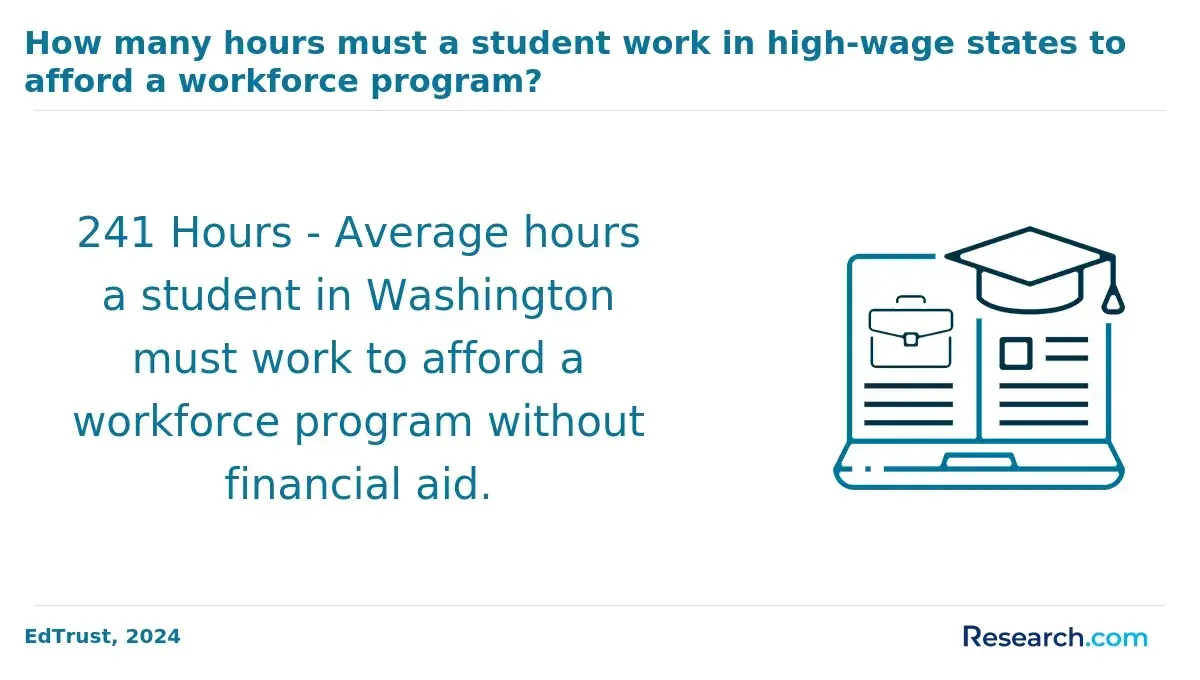
The cost after financial aid depends on published tuition, fees, credits required, transfer credits, grants, scholarships, employer assistance, and borrowing. Undergraduate completion programs may be less expensive for RNs who transfer many credits, while MSN and DNP leadership programs usually cost more because federal grant aid is limited at the graduate level.
The table below shows how students should think about total cost by degree level. It is more useful than comparing tuition alone because a nurse leadership student's final bill often depends on how many credits remain and which aid sources apply.
| Degree path | Common student profile | Major cost drivers | FAFSA aid considerations | Best fit |
| RN-to-BSN with leadership coursework | Licensed RN with an associate degree or diploma | Remaining credits, transfer policy, online fees, general education requirements | Eligible undergraduates may qualify for Pell Grants, loans, and institutional aid | RNs who need a bachelor's degree for promotion or future MSN admission |
| MSN in Nursing Leadership, Administration, or Management | BSN-prepared RN seeking management preparation | Graduate tuition, practicum requirements, technology fees, course sequence | Graduate students usually rely on Direct Unsubsidized Loans, scholarships, and employer aid | Nurses targeting manager, director, educator-administrator, or systems leadership roles |
| DNP in Executive Leadership or Systems Leadership | Master's-prepared nurse seeking advanced leadership credentials | Doctoral credits, project courses, residency or immersion requirements, capstone expenses | Federal graduate loans may apply, but borrowing can rise quickly | Nurses pursuing executive, population health, quality, policy, or senior leadership roles |
For the 2024-25 aid year, the maximum Federal Pell Grant is $7,395 for eligible undergraduate students. This matters most for RN-to-BSN leadership pathways because Pell Grant eligibility generally does not extend to standard graduate MSN or DNP programs, so graduate students should compare loan dependence more carefully.
To estimate your likely cost after aid, calculate the program this way:
- Multiply tuition per credit by the number of credits you must complete after transfer evaluation.
- Add mandatory fees, technology fees, books, course materials, background checks, and graduation fees.
- Subtract grants, scholarships, employer tuition assistance, tuition discounts, and military benefits that do not require repayment.
- Separate federal loans from true discounts so you can see your actual debt exposure.
- Compare the remaining balance across at least three schools before choosing the cheapest option.
The biggest red flag is a school that promotes a low per-credit price but does not clearly disclose the total program cost. If you cannot get a complete written estimate, keep looking or delay enrollment until the financial aid office provides one.
Which Affordable Online Nurse Leadership Degree Programs Offer the Best Value?
The best value is not always the program with the lowest tuition. In nurse leadership education, value means the program is accredited, FAFSA-eligible, reasonably priced, flexible enough for working nurses, aligned with your career target, and likely to minimize unnecessary borrowing.
Use the following value categories to compare programs beyond sticker price:
- Lowest total out-of-pocket cost: Best for students who qualify for grants, scholarships, employer aid, or major transfer credit savings.
- Fastest affordable completion: Best for experienced nurses who can handle accelerated courses without reducing work hours.
- Strongest leadership alignment: Best for students targeting nurse manager, director, quality, safety, administration, or executive roles.
- Best borrowing control: Best for graduate students who want to avoid using the full annual loan amount simply because it is available.
- Best employer match: Best for nurses whose hospitals reimburse specific accredited programs or require certain credentials for promotion.
Some nurses comparing leadership degrees also evaluate advanced-practice routes, because a leadership MSN and a clinical advanced-practice doctorate lead to different roles. If your goal is clinical practice rather than administration, compare nurse leadership options with DNP FNP programs before committing to a management-focused curriculum.
A more expensive program can be worth choosing if it offers better transfer acceptance, stronger practicum support, recognized nursing accreditation, predictable scheduling, or employer-preferred status. It is usually not worth paying more for vague prestige if the program does not improve your progression, licensure fit, employer reimbursement, or leadership preparation.
Are the Cheapest Online Nurse Leadership Degree Programs Properly Accredited?
The cheapest online nurse leadership degree is only a serious option if it is properly accredited. For U.S. students, this usually means institutional accreditation from a recognized accreditor and nursing program accreditation from a recognized nursing accreditor when applicable.
Accreditation matters because it can affect federal aid eligibility, transfer credit acceptance, graduate school admission, employer recognition, and-in some nursing pathways-licensure or certification expectations. For leadership degrees, accreditation is especially important if you plan to continue to a DNP, seek executive roles, or use employer tuition reimbursement.
Here is what to verify before enrolling:
- Confirm institutional accreditation through recognized U.S. accreditation channels and the school's official accreditation page.
- Check whether the nursing program is accredited by a nursing accreditor such as CCNE or ACEN when that applies to the degree.
- Ask whether the online track has the same accreditation status as the campus version.
- Confirm that the program is approved for federal student aid, not merely offered by a FAFSA-participating university.
- Ask your employer or target graduate school whether the credential meets its promotion, reimbursement, or admission requirements.
Be cautious with programs that are "approved," "licensed," or "authorized" but not institutionally accredited. State authorization to offer online education is not the same as accreditation, and professional recognition can vary by employer, state board, and future academic pathway.
What FAFSA Grants and Federal Aid Can Pay for an Online Nurse Leadership Degree?
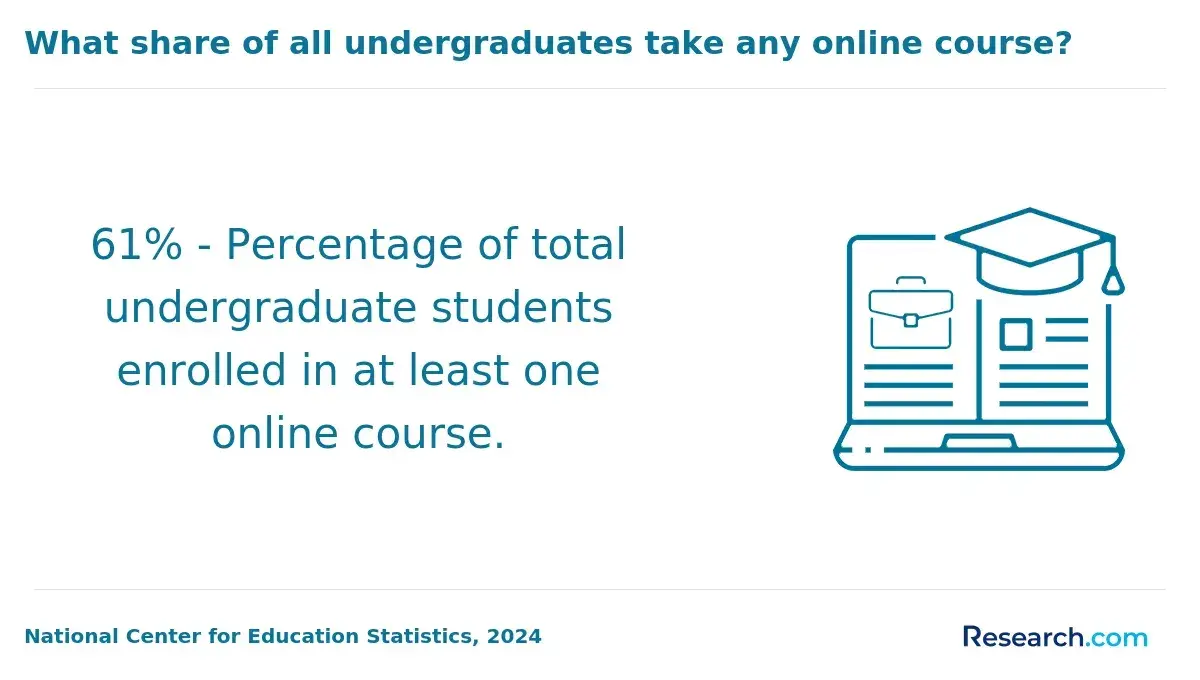
FAFSA can connect eligible students with several types of federal aid, but the mix depends heavily on whether the program is undergraduate or graduate. RN-to-BSN students may have access to more grant-based aid, while MSN and DNP leadership students often rely more on loans, scholarships, and employer tuition assistance.
The table below summarizes common FAFSA-related aid sources and how they typically apply to online nurse leadership students:
| Aid type | Who may use it | Repayment required? | Important limitation |
| Federal Pell Grant | Eligible undergraduate students, often in RN-to-BSN completion programs | No, unless eligibility rules are violated | Generally not available for standard graduate nursing leadership degrees |
| Federal Supplemental Educational Opportunity Grant | Undergraduates with exceptional financial need at participating schools | No, unless eligibility rules are violated | School funding is limited and not available everywhere |
| Direct Subsidized Loan | Eligible undergraduate students with financial need | Yes | Not available to graduate students |
| Direct Unsubsidized Loan | Undergraduate and graduate students who meet eligibility rules | Yes | Interest accrues according to federal loan terms |
| Graduate PLUS Loan | Graduate or professional students who meet credit and eligibility rules | Yes | Can increase total debt quickly if used to cover the full cost of attendance |
| Federal Work-Study | Eligible students at participating schools | No loan repayment, but funds are earned through work | Availability and online-student access vary by school |
Students often compare aid across healthcare programs, not just nursing leadership degrees. For example, the aid questions involved in financial aid for medical billing and coding online classes are different because many of those programs are shorter, certificate-based, or non-degree options, while nurse leadership degrees are usually degree-granting pathways.
The most important rule is to separate aid that reduces cost from aid that postpones payment. Grants, scholarships, tuition reimbursement, and waived fees lower your net price; federal loans must be repaid and should be evaluated as part of ROI.
How Do Transfer Credits Lower the Cost of an Online Nurse Leadership Degree?
Transfer credits can reduce the cost of an online nurse leadership degree more than a small tuition discount. This is especially true for RN-to-BSN students, RNs with prior bachelor's coursework, and graduate students who already completed relevant leadership, informatics, research, or healthcare policy courses.
The table below shows how transfer credit can change the real cost equation. It helps explain why the cheapest per-credit program may not be the cheapest program to finish.
| Transfer scenario | Possible cost impact | What to ask the school | Best decision rule |
| RN-to-BSN student with an associate degree | Large savings if the school accepts block transfer or nursing credits | How many credits will transfer before enrollment? | Choose based on remaining credits, not total published degree credits |
| BSN-prepared RN entering an MSN leadership program | Moderate savings if prior graduate credits are accepted | What is the maximum graduate transfer credit allowed? | Compare total credits after transfer evaluation |
| MSN-prepared nurse entering a DNP leadership program | Potentially large savings if the program has a post-master's pathway | Does the school evaluate prior MSN courses and clinical hours? | A higher tuition program may be cheaper if it requires fewer doctoral credits |
| Student with older credits | Savings may be limited by course age rules | Do leadership, research, statistics, or informatics credits expire? | Get the policy in writing before paying an application fee |
To use transfer credits strategically, complete these steps before choosing a program:
- Send official transcripts early and request a formal transfer evaluation.
- Ask which credits apply directly to degree requirements rather than only counting as electives.
- Compare the number of credits left at each school after evaluation.
- Calculate cost using remaining credits plus fees, not the advertised full-program estimate.
- Ask whether transferred credits affect scholarship eligibility, pace requirements, or financial aid enrollment status.
A common mistake is choosing a lower-tuition school that accepts fewer credits. If another accredited program costs more per credit but lets you skip several courses, it may produce a lower total bill and a faster path to graduation.
Which Students Benefit Most From a Low-Cost Online Nurse Leadership Degree With FAFSA?
A low-cost online nurse leadership degree with FAFSA eligibility is most valuable for licensed nurses who need a recognized credential for advancement but cannot pause employment to attend a campus program. It also fits students who can combine federal aid with employer tuition assistance, union education benefits, military benefits, or state workforce scholarships.
The students most likely to benefit include the following groups:
- Working RNs seeking promotion: Nurses targeting charge nurse, assistant manager, nurse manager, clinical coordinator, or director-track roles often need leadership coursework without leaving the workforce.
- Associate-degree RNs completing a bachelor's degree: RN-to-BSN students may benefit from Pell Grants if they meet undergraduate eligibility rules.
- BSN-prepared nurses seeking management credentials: MSN leadership programs can support movement into administration, quality improvement, staff development, or healthcare operations.
- Employer-supported nurses: Students with tuition reimbursement can reduce borrowing if the program meets employer accreditation and grade requirements.
- Rural or shift-based nurses: Online programs can reduce commuting, relocation, and schedule disruption costs.
Students who are still deciding whether to enter nursing should compare entry and bridge pathways before focusing on leadership degrees. For example, someone moving from medical assisting may need a licensure pathway such as an MA to LPN bridge program online before a nurse leadership degree becomes relevant.
Low cost should not be the main deciding factor for students who need a specific state licensure pathway, a clinical nurse practitioner credential, or a program with intensive placement support. In those cases, the cheapest leadership degree may not match the career goal.
How Does the Cost of an Online Nurse Leadership Degree Affect Career ROI?
Career ROI depends on how much you pay, how much you borrow, how quickly you finish, and whether the degree connects to roles that actually require or reward leadership preparation. For nurses, ROI can come from promotion eligibility, management-track access, reduced schedule limitations, or preparation for graduate and doctoral study.
The U.S. Bureau of Labor Statistics reports that medical and health services managers had a 2023 median pay of $110,680, and the role is projected to grow 29% from 2023 to 2033. That figure does not guarantee earnings for nurse leadership graduates, but it shows why nurses moving into administration may compare degree cost against management-level compensation rather than bedside RN wages alone.
Use these ROI questions before enrolling:
- Will the degree qualify you for a role your employer actually posts or promotes into?
- How much debt will remain after grants, scholarships, tuition reimbursement, and cash payments?
- Will the program allow you to keep working full time, or will lost wages offset the cheaper tuition?
- Does the curriculum include budgeting, staffing, quality improvement, informatics, policy, and organizational leadership?
- Will the credential support a later MSN, DNP, or executive leadership pathway if your goals change?
Some nurses compare nurse leadership degrees with doctoral routes when evaluating long-term ROI. If you are weighing a leadership MSN against doctoral completion, reviewing the fastest online DNP programs can help you understand whether a shorter doctoral route may fit your timeline better than a second master's or standalone leadership credential.
The strongest ROI usually comes from a program that keeps debt low while meeting a clearly defined career requirement. The weakest ROI comes from borrowing heavily for a credential that is not required, not employer-recognized, or not aligned with the student's target role.
How Should Students Choose the Cheapest FAFSA-Eligible Online Nurse Leadership Degree?
Start with affordability, but do not stop there. The right program should be accredited, FAFSA-eligible, transparent about total cost, generous with applicable transfer credit, manageable for your work schedule, and aligned with the leadership role you want.
Use this decision process to compare programs in a practical order:
- Define your target role, such as nurse manager, director, executive leader, quality specialist, educator-administrator, or healthcare operations leader.
- Choose the appropriate degree level: RN-to-BSN for bachelor's completion, MSN for graduate leadership preparation, or DNP for advanced systems or executive leadership.
- Verify institutional accreditation, nursing accreditation, and program-level FAFSA eligibility.
- Request a written cost-of-attendance estimate and a transfer credit evaluation from each school.
- Compare net price after grants, scholarships, employer aid, and transfer credits.
- Estimate total borrowing and monthly repayment risk before accepting loans.
- Ask employers whether the program qualifies for tuition reimbursement or promotion consideration.
- Check format details, including synchronous sessions, practicum expectations, residency requirements, and start dates.
It also helps to compare leadership degrees with clinical graduate pathways if you are not fully committed to administration. Nurses considering mental health advanced practice, for instance, may want to review accelerated MSN psychiatric np programs because those programs prepare for a different role, licensure path, and ROI calculation than nurse leadership degrees.
Before enrolling, ask admissions and financial aid offices direct questions: Is this exact online program aid-eligible? What is the total program cost if I transfer my credits? Which fees are mandatory? What aid can reduce my balance rather than increase my debt? What happens to my aid if I take fewer credits during a busy work term? Clear answers are a good sign; vague answers are a reason to slow down.
Other Things You Should Know About Nurse Leadership
Yes, many online nurse leadership programs are designed for working RNs. Still, accelerated courses, practicum assignments, group projects, and leadership immersion requirements can affect your schedule, so ask for a sample course plan before enrolling.
Some do, but leadership programs usually use practicums, projects, or leadership immersion experiences rather than direct patient-care clinical rotations. Requirements vary by degree level and school, so confirm the number of hours and whether you can complete them near your workplace.
Prerequisites typically include a BSN from an accredited institution, current RN licensure, and a minimum GPA of 3.0. Some programs might also require previous clinical experience or specific coursework in statistics or health assessment for enrollment in 2027.
Often, yes. Many students combine employer tuition benefits with federal aid, but timing matters because reimbursement may arrive after grades post. Ask the school how employer payments affect your aid package and billing schedule.
References
- Guide to the Most Affordable Online Nurse Practitioner Programs https://www.edumed.org/online-schools/nurse-practitioner-programs/most-affordable/
- Frequently Asked Questions https://www.aacnnursing.org/essentials/tool-kit/faqs
- Top 50 Clinical Nurse Leadership Degree Programs - Healthcare Management Degree Guide https://www.healthcare-management-degree.net/best/top-clinical-nurse-leadership-degree-programs/
- Most Affordable Online NP Programs (2026): Comprehensive https://www.npschools.com/rankings/all-affordable-online-np-programs
- MSN Nursing Leadership and Administration https://online.king.edu/online-degree-programs/nurse-leadership-and-administration/
- Top 50 Most Affordable Online Nursing Administration Degrees (MSN) - Healthcare Administration Degree Programs https://www.healthcare-administration-degree.net/best/affordable-online-nursing-administration-degrees-msn/
- Most Affordable Online Family Nurse Practitioner Programs | ThriveAP https://provider.thriveap.com/blog/most-affordable-online-family-nurse-practitioner-programs
- MSN Nursing Leadership: Clinical Nurse Leader (CNL) for RNs https://www.rushu.rush.edu/college-nursing/programs-admissions/online-clinical-nurse-leader-program-rns-msn
- Online Clinical Nurse Leader Programs - CNL Degrees https://www.nursingcolleges.com/programs/clinical-nurse-leader
- Financial Aid: Unlocking Nursing Opportunities https://www.onlinenursingdegrees.org/financial-aid/