2027 Cheapest Accredited Online Music Business Degree Programs That Accept FAFSA

Co-Founder and Chief Data Scientist
Choosing an online music business degree is really a cost-versus-career decision: the cheapest tuition is not always the lowest out-of-pocket price. The U. S. Department of Education set the maximum Federal Pell Grant at $7,395 for the 2024-25 award year, which can materially reduce costs for eligible students. This guide is for future artist managers, label staff, tour coordinators, music marketers, and entrepreneurs who want an accredited online program that accepts FAFSA. You will learn how to compare tuition, net price, accreditation, transfer credits, aid, and career ROI before enrolling.
Key Things You Should Know
- The lowest advertised online music business tuition among commonly available FAFSA-participating options can start near community college rates, but bachelor's programs often run about $39,600 to more than $60,000 before aid and fees.
- FAFSA access does not mean a program is free; the 2024-25 maximum Pell Grant is $7,395, and federal loan limits depend on year in school, dependency status, and remaining eligibility.
- Accreditation matters as much as price because it affects federal aid eligibility, transfer options, graduate school access, and how employers may view the credential.
Which Are the Cheapest Accredited Online Music Business Degree Programs That Accept FAFSA?
The cheapest FAFSA-eligible online music business options usually fall into two groups: lower-cost associate programs at public community colleges and bachelor's programs at institutions with online tuition rates. The table below focuses on accredited U.S. institutions with music business, music industry, entertainment business, or closely related online degree pathways; because tuition and delivery formats change, students should verify the current catalog, online availability, and federal aid participation before applying.
| School | Online music business-related degree | Institution type | Accreditation | FAFSA participation | Published tuition snapshot before aid | Best fit |
| Mesa Community College | AAS in Music Business; online and hybrid course availability may vary by term | Public community college | Higher Learning Commission | Yes, through the Maricopa Community Colleges federal aid system | Community college tuition can be far lower than four-year private tuition; confirm residency rate and online course availability | Students who want the lowest starting cost and may transfer later |
| Southern New Hampshire University | BA in Music Business | Private nonprofit university | New England Commission of Higher Education | Yes | About $330 per credit, or about $39,600 for 120 credits before fees and aid | Students seeking a fully online bachelor's degree with broad transfer-credit flexibility |
| Liberty University | Online commercial music or music business-related bachelor's pathway | Private nonprofit university | Southern Association of Colleges and Schools Commission on Colleges | Yes | Common online undergraduate rates are often around the high-$300s per credit for full-time students; verify the exact program rate | Students who want a Christian university environment and accelerated online terms |
| University of the Southwest | Online BBA pathway with music business-related study options | Private nonprofit university | Higher Learning Commission | Yes | Often priced in the mid-$400s per credit range for online undergraduate study; verify current rates | Students who want a business-centered degree with music industry application |
| Berklee Online | BA in Music Business | Private nonprofit college | New England Commission of Higher Education through Berklee College of Music | Yes for eligible degree students | About $515 per credit, or about $61,800 for 120 credits before fees and aid | Students who value a specialized music college brand and industry-focused curriculum |
| Full Sail University | BS in Music Business, online | Private for-profit university | Accrediting Commission of Career Schools and Colleges | Yes for eligible students and programs | Flat program tuition is commonly higher than low-cost nonprofit options; verify the current total before enrolling | Students who prefer an accelerated entertainment-industry format and can manage a compressed schedule |
The practical takeaway is that the "cheapest" program depends on your starting point. A student with many transfer credits may pay less at a bachelor's program with a higher per-credit rate than at a cheaper school that accepts fewer credits.
When comparing schools, ask for a written cost estimate that includes tuition, mandatory fees, technology fees, course materials, transfer-credit evaluation, and the number of credits you still need. A school should be able to show your estimated remaining cost after grants, scholarships, and federal loans, not just the sticker price.
How Does FAFSA Eligibility Work for Online Music Business Degree Programs?
FAFSA eligibility means the institution participates in federal student aid programs and the student meets federal and school-level requirements. It does not automatically mean every online program, every certificate, or every enrollment pattern qualifies for the same amount of aid.
For an online music business degree, federal aid usually depends on several linked conditions. Use this checklist before you commit to a program, especially if you are comparing music business with other online fields such as MSW programs online, where aid rules can also vary by enrollment status and program structure.
- Confirm the school has a valid federal school code and participates in Title IV federal student aid.
- Verify that the exact online music business degree, not just the institution, is eligible for federal aid.
- Ask whether you must enroll at least half time to receive federal loans or other aid.
- Check whether accelerated terms, subscription formats, or competency-based courses affect aid disbursement.
- Review satisfactory academic progress rules, because losing eligibility can interrupt aid in later terms.
A common mistake is assuming that "accepts FAFSA" equals "fully funded." FAFSA is the application, not the award. Your actual aid package depends on your Student Aid Index, cost of attendance, dependency status, enrollment level, prior borrowing, and school policies.
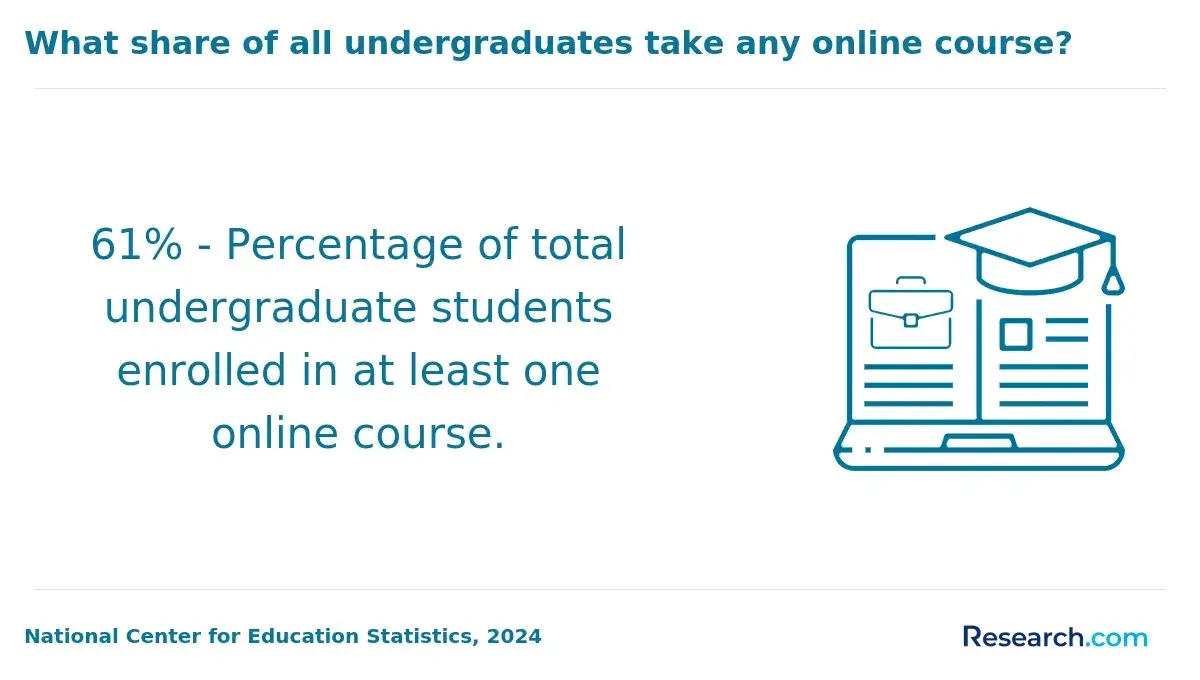
How Much Does an Online Music Business Degree Cost After Financial Aid?
The cost after financial aid is the net price: total cost of attendance minus grants and scholarships that do not have to be repaid. For online students, the most important number is not the per-credit rate; it is the total amount you must pay or borrow to finish the degree.
The table below shows how different tuition levels can translate into different remaining costs. These examples are simplified estimates, not financial aid offers, but they show why two students in the same program can pay very different amounts.
| Scenario | Published tuition before aid | Example grant or scholarship support | Estimated remaining tuition | What it means |
| Low-cost associate pathway | $7,000 to $12,000 for remaining lower-division credits | Up to the student's eligible grant amount | Could be low if grants cover most tuition | Best for students who can complete lower-division credits cheaply before transferring |
| Lower-cost online bachelor's | About $39,600 for 120 credits before fees | Pell Grant, institutional scholarships, employer aid, or transfer credits | Varies widely by aid eligibility and credits accepted | Often a strong balance of access, flexibility, and predictable tuition |
| Specialized private music college | About $61,800 or more before fees | Institutional aid may reduce cost for some students | Can remain high without scholarships or transfer credits | May be worth considering if the curriculum, network, and brand fit a specific career plan |
The most reliable way to compare cost is to request a net price estimate from each school after your FAFSA and transfer evaluation are complete. If a school cannot explain your total remaining credits and estimated aid clearly, treat that as a red flag.
Students should also consider indirect online costs, including a reliable computer, audio software, production tools, internet access, textbooks, portfolio hosting, and possible travel for optional events or residencies. These costs may be included in the school's cost of attendance budget, but they can still affect cash flow.
Which Affordable Online Music Business Degree Programs Offer the Best Value?
The best value is not always the lowest tuition. A good-value online music business degree combines affordable net cost, recognized accreditation, relevant coursework, flexible scheduling, strong transfer policies, and career support connected to the music industry.
Use the table below to compare value factors that matter more than sticker price alone. This approach also applies when comparing undergraduate options with affordable online master's programs, where the lowest tuition can become less attractive if completion time, fees, or limited aid raise the real cost.
| Value factor | Why it matters for music business students | When a higher-cost program may be worth it |
| Transfer-credit acceptance | Accepted credits directly reduce the number of courses you must pay for | When the school accepts substantially more prior credit than a cheaper competitor |
| Industry-focused curriculum | Music business careers often require knowledge of contracts, publishing, licensing, touring, royalties, marketing, and analytics | When specialized courses match your target role more closely than a general business degree |
| Career services and networking | Internships, portfolio projects, employer events, and alumni networks can help students enter a relationship-driven industry | When the program offers practical access to music industry mentors or projects |
| Online flexibility | Working students may need asynchronous courses, multiple start dates, and part-time enrollment | When flexibility helps you stay enrolled and avoid stopping out |
| Accreditation and transferability | Institutional accreditation supports federal aid access and may affect future education plans | When stronger transfer or graduate-school acceptance lowers long-term risk |
A lower-cost program makes the most sense if it is accredited, FAFSA-eligible, accepts your transfer credits, and offers enough music-specific coursework for your goal. A more expensive program may be reasonable if it provides a specialized network, stronger portfolio opportunities, or a faster route to completion without excessive debt.
Are the Cheapest Online Music Business Degree Programs Properly Accredited?
Proper accreditation means the institution is recognized by an accreditor accepted by the U.S. Department of Education or the Council for Higher Education Accreditation. For FAFSA purposes, institutional accreditation is essential because federal aid is tied to eligible schools and programs.
Music business degrees are usually housed in business, entertainment, recording industry, or music departments. Programmatic music accreditation can be useful, but it is not always required for music business careers in the same way licensure-focused accreditation may be required in fields such as nursing, counseling, or education.
Before enrolling, verify accreditation through official sources rather than relying only on marketing language. A school's website should identify its institutional accreditor, but students should also check the U.S. Department of Education's accreditation database and ask the admissions office direct questions.
- Ask for the institution's accreditor and current accreditation status.
- Confirm that the online degree is offered by the accredited institution, not an unaffiliated partner.
- Ask whether credits commonly transfer to public universities or graduate programs.
- Check whether the program has any required campus visits, residencies, internships, or equipment costs.
- Review student outcomes, retention data, and complaint history when available.
One red flag is vague wording such as "accredited curriculum" without naming an institutional accreditor. Another is pressure to enroll before you receive a written financial aid estimate or transfer-credit evaluation.
What FAFSA Grants and Federal Aid Can Pay for an Online Music Business Degree?
FAFSA can connect eligible students to federal grants, loans, and work-study, and it may also help schools determine eligibility for state or institutional aid. Grants and scholarships reduce net cost; loans reduce the amount due now but must be repaid with interest.
The main federal aid types for eligible undergraduate music business students are listed below. Understanding the difference helps students avoid overborrowing for a degree in a competitive industry.
- Federal Pell Grant: Need-based grant aid for eligible undergraduate students; the maximum award for 2024-25 is $7,395.
- Federal Supplemental Educational Opportunity Grant: Additional campus-based grant aid for students with exceptional financial need, available only at participating schools with limited funding.
- Direct Subsidized Loan: Need-based federal loan for eligible undergraduate students; the government pays interest during certain in-school and deferment periods.
- Direct Unsubsidized Loan: Federal loan not based on financial need; interest begins accruing after disbursement.
- Federal Work-Study: Part-time work funding at participating schools, which may or may not be practical for fully online students depending on available positions.
Undergraduate federal loan limits are capped by year in school and dependency status. For many students, that limit can prevent excessive annual borrowing, but it also means students may need grants, scholarships, employer assistance, payment plans, or transfer credits to close the gap.
The key mistake to avoid is using loans to cover a high-cost program before comparing lower-cost accredited alternatives. Federal loans can be useful, but they should fit a repayment plan based on realistic early-career earnings, not best-case music industry outcomes.
How Do Transfer Credits Lower the Cost of an Online Music Business Degree?
Transfer credits can be the biggest cost reducer for online music business students. If a bachelor's degree requires 120 credits and a school accepts 60 prior credits, the student may only pay for the remaining half of the degree.
The table below shows how transfer credits can change total tuition before aid at a school charging $330 per credit. The same logic applies at higher-cost schools, where each accepted credit can save even more.
| Credits accepted | Credits remaining in a 120-credit bachelor's degree | Tuition at $330 per remaining credit | Potential advantage |
| 0 credits | 120 | $39,600 | Full degree cost before aid |
| 30 credits | 90 | $29,700 | Roughly one year of prior coursework applied |
| 60 credits | 60 | $19,800 | Associate-degree transfer can cut tuition substantially |
| 90 credits | 30 | $9,900 | Best for students with extensive prior college credit, if major requirements still fit |
Students should not assume all credits will transfer as degree-applicable credits. A school may accept elective credits but still require music business core courses, upper-division business classes, or a capstone.
To avoid surprises, request an official or preliminary transfer evaluation before enrolling. Ask how many credits apply to general education, major requirements, electives, and upper-division requirements, because only degree-applicable credits lower your true completion cost.
Which Students Benefit Most From a Low-Cost Online Music Business Degree With FAFSA?
A low-cost FAFSA-eligible online music business degree is most useful for students who need flexibility, want to limit debt, and have a clear plan for using the credential. It can be especially practical for working musicians, venue staff, military-affiliated students, community college transfers, parents, and adults returning to school.
These students often benefit the most because they can combine the degree with existing experience. The same is true in other flexible online pathways, such as an accelerated bachelor's degree in psychology, where prior credits and adult-friendly scheduling can strongly affect affordability.
- Working music professionals who need business knowledge in publishing, licensing, artist management, touring, or promotion.
- Community college graduates who can transfer lower-cost credits into a bachelor's program.
- Students who qualify for Pell Grants or state grants and want to reduce borrowing.
- Military-affiliated students who can combine federal aid with GI Bill benefits or tuition assistance when eligible.
- Career changers who already have marketing, business, sales, media, or event experience and need music-industry specialization.
Students should be cautious if they are choosing the major only because they love music but have no interest in business tasks. Music business careers often involve budgets, contracts, data, promotion, relationship management, negotiation, and long hours around events or release schedules.
How Does the Cost of an Online Music Business Degree Affect Career ROI?
Career ROI depends on how much you pay, how much you borrow, how long it takes to finish, and whether the degree supports roles with realistic earning potential. In the music industry, outcomes vary widely because jobs span artist management, music publishing, live events, digital marketing, sync licensing, rights administration, label operations, and entrepreneurship.
BLS May 2024 wage data lists the median annual wage for agents and business managers of artists, performers, and athletes at about $84,900. That figure is useful context, but it should not be treated as a starting salary; early-career music business roles may pay less, and self-employed or commission-based work can be unpredictable.
Current industry trends also affect ROI. Streaming analytics, short-form video promotion, direct-to-fan sales, AI-assisted music tools, and creator monetization have increased demand for people who understand both music and digital business. Students interested in promotion-heavy roles may also compare music business with an online degree social media marketing path, especially if their target jobs are in audience growth, content strategy, or paid media.
Use these ROI questions before choosing a program. They help separate a good educational fit from a degree that may be too expensive for your likely career path.
- How much will I need to borrow after grants, scholarships, employer aid, and transfer credits?
- What entry-level roles does this program realistically prepare me for?
- Does the curriculum include contracts, copyright, royalties, data analytics, marketing, entrepreneurship, and live-event operations?
- Will I graduate with portfolio projects, internship experience, or industry contacts?
- Can I keep working while enrolled, or will the schedule reduce my income?
The safest ROI strategy is to minimize debt while building experience before graduation. In music business, the degree can help, but experience, networking, technical fluency, and proof of results often matter heavily in hiring and freelance opportunities.
How Should Students Choose the Cheapest FAFSA-Eligible Online Music Business Degree?
Students should choose the cheapest FAFSA-eligible online music business degree by comparing net cost, accreditation, transfer credits, program fit, and career support together. The right program is the one that helps you finish with the least unnecessary debt while still preparing you for your target role.
Follow this decision process before applying or depositing. It is useful for music business and for other specialized online degrees, including creative professional pathways such as an architect degree online, where accreditation, cost, and career requirements must be checked carefully.
- Make a shortlist of accredited schools with online music business or closely related entertainment business degrees.
- Confirm FAFSA eligibility for the exact program and enrollment format.
- Submit the FAFSA and request a school-specific aid estimate.
- Send transcripts for a transfer-credit evaluation before deciding.
- Compare total remaining tuition, required fees, equipment, software, and course materials.
- Review the curriculum against your career goal, such as artist management, publishing, touring, marketing, or entrepreneurship.
- Ask about internships, portfolio projects, alumni support, and employer connections.
- Estimate total borrowing and monthly repayment before accepting loans.
- Choose the lowest net-cost program that still meets your accreditation, flexibility, and career-preparation requirements.
Do not choose based only on the lowest advertised tuition. A slightly more expensive school may cost less overall if it accepts more transfer credits, offers stronger grants, or helps you finish faster. Conversely, a prestigious music-focused program may not be worth the premium if it requires heavy borrowing and does not align with your target job.
Before enrolling, ask the admissions and financial aid offices these questions in writing: Is this exact online degree Title IV eligible? How many of my credits apply to the degree? What is my estimated total remaining cost? Which aid is grant aid and which is loan aid? Are there required fees, software, or residencies? What happens to my aid if I attend part time?
Other Things You Should Know About Music Business
Yes, several accredited institutions offer fully online music business or entertainment business degrees. However, some lower-cost programs may have hybrid courses, limited online course rotation, internships, or optional in-person experiences, so confirm the delivery format for every required course.
An associate degree can be enough for entry-level support roles, transfer preparation, or students who already have music industry experience. A bachelor's degree may be more useful for management, marketing, publishing, label operations, or roles where employers prefer a four-year credential.
Most music business programs do not require performance auditions because they focus on business, marketing, copyright, management, and industry operations. Some programs connected to commercial music or recording may ask for a portfolio, music background, or placement information.
Often, yes. Employer tuition assistance may be combined with federal aid, but the school must account for outside educational benefits when building the aid package. Ask the financial aid office how employer payments affect grants, loans, billing dates, and refunds.
References
- Bachelor of Science in Music, Emphasis in Music Business https://www.leeuniversity.edu/academics/music/music-business/
- How to Choose the Best Music Business Program https://blog.trevecca.edu/thehill/how-to-choose-the-best-music-business-program
- FAFSA Guide for Business Schools | Accounting.com https://www.accounting.com/resources/fafsa-guide/
- What is the typical debt load for graduates of four-year public universities - APLU https://www.aplu.org/our-work/4-policy-and-advocacy/publicuvalues/student-debt/
- Join Our Music Business Program Online | Musicians Institute https://www.mi.edu/music-business/
- Graduation rates and how they are linked to the student debt crisis https://www.truthinaccounting.org/news/detail/graduation-rates-and-how-they-are-linked-to-the-student-debt-crisis
- The 5 Best Music Business Schools in America to Help You Kick-Start a Career in the Music Industry - Indiy - https://indiy.com/the-best-music-business-schools/
- Types of Financial Aid for Online Colleges https://www.umassglobal.edu/blog-news/types-financial-aid-online-colleges
- Scholarships for Music Majors https://majoringinmusic.com/scholarships-for-music-majors/
- Do Online Colleges Accept FAFSA? | Ascent Funding https://www.ascentfunding.com/blog/do-online-colleges-accept-fafsa/