2027 Cheapest Accredited Online Mobile App Development Degree Programs That Accept FAFSA

Co-Founder and Chief Data Scientist
Choosing a low-cost online mobile app development degree is really a financial-aid decision, not just a tuition search. The U. S. Bureau of Labor Statistics reported a May 2024 median annual wage of $133,080 for software developers, but getting there without unnecessary debt requires comparing accreditation, FAFSA eligibility, transfer credits, and real net price. This guide is for students seeking an online degree tied to mobile apps, software development, or app-focused computer science. You'll learn which affordable options to compare, how federal aid works, and how to judge whether the cheapest program is actually the best value.
Key Things You Should Know
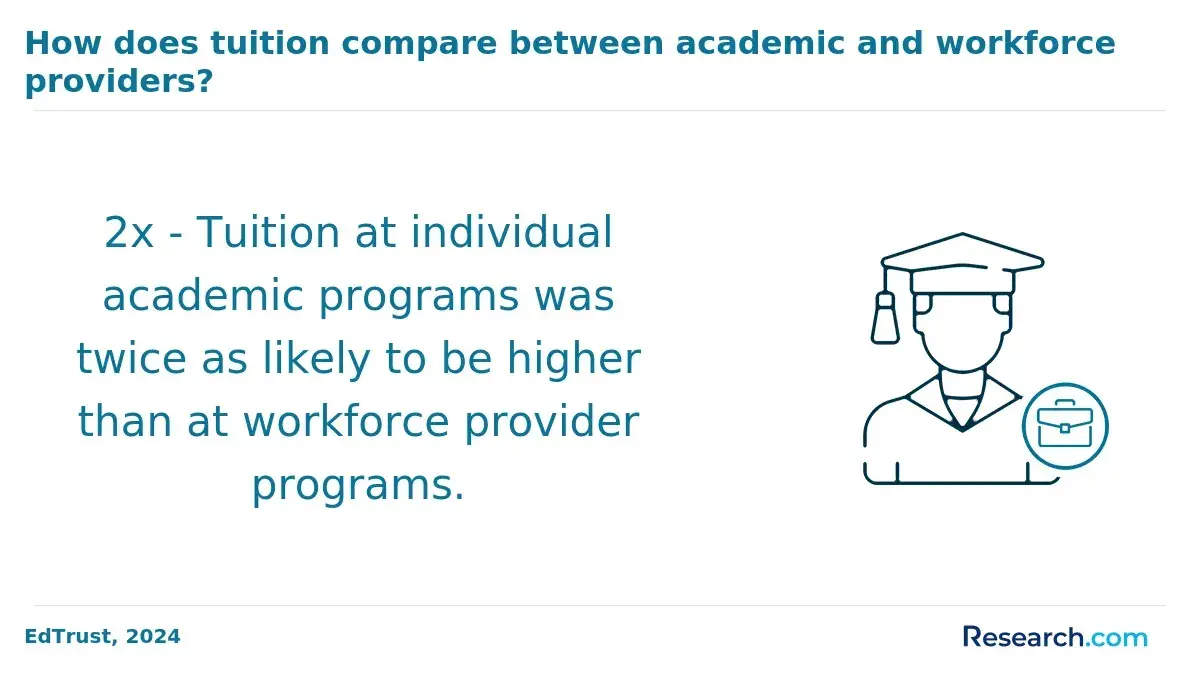
- The cheapest FAFSA-eligible options are often public online programs, community-college pathways, or competency-based universities; published bachelor's tuition can range from roughly the high-$200s per credit to more than $450 per credit before aid.
- FAFSA participation means the institution can process federal aid, but it does not mean every student receives grants or that every app development certificate, bootcamp, or short program qualifies.
- The 2025-26 maximum Federal Pell Grant is $7,395, so transfer credits, scholarships, and employer tuition benefits usually determine whether a program becomes genuinely low-cost after aid.
Which Are the Cheapest Accredited Online Mobile App Development Degree Programs That Accept FAFSA?
Dedicated "mobile app development" degrees are less common than broader online degrees in software development, computer science, web development, or information technology that include mobile programming, user experience, databases, cloud deployment, and app project courses. For affordability, the strongest candidates are accredited institutions that participate in Title IV federal student aid and publish transparent online tuition.
The table below highlights low-cost online degree options that are relevant to mobile app development and commonly available to U.S. online learners. Tuition can change by residency, term, fees, transfer credits, and course load, so use this as a shortlist for verification rather than a final bill.
| Institution | Relevant online degree pathway | Institutional accreditation | FAFSA participation | Published tuition structure to verify | Best fit |
| Western Governors University | B.S. in Software Engineering or related IT degree with app-relevant development coursework | Northwest Commission on Colleges and Universities | Yes | Flat-rate six-month terms, often around the lower-$4,000 range before fees for many undergraduate IT programs | Self-paced students who can complete many courses per term |
| Fort Hays State University | Online computer science or informatics-related study with software and application development relevance | Higher Learning Commission | Yes | Low public online undergraduate per-credit tuition, commonly among the more affordable four-year options | Students who want public-university pricing and a traditional credit model |
| Southern New Hampshire University | B.S. in Computer Science with software engineering or project-based development emphasis | New England Commission of Higher Education | Yes | Online undergraduate tuition commonly listed at about $330 per credit before discounts and aid | Students who want frequent start dates and broad student support |
| Franklin University | B.S. in Web Development or software-focused bachelor's pathway | Higher Learning Commission | Yes | Online undergraduate tuition commonly listed below many private nonprofit competitors but higher than some public options | Adult learners with transfer credits and work experience |
| Wilmington University | Computer science, web design, or application-development-related online pathway | Middle States Commission on Higher Education | Yes | Moderate per-credit tuition with potential savings through transfer credits and employer partnerships | Students comparing flexible private nonprofit options |
| Bellevue University | B.S. in Software Development or related online technology degree | Higher Learning Commission | Yes | Per-credit undergraduate tuition often higher than the lowest public options but designed for transfer-friendly completion | Students finishing a bachelor's after prior college or military credit |
For many students, the "cheapest" program will not be the one with the lowest sticker price. A $400-per-credit program that accepts 75 transfer credits may cost less out of pocket than a $275-per-credit program that requires the student to retake many courses.
How Does FAFSA Eligibility Work for Online Mobile App Development Degree Programs?
FAFSA eligibility starts with the school and the specific credential. The institution must participate in federal student aid programs, and the degree program must be an eligible program under Title IV rules; a short mobile app certificate, bootcamp, continuing education course, or noncredit coding academy may not qualify even if the college itself accepts FAFSA.
Before applying, students should confirm four separate points because confusing them is one of the most expensive mistakes in online education.
- Check that the institution appears in the federal school code system and is approved to participate in federal student aid.
- Ask whether the exact online mobile app development, software development, computer science, or web development degree is Title IV eligible.
- Confirm whether your enrollment level, such as full-time, half-time, or less than half-time, changes grant or loan eligibility.
- Request a written financial aid estimate that separates grants, scholarships, loans, required fees, and remaining balance.
FAFSA is not a scholarship application by itself. It collects financial and household information used by schools to determine eligibility for federal grants, federal loans, work-study, and sometimes state or institutional aid. The resulting aid package depends on the student's Student Aid Index, enrollment intensity, dependency status, prior aid use, academic progress, and the school's cost of attendance.
How Much Does an Online Mobile App Development Degree Cost After Financial Aid?
The cost after financial aid depends on three numbers: total program cost, gift aid, and credits remaining. Published tuition is only the starting point because online students may still pay technology fees, books, exam-proctoring fees, portfolio tools, development software, graduation fees, and loan origination costs.
Use these current federal-aid figures as cost anchors when comparing schools, but remember that eligibility varies by student and aid year.
- Maximum Federal Pell Grant for 2025-26: $7,395 for eligible students with high financial need.
- Federal Direct Subsidized and Unsubsidized Loans for dependent first-year undergraduates: up to $5,500 combined, subject to federal limits and eligibility.
- Federal Direct Loans for independent first-year undergraduates: up to $9,500 combined, subject to subsidized loan limits and eligibility.
The table below shows how net cost thinking works. It does not predict your award; it illustrates why the same tuition can lead to very different out-of-pocket costs.
| Cost factor | Why it matters | How to evaluate it |
| Credits required | A 120-credit bachelor's costs twice as much as completing only 60 remaining credits after transfer. | Ask for an official transfer evaluation before committing. |
| Tuition model | Per-credit pricing favors part-time pacing, while flat-rate terms can reward fast completion. | Compare cost at your realistic course load, not the fastest advertised pace. |
| Gift aid | Grants and scholarships reduce the bill without repayment. | Separate gift aid from loans in the award letter. |
| Required fees | Low tuition can be offset by recurring technology or course fees. | Request the full cost of attendance for online students. |
| Borrowing | Loans can make enrollment possible but increase total repayment cost. | Estimate total borrowing through graduation, not just the first term. |
A practical rule is to compare total remaining cost, not annual tuition. If you already have an associate degree, military training, industry certifications, or prior programming credits, your real cost may be much lower than the published full-degree estimate.
Which Affordable Online Mobile App Development Degree Programs Offer the Best Value?
The best-value online mobile app development degree is usually the one that combines low net price, recognized accreditation, strong transfer acceptance, relevant technical coursework, and enough flexibility to help you finish. Value is not the same as prestige, and it is not always the same as lowest tuition.
Students comparing technology degrees can borrow a useful lesson from people comparing the cheapest MBA programs online: the most affordable option is the one with the lowest total cost for the credential you will actually complete, not just the lowest advertised rate.
The table below organizes value by student situation. This helps you match the program model to your financial and academic profile instead of assuming one school type is best for everyone.
| Student situation | Likely best-value model | Why it may work | What to watch |
| No prior college credit | Low-cost public online bachelor's or community-college-to-bachelor's pathway | Lower tuition across all credits can matter most when starting from zero. | Make sure the curriculum includes modern programming, databases, APIs, and mobile or cross-platform development. |
| 60 or more transfer credits | Transfer-friendly private nonprofit or public completion program | Generous transfer acceptance can reduce the number of paid credits. | Do not rely on unofficial transfer guesses from admissions calls. |
| Fast, independent learner | Competency-based university | Flat-rate terms may lower cost if you complete many courses quickly. | Slow progress can make this model more expensive than expected. |
| Working adult | Asynchronous online program with multiple start dates | Flexible pacing can improve completion odds while working. | Check weekly workload, group-project expectations, and exam scheduling. |
| Career changer | Degree with portfolio projects and career services | Employers often want evidence of apps, code repositories, and problem-solving ability. | A cheap degree with weak project work may require extra portfolio-building outside class. |
A more expensive program can be worth considering if it accepts significantly more transfer credit, includes industry-relevant capstone projects, offers stronger advising, or has partnerships that reduce tuition. A cheaper program may be the better choice when it is accredited, fits your schedule, and covers the technical stack used in entry-level software roles.
Are the Cheapest Online Mobile App Development Degree Programs Properly Accredited?
Accreditation is the quality-control checkpoint that protects students from paying for a credential that employers, graduate schools, or federal aid systems may not recognize. For FAFSA-eligible degree programs, institutional accreditation from an agency recognized by the U.S. Department of Education is the baseline requirement to verify.
Programmatic accreditation is less common for app development than for fields such as nursing, engineering, or education. Some computer science programs may hold ABET accreditation, but many legitimate software development and web development degrees do not; lack of ABET accreditation is not automatically a red flag for mobile app careers, but institutional accreditation is essential.
Use this verification process before enrolling because accreditation claims can be vague on marketing pages.
- Find the school's institutional accreditor on the college website and confirm it is recognized by the U.S. Department of Education or CHEA.
- Check whether the online degree is offered by the accredited institution itself, not by an unrelated third-party training provider.
- Ask the financial aid office whether the exact degree is eligible for federal student aid.
- Review whether credits are likely to transfer to public universities or graduate programs if your plans change.
- Avoid programs that emphasize "accredited curriculum" or "industry-approved training" without clear institutional accreditation.
Also check state authorization for online learning if you live outside the school's home state. A school can be accredited and still have restrictions on enrolling students from certain states in specific online programs.
What FAFSA Grants and Federal Aid Can Pay for an Online Mobile App Development Degree?
Federal aid can lower the cash needed up front, but only grants and scholarships reduce cost without repayment. Loans are useful financing tools when used carefully, yet they are not the same as affordability.
The main FAFSA-linked aid types for online undergraduate app development students are below. Each has different eligibility rules, so students should read the award letter line by line.
- Federal Pell Grant: Need-based grant aid for eligible undergraduates who have not already earned a bachelor's degree.
- Federal Supplemental Educational Opportunity Grant: Campus-based need grant offered by participating schools with limited funds.
- Federal Direct Subsidized Loan: Need-based loan for eligible undergraduates where the government pays interest during certain periods.
- Federal Direct Unsubsidized Loan: Non-need-based federal student loan available to many eligible students, with interest accruing while enrolled.
- Federal Work-Study: Part-time work funding available at participating schools, though online students should confirm remote or local placement options.
- State and institutional grants: Aid that may use FAFSA data but depends on residency, deadlines, enrollment status, and school funding.
A common red flag is an aid package that makes the first term look affordable by relying heavily on loans. Before accepting loans, calculate whether the same amount will be needed every year and whether a lower-cost transfer pathway could reduce borrowing.
How Do Transfer Credits Lower the Cost of an Online Mobile App Development Degree?
Transfer credits can be the single biggest cost reducer in an online mobile app development degree. They lower both tuition and time in school, which matters for working adults who are balancing income, caregiving, and study time.
Students exploring fast completion routes often compare transfer-heavy programs with 2 year accelerated bachelor degrees, but speed only saves money when the school accepts enough credits and the pace is realistic.
Ask for an official transfer evaluation before you submit an enrollment deposit. The most valuable credits are usually general education courses, programming fundamentals, database courses, web development courses, math, and approved electives.
- Community-college credits can reduce the cost of the first two years if they transfer cleanly into the bachelor's degree.
- Prior learning assessment may award credit for documented professional training, military education, portfolios, or certifications.
- Industry certifications may count for elective or technical credit at some schools, but policies vary widely.
- Residency requirements can limit savings because many universities require a minimum number of credits to be completed through them.
- Course age limits may apply to programming, networking, or cybersecurity credits because technology changes quickly.
The key trade-off is between cheap credits and accepted credits. A low-cost school that rejects half your prior coursework may be more expensive than a higher-tuition school that applies those credits toward the major.
Which Students Benefit Most From a Low-Cost Online Mobile App Development Degree With FAFSA?
Low-cost online mobile app development degrees with FAFSA are best for students who need a recognized credential, want software-development skills, and must control debt. They are especially useful for career changers, working adults, rural students, military-affiliated learners, parents, and students who already have transferable credits.
This pathway fits students who want to build apps, contribute to software teams, test user-facing features, maintain codebases, or move into junior developer, QA, web developer, or technical support roles. It may not be the best fit for someone who only wants a short coding bootcamp, already has a strong computer science degree, or prefers design, branding, and audience strategy over coding; those students might compare alternatives such as a social media marketing degree if their goal is app promotion rather than app construction.
Students who benefit most usually share several traits that make online study and financial aid work together effectively.
- They can study consistently without needing daily in-person structure.
- They are willing to build a portfolio of apps, GitHub projects, or capstone work outside minimum course requirements.
- They compare net price across multiple schools before choosing.
- They understand that federal loans must be repaid even if they change majors or leave the program.
- They verify whether the curriculum includes current tools such as mobile frameworks, APIs, databases, cloud services, security basics, and software testing.
The cheapest program is a poor fit if it lacks advising, has unclear technical requirements, offers little project-based work, or creates scheduling barriers that make completion unlikely. An unfinished low-cost degree can be more expensive than a slightly higher-cost program that the student can realistically complete.
How Does the Cost of an Online Mobile App Development Degree Affect Career ROI?
Career ROI depends on how much you pay, how much you borrow, whether you finish, and whether the program helps you build employable skills. Mobile app development is usually connected to broader software development hiring, where employers often evaluate coding ability, problem-solving, portfolios, internships, and experience alongside the degree.
The BLS projected in 2024 that employment for software developers, quality assurance analysts, and testers would grow much faster than the average for all occupations over the 2023-33 period. For students, that means the labor market can be favorable, but it does not remove the need to manage debt or prove technical ability.
A useful ROI comparison looks beyond salary headlines. Career guides that answer questions like how much do forensic psychologists make show why degree cost should always be weighed against field-specific earning patterns, time to qualification, and job availability.
For an app development degree, compare ROI using this sequence.
- Estimate total cost through graduation after transfer credits and gift aid.
- Estimate total federal and private borrowing separately, because repayment protections differ.
- Review the curriculum for portfolio-producing projects, not just theory courses.
- Check whether the program supports internships, career coaching, employer projects, or capstone work.
- Compare likely entry-level roles with your local or remote job market, not only national median pay.
A more expensive program can have better ROI if it improves completion odds, reduces time out of the workforce, or provides stronger project experience. The lowest-cost program can have excellent ROI when it is accredited, FAFSA-eligible, transfer-friendly, and aligned with realistic developer or software-support roles.
How Should Students Choose the Cheapest FAFSA-Eligible Online Mobile App Development Degree?
Choosing the cheapest FAFSA-eligible online mobile app development degree should be a step-by-step comparison of total cost, academic fit, and career usefulness. Do not choose based on tuition alone, and do not assume FAFSA acceptance makes a program affordable.
The same disciplined comparison used for graduate searches such as the best online EdD programs also applies here: verify accreditation first, then compare net price, then evaluate outcomes and fit.
Use this checklist before enrolling, especially if you are choosing between several low-cost online options.
- Confirm institutional accreditation and federal aid participation through official sources.
- Ask whether the exact degree, concentration, or completion pathway is FAFSA-eligible.
- Request a full online cost of attendance, including tuition, fees, materials, and expected annual increases.
- Get an official transfer-credit evaluation before making a final decision.
- Compare grant aid, scholarships, loans, employer tuition assistance, and remaining balance separately.
- Review course requirements for mobile development, software engineering, databases, APIs, cloud deployment, cybersecurity basics, and testing.
- Ask how many courses are asynchronous and whether any live sessions, proctored exams, or residencies are required.
- Check student support, tutoring, career services, portfolio expectations, and internship options.
- Estimate total borrowing at graduation and compare it with conservative entry-level salary expectations.
- Choose the lowest net-cost program that you can realistically finish and that supports your target role.
Red flags include unclear accreditation language, pressure to enroll before aid is finalized, tuition pages that omit fees, vague transfer-credit promises, and programs that advertise app development but include little programming. If a school cannot answer cost, aid, accreditation, and curriculum questions in writing, keep comparing.
Other Things You Should Know About Mobile App Development
Sometimes, but many short certificates and bootcamps are not eligible for federal student aid. Ask the school whether the exact certificate is a Title IV eligible program before assuming FAFSA applies.
It can help with entry-level support, junior development, QA, or transfer into a bachelor's program, but many software developer postings prefer a bachelor's degree or strong portfolio experience. The best choice depends on your existing skills, local job market, and budget.
Many undergraduate programs do not require prior coding experience, especially bachelor's programs designed for beginners. However, comfort with math, logic, problem-solving, and independent practice will make the program easier to complete.
Choose computer science for the broadest technical foundation, software engineering for applied development and team-based software processes, and mobile app development when the curriculum clearly includes app design, mobile frameworks, databases, APIs, testing, and deployment projects.
References
- Application Development Program | DeVry University https://www.devry.edu/online-programs/bachelors-degrees/software-development/web-and-mobile-application-development-specialization.html
- Mobile App Development Scholarship Program | International Scholarships Search https://www.internationalscholarships.com/scholarships/3220/Mobile_App_Development_Scholarship_Program
- Mobile Development Online Courses and Certification https://www.edoxi.com/mobile-development-courses
- Free Application for Federal Student Aid (FAFSA) | USAGov https://www.usa.gov/fafsa
- Online Mobile App Development Degree | Explore Your Options https://www.learnhowtobecome.org/best-online-bachelors-in-mobile-app-development-degree-programs/
- How to Become an App Developer: A Realistic Career Path https://www.trade-schools.net/articles/how-to-become-an-app-developer
- Financial Aid Information – Mobile Tech Training https://mobiletechtraining.com/financial-aid-information/
- Paying for college https://www.commonapp.org/plan/paying-for-college/
- 9 Online Schools That Accept FAFSA (and How to Get Financial Aid) https://www.studentloanplanner.com/financial-aid-online-colleges/
- Undergraduate Online Financial Aid | Bushnell University https://www.bushnell.edu/financial-aid/undergraduate-online/