2027 Cheapest Accredited Online Gerontology Degree Programs That Accept FAFSA

Co-Founder and Chief Data Scientist
Choosing an online gerontology degree is really a cost-and-value decision: you need a program that is accredited, FAFSA-eligible, affordable after aid, and useful for work with older adults. The Administration for Community Living's 2024 Profile of Older Americans reports that the U. S. population age 65 and older reached 59.2 million in 2023, which keeps demand for aging-services skills high. This guide is for transfer students, working adults, caregivers, and career changers who want to compare low-cost online options, understand federal aid, avoid hidden costs, and choose a program with stronger long-term value.
Key Things You Should Know
- The cheapest FAFSA-eligible online gerontology options are usually public universities with regional accreditation, generous transfer policies, and per-credit tuition bands below or near $400 before fees.
- FAFSA participation does not mean a degree will be free; the maximum Federal Pell Grant for the 2024-2025 award year is $7,395, and loans must be repaid.
- Career ROI depends on total debt, prior credits, and target role; BLS 2024 data places median pay at $78,240 for social and community service managers and $117,960 for medical and health services managers.
Which Are the Cheapest Accredited Online Gerontology Degree Programs That Accept FAFSA?
The most affordable online gerontology degrees are not always labeled the same way. Some schools offer a bachelor's degree in gerontology, while others offer aging studies, human services, health sciences, or interdisciplinary studies with a gerontology concentration. For FAFSA purposes, the key questions are whether the institution participates in Title IV federal student aid and whether the specific online program is eligible for aid.
The table below highlights lower-cost accredited online options to investigate first. Tuition changes frequently, so use the tuition bands as a screening tool and request a written cost estimate from each school before applying.
| School | Online gerontology-related option | Institution type | Accreditation status to verify | Published tuition position | Best fit |
| Fort Hays State University | Online bachelor's pathway with gerontology or aging-related study options | Public | Regional accreditation; Title IV participation | Often among the lowest public online tuition bands | Students prioritizing low per-credit cost |
| Wichita State University | Online aging studies or aging-services-related bachelor's pathway | Public | Regional accreditation; Title IV participation | Lower-cost public online tuition band | Students seeking an applied aging-services curriculum |
| University of Nebraska Omaha | Online multidisciplinary studies option in gerontology | Public | Regional accreditation; Title IV participation | Moderate public online tuition band | Transfer students who want interdisciplinary flexibility |
| University of Louisiana Monroe | Online Bachelor of Arts in Gerontology | Public | Regional accreditation; Title IV participation | Midrange online tuition band | Students who want a clearly named gerontology major |
| SUNY Empire State University | Online aging, human development, or community and human services pathway | Public | Regional accreditation; Title IV participation | Competitive public tuition, especially for eligible residents | Adult learners with prior college or work-based learning |
| University of Southern Indiana | Online health, aging, or gerontology-related bachelor's pathway | Public | Regional accreditation; Title IV participation | Moderate public online tuition band | Students comparing health and human-services careers |
A careful search should also include nearby public universities, because in-state tuition, transfer guarantees, and state grants can make a regional school cheaper than a nationally advertised online program. If a school uses a non-gerontology title, ask admissions to confirm whether the curriculum includes aging policy, adult development, long-term care, death and dying, care coordination, and services for older adults.
How Does FAFSA Eligibility Work for Online Gerontology Degree Programs?
FAFSA eligibility starts with the school, but it does not end there. A university can participate in federal student aid while a particular certificate, noncredit sequence, or special program format may not qualify. Degree-seeking online students are commonly eligible, but you should verify the exact program code with the financial aid office.
Use this process before you treat any program as affordable:
- Confirm that the institution is listed as eligible for federal student aid through the U.S. Department of Education's official school search tools.
- Ask whether the specific online gerontology degree, concentration, or degree-completion track is Title IV eligible.
- Check whether you must enroll at least half time to receive the federal aid package you are counting on.
- Request the school's estimated cost of attendance, not just tuition, because FAFSA aid is packaged against total attendance cost.
- Ask whether online students pay different tuition, technology fees, proctoring fees, fieldwork fees, or out-of-state surcharges.
The biggest mistake is assuming "accepts FAFSA" means "low out-of-pocket cost." FAFSA is the application that determines eligibility for grants, loans, and work-study; it is not a scholarship by itself. Your aid offer can vary based on dependency status, income, enrollment intensity, academic progress, prior borrowing, and whether you already hold a bachelor's degree.
How Much Does an Online Gerontology Degree Cost After Financial Aid?
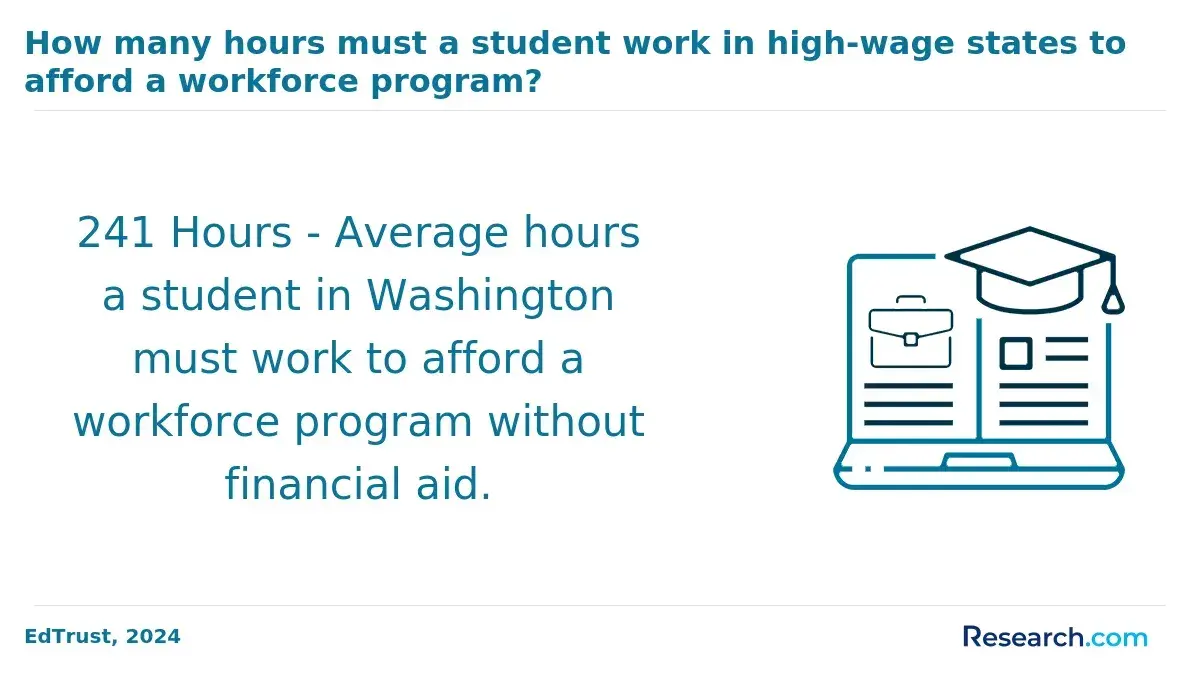
The cost after aid depends more on your net price than on the advertised tuition rate. Net price is the amount left after grants and scholarships are applied, while loans reduce the bill now but create repayment obligations later. For a FAFSA-eligible undergraduate, the 2024-2025 maximum Federal Pell Grant is $7,395, so a low-tuition public program can become far more affordable for a student who qualifies for the full award.
The table below shows how different cost drivers affect the final amount you may need to pay or borrow. It is meant to help you compare offers, not to predict your exact award.
| Cost factor | Why it matters | What to ask the school |
| Tuition per credit | This is the largest visible cost and usually determines the baseline price. | Is tuition the same for online, in-state, and out-of-state students? |
| Required credits | A 120-credit bachelor's degree costs much more if few credits transfer. | How many of my credits will apply to the major and to graduation? |
| Fees | Online, technology, graduation, proctoring, and course fees can change the real price. | Can you provide a complete fee list for online students? |
| Grants and scholarships | Gift aid lowers the bill without repayment. | Which institutional scholarships can online adult students receive? |
| Loan amount | Loans can make enrollment possible but reduce career ROI after graduation. | What is the estimated borrowing amount if I follow the standard plan? |
| Time to completion | Part-time enrollment can reduce short-term strain but may increase total fees and delay earnings gains. | Can I finish faster with summer courses or prior learning credit? |
For many students, the cheapest program after aid is the one that accepts the most usable transfer credit and provides the largest amount of grant aid, not the one with the lowest sticker tuition. Always compare at least three written aid offers using the same enrollment load.
Which Affordable Online Gerontology Degree Programs Offer the Best Value?
A strong-value gerontology program combines low net cost with credible academics, flexible delivery, relevant field experience, and career services for aging-related roles. Students comparing healthcare and human-services paths may also want to review adjacent options, such as cheap online nursing programs, because nursing, health administration, social services, and gerontology can lead to different licensing rules and salary ranges.
Look beyond price by checking whether the curriculum matches the work you want to do. A program focused on long-term care administration is different from one focused on social services, recreation, public policy, or health education.
These value signals are especially important when comparing low-cost programs:
- Clear aging-focused curriculum: The degree should include adult development, aging policy, dementia or cognitive aging, family caregiving, end-of-life issues, program planning, and services for older adults.
- Transfer-friendly structure: A school that accepts 60 to 90 credits may cost less overall than a lower-tuition school that accepts only a small portion of your prior work.
- Relevant experiential learning: Internships, capstones, service learning, or supervised projects can help connect the degree to aging-services employers.
- Adult-learner support: Flexible terms, asynchronous courses, online advising, and degree audits are valuable for working students.
- Career alignment: The program should map to realistic roles such as aging services coordinator, case management support specialist, activity director, community program coordinator, long-term care services staff member, or health education support role.
A more expensive program can be worth considering if it shortens your timeline, accepts more credits, includes a required practicum with local placement support, or offers a stronger pathway into graduate study or management roles. The lowest price is risky if the program lacks advising, has unclear course availability, or does not fit your intended career setting.
Are the Cheapest Online Gerontology Degree Programs Properly Accredited?
Accreditation is the quality-control checkpoint that protects your eligibility for federal aid, transfer credit, graduate admission, and employer recognition. For most gerontology bachelor's degrees, the most important factor is institutional accreditation from an accreditor recognized by the U.S. Department of Education or the Council for Higher Education Accreditation.
Gerontology is not like nursing, counseling, or social work, where programmatic accreditation or state licensure may be central to practice. However, if your goal is a licensed profession, such as social work, nursing home administration, counseling, dietetics, or nursing, a general gerontology degree may not satisfy those requirements by itself. Ask the school to distinguish between aging-services preparation and licensure preparation.
Before enrolling, verify these accreditation and eligibility details:
- Check the institution's accreditor and current status in the U.S. Department of Education's accreditation database.
- Confirm that the school is eligible for Title IV federal student aid.
- Ask whether the online program appears on the same academic transcript as the campus program.
- Verify whether credits can transfer to graduate programs, especially social work, public health, healthcare administration, counseling, or occupational therapy tracks.
- Ask whether any state authorization limits apply if you live outside the school's home state.
Red flags include unclear accreditation language, pressure to enroll before receiving an aid package, unusually vague tuition disclosures, or a program that advertises licensure outcomes without naming the state requirements it satisfies.
What FAFSA Grants and Federal Aid Can Pay for an Online Gerontology Degree?
FAFSA can unlock several types of federal aid for eligible online gerontology students. Some aid is gift aid, some is earned through work-study, and some is borrowed. If you are also considering shorter healthcare entry points before committing to a bachelor's degree, a medical assistant program can offer a different cost-and-timeline comparison, though not every short program qualifies for federal aid.
These are the main federal aid categories to understand:
- Federal Pell Grant: Need-based grant aid for eligible undergraduates that does not need to be repaid if enrollment and academic requirements are met.
- Federal Supplemental Educational Opportunity Grant: Additional need-based campus-based grant aid at participating schools, usually limited by institutional funding.
- Federal Direct Subsidized Loan: Need-based undergraduate loan where the government covers interest during certain enrollment and deferment periods.
- Federal Direct Unsubsidized Loan: Loan available to eligible students regardless of financial need, with interest accruing from disbursement.
- Federal Work-Study: Part-time employment funding at participating schools, which may or may not be practical for fully online students depending on available placements.
- Parent PLUS Loan: Federal loan option for eligible parents of dependent undergraduates, generally requiring a credit check.
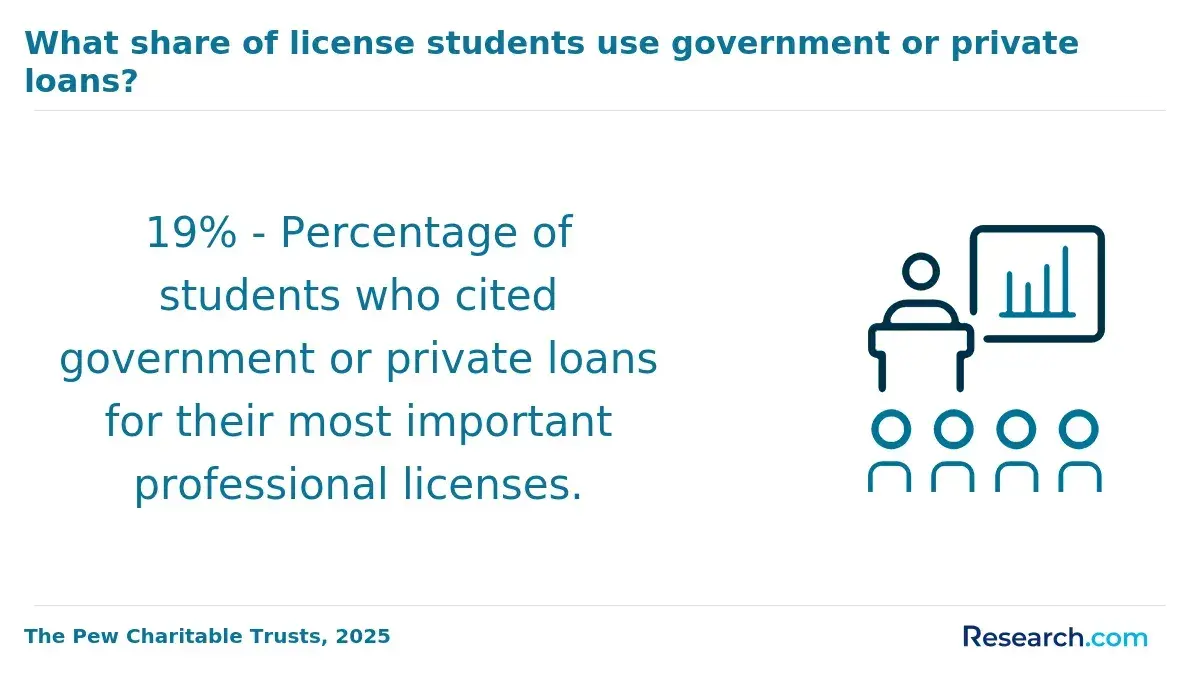
Federal loan limits matter. Dependent undergraduates are generally capped at $5,500 in Direct Loans during the first year, $6,500 during the second year, and $7,500 in later undergraduate years, with higher limits for many independent students. That means a program that looks affordable only with large private loans may not be the safest low-cost choice.
How Do Transfer Credits Lower the Cost of an Online Gerontology Degree?
Transfer credit is often the biggest cost reducer for adult learners. A bachelor's degree typically requires about 120 credits, so entering with an associate degree, completed general education courses, military credit, prior learning assessment, or professional training can substantially reduce remaining tuition. Students comparing speed and cost may also want to examine accelerated college programs, especially if they already have substantial college credit.
The table below shows how transfer acceptance changes the cost logic of an online gerontology degree. The exact savings depend on your school's per-credit rate and how credits apply to degree requirements.
| Transfer situation | Likely effect on cost | Decision point |
| No prior credits | Highest total tuition because the student must complete the full degree. | Prioritize low tuition, strong advising, and predictable course rotation. |
| 30 transferable credits | Can reduce roughly one year of coursework if credits apply cleanly. | Confirm whether credits meet general education or only elective requirements. |
| 60-credit associate degree | May cut the remaining bachelor's work in half at transfer-friendly schools. | Look for articulation agreements and junior-standing admission. |
| 90 transferable credits | Can make a higher per-credit school cheaper overall if most credits apply. | Ask whether the school has a residency requirement limiting transfer use. |
| Prior learning or military credit | May reduce elective requirements but varies widely by institution. | Request a formal evaluation before committing. |
Do not rely on a verbal transfer estimate. Ask for an official degree audit that shows remaining courses, total credits left, expected semesters, and whether upper-division gerontology requirements still need to be completed at the school.
Which Students Benefit Most From a Low-Cost Online Gerontology Degree With FAFSA?
A low-cost online gerontology degree is strongest for students who need flexibility, already have some college credit, and want to work in aging services, community health, long-term care support, nonprofit programs, public agencies, or family-services organizations. Students interested in nutrition and aging may eventually compare gerontology with masters programs in dietetics, especially because registered dietitian pathways have their own education and supervised practice requirements.
This degree path tends to fit these groups best:
- Working adults: Online coursework can make it easier to keep income while completing a degree.
- Caregivers and career changers: Personal experience with aging relatives can translate into motivation, but students still need formal coursework in ethics, policy, services, and program delivery.
- Transfer students: Students with prior credits can reduce cost sharply if the school applies credits efficiently.
- Human-services workers: A bachelor's credential may support advancement into coordinator, supervisor, outreach, or program roles depending on employer requirements.
- Students planning graduate study: Gerontology can provide a useful foundation for public health, social work, healthcare administration, counseling, or aging policy programs.
Students should be cautious if they need a licensed clinical role quickly. Gerontology can support work with older adults, but it usually does not replace a nursing, social work, counseling, dietetics, or therapy credential when those licenses are required.
How Does the Cost of an Online Gerontology Degree Affect Career ROI?
ROI depends on how much you pay, how much you borrow, how quickly you finish, and whether the degree leads to roles that require or reward a bachelor's credential. BLS 2024 wage data shows median pay of $78,240 for social and community service managers and $117,960 for medical and health services managers, but those management roles often require relevant experience and may prefer graduate education. Students comparing health-related online degrees may also review the best online nutrition degree options if their main interest is food, wellness, and chronic disease prevention.
The table below connects common gerontology-related career directions with cost considerations. It does not guarantee eligibility or earnings; employers, states, and job duties vary.
| Career direction | How gerontology helps | ROI consideration |
| Aging services coordinator | Builds knowledge of older adult needs, services, ethics, and program planning. | Best ROI when debt is low and the student already has human-services experience. |
| Long-term care services staff | Provides aging, family, and care-system context. | Check whether state licensure is needed for administrator roles. |
| Community program manager | Supports work in nonprofits, local agencies, senior centers, and outreach programs. | Management pay usually depends on experience, budget responsibility, and leadership skills. |
| Healthcare administration pathway | Can provide aging-population expertise for clinics, senior care, and population health. | A master's degree may be needed for some higher-level roles. |
| Graduate school pathway | Can prepare for social work, public health, counseling, or policy programs. | Keep undergraduate borrowing low to preserve flexibility for graduate tuition. |
A practical rule is to avoid borrowing more than you can reasonably repay from entry-level roles in your target field. If your goal requires graduate school, the cheapest credible undergraduate option may be the best financial strategy, provided it has the prerequisites and accreditation your next program expects.
How Should Students Choose the Cheapest FAFSA-Eligible Online Gerontology Degree?
The best choice is the program with the lowest realistic total cost that still meets your academic, career, transfer, and aid needs. Start with tuition, but make the final decision using net price, accreditation, transfer credit, completion timeline, and career fit.
Use this step-by-step checklist before you enroll:
- Make a shortlist of regionally accredited schools with online gerontology, aging studies, human services, or interdisciplinary aging-related bachelor's options.
- Confirm Title IV participation and ask whether the specific online program is FAFSA-eligible.
- Submit the FAFSA early and compare official aid offers from multiple schools.
- Request a written transfer evaluation showing exactly which credits apply to graduation.
- Calculate total remaining cost, including tuition, fees, books, technology, fieldwork, and graduation charges.
- Separate grants and scholarships from loans so you can see the true out-of-pocket cost and future debt.
- Ask about course rotation to make sure required gerontology courses are available when you need them.
- Review career services, internship options, employer partnerships, and graduate-school preparation.
- Check whether your desired role requires a separate license, certification, or graduate degree.
- Choose the lowest-cost program that meets these requirements without creating unnecessary debt or delaying completion.
Common mistakes include choosing based only on advertised tuition, assuming all online students receive the same aid, ignoring renewal requirements for grants, overlooking fees, and failing to verify that a low-cost program actually supports the career path you want. A written cost-and-credit plan is the best protection against surprises.
Other Things You Should Know About Gerontology
Many programs offer all didactic coursework online, but some may require an internship, capstone, practicum, or local field experience. Ask whether placements can be completed near your home and whether the school helps arrange them.
An associate degree or certificate can help with entry-level support roles, but many coordinator, supervisor, and program positions prefer or require a bachelor's degree. If you plan to continue, choose an associate pathway with transferable general education credits.
Some programs are fully online, while others may have orientation, exam, residency, or fieldwork requirements. Confirm this before enrolling because travel costs can change the true affordability of a program.
Often, yes, but schools may adjust aid packages when outside assistance is added. Ask the financial aid office how employer benefits are applied and whether reimbursement timing could require you to pay tuition upfront.
References
- Important FAFSA Deadlines for 2025-2026 and 2026-2027 https://www.savingforcollege.com/article/fafsa-deadlines
- Decoding the Net Price Crisis in Higher Education https://www.onegoal.org/about/blog/decoding-the-net-price-crisis-in-higher-education/
- Free Application for Federal Student Aid (FAFSA) | USAGov https://www.usa.gov/fafsa
- Online Health Science Degrees with Financial Aid https://www.edumed.org/online-schools/health-science-degrees/financial-aid/
- 10 Accredited Online Colleges That Accept FAFSA https://en.uhomes.com/blog/online-college-that-accept-fafsa
- 2025 Most Affordable Online Master's Programs https://www.onlineu.com/most-affordable-colleges/masters-degrees
- Gerontology Degree Salary and Job Outlook | CUNE https://www.cune.edu/news/gerontology-salary
- 9 Online Schools That Accept FAFSA (and How to Get Financial Aid) https://www.studentloanplanner.com/financial-aid-online-colleges/