2027 Cheapest Accredited Online Communication Management Master's Programs With No Out-of-State Tuition Surcharge

Co-Founder and Chief Data Scientist
An online communication management master's can be a practical route to leadership roles in public relations, corporate communication, digital strategy, and employee communication, but advertised tuition can obscure the real price for nonresidents. The U.S. Bureau of Labor Statistics reports a 2024 median annual wage of $138,520 for public relations managers, though a master's degree is not required for every role.
This guide helps working professionals compare residency-neutral tuition, accreditation, fees, format, aid, and career fit before applying.
Key Things You Should Know
- A true no-out-of-state-surcharge program charges the same published online tuition to eligible students regardless of where they live; it does not necessarily have the lowest total cost.
- Most communication management master's programs require roughly 30-36 credits, so compare required credits, per-credit tuition, mandatory fees, and travel costs rather than relying on an advertised rate alone.
- Institutional accreditation is the essential check for most communication management degrees, while career value depends on curriculum, flexibility, employer recognition, and alignment with leadership goals, not tuition alone.
What Does No Out-Of-State Tuition Surcharge Mean for an Online Communication Management Master's Program?
For an online communication management master's program, no out-of-state tuition surcharge usually means an eligible online student pays one tuition rate whether they live in the university's home state or elsewhere in the U.S. The school may describe this as flat online tuition, a national online rate, distance-learning tuition, or a residency-neutral rate.
This policy differs from traditional public-university pricing, where nonresidents may pay a higher rate than state residents. It also differs from a residency waiver. A waiver may require a separate application, limited enrollment status, employer affiliation, military eligibility, or continuous enrollment; a flat online rate is typically built into the program's standard pricing.
The distinction matters because a residency-neutral rate can still be expensive. A lower per-credit figure can also lead to a higher bill if the program requires more credits, charges a fee each term, or includes a campus residency. The comparison below separates the most common tuition models.
| Tuition model | How it generally works | Best fit | Important check |
| Flat online tuition | One published rate for eligible online students | Students living outside the institution's state | Confirm the rate applies to the exact degree and all required terms |
| In-state and out-of-state tuition | Price varies by legal residency | Established residents of the institution's state | Review residency rules before assuming the in-state rate |
| Waiver-based tuition | A nonresident reduction may be available with conditions | Students who clearly meet a waiver category | Ask whether renewal and enrollment requirements apply |
| Private university tuition | Often one institutional rate, though online pricing can vary | Students comparing total value and scheduling options | Check fees, scholarships, and whether the rate is program-specific |
Before treating a program as residency-neutral, request written confirmation from admissions or the bursar's office. Ask whether your location changes tuition, whether state authorization affects enrollment, and whether the quoted price excludes university, technology, or graduation fees.
How Can Students Verify Accreditation for an Affordable Online Communication Management Master's Program?
Accreditation should be verified before comparing price. For a communication management master's, the central question is usually whether the university holds recognized institutional accreditation. This supports the legitimacy of the credential, transfer-credit review, federal aid eligibility when other requirements are met, and employer confidence.
Communication management is an interdisciplinary field, so there is not one universal programmatic accreditor that every master's program must hold. Some programs sit in communication departments.
Others are housed in business, media, public relations, leadership, or strategic communication units. Specialized recognition can be useful, but it does not replace institutional accreditation.
Use this verification sequence to avoid relying on marketing language:
- Find the institution in the U.S. Department of Education's accreditation database and confirm that its accreditor is recognized.
- Match the school's official online catalog to the exact master's degree, concentration, credit requirement, and delivery format you intend to enroll in.
- Review the accreditor's status and any public notices, then ask the university whether accreditation applies during your expected enrollment period.
- Confirm whether your employer, prospective doctoral program, or professional goal requires any additional recognition, coursework, or experience.
A common mistake is confusing a school's membership in a professional association with accreditation, or assuming a well-known university name verifies a specific online program. Also confirm that the degree is awarded by the accredited institution itself rather than by an unaffiliated instructional partner.
How Much Does the Cheapest Online Communication Management Master's Program Cost in Total?
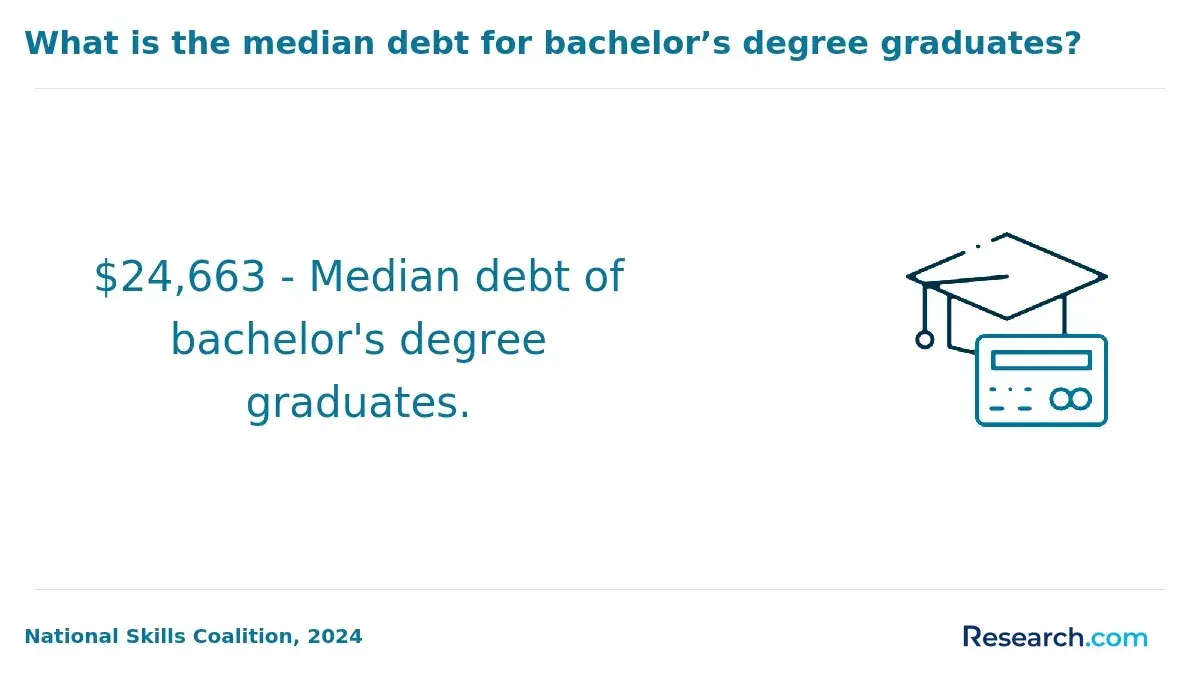
The cheapest online communication management master's program is the one with the lowest total net cost for your situation, not automatically the one with the lowest advertised tuition. Because schools use different credit totals and fee structures, a precise ranking requires the current official tuition page for each exact program.
Start with required credits and calculate tuition before subtracting aid: required credits × applicable per-credit rate. Then add mandatory program, distance-learning, technology, graduation, books, software, and travel costs. A 30-credit program at a higher per-credit rate can cost less than a 36-credit program with a lower rate.
This worksheet identifies the charges that belong in a realistic comparison.
| Cost component | Calculation | Why it matters |
| Base tuition | Required credits × published rate | Creates a comparable starting point across programs |
| Mandatory term fees | Fee per term × expected terms | Part-time enrollment can raise this amount |
| Course-specific expenses | Required materials, platforms, or assessments | These may not appear in a general tuition estimate |
| Travel and residency costs | Transportation, lodging, meals, and time away from work | Relevant for hybrid, capstone, or intensive requirements |
| Financial aid and employer support | Eligible grants, scholarships, and benefits subtracted from charges | Shows estimated net price rather than sticker price |
When speed is part of the financial calculation, compare the design of the shortest online MBA with communication management options only if the business curriculum supports your intended role. Faster completion can reduce the number of fee-bearing terms, but it may be a poor trade if it limits the strategic communication, writing, research, or stakeholder-management training you need.
Request a program-specific estimate that states the academic year, number of credits, assumed course load, tuition rate, and included fees. Tuition can change annually, so a current written estimate is more useful than an old ranking or a generic graduate tuition page.
Do Online Communication Management Master's Students Have to Establish Residency to Receive the Lowest Tuition Rate?
Usually, students do not need to establish residency when an online program publishes one rate for all eligible U.S. students. The policy should say that online students are charged the same rate regardless of residency, rather than merely listing separate resident and nonresident rates.
However, residency may still matter for a school's traditional campus programs, certain state grants, state employee benefits, and some tuition waivers. Moving to a state does not automatically create in-state eligibility, and attempting to establish residency solely for tuition can involve detailed legal, financial, and time-based requirements.
Ask the following questions in writing before you apply, especially if a rate appears unusually low:
- Is the quoted tuition available to online students in every U.S. state where the university is authorized to enroll students?
- Does the tuition rate change based on my home address, military status, employer, or course load?
- Are there separate rates for synchronous, hybrid, accelerated, or on-campus courses?
- Must I submit a residency form, waiver application, or proof of eligibility before registration?
- Can the rate change if I take a leave of absence or extend the program beyond the standard timeline?
A no-surcharge policy is most valuable for out-of-state students who do not expect to qualify for resident tuition. In-state applicants should still compare the local resident rate against flat-rate online programs, because their public university may remain the lower-cost choice.
How Do Public and Private Universities Compare on the Cost of an Online Communication Management Master's Degree?
Public and private nonprofit universities can both offer sound value, but their pricing logic differs. Public institutions may offer especially low resident tuition while charging nonresidents more. Private nonprofit institutions often use a single price, sometimes paired with institutional scholarships. Neither category is automatically cheaper for online learners.
The table highlights the trade-offs to evaluate instead of treating school control as a proxy for affordability or quality.
| Factor | Public university | Private nonprofit university | Decision implication |
| Residency pricing | May vary substantially by resident status | Often one rate, but not always | Out-of-state students should compare the final online rate |
| Institutional aid | May be more limited for some online programs | May offer merit aid or employer partnerships | Compare net cost after confirmed aid, not tuition alone |
| Program calendar | May follow standard academic terms | May use multiple short terms or cohort schedules | Term structure affects fees and completion timing |
| Curricular focus | May emphasize research, public-sector communication, or broad electives | May emphasize applied leadership or industry-oriented coursework | Review the actual curriculum and faculty expertise |
Students weighing broader leadership degrees can use a comparison of the best data science masters to understand how technical programs often price credits, software, and accelerated formats differently. A data science degree is not a substitute for communication management unless analytics, measurement, and technical analysis are central to the career target.
For either sector, favor a school that provides a transparent tuition schedule, clear student-support access, a relevant curriculum, and a completion path that works with your employment obligations. Verify nonprofit status and institutional accreditation independently rather than assuming one from the other.
Can Financial Aid Reduce the Cost of a Cheap Online Communication Management Master's Program?
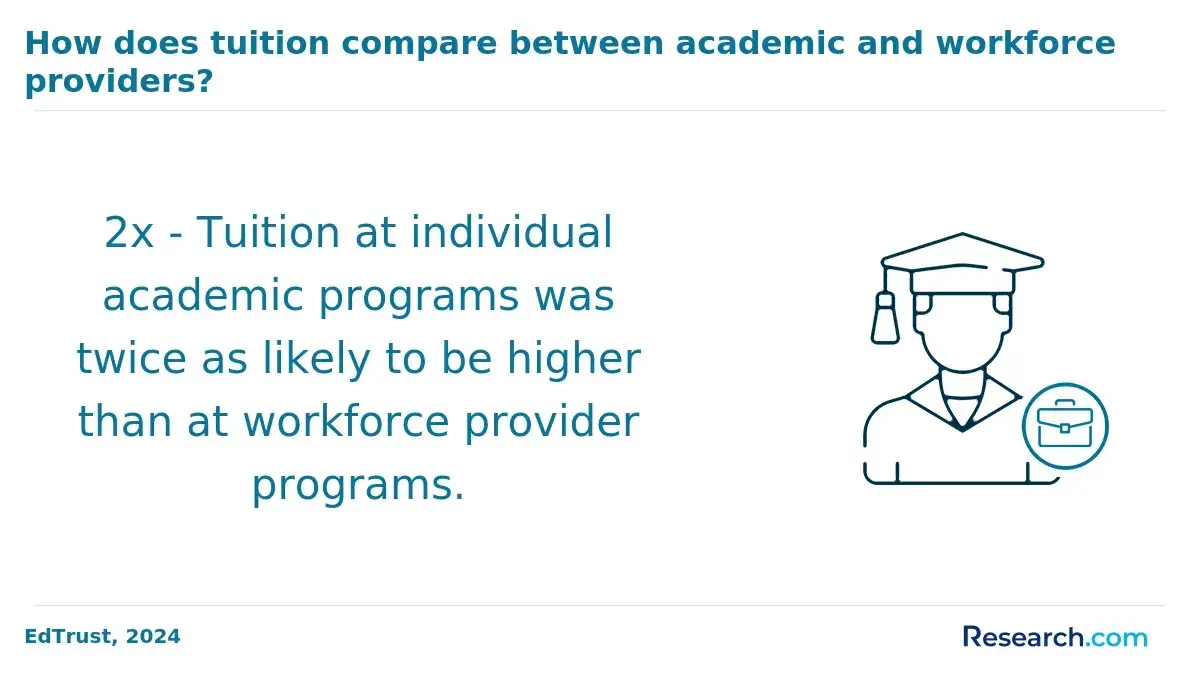
Financial aid can reduce the net cost of an affordable online communication management master's, but it does not change the published tuition rate.
Eligible degree-seeking online students may be considered for federal Direct Unsubsidized Loans and Graduate PLUS Loans after filing the FAFSA, subject to federal rules and annual limits. Loans lower immediate out-of-pocket expense but increase repayment obligations.
Prioritize aid that does not need to be repaid, then compare remaining costs. The options below should be confirmed with each university because online-student eligibility varies:
- University scholarships for graduate students, communication students, alumni, or employees of partner organizations
- Employer tuition assistance or reimbursement, including grade, course-approval, and continued-employment conditions
- Professional association, community, foundation, and workforce-development scholarships relevant to communication or leadership
- Veterans education benefits and military tuition programs for eligible students
- Federal loans only after grants, scholarships, savings, and employer benefits have been evaluated
Compare the written benefit rules against your expected schedule. Employer reimbursement may be paid after course completion, may exclude fees and books, or may require you to remain with the employer after reimbursement. A slightly higher-tuition program can be cheaper if it is fully covered by an employer benefit, but only if it meets the employer's eligibility conditions.
Students exploring adjacent helping professions can also compare funding structures for affordable MSW programs online. Social work programs may include field-placement requirements, so their total-cost calculations are not directly interchangeable with communication management degrees.
How Do Program Format and Completion Time Affect the Cost of an Online Communication Management Master's Degree?
Program format affects cost because it determines how many terms, fees, travel days, and work disruptions a degree may require. A fully online asynchronous program can reduce commuting and scheduling costs, while a hybrid program may offer valuable in-person networking but add transportation and lodging expenses. "Online" does not always mean no campus requirement.
Communication management master's programs may be offered as MA, MS, Master of Professional Studies, or leadership-focused degrees. An MA often emphasizes theory, writing, culture, and interpretation.
An MS may place more emphasis on research, analytics, technology, or applied measurement. Professional programs commonly use an applied capstone, while academic programs may offer a thesis. The right format depends on whether you need immediate workplace tools, preparation for doctoral study, or a combination of both.
Use this comparison to assess how the delivery model can change both direct and indirect costs.
| Format | Typical cost effect | Potential advantage | Potential limitation |
| Fully online, asynchronous | May reduce commuting and allow part-time work | Strong flexibility for working professionals | Requires self-direction and may offer fewer live interactions |
| Fully online, synchronous | Usually avoids travel but may affect work scheduling | Regular live discussion and cohort connection | Fixed meeting times across time zones |
| Hybrid or low-residency | Adds travel and lodging if visits are required | In-person workshops and networking | Higher indirect cost and less location flexibility |
| Accelerated | May reduce the number of fee-bearing terms | Earlier completion | Heavier workload can make full-time employment harder |
Ask whether the capstone, internship, practicum, comprehensive exam, or orientation requires travel. Communication management programs do not typically require clinical placements, unlike some professional degrees; nevertheless, project-based courses can demand substantial time and may involve an external client or organization.
For a useful contrast in programs built around supervised practice, review online masters of counseling. Counseling degrees often have state-specific licensure and practicum requirements that do not generally apply to communication management.
How Much Can Transfer Credits Reduce the Cost of an Online Communication Management Master's Degree?
Transfer credits can reduce cost only when a university accepts prior graduate coursework that fits the communication management curriculum. Many master's programs limit transfer credit, require a minimum grade, set an age limit for coursework, and require transferred courses to be equivalent to their own offerings. Some cohort programs accept no transfer credit because students progress through a fixed sequence.
Do not calculate savings until transfer credit is approved in writing. The financial effect is straightforward: each accepted credit may remove one credit's tuition charge, but it may not reduce fixed term fees or shorten the program if the course sequence is locked.
Before applying, provide an unofficial transcript and course descriptions, then ask these targeted questions:
- What is the maximum number of transfer or advanced-standing credits allowed for this exact online degree?
- Which courses may be transferred: electives only, core courses, research methods, or concentration requirements?
- What grade, recency, accreditation, and content-equivalency standards apply?
- Will accepted credits reduce required tuition, the number of enrollment terms, or both?
- When will the school issue a final transfer decision, and can that decision change after admission?
A frequent mistake is treating professional certificates, undergraduate courses, work experience, or employer training as automatic graduate transfer credit. Those experiences can strengthen an application or support a prior-learning review where available, but they should not be counted as savings without written approval.
Is a Cheap Online Communication Management Master's Degree Worth the Cost for Career Advancement?
A cheap online communication management master's can be worthwhile when it closes a specific gap between your current experience and the roles you want: leading communication teams, managing reputation, conducting audience research, overseeing internal communication, developing digital strategy, or advising organizational leaders. It is less compelling when the curriculum duplicates skills you already use and neither your employer nor target job postings value the credential.
The U.S. Bureau of Labor Statistics reports a 2024 median annual wage of $138,520 for public relations managers. That figure is a national occupational median, not a starting salary, a graduate outcome, or proof that a master's degree is necessary.
It is most useful as context for the senior communication-management labor market, where relevant experience, portfolio quality, leadership ability, and industry knowledge commonly matter alongside education.
Evaluate return on investment through a career case rather than a salary promise. A strong program can build strategic writing, crisis communication, stakeholder engagement, campaign measurement, research interpretation, ethical decision-making, budgeting, and team leadership.
AI tools are also changing communication workflows, increasing the value of professionals who can set strategy, assess accuracy, protect brand voice, manage risk, and interpret audience data rather than simply produce content faster.
The following questions can help determine whether a low-cost option supports your intended advancement:
- Does the curriculum teach the communication leadership, analytics, digital strategy, or organizational-change skills named in your target roles?
- Can you create portfolio-ready work through a capstone, campaign plan, research project, or client-based assignment?
- Do faculty backgrounds, alumni outcomes, career services, and networking opportunities fit your industry?
- Will the schedule let you preserve income and apply new skills at work while enrolled?
- Does the total borrowing amount remain reasonable under a conservative repayment plan?
Career changers should compare the degree against alternatives that match the destination role. For example, people considering behavioral-analysis careers can review jobs I can get with a masters in forensic psychology; that path involves different subject matter, employer expectations, and potential credential requirements than communication management.
How Should Students Compare the Cheapest Accredited Online Communication Management Master's Programs?
Compare the cheapest accredited online communication management master's programs using the same assumptions for every school: your residency, intended start term, required credits, expected enrollment pace, and likely aid. This prevents a school with an attractive headline rate from appearing cheaper simply because its fees, required credits, or residency conditions were omitted.
Create a short list of three to five programs, then collect official information in the same order for each. A consistent process makes it easier to identify the best combination of price, credibility, and professional fit. Implement these strategies:
- Verify institutional accreditation and confirm that the university is authorized to enroll students in your state.
- Confirm the degree title, credit requirement, concentration options, capstone or thesis expectations, and any live or campus-based requirements.
- Obtain the current tuition rate for your exact online program and ask whether it is identical for out-of-state students.
- Calculate estimated total charges, including tuition, mandatory fees, materials, technology, and travel.
- Ask about transfer-credit limits, scholarships, employer partnerships, federal-aid eligibility, and the timing of aid decisions.
- Compare curriculum, faculty expertise, career support, alumni access, and scheduling against the communication role you want next.
- Choose based on estimated net cost and career alignment, not ranking position or a single advertised price.
Red flags include vague claims about "affordable" tuition without a program-specific rate, a flat-rate promise that excludes major fees, unclear accreditation language, no explanation of residency eligibility, and pressure to enroll before receiving a written estimate. If two programs have similar net cost, favor the one with the clearer completion plan and stronger alignment with your professional goals.
Other Things You Should Know About Communication Management Programs
Schools use these titles differently. Communication management commonly emphasizes leading communication functions, teams, and organizational processes, while strategic communication often focuses on planned messaging, audiences, campaigns, and reputation. Review course descriptions rather than choosing based on the title alone.
Requirements commonly include a bachelor's degree from an accredited institution, transcripts, an application, a statement of purpose, and sometimes a résumé, writing sample, or recommendations. Prerequisite courses, minimum GPA expectations, and test policies vary by university.
Many online programs are designed for working adults and offer part-time enrollment, but feasibility depends on weekly coursework, live-session times, group projects, and capstone demands. Ask for a sample course schedule and estimate your available study time before committing.
Depending on prior experience and the curriculum, graduates may pursue or advance toward roles such as communications manager, internal communications manager, public relations manager, corporate communications specialist, content strategy manager, community relations manager, or communications director. Job titles and degree expectations vary by employer and industry.
References
- Academic Catalog https://academic-catalog.uscupstate.edu/financial-aid-scholarships/
- 2025 Most Affordable Online Master's Degrees in Public Relations https://www.onlineu.com/most-affordable-colleges/public-relations-masters-degrees
- Online Master's in Communication Management Programs in 2025 https://www.mastersincommunications.org/online-communication-management/
- Average Cost of a Master's Degree: 2025 Analysis https://educationdata.org/average-cost-of-a-masters-degree
- The Top 30 Online Masters in Communications Degree Programs - Best Marketing Degrees https://www.bestmarketingdegrees.org/top-20-online-masters-communications-degree-programs/