
2027 Cheapest Accredited Online Screenwriting Master's Programs With Flat-Rate Tuition: Costs per Term and Total Degree Estimates

Co-Founder and Chief Data Scientist
A low advertised term price can be misleading when an online screenwriting master's requires more terms, excludes fees, or limits the credits covered. This guide helps prospective writers compare flat-rate tuition realistically. It also explains why dedicated online screenwriting master's programs with published flat-rate pricing are difficult to verify.
For career context, the U.S. Bureau of Labor Statistics reports a $72,270 median annual wage for writers and authors in May 2024, though screenwriting income is often project-based and highly variable. Use this guide to calculate a defensible total cost and assess program value.
Key Things You Should Know
- Dedicated, accredited online screenwriting master's programs rarely publish a true unlimited-credit flat-rate term price, so a reliable "cheapest" ranking requires direct confirmation from each school.
- Total tuition equals the verified flat-rate charge per billed term multiplied by the number of terms needed; one extra term can materially change an otherwise low-cost option.
- The $72,270 May 2024 median wage reported by the U.S. Bureau of Labor Statistics for writers and authors is broad occupational data, not an expected salary for screenwriting graduates or freelance writers.
What Does Flat-Rate Tuition Mean for an Online Screenwriting Master's Program?
Flat-rate tuition means a school charges one published tuition amount for a defined enrollment period, such as a semester, quarter, or subscription-style term, rather than charging separately for every credit. The apparent value depends on the number of credits a student can actually complete during that period.
For a screenwriting-focused master's, the distinction matters because workshop courses, script rewrites, faculty feedback, thesis work, and sequenced capstones may limit how quickly credits can be taken. A program can call tuition "flat rate" while still capping credits, requiring faculty approval for overloads, or billing additional charges outside tuition.
Before treating a price as flat rate, confirm these details in writing:
- Whether the published amount applies to all enrolled graduate credits or only a stated credit range.
- Whether screenwriting workshops, thesis supervision, portfolio courses, and repeat attempts are included.
- Whether the term is a semester, quarter, eight-week session, or another billing period.
- Whether mandatory fees, course materials, software, residencies, and graduation charges are billed separately.
- Whether the online degree is a dedicated screenwriting master's, an MFA or MA in creative writing with a screenwriting concentration, or a broader media program.
A flat-rate model is generally best for a student who can consistently take the highest permitted course load without sacrificing the quality of scripts and revisions. It can be a poor fit for a working writer who expects to take one course at a time, because the same term price may buy fewer credits.
Accreditation should be checked separately from program specialization. Institutional accreditation is the baseline quality signal for federal aid eligibility and credit recognition; a screenwriting degree typically does not lead to professional licensure. Also confirm that the school, not merely a marketing partner, awards the degree and that the online delivery format is available in your state.
How Much Does a Flat-Rate Online Screenwriting Master's Program Cost Per Term?
No broad, verifiable national price list currently supports naming a cheapest accredited, fully online, dedicated screenwriting master's program with flat-rate tuition. Many programs in this niche use per-credit pricing, publish tuition for a general graduate division rather than the screenwriting curriculum, or offer creative-writing degrees with screenwriting electives instead of a standalone online screenwriting master's.
That does not mean flat-rate options do not exist. It means applicants should request a program-specific written estimate rather than rely on a generic university tuition page. The comparison below shows the fields that must match before one term price can be judged cheaper than another.
| Comparison field | What to verify | Why it changes affordability |
| Tuition billing period | Semester, quarter, session, or subscription term | A lower charge may cover a much shorter period. |
| Included credits | Minimum, standard, and maximum credits covered | Flat-rate value rises only when more covered credits are completed. |
| Program requirement | Total credits and required sequence | Credit totals alone may not predict the number of paid terms. |
| Separate charges | Fees, residencies, materials, technology, and thesis costs | These can make the billed amount higher than advertised tuition. |
| Rate guarantee | Whether the rate is locked for continuing students | A later increase can alter the full-degree estimate. |
Ask the admissions or bursar office for the current rate for your expected start term, the maximum eligible credits, and a sample invoice for a screenwriting student. If a school cannot state those items clearly, do not use its advertised term price in a cost comparison.
Students considering a compressed graduate route in another field can see how term structure affects budgeting in this guide to a 2 year construction management degree online. The same principle applies here: a shorter calendar does not automatically mean fewer billed enrollment periods.
How Much Does an Online Screenwriting Master's Degree Cost in Total With Flat-Rate Tuition?
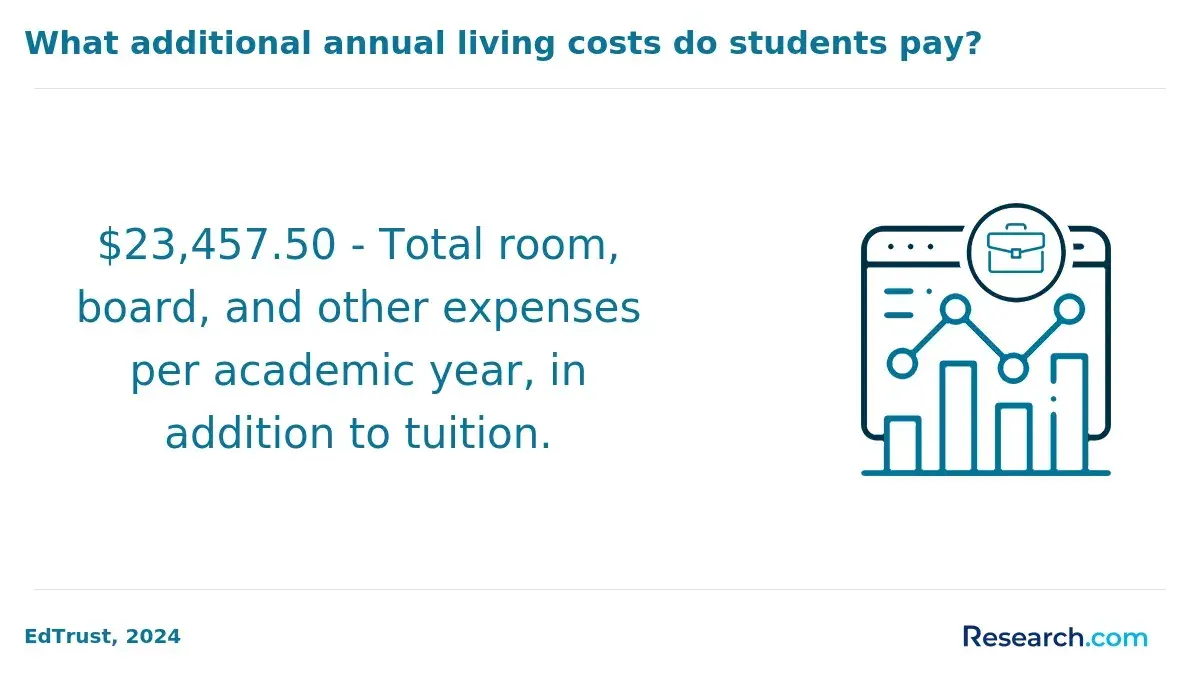
The total tuition estimate is not the per-term price. It is the verified tuition charge for each paid term multiplied by the number of terms required under the program's course sequence. Add mandatory non-tuition charges separately so the estimate reflects what you are likely to pay.
Use this calculation rather than an unsupported national average:
Estimated total program cost = (flat-rate tuition per term × required paid terms) + mandatory fees + required materials and residencies − confirmed grants or employer benefits.
The table separates the three scenarios applicants should ask a school to price. It is especially useful when a program permits an overload but does not guarantee that all courses are offered every term.
| Scenario | Terms to use in calculation | What must be confirmed |
| Standard pace | Published program sequence | Typical credits per term and planned graduation term. |
| Fastest permitted pace | Minimum possible billed terms | Overload approval, course availability, prerequisites, and thesis timing. |
| Part-time pace | Expected terms at your actual load | Whether reduced enrollment still triggers the full flat rate. |
A degree labeled MFA, MA, MS, or master's in writing may have different credit and residency requirements even when each includes screenwriting coursework. Compare like with like: a lower-cost general writing degree may be a sensible choice for a writer seeking broad craft development, but it is not automatically equivalent to a program centered on screenplay development, pitching, and industry practice.
Admissions commonly require a bachelor's degree, transcripts, a statement of purpose, recommendation letters, and a creative portfolio or writing sample. Portfolio expectations vary substantially. A strong sample can matter more to fit than minor differences in the advertised tuition rate.
How Does Course Load Affect the Cost of a Flat-Rate Online Screenwriting Master's Degree?
Course load determines the effective price of each credit under a flat-rate model. The calculation is straightforward: divide the term tuition by the number of credits successfully completed during that same term. Completing more covered credits lowers the effective per-credit cost, but only if the workload is academically sustainable.
This table uses variables rather than assumed prices because schools set their own rates and credit limits. Substitute the school's written figures to see whether the model works for your schedule.
| Enrollment pattern | Effective cost per credit | Likely value |
| Minimum permitted load | Term tuition ÷ minimum completed credits | Often the least efficient use of a flat-rate charge. |
| Standard full-time load | Term tuition ÷ standard completed credits | Useful baseline for comparing programs. |
| Maximum approved load | Term tuition ÷ maximum completed credits | Potentially strongest value if required courses are available. |
Screenwriting is revision-intensive. A workload that is inexpensive on paper can be counterproductive if it leaves insufficient time for table reads, peer critique, rewrites, and a polished portfolio. Students balancing employment, caregiving, or freelance production work should budget from the realistic load, not the maximum listed load.
Course sequencing is another constraint. A thesis, final screenplay portfolio, or capstone may require prior workshops and cannot necessarily be accelerated. Ask whether required courses are offered every term and whether an independent-study option costs extra.
Accelerated online pathways are not unique to creative fields. Someone comparing formats across disciplines may find useful pacing context in a business administration degree guide, but should still use the screenwriting program's own sequence and tuition policy for a final calculation.
Is Flat-Rate Tuition Cheaper Than Per-Credit Tuition for an Online Screenwriting Master's Degree?
Flat-rate tuition is cheaper only when the savings from taking additional covered credits exceed any higher base charge and when the student avoids extra terms. Per-credit tuition can be less expensive for part-time students, students taking a single workshop at a time, or writers who need the flexibility to pause between projects.
Compare the models using the same expected course load, not a school's ideal full-time schedule. The following framework helps identify the break-even point without assuming a price that may not apply to your program.
| Pricing model | Calculation | Usually makes sense when |
| Flat rate | Term tuition ÷ credits completed | You can take enough included credits to finish in fewer billed terms. |
| Per credit | Per-credit rate × credits enrolled | You need a lighter, variable, or part-time schedule. |
| Break-even load | Flat-rate term tuition ÷ per-credit rate | Your planned credits meet or exceed this result. |
For example, if the break-even calculation exceeds the program's maximum allowed credits, the flat-rate option is unlikely to beat per-credit pricing on tuition alone. Conversely, if your planned load is above the break-even point and the curriculum permits it, flat-rate billing may reduce the total.
Do not compare an online program only with another online program. A campus-based option may include in-person networking and production access but add commuting, relocation, or lost-work-time costs. An online option may reduce those indirect expenses, although a required residency can still create travel costs.
What Fees and Additional Expenses Apply to a Flat-Rate Online Screenwriting Master's Program?
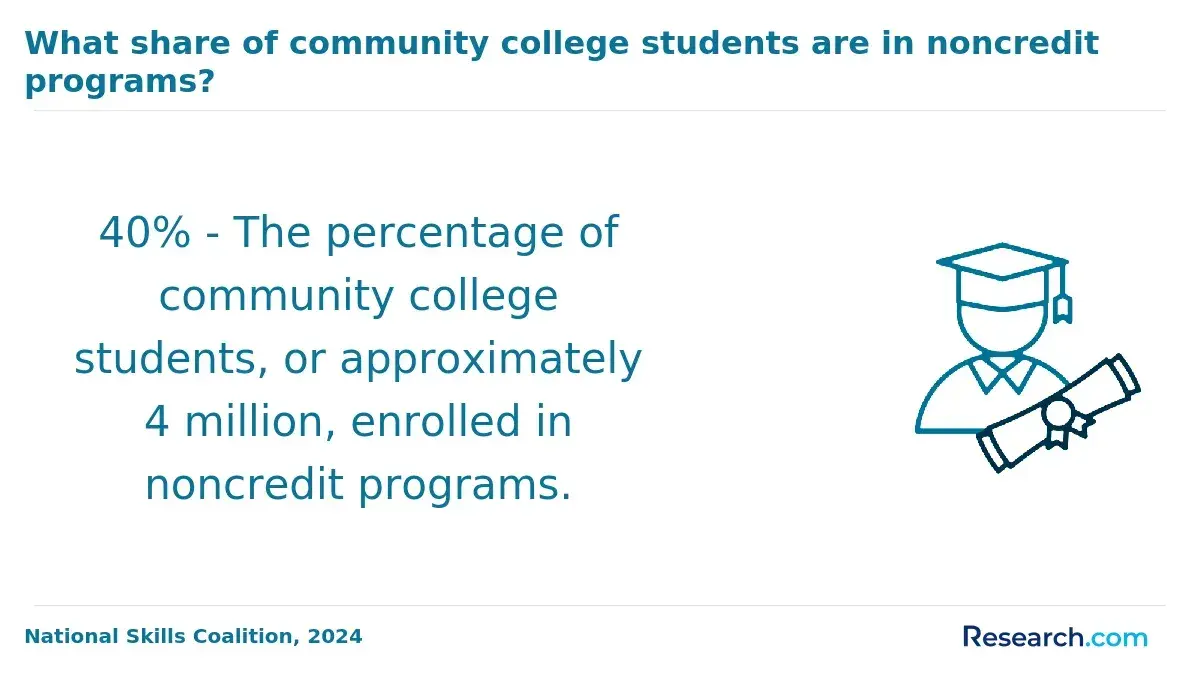
Flat-rate tuition rarely means that every educational expense is included. Fees and creative-production costs vary by school and can be charged per term, per course, or once near graduation. Request an itemized cost-of-attendance estimate that is specific to online graduate students.
Review the following categories before accepting an offer:
- Application, enrollment, graduation, transcript, and diploma charges.
- Mandatory student services, technology, online-learning, and distance-education fees.
- Screenwriting software, cloud storage, books, screenplay databases, and required subscriptions.
- Travel, lodging, meals, and local transportation for required residencies, intensives, or showcases.
- Costs for optional festivals, contests, pitch events, professional coverage, and networking memberships.
- Charges for repeated courses, late registration, withdrawal, or extended thesis enrollment.
Optional industry spending deserves separate treatment. A pitch festival or script-coverage service may be professionally useful, but it should not be presented as part of mandatory degree tuition unless the institution requires and bills it. Keep a separate "required" and "optional career development" budget.
A red flag is a tuition page that gives a broad graduate flat-rate amount without saying whether it applies to the exact online program, your residency status, or your intended enrollment level. Obtain a written answer from the bursar or financial-aid office and save it with your comparison notes.
Can Accelerated Study Lower the Total Cost of a Flat-Rate Online Screenwriting Master's Degree?
Accelerated study can lower tuition when it eliminates one or more full billed terms. It does not lower tuition merely because classes are shorter or because a student spends more hours each week writing. The key measure is whether faster completion reduces the number of flat-rate charges.
Use this sequence to test an accelerated plan before enrolling:
- Obtain the complete curriculum map, including prerequisites, workshop sequence, capstone, and residency requirements.
- Identify the maximum credits permitted each term and determine whether an overload needs separate approval.
- Confirm that every required course is offered in the terms needed for the accelerated schedule.
- Calculate the number of paid terms at the standard and accelerated loads.
- Compare the tuition saved with added costs such as reduced work hours, materials, or residency travel.
- Ask whether a failed, withdrawn, or incomplete course would delay graduation into another paid term.
Acceleration may not suit every writer. A screenplay workshop often benefits from time to absorb feedback and revise multiple drafts. If an accelerated schedule compromises portfolio quality or makes an additional term more likely, the perceived saving can disappear.
Writers who already have a substantial portfolio should ask whether any prior graduate coursework can transfer. Schools often restrict transfer credit, require minimum grades, and retain control over whether transferred courses replace a specific requirement. Do not assume transferred credits will remove an entire flat-rate term.
Can Financial Aid and Employer Reimbursement Reduce the Cost of a Flat-Rate Online Screenwriting Master's?
Yes, but aid eligibility and reimbursement rules must be evaluated against the actual billing calendar. Eligible graduate students may use federal aid at participating accredited institutions after filing the FAFSA, subject to annual and aggregate limits, satisfactory academic progress, and the school's enrollment rules. Federal Direct Unsubsidized Loans for graduate and professional students have an annual limit of $20,500; borrowing less than the maximum can be prudent when projected creative income is uncertain.
Financial help should be compared as net cost, not as a reason to ignore tuition. These options commonly require different documentation:
- Institutional scholarships or merit awards, which may require full-time enrollment, a portfolio, or renewal standards.
- Federal Direct Unsubsidized and Graduate PLUS Loans, which create repayment obligations and may include loan fees.
- Employer tuition assistance, which may require job relevance, advance approval, grade thresholds, or continued employment.
- Veterans education benefits, which depend on individual eligibility and school certification.
- External arts scholarships and fellowships, which may be competitive and may not arrive before tuition is due.
Confirm whether an employer reimburses tuition, mandatory fees, or only completed courses. Also ask whether reimbursement is taxable and whether leaving the employer triggers repayment. A tuition-benefit policy designed for a directly job-related credential may not cover a creative-writing program.
Career changers should keep the financial comparison grounded in their actual target role. For example, the education and transition planning involved in moving from teacher to SLP differs from building a screenwriting portfolio, which generally has no state license pathway.
How Do Enrollment Breaks and Extra Terms Affect the Cost of an Online Screenwriting Master's Degree?
Enrollment breaks can increase total cost when the program charges a new flat-rate term upon return, changes tuition for later cohorts, or requires continuous registration for thesis or capstone work. An extra term is often the largest overlooked cost in a flat-rate model because the student may need only one remaining course yet owe the same term charge.
Before registering, ask the school to explain its policies on leaves of absence, withdrawal deadlines, incomplete grades, course repeats, continuous enrollment, and time limits for degree completion. Get clarification on whether a student finishing a thesis, portfolio, or final screenplay pays full tuition, a reduced continuation fee, or no tuition.
The table highlights common situations that add a billed period and the questions that can prevent surprises.
| Situation | Possible financial effect | Question to ask |
| Taking a leave | Return at a new tuition rate or lose cohort sequencing. | Is the current rate protected after an approved leave? |
| Withdrawing after a deadline | Partial or no refund and a later repeat course charge. | What is the refund schedule for online graduate courses? |
| Incomplete or delayed capstone | Additional registration or continuation charge. | What does thesis continuation cost, if anything? |
| Missing a required course offering | Graduation delayed to a later term. | How often is each required workshop offered? |
Students evaluating very short doctoral timelines may encounter similar continuous-enrollment rules in 1 year PhD programs online free discussions. Regardless of degree level, "shortest" should be verified against the actual sequence, transfer policy, and billed-term rules.
How Should Students Choose the Best-Value Flat-Rate Online Screenwriting Master's Program?
The best-value program is not necessarily the one with the lowest term tuition. It is the accredited option that delivers the needed screenwriting training, fits the student's realistic pace, minimizes avoidable paid terms, and provides usable portfolio and career support at an acceptable net cost.
Start by narrowing the purpose of the degree. A dedicated screenwriting program may fit writers who want structured screenplay development, workshop feedback, a feature or pilot portfolio, and industry-facing mentorship. A broader creative-writing degree may fit someone who wants to write across fiction, nonfiction, television, or film. Applicants primarily seeking a credential for a licensed occupation should choose a program aligned with that occupation's state requirements instead.
Compare finalists across the following decision factors, using written institutional information rather than promotional summaries.
| Value factor | Strong evidence to seek | Decision implication |
| Accreditation and authorization | Recognized institutional accreditation and confirmation of online availability in your state | Supports aid access and reduces recognition risk. |
| Screenwriting depth | Required screenplay workshops, revision process, portfolio or thesis, and faculty experience | Shows whether the curriculum matches your creative goal. |
| True total cost | Written term rate, credit cap, fees, expected terms, and rate-change policy | Allows a defensible net-cost comparison. |
| Schedule fit | Course rotation, live-session expectations, deadlines, and leave policy | Reduces the risk of unnecessary extra terms. |
| Career relevance | Portfolio outcomes, mentorship, alumni access, and transparent career services | Helps assess value beyond the credential. |
Use a final checklist before paying a deposit:
- Verify the institution's accreditation and confirm the degree title and screenwriting curriculum.
- Request an itemized estimate for your intended start term, including all mandatory fees and any residency costs.
- Calculate standard, accelerated, and part-time totals using the exact number of paid terms.
- Ask whether the tuition rate, scholarship, and aid eligibility continue if you take a leave or change course load.
- Review sample student work, faculty feedback practices, and portfolio requirements to determine whether the program supports your writing goals.
- Compare the estimated debt with your savings, employer support, current income, and tolerance for variable freelance earnings.
Programs in different fields can illustrate why credential type matters. A paralegal certificate, for example, serves a different education-to-employment pathway than a screenwriting master's. For screenwriters, the degree's practical return is more likely to depend on the quality of work produced, professional relationships, persistence, and the fit between curriculum and intended medium.
The U.S. Bureau of Labor Statistics projects 4% employment growth for writers and authors from 2023 to 2033. This broad projection indicates a competitive but continuing market for writing work; it should not be used to predict an individual graduate's income or hiring outcome. Keep borrowing and total cost proportionate to the uncertainty of creative-career earnings.
Other Things You Should Know About Screenwriting
No. Screenwriting is generally portfolio-driven, and employers or collaborators commonly evaluate scripts, revisions, credits, and professional relationships. A master's can provide structure, feedback, deadlines, and mentorship, but it is not a universal entry requirement.
Requirements vary, but schools may request a screenplay excerpt, short script, teleplay, treatment, or other creative writing sample. Follow page limits and formatting instructions exactly, and submit work that demonstrates storytelling control, character development, dialogue, and revision readiness.
It can, especially when courses include instructor notes, peer workshops, live discussions, and multiple revision cycles. Ask how often students receive individual feedback, whether workshops are synchronous, and how many scripts are reviewed in a typical course.
Relevant work may include television development, digital video writing, advertising copy, branded content, game narrative, script reading, story editing support, teaching, and freelance content development. Duties and hiring standards vary, and many roles value samples and production experience alongside formal education.
References
- EdAssist | Understanding college pricing models https://www.brighthorizons.com/resources/blog/edassist/understanding-college-pricing-models
- Scholarships - Finaid https://finaid.org/scholarships/
- Decoding Tuition, Fees, and Other College Costs: A Practical Guide for Students https://www.onlineu.com/magazine/decoding-tuition-fees-and-other-college-costs
- How do Competency-Based Education Programs Structure their Tuition Models? - C-BEN https://www.c-ben.org/how-do-competency-based-education-programs-structure-tuition-models/


