2027 Cheapest Accelerated Curriculum & Instruction Degree Programs Online

Co-Founder and Chief Data Scientist
Balancing work, family obligations, and financial constraints presents a significant hurdle for many seeking to earn a curriculum & instruction degree quickly. Rising tuition costs and rigid schedules often limit flexibility, leading students to explore accelerated online programs that promise faster completion and affordable tuition.
With 65% of employers prioritizing candidates who finish degrees promptly, understanding how accreditation, transfer credits, and hidden fees impact total cost and timeline is crucial. Early knowledge of residency requirements and financial aid eligibility can prevent costly delays. This article examines the cheapest accelerated curriculum & instruction degree programs online-helping students navigate options that accelerate career advancement without unnecessary debt.
Key Things to Know About the Cheapest Accelerated Curriculum & Instruction Degree Programs Online
- Accelerated online curriculum & instruction programs cut overall time and tuition costs through flexible scheduling, fast-track formats, and generous transfer credit policies.
- Compare accreditation, total costs-including hidden fees-and financial aid options to ensure true affordability beyond just low tuition rates.
- Verify transfer policies, pacing requirements, residency rules, and career or licensure outcomes before enrolling in a low-cost accelerated curriculum & instruction degree program online.
What Are the Cheapest Accelerated Curriculum & Instruction Degree Programs Online?
Online accelerated curriculum & instruction degree programs attract students eager to minimize tuition expenses and finish faster. Studies show that accelerated online degrees can reduce completion time by up to 50%, making them a compelling option for busy adults.
Below are key affordable, fast-track pathways suited for cost-conscious working adults, career changers, and nontraditional students.
- Public Universities: Many state universities offer affordable in-state tuition and accelerated online formats-often featuring eight-week courses. These programs balance cost and quality through recognized accreditation and flexible pacing, ideal for those seeking affordable fast-track online curriculum & instruction bachelor's degrees.
- Competency-Based Education: CBE programs allow learners to progress by demonstrating mastery instead of completing set credit hours. This model typically uses flat-rate tuition per term, enabling students with prior experience to graduate rapidly while controlling costs.
- Community College Transfer Pathways: Starting with low-cost online associate degrees at community colleges and then transferring to four-year programs creates a highly affordable route. Seamless credit transfer agreements help maintain momentum toward bachelor's or master's degrees in curriculum & instruction.
- Adult-Focused Programs: These initiatives tailor course delivery to working adults through asynchronous classes, flexible schedules, and streamlined admissions. Reduced tuition rates combined with experiential credit options support efficient degree attainment.
- Regionally Accredited Online Colleges: Smaller institutions with regional accreditation often maintain competitive pricing and offer cohort models that accelerate completion without compromising academic rigor. Their technology-driven courses suit students balancing multiple commitments.
Prospective students can explore these pathways more deeply-for example, by reviewing insights on the easiest online degree options available and how to leverage them effectively.
How Much Does an Accelerated Online Curriculum & Instruction Degree Cost?
For cost-conscious working adults, career changers, and nontraditional students, understanding the total cost of an accelerated online curriculum & instruction degree is crucial. According to recent data, accelerated degree programs often reduce borrowing by allowing faster completion at lower tuition rates.
Exploring affordability drivers can reveal the best pathways to minimize expenses without sacrificing flexibility or accreditation.
Key factors influencing the cost of accelerated online curriculum and instruction programs include:
- Public Universities: In-state tuition at public institutions remains the most affordable option-typically ranging from $250 to $400 per credit hour. State schools often offer full online programs at $7,500 to $12,000 total tuition, leveraging state subsidies to keep costs low for residents.
- Flat-Rate Pricing: Competency-based institutions often use term-based flat tuition rather than charging per credit. For example, Western Governors University charges about $3,500 per six-month term, enabling students who finish early to pay less overall. This pricing model is ideal for fast-track learners.
- Transfer Credit Savings: Schools with generous transfer and prior-learning assessment policies dramatically reduce required coursework. Many programs accept up to 75% of credits from community colleges or relevant professional experience, cutting both time and costs.
- Online Program Efficiency: Fully online programs benefit from streamlined administration and scalable delivery. Affordable accelerated tracks are often priced under $10,000 total tuition and may include flexible payment options, making them accessible for adult learners.
Choosing affordable tuition for online curriculum and instruction programs means weighing total costs and institutional pricing structures carefully. For those evaluating such degrees, reviewing specialized options like this associate degree in 6 months online can also provide insight into accelerated learning affordability.
Are Cheap Accelerated Curriculum & Instruction Degree Programs Accredited and Legitimate?
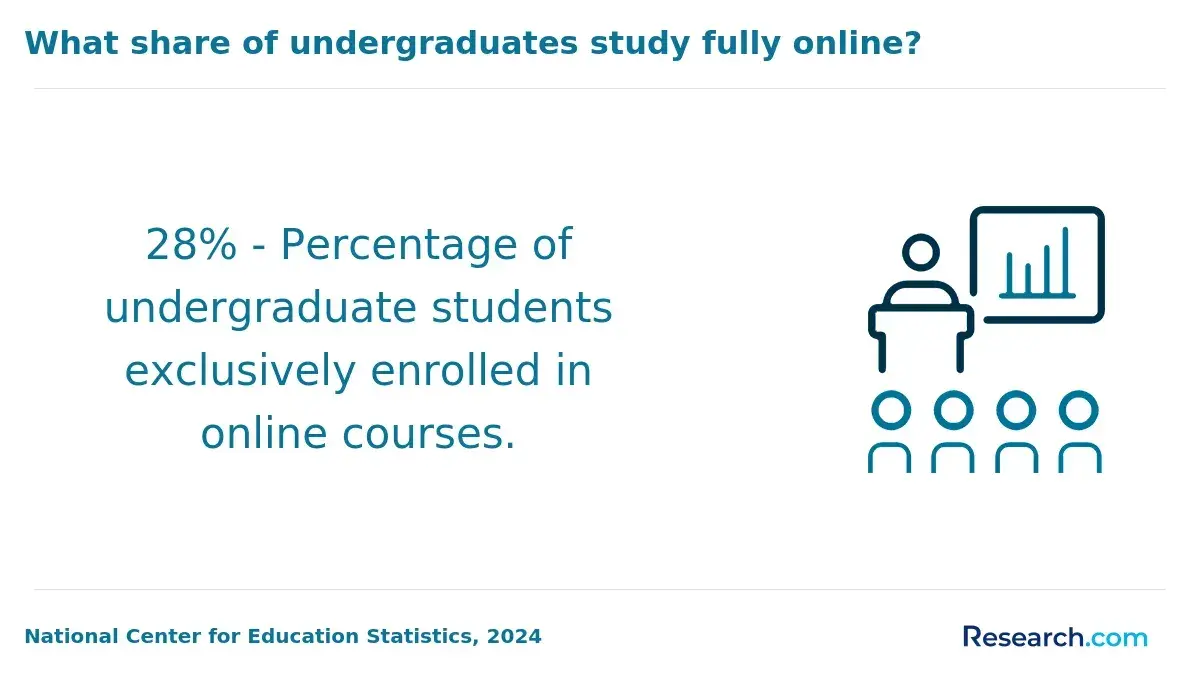
Choosing affordable accelerated curriculum & instruction degree programs online requires careful attention to accreditation and institutional legitimacy-critical factors that affect credit transferability, employer respect, and access to federal aid. Recent data shows that over 40% of higher education students now take at least one online course, making quality assurance even more vital.
Key elements determine whether a low-cost accelerated program holds professional value:
- Regional Accreditation: This remains the strongest sign of academic rigor and institutional credibility, as regional accreditors scrutinize faculty expertise, curriculum standards, and student services. Programs holding this accreditation are typically well-regarded by employers and other colleges, especially for online accelerated formats tailored to busy adults.
- Specialized Accreditation: Endorsements from teacher-focused accrediting bodies or state education departments verify that programs meet state licensure and educational benchmarks. Such recognition ensures graduates are eligible for teaching credentials and competitive job markets.
- Federal and Institutional Transparency: Genuine accelerated degrees report data through the U.S. Department of Education and NCES, confirming eligibility for federal aid and revealing graduation rates and transfer policies. Programs that accept prior credits and clearly disclose outcomes tend to provide affordable, streamlined paths without compromising quality.
One professional who earned his degree through an accelerated online program shared, "Initially, I worried that the affordable price and fast pace meant lesser quality. But as I progressed, the clear guidance from faculty and the structured course material reassured me.
It wasn't easy balancing work and studies, but knowing my credits were recognized by my state's education board gave me confidence. Finishing on time felt rewarding-proof that you can find legitimacy without overspending."
What Are the Fastest Online Curriculum & Instruction Degree Programs?
Accelerated online curriculum & instruction degree programs attract many working adults and career changers eager to balance education, work, and family commitments efficiently. With adult enrollment in online education climbing steadily-over 45% of online students are age 25 or older-these fast-track options meet growing demand.
Below are some of the most effective pathways designed to reduce graduation time while maintaining quality.
- Competency-Based Learning: This format enables students to advance by proving mastery instead of seat time, often allowing degree completion in 12 to 18 months. It suits self-driven learners who can leverage prior knowledge to expedite their studies without sacrificing academic rigor.
- Transfer-Credit-Friendly Programs: Institutions accepting a broad range of transfer credits help students avoid retaking courses, frequently shortening degree timelines to 18-24 months. This approach is ideal for those with previous college credits or certifications aiming for a smoother transition.
- Year-Round Enrollment: Offering multiple start dates and continuous course offerings, year-round systems eliminate long breaks and support steady progress. Students benefit from flexible pacing that often enables graduation in under 18 months.
- 8-Week Course Formats: Condensed terms with focused, intensive modules speed up credit accumulation. These courses accommodate those with limited time each term while maintaining completion within roughly 18 to 24 months.
- Prior Learning Assessment (PLA): PLA credits for work experience, military service, or certifications accelerate program completion and decrease costs by recognizing what learners already know.
Working adults looking for affordable, accelerated online curriculum & instruction degree programs can explore these options to find the best fit. For additional pathways that emphasize speed and flexibility, see the quickest associates degree resources as a helpful reference.
Which Online Curriculum & Instruction Degree Programs Are Best for Working Adults?
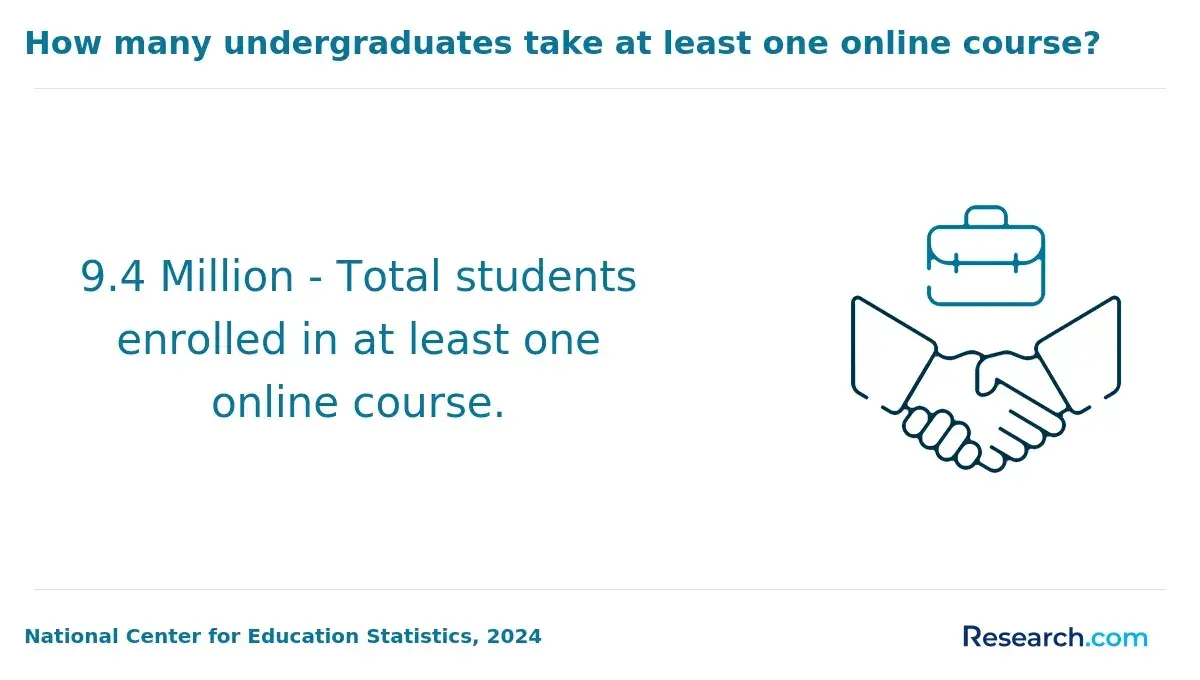
Working adults increasingly turn to accelerated online curriculum & instruction degree programs to juggle employment, family duties, and career growth. The National Center for Education Statistics reports that over 40% of college students are now enrolled exclusively in distance education courses-highlighting a growing demand for flexible learning options.
Several program types stand out for their ability to meet adult learners' specific needs.
- Asynchronous Learning: These programs let students study and complete coursework on their own time, eliminating the need for live classes. This flexibility supports those with unpredictable schedules or multiple responsibilities, allowing progress during evenings or weekends.
- Competency-Based Pathways: Designed for adults with prior knowledge or experience, competency-based education allows learners to move forward by proving mastery rather than spending fixed hours in class. This can accelerate degree completion while potentially lowering tuition by avoiding redundant material.
- Transfer-Friendly Schools: Institutions with generous credit transfer policies enable students to apply previous college credits or relevant certifications toward their degree. This option is especially helpful for returning students who want to shorten their studies without repeating coursework.
- Part-Time, Flexible Scheduling: Many accredited online programs offer part-time options with predictable calendars, balancing steady academic progress against work and family demands. Dedicated support services specifically for adult learners often accompany these formats.
Reflecting on her journey, a professional who built her career after completing an online curriculum & instruction degree shared that balancing work with study was initially daunting. She recalled, "Figuring out how to stay committed while handling a full workload and family time tested my discipline."
Yet programs offering asynchronous classes and the ability to transfer credits made it manageable. She valued being able to tailor her pace without sacrificing quality or support, noting that those elements made all the difference in reaching her goals efficiently and confidently.
What Flexible Scheduling Options Are Available in Accelerated Curriculum & Instruction Programs?
Flexible scheduling is a top priority for many students enrolling in accelerated online Curriculum & Instruction programs-about 70% of adult learners report flexibility as a key decision factor. These programs are designed to accommodate work, family, and other commitments while enabling faster degree completion.
Below are several common scheduling structures that support this balance.
- Asynchronous Learning: Course materials and lectures are available on demand, allowing students to study at their convenience without fixed class times, ideal for those with unpredictable schedules.
- Evening and Weekend Classes: Live sessions outside standard business hours provide opportunities for real-time interaction while fitting around daytime responsibilities.
- Competency-Based Progression: Students advance by demonstrating mastery instead of spending set time in class, enabling quicker completion if prior knowledge exists.
- Rolling Enrollment: Programs offer multiple start dates throughout the year, minimizing wait periods between terms and helping maintain momentum.
- Condensed Terms: Shortened 8-week courses keep learners focused and often allow taking more classes annually compared to traditional semesters, accelerating academic progress.
These flexible scheduling models combine with user-friendly online platforms and dedicated support systems to help students manage workload and avoid burnout-crucial elements for working adults striving to finish degrees efficiently without sacrificing personal or professional obligations.
Which Accelerated Curriculum & Instruction Degree Programs Accept the Most Transfer Credits?
Generous transfer-credit policies play a critical role in accelerated online curriculum & instruction programs-especially for working adults and transfer students aiming to save time and money. Research shows that nearly 40% of undergraduate students transfer at least once, underscoring the value of accepting previously earned credits.
Below are key categories of accelerated programs that emphasize flexible credit transfer and faster degree completion.
- Community College Articulation: Many accelerated programs maintain formal agreements with accredited community colleges to accept up to 90 transfer credits. This approach minimizes redundant coursework and helps adult learners quickly progress toward their curriculum & instruction degree.
- Military-Friendly Programs: Tailored for veterans and active-duty personnel, these programs recognize military training through ACE credit recommendations and accept standardized exams like DSST and CLEP. This reduces barriers and accelerates degree paths for military-affiliated students.
- Prior Learning Assessment (PLA): Competency-based formats leverage portfolio reviews, standardized testing, and evaluation of workforce certifications to award credit for real-world skills. PLA options increase scheduling flexibility and shorten time-to-degree for nontraditional learners.
- Statewide Transfer Pathways: Some accelerated programs participate in state transfer systems guaranteeing credit acceptance across public institutions. Combined with low residency requirements, this enhances accessibility for online adult learners pursuing curriculum & instruction degrees.
Institutions balance maximizing transfer credits with maintaining academic rigor through accreditation and credit evaluation standards. Prospective students should carefully review transfer caps and residency rules to ensure seamless credit application toward their accelerated curriculum & instruction degree goals.
Can Prior Learning or Work Experience Reduce the Time and Cost of a Curriculum & Instruction Degree?
Accelerated online curriculum & instruction degree programs often evaluate prior academic coursework, military training, and professional experience to lower costs and shorten time to graduation. Nearly 80% of adult learners report that transfer credit policies influence their choice of fast-track curriculum & instruction programs, highlighting the value of recognizing previous learning.
This recognition supports cost-conscious students aiming to reduce both tuition and time investment.
- Transfer Credits: Many institutions accept transfer credits from regionally accredited colleges, enabling students to skip foundational courses. Statewide transfer agreements enhance the credit acceptance process, helping students progress faster in their programs.
- Prior-Learning Assessments: Competency-based models, like portfolio reviews or challenge exams, allow students to convert existing knowledge directly into credit-an effective strategy to reduce tuition costs and accelerate degree completion.
- Military Training: Veterans and servicemembers benefit from evaluations of military transcripts-such as the Joint Service Transcript or ACE recommendations-which convert military experience into academic credits.
- Standardized Exams: Exams like CLEP and DSST offer affordable ways to earn college credits by demonstrating mastery in specific subjects without attending classes, aligning well with accelerated and affordable learning goals.
- Workforce Certifications: Industry certifications sometimes overlap with course requirements. Documented certifications can earn credit, representing another path to fast-track curriculum & instruction completion.
Institutional credit caps, residency rules, and transfer policies significantly shape how prior learning is applied. Confirming a program's acceptance of transfer credits and prior-learning assessments is vital for financially minded students.
For those seeking affordability and flexibility, exploring options such as bookkeeping certification online can complement curriculum & instruction studies and further reduce costs.
What Financial Aid Options Are Available for Online Curriculum & Instruction Students?
Financial aid remains crucial for students in accelerated online curriculum & instruction programs-even affordable options can pose challenges. Nearly 70% of adult learners use some form of aid, with employer tuition assistance growing by 15% annually.
These funding sources can lower debt and expedite degree completion. Key financial aid pathways include:
- Federal Grants and Loans: Pell Grants and Direct Subsidized Loans offer essential funding with low interest rates and flexible repayment. Eligibility hinges on financial need and enrollment status, making them a foundational resource for most students.
- Employer Tuition Assistance: Many working adults benefit from employer-sponsored programs that cover partial or full tuition. These initiatives can drastically reduce out-of-pocket expenses while supporting career advancement aligned with educational goals.
- Institutional Scholarships: Accredited universities often provide merit- and need-based scholarships targeted at online learners or accelerated curriculum & instruction programs. Prospective students should explore financial aid offices for renewal requirements and application deadlines.
- Workforce Retraining Initiatives: State and federal grants assist career changers entering in-demand fields like curriculum & instruction, easing transitions with financial support tailored to workforce development priorities.
Maximizing affordability also involves leveraging transfer-credit optimization to reduce total tuition and program length. Those seeking the cheapest accelerated curriculum & instruction degree programs online can explore flexible options that align with personal schedules and financial needs.
For related fields, consider reviewing graphic design graduate programs as an additional pathway for accelerated online study.
What Should Students Look for When Choosing an Affordable Accelerated Curriculum & Instruction Program?
Selecting the right accelerated online curriculum & instruction program can dramatically influence debt levels, graduation speed, and career trajectory. Nearly 60% of online students transfer credits to shorten degree time, emphasizing the need for smart program choices.
The following points highlight crucial factors for cost-conscious, nontraditional learners.
- Accreditation: Ensure the program holds regional or national accreditation from recognized agencies. Accreditation is essential for credit transfer, employer acceptance, and maintaining academic standards-critical for long-term degree value.
- Total Cost Transparency: Evaluate all expenses-not just tuition but also fees, books, and technology. Low advertised tuition may hide additional charges, so reviewing the full cost prevents unexpected financial pressure.
- Transfer Credit Policies: Programs that accept extensive transfer credits-including prior college work or certifications-can shorten completion time and reduce costs. Confirm transfer eligibility before committing.
- Flexible Accelerated Formats: Look for programs featuring condensed terms, prior-learning assessments, or competency-based models. These options support faster progression but require discipline and time management.
- Support Services: Strong online advising, tutoring, and career resources improve persistence and graduation. Early access to financial aid counseling also helps identify funding options and plan accordingly.
What Do Students Say About Cheap Accelerated Online Curriculum & Instruction Degree Programs?
- Vance: "As a working adult juggling a full-time job, the flexible schedules offered by accelerated curriculum & instruction programs made all the difference for me. I appreciated how the financial aid options available to online students helped ease the burden, allowing me to focus on my studies without constant worry. Choosing affordable programs was essential, and I found that investing time in research saved me money while still providing a high-quality education."
- Marvin: "After deciding to change careers, I needed a program that could move at a faster pace but still fit my budget. The accelerated curriculum & instruction degrees online stood out because of their cost-effectiveness and availability of grants for distance learners. Reflecting back, it was crucial to prioritize programs that balanced affordability with strong academic support, which made my transition much smoother."
- Parker: "Being a nontraditional student, affordability was my top concern when exploring accelerated curriculum & instruction degrees online. I found that many programs not only offered financial aid but also understood the unique challenges of balancing life and study through flexible course schedules. My advice is to focus on programs that offer both value and flexibility to get the most out of the experience without breaking the bank."
Other Things You Should Know About Curriculum & Instruction Degrees
Accelerated curriculum & instruction degrees condense the same core content offered in traditional programs into a shorter timeframe by increasing course intensity and reducing breaks. These programs maintain educational quality by using rigorous curricula, experienced faculty, and often integrating practical, real-world assignments. Accreditation standards also ensure programs meet recognized benchmarks despite their accelerated pace.
Yes, many accelerated curriculum & instruction programs emphasize proficiency with learning management systems, educational technology tools, and digital content creation platforms. Students commonly learn to use software for designing interactive lessons, analyzing student data, and facilitating virtual classrooms. This technical knowledge is essential for modern educators focused on innovative instructional methods.
Working full-time while enrolled in an accelerated curriculum & instruction program is challenging but feasible with strong time-management skills. Programs often offer online or asynchronous courses to provide flexibility. Students should be prepared for a fast-paced learning environment and may need support from employers or family to balance work, study, and personal responsibilities successfully.
References
- Best Online Degree Programs for Working Adults https://www.scholaro.com/db/News/best-online-degree-programs-256
- 10 Accelerated Degrees that Fit into Your Busy Schedule - Peterson's https://www.petersons.com/blog/10-accelerated-degree-programs-that-fit-into-your-busy-schedule/
- Is a Master's in Curriculum and Instruction Worth It? https://www.snhu.edu/about-us/newsroom/education/benefits-of-a-masters-in-curriculum-and-instruction
- Washington's Education Options https://ospi.k12.wa.us/student-success/learning-alternatives/washingtons-education-options
- Scheduling Students for Accelerated Instruction - Enriching Students https://www.enrichingstudents.com/scheduling-students-accelerated-instruction/
- Can You Get Financial Aid For Online Classes? | Chase https://www.chase.com/personal/banking/education/student/financial-aid-online-classes
- Congrapps https://congrapps.com/blog/education-or-work-experience-which-one-is-more-important/
- 9 Master’s of Education Programs You Can Finish in as Little as 12 Months | ACE Blog https://ace.edu/blog/9-masters-of-education-programs-you-can-finish-in-as-little-as-12-months/
- Understanding The Financial Aid Options Available For Online Learners https://elearningindustry.com/understanding-financial-aid-options-available-for-online-learners