2027 Can You Get Licensed With an Online Care Coordination Degree? Requirements, Rules, and What to Know

Co-Founder and Chief Data Scientist
Many aspiring health professionals pursue an online care coordination degree but face uncertainty about licensure eligibility. The Bureau of Labor Statistics projects a 21% growth in care coordination roles through 2032, intensifying demand for qualified, licensed practitioners.
However, inconsistent state regulations and varying accreditation standards for online programs complicate the pathway to certification. This complexity often delays career advancement or causes students to choose unsuitable programs.
This article clarifies licensure requirements, explains the influence of online education on credentialing, and guides prospective students on meeting regulatory standards to successfully become licensed care coordinators.
Key Benefits of Getting Licensed with an Online Care Coordination Degree
- Licensure with an online care coordination degree enhances professional credibility, meeting industry standards and increasing eligibility for specialized roles requiring certification.
- Licensed graduates access a broader job market, benefiting from increased geographic flexibility and higher demand in healthcare systems actively seeking credentialed coordinators.
- Certified care coordinators often experience greater long-term earning potential and career advancement, with licensure linked to leadership roles and salary increases reported by 30% of workers.
Can You Get Licensed With an Online Care Coordination Degree?
Licensure is attainable with an online care coordination degree licensure requirements met through accredited programs that include comprehensive coursework and practical clinical experiences. These programs prepare students by covering essential topics such as patient advocacy, healthcare management, and interdisciplinary collaboration, alongside supervised internships or clinical hours. This combination is crucial for graduates to gain the hands-on skills necessary for effective care coordination in professional settings. Additionally, many states require passing certification exams from recognized organizations like the Commission for Case Manager Certification, which verify the competencies needed for licensure.
Obtaining licensure through an online care coordination program offers distinct advantages, including access to regulated career paths that mandate official credentials and eligibility for higher-level responsibilities in healthcare teams. Licensed professionals typically enjoy enhanced salary potential compared to those in non-licensed roles. For individuals exploring advanced healthcare education options, programs such as a pharmacy degree online illustrate how accredited online degrees provide both flexibility and preparation for licensure. Those researching how to successfully navigate getting licensed with online care coordination program options will find that completing an accredited degree validates their skills and supports their entry into professional healthcare roles.
Do Licensing Requirements for Care Coordination Vary by State?
Licensing rules exist primarily to ensure that professionals meet consistent standards of competence and protect public safety. Requirements for care coordination licensure differ widely across states, with data showing about 40% of states implement unique licensure or certification standards specifically for care coordinators or related healthcare roles. These variations affect how students and professionals approach meeting state licensing requirements for care coordinators.
Key areas where care coordination licensure rules by state vary include:
- Supervised Experience: Some states require a set number of supervised professional hours prior to licensure eligibility, while others do not mandate this. This can influence how much hands-on practice is needed before entering the workforce.
- Examination Requirements: Certain states have specialized exams focused solely on care coordination, whereas other states accept broader healthcare certifications. Understanding specific testing demands is critical for career planning.
- Continuing Education: The type and frequency of continuing education needed to maintain licensure varies, impacting ongoing professional development and compliance efforts across states.
- Scope of Practice: Differences in legal scope define what licensed care coordinators may perform, affecting job duties and advancement depending on jurisdiction.
- Renewal Policies: States vary in renewal intervals and associated fees, which professionals must track to maintain active credentials effectively.
For those considering online educational pathways to enter care coordination fields, exploring how state licensing requirements align is essential. Prospective students can also explore accelerated training options, such as a fast track medical assistant program, to gain foundational skills quickly while considering certification prerequisites.
Are Online Care Coordination Programs Different From Campus Programs for Licensure?
The choice between online and campus care coordination programs does not inherently impact licensure eligibility as long as the program is properly accredited and meets state or professional board requirements. Notably, 68% of healthcare employers now recognize online degrees as equivalent to traditional ones when practical training is included, reflecting growing acceptance.
- Curriculum Coverage: Both online and campus programs deliver essential coursework in healthcare management, patient communication, and care planning, ensuring students gain the fundamental knowledge required for licensure.
- Clinical Components: Campus programs often provide built-in in-person clinical placements, while online students usually coordinate their own local clinical experiences, maintaining the necessary hands-on practice for certification.
- Skill Development: Regardless of the setting, programs stress development of real-world skills through practical applications, which are critical in meeting licensure standards.
- Assessment Methods: Online and campus formats employ competency-based evaluations and licensing exams similarly, focusing on ensuring mastery of relevant skills and knowledge.
- Employer Perceptions: Increasingly, employers are valuing accredited online care coordination degrees equivalently, provided students complete required clinical hours and demonstrate core competencies.
A licensed professional who completed an online care coordination degree shared their experience when asked about the elective courses chosen. They recalled feeling uncertain at first about selecting electives without in-person guidance but found that the online format allowed flexibility to explore topics like health informatics and patient advocacy deeply. Coordination of clinical hours locally required proactive communication with nearby healthcare providers, which felt challenging initially but ultimately strengthened professional networking skills. They emphasized that the real test was balancing studies with work commitments, but the accessible online resources and instructor support made licensure preparation manageable and effective.
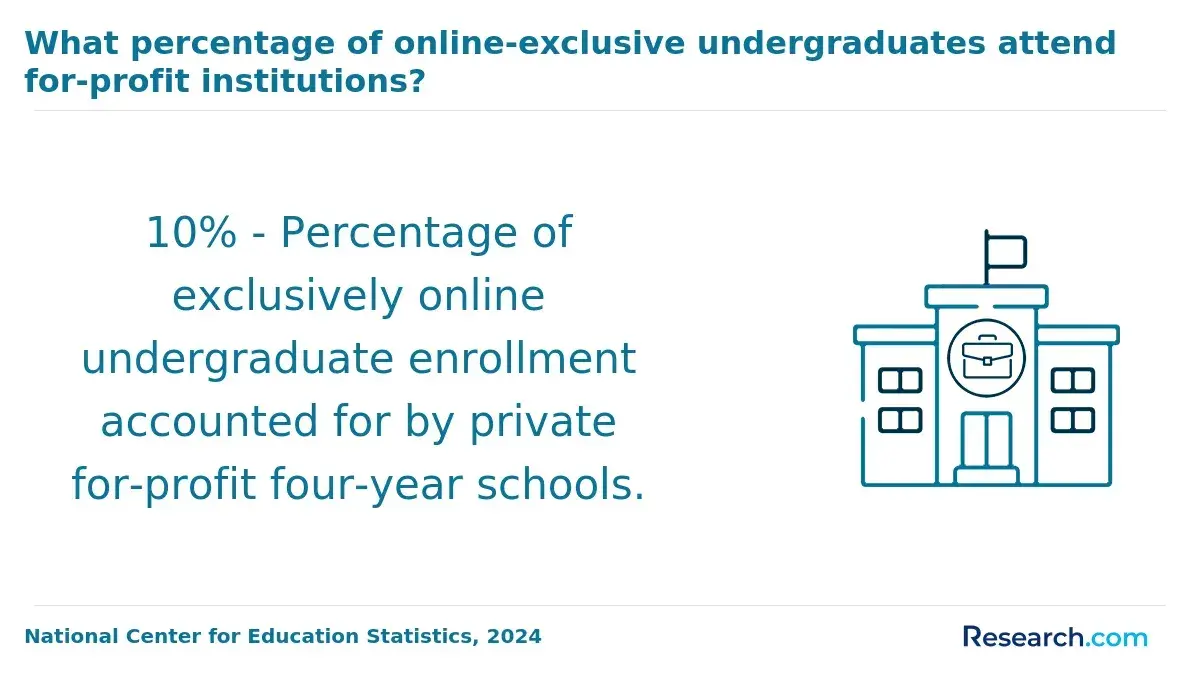
Breakdown of Public Fully Online Title IV Institutions

Online care coordination degree programs typically include clinical or practicum hours designed to build hands-on experience critical for professional practice and meeting licensure requirements. These hours provide practical training that complements theoretical coursework, preparing students to effectively manage real-world healthcare scenarios.
- Required Hours and Settings: Clinical hour requirements for online care coordination degrees generally range between 100 and 300 hours, depending on state regulations and program specifics. Placements commonly occur in hospitals, community health centers, outpatient clinics, or long-term care facilities, offering diverse environments for skill development.
- Supervised Practical Experience: Students gain direct experience under licensed professionals who provide guidance and evaluate competencies. This supervision ensures students learn appropriate patient assessment, care planning, and communication techniques essential for care coordination roles.
- Skills Development: Practicum hours needed for care coordination licensure focus on hands-on learning of interdisciplinary collaboration, patient advocacy, and care management systems. These experiences are critical for meeting employer expectations and licensure standards.
- Integration with Online Coursework: While much of the didactic education is completed remotely, online programs coordinate in-person clinical components locally based on the student's location. This flexible arrangement supports both practical training and academic study.
- Virtual Simulations as Supplements: Some programs incorporate virtual simulations alongside traditional clinical hours to enhance practical skills, helping students prepare for real-world challenges when placements may be limited.
Meeting these clinical or practicum hour requirements ensures eligibility for licensure in many states and fosters competencies valued by healthcare employers. Prospective students interested in related healthcare fields may also explore medical billing and coding classes as a complementary career path.
Licensing exams serve to confirm that individuals possess the essential knowledge and skills to practice safely and effectively in their profession, ensuring public trust and career eligibility. For those who complete an online care coordination degree, passing such an exam is a critical step toward professional certification and employment opportunities. Notably, the pass rate for the primary certification exam hovers around 80%, reflecting a consistent standard of competence across candidates. The following list outlines key features of this exam to help you prepare.
- Exam Name: The Certified Case Manager (CCM) exam is the primary credentialing test, recognized nationwide for care coordination professionals.
- Content Areas: It covers vital domains such as patient advocacy, development of care plans, healthcare system navigation, ethical practice, health promotion, and resource management.
- Format: This exam typically consists of approximately 180 multiple-choice questions administered on a computer, with a duration of about four hours.
- Preparation Strategies: Successful candidates often study core care coordination principles, use practice exams to simulate test conditions, and review current clinical guidelines and relevant regulations.
- Retake Policies: Candidates may retake the exam multiple times, subject to mandatory waiting intervals, underscoring the importance of readiness prior to attempting again.
- Relevance for Online Graduates: Passing the CCM exam validates that graduates of online programs meet national professional benchmarks despite less traditional clinical exposure, reinforcing the legitimacy of flexible learning paths.
When I spoke with a licensed professional who completed her care coordination degree fully online, she emphasized the balancing act between rigorous study and managing work and family life. She recalled feeling a mix of anxiety and excitement sitting down for the four-hour exam, particularly because so much the certification hinged on it. To prepare, she dedicated weekends to review sessions and took numerous practice tests to boost her confidence. "It wasn't just about knowing the material," she reflected, "but understanding how to apply it in real-world scenarios." After passing, she described a strong sense of accomplishment, knowing that her online education had equipped her with the competence required for the role. She also mentioned that the structured retake policy provided reassurance, allowing her to approach the exam with determination rather than fear of failure.
Yes, supervised work experience is typically necessary after completing an online care coordination degree, especially for those pursuing licensure or certification. This hands-on training bridges theoretical knowledge with real-world application, enhancing essential professional abilities and readiness for clinical practice. According to a 2023 survey, more than 70% of certification programs mandate supervised clinical experience after graduation to ensure competency. Key aspects of this requirement include:
- Duration: Experience usually spans six months to two years, varying by state regulations and credentialing organizations to ensure adequate skill development.
- Settings: Common environments include hospitals, clinics, community health centers, and long-term care facilities, providing diverse exposure to patient care coordination.
- Mentorship: Trainees work under licensed or seasoned care coordinators, receiving guidance and constructive feedback essential for professional growth.
- Skill Development: Practical experience enhances abilities in patient advocacy, interdisciplinary communication, healthcare navigation, and ethical decision-making.
- Career and Licensure Impact: Completing supervised experience is often required for licensure eligibility, demonstrating readiness for independent roles and improving job prospects within care coordination.
Licensure reciprocity is a formal agreement that allows professionals licensed in one state to obtain licensure in another state more easily. This arrangement is important for care coordination graduates who wish to practice or relocate across state lines without repeating full licensing steps. Several key elements influence whether reciprocity applies to online graduates in this field.
- Eligibility criteria: States differ in their requirements, including mandates that degree programs meet certain accreditation and curriculum standards. This is especially relevant for online care coordination graduates, as states often verify if an online program aligns with their licensing prerequisites, affecting state licensure reciprocity for online care coordination graduates.
- Initial license requirements: The original licensing conditions-such as completing supervised clinical hours and passing standardized exams-impact transferability. Some states require proof that these were met according to local rules, which can pose challenges for licensing transfer rules for care coordination degree holders.
- State agreements: Not all states participate in formal reciprocity compacts for care coordination roles. Graduates should confirm if their target states have such agreements, which can significantly ease multi-state practice opportunities.
- Application process: Applying for licensure reciprocity typically involves submitting verified credentials, undergoing background checks, and sometimes fulfilling additional state-specific criteria. This procedural step can vary widely and affects the timeline for license approval.
- Limitations: Even when reciprocity is granted, restrictions may apply-such as limited scope of practice or temporary licensure during processing. Awareness of these limits helps graduates plan their career mobility effectively.
For students contemplating online education that facilitates licensure mobility, exploring the cheapest fnp programs online may also provide valuable insights into affordable pathways and regulatory considerations.
Enrollment in online care coordination programs has increased by over 10% annually, reflecting growing demand for flexible education options. Many students prioritize programs that meet licensure requirements to ensure their education advances their professional credentials.
Below are key advantages and challenges associated with these programs in relation to licensure and career readiness.
Pros
- Flexibility: Online programs allow students to balance education with work or personal commitments, making it easier to complete licensure-required coursework.
- Accessibility: Students in remote or underserved areas can access quality curriculum without relocating, supporting broader licensure eligibility.
- Cost-effectiveness: Reduced expenses compared to traditional programs may lower financial barriers to obtaining licensure.
- Licensure preparation: Curriculum often includes required courses and virtual simulations aligned with state board standards.
Cons
- Limited hands-on experience: Reduced in-person clinical practice can hinder development of practical skills essential for licensure and employment.
- Networking challenges: Fewer face-to-face interactions may limit professional connections valuable for references and job placement.
- Supervision requirements: Ensuring access to approved clinical fieldwork can require extra effort from students to meet licensure mandates.
- Employer perceptions: Some may question the rigor of online education, although acceptance is increasing as program quality improves.
Obtaining licensure with an online care coordination degree can significantly enhance your salary potential. Licensed care coordinators often earn 15% to 20% more than their non-licensed counterparts, according to recent industry data. This salary boost reflects the higher value placed on validated skills and professional credentials in healthcare roles.
The impact of online care coordination licensure on salary is substantial, as licensure opens doors to better-paying jobs and career advancement. Key ways this credentialing influences earnings and opportunities include:
- Eligibility for supervisory or management roles: Licensure qualifies individuals for leadership positions such as case manager supervisor or clinical coordinator, which typically offer higher pay and increased responsibility.
- Access to specialized assignments: Licensed professionals are often entrusted with complex patient care coordination tasks that require advanced knowledge, leading to higher compensation.
- Enhanced job security: Being licensed increases marketability and stability in the healthcare job market, providing leverage for salary negotiations and long-term career growth.
- Improved professional credibility: Licensure signals expertise and commitment, which can accelerate promotions and open opportunities for consultancy or advisory roles.
Graduates who complete an online care coordination degree should consider pursuing licensure not only to increase their earning potential but also to expand their professional scope. For those interested in continuing education pathways that support career advancement in nursing and care coordination, programs like the cheapest rn to bsn online options can provide an affordable next step in building credentials.
The salary benefits of licensed care coordinators online degree holders highlight licensure as a strategic investment. Securing this credential makes a measurable difference in compensation and career trajectory for professionals committed to advancing within healthcare coordination roles.
Licensure significantly influences career opportunities for graduates with an online care coordination degree, affecting the scope of practice, earning potential, and advancement possibilities. Many graduates choose to pursue roles both with and without professional licenses to maximize flexibility and gain diverse experience. Recent data shows that about 65% of licensed graduates find employment within six months, while only 45% of non-licensed graduates achieve the same.
Below is an overview of typical positions available depending on licensure status.
Jobs With a License
- Clinical Care Coordinator: Oversees patient care plans and collaborates with healthcare teams to ensure regulatory compliance and high-quality care delivery in clinical environments.
- Nurse Case Manager: Utilizes nursing expertise to manage complex cases, coordinate treatments, and guide patients through healthcare processes, often earning higher salaries and leadership roles.
- Licensed Social Worker: Provides direct support and advocacy for patients with licensing that enables involvement in clinical decision-making and access to regulated healthcare settings.
Jobs Without a License
- Patient Advocate: Facilitates communication between patients and providers, assisting with scheduling and resource referrals without engaging in clinical judgments.
- Care Coordination Assistant: Supports care teams administratively by organizing appointments and managing care documentation, offering entry-level experience within healthcare organizations.
- Healthcare Administrative Coordinator: Manages non-clinical tasks such as data entry, insurance coordination, and general office duties, serving as a critical support role that can lead to licensed positions.
What Graduates Say About Getting Licensed with an Online Care Coordination Degree
- Leonard: "I was initially concerned about the tuition fees, but the cost of the online care coordination degree and licensure was surprisingly affordable compared to traditional programs. The flexibility of studying remotely allowed me to balance work and education effectively, and the coursework was very relevant to real-world healthcare settings. This degree has truly opened doors for me as a licensed professional, boosting my confidence and career prospects. "
- Jairo: "The investment I made for the online care coordination degree program and securing my licensure was a worthwhile decision. The learning experience was fully engaging despite being virtual, with interactive modules and accessible instructors. Reflecting on my journey, this degree has significantly enhanced my ability to provide coordinated care, leading to meaningful improvements in patient outcomes. "
- Charles: "Given the average costs of attendance I researched, the online care coordination degree was a cost-effective option that didn't compromise on quality. The program's structure allowed me to apply theoretical knowledge directly to my workplace challenges. Since becoming licensed, I've noticed a significant advancement in my professional responsibilities and the respect I've earned from colleagues. "
Other Things You Should Know About Care Coordination Degrees
Yes, maintaining care coordination licensure in 2027 often requires completing continuing education credits. These credits ensure that professionals stay current with industry standards, evolving practices, and any new regulations. Specific requirements vary by state and certifying bodies, so it's important to check the guidelines applicable to your situation.
Yes, obtaining additional certifications such as Certified Case Manager (CCM) or Certified Care Coordinator Professional can improve job prospects and demonstrate advanced knowledge. While not always mandatory, these credentials are valued by many employers and can lead to specialized roles or higher salaries within the care coordination field.
Care coordinators are usually regulated by the state’s nursing board, social work board, or a health-professions board, not a single national agency. In 2027, applicants should verify the exact board on the state licensing website before submitting transcripts, supervision logs, and any required exam results.
- Care Coordinator Salary, Job Description, and Career Outlook https://www.coursera.org/articles/care-coordinator
- State Telehealth Policies for Cross-State Licensing - CCHP https://www.cchpca.org/topic/cross-state-licensing-professional-requirements/
- VMeDx – Medical Virtual Assistants | HIPAA-Trained 24/7 Support https://vmedx.com/patient-care-coordinator-salary/
- Preparing for Licensure Exams: Strategies for Online Students https://onlinenursingdegrees.wilkes.edu/blog/strategies-for-online-nursing-students
- Upskill Your Nursing Career: Online Certificates And Licenses To Consider https://elearningindustry.com/upskill-your-nursing-career-online-certificates-and-licenses-to-consider
- State licensing for home care: What is it and why does it matter? https://www.mcknightshomecare.com/state-licensing-for-home-care-what-is-it-and-why-does-it-matter/
- Waiver Consulting Group https://help.waivergroup.com/en_US/starting-a-waiver-provider-agency/understanding-personal-care-agency-licensing-
- Nursing education online pros/cons - Eduwik https://eduwik.com/nursing-education-online-pros-cons/
- Care Coordinator Certificate | Post Master's Degree Program https://www.methodistcollege.edu/nursing/certificates/care-coordinator
- Remote Care Coordinator Jobs https://www.virtualvocations.com/q-remote-care-coordinator-jobs.html