2027 Can You Get Into an Online Healthcare Leadership Doctorate Program with a Low GPA? Admission Chances and Alternatives

Co-Founder and Chief Data Scientist
A low GPA does not always end a doctoral goal, especially in healthcare leadership programs that value professional experience. The stakes are high: the U. S. Bureau of Labor Statistics reports a $117,960 median annual wage for medical and health services managers and projects 29% job growth from 2023 to 2033.
This guide is for applicants worried their transcript will hold them back. You will learn how admissions committees evaluate GPA, what can offset weak grades, when to apply, and when a certificate, master's, or different program may be the smarter path.
Key Things You Should Know
- Admission is possible with a low GPA, but many online healthcare leadership doctorates use a 3.0 graduate GPA as a common benchmark; applicants below it usually need strong evidence of doctoral readiness.
- Professional leadership, a focused statement of purpose, strong recommendations, and recent graduate-level coursework can matter more than an old undergraduate GPA in holistic admissions.
- Because 2024 federal graduate loan rates are high, including 8.08% for Direct Unsubsidized Loans and 9.08% for Grad PLUS Loans for 2024-2025, applicants should compare admission chances with cost and ROI before enrolling.
Can You Get Into an Online Healthcare Leadership Doctorate Program With a Low GPA?
Yes, you can get into some online healthcare leadership doctorate programs with a low GPA, but your chances depend on how low the GPA is, whether it is undergraduate or graduate GPA, how selective the program is, and whether the school uses holistic review. In this context, "low GPA" usually means below the school's stated minimum, below 3.0, or meaningfully weaker than the profiles of recently admitted students.
Healthcare leadership doctorates are usually practice-focused degrees such as a Doctor of Healthcare Administration, Doctor of Health Administration, executive Doctor of Public Health, EdD with a healthcare leadership concentration, or PhD in health services or organizational leadership. Many applicants are working clinicians, administrators, quality improvement managers, public health professionals, or executives seeking senior leadership, consulting, academic, or policy roles. If your target is a doctorate in healthcare administration, admissions committees often look closely at your management experience and fit with applied doctoral work, not just your transcript.
The key distinction is minimum eligibility versus competitiveness. A school may list 3.0 as a preferred or required GPA, but still allow committee review, conditional admission, a petition, or extra materials for applicants below that level. Other programs are stricter and may automatically screen out applicants who do not meet the published minimum.
The table below summarizes how GPA ranges are commonly interpreted in online healthcare leadership doctorate admissions. These are not universal cutoffs; always verify the policy with each school before applying.
| GPA profile | Typical admissions interpretation | Likely application strategy |
| 3.5 or higher | Academically strong for many applied healthcare leadership doctorates | Focus on fit, research or practice interests, leadership impact, and program match |
| 3.0 to 3.49 | Often meets the common minimum for regular admission | Show readiness through professional experience, writing quality, and clear goals |
| 2.75 to 2.99 | Below the common benchmark but sometimes reviewable | Target holistic or conditional-admission programs and explain academic improvement |
| 2.5 to 2.74 | Challenging for direct doctoral admission unless other strengths are substantial | Consider graduate coursework, a certificate, or a master's-first pathway |
| Below 2.5 | Usually a major barrier for direct admission | Build a new academic record before applying to doctoral programs |
A low undergraduate GPA is usually less damaging if you later earned strong grades in a master's program. A low graduate GPA is more concerning because doctoral coursework requires advanced writing, research literacy, independent study, and sustained project completion. If your graduate GPA is weak, you may need a more deliberate academic-repair strategy before applying.
What Admissions Factors Matter Most Beyond GPA for Online Healthcare Leadership Doctorate Programs?
Admissions committees are trying to answer one core question: can this applicant succeed in doctoral-level work and use the degree responsibly in healthcare leadership? GPA helps answer that question, but it is rarely the only evidence available.
The most important non-GPA factors usually show whether you can lead people, analyze complex systems, communicate clearly, and complete a long-term scholarly or applied project. Applicants with low GPAs should use every part of the application to reduce academic risk.
| Admissions factor | Why it matters | How it can offset a low GPA |
| Healthcare leadership experience | Shows readiness for executive, operational, or systems-level coursework | Demonstrates that your professional performance is stronger than your older academic record |
| Graduate-level academic performance | Reflects recent ability to handle advanced coursework | Can outweigh a weaker undergraduate GPA if grades improved over time |
| Statement of purpose | Connects your goals to the program's curriculum and doctoral project model | Lets you address academic weaknesses with context and a forward-looking plan |
| Recommendations | Provides outside evidence of leadership, writing, judgment, and persistence | Can reassure the committee that you are prepared for rigorous independent work |
| Writing sample or interview | Reveals communication quality and doctoral-level thinking | Can show readiness more directly than a cumulative GPA from years ago |
| Professional credentials | Signals subject-matter expertise or regulatory knowledge | Strengthens your profile when credentials align with healthcare quality, informatics, compliance, or administration |
The most persuasive applications are consistent. If your résumé shows progressive leadership, your recommendations confirm your executive judgment, and your statement explains a realistic doctoral goal, the GPA becomes one data point instead of the entire story.
Common red flags include a generic personal statement, vague career goals, weak writing, unexplained academic gaps, and recommendations from people who barely know your work. A strong job title alone usually will not fix these problems because doctoral programs need evidence of both leadership capacity and academic discipline.
Which Online Healthcare Leadership Doctorate Programs Offer Flexible Admission Pathways?
Flexible admission pathways are most common in applied, professional doctorates that serve working adults. These programs may still be rigorous, but they often evaluate applicants through leadership experience, graduate preparation, interviews, writing samples, and mission fit rather than relying only on a single GPA threshold.
Applicants with low GPAs should look for specific policy language, not vague marketing claims. Terms such as "holistic review," "conditional admission," "petition," "committee review," "probationary admission," and "last 60 credits considered" can signal flexibility.
| Program type | Typical flexibility for low-GPA applicants | Best fit |
| Doctor of Healthcare Administration or Doctor of Health Administration | Often moderate to high when applicants have strong leadership experience | Healthcare managers, directors, executives, consultants, and administrators |
| EdD in leadership with healthcare concentration | Often moderate, especially for applicants in education, workforce development, or organizational leadership | Training leaders, academic administrators, clinical educators, and organizational change professionals |
| Executive DrPH | Varies; public health experience and quantitative preparation may be important | Public health leaders, policy professionals, population health managers, and nonprofit executives |
| PhD in health services, health policy, or healthcare management | Often less flexible because research preparation matters heavily | Applicants aiming for research, tenure-track academia, or advanced policy analysis |
| DNP executive leadership track | Depends on nursing licensure, MSN background, and graduate GPA | Licensed nurses pursuing executive, systems, or advanced practice leadership roles |
Not every applicant needs a doctorate immediately. If your academic record is weak and your healthcare experience is still developing, a health information management degree online or graduate-level healthcare administration coursework may be a better bridge into leadership roles and later doctoral study.
Before applying, ask admissions offices whether they review the cumulative GPA, the last 60 credits, the graduate GPA only, or all transcripts equally. That single question can prevent wasted application fees and help you build a realistic school list.
How Can Applicants Strengthen an Online Healthcare Leadership Doctorate Application With a Low GPA?
The best strategy is to make the admissions committee comfortable saying, "This applicant's old GPA is not the best predictor of doctoral performance." To do that, you need evidence, not excuses.
Use the following steps to strengthen your application before submitting it. They are especially useful if your GPA falls below a posted minimum or near the lower end of a program's preferred range.
- Audit the exact GPA policy for every program and separate "required," "preferred," and "committee review" language.
- Create a short academic explanation that identifies what happened, what changed, and why the issue is unlikely to recur.
- Highlight recent graduate coursework, certifications, research experience, data projects, quality improvement work, or policy analysis that shows current readiness.
- Choose recommenders who can discuss your analytical ability, writing, leadership under pressure, and capacity to finish long-term projects.
- Write a statement of purpose that connects your experience to a specific healthcare leadership problem you want to address.
- If standardized tests are optional, submit GRE or GMAT scores only if they are strong enough to add evidence of academic readiness.
- Prepare for an interview by explaining your GPA clearly and briefly, then redirecting to your growth, achievements, and doctoral goals.
A GPA addendum can help when there is a clear reason for poor grades, such as illness, caregiving responsibilities, military deployment, job loss, or a documented period of hardship. Keep it concise. The strongest addenda do not blame instructors or dwell on the past; they explain what changed and point to later proof of readiness.
One mistake is overloading the application with unrelated achievements. A long résumé is less persuasive than a focused record of healthcare leadership, operational improvement, budget responsibility, staff supervision, compliance work, informatics projects, patient safety initiatives, or measurable organizational impact.
Should Students Complete Additional Coursework Before Applying to an Online Healthcare Leadership Doctorate?
Additional coursework can be one of the clearest ways to overcome a low GPA, but it only makes sense when it directly addresses the admissions concern. A random course with an easy grade may not help much. A recent graduate-level course in healthcare finance, statistics, epidemiology, research methods, informatics, policy, or organizational leadership is more convincing.
Consider extra coursework if your GPA is below 3.0, your low grades are recent, your master's degree did not include research or statistics, or you are changing into healthcare leadership from another field. If your GPA is only slightly low but you have extensive executive experience, a strong application may be enough without delaying admission.
| Pathway | When it makes sense | Main limitation |
| Single graduate course | You need recent proof of academic readiness in a targeted subject | One course may not overcome a very weak GPA |
| Graduate certificate | You want a structured academic record before doctoral admission | Credits may or may not transfer into a future doctorate |
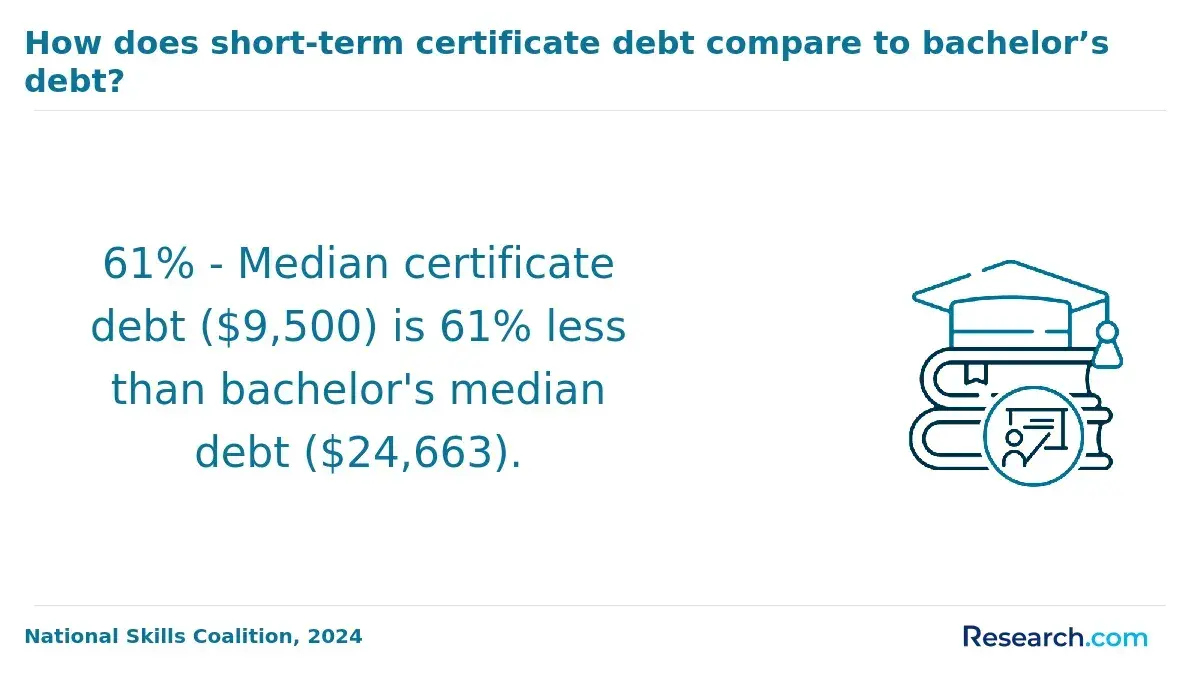
| Second master's or master's-first pathway | Your undergraduate GPA is very low or your healthcare background is limited | Higher cost and longer timeline before doctoral study |
| Noncredit professional credential | You need leadership, quality, compliance, informatics, or project management evidence | Usually does not repair GPA directly |
Federal graduate borrowing costs make this decision more important. For 2024-2025, Direct Unsubsidized Loans for graduate students carry an 8.08% interest rate, so taking extra coursework should be strategic rather than automatic.
If you already work in healthcare operations, informatics, billing, compliance, quality improvement, or data governance, coursework tied to those areas can strengthen both admissions and career mobility. It can also help you compare the value of doctoral study with more targeted options in fields where the health information management salary outlook may fit your goals without requiring a doctorate.
How Do Conditional Admission and Probationary Admission Work in Online Healthcare Leadership Doctorate Programs?
Conditional admission and probationary admission allow a school to admit an applicant who shows potential but does not fully meet standard requirements. These options are important for low-GPA applicants because they create a monitored path into the program instead of a simple admit-or-deny decision.
Although terms vary by institution, the basic structure is similar. The school admits you with conditions, and you must meet specific academic expectations early in the program to continue.
| Admission status | What it usually means | What students should verify |
| Conditional admission | You may enroll after satisfying requirements such as prerequisite coursework, official transcripts, or minimum grades in first courses | Whether conditions must be completed before enrollment or during the first term |
| Probationary admission | You may start the program but must earn a required GPA in initial doctoral courses | How many credits are included and what happens if the standard is not met |
| Provisional admission | You are temporarily admitted while documentation or academic review is completed | Whether financial aid eligibility or course registration is affected |
| Nondegree start | You take approved courses before formal admission to prove readiness | Whether credits will apply to the doctorate if you are later admitted |
These pathways can be useful, but they are not risk-free. If you start under probation and do poorly in the first term, you may lose time, money, and confidence. Before accepting, ask for the conditions in writing and calculate whether you can realistically meet them while working.
Ask admissions counselors these questions before enrolling under a conditional or probationary offer. The answers will clarify the academic and financial risk.
- What GPA must I earn in the first doctoral courses to continue?
- How many credits are included in the probationary period?
- Will I be eligible for federal financial aid during this status?
- Can I retake a course if I do not meet the requirement?
- Will conditional or probationary status appear on my transcript?
- Who advises students admitted through this pathway?
A conditional offer is strongest when the conditions are clear, achievable, and connected to your actual weakness. It is less attractive if the school cannot explain the requirements or pressures you to enroll before you understand the consequences.
Does a Low GPA Affect Financial Aid or Scholarship Opportunities in Online Healthcare Leadership Doctorate Programs?
A low GPA usually does not automatically block federal graduate aid, but it can affect scholarships, assistantships, employer tuition support, and continued eligibility after enrollment. Most doctoral students who use federal loans must still meet the school's satisfactory academic progress policy, which typically includes GPA, pace, and maximum timeframe requirements.
The financial stakes are significant because graduate aid often relies more heavily on loans than grants. For 2024-2025, the federal Grad PLUS Loan interest rate is 9.08%, so borrowing for a doctoral program should be weighed against career goals, program quality, employer support, and realistic completion likelihood.
| Funding source | How GPA may matter | What to check before applying |
| Federal Direct Unsubsidized Loan | Prior GPA is usually not the main eligibility factor, but continued enrollment requires academic progress | Annual borrowing limits, interest rate, fees, and repayment options |
| Grad PLUS Loan | Credit history matters more than prior GPA, but academic progress still matters after enrollment | Total cost of attendance and whether borrowing is sustainable |
| Institutional scholarships | May require a minimum GPA or strong academic profile | Whether awards are merit-based, need-based, or leadership-based |
| Employer tuition assistance | Employers may require minimum grades for reimbursement | Grade requirements, annual caps, repayment clauses, and eligible programs |
| Graduate assistantships or fellowships | Often competitive and may favor strong academic records | Availability for online students and working professionals |
Low-GPA applicants should avoid choosing a program simply because it admits them. Admission is only the first financial checkpoint. The better question is whether you can complete the program without taking on debt that is disproportionate to your expected career benefit.
Before enrolling, request a full cost estimate that includes tuition, fees, residency requirements, technology fees, dissertation or doctoral project fees, books, travel, and continuation credits. Online programs can reduce relocation and commuting costs, but they are not automatically inexpensive.
Does a Low GPA Affect Career Outcomes After Completing an Online Healthcare Leadership Doctorate?
Once you complete an accredited doctoral program, your old GPA usually matters far less than your degree, leadership record, skills, network, and results. Employers hiring for healthcare leadership roles tend to focus on operational outcomes, regulatory knowledge, financial judgment, staff leadership, patient safety, technology adoption, and strategic execution.
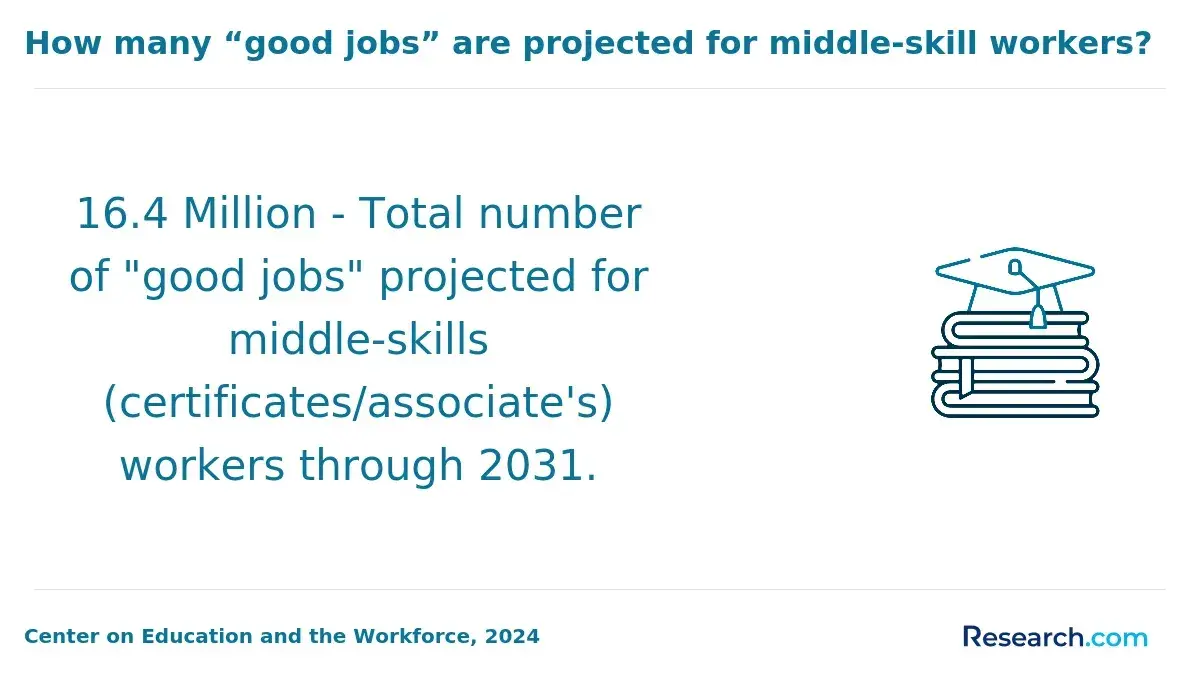
The labor market context is favorable for many healthcare leadership roles. The U.S. Bureau of Labor Statistics projects 29% growth for medical and health services managers from 2023 to 2033, which is much faster than the average for all occupations. That does not mean a doctorate is required for every role, but it does indicate strong demand for professionals who can manage complex healthcare systems.
A doctorate may be most valuable when it supports a specific career step: moving into executive administration, leading system-level quality initiatives, teaching in higher education, consulting, conducting applied research, or competing for senior policy and strategy roles. It is less compelling if you only need a credential for a near-term promotion that could also be achieved through an MBA, MHA, graduate certificate, or specialized certification.
Current healthcare leadership trends also affect outcomes. Employers increasingly value data literacy, AI-informed decision-making, cybersecurity awareness, telehealth operations, value-based care strategy, workforce retention, health equity, compliance, and change management. A doctoral program that helps you build a portfolio around these issues may offer stronger career value than one that is convenient but poorly aligned with market needs.
Do not assume the doctorate will erase every past academic concern in academia or research-heavy roles. Some faculty positions, fellowships, or PhD pathways may still review transcripts. For most applied leadership jobs, however, demonstrated results after graduation usually matter more than the GPA that got you admitted.
Which Students Are Most Likely to Succeed in an Online Healthcare Leadership Doctorate Despite a Low GPA?
Students with low GPAs can succeed when the reasons for past academic difficulty have been addressed and their current life structure supports doctoral work. Online study is flexible, but it is not easier. Doctoral programs require sustained reading, writing, research, discussion, project planning, and independent problem-solving.
The students most likely to succeed tend to share several traits. These indicators matter because they show whether the applicant can handle the program after admission, not just get accepted.
- They have recent evidence of academic improvement, such as strong graduate grades or rigorous continuing education.
- They can explain their low GPA honestly without making excuses or sounding defensive.
- They have healthcare leadership experience that connects directly to doctoral coursework or a doctoral project.
- They have protected weekly study time and support from family, supervisors, or colleagues.
- They write clearly and are willing to use tutoring, writing centers, library support, and faculty feedback.
- They understand the difference between a professional doctorate, research doctorate, master's degree, and certificate.
- They have a realistic plan for funding the program and managing work-life-school demands.
Students at higher risk of struggling often apply quickly because they found a program with flexible admissions, but they have not solved the underlying issue that caused the low GPA. If the original problem was time management, untreated health concerns, weak writing, unstable employment, or family overload, doctoral study may intensify the challenge.
A useful self-test is to review a sample doctoral syllabus and ask whether you could complete the reading, discussions, writing assignments, and project work during a difficult workweek. If the honest answer is no, strengthening your schedule and academic habits before enrollment may be more important than finding a school that will admit you now.
How Should Students Decide Whether to Apply to an Online Healthcare Leadership Doctorate With a Low GPA?
The right decision depends on your GPA, your professional record, your target role, your timeline, and your financial risk tolerance. A low GPA does not automatically mean you should wait, but it does mean you should apply more strategically.
Use this decision process before paying application fees. It will help you decide whether to apply now, strengthen your profile first, or choose a different credential.
- List your undergraduate GPA, graduate GPA, last 60-credit GPA, and any recent coursework grades separately.
- Identify your target role and confirm whether a doctorate is preferred, required, or simply optional.
- Shortlist programs that clearly state holistic review, conditional admission, or alternative GPA evaluation.
- Contact admissions offices and ask how applicants below the published GPA minimum are reviewed.
- Compare total program cost, employer support, loan exposure, time to completion, accreditation, and residency requirements.
- Decide whether your current application can prove doctoral readiness or whether coursework, a certificate, or a master's pathway would materially improve your chances.
- Apply only to programs where the curriculum, faculty expertise, project model, and student support match your goals.
Apply now if your GPA is near the minimum, your professional record is strong, your recommendations are specific, and you can clearly explain academic improvement. Wait and strengthen your profile if your GPA is far below the minimum, your low grades are recent, or your writing and research preparation are weak.
Consider an alternative credential if your main goal is advancement in healthcare management rather than doctoral-level scholarship or executive systems leadership. For example, an affordable online MBA healthcare management program may offer a more direct route for applicants focused on finance, operations, strategy, or administrative promotion.
The best school is not simply the one willing to admit you. It is the one where you can succeed, afford the investment, receive appropriate support, and graduate with a credential that fits your career goal.
Other Things You Should Know About Healthcare Leadership
Yes. Regional institutional accreditation is essential for federal aid eligibility, credit recognition, and employer confidence. Programmatic accreditation may also matter depending on the field, but requirements vary by degree type and career goal.
Many professional healthcare leadership doctorates take about three to five years, depending on transfer credits, enrollment pace, dissertation or doctoral project requirements, and whether the student studies while working full time.
Some are fully online, while others require residencies, intensives, orientations, dissertation defenses, or project presentations. Applicants should confirm travel requirements before enrolling because they can affect cost and scheduling.
No. A healthcare leadership doctorate usually prepares students for administration, strategy, policy, quality improvement, or organizational leadership. It does not by itself grant clinical licensure or replace state licensing requirements for clinical practice.
References
- Guide To Low GPA Transfer Strategies For College | Learning At College Strategy Blog https://www.learning.collegestrategyblog.com/low-gpa-transfer-strategies-for-college/
- Doctoral Education Programs | ACE https://ace.edu/degree-programs/doctoral-degrees/doctoral-education/
- Admissions - Doctor of Executive Leadership https://del.achehealth.edu/admissions/
- Healthcare Administration & Education https://www.wmcarey.edu/program/doctoral-health-administration-and-education
- Improve Your Chance of College Admission — JRA Educational Consulting https://www.jraeducationalconsulting.com/blog/improve-your-chance-of-college-admission
- Best Online Doctor of Healthcare Administration Programs https://www.phds.me/online-programs/doctorate-healthcare-administration-dha/
- How to Be Competitive for PA School with a Low GPABe a Physician Assistant https://beaphysicianassistant.com/blog/how-to-get-into-pa-school-with-low-gpa
- More Than Luck: 15 Ways to Improve College Admissions Odds https://kdcollegeprep.com/more-than-luck-15-ways-improve-admissions-odds/
- How to Doctorate in Healthcare Management | Eduminds Learning https://www.edumindslearning.com/blog/How-to-Doctorate-in-Healthcare-Management-Complete-Guide