
2027 Can You Get an Educational Studies Bachelor's Degree After 30?

Co-Founder and Chief Data Scientist
Many adults over 30 face a unique challenge when considering a bachelor's degree in educational studies-balancing family, work, and financial responsibilities while pursuing higher education. Nearly 40% of students pursuing degrees in education fields today are aged 30 or older, reflecting a growing trend of adult learners returning to school.
This demographic shift underscores the need for flexible programs that accommodate life's demands without sacrificing academic rigor. This article examines practical pathways, financial options, and program structures tailored to adults seeking an educational studies bachelor's degree, providing clarity and confidence to navigate this important career transition.
Key Things to Know About Getting a Educational Studies Bachelor's Degree After 30
- Admission often requires a high school diploma or equivalent-many programs accept transfer credits and prior learning assessments to accelerate degree completion for learners over 30.
- Financial aid options include federal grants, scholarships, and employer tuition assistance-balancing family responsibilities often means selecting part-time or online programs to maintain income stability.
- Graduates tend to see a long-term earnings boost despite starting later-career changers report improved job satisfaction and expanded opportunities within education and related fields.
Can You Really Get a Educational Studies Bachelor's Degree After 30?
Data from the National Center for Education Statistics (NCES) reveals a significant increase in adult learners aged 25 and older enrolling in bachelor's degree programs, including those focused on educational studies. Returning to college after 30 is not only achievable but also becomes more common as institutions redesign curricula to support adult learners juggling work, family, and other obligations.
Millions of adults successfully complete their degrees each year. This article explores key factors affecting adult learners completing educational studies degrees-such as time management, financing strategies, career outcomes, program flexibility, and institutional support-to provide a clear roadmap for those considering this path.
- Enrollment Trends: Adults over 25 represent a growing share of bachelor's degree candidates, reflecting a societal embrace of lifelong learning and career transitions.
- Program Flexibility: Schools increasingly offer evening, weekend, online, and hybrid educational studies options designed to fit the schedules of working adults and parents.
- Career Outcomes: A bachelor's degree in educational studies provides valuable credentials for advancing in education-related careers and other professional fields.
- Support Systems: Universities provide tailored advising, tutoring, and peer networks to help adult students meet academic and personal challenges.
Balancing the demands of life with academic commitments requires determination, but earning a educational studies bachelor's degree after 30 represents a realistic and rewarding opportunity for career changers, military veterans, transfer students, and parents reentering the workforce.
For graduate study options related to education fields, researching online SLP masters programs can reveal affordable pathways as well.
Why Are More Adults Over 30 Pursuing a Educational Studies Bachelor's Degree?
More adults over 30 are pursuing an educational studies bachelor's degree now than ever before-a trend well documented by data from the Lumina Foundation, NCES, and the American Council on Education.
This growth reflects significant shifts in both the workforce and higher education landscapes that have made returning to college more feasible and attractive for adult learners pursuing an educational studies bachelor's degree who seek career advancement or change.
Several key drivers contribute to this trend:
- Career Transitions: Many adults over 30 choose educational studies to pivot into meaningful, stable professions such as teaching, counseling, and educational administration. These roles offer a sense of purpose and growth not always found in their initial careers.
- Employer Tuition Benefits: Increasingly, employers offer tuition assistance programs that lower financial barriers for adult learners, encouraging degree completion in fields aligned with workforce needs.
- Layoffs and Economic Shifts: Post-pandemic workforce disruptions have prompted many to reskill or upskill. Educational studies programs appeal to those seeking credentials that translate into long-term job security and flexibility.
- Online Program Availability: The expansion of accredited online educational studies programs enables working adults and parents to balance studies with family and employment commitments more effectively. For those interested in related fields, options like a cheap online psychology degree also provide alternative pathways.
- Wage Premiums: Earning a bachelor's degree in educational studies often leads to higher earning potential compared to non-degree holders, reinforcing the value of completing this credential later in life.
Post-pandemic, educational studies has experienced increased demand as adults seek careers that accommodate remote work and flexible schedules. The infrastructure supporting adult learners-such as credit for prior learning, flexible scheduling, and targeted advising-has become more robust.
This evolution means adults over 30 are entering educational studies programs with confidence, supported by proven pathways tailored to their unique life circumstances.
What Are the Most Common Challenges Adults Over 30 Face When Pursuing a Educational Studies Degree?
Most adult learners in educational studies confront at least two or three of these obstacles during their journey. This is normal and does not reflect any deficiency in ability or dedication. With targeted support and strategies, these challenges are manageable and can be overcome.
- Time Constraints: Balancing employment, family care, and coursework remains a significant hurdle for adults over 30 pursuing educational studies degrees. Many juggle full-time jobs and caregiving roles that reduce study hours, often causing delayed progress or elevated stress. Solutions like flexible course scheduling and effective prioritization are crucial to managing these pressures.
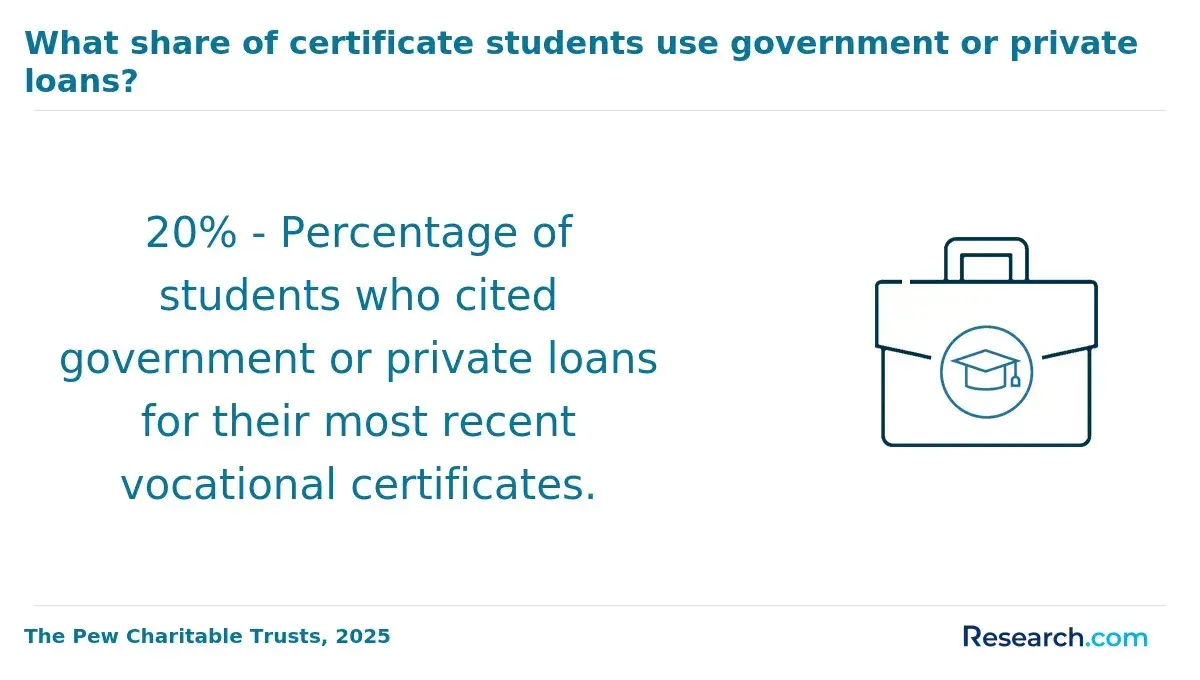
- Financial Pressures: Returning adult students frequently carry ongoing financial responsibilities such as mortgages and childcare, which complicate funding their education while maintaining income. Exploring scholarships, employer tuition benefits, and financial aid can alleviate these burdens.
- Technology Gaps: Adapting to digital platforms and online learning tools presents challenges for some older learners, impacting participation and self-assurance. Support from training programs and campus tech resources can help bridge this divide.
- Imposter Syndrome: Adults often feel out of place among younger classmates, triggering self-doubt that undermines motivation. Recognizing these feelings as common among adult learners encourages resilience and confidence.
- Academic Bureaucracy: Navigating course registration, credit transfers, and degree requirements can be overwhelming. Access to advising and clear academic planning tools simplifies these processes.
A professional who completed an educational studies bachelor's degree after 30 shared that balancing work and family was initially 'overwhelming,' yet having access to flexible classes made a 'huge difference.'
He described periods when financial strain meant 'making sacrifices elsewhere,' but receiving employer tuition aid 'kept me going.' Technology initially 'felt intimidating,' but university tech workshops helped him gain competence.
He also admitted feeling like 'an imposter sometimes,' especially in group projects dominated by younger peers, but recognizing others shared these doubts created a sense of belonging.
Academically, navigating transfer credits was 'confusing at first, but academic advising clarified a path forward.' His reflections illustrate how these barriers are real yet surmountable with the right resources and mindset.
Adult learners over 30 seeking a bachelor's degree in educational studies can choose from several flexible program formats designed to balance life, work, and learning needs. The Fully Online option provides the greatest convenience, with asynchronous coursework accessible anytime, making it ideal for those managing full-time jobs or family.
Institutions such as WGU, Arizona State Online, and SNHU have developed strong platforms tailored to these learners.
- Hybrid: This format blends online learning with occasional campus visits, offering some in-person interaction while maintaining flexibility for working adults who cannot commit to daily classes.
- Evening and Weekend On-Campus: Classes scheduled outside traditional hours support students who prefer face-to-face instruction but must juggle daytime responsibilities.
- Competency-Based Education (CBE): CBE programs focus on skills mastery instead of time spent in class, accelerating degree completion for students with prior experience. They often accept credit for prior learning, which benefits veterans and career changers aiming for efficient credentialing.
- Accelerated Cohort Models: Fast-paced, cohort-based programs move groups through condensed terms together, encouraging peer support and structured pacing for those seeking quicker degree attainment.
Choosing the right format depends on individual schedules, learning preferences, and career urgency. For those pursuing flexible online educational studies degrees for adults over 30, understanding these options ensures a well-aligned path.
Exploring financing through resources like the cheapest doctorate of education online can also support informed decisions.
Adults pursuing a bachelor's degree in educational studies often experience varying completion times influenced by enrollment status, transferred credits, and program format. Full-time students generally finish within 4 to 5 years, while part-time students usually require 6 to 8 years due to professional and family obligations.
Programs that accept prior learning assessments (PLA) such as CLEP exams, military experience, or portfolio reviews can significantly shorten this timeline by awarding credit for previously acquired knowledge, potentially reducing degree time by 1 to 2 years.
Recent data from the National Center for Education Statistics highlights that nearly 45% of undergraduates over age 25 enroll part-time, emphasizing the need for customizable pacing in adult education.
- Enrollment Intensity: Full-time attendance typically results in a 4-5-year completion, whereas part-time study often takes 6-8 years due to external responsibilities.
- Credit Transfer Impact: Prior learning credits from exams or military service can shorten study time by up to two years.
- Accelerated Program Options: Online and hybrid courses with shorter terms enable faster degree progress, fitting adult learners' schedules.
- Customized Planning: Aligning weekly study hours and credit status supports realistic timelines to graduation.
- Adult Student Trends: Nearly half of adult learners attend part-time, highlighting the importance of flexible program structures.
A professional who completed an educational studies bachelor's degree after age 30 shared that juggling work, family, and academic commitments required careful time management.
She explained how leveraging military credit transfers allowed her to skip introductory classes, significantly easing the course load. Despite initial doubts about balancing everything, she found that enrolling in accelerated online courses during evenings and weekends kept her motivated and steadily progressing.
Reflecting on her journey, she noted, 'It wasn't just about the years spent but the flexibility and credit recognition that made finishing achievable while managing life's demands.' This experience underscores the value of personalized pacing and credit options for adult learners seeking timely degree completion.
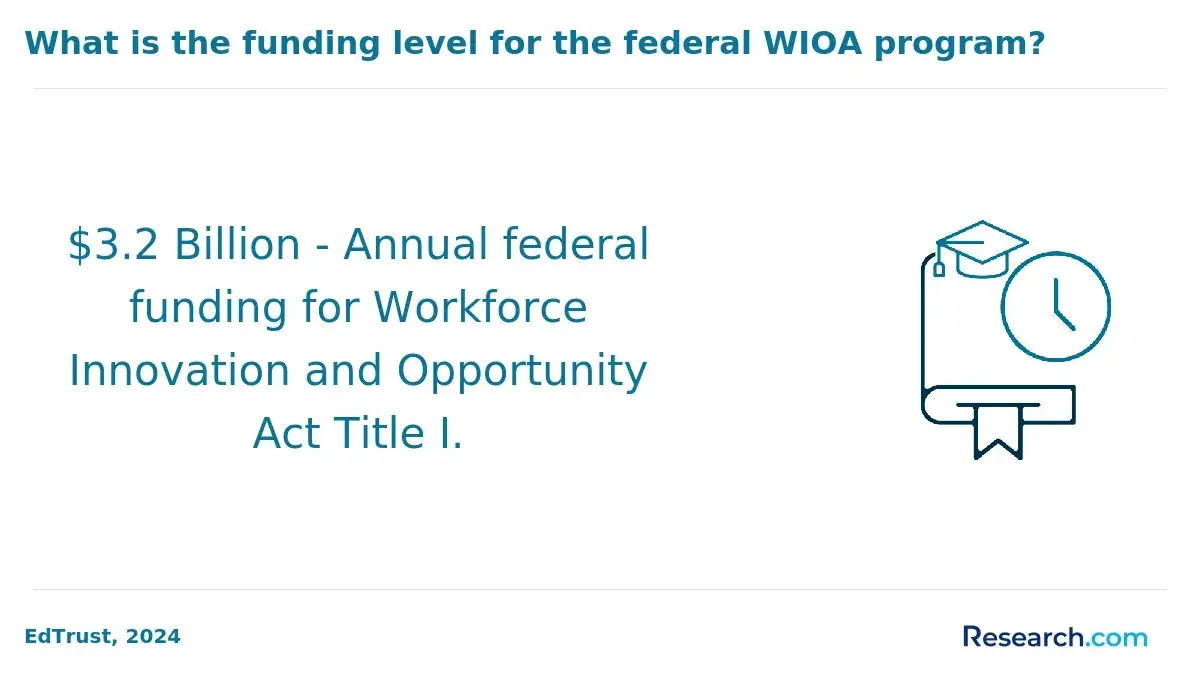
Adults over 30 pursuing an educational studies bachelor's degree have access to various financial aid options that accommodate their unique circumstances.
Contrary to common belief, federal financial aid is available to all eligible students regardless of age, confirmed by the Federal Student Aid office.
This includes Pell Grants, which offer need-based funding without requiring repayment, as well as subsidized loans-free from interest during enrollment-and unsubsidized loans that accrue interest but provide flexible post-graduation repayment.
- Federal Financial Aid: Pell Grants support low- and moderate-income adults, while subsidized and unsubsidized student loans help cover tuition and related educational expenses.
- Employer Tuition Assistance Programs: Many employers offer tuition reimbursement programs, sometimes covering partial or full costs for degrees relevant to one's job, helping to reduce personal expenses.
- State Adult Learner Grants: Several states provide grants specifically designed for adult learners returning to college, typically based on residency, income, and enrollment status.
- Scholarships from Educational Studies Associations: Professional organizations frequently award scholarships to students committed to education careers, offering opportunities beyond general scholarship pools.
- Income-Share Agreements (ISAs): Some institutions offer ISAs that allow students to pay a portion of future income over time instead of upfront tuition, appealing to those cautious about loan debt.
When considering tuition, online educational studies programs often cost less and offer flexible schedules compared to on-campus options. Public colleges tend to be more affordable than private ones, making them ideal for cost-conscious learners. Adults should factor in all fees and materials when evaluating program expenses to choose the most economical path.
To maximize funding before borrowing, adults should complete the FAFSA early each year, reach out to financial aid offices about adult learner resources, explore employer or union benefits, seek scholarships through professional associations, and carefully compare tuition and program formats.
Recent data shows that over 40% of U.S. undergraduates are age 25 or older, highlighting the expanding support and presence of adult learners in degree programs such as educational studies.
Employers widely respect a educational studies bachelor's degree earned after 30, especially when it comes from a regionally accredited institution.
According to data from the Society for Human Resource Management (SHRM) and the National Association of Colleges and Employers (NACE), hiring managers focus on the quality of the credential itself rather than the age of the graduate or the time it took to complete the degree.
Many employers value the added professional maturity and real-world experience adult learners bring to the table.
- Employer Perception: Hiring professionals in educational settings often view adult graduates favorably because these candidates demonstrate perseverance and time management skills, which are critical in education roles requiring adaptability.
- Non-Negotiable Qualification: For many educational studies roles-such as teaching assistantships, administrative jobs in schools, and educational program coordinators-a bachelor's degree is an essential baseline requirement. Whether earned at 22 or after 30, the degree serves the same gatekeeping function.
- Credential Focus: Employers and credential verification services see only the degree and accreditation status on resumes, not the graduate's age or completion speed. This means your educational studies degree stands on its own merit during hiring or advancement.
- Industry Trends: LinkedIn Workforce Insights highlights a growing number of employers embracing diversity in education pathways, including adult learners returning to school later in life.
This combination of education and experience often positions graduates over 30 as competitive-and sometimes preferred-applicants in the educational studies workforce. These insights come from research grounded in authoritative sources, ensuring relevance and trustworthiness for adult learners pursuing careers in educational studies.
For adults over 30, prior work experience credit in educational studies bachelor programs can be a crucial factor in accelerating degree completion. Institutions often recognize professional experience by converting it into academic credits, saving time and tuition costs for adult learners.
- Prior Learning Assessment (PLA): This process enables students to showcase college-level knowledge gained outside the classroom. Adult learners submit portfolios detailing work experience, training, and relevant skills. According to the Council for Adult and Experiential Learning (CAEL), PLA credits typically range from 15 to 30-equivalent to a full semester or more-depending on the experience's relevance and depth.
- Portfolio Evaluation: Detailed, evidence-based portfolios document on-the-job learning, especially valuable for those with teaching support, curriculum development, or educational administration experience. Schools like Excelsior College and Thomas Edison State University have robust PLA programs designed for adult learners.
- CLEP and DSST Exams: Standardized credit-by-exam options include CLEP tests covering general education and educational theory, while DSST exams focus on professional development topics. Success on these exams can reduce required coursework.
- ACE-Recommended Credit for Professional Certifications: The American Council on Education evaluates certifications related to educational fields, such as educational technology or early childhood education, recommending college credit to formalize professional expertise.
Admissions offices often view work experience as a strength when applicants clearly connect job roles to educational studies competencies. Framing work history as an academic asset rather than a gap helps students gain credit and demonstrate readiness for degree-level work.
Leveraging these credit conversion mechanisms, many adults substantially shorten their degree path-making a bachelor's degree in educational studies more accessible without sacrificing quality. This pathway benefits career changers, military veterans, transfer students, and parents returning to the workforce with busy schedules.
For those looking to pivot further or advance credentials, related graduate options such as an online masters in clinical mental health counseling offer flexible pathways to build on educational studies foundations.
Admission requirements for adult learners pursuing educational studies bachelor programs typically balance flexibility with academic standards to accommodate diverse backgrounds.
Most institutions expect official transcripts indicating prior college coursework with a minimum cumulative GPA often ranging between 2.0 and 2.5, though programs designed especially for returning students or those over 30 may adopt open or rolling admissions policies that either lower or waive strict GPA thresholds. This inclusive approach distinguishes these programs from traditional selective undergraduate degrees.
- GPA Requirements: A minimum GPA of 2.0 to 2.5 is common, but some schools waive this criterion entirely based on relevant work or military experience.
- Standardized Test Waivers: SAT and ACT requirements are frequently waived for adult learners over 25, recognizing that these tests may not accurately reflect their current skills or readiness.
- Letters of Recommendation: Not universally required, but recommendations from employers, instructors, or community figures can strengthen an application by highlighting maturity and relevant competencies.
- Personal Statements: An essay or statement explaining educational goals and reasons for pursuing educational studies later in life is often mandatory, providing context for admissions committees.
- Residency and Transfer Credits: Transfer credits and prior learning assessments for military service or work experience are generally welcomed, with lower residency requirements tailored to adult and transfer learners.
- Options for Low GPA: Academic renewal, grade forgiveness policies, or conditional/probationary admission tracks enable applicants with lower past performance to demonstrate capability through coursework before full acceptance.
Adult learners should carefully evaluate their academic records and seek programs supportive of mature students. Resources explaining these policies and pathways often lend insight into selecting the best fit.
For those interested in broader degree options that accommodate adult learners, exploring online architecture degree programs can be illustrative of flexible admissions frameworks beyond the educational studies field.
Understanding the admission requirements for educational studies bachelor programs helps career changers, military veterans, and parents reentering the workforce identify realistic pathways to credential completion, ensuring a more confident transition into higher education aligned with their goals.
Balancing caregiving, full-time work, and financial obligations significantly challenges adults pursuing a bachelor's degree in educational studies.
Research from the Institute for Women's Policy Research shows that caregiving duties for children or elders reduce available study time and increase stress, often contributing to interrupted enrollment. The Pell Institute also highlights that financial pressures linked to juggling employment and schooling can extend degree completion time or force part-time attendance.
Successful adult learners adopt structured time management techniques such as designating fixed daily study intervals, leveraging digital calendars to align family and academic commitments, and prioritizing asynchronous classes to increase flexibility.
- Caregiving Burdens: Responsibilities for dependents reduce study availability and increase stress, hindering degree progress for adult educational studies students.
- Workload Challenges: Full-time employment often conflicts with class schedules, making flexible course designs and employer support essential.
- Time Management Techniques: Structured planning, digital tools, and asynchronous classes help learners optimize limited study hours.
- Support Systems: Family assistance, employer flexibility, and campus childcare or emergency funding critically support degree completion.
- Proactive Communication: Early contact with adult learner services secures personalized support to improve academic success.
Employer accommodations-like adjustable work hours, remote options, and tuition assistance-play a pivotal role in helping students maintain progress while managing work demands.
Emotional and logistical support from spouses and family members further eases the burden, enabling students to focus on coursework. Additionally, campus resources such as childcare centers and emergency aid funds help mitigate immediate family or financial crises, reducing dropout risks.
Prospective students should carefully evaluate their existing support networks and proactively engage with their school's adult learner services to access counseling, academic advising, and tailored assistance that promotes persistence and timely degree completion.
Research from the National Student Clearinghouse and Complete College America shows that adult learners who access robust advising and flexible services complete their degrees at higher rates. When assessing educational studies programs for adults over 30, it's vital to consider the availability of specific support resources that address their unique challenges and schedules.
- Dedicated Adult Learner Advisors: Advisors skilled in working with adult students provide tailored assistance on course planning, degree requirements, and managing education alongside personal and professional commitments, greatly improving persistence and success.
- Prior Learning Assessment Offices: These offices evaluate and award credit for relevant work experience, military service, or other informal learning, helping adults shorten their time to degree and reduce overall costs.
- Flexible Tutoring Schedules: Access to tutoring during evenings and weekends accommodates working adults and parents, enabling timely academic support outside typical business hours.
- Virtual Library Access: Around-the-clock availability of digital resources and databases allows students to conduct research and study conveniently, especially when balancing jobs and family responsibilities.
- Career Services for Career Changers: Specialized counseling, resume help, and internship placement focused on transitioning adults enhance employment outcomes in education fields.
- Peer Networks for Non-Traditional Students: Cohort groups and learning communities foster motivation, social connection, and shared strategies, which are crucial for retention and degree completion.
Before enrolling, ask prospective educational studies programs about these adult-focused support systems-research confirms their presence correlates strongly with timely degree achievement for adults returning to education.
What Graduates Say About Getting a Educational Studies Bachelor's Degree After 30
- Raphael: "Enrolling in the educational studies bachelor's degree program after 30 was one of the best decisions I made-especially because of the financial support options that made continuing my education feasible. The program's flexibility allowed me to balance work and study effectively, and the support services helped me stay on track. I genuinely felt that the institution cared about mature students like me."
- Russell: "Reflecting on my time in the educational studies program, I appreciate how its accreditation added real value to my degree and opened doors in the professional world. The availability of scholarships and grants was more than financial aid-it was a sign the school believed in my potential. This combination gave me the confidence to pursue new career paths successfully."
- Theo: "After finishing the educational studies degree post-30, I noticed clear improvements in my career trajectory-ranging from increased job opportunities to better roles within education. The curriculum was relevant and practical, and the career support was invaluable. I feel that this program equipped me with both the credentials and the skills needed to advance professionally."
Other Things You Should Know About Educational Studies Degrees
Completing a educational studies bachelor's degree as an adult can positively impact long-term earning potential by opening doors to roles in education administration, curriculum development, and training coordination.
While salaries vary by location and job type, adults with this degree often see steady income growth over time, especially when combined with relevant work experience. Additionally, the degree can enable career advancement that was previously inaccessible without formal credentials.
Yes, many institutions offer accelerated programs and credit-for-experience options tailored for adult learners in educational studies. These programs recognize prior learning, military service, and professional experience-allowing students to complete their degree faster. Online and hybrid formats are common, providing flexibility for those balancing work and family commitments.
Adults over 30 can manage the cost of a bachelor’s degree by exploring financial aid options, such as scholarships and grants. Additionally, part-time study or employer tuition assistance programs can help alleviate the financial burden. Budgeting and considering affordable accredited online programs might also effectively manage expenses.
Yes. Most accredited universities accept transfer credits from regionally accredited colleges, usually up to 90 semester credits toward a 120-credit bachelor’s degree. Schools also review CLEP or PLA credits, and the registrar or admissions office decides what applies.
- Online College for Working Adults | Touro University Worldwide https://www.tuw.edu/school-news/online-college-for-working-adults/
- How Do You Balance Family Life and Studying for a Degree? https://arden.ac.uk/knowledge-base/student-life/student-tips/how-studying-affect-family-life
- College Coaching for Working Adults: Finish Your Degree https://reboot4success.com/working-adults/
- 4 Ways Colleges Can Support Adult Learners To Succeed https://www.innovativeeducators.org/blogs/edushare-higher-ed-blog-news/4-ways-colleges-can-support-adult-learners-to-succeed
- Studying after 30 - any point? https://www.thestudentroom.co.uk/showthread.php
- Challenges for Adult Students in Higher Education Today https://maarcofrancis.com/understanding-the-challenges-facing-adult-students-and-higher-learning-institutions/
- How to Manage Work, School, and Family as an Adult Learner https://blog.ducere.education/how-to-manage-work-school-and-family-as-an-adult-learner
- Studying in your 30’s: the best advantages https://www.stuwo.at/en/blog/studying-in-your-30s/
- Challenges Facing Adult Students and Institutions of Higher Learning | European Journal of Education and Pedagogy https://eu-opensci.org/index.php/ejedu/article/view/70051
- Going Back to School in Your 30s | Online Learning for Adults https://online.nmu.edu/going-back-to-school-in-your-30s/


