2027 Can You Get an Administration Bachelor's Degree After 30?

Co-Founder and Chief Data Scientist
Balancing work, family, and education often feels overwhelming for adults over 30 considering a bachelor's degree in administration. Many worry that returning to school now might delay career progress or interfere with personal commitments. Yet, data from the National Center for Education Statistics shows that nearly 40% of bachelor's degree completers are aged 25 or older, reflecting a growing trend among adult learners.
This article examines the unique challenges and opportunities adults face when pursuing an administration bachelor's degree after 30-offering insights to help readers navigate enrollment, program selection, and degree completion strategies with confidence.
Key Things to Know About Getting a Administration Bachelor's Degree After 30
- Admission requirements for administration degrees after 30 often emphasize prior experience and may offer credit for military or professional training to accelerate completion times.
- Financial aid options include employer tuition reimbursement and flexible payment plans-balancing cost with part-time study helps manage family and work obligations effectively.
- Graduates over 30 typically see a significant long-term earnings boost, with a 15% average salary increase compared to non-degree holders in comparable administration roles.
Can You Really Get a Administration Bachelor's Degree After 30?
Data from the National Center for Education Statistics (NCES) reveals a steady rise in adult learners age 25 and older enrolling in bachelor's degree programs, especially in administration fields. Returning to college after 30 is not only possible but increasingly common, with many institutions creating flexible programs tailored to adult students. This guide explores key factors affecting adult learners pursuing administration bachelor's degree programs, including time, finances, career impact, program formats, and support systems, helping readers move from curiosity to confident decision-making.
Millions of adults successfully complete their bachelor's degrees each year despite challenges like balancing family and work obligations, time management, and finances. They benefit from growing institutional support and innovative program designs that fit their lifestyles.
- Enrollment Trends: Adult learners have significantly increased participation in bachelor's programs over recent years, reflecting a growing emphasis on lifelong learning. Administration degrees remain a favored option within this group.
- Time Commitment: Colleges offer part-time, evening, weekend, and online courses designed to accommodate work and family schedules, making degree completion more attainable.
- Financial Considerations: Many adults utilize financial aid, employer tuition reimbursement, and scholarships aimed at nontraditional students. Exploring online colleges that accept FAFSA can be an essential step in managing costs.
- Career Impact: A bachelor's degree in administration earned after 30 can greatly enhance job prospects, salary potential, and eligibility for leadership roles. Employers value the experience and maturity adult learners bring to the workplace.
- Support Systems: Colleges provide mentoring, academic advising, and peer networks tailored for adult learners to help ensure persistence and success.
Why Are More Adults Over 30 Pursuing a Administration Bachelor's Degree?
More adults over 30 are pursuing an administration bachelor's degree today than ever before-a trend well documented by research from the Lumina Foundation, the National Center for Education Statistics (NCES), and the American Council on Education (ACE). These studies reveal a steady rise in adult learners returning to complete bachelor's credentials, especially in administration-related fields that offer clear pathways to career advancement.
The benefits of earning an administration degree after 30 stem from several key drivers that make returning to school both necessary and feasible for mid-career adults or those seeking a fresh start.
- Career Transitions: Many adults pursue administration degrees to pivot into more stable or higher-paying roles. Whether switching industries or aiming for leadership positions, this credential unlocks new professional opportunities.
- Employer Tuition Benefits: Increased employer investment in workforce education means many adult learners can finance their degrees through tuition reimbursement or company-sponsored programs, lowering financial barriers.
- Layoffs and Economic Shifts: Post-pandemic economic restructuring prompted layoffs and job insecurity, motivating adults to upskill or reskill. Administration, as a versatile field, appeals to career changers seeking relevant, marketable skills.
- Online Program Availability: The growing number of reputable online administration programs offers the flexibility needed to balance studies with work and family obligations.
- Wage Premiums: Evidence consistently shows adults with administration bachelor's degrees earn significantly higher wages compared to those without this credential, making education a sound financial investment.
Post-pandemic workforce shifts have accelerated demand for administration professionals in organizational management, human resources, and project oversight. Today's education infrastructure supports adult learners with credit for prior learning, flexible scheduling, and tailored advising-offering a robust foundation to earn an administration bachelor's degree as an adult. For those seeking the fastest credentialed pathway, including military veterans and transfer students, options continue to expand.
Working adults and parents reentering the workforce also find many programs built to accommodate family needs. Those exploring these opportunities can start by considering the best online business degree programs to identify affordable, respected options to complete their degree efficiently.
What Are the Most Common Challenges Adults Over 30 Face When Pursuing a Administration Degree?
Adult learners often juggle full-time jobs, family care, and household duties, making it difficult to find consistent study time. This juggling act can extend the path to degree completion, but flexible scheduling and focused time management can ease this burden.
- Financial Pressures: Balancing tuition costs while supporting dependents creates significant financial strain. Many face tough choices around budgeting that can lead to interruptions in their studies. Fortunately, options like employer tuition support and targeted financial aid can help alleviate these stresses.
- Technology Gaps: While younger peers typically adapt quickly to digital learning tools, adult students may find new platforms challenging. Without proper guidance and training, technology can become a barrier rather than a resource.
- Imposter Syndrome: Returning to academia after a break often triggers self-doubt in adult learners. This internal challenge can affect confidence compared to younger classmates but recognizing it as common encourages seeking mentorship and peer connection.
- Academic Bureaucracy: Navigating complex registration processes, transferring credits, and meeting degree requirements presents obstacles. Clear advising and straightforward guidance are essential to prevent discouragement and support persistence.
Most adult administration students face multiple obstacles simultaneously-often two or three-which is normal and not a reflection of personal failure. Understanding that these challenges are shared helps foster resilience and commitment to completion.
A professional who enrolled in an administration bachelor's degree program after age 30 shared his experience, highlighting that time management was his biggest initial hurdle. "Balancing work and family meant my study schedule was constantly shifting," he recalled. He described feeling overwhelmed by institutional rules, stating, "The credit transfer process felt like decoding a foreign language." However, he found motivation in connecting with advisors and peers, saying, "Knowing others faced the same struggles helped me push through the self-doubt." This combination of practical support and emotional encouragement ultimately made finishing the degree achievable for him.
Adult learners seeking a bachelor's degree in administration have multiple program formats designed to fit diverse needs.
Fully Online options provide the greatest scheduling freedom, allowing students to study anytime without campus visits-ideal for those managing full-time jobs or family commitments.
Hybrid programs combine remote study with occasional on-campus meetings, offering a mix of flexibility and face-to-face interaction, often with weekend or evening residencies.
Evening and Weekend On-Campus formats cater to professionals preferring structured class times outside traditional work hours, maintaining a steady semester pace.
Institutions like WGU, Arizona State Online, and SNHU exemplify robust infrastructures supporting mature learners through these varied formats, ensuring adaptability to different lifestyles, learning preferences, and career timelines. Exploring the best administration degree formats for learners over 30 can reveal which pathway aligns with individual goals. For further insights on quality programs, see the best online schools recognized nationally.
Adult learners pursuing a bachelor's in administration often experience varied time-to-degree based on enrollment status, prior credits, and program design. Data from the National Center for Education Statistics indicates that part-time students generally take about six years to complete their degrees, while full-time students finish closer to four years. Transfer credits and prior learning assessments-such as CLEP exams and military credit transfers-can drastically reduce this timeline, sometimes cutting one to two years by recognizing existing knowledge and previous coursework.
Accelerated administration programs tailored for working adults are becoming more prevalent, offering compressed terms and flexible schedules that allow dedicated students to finish sooner. Crafting a personalized completion plan involves reviewing previously earned credits, realistically assessing weekly study time, and setting achievable goals that accommodate personal and professional responsibilities.
According to recent NCES data, close to 40% of undergraduates aged 30 and older are enrolled part-time, underscoring the need for adaptable program formats that support steady progress alongside life commitments.
- Prior Credits: Applying transferred college or military credits can eliminate the need for many foundational courses, significantly shortening degree timelines.
- Enrollment Status: Full-time students typically graduate in about four years, whereas part-time learners may require six or more.
- Accelerated Programs: These options provide focused, intensive study periods that help motivated adults finish faster without compromising quality.
- Prior Learning Assessment: Recognition of competencies through CLEP and PLA exams speeds degree progress by awarding credit for existing skills or knowledge.
- Flexible Planning: Aligning course load with weekly availability and personal goals ensures realistic pacing and successful completion.
A professional who completed her administration bachelor's degree after 30 shared that balancing family, work, and study was initially overwhelming. She emphasized how transfer credits from earlier schooling eased her workload significantly, allowing her to bypass introductory courses and focus on advanced topics. Her timeline fluctuated with life demands, but enrolling part-time provided the flexibility needed to remain consistent. Reflecting on the journey, she noted, "It wasn't a quick path, but careful planning and using every available credit saved me years. The key was setting a pace that felt sustainable and staying committed through setbacks." This approach helped her successfully establish a career aligned with her goals, proving that realistic timeframes and flexibility make a substantial difference in adult degree completion.
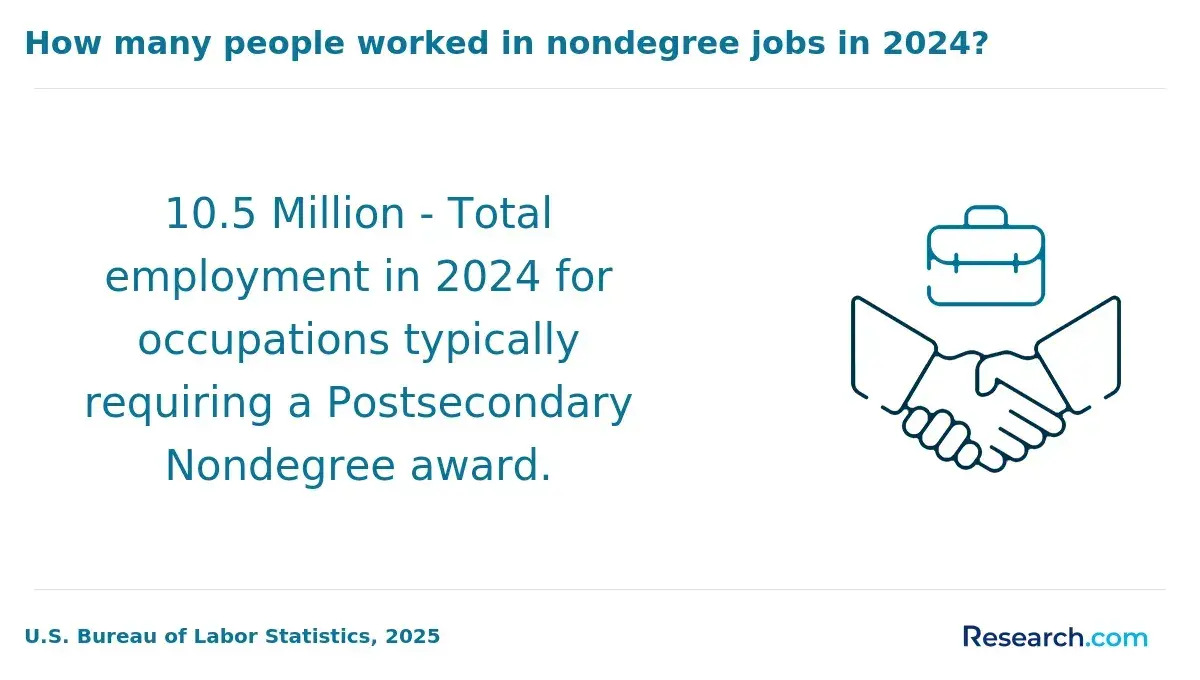
Adults pursuing a bachelor's degree in administration can access a variety of funding sources beyond common myths that aid is only for younger students. The Federal Student Aid office confirms FAFSA eligibility is open to all enrolled learners in qualifying programs, regardless of age.
- Federal Financial Aid: Pell Grants offer need-based support that doesn't require repayment, while subsidized federal loans accumulate no interest during enrollment. Unsubsidized loans begin accruing interest immediately but are available to many adult students.
- Employer Tuition Assistance Programs: Numerous employers help cover tuition costs for degrees relevant to an employee's role, easing the financial burden for adults balancing work and study.
- State Adult Learner Grants: Specific state programs target returning adult students, providing grants based on residency and enrollment that can substantially offset costs.
- Scholarships from Professional Associations: Some professional bodies in the administration field award scholarships to support merit-based or career-changing students.
- Income-Share Agreements (ISAs): These growing options allow students to study without upfront tuition, repaying a fixed share of future earnings for a set term-an appealing alternative for adults managing both job and family responsibilities.
Tuition costs vary widely between formats-online programs often offer lower rates and flexible schedules compared to traditional on-campus options. Public institutions usually have more affordable tuition than private ones, especially for in-state residents, making these differences vital for controlling debt.
To optimize funding without immediately resorting to loans, adult learners should complete the FAFSA early, explore employer tuition benefits promptly, seek administration-focused scholarships, and consider programs with accelerated tracks or credit for prior learning.
In 2023, adults aged 25 and older accounted for over 40% of undergraduate enrollment in online programs, highlighting the growing demand for flexible administration degrees tailored to adult learners' complex lives and financial needs.
Employers consistently place a strong emphasis on a regionally accredited administration bachelor's degree regardless of when it was earned or how long it took to complete. Data from the Society for Human Resource Management (SHRM) and the National Association of Colleges and Employers (NACE) confirm that hiring managers focus primarily on the credential itself, not the graduate's age or timeline.
- Employer Respect: Hiring managers often view adult learners positively due to their professional maturity, enhanced problem-solving abilities, and perseverance demonstrated by completing their degree later in life.
- Professional Experience: Adult students frequently bring valuable real-world experience that complements their academic credentials, boosting their appeal in fields like healthcare management, corporate operations, and nonprofit administration.
- Credential Importance: In many administration-related industries-including government agencies and large private corporations-a bachelor's degree is a strict minimum requirement. Credential verification focuses on the degree itself rather than the graduate's age or completion timeline.
- Age Impact: Resumes list the degree without indicating when it was obtained, allowing candidates over 30 to compete equally with younger applicants without age-related biases during formal evaluations.
- Trends and Statistics: LinkedIn Workforce Insights reports that 45% of administration job postings specifically require a bachelor's degree, highlighting the ongoing strong demand for this credential across age groups.
For adults leveraging prior work experience credit in administration degree programs, converting professional experience into academic credit can significantly reduce time and cost to finish a bachelor's degree. Several mechanisms allow adult learners to translate their skills and knowledge gained outside the classroom into college credits.
- Prior Learning Assessment (PLA): Institutions assess work history, trainings, and life experiences to grant course credit without traditional class attendance. Often, students submit portfolios documenting achievements aligned with course goals.
- Portfolio Evaluation: Learners create detailed portfolios demonstrating competencies and successful projects related to administration. Faculty evaluate this evidence against curriculum standards to award credits, with many schools providing guidance on portfolio preparation.
- CLEP and DSST Exams: Standardized tests like CLEP and DSST allow students to prove mastery in subjects such as management and organizational behavior. Passing these exams translates to widely accepted college credits, helping adult learners bypass introductory classes.
- ACE-Recommended Credit: The American Council on Education (ACE) endorses credits for certain professional certifications and military training, which many universities accept toward degree requirements, especially benefiting military veterans and working adults.
Schools known for robust PLA processes include Western Governors University, Thomas Edison State University, and Excelsior College-programs renowned for supporting adult learners in administration-related fields. According to data from CAEL, adult students typically earn 12 to 30 credits through PLA, equating to nearly a year of coursework and shortening their degree path by several semesters.
Admissions offices reviewing non-traditional applicants focus on how well candidates present their professional experience as targeted learning rather than gaps. Skills in leadership, project management, and budgeting must be clearly linked to academic outcomes, highlighting readiness for advanced study. This approach helps adult learners transform years of real-world administration experience into academic progress efficiently.
For working adults and parents reentering education, these credit conversion options make pursuing an administration bachelor's degree after 30 both practical and accelerated. Those curious about advancing quickly might also explore masters in 6 months as a future step after completing their undergraduate credentials.
Admission requirements for administration bachelor's degree programs tailored to adult learners often differ significantly from traditional undergraduate pathways. Many institutions recognize the unique experiences of students over 30 and adopt more flexible criteria designed to accommodate nontraditional academic backgrounds.
- Minimum GPA: Typically, a minimum GPA of 2.0 to 2.5 on prior college coursework is expected. However, some programs specializing in adult learners may waive strict GPA thresholds or allow conditional admission if other qualifications are strong.
- Standardized Test Waivers: Applicants over 25 frequently receive waivers for SAT or ACT scores, recognizing professional experience and maturity as valid indicators of college readiness.
- Letters of Recommendation: Many programs request recommendation letters-often from employers or mentors who can speak to work ethic and leadership potential-though some accept personal statements or portfolios instead.
- Personal Statements: Well-crafted personal statements enable applicants to explain educational gaps, career shifts, or motivation to pursue administration studies.
- Residency and Transfer Credits: Generous transfer credit policies benefit adult learners, accepting credits from prior institutions, military training, or professional certificates to shorten time-to-degree.
- Academic Renewal and Grade Forgiveness: For those with low GPA from earlier college attempts, academic renewal policies may exclude those grades from GPA calculations following successful recent coursework.
- Conditional Admission Tracks: Some programs provide provisional admission emphasizing academic support for students whose records do not fully meet standard criteria.
- Open or Rolling Admissions: Institutions serving adult learners often use open or rolling admissions, allowing year-round applications without fixed deadlines-offering flexibility distinct from traditional selective programs.
These criteria assist adult students in honestly assessing their eligibility and identifying administration bachelor's programs aligned with their academic profile and life circumstances. For those exploring efficient degree completion options, related fields such as environmental engineering may also offer affordable online pathways worth considering; see environmental engineering degree online.
Caregiving responsibilities-such as caring for children or elderly relatives-often limit study hours for adults pursuing an administration bachelor's degree, as shown by research from the Institute for Women's Policy Research. Maintaining full-time employment adds further strain, with many balancing 40-plus work hours weekly alongside academic demands. Financial pressures intensify these challenges, sometimes forcing students to prioritize income over coursework, which may delay graduation or increase dropout chances.
Effective time management strategies are vital for success. Methods like time blocking, which schedules dedicated study periods around family activities, and the Pomodoro technique, involving focused work intervals with brief breaks, have supported adult learners in sustaining productivity. Case studies highlight the importance of employer flexibility-such as adjustable hours or remote work-as it allows students to juggle job and education commitments. Emotional and practical backing from spouses or family often serves as a critical support system.
Institutions offering campus childcare and emergency financial aid significantly improve retention by easing external pressures. Adult learners are advised to carefully evaluate their support networks prior to enrolling and to engage with their school's adult learner services to access customized resources that can facilitate degree completion.
- Caregiving Burdens: Family duties reduce available study time and elevate stress, slowing progress toward an administration degree.
- Employment Challenges: Balancing full-time work requires flexible job arrangements to support academic success.
- Time Management Tools: Techniques like time blocking and Pomodoro sessions improve focus and task completion.
- Support Systems: Employer flexibility and family assistance are crucial for managing overlapping obligations effectively.
- Institutional Aid: Services like on-campus childcare and emergency funds help adult students navigate barriers to staying enrolled.
Research from the National Student Clearinghouse and Complete College America shows that intensive advising and specialized resources significantly improve completion rates for adults enrolled in administration bachelor's programs. When evaluating programs, it is vital to ask about the availability and quality of support designed explicitly for adult learners-these services often determine persistence and degree attainment.
- Dedicated Adult Learner Advisors: Advisors trained to understand adult students' unique challenges provide tailored advice on course planning, time management, and balancing studies with professional or family responsibilities.
- Prior Learning Assessment Offices: Many adult students possess valuable work and life experience; these offices assess and award credit for such knowledge, which can shorten the path to graduation.
- Evening and Weekend Tutoring: Flexible tutoring options accommodate nontraditional schedules, allowing adults to access academic help without sacrificing work or family time.
- Virtual Library Access: Robust online research databases and resources ensure that students studying remotely or with limited campus access have the materials they need to succeed.
- Career Services for Career Changers: Services focus on resume development, interview coaching, and job placement strategies tailored to adults shifting careers or reentering the workforce.
- Peer Networks for Non-Traditional Students: Supportive communities of fellow adult learners foster accountability, motivation, and problem-solving in both academic and social contexts.
Prospective students should request detailed information from each administration program about these key support elements-programs with strong adult learner infrastructure demonstrate a commitment to helping this population complete their degrees efficiently and successfully.
What Graduates Say About Getting a Administration Bachelor's Degree After 30
- Marjorie: "Enrolling in the administration bachelor's degree program after 30 was genuinely transformative for me-the financial support options made returning to school feasible without overwhelming debt. Knowing the program's accreditation reassured me of the quality and recognition of my degree in the professional world. This combination gave me confidence as I transitioned into a leadership role that I had always aimed for."
- Douglas: "Choosing to pursue my administration degree later in life was a reflective journey that balanced career advancement with personal growth. The program's career services were instrumental in helping me secure a rewarding position that leveraged my new skills. I appreciated how the financial support options alleviated much of the strain, letting me focus fully on my studies and future goals."
- Ezra: "After 30, I prioritized a program that would open doors professionally, and this administration bachelor's degree exceeded my expectations-accreditation mattered a lot for me to feel proud of my credential. The variety of financial assistance programs gave me peace of mind throughout my studies. Ultimately, the experience equipped me to excel in my corporate career and inspired me to keep growing."
Other Things You Should Know About Administration Degrees
Earning a administration bachelor's degree after 30 can significantly improve long-term earning potential. Many employers value the skills and maturity that come with adult learners, often resulting in higher initial salaries compared to younger graduates. Additionally, the degree opens doors to management and supervisory roles that typically offer better compensation.
Yes, many institutions offer accelerated administration bachelor's programs tailored for adults over 30. These programs often provide options to earn credit for prior work experience, military service, or professional training, which can reduce time-to-completion. Online and hybrid formats are also common, offering flexibility for working adults and those balancing family obligations.
Many administration bachelor’s programs let transfer students bring in up to 90 semester credits toward a 120-credit degree. Schools usually require at least 30 credits earned at the institution, plus official transcripts and course-by-course evaluation before they apply prior coursework.
Adults over 30 should consider flexible scheduling, online or hybrid course options, and programs offering credit for work experience. Researching a school's accreditation, financial aid options, and alumni success stories can also guide the decision-making process.
- Building Your Back-to-College Support Network: Tips for Adult Online Learners - Aspen University https://www.aspen.edu/altitude/building-your-back-to-college-support-network-tips-for-adult-online-learners/
- The Biggest Challenges for Business School Students | EU Business School https://www.euruni.edu/blog/the-biggest-challenges-for-business-school-students/
- Why Do Adults Go Back to School? | University of Bridgeport https://www.bridgeport.edu/news/reasons-why-adults-go-back-to-school/
- What are the Best College Majors For Adult Students in 2026? https://straighterline.com/blog/guide-best-college-majors-for-adult-students
- Top 19 Bachelor Degree Programs for Working Adults | NEIT https://www.neit.edu/blog/degrees-for-working-adults
- 5 Reasons to Go Back to School After Age 30 https://www.aiuniv.edu/blog/2025/october/5-reasons-to-go-back-to-school-for-older-students
- 5 Ways Adult Students Can Balance Family, Work and School | CCU Online https://www.ccu.edu/blogs/cags/2016/09/5-ways-adult-students-can-balance-family-work-and-school-at-ccu/
- Admission Requirements https://www.fanshawec.ca/admission-finance/before-applying/admission-requirements
- Financial Aid for Adults: Tips to Make a Bachelor’s Degree a Reality https://learn.neumann.edu/neuperspectives/6-financial-aid-options-for-adult-learners-in-degree-completion-programs
- Adult and Transfer Admission https://www.utoledo.edu/admission/transfer-adult-student/adult/requirements