2027 Best Value Online Health Communication Degree Programs: Affordable Accredited Options with the Strongest ROI

Co-Founder and Chief Data Scientist
Rising tuition costs and tightening budgets challenge many adult learners seeking online health communication degrees, especially working professionals, parents, and military-affiliated students requiring flexible schedules. Employers increasingly demand accredited credentials, while transfer credit policies and hidden fees complicate cost comparisons.
With 67% of health communication graduates reporting salary increases within two years post-graduation, evaluating total program cost, financial aid, graduation timeline, and career outcomes is crucial. This helps students avoid costly delays and unsupported programs that offer weak ROI. This article explores affordable, accredited online health communication programs, highlighting factors that impact long-term financial stability and career advancement.
Key Things to Know About the Best Value Online Health Communication Degree Programs
- Top value online health communication programs lower costs through competitive tuition, financial aid, transfer credits, and flexible schedules, helping students minimize debt while maintaining academic progress.
- Evaluate accreditation, graduation rates, support services, pacing options, and career outcomes to ensure educational quality aligns with long-term goals and workforce demands.
- Review hidden fees, residency rules, credit transfer policies, salary averages, and employer recognition to secure a program that fosters career growth and financial stability post-graduation.
What Are the Best Value Online Health Communication Degree Programs?
Students increasingly seek best value online health communication degree programs that blend affordability, regional accreditation, and flexible delivery to maximize career outcomes. With average online education costs varying widely, and employer demand rising for skilled graduates, many adult learners prioritize options that offer strong long-term ROI while managing student debt.
Below are key program types that stand out for budget-conscious, career-focused students.
- Public In-State Universities: These institutions offer the most affordable tuition rates for residents due to state subsidies and efficient online platforms. Their regional accreditation assures education quality, making them a dependable choice for students seeking affordable accredited online health communication degrees with strong ROI.
- Transfer-Friendly Schools: Programs that allow generous credit transfer or recognize prior learning help reduce time and cost to degree completion. This approach benefits working professionals and career changers who bring existing credits or experience.
- Competency-Based Education Models: Fully online curricula that emphasize skill mastery over seat time enable faster progression and lower tuition charges. Such models adapt well to adult learners needing flexible pacing aligned with workforce demands.
- Workforce-Aligned Pathways: Degrees that integrate practical skills-like digital media and public health messaging-boost employability and earning potential. Schools investing in current curricula and career resources enhance long-term value for graduates.
Prospective students balancing cost against quality and flexibility should consider these categories alongside advanced metrics like graduation rates and post-degree salary gains. For targeted programs that combine affordability with career returns, exploring specialized options similar to the shortest DNP program can also reveal valuable pathways within health communication fields.
How Do You Choose an Affordable Accredited Online Health Communication Degree?
Choosing an affordable accredited online health communication degree requires balancing cost, accreditation, flexibility, and long-term return on investment, especially as average student debt climbs above $30,000 for many graduates. Employer preference increasingly leans toward degrees from accredited institutions, making program quality a critical factor for career changers and working professionals.
Budget-conscious learners should carefully evaluate multiple factors before committing. Consider these major elements when assessing affordable accredited online health communication degree programs:
- Accreditation Quality: Prioritize schools with regional accreditation, as these institutions demonstrate rigorous academic standards and greater credit transferability. This accreditation ensures programs meet essential quality benchmarks valued by employers and graduate schools.
- Tuition Transparency: Seek programs that clearly publish net costs, fees, and potential aid. Tools such as the College Scorecard's net price calculators can help estimate true expenses and prevent unexpected financial burdens.
- Transfer-Credit Policies: Robust policies accepting prior college credits can shorten time to degree completion and reduce tuition outlays, a key aspect for adult learners balancing work and education.
- Flexible Online Formats: Look for programs offering asynchronous coursework, accelerated options, or competency-based learning to accommodate busy schedules and promote timely graduation.
- Student Support Services: Comprehensive advising, technical help, and career counseling improve retention and success-especially crucial for nontraditional students enrolled in remote learning environments.
Those seeking the best value online health communication degrees for career changers should also explore specialized pathways such as LVN to BSN programs, which demonstrate the importance of streamlined credit articulation and career relevance in affordable online education.
Which Online Health Communication Degree Programs Offer the Highest ROI?
Return on investment (ROI) is a critical consideration for students comparing online health communication degree programs, especially as average student debt surpasses $30,000 and early career salaries vary widely. Programs delivering strong tuition-to-earnings ratios alongside accredited credentials offer the greatest financial and professional advantage.
Below are key factors that shape the highest ROI in this field.
- Graduation Rates: Institutions with graduation rates above 60% often provide strong academic support and efficient pathways to completion, reducing prolonged enrollment costs and accelerating entry into the workforce.
- Workforce-Relevant Curriculum: Degree plans that integrate digital health communication, health literacy, and public health messaging align closely with current employer needs, enhancing job placement opportunities and income potential.
- Affordable Tuition: Programs averaging less than $15,000 for a bachelor's degree with clear, upfront pricing attract budget-conscious students and minimize debt burdens, which bolsters long-term financial outcomes.
- Flexible Learning Models: Online formats offering credit transfer options and adaptable schedules support nontraditional learners juggling employment and family, promoting steady progress and career advancement.
A professional who completed an online health communication degree shared their experience navigating this educational path: "Balancing full-time work with coursework was challenging, but choosing a program that recognized my transfer credits saved time and money."
"The flexibility to study evenings kept me on track without sacrificing my job. It wasn't easy managing deadlines and stress, but securing a credential from a reputable university definitely opened doors in my career and justified the investment." This insight highlights how thoughtful program selection directly impacts ROI beyond just tuition costs or graduation statistics.
What Is the Average Cost of an Online Health Communication Degree Program?
Tuition for online health communication degree programs varies significantly-making a clear understanding of total costs vital for adult learners balancing budgets with busy schedules. Recent trends indicate that public institutions often provide more affordable tuition than private counterparts, with many online bachelor's degrees ranging from $10,000 to $40,000.
Keeping total expenses in mind is crucial when comparing flexible online programs that fit diverse student needs.
- Public vs. Private Tuition: Public universities usually have lower tuition rates, especially for in-state students, and some extend in-state pricing to online learners nationwide. This pricing difference can greatly impact overall costs for those seeking affordable online health communication degree expenses in the US.
- Flat-Rate Tuition Models: Certain schools charge a fixed fee per term regardless of credit load, rewarding students who take heavier course loads with faster degree completion and potentially lower total tuition expenses.
- Transfer Credit Savings: Programs that accept credits from community colleges or exams like CLEP allow learners to bypass coursework and reduce both time and tuition costs needed to graduate.
- Technology Fees and Scheduling: Additional online service fees can increase base tuition by 5-15%. Flexible scheduling with multiple start dates and asynchronous classes helps working professionals minimize indirect costs such as lost income.
Evaluating these factors delivers a clearer picture of the average tuition costs for online health communication programs. For those seeking adaptable pacing and cost-effective options, exploring a self-paced online college may offer strong long-term value.
Are Affordable Online Health Communication Degrees Respected by Employers?
Employer perception and institutional credibility play crucial roles when evaluating affordable online health communication degrees-especially as online education enrollment continues to rise by over 15% annually in the United States. Studies indicate that nearly 70% of hiring managers value candidates from regionally accredited online programs equally to those from traditional campuses.
Several key factors influence this growing respect among employers.
- Regional Accreditation: Degrees awarded by regionally accredited institutions commonly carry greater weight with employers, signaling adherence to rigorous academic standards rather than purely cost-driven credentials.
- Institutional Transparency: Public and nonprofit universities that publish graduation and employment data increase trust in their programs, helping employers assess graduate readiness and program effectiveness.
- Workforce Partnerships: Programs collaborating directly with healthcare organizations through advisory boards or internship opportunities align curricula with industry needs, fostering stronger employer recognition of graduates' practical skills.
- Transfer Credit Policies: Institutions that facilitate smooth credit transfers demonstrate academic flexibility and uphold comprehensive standards-traits employers associate with student persistence and capability.
A professional who built her career with an affordable online health communication degree shared that overcoming initial skepticism about online credentials was challenging. She emphasized how the program's relevant coursework and her internship experiences directly contributed to her confidence during job interviews.
She recalled, "It wasn't easy convincing some employers at first, but as I demonstrated practical skills and referenced the program's strong academic reputation, perceptions quickly changed." This insight underlines the value that quality and real-world exposure bring to employer acceptance of online health communication degrees.
What Accreditation Should You Look for in an Online Health Communication Program?
Accreditation plays a critical role when selecting an online health communication degree-over 85% of employers prioritize candidates with degrees from accredited institutions. Proper accreditation assures that programs meet rigorous academic and professional standards, which supports transfer credit acceptance and employer recognition.
Below are key accreditation factors to evaluate as you consider affordable, legitimate online options.
- Regional Accreditation: This is considered the highest standard for U.S. institutions, encompassing comprehensive evaluations of faculty quality, curriculum, and student services. Degrees from regionally accredited schools typically transfer more easily and qualify for federal financial support.
- Programmatic Accreditation: Some health communication programs seek specific accreditation from professional agencies. Though less common, this specialized endorsement confirms adherence to industry-relevant standards that can enhance credibility in the field.
- Nonprofit Status and Transparency: Accredited nonprofit schools often provide clearer reporting on student outcomes like graduation and employment rates. This transparency aids students in assessing educational value and long-term return on investment.
- Transfer Credit Policies: Accredited institutions generally maintain clear guidelines to accept credits from other accredited schools, offering flexibility for working adults who may need to combine coursework from multiple sources.
- Institutional Quality Measures: Strong programs demonstrate qualified faculty expertise in health communication alongside transparent data on job placements and academic support-ensuring a reliable learning environment that prepares students for career success.
Which Online Health Communication Programs Are Best for Working Adults?
Working adults increasingly seek online health communication degree programs that combine scheduling flexibility, accelerated completion pathways, and strong long-term value. With online education enrollment growing by over 15% annually and workforce upskilling becoming a top priority, affordable and adaptable programs are more essential than ever.
The following factors highlight the best options for adult learners balancing career and education.
- Asynchronous Learning: Programs offering asynchronous coursework let students study on their own schedules, perfect for professionals managing irregular work hours or family responsibilities. This flexibility supports continuous progress without being constrained by traditional class times.
- Competency-Based Pathways: These models allow learners to advance by demonstrating mastery instead of completing fixed seat time, enabling faster degree completion, especially beneficial for adults with prior knowledge or professional experience.
- Transfer-Friendly Institutions: Schools with generous credit transfer policies reduce redundancy in coursework, allowing students to leverage previous college credits and minimize both time and tuition expenses.
- Employer-Aligned Programs: Curricula tailored to workplace demands often integrate experiential learning opportunities that enhance career relevance and promote real-world skill application, improving long-term return on investment.
- Part-Time Flexible Formats: Designed to prevent burnout, these pathways offer manageable course loads and multiple start dates, helping students balance ongoing employment and education with sustainable pacing.
Prioritizing online health communication degree programs with these flexible structures and robust adult support systems helps ensure academic success without sacrificing affordability or career momentum.
What Financial Aid Options Are Available for Online Health Communication Students?
Affordability remains a top concern for students comparing value-focused online health communication degree programs, especially as nearly 60% of college students borrow federal loans, increasing financial pressure after graduation. Employer tuition assistance and strategic tuition-reduction tactics are gaining traction-offering budget-conscious learners flexible ways to lower costs and improve return on investment.
Below are key financial aid options shaping affordability for online health communication students.
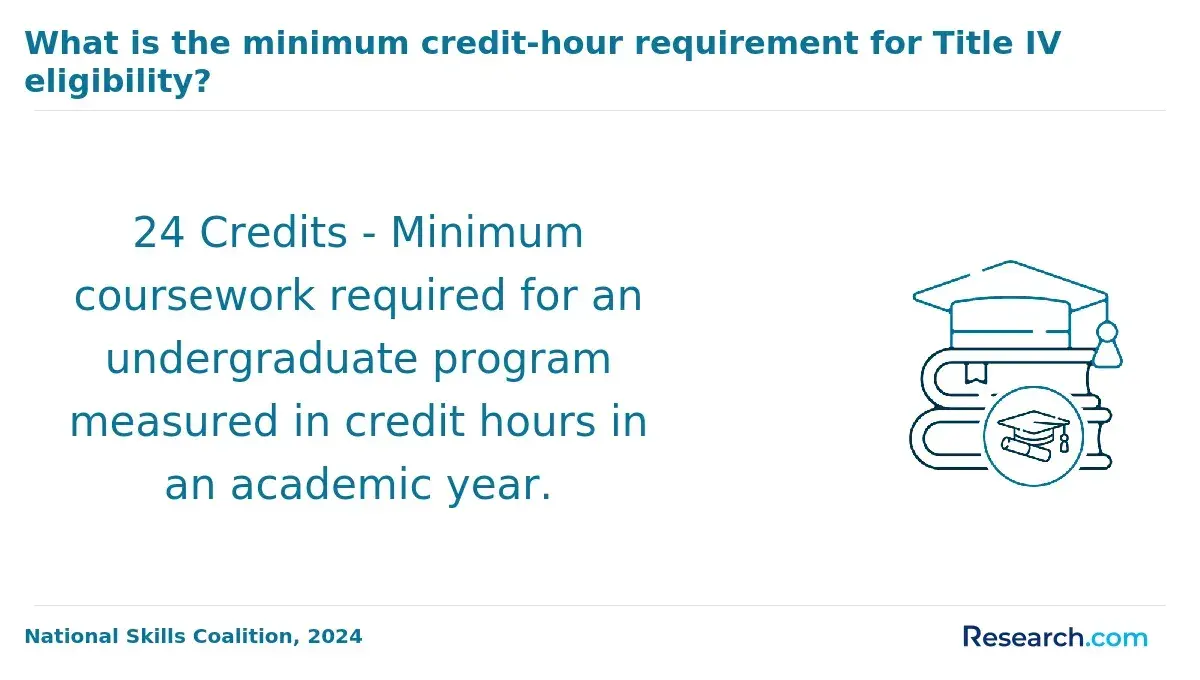
- Federal Grants and Loans: Eligible programs participating in Title IV allow students to access Pell Grants and low-interest subsidized loans. These federal options reduce upfront tuition burdens and provide manageable repayment plans, provided students meet satisfactory academic progress standards.
- Employer Tuition Assistance: Working professionals often tap into employer-sponsored education benefits to offset tuition expenses. For health communication learners, ensuring their degree aligns with job responsibilities can unlock significant employer funding, easing financial strain while advancing careers.
- Institutional Scholarships: Many colleges offer scholarships tailored to online students-both merit and need-based. Candidates should verify scholarship criteria including enrollment intensity and residency requirements to maximize aid eligibility over their program.
- Transfer-Credit Savings: Transferring credits from accredited institutions can dramatically shorten degree completion time-and overall tuition costs. Understanding transfer policies and articulation agreements performs a crucial role in reducing expenses for degree seekers.
- Military and Veteran Benefits: Active-duty members and veterans benefit from GI Bill support and tuition assistance programs valid at various accredited online health communication programs. Eligibility specifics depend on military status and institutional participation.
Budget-conscious learners seeking affordable education will also find it valuable to explore best online biology degree resources, which highlight accelerating degree completion and maximizing financial aid options. Scholarships and grants for online health communication students remain foundational in driving overall cost-effectiveness and institutional value.
What Careers Can You Pursue With an Online Health Communication Degree?
Students increasingly pursue online health communication degrees due to their flexibility, competitive salaries, and strong career advancement potential. Employment in related healthcare and communication roles is projected to grow steadily, with degree holders earning salaries above the median for many entry-level professions.
These programs offer budget-conscious students and working professionals accessible pathways to rewarding careers.
- Entry-Level Roles: Graduates often start as health educators, community outreach coordinators, or patient advocates-positions focused on educating public audiences and supporting health initiatives. These roles provide valuable experience and job stability while building a foundation for career growth in high-demand sectors.
- Industry-Specific Careers: Many find opportunities in hospitals, nonprofit organizations, government agencies, or corporate wellness programs. Specializations like health marketing and digital health content creation align with workforce needs and benefit from industry-recognized certifications integrated into affordable online offerings such as online kinesiology programs.
- Management and Leadership: With experience, professionals advance to roles like communication directors or health program managers-positions that command higher salaries and require skills gained through internships and further study. These roles emphasize strategic communication and program oversight.
- Remote Opportunities: The expansion of telehealth has created remote-friendly jobs for graduates, including content development and virtual health education, that offer improved work-life balance without sacrificing career advancement.
For those focused on online health communication degree careers in the United States, selecting accredited, affordable programs ensures long-term value. Prioritizing programs with strong employer recognition and alignment with labor-market trends maximizes the potential to secure high-paying jobs with an online health communication degree.
What Is the Salary Potential for Graduates of Online Health Communication Programs?
Salary potential is a crucial consideration for students choosing an online health communication degree, especially when balancing cost and career impact. Recent data indicate that median salaries for entry-level health communication roles typically start around $47,000, with demand expected to grow steadily in healthcare and related sectors.
Several key factors shape earning prospects, guiding informed program selection.
- Industry Specialization: Graduates focusing on areas like digital health marketing, health informatics communication, or policy advocacy often access higher-paying positions than those pursuing broader roles.
- Geographic Location: Urban and metropolitan areas with concentrated healthcare industries tend to offer premium wages, while remote or hybrid roles might provide flexibility without significantly affecting compensation.
- Experience and Credentials: Advanced degrees, certifications, and hands-on experience contribute strongly to salary growth and eligibility for management-level jobs within healthcare organizations.
- Employer Type: Hospitals and government agencies generally provide stable salaries and benefits, whereas private sector or nonprofit employment can lead to variable pay but greater long-term advancement potential.
- Transferable Skills and Program Quality: Skills in data analysis, digital media, and intercultural communication enhance marketability, while completing accredited programs with recognized curricula improves job placement and negotiation leverage.
Budget-conscious learners should weigh these factors alongside tuition expenses and flexible learning schedules to ensure an optimal return on investment from their online health communication education.
What Graduates Say About Best Value Online Health Communication Degree Programs
- Jase: "As a student on a tight budget, finding an affordable online health communication degree that carries accreditation was my top priority. I discovered programs that not only fit my financial constraints but also offered strong career prospects, making them the best value overall. Knowing I'm investing in a degree with a solid return on investment gives me confidence about my future. "
- Kyro: "Balancing work and studies, I needed an online health communication degree program that maximized ROI without sacrificing quality. Reflecting on my choices, I prioritized accredited programs with flexible schedules and competitive tuition rates, which directly contributed to career advancement opportunities in public health and corporate communications. These insights helped me strategically plan for long-term professional growth. "
- Aaron: "When exploring careers to pursue with an online health communication degree, I focused on programs known for strong industry connections and accredited curricula that offer both affordability and excellence. My goal was to enter roles in healthcare marketing and patient advocacy, fields with growing demand and promising salaries. The professional edge provided by these best value degrees proved essential in navigating today's competitive job market."
Other Things You Should Know About Health Communication Degrees
The best value in online health communication degree programs for 2027 is determined by factors like affordability, accreditation, curriculum quality, technology integration, and alumni success rates. Programs offering flexibility for working students and internship opportunities may also contribute to a stronger return on investment.
Yes, many online health communication degree programs are designed with flexibility to accommodate working professionals. They often offer asynchronous classes, allowing students to study on their own schedules. This structure makes it easier for those balancing full-time employment to pursue a degree without disrupting their work commitments.
Technology skills are essential since online health communication programs rely on digital platforms for course delivery and collaboration. Students need to be comfortable using learning management systems, video conferencing tools, and digital communication software. These skills not only facilitate academic success but also prepare graduates for modern communication roles in healthcare settings.
Credit transferability can vary widely between institutions, so it's important for students to verify transfer policies before enrolling. Accredited programs generally have clearer guidelines for accepting transfer credits from other accredited institutions. Confirming credit transfer options helps students avoid repeating coursework and reduces overall degree costs.
References
- Types of Financial Aid for Online Colleges https://www.umassglobal.edu/blog-news/types-financial-aid-online-colleges
- Financial Aid Guide https://www.publichealth.org/resources/financial-aid/
- What does a nursing assistant do? https://apexlearning.org.uk/online-health-and-social-care-courses-are-they-recognised-by-employers/
- How to Pay for Medical, Nursing, or Health Care Training Programs - Osmosis Blog https://www.osmosis.org/blog/how-to-pay-for-medical-nursing-or-health-care-training-programs
- Health Communication Programs https://www.collegeevaluator.com/majors/health-communication/
- Health Communication https://www.mnsu.edu/programs/health-communication/
- Student Financial Aid & Tuition Assistance - South College https://www.south.edu/admissions/financial-aid/
- Online Master’s in Health Communication Programs in 2025 https://www.mastersincommunications.org/online-health-communication/
- Online Master's in Health Communication Programs (2025 Update) - All Schools https://www.mastersincommunications.com/faqs/online-masters-in-health-communication
- Public Health Communications https://courses.nextgenu.org/course/view.php