2027 Best Two-Year Degrees With Subscription Tuition

Co-Founder and Chief Data Scientist
Paying one flat rate for a term sounds appealing if you can complete more courses without paying more tuition. But a subscription price is only a bargain when the associate degree you want is available, its requirements fit your schedule, and you can make steady progress. The College Board reported average published tuition and fees of $4,050 for in-district students at public two-year colleges in 2024-25. That gives you a useful comparison point - not a complete cost estimate. This guide helps you compare degree fields, identify genuine flat-rate options, and calculate what finishing might cost.
Key Things You Should Know
- Best fit: A transfer-oriented business or general-studies pathway may work well under subscription tuition if courses are available when you need them; clinical degrees are less likely to let you accelerate.
- Compare total cost: Associate degrees commonly require about 60 credits, but the number of paid terms - not the advertised term price alone - determines subscription tuition.
- Verify the exact degree: Confirm that the associate program, not merely the school's bachelor's programs, uses a flat-rate model and meets your transfer or licensing goal.
Top 10 Best Two-Year Degrees With Subscription Tuition
Business Programs
An AA or AS in business can suit students planning to transfer; an AAS often emphasizes immediate workplace skills such as accounting, operations, or office technology. Business is a strong subscription-tuition candidate when required courses are offered frequently and assessments allow steady progress. Compare the actual course sequence and transfer agreement before choosing the fastest-looking option. An associate degree may support entry-level administrative or sales work, but management jobs generally require experience.
Healthcare Programs
Healthcare associate degrees differ sharply. A health sciences AA or AS may prepare students for further study, while an AAS in a specific allied-health discipline may include labs, clinical placements, and eligibility for a certification exam. Those fixed requirements can limit how much a flat-rate term saves. Before enrolling, confirm that the specific associate program has subscription tuition and meets applicable programmatic accreditation and state requirements. A general health sciences degree is not a substitute for a profession-specific credential.
Information Technology Programs
An IT associate degree may cover networking, programming, databases, or technical support. Self-paced coursework can make subscription tuition attractive to students with existing skills, but required projects and course availability still affect completion time. An AAS may emphasize workforce skills; an AS may better support transfer, depending on the school. Compare the curriculum with job postings and ask whether industry certifications require separate exams and fees. The degree alone does not guarantee a technology job.
Nursing / Pre-Nursing Programs
Pre-nursing coursework is not the same as admission to an associate degree in nursing. An ADN typically includes selective admission, science prerequisites, supervised clinical work, and preparation for the NCLEX-RN; graduates must also satisfy state licensure rules. A subscription price on general-education courses does not establish that the nursing program uses the same model. Ask whether clinical scheduling or a separate application will add paid terms. Choose pre-nursing only after checking where those credits will apply.
Criminal Justice Programs
A criminal justice AA or AS may be useful for transfer, while an AAS may focus more on public-safety practice. Predictable online reading and writing assignments can suit subscription study, but agency hiring standards - not the degree alone - control access to many law-enforcement roles. Check physical, background, academy, and local eligibility requirements before paying for a career-focused program. If a bachelor's degree is your goal, obtain a course-by-course transfer plan.
Psychology / Counseling Programs
A psychology AA or AS is primarily a foundation for further education, though it may also support applications to some entry-level human-services roles. Subscription tuition can make sense when general-education and introductory courses transfer cleanly. Do not mistake an associate degree for a counseling license: professional counseling generally requires graduate education and state licensure. Students seeking immediate employment should compare a human-services AAS and its supervised fieldwork requirements with a transfer-focused psychology degree.
What Are Two-Year Degrees With Subscription Tuition?
A two-year degree with subscription tuition is an associate program billed at a flat rate for a defined enrollment period rather than solely by the credit. Some models permit students to complete additional eligible coursework within that period without additional tuition; others limit course loads. "Two-year" describes the credential's usual scope, not a promised finish date. Requirements commonly total around 60 credits, and prerequisites, transfer credit, enrollment pace, and course scheduling can change the timeline.
The best choice depends on what the subscription actually covers. A transfer-focused AA or AS may offer a route toward a bachelor's degree; a career-focused AAS may fit a specific occupation better but transfer less predictably. If your goal requires a bachelor's degree, compare the full pathway - including whether the associate credits apply to the major - rather than assuming the easiest bachelor degree is the one accepting the most credits.
Which Accredited Schools Offer Two-Year Degrees With Subscription Tuition?
School-level advertising is not enough to establish that a particular associate degree has subscription tuition. Two institutions worth checking are the University of Wisconsin-Milwaukee through UW Flexible Option for an Associate of Arts and Sciences pathway, and the University of Maine at Presque Isle through YourPace for an Associate of Arts in Liberal Studies pathway. Before treating either as an enrollment option, obtain its current associate-degree catalog, tuition schedule, admission status, and delivery requirements directly from the institution.
These are general or liberal-studies pathways, not evidence that the six named majors above are offered as subscription-priced associate degrees. Verify the institution's current accreditation and the credential-awarding school, then ask for written confirmation that the exact associate program uses flat-rate tuition. If it does not, compare its ordinary per-credit price instead.
How Much Do Subscription-Tuition Two-Year Degrees Cost?
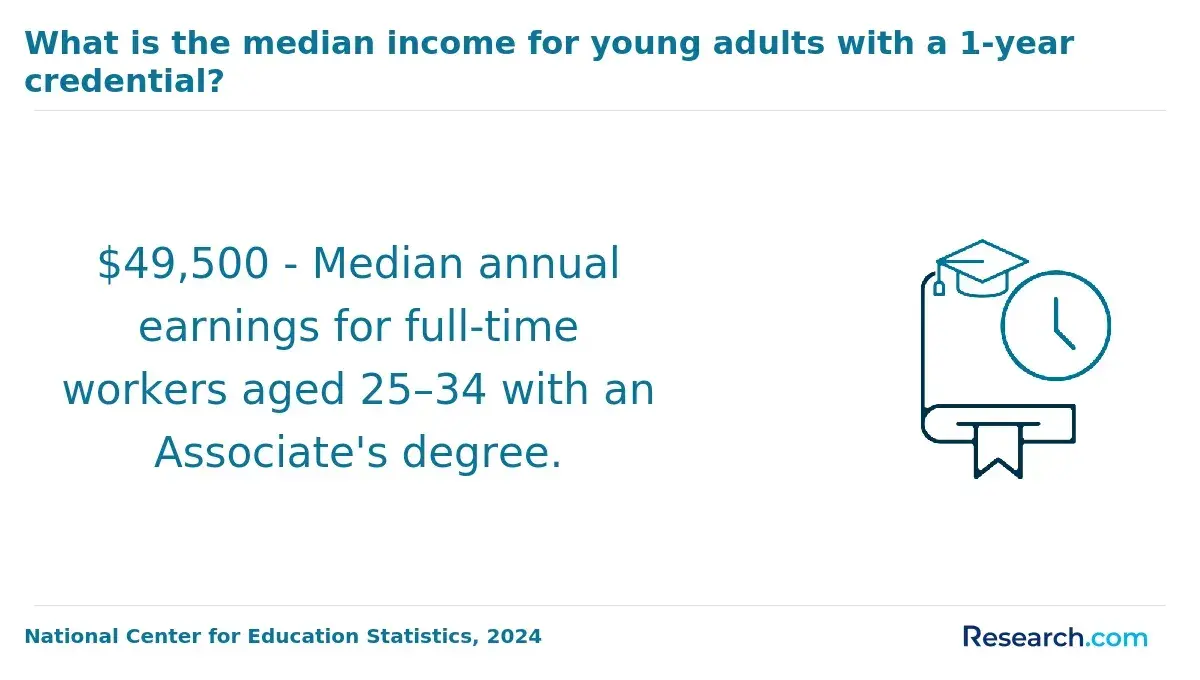
To estimate cost, multiply the number of paid subscription periods you realistically need by the rate for each period, then add mandatory fees and required materials. Compare that total with a conventional college's tuition and fees for the credits you still need. The College Board's 2024-25 public two-year in-district average of $4,050 is a national benchmark, not an offer from a specific college or a price that covers every expense.
The factors below explain why the lowest advertised rate may not produce the lowest cost to graduation.
| Cost factor | Effect on your comparison |
| Paid periods | Extra terms can outweigh a low flat rate. |
| Accepted transfer credit | Credit that fulfills degree requirements can reduce remaining coursework. |
| Fees and materials | Technology, assessment, books, and clinical expenses may fall outside tuition. |
| Available aid | Grants or employer assistance may change your net price. |
Ask for an individualized degree audit and cost estimate. Check federal-aid eligibility for the school and program; eligibility and disbursement can depend on enrollment rules that differ from a conventional semester. Avoid buying extra subscription periods because an advertised completion time assumes a heavier course load than you can sustain.
Which Two-Year Degrees With Subscription Tuition Lead To High-Paying Careers?
For salary potential, start with the occupation you want and work backward to its required credential. Registered nursing illustrates both the opportunity and the limit of this comparison: the U.S. Bureau of Labor Statistics reports a May 2024 median annual wage of $93,600 for registered nurses. That is an occupational median across workers, not the expected pay of a new ADN graduate. Becoming an RN also requires an approved nursing pathway, examination, and state licensure; a flat-rate pre-nursing degree alone is insufficient.
IT and business may offer paths to higher-paying work over time, but employers may seek technical evidence, certifications, further education, or experience. If immediate earnings matter most, compare a specific credential and its entry-level job requirements with other easy degrees to get online that pay well. "Easy" or inexpensive coursework should not outweigh the qualifications employers actually require.
What Admission Requirements Apply To Subscription-Tuition Degree Programs?
Associate programs typically request a high school diploma or equivalent and previous college transcripts when applicable. A school may admit students broadly while restricting entry to nursing or another clinical major through prerequisites, grades, background checks, health documentation, or placement requirements. Subscription-based programs may also expect students to understand independent or competency-based study.
Ask admissions whether a minimum GPA applies to the institution, the chosen major, or transferable courses - and whether testing is required for placement rather than admission. Students comparing low GPA colleges should not assume an open-admission policy overrides selective program requirements. Request a transfer evaluation before committing to a paid term when prior credits are important to your cost calculation.
What Do Students Learn In Two-Year Subscription-Tuition Programs?
Most associate degrees combine general education - such as writing, mathematics, and communication - with courses in the major. Business may add accounting; IT may add networking or programming; criminal justice may add legal-system coursework. Transfer-oriented degrees should align those courses with a receiving bachelor's program. Career-focused degrees may instead require equipment practice, a supervised internship, labs, or clinical education.
The key subscription-tuition question is not simply how many courses you can attempt in a term. It is which required courses you can finish and apply to your degree. Ask whether courses have prerequisites, scheduled start dates, assessment limits, or placements that prevent you from moving ahead. That check helps distinguish a flexible payment model from a genuinely flexible path to graduation.
Are Online Or Campus-Based Subscription-Tuition Programs Better?
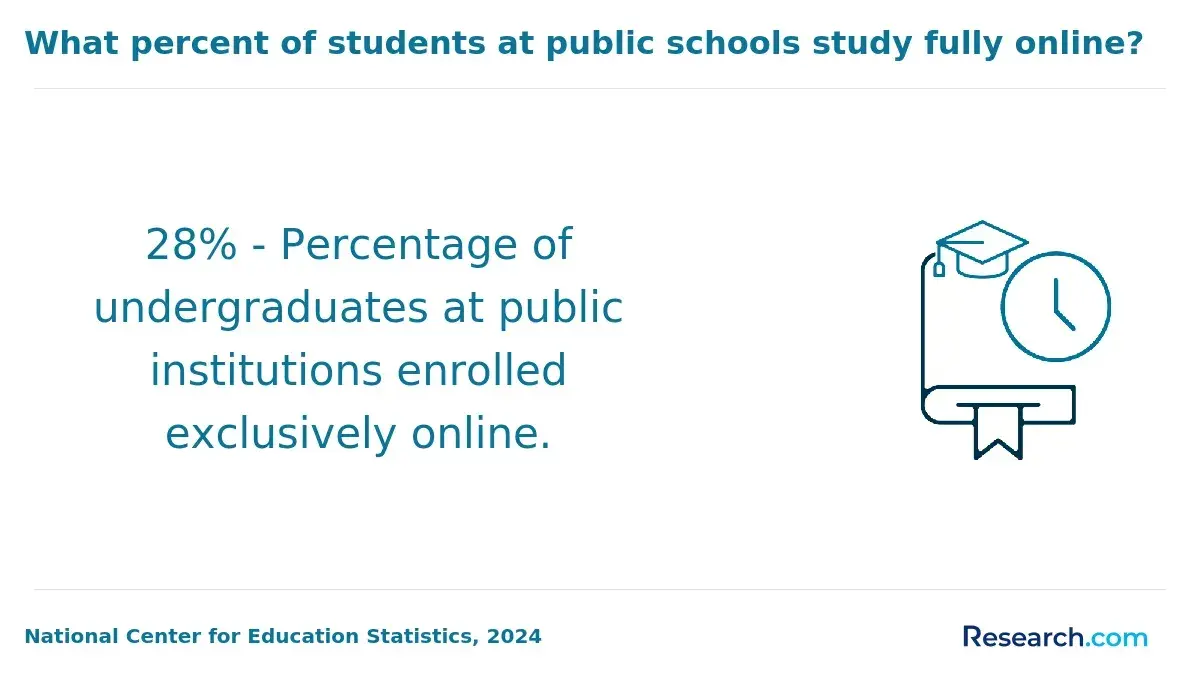
Online subscription study can suit students who can work independently and whose required courses are available remotely. Campus or hybrid study may be preferable when hands-on instruction, reliable lab access, or scheduled support matters more than pace. "Online" does not necessarily mean asynchronous: live meetings, fixed deadlines, proctored assessments, internships, and local clinical placements may still apply.
Before choosing among easy online degrees, request the program's delivery requirements for every remaining course. Compare those requirements with your weekly availability. An online option that forces an additional paid term because of course timing may cost more than a campus program with a predictable sequence.
What Jobs And Salaries Can Graduates Expect After These Degrees?
Realistic job options depend more on the degree's specialty and the employer's requirements than on how tuition is billed. A business associate may support applications for administrative or customer-facing roles; IT may support help-desk applications; criminal justice may be relevant to certain public-safety support positions. A psychology associate is more commonly a stepping stone than a counseling qualification.
For perspective, the Bureau of Labor Statistics reports a May 2024 median annual wage of $50,250 for medical records specialists. That figure describes the occupation across experience levels, not a salary promised to healthcare associate graduates; employers may prefer specific coursework or certification. Compare local entry-level postings with each program's curriculum, then weigh the likely job path against your total cost - not the subscription rate alone.
How Can Students Verify Program Accreditation, Licensing, And Certification Requirements?
Accreditation and occupational eligibility answer different questions. Institutional accreditation concerns the college; programmatic approval or accreditation may be necessary for a particular clinical program, certification exam, or state license. A transferable general-studies degree cannot be assumed to satisfy professional licensing rules.
Use this sequence before paying for a subscription period:
- Confirm the institution's current accreditation through its accreditor or the U.S. Department of Education's accreditation information.
- Get the exact associate program name, catalog requirements, and written confirmation of its current flat-rate tuition terms.
- For a regulated career, check the relevant state board and any required program accreditor or certification body for program eligibility.
- Ask the school to evaluate previous credits and show which remaining courses, placements, and paid periods your plan requires.
A red flag is a claim that school accreditation alone guarantees transfer, examination eligibility, licensure, or employment. Seek confirmation from the receiving college, licensing board, or employer when that outcome is central to your decision.
Other Things You Should Know About
It can be if you complete enough degree-applicable coursework each paid period. Compare individualized total costs, including fees, aid, and the number of periods you will need.
Possibly, but the timeline depends on accepted credits, course availability, prerequisites, and your study pace. A flat rate does not remove required coursework or clinical hours.
Do not assume so. Nursing programs require supervised clinical education, and a subscription price for pre-nursing courses may not apply to the nursing major.
Transfer depends on the receiving institution and how each course applies to its degree requirements. Request a written transfer evaluation or articulation plan before enrolling.
References
- Fast Facts: Tuition costs of colleges and universities (76) | ed.gov https://nces.ed.gov/fastfacts/display.asp
- Academic Years, Academic Calendars, Payment Periods, and Disbursements | 2025-2026 Federal Student Aid Handbook https://fsapartners.ed.gov/knowledge-center/fsa-handbook/2025-2026/vol3/ch1-academic-years-academic-calendars-payment-periods-and-disbursements
- DAPIP | Homepage - Office of Postsecondary Education (OPE) https://ope.ed.gov/dapip/
- Academic Rules - Course Catalog - Syracuse University https://courses.syracuse.edu/undergraduate/academic-rules
- Why Is Accreditation Important? | ACE Blog https://ace.edu/blog/why-is-accreditation-important/
- Completion Rates and Time to Degree Completion - Academic Affairs https://academicaffairs.uams.edu/irpa/office-of-institutional-studies/student-outcomes/completion-rates/
- Registration, Enrollment, and Withdrawal - UNC Catalog https://catalog.unc.edu/policies-procedures/registration-enrollment-withdrawal/
- Enrollment Policy and Transfer of Credits for Financial Aid - Section 5 | Academics at Walden University https://academicguides.waldenu.edu/student-handbook/enrollment-transfer-credit
- Undergraduate and Graduate Tuition and Fees | Purdue Global https://www.purdueglobal.edu/tuition-financial-aid/undergraduate-graduate-tuition-and-fees/
- Accreditation Matters in the College Search Process - Goldey-Beacom College https://www.gbc.edu/about/news/accreditation-matters-in-the-college-search-process/