2027 Best Online Two-Year Degrees for Veterans

Co-Founder and Chief Data Scientist
Choosing an online associate degree after military service means deciding what your training should count toward - and what the degree will help you do next. College Board reported average published tuition and fees of $4,050 for in-district students at public two-year colleges in 2024-25. That makes the path worth considering, but tuition alone cannot tell you whether a program fits your benefits, schedule, or career goal.
This guide compares six degree fields and shows veterans how to check military credit, online requirements, costs, transfer options, and licensing rules before enrolling.
Key Things You Should Know
- Business and information technology offer broadly applicable online options; nursing and many healthcare programs usually require in-person clinical training.
- An associate degree commonly requires about 60 semester credits, but accepted military training and prior college credit - not the word "two-year" - determine how much coursework remains.
- Eligible veterans may receive up to 36 months of Post-9/11 GI Bill benefits; confirm your individual eligibility and the school's VA approval before budgeting around them.
Top 10 Best Online Two-Year Degrees for Veterans
Business Programs
An online AA or AS in business can suit veterans seeking a bachelor's degree in management, accounting, or supply chain. An AAS may instead emphasize immediate workplace skills. Logistics, supervision, and administrative military experience can make coursework familiar, but credit is awarded only after evaluation. Compare accounting and software courses with the jobs you want: a general business degree is versatile, but it does not by itself qualify you for management. If transfer is your goal, get written confirmation that required courses will apply to your intended bachelor's program.
Healthcare Programs
Healthcare administration, health information, and medical records programs may offer more online coursework than hands-on allied-health degrees. They can fit veterans with medical or administrative experience, although military training does not automatically replace civilian coursework. An AAS may prepare students for specific entry-level functions; an AS may support transfer. Check for internships, coding software access, and any required in-person activities. If your target job involves patient care or a protected professional title, verify its separate clinical, certification, and state requirements before choosing a program.
Information Technology Programs
IT associate degrees commonly cover networking, cybersecurity fundamentals, programming, or technical support. Veterans with communications or systems experience should ask whether documented training can satisfy electives or major requirements. An AAS may focus on employment skills, while an AS may preserve more bachelor's transfer options. Compare hands-on labs, virtual equipment, and employer-relevant projects rather than assuming an online course is purely theoretical. Certifications can strengthen an application, but neither a degree nor a certification guarantees a cybersecurity job; some roles require substantial prior IT experience.
Nursing / Pre-Nursing Programs
Pre-nursing AS programs typically cover science and general education prerequisites; they do not qualify graduates to practice nursing. An associate degree in nursing is a different, often selectively admitted program with required clinical placements and eligibility rules tied to state licensure. Classroom instruction may be online, but clinical training is in person. Veterans with military medical training should request an individual credit review rather than assuming an accelerated route to licensure. Check prerequisite sequencing, clinical location, state-board approval, and whether the degree will support a later BSN.
Criminal Justice Programs
An AA or AS in criminal justice can support transfer into a bachelor's program; an AAS may emphasize public-safety practice. Military leadership and security experience may be relevant, but civilian agencies set their own hiring and training standards. Review courses in report writing, law, and evidence, along with internship requirements. An online degree can be useful for veterans pursuing administrative or support roles, yet it does not replace a police academy, background screening, or agency-specific qualifications. Compare the curriculum with the requirements of the employer you actually intend to approach.
Psychology / Counseling Programs
An AA or AS in psychology is generally a transfer foundation, not a credential to practice counseling. It may suit veterans interested in behavioral health, peer support, or a future bachelor's degree. Compare research, statistics, and general education courses against the next school's requirements. Some entry-level support positions have additional employer or state requirements; licensed counselor roles typically require graduate education and supervised experience. Choose this path if you are willing to plan beyond the associate degree, rather than expecting it to lead directly to independent clinical work.
What Are the Best Online Two-Year Degrees for Veterans?
The best online two-year degree for a veteran is the one that connects accepted military credit to a realistic next step. Business and IT are strong starting points for veterans who need substantial online flexibility; healthcare and nursing can fit specific career goals but require closer scrutiny of practical training. The comparison below highlights the trade-offs rather than ranking fields as universally best.
| Degree field | Best fit | Main trade-off |
| Business | Broad administrative skills or bachelor's transfer | A general curriculum may need a more specific career target |
| Healthcare administration or information | Healthcare work without a direct patient-care focus | Some programs still require internships or specialized software |
| Information technology | Technical support skills and hands-on projects | Advanced roles commonly require further experience |
| Nursing or pre-nursing | A defined nursing pathway | Selective admission, clinical placements, and licensure rules |
| Criminal justice | Public-safety study or bachelor's transfer | Agency hiring requirements remain separate |
| Psychology | Behavioral-health study leading toward further education | Licensed counseling requires substantially more education |
For veterans still choosing between a job-focused AAS and a transfer-oriented AA or AS, the deciding question is whether the next goal is employment in a defined role or admission to a particular bachelor's program. Neither degree abbreviation guarantees an outcome; examine the actual course plan.
How Much Do Online Two-Year Degrees Cost for Veterans?
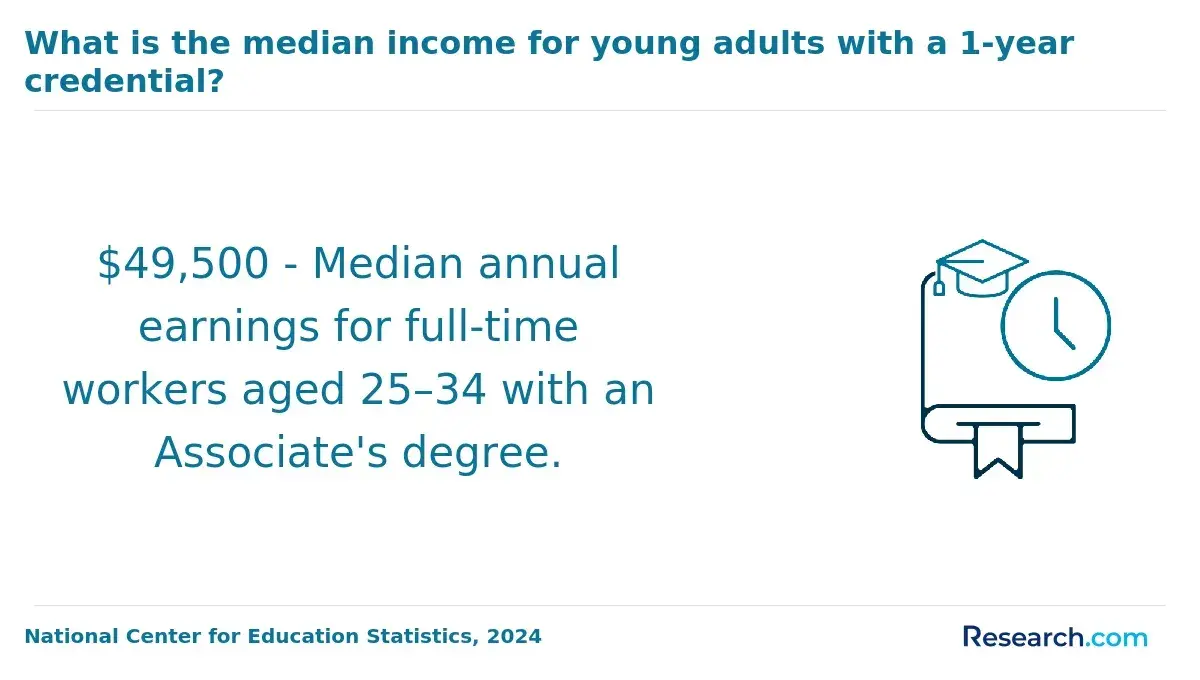
Start with the cost of finishing, not the advertised price per credit. Published tuition can exclude mandatory fees, books, technology, proctoring, travel, and clinical expenses. Residency rates and the number of credits a school accepts can change the total substantially. For context, College Board reported average published in-state tuition and fees of $11,610 at public four-year institutions in 2024-25; that comparison helps frame a transfer decision, but it is not a quote for any individual program.
Ask each college for a degree audit and a written estimate based on your remaining credits. Confirm its VA approval, your benefit eligibility and remaining entitlement, and whether your course load or online-only enrollment affects payments. Compare any uncovered balance with federal aid for which you qualify; veteran education benefits and other aid interact under applicable rules. A search for the cheapest online college is useful only after you account for those differences.
Which Accredited Online Colleges Offer Two-Year Degrees for Veterans?
Examples of institutions offering online associate-level options include Southern New Hampshire University, Penn State World Campus, and Rio Salado College. Their available majors, delivery requirements, tuition, and military-credit policies differ; inclusion here is not a ranking or a claim that every degree at these schools is fully online. Community colleges may offer attractive in-district prices, while a larger online institution may offer a different course schedule or advising model.
Check the institution's current catalog for the exact degree, then verify recognized institutional accreditation and VA approval for the program you plan to enter. For a field that leads to licensure, institutional accreditation alone is not enough: confirm applicable program approval and state eligibility. Comparing non profit colleges can broaden your shortlist, but an associate-degree page and a current program audit are more useful than a school-wide label.
What Online Associate Degree Programs Match Military Experience?
Military experience most often aligns with business logistics, IT systems, healthcare support, or public-safety study, but alignment is not the same as credit. Schools evaluate documented military learning against their own course requirements. Accepted credit may fill electives without replacing a required major course, lab, or clinical experience.
To find out whether an online associate degree genuinely builds on your service, follow this sequence before committing benefits:
- Request your Joint Services Transcript or Community College of the Air Force transcript, as applicable, and gather records from previous colleges.
- Ask for an official evaluation showing which credits meet general education, major, and elective requirements.
- Check transfer-credit limits, minimum credits that must be earned at the college, course-age rules, and whether additional exams or credentials can earn credit.
- Compare the resulting degree audit with the requirements of your intended job or bachelor's program.
How Long Do Online Two-Year Degrees Take to Complete?
A typical associate degree requires roughly 60 semester credits. Full-time students with the needed prerequisites and available courses may finish in about two academic years; part-time enrollment, limited course offerings, and sequenced science or clinical requirements can extend that timeline. Conversely, accepted prior credits may reduce the coursework remaining without making every course available sooner.
Ask for a term-by-term plan that accounts for your military-credit evaluation, planned enrollment intensity, start dates, and any in-person requirements. Short online course terms describe individual classes - not the time needed to complete the degree. If you may later pursue a bachelor's degree, compare its scheduling separately; a self paced bachelor's degree does not establish that your associate courses or transfer pathway will be self-paced.
What Are the Admission Requirements for Veterans Applying Online?
Colleges generally request an application and proof of secondary-school completion or an equivalent credential. Applicants with prior college attendance may also need official transcripts; veterans seeking military-credit evaluation should submit the relevant service transcript. Placement requirements, prerequisite grades, and transfer-credit rules vary by institution.
Admission to the college is not necessarily admission to a selective major. Nursing and some allied-health programs may separately require science prerequisites, a minimum GPA, screening, or clinical eligibility documentation. Before applying, distinguish the school's general admission policy from the exact program's current entry requirements and deadlines.
Which Careers and Salaries Can Veterans Expect After Graduation?
Possible next steps include administrative support or operations roles after business study, technical support after IT study, and medical records-related work after suitable healthcare training. Psychology commonly serves as preparation for further study. Criminal justice graduates must still meet individual agency requirements, while nursing graduates must meet licensing requirements before practicing as registered nurses.
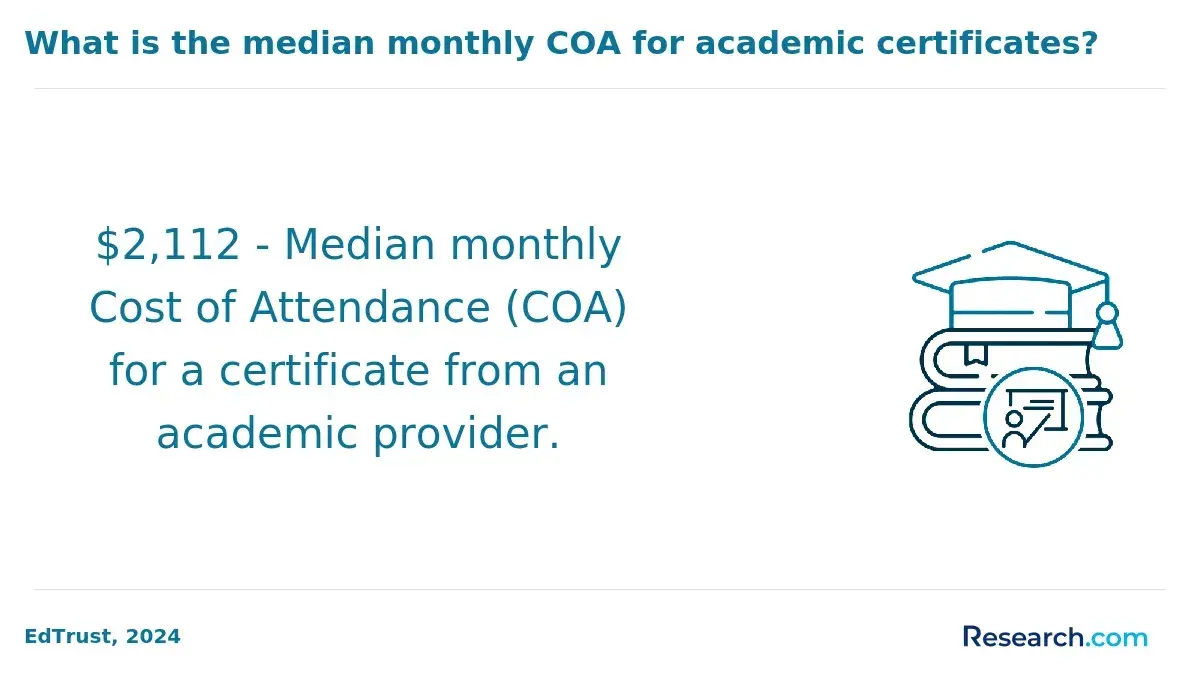
Occupational pay is a useful comparison, not a forecast of an associate graduate's earnings. The U.S. Bureau of Labor Statistics reported a May 2024 median annual wage of $93,600 for registered nurses. That figure covers workers across education and experience levels; it is not the expected starting salary from an online associate program. Compare local job postings and their actual qualification requirements before using any salary figure to judge value. Lists of the highest paying jobs can provide context, but should not substitute for checking whether your chosen degree qualifies you to enter the occupation.
Do Veterans Need Licenses or Certifications After Earning a Degree?
Sometimes. An associate degree and permission to work in a regulated occupation are separate matters. Registered nurses generally must graduate from an approved nursing program and pass the required licensing examination; state boards determine eligibility. Other patient-care occupations can have their own accreditation, examination, and state rules. IT certifications may be useful for particular employers but are not universal licensing requirements, and police agencies impose hiring and training standards beyond a criminal justice degree.
Check the relevant state board or employer requirements before enrolling, especially if you will study online from another state. A program's general accreditation or claim to be "career-ready" does not establish that it meets your state's professional requirements.
How Can Veterans Choose a High-Quality Online Two-Year Program?
Use a short, goal-specific checklist rather than relying on a ranking. First, identify the job or bachelor's program you want next; then compare schools using these questions:
- Is the exact associate program available online in my location, and are there scheduled sessions, campus visits, labs, internships, or clinical placements?
- How will my military and previous college credits apply to required courses, and how many credits must I still earn there?
- What is my estimated total cost after the credit evaluation, fees, benefits, and other eligible aid?
- Will this curriculum meet the transfer or licensing requirements of my intended next step, and what veteran advising is available?
Request answers in writing where possible. Red flags include an unofficial promise of military credit, an "online" designation that hides required travel, a tuition quote without fees, or a transfer claim that does not identify how credits apply to your intended degree. The strongest choice is the program whose requirements you can verify and realistically complete - not simply the one with the lowest sticker price or shortest course terms.
Other Things You Should Know About
Potentially, yes, if you are eligible and the school and program meet VA requirements. Confirm benefit eligibility, remaining entitlement, enrollment status, and how online study affects payments before enrolling.
It might. Submit your service transcript for an official evaluation, then check whether awarded credits satisfy required courses rather than only electives.
Nursing programs may deliver some coursework online, but required clinical training takes place in person. Confirm the program's clinical arrangements and state-board eligibility.
Choose based on the curriculum and your next goal. AA and AS degrees often support transfer, while an AAS often emphasizes workforce skills; verify the specific school's transfer agreements or career requirements.
References
- Post-9/11 GI Bill Rates - Veterans Affairs https://www.va.gov/education/benefit-rates/post-9-11-gi-bill-rates/
- Education and Training - Veterans Benefits Administration https://www.benefits.va.gov/gibill/
- College Credit for Military Training & Experiences | dantes.mil https://www.dantes.mil/credit4training/
- Post 9/11 GI Bill® (Chapter 33) | Digital Crafts https://www.trident.edu/military-and-veteran/veterans/post_9_11_gi_bill/
- Military Student Transfer Credit Guide | Online https://cps.unh.edu/blog/2025/05/military-student-transfer-credit-guide
- How to Choose Veteran-Friendly Colleges: Key Factors to Consider | University of the Cumberlands https://www.ucumberlands.edu/blog/how-to-choose-veteran-friendly-colleges
- GI Bill Benefits and Post 9/11 - Morgan State University https://www.morgan.edu/veterans-engagement-services/military-faqs/gi-bill-benefits
- Online Healthcare Degrees - GMC Online - Georgia Military College https://online.gmc.edu/online-healthcare-degrees/
- Undergraduate Transfer Students | erau.edu https://erau.edu/admissions/undergraduate-admissions/undergraduate-transfer-students
- Military Credits | Riverland https://www.riverland.edu/admissions/veterans-resource-center/military-credits