2027 Best Online Technical Communication Degree Programs at Nonprofit Universities

Co-Founder and Chief Data Scientist
Choosing an online technical communication degree means weighing affordability against curriculum depth, employer relevance, and schedule fit. The U.S. Bureau of Labor Statistics reports that technical writers earned a median annual wage of $91,670 in May 2024, underscoring the value of strong writing and technology skills.
This guide helps prospective students compare nonprofit university programs, degree levels, costs, accreditation, online formats, and career outcomes so they can build a shortlist that fits their goals.
Key Things You Should Know
- Technical communication is a practical writing field focused on explaining products, processes, data, and technology; strong programs teach audience analysis, editing, content tools, research, and portfolio development.
- Nonprofit status is not a quality guarantee: verify institutional accreditation, total cost, transfer rules, required live meetings, faculty expertise, and career support before applying.
- Technical writers had a $91,670 median annual wage in May 2024, but the BLS projects 1% employment growth from 2024 to 2034, making specialized skills and a credible portfolio especially important.
What Makes an Online Technical Communication Degree Program at a Nonprofit University Different?
An online technical communication degree teaches students to turn complex information into usable documents, instructions, reports, proposals, web content, help materials, training resources, and product documentation. Nonprofit institutions include public universities and private nonprofit universities; both reinvest revenue into their educational mission rather than distributing profits to owners.
The most meaningful differences are program-specific, not simply tied to tax status. Public nonprofit universities may offer lower tuition for in-state residents, while private nonprofit universities may use a single tuition rate and provide institutionally funded scholarships. Either can be a strong choice when accreditation, curriculum, instructional quality, and total costs align with the student's plans.
Students comparing technical communication with other career-focused undergraduate pathways can also review the best bachelors degrees to assess how writing-centered careers fit within broader earnings and education goals.
A useful way to distinguish common degree paths is to focus on the preparation each one provides:
| Degree path | Typical fit | Common curriculum emphasis | Likely next step |
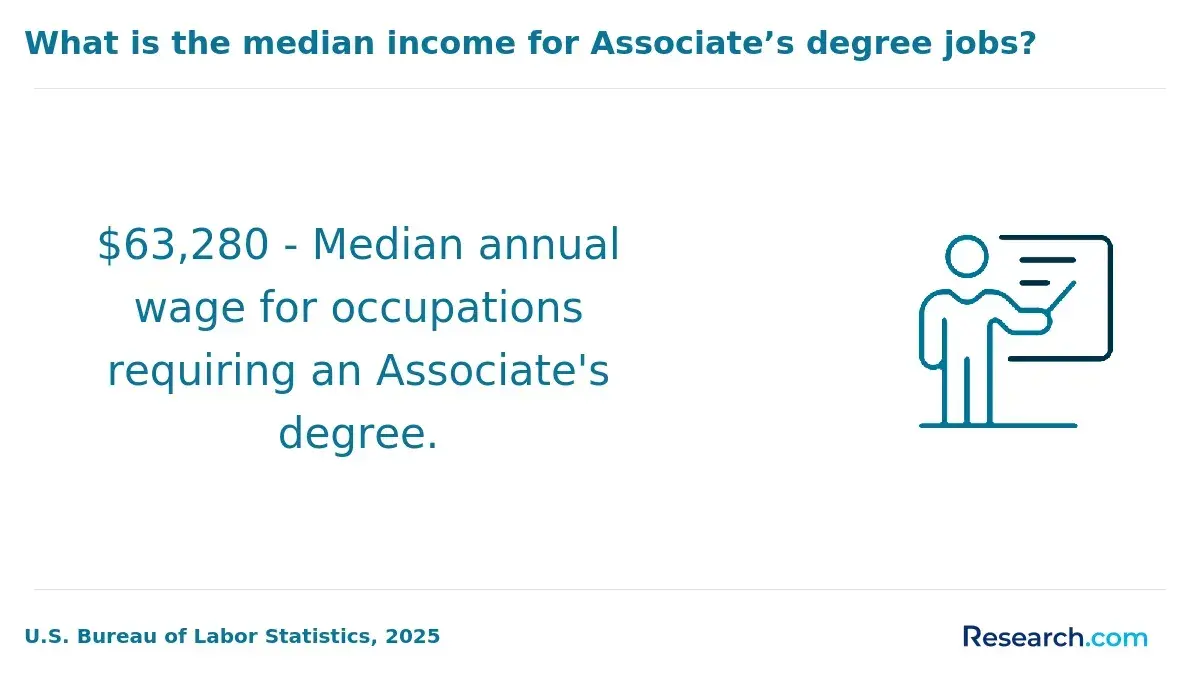
| Associate degree or certificate | Career changers or students testing the field | Professional writing, editing, workplace communication | Entry-level content work or transfer to a bachelor's program |
| Bachelor's degree | Students seeking broad entry-level preparation | Technical writing, rhetoric, digital publishing, research, usability, internships | Technical writer, content specialist, documentation coordinator, graduate study |
| Master's degree | Working professionals or bachelor's graduates seeking specialization | Advanced technical editing, content strategy, user experience, research, management | Specialized writing, content strategy, instructional design, leadership-oriented roles |
| Doctoral degree | Students aiming for research or college teaching | Communication theory, research methods, scholarly writing | Academic research, faculty roles, advanced consulting |
Academic programs usually emphasize theory, rhetoric, and research alongside applied writing. Career-focused programs may place more weight on software workflows, documentation projects, content management systems, user experience, and portfolio production. Neither approach is automatically better: students targeting regulated industries or graduate school may value research depth, while those changing careers may prioritize hands-on samples and workplace tools.
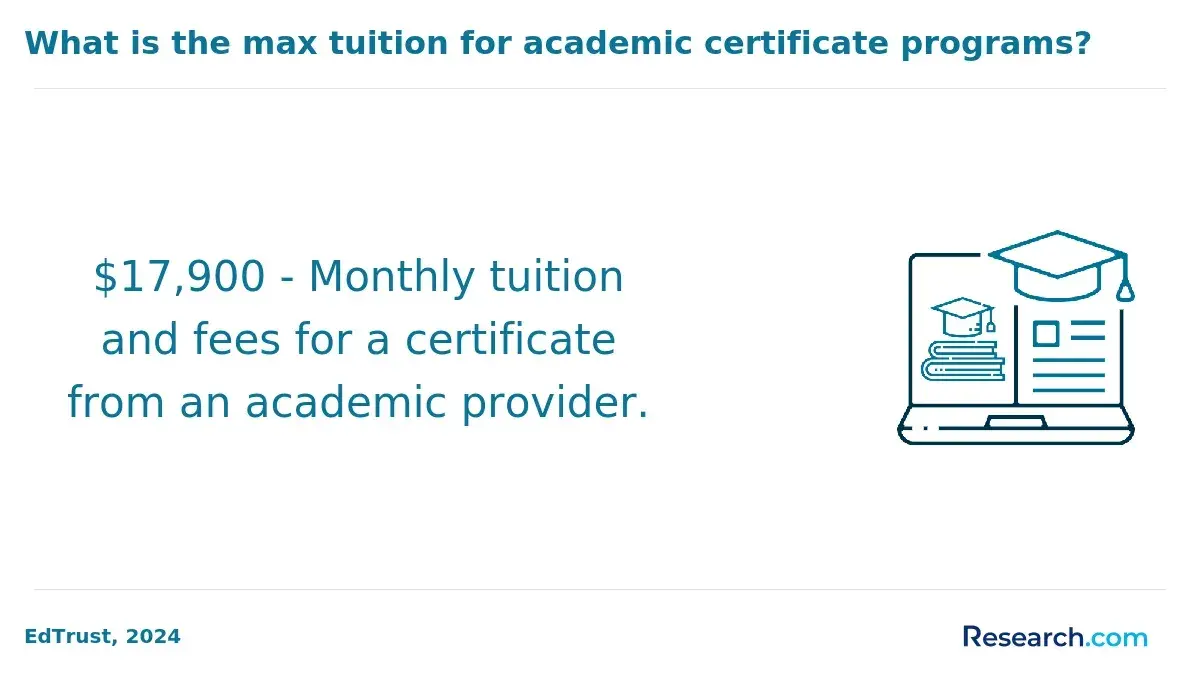
A common mistake is assuming that an online degree is interchangeable with a short certificate. Certificates can build a specific skill quickly, but a degree generally provides broader general education, research, writing, and analytical preparation. Review the exact credential employers request for roles you want before choosing the shorter option.
How Can Students Verify Accreditation for an Online Technical Communication Degree at a Nonprofit University?
For most technical communication degrees, the crucial credential is institutional accreditation, meaning that a recognized accreditor has evaluated the university as a whole. Technical communication does not typically have one universal programmatic accreditor comparable to those used in fields such as nursing or engineering. A school may advertise quality standards or professional affiliations, but these do not replace institutional accreditation.
Students should verify accreditation directly rather than relying on a university logo, a ranking, or a statement in marketing materials. Recognition matters because it can affect federal aid eligibility, transfer-credit acceptance, employer confidence, and admission to graduate programs.
Use this short verification process before paying an application or enrollment deposit:
- Find the university in the U.S. Department of Education's Database of Accredited Postsecondary Institutions and Programs.
- Confirm that the accreditor is recognized by the U.S. Department of Education or the Council for Higher Education Accreditation.
- Check whether the online program is offered by the accredited institution itself rather than by an unaffiliated provider.
- Read the current catalog for the degree name, required credits, delivery format, and any residency or practicum requirements.
- Ask prospective transfer schools or employers about their policies if transferability or credential acceptance is central to your decision.
Institutional accreditation does not mean every course will transfer. Transfer decisions are made by the receiving school and often depend on course equivalency, grades, credit age, and degree requirements. Students with prior college credit should request an official transfer evaluation before assuming a program will be inexpensive or quick to complete.
Red flags include vague references to "international accreditation," pressure to enroll immediately, unclear ownership of the program, missing faculty information, or refusal to provide the current catalog. Legitimate nonprofit institutions should be able to explain their accreditation, governing structure, tuition charges, and student complaint process clearly.
How Rigorous Are Online Technical Communication Degree Programs at Nonprofit Universities?
Rigorous online technical communication programs require more than polished grammar. Students learn to analyze audiences, organize complex information, evaluate evidence, edit for clarity and accessibility, collaborate with subject-matter experts, and create deliverables that solve a real user problem. A credible program should assess both writing quality and the reasoning behind communication choices.
At the bachelor's level, students commonly complete general education alongside major courses in professional writing, technical editing, rhetoric, visual communication, research methods, digital publishing, and project management. Master's programs usually move faster and expect students to bring strong undergraduate writing skills; they may add content strategy, usability, information design, accessibility, analytics, or organizational communication.
The following signals can help students tell a substantive curriculum from one built around broad course titles:
| Curriculum feature | Why it matters | What to look for |
| Document design and accessibility | Technical content must be usable by varied audiences | Assignments involving headings, navigation, visuals, plain language, and accessible documents |
| Research and audience analysis | Writers need evidence before recommending a message or format | User research, source evaluation, interviews, surveys, or usability testing |
| Technology and publishing workflows | Employers often expect comfort with digital content environments | Web writing, content management, documentation tools, markup, or multimedia projects |
| Portfolio or capstone | Work samples can demonstrate ability beyond a transcript | Faculty-reviewed projects based on realistic technical or professional scenarios |
| Revision and feedback | Professional documentation is developed iteratively | Instructor critique, peer review, editing cycles, and documented revision rationale |
Online rigor can equal on-campus rigor when learning outcomes, assessment standards, faculty interaction, and feedback are comparable. However, online students need reliable time management and self-direction. Asynchronous classes are convenient, but they still have weekly deadlines, reading loads, draft submissions, team projects, and discussion requirements.
Before enrolling, ask for a sample syllabus and identify whether courses require group work, software purchases, proctored exams, internships, or scheduled presentations. Students should not assume that "online" means easy, self-paced, or free of collaborative work.
How Much Does an Online Technical Communication Degree Cost at a Nonprofit University?
The advertised tuition rate is only one part of the cost. Total price depends on residency, number of credits required after transfer, mandatory fees, technology charges, books, software, graduation fees, and whether the school charges different rates for online learners. Public nonprofit universities often differentiate in-state and out-of-state tuition; private nonprofit institutions may use a uniform rate but can vary widely in aid.
For broad context, the National Center for Education Statistics reported average published tuition and fees for the 2023-24 academic year of $11,610 at public four-year institutions for in-state students and $43,350 at private nonprofit four-year institutions. These are sector averages, not the price of a specific technical communication program, and they exclude important expenses such as housing and supplies.
Students should compare a personalized net-cost estimate, not a sector average. The cost categories below show what should be included in that comparison:
| Cost factor | Why it changes the total | Question to ask |
| Per-credit tuition | Programs may require different numbers of credits | What is the current per-credit rate for my residency and online status? |
| Transfer credit | Accepted credits can reduce both time and tuition | How many credits are likely to apply to the degree after an official evaluation? |
| Required fees | Technology, distance learning, courses, and graduation fees may apply | Which mandatory fees apply to online students each term? |
| Course materials and software | Writing, design, or publishing courses may use paid tools or texts | Which tools, subscriptions, and textbooks are required? |
| Residencies or experiential learning | Travel or unpaid time away from work can create indirect costs | Are any campus visits, internships, or synchronous sessions required? |
Lower tuition is valuable only if the program also accepts appropriate transfer credit, offers needed courses predictably, and supports completion. A lower-cost program with limited course availability or poor credit transfer can cost more over time than a moderately priced program with clear sequencing and stronger student support.
When considering education costs across different fields, readers may find the comparison framework in online psychology degree cost useful for distinguishing tuition from broader attendance expenses.
What Financial Aid Is Available for an Online Technical Communication Degree at a Nonprofit University?
Eligible online students at accredited nonprofit universities may qualify for many of the same federal aid programs available to campus-based students. Eligibility depends on citizenship or eligible noncitizen status, enrollment level, satisfactory academic progress, prior borrowing, financial need where applicable, and whether the program meets federal aid requirements.
The first practical step is completing the Free Application for Federal Student Aid each year. Students should compare aid offers by separating grants and scholarships, which generally do not require repayment, from federal loans, private loans, and work-study eligibility.
Common funding sources are worth evaluating in a deliberate order because their long-term cost differs.
- Federal Pell Grants may be available to eligible undergraduate students with demonstrated financial need.
- Federal Direct Loans can help eligible students cover education costs but must generally be repaid with interest.
- University scholarships may be based on academic record, transfer status, professional experience, writing ability, or financial need.
- State grants may depend on residency, program type, and annual funding rules.
- Employer tuition assistance can be valuable for students working in technology, healthcare, manufacturing, government, finance, or business services.
- Veterans education benefits may apply to approved programs for eligible service members, veterans, and dependents.
Ask the financial aid office whether online learners are eligible for the same institutional scholarships as campus students and whether part-time enrollment changes aid amounts. Also ask whether scholarships renew automatically or require a minimum GPA and credit load.
Students exploring helping-profession graduate education can compare how affordability questions differ in affordable MSW programs online. Regardless of field, borrowers should favor grants, scholarships, employer support, and federal aid they understand before considering private loans.
A frequent mistake is accepting the maximum loan offered without first calculating the remaining balance after grants, employer assistance, and realistic living expenses. Borrow only what is needed, retain copies of award notices, and revisit the budget whenever enrollment plans change.
How Flexible Are Online Technical Communication Degree Programs at Nonprofit Universities?
Online technical communication programs can work well for employed adults, caregivers, military-connected students, and students living far from campus, but flexibility varies substantially. The most important distinction is between asynchronous instruction, where students usually complete work by weekly deadlines, and synchronous instruction, where students attend live online meetings at set times.
Some programs are fully online, while others are online-completion degrees designed for students who already hold substantial transfer credit or an associate degree. Others may require a brief campus residency, an internship, a proctored assessment, or live group presentations. These requirements are not necessarily disadvantages, but they should fit the student's work and family commitments.
This comparison clarifies the common scheduling models prospective students will encounter:
| Format | Best for | Trade-off to consider |
| Mostly asynchronous | Students needing maximum schedule control | Requires consistent independent planning and may offer less real-time interaction |
| Scheduled synchronous sessions | Students who benefit from live discussion and routine | Time-zone and work-schedule conflicts can limit access |
| Hybrid or low-residency | Students wanting some face-to-face networking or intensive workshops | Travel, lodging, and time-off costs may apply |
| Accelerated terms | Students able to focus intensively on fewer courses at once | Weekly workload can be demanding and leaves less room for missed time |
| Traditional semesters | Students balancing several responsibilities and preferring a steadier pace | Completion may take longer than an accelerated sequence |
Full-time study can shorten completion time but may be unrealistic for students with demanding jobs. Part-time enrollment usually reduces weekly course load, though it can affect financial aid eligibility and extend the program. A good program publishes a course rotation so students can see whether required classes are offered often enough to support their target graduation date.
Before applying, ask for the meeting schedule in your time zone, the expected weekly workload per course, the attendance policy, and the maximum time allowed to complete the degree. Avoid choosing solely on the phrase "100% online."
What Student Support Services Do Nonprofit Universities Provide for Online Technical Communication Degree Students?
Strong online student support reduces avoidable barriers to completion. The best-fit university is not necessarily the one with the most services listed on a webpage; it is the one that makes relevant support accessible to online students during the hours and through the channels they can actually use.
Technical communication students benefit most from support that improves both academic work and career readiness. Ask whether services are delivered remotely, whether appointments are available outside traditional business hours, and whether distance learners pay fees for services they cannot access.
- Academic advising can help students sequence prerequisites, evaluate transfer credits, and stay on track for graduation.
- Writing center support can strengthen revision, citation, organization, editing, and document design.
- Library services can provide remote database access, research consultations, and interlibrary loan options where available.
- Career services can assist with resumes, portfolios, interview practice, internships, and employer research.
- Accessibility and disability services can coordinate reasonable accommodations for eligible students in online courses.
- Technology help desks can resolve learning platform, account, software, and remote access issues.
- Faculty office hours and peer communities can provide feedback and professional connection that online learners may otherwise miss.
Career support deserves particular scrutiny. Ask whether advisors understand technical writing portfolios, whether students can receive feedback on documentation samples, and whether the program connects learners with internships, alumni, professional organizations, or project-based experiences. General resume help is useful, but field-specific guidance can be more valuable when job openings require a portfolio.
Students should also review retention, graduation, and post-graduation information published through institutional disclosures where available. These measures are not perfect indicators for part-time or transfer-heavy online populations, but they can reveal questions worth asking about advising, course availability, and completion support.
Do Online Technical Communication Degree Programs at Nonprofit Universities Prepare Graduates for In-Demand Careers?
They can, provided the program develops a portfolio and skills aligned with the type of employer a student wants to pursue. Technical communication graduates may work in software and information technology, healthcare, manufacturing, engineering services, finance, government, education, scientific organizations, and consulting. Job titles vary widely, so applicants should search both "technical writer" and related titles.
The U.S. Bureau of Labor Statistics projects 1% employment growth for technical writers from 2024 to 2034. That modest overall projection means a degree alone may not distinguish an applicant. Students can improve their competitiveness by showing that they can learn a subject area, write for specific users, revise based on feedback, and work in current digital content environments.
These roles illustrate how career direction should shape program selection:
| Potential role | Typical responsibilities | Useful program preparation |
| Technical writer | Creates manuals, procedures, specifications, and support documentation | Technical editing, document design, subject-matter interviewing, portfolio work |
| Content strategist | Plans, governs, and improves digital content for users and organizations | Content management, audience research, analytics, information architecture |
| Documentation specialist | Maintains product, policy, compliance, or operational documentation | Version control awareness, process writing, accuracy review, project coordination |
| Instructional content developer | Builds guides, learning materials, and performance-support resources | Learning principles, visual communication, usability, multimedia design |
| Medical or regulatory writer | Communicates scientific, clinical, or compliance information | Research literacy, ethics, specialized terminology, careful source documentation |
Artificial intelligence is changing drafting, editing, search, and content workflows, but it does not eliminate the need for accountable human judgment. Employers still need professionals who can verify technical accuracy, protect confidential information, understand users, apply accessibility standards, and make defensible editorial decisions. Ask whether coursework addresses ethical AI use, source validation, accessibility, and revision practices rather than treating automated drafting as a substitute for expertise.
Students comparing writing careers with shorter, finance-oriented credentials may also consider a bookkeeping certification as an example of a more narrowly targeted training path. The better option depends on whether you prefer documentation and communication work or transactional financial recordkeeping.
To judge career preparation, review faculty bios, required projects, internship options, portfolio requirements, alumni roles, and the software or publishing environments used in courses. Salary varies by industry, region, experience, responsibilities, and technical specialization; median wage data should inform expectations, not serve as a promise of individual results.
Can an Online Technical Communication Degree From a Nonprofit University Prepare Students for Graduate School?
Yes. An accredited online bachelor's degree can prepare students for graduate study when it includes substantial writing, research, analytical, and general education coursework and the student performs well academically. Graduate admissions offices generally evaluate the institution, transcript, GPA, prerequisites, writing sample, recommendations, and fit with the proposed field rather than dismissing a degree solely because courses were completed online.
A bachelor's degree is usually the appropriate foundation for students who want to enter the field or retain broad career options. A master's degree makes more sense for professionals who want deeper specialization, stronger research preparation, or advancement into content strategy, user experience, instructional design, management, or a specialized industry. Doctoral study is usually best reserved for applicants interested in scholarship, research, or postsecondary teaching.
Students considering graduate school should choose electives strategically. Coursework in research methods, rhetoric, linguistics, design, information science, data visualization, human-computer interaction, business, or a technical subject area can strengthen different applications. Maintaining relationships with faculty is also important because many graduate programs request recommendation letters.
Creative and therapeutic graduate pathways have different admissions and credentialing requirements; for example, prospective students should review the distinct preparation associated with art therapy certification rather than assuming a communication degree meets clinical prerequisites.
Before selecting an online program, contact likely graduate schools and ask whether they require a particular number of research credits, a thesis, a statistics course, prerequisite coursework, or a portfolio. This is especially important for students considering a move into fields outside communication, where prerequisites can be more important than the degree title.
How Should Students Compare the Best Online Technical Communication Degree Programs at Nonprofit Universities?
The best online technical communication program is the one that meets your academic, financial, scheduling, and career requirements with the fewest unresolved risks. A well-known university, nonprofit status, low tuition, or fully online label can be positive signals, but none is sufficient on its own.
Start with a shortlist of accredited nonprofit institutions that offer the degree level you need. Then use the same decision criteria for every school so that marketing language does not obscure important differences.
| Comparison criterion | What a strong answer looks like | Potential concern |
| Accreditation | Recognized institutional accreditation is clearly disclosed | Vague or unverifiable accreditation claims |
| Curriculum | Required courses cover technical writing, research, editing, digital content, and portfolio work | Few major-specific courses or no applied work samples |
| Total cost | Written estimate includes tuition, fees, materials, and expected transfer credits | Only a per-credit price is provided |
| Flexibility | Meeting times, deadlines, residency rules, and course rotation are published | "Online" is advertised without schedule details |
| Transfer policy | Clear maximum credits and a timely official evaluation process | Informal estimates without written confirmation |
| Career preparation | Portfolio, internship, career coaching, and relevant faculty expertise are available | No evidence of practical projects or field-specific support |
| Graduate-school fit | Research and writing opportunities match future prerequisites | Required courses do not support intended advanced study |
After comparing the basics, take the following actions before making a final choice.
- Request the current degree plan and map every required course through your expected graduation term.
- Obtain an official transfer-credit evaluation and ask which credits apply specifically to the major rather than only as electives.
- Request a complete written estimate of tuition, fees, books, software, and any travel costs.
- Review two or three course descriptions or syllabi for evidence of technical writing, research, accessibility, and portfolio development.
- Ask whether online students can access advising, writing support, library research help, and career services remotely.
- Identify at least five job postings you may pursue and compare their requested skills with the program's required coursework.
- Submit the FAFSA, compare net price and aid offers, and evaluate borrowing against a realistic completion plan.
Public nonprofit programs may be the best value for in-state students who can use resident tuition, while private nonprofit programs may suit students seeking a particular curriculum, smaller cohorts, stronger scholarship offers, or a uniform online rate. Transfer-friendly completion programs can be excellent for students with an associate degree, but first-time students should confirm that the program includes all lower-division coursework they need.
The biggest mistakes are choosing based on rankings alone, overlooking synchronous requirements, assuming all credits will transfer, comparing sticker tuition rather than total cost, and treating salary figures as guaranteed outcomes. A program is worth the investment when its credential, learning experience, price, and support structure realistically advance your next career or education step.
Other Things You Should Know About Technical Communication
Technical writing is a central part of technical communication, but technical communication is broader. It can include document design, user research, editing, content strategy, visual communication, accessibility, training materials, and collaboration with technical experts.
Most programs do not require advanced programming. Basic familiarity with web concepts, markup, documentation tools, or content management systems can be helpful, especially for software documentation roles. The required level depends on the program and target industry.
A strong portfolio usually includes several polished samples for different audiences and purposes, such as an instruction guide, process document, web help page, report, proposal, or redesigned document. Brief context statements should explain the audience, problem, research, tools, and revisions behind each sample.
Many online programs are designed for working adults, particularly those with asynchronous coursework or part-time options. Students should still confirm weekly workload, live-session requirements, group-project expectations, and course availability before deciding how many credits to take.
References
- The 10 Most Affordable Online Associates in Communications Degree Programs - Best Marketing Degrees https://www.bestmarketingdegrees.org/the-most-affordable-online-associates-in-communications-degree-programs/
- Top 10 Master's Programs in Technical Communication https://proedit.com/top-10-masters-programs-in-technical-communication/
- Can Online Colleges Offer Competitive Career Outcomes? https://www.onlineu.com/magazine/popular-online-schools-career-outcomes
- Best Bachelor's in Technical Communication Degrees https://www.mastersincommunications.org/bachelors/technical-communication/
- Online Bachelor's in Technical Communication & Technical Writing Programs (Major) https://www.mastersincommunications.com/related-degrees/bachelors-in-technical-communication
- MSE - Technical Communication Management | Program Requirements https://engineering.mercer.edu/academic-programs/graduate-programs/technical-communication-management-ms/program-requirements/
- Thanks for reaching out! https://careertraining.avc.edu/training-programs/technical-writing-course/