2027 Best Online Native American Leadership Degrees for Jobs

Co-Founder and Chief Data Scientist
Choosing an online Native American Leadership degree that balances accreditation, rigorous curriculum, cost, and career outcomes can overwhelm prospective students-especially those juggling work or family responsibilities. Nearly 40% of students drop out due to inadequate student support and unclear job prospects after graduation. Programs lacking practical experience components often leave graduates underprepared for leadership roles in tribal governments or community organizations.
Additionally, cost without a corresponding return on investment can hinder long-term career growth. This article evaluates top online Native American Leadership degrees-considering accreditation, curriculum, affordability, hands-on experience, and support services-to guide readers toward programs that align with their professional goals and maximize career success.
Key Things to Know About the Best Online Native American Leadership Degrees for Jobs
- Accreditation of online Native American Leadership degrees ensures adherence to rigorous academic standards-programs with regional accreditation often yield 15% higher employment rates post-graduation.
- Programs with comprehensive curricula emphasize indigenous governance, policy, and ethics-promoting cultural competence essential for leadership roles within Native communities.
- Cost-effectiveness paired with strong return on investment matters-graduates frequently report a 20% salary increase within two years, justifying tuition expenses and opportunity costs.
What Is a Native American Leadership Degree, and What Can It Do for Your Career?
A Native American leadership degree prepares students to address the complex social, cultural, and political issues unique to Indigenous communities. This field uniquely integrates leadership theory with deep knowledge of Native American history, governance, and community development, setting it apart from general leadership programs through its focus on Indigenous perspectives, sovereignty, and culturally grounded problem-solving.
- Foundational Knowledge: Coursework covers tribal law, Indigenous philosophy, cultural preservation, and the historical forces shaping Native communities-essential areas for any graduate aiming for career opportunities within these contexts.
- Theoretical Frameworks: Programs focus on community leadership models, cross-cultural communication, and policy development designed around Indigenous values, providing a robust conceptual base.
- Applied Competencies: Critical skills include grant writing, advocacy, program management, and conflict resolution, all tailored to tribal governments and organizations.
- Academic Credentials: Degrees range from associate's to doctoral levels, each aligned to specific career goals:
- Associate's degrees provide introductory knowledge ideal for entry-level community outreach or administrative roles.
- Bachelor's degrees prepare students for management positions in social services, education, or government.
- Master's degrees emphasize advanced leadership strategy, research, and policy influence for executive roles.
- Doctoral degrees concentrate on original research, academic leadership, and consultancy within Native-focused institutions.
- Career Impact: Graduates fill vital roles such as tribal administrators, nonprofit directors, policy advisors, and cultural program managers-positions blending leadership skill with cultural expertise.
- Online Learning: Online Native American leadership programs offer flexible pathways for working adults and professionals seeking advancement. This article evaluates these options by accreditation, curriculum quality, cost-effectiveness, career outcomes, practical experience, and support services-guiding decision-making for students prioritizing career-focused results and accommodating schedules. For advanced learners considering doctoral-level study, exploring the EdD degree can provide fast-track opportunities tailored to professional growth.
How Do Online Native American Leadership Degree Programs Compare to Traditional Campus Programs?
When comparing online native American leadership degree program comparisons to their traditional campus counterparts, several key factors emerge-each backed by accreditation data, program outcome statistics, and graduate employment surveys that highlight differences impacting learner success and experience.
- Curriculum Depth and Rigor: Accredited online programs match campus offerings in course content and academic challenge. Leading institutions ensure online courses maintain consistent learning objectives and assessment criteria alongside traditional programs.
- Faculty Qualifications: Faculty in both modes hold comparable advanced degrees and professional experience in Native American leadership. The main distinction lies in delivery method, not faculty expertise.
- Student-Faculty Interaction: While campus programs support spontaneous, in-person dialogue, many online programs leverage real-time video, discussion boards, and virtual office hours to foster meaningful engagement. Cohort-based models help sustain relationships, reducing distance barriers.
- Peer Collaboration: Group projects and forums are integral to both formats. Online collaboration, though technologically mediated, encourages peer learning with immediacy and connection through digital tools.
- Clinical or Practicum Requirements: Hands-on training remains essential. Online programs address this via local practicum placements or campus residency intensives, offering flexibility that supports working adults and caregivers balancing other responsibilities.
- Employer Perception: Surveys show growing employer recognition of regionally accredited online degrees as equal in value to campus credentials-reflected in strong job placement rates for online graduates.
- Structural Advantages: Online delivery uniquely benefits learners who are remote workers, caregivers, working adults, or those lacking nearby campuses. This mode provides access without compromising educational quality.
- Documented Limitations and Mitigations: Challenges like reduced informal networking or technology disparities are addressed by top programs through cohort immersion, mandatory short-term residencies, and robust student support services.
Prospective students seeking career-focused degrees should consider these factors carefully when evaluating online Native American leadership degree program comparisons. Those interested in accelerated pathways might explore options such as the accelerated associate degree offerings, which often integrate rigorous curricula with flexible structures suitable for diverse learners.
What Are the Accreditation Standards That Define a Reputable Online Native American Leadership Degree?
Accreditation establishes the credibility and quality assurance crucial for online Native American Leadership degree programs. Regional accrediting agencies carry the most influence with employers and graduate schools due to their stringent academic and institutional standards. These include the Higher Learning Commission (HLC), Middle States Commission on Higher Education (MSCHE), Southern Association of Colleges and Schools Commission on Colleges (SACSCOC), and Western Association of Schools and Colleges (WASC), all recognized for maintaining rigorous evaluation and continuous quality improvement.
National accreditors often focus on specific institution types or career-oriented training, such as the Accrediting Commission of Career Schools and Colleges (ACCSC), though these hold less esteem in academic employment settings. For programs touching on public administration or leadership within Native American Leadership degrees, the Network of Schools of Public Policy, Affairs, and Administration (NASPAA) may serve as a relevant programmatic accreditor.
Choosing a program without proper accreditation can severely limit professional opportunities. Degrees from unaccredited schools often fail to be recognized by employers or professional licensing boards, may not transfer credits smoothly, and reduce options for graduate study. It's essential to verify accreditation status through authoritative sources such as the U.S. Department of Education's Database of Accredited Postsecondary Institutions and Programs (DAPIP) or the Council for Higher Education Accreditation (CHEA) directory to avoid substandard or illegitimate offerings.
Always prioritize accreditation as the foundation of any program evaluation-no matter the cost or convenience-since only recognized accreditation ensures the academic and professional legitimacy that supports long-term career advancement.
Which Types of Native American Leadership Degrees Are Available Online-Bachelor's, Master's, or Doctoral?
Online Native American leadership degree programs span several credential levels-each tailored to distinct backgrounds and career goals.
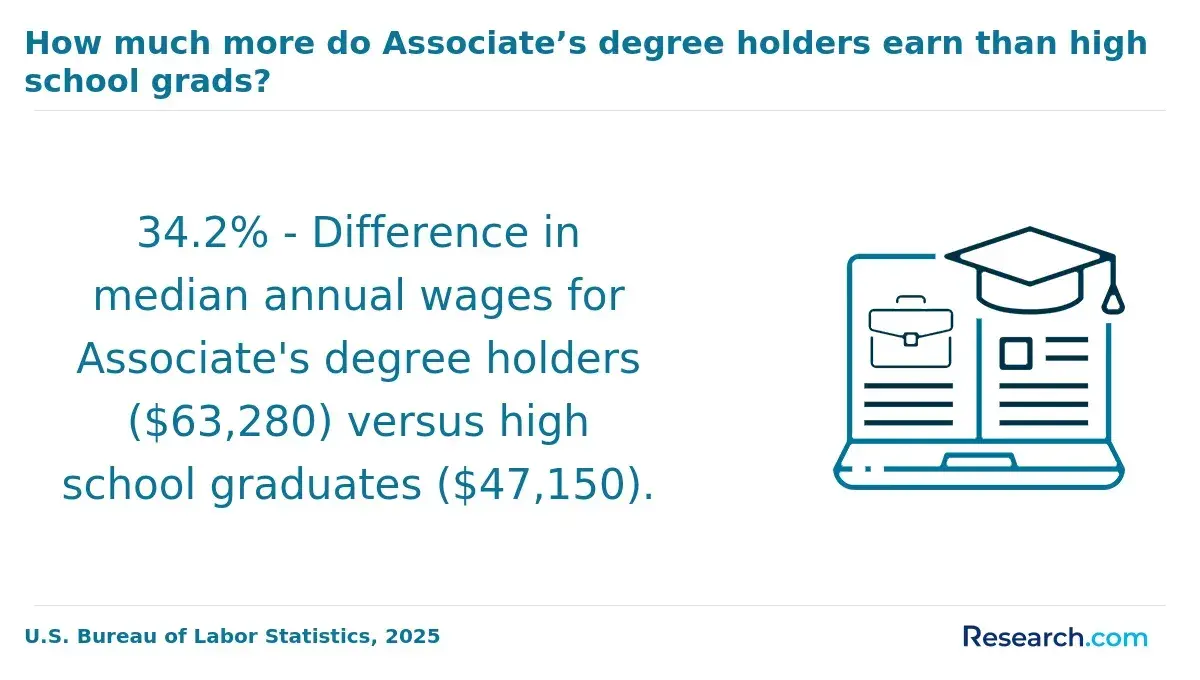
- Associate's Degrees: These two-year programs require a high school diploma and focus on foundational leadership skills for entry-level positions in tribal administration or community service. Graduates often see salary gains appropriate for early-career roles.
- Bachelor's Completion Programs: Designed for those with some college or an associate's degree, these 1-2 year online programs deepen understanding of leadership theory and Native American governance, serving professionals seeking supervisory or expanded roles.
- Master's Degrees: Requiring a bachelor's credential, these programs emphasize advanced leadership, policy analysis, and cultural competence. Geared toward mid-career students, master's degrees typically take two years and can significantly enhance earning potential and executive eligibility.
- Doctoral Programs: Targeted at experienced professionals and academics, these 3-5 year part-time studies combine research and practical fieldwork to prepare graduates for top leadership or academic careers, though completion rates tend to be lower due to program rigor.
- Post-Baccalaureate Certificates: Stackable and focused, these certificates offer specialized training in Native American leadership within a year, appealing to professionals seeking quick skill acquisition or steps toward advanced degrees.
IPEDS data shows higher enrollment and completion rates-around 60-70%-in associate and bachelor's programs compared to master's and doctoral levels, where outcomes vary with student support and flexibility. Applicants should assess prerequisites like prior credits and work experience to choose programs balancing accreditation, curriculum, costs, and career results. For those exploring the best options, consulting best online schools can provide valuable guidance.
What Is the Typical Cost of an Online Native American Leadership Degree, and How Can You Finance It?
The cost of an online Native American Leadership degree varies significantly depending on the institution and additional expenses throughout the program. Public universities often provide the most affordable options, with in-state tuition typically ranging from $6,000 to $15,000 annually. Out-of-state students may face higher fees, usually between $15,000 and $25,000 per year. Private nonprofit colleges generally cost between $20,000 and $40,000 annually, while for-profit institutions can be similar or more expensive and often add extra fees.
- Tuition Range: Varies by institution type-public in-state, public out-of-state, private nonprofit, and for-profit-with distinct price brackets for each.
- Additional Expenses: Beyond tuition, students should budget for technology fees, textbooks, virtual materials, and potential travel for required on-campus residencies or short-term sessions.
- Federal Financial Aid: Available options include Pell Grants-offering need-based aid with no repayment-and federal loans that are either subsidized, where interest is paid during enrollment, or unsubsidized. Veterans may be eligible for the GI Bill, which can cover a substantial portion of costs.
- Scholarships for Native American Leadership Students: Numerous opportunities exist through professional organizations, state workforce boards, and colleges. Many consider academic merit and leadership potential, easing the financial burden.
- Calculating Total Cost: Students should assess the full program cost, including all fees and travel, rather than relying solely on per-credit-hour tuition.
- Net Price Tools: Utilizing resources like the College Scorecard's net price calculator can help estimate out-of-pocket expenses after aid, offering realistic cost comparisons between programs.
How Long Does It Take to Complete an Online Native American Leadership Degree Program?
Associate's degree programs in Native American Leadership typically require about two years of full-time study, though part-time options can extend this to three or four years. Bachelor's degrees generally span four years full-time, with accelerated tracks at some schools enabling completion in three years or less-particularly for students transferring previous credits.
Master's degrees often take one to two years when pursued full-time, but working professionals frequently extend their studies to three or more years through part-time enrollment. Some programs feature competency-based models that allow learners with relevant experience to move faster. Doctoral programs show the greatest variability, ranging from three to six years depending largely on research demands and dissertation progress.
- Transfer Credits: Prior college coursework or military training accepted by a program can shorten time to degree significantly. Verification of transferable credits is essential.
- Enrollment Status: Full-time students generally complete programs faster than part-time learners balancing other commitments, though online formats usually accommodate both.
- Accelerated and Year-Round Options: Certain Native American Leadership programs offer continuous enrollment-including summer terms-to help students finish sooner.
- Prior Learning Assessment (PLA): Recognition of professional experience and prior education enables some students to earn credit and reduce course requirements.
- Program Duration Limits: Accreditation and financial aid rules impose minimum and maximum completion times; exceeding these limits risks financial aid eligibility due to satisfactory academic progress (SAP) policies.
Reviewing average completion times reported by accredited online Native American Leadership programs-rather than just their advertised lengths-provides a more realistic perspective on how long earning these degrees generally takes, especially accounting for part-time study and life interruptions.
What Core Curriculum and Coursework Should a Quality Online Native American Leadership Program Include?
High-quality online Native American Leadership programs feature a comprehensive curriculum aligned with standards from accrediting bodies like the American Indian Higher Education Consortium (AIHEC) or the Council for Accreditation of Counseling and Related Educational Programs (CACREP). These programs integrate cultural knowledge with leadership theory and applied practice to equip graduates for complex roles in tribal governance and advocacy.
Core courses often cover:
- Cultural Foundations: Native American history, tribal sovereignty, and contemporary issues provide critical context.
- Leadership Theory and Practice: Organizational management, conflict resolution, and ethical decision-making tailored to Indigenous contexts.
- Policy and Legal Studies: Federal Indian law, tribal policy development, and regulatory compliance challenges.
- Community Development and Advocacy: Program planning, resource management, and grassroots organizing skills.
- Research Methods and Evaluation: Culturally respectful methodologies and data analysis techniques.
- Capstone or Integrative Experience: A culminating project or fieldwork synthesizing academic learning with practical leadership challenges.
Graduates should demonstrate measurable competencies such as strategic planning, intercultural communication, advocacy for tribal sovereignty, and ethical leadership. These outcomes translate directly into workforce skills valued by Native American Leadership employers-enabling graduates to manage tribal organizations, steward resources responsibly, and engage diverse stakeholders effectively.
Leading programs maintain currency through formal curriculum review cycles every 3 to 5 years, guided by advisory boards of Native leadership professionals and community elders. This ensures responsiveness to evolving economic development strategies, governance models, and federal regulatory updates.
Prospective students are advised to request sample course sequences, syllabi, and detailed outcomes maps-moving beyond marketing materials to assess alignment with their career goals and educational needs.
Enrollments in Native American Leadership degree programs increased over 10% between 2020 and 2023, according to the National Center for Education Statistics, reflecting growing demand for culturally competent leaders in tribal institutions.
Which Online Native American Leadership Programs Offer the Best Return on Investment for Working Adults?
Evaluating the return on investment of top accredited online Native American leadership programs for career advancement requires a detailed review of program costs relative to graduate earnings, employment rates, and loan default statistics drawn from authoritative outcome reports.
Public universities offering these degrees often deliver the greatest value-combining affordable tuition with strong local and tribal employer networks that actively recruit alumni. Such programs benefit from state reciprocity agreements, which reduce tuition for qualifying students, a crucial advantage for working adults balancing education with financial responsibilities.
- Program Cost: Online Native American leadership degrees at public institutions typically have lower tuition and fees compared to private schools, easing upfront financial commitments for students.
- Post-Graduation Salary: Graduates gain competitive median earnings six and ten years after enrollment, reflecting the programs' emphasis on practical leadership skills and cultural competence relevant to tribal and government roles.
- Employment Rates: Robust partnerships with tribal governments, nonprofits, and community organizations increase job placement rates in fields aligned with Native American leadership and administration.
- Loan Default Rates: Graduates of highly ranked public programs often exhibit lower loan default rates, signifying effective debt management supported by stable career placements and income.
- Tuition Reimbursement and Scholarships: Many programs collaborate with employers and tribal entities to provide financial assistance and scholarships, substantially improving affordability for adult learners.
- In-State Tuition Reciprocity: Agreements between states lower costs further for eligible students, adding to the overall financial advantage of online Native American leadership degrees for working professionals.
Prospective students should look beyond general rankings and carefully examine institution-specific data-especially median earnings at six and ten years post-enrollment-to accurately assess a program's long-term ROI. For those exploring related fields, resources such as the UI/UX masters degree online also offer insight into affordable, career-focused online graduate programs.
What Admissions Requirements Do the Top Online Native American Leadership Programs Typically Require?
Admissions requirements for online Native American leadership degree admissions criteria vary widely-reflecting program rigor, selectivity, and institutional type. Competitive graduate programs, especially those offered by research universities, typically enforce more demanding standards than open-enrollment community college programs focused on foundational learning.
Typical admissions criteria for top-tier online Native American leadership programs include:
- Minimum GPA: Most selective programs expect an undergraduate GPA of at least 3.0 on a 4.0 scale, though some may consider applicants with slightly lower GPAs if other aspects of the application stand out.
- Standardized Tests: Many graduate programs have adopted test-optional policies, eliminating GRE or similar test requirements due to shifting priorities; however, some institutions still request GRE scores-especially if applicants lack relevant academic or professional experience.
- Letters of Recommendation: Applicants usually submit two to three letters from faculty or professional supervisors who can attest to leadership potential, commitment to Indigenous issues, and academic readiness.
- Personal Statement: A thoughtfully written essay outlining the applicant's background, career goals, and motivations related to Native American leadership is essential for demonstrating cultural awareness and leadership vision.
- Professional Experience: Master's level programs often prefer candidates with several years of relevant work or community leadership experience to enrich academic discussions.
- Prerequisite Coursework: Applicants without formal education in Native American studies or leadership theory may need foundational courses before or early during their program to prepare for advanced research and discussion.
Admissions standards differ substantially across program tiers. Open-enrollment community colleges typically require only a high school diploma or GED-making them accessible for those starting their educational journey. In contrast, selective graduate programs demand evidence of both academic achievement and substantive engagement with Indigenous leadership issues.
Because admissions policies-including test requirements and prerequisite coursework-can change from cycle to cycle, prospective students should consult admissions advisors for current information. This guidance helps applicants realistically assess competitiveness and identify necessary preparatory steps to succeed in a respected online Native American Leadership program.
Working adults and recent graduates aiming to expand leadership potential can compare these criteria with their credentials to find the right fit. For those interested in similar fields, exploring a masters in history might offer complementary pathways and insights aligned with Indigenous leadership studies.
What Career Paths and Job Titles Are Available to Online Native American Leadership Degree Graduates?
Graduates with an online Native American leadership degree can pursue a wide variety of career paths spanning public agencies, tribal governments, nonprofits, and private organizations-each valuing cultural expertise, leadership abilities, and community-centered knowledge.
- Tribal Administration: Entry-level roles often include tribal program coordinators and community liaison officers who assist with governance and service delivery. Advancement may lead to executive director positions or tribal council representation.
- Community Development: Careers focus on economic initiatives, housing programs, and health projects designed for Native populations. Early roles include grant writing and project coordination, progressing to strategic planning and senior management.
- Social Services: Graduates may begin as case managers or outreach workers in agencies serving Native American families. Additional credentials open doors to roles like clinical social worker or program director.
- Education and Cultural Preservation: Positions such as curriculum developer, education coordinator, and cultural program director support preservation of Native languages and heritage through collaboration with schools and tribal organizations.
- Legal and Advocacy Fields: Entry-level opportunities include paralegal and advocacy assistant roles supporting tribal law enforcement and policy initiatives. With further training, graduates can advance to policy advisors or tribal court administrators.
- Healthcare Administration: Roles focus on addressing Native American health disparities, including health program coordinators and patient outreach specialists. Advanced degrees may lead to healthcare manager or public health director positions.
- Career Progression and Flexibility: This degree serves as a foundation for career shifts from adjacent fields like social work, education, or public administration, enabling professionals to move into Native American leadership roles through targeted certifications or practical experience. Typically, individuals progress from entry-level jobs to leadership and policy design positions within five to ten years.
This degree prepares graduates to bridge the gap between tradition and contemporary administration-opening doors in governance, education, health, social services, and advocacy-while driving long-term positive impact within Native communities.
What Is the Salary Outlook for Professionals with an Online Native American Leadership Degree?
Earning an online Native American Leadership degree opens up a variety of career opportunities and can significantly impact your earning potential. As organizations increasingly prioritize diversity and inclusive leadership, professionals with specialized training in Native American leadership are in growing demand.
- Degree Level: Graduates with a bachelor's degree in Native American leadership usually earn median salaries ranging from $45,000 to $65,000 annually, while those with master's or higher degrees often see this rise to between $65,000 and $90,000.
- Experience: Entry-level professionals typically start near $40,000, with pay increasing substantially over five to ten years of experience-often exceeding $80,000-as they assume greater leadership responsibilities.
- Industry Sector: Compensation varies by sector: Tribal governments generally offer steady but moderate salaries.Nonprofit organizations and private consulting firms may provide higher pay levels. Educational roles, particularly for Native American program administrators, can offer competitive wages tied to tenure and credentials.
- Geographic Market: Regions with larger tribal populations or states investing heavily in Native American programs-like Arizona, New Mexico, and Washington-typically offer higher salaries, reflecting demand and cost of living.
- Specialization: Positions focusing on legal advocacy, economic development, or federal relations often command premium pay due to specialized expertise.
- Professional Credentials: Certifications such as Certified Tribal Leader or credentials in Indigenous governance and nonprofit management usually enhance earning potential. Online graduates should pursue these qualifications post-degree to boost salary growth and networking opportunities.
- Salary Projections: Employment in Native American leadership is expected to grow steadily, with wage increases likely to meet or slightly outperform national trends in public administration and social sciences.
- Data Verification: It's important to regularly consult updated BLS reports and salary surveys, as compensation can fluctuate with policy shifts and economic conditions.
What Graduates Say About the Best Online Native American Leadership Degrees for Jobs
- Kayden: "What truly stood out to me about the best online Native American Leadership degrees was their strict adherence to accreditation standards-this gave me confidence that my diploma would be respected by employers. The curriculum rigor challenged me intellectually and professionally, preparing me to navigate complex leadership roles in tribal organizations. Plus, the cost and return on investment made it a smart choice, as I was able to advance my career without a mountain of debt."
- Cannon: "Reflecting on my journey, the practical experience requirements in my online Native American Leadership program were invaluable-real-world projects helped me apply theory beyond the classroom. The student support infrastructure was another highlight; advisors and faculty were always accessible, which made balancing work and study much easier. These aspects combined made the degree feel deeply relevant and worth the time invested."
- Nolan: "From a professional standpoint, I appreciated how career outcomes were clearly mapped out by prospective programs in Native American Leadership-knowing graduates secured meaningful leadership roles was reassuring. The curriculum rigor ensured I developed critical thinking and strategic planning skills essential to leadership in indigenous communities. This kind of degree is a necessary investment for anyone serious about making a difference."
Other Things You Should Know About Native American Leadership Degrees
The best online Native American leadership programs develop a range of essential skills including cultural competency, ethical decision-making, community engagement, and policy analysis. Graduates learn to navigate tribal governance structures and apply leadership principles tailored to the unique needs of Native communities. Communication and conflict resolution skills are emphasized to prepare students for collaborative work within diverse groups.
Online Native American leadership programs typically require internships or practicum experiences arranged locally to provide hands-on learning. Students collaborate with tribal organizations, nonprofits, or governmental agencies that serve Native populations. Programs offer placement support to connect students with appropriate practicum sites to ensure relevant, real-world leadership experience.
Strong student support services in these programs include academic advising, career counseling, and technical assistance tailored to online learners. Many programs offer virtual networking events, mentorship from Native leaders, and alumni connections that help students build professional relationships within Native communities and leadership circles. These resources enhance both academic success and career advancement.
References
- National Institute for Native Leadership in Higher Education | ACPA https://myacpa.org/ninlhe/
- Bachelor's Degree in Native American Studies Online | ECU Online https://online.ecok.edu/online-degrees/native-american-studies/
- Bielizna damska - sklep internetowy - Intymna.pl https://www.intymna.pl/m1,1,0,0,man-957,key
- Working in Indian Country | NCAI https://www.ncai.org/resources/job-listings
- Native-Focused Student Services and Degree Programs - Map | American Indian College Fund https://collegefund.org/cre/explore-careers/native-focused-student-services-and-degree-programs-map/
- Tribal Finance - Native Governance Center https://nativegov.org/programs/tribal-finance/
- What Can You Do With a Native Studies Degree? | SJC https://www.sanjuancollege.edu/blog/what-can-you-do-native-studies-degree/
- Top 15 Online Colleges for Native Master’s Students https://www.onlinemastersdegrees.org/features/best-colleges-native-american-alaskan-students/
- napedykey.pl https://napedykey.pl/
- Definition of KEY https://www.merriam-webster.com/dictionary/key