2027 Best Online Ministry Leadership Doctorate Programs for Nonprofit, Policy, and Community Leadership Careers

Co-Founder and Chief Data Scientist
Choosing an online ministry leadership doctorate is a high-stakes decision if your goal is to lead nonprofits, advocacy initiatives, faith-based agencies, or community partnerships. Giving USA reported in 2024 that charitable giving reached $557.16 billion, showing the scale of mission-driven work and the need for capable leaders.
This guide explains how to compare program quality, specialization fit, cost, format, accreditation, and career alignment so you can identify a doctorate that supports your leadership goals without overpaying or choosing a poorly matched path.
Key Things You Should Know
- The strongest online ministry leadership doctorate for nonprofit, policy, or community careers is usually an accredited, applied program with leadership coursework, field-based projects, and faculty connected to faith-based or civic organizations.
- BLS 2024 outlook data projects 8% growth for social and community service managers from 2023 to 2033, so programs that build budgeting, evaluation, partnership, and organizational leadership skills are especially relevant.
- Graduate borrowing costs matter: Federal Student Aid set 2024-25 graduate Direct Unsubsidized Loan interest at 8.08% and Grad PLUS at 9.08%, making total program cost and completion time central to ROI.
Which Online Ministry Leadership Doctorate Programs Are Best for Nonprofit, Policy, and Community Leadership?
The best online ministry leadership doctorate is not the same for every student. A senior pastor building a community development nonprofit, a policy advocate working with faith coalitions, and a director of family services may all need different coursework, faculty, field placements, and dissertation or project options.
For most nonprofit, policy, and community leadership careers, the best-fit programs share several traits: institutional accreditation, transparent costs, flexible online delivery, applied leadership courses, and a final project that solves a real organizational or community problem.
A Doctor of Ministry, often called a DMin, is commonly the most practice-oriented option. A PhD is usually more research-intensive. An EdD or doctorate in organizational leadership with a ministry or faith-based leadership focus may also fit students who want broader nonprofit or educational leadership preparation.
The table below compares common online doctorate program types by career fit. Use it to narrow your search before comparing individual schools.
| Program type | Best fit | Typical final requirement | Potential limitation |
| Online Doctor of Ministry in leadership | Experienced ministry, nonprofit, and faith-based community leaders who want applied leadership training | Applied ministry project, capstone, or portfolio | May be less suited to students seeking university research faculty roles |
| Online PhD in ministry, practical theology, or leadership | Students interested in research, teaching, policy analysis, or scholarly work on religion and society | Dissertation | Often requires stronger research preparation and a longer completion timeline |
| Online EdD or organizational leadership doctorate with ministry emphasis | Leaders working across nonprofits, education, workforce development, or community partnerships | Dissertation in practice or applied doctoral project | May offer less theological depth than a ministry-specific doctorate |
| Hybrid ministry leadership doctorate | Students who value online study but want in-person cohorts, residencies, and faculty interaction | Project, dissertation, or integrated practicum | Travel costs and schedule demands can raise the total cost of attendance |
A strong program for nonprofit executives should include governance, fundraising, financial stewardship, strategic planning, and program evaluation. A strong program for policy-oriented leaders should include public theology, ethics, civic engagement, advocacy, research methods, and systems analysis. A strong program for community leadership should emphasize collaboration, conflict transformation, cultural competence, asset-based community development, and measurable impact.
Applicants should be cautious about rankings that do not explain their methodology. A lower-cost accredited program with a strong applied project, relevant faculty, and a flexible format may be a better choice than a more visible school that does not match your sector or schedule.
Which Ministry Leadership Doctorate Specializations Best Align With Nonprofit, Policy, and Community Leadership?
Specialization fit is one of the most important decisions because ministry leadership doctorates can point toward very different outcomes. The right concentration should connect your doctoral project, faculty mentorship, and professional network to the communities or institutions you want to serve.
The comparison below shows how common specializations align with nonprofit, policy, and community leadership goals.
| Specialization or emphasis | Best-aligned leadership goals | Skills to look for |
| Nonprofit leadership | Executive director, program director, development leader, faith-based agency administrator | Board governance, fundraising, grant strategy, financial management, impact reporting |
| Community leadership or community development | Coalition director, outreach leader, community engagement strategist, neighborhood initiative leader | Partnership building, community assessment, conflict mediation, participatory planning |
| Public theology, ethics, or policy | Advocacy director, policy liaison, faith coalition leader, public affairs specialist | Policy analysis, ethical reasoning, civic engagement, legislative communication |
| Organizational leadership | Senior administrator, change management consultant, training director, cross-sector leader | Organizational change, team leadership, strategy, assessment, executive communication |
| Pastoral care and community care | Chaplaincy-adjacent leadership, community support programs, congregational care systems | Trauma-informed leadership, referral systems, supervision, crisis response boundaries |
Students who want broader leadership mobility beyond ministry settings should compare ministry doctorates with organizational leadership pathways. Reviewing the best organizational development master's programs online can also help applicants identify leadership topics they may want to see at the doctoral level, such as change management, organizational assessment, and team development.
A common mistake is choosing a concentration because it sounds inspiring rather than because it supports a specific leadership problem. Before enrolling, write a one-sentence goal such as, "I want to lead a faith-based housing nonprofit," or "I want to build policy partnerships around food insecurity." Then compare each specialization against that goal.
Strong applicants often ask schools for examples of recent doctoral projects. If project titles show work in nonprofit strategy, advocacy, community engagement, or organizational transformation, the program may be better aligned with mission-driven leadership than a program focused mainly on congregational preaching or internal church administration.
What Curriculum Should a Ministry Leadership Doctorate Offer for Mission-Driven Leadership?
A ministry leadership doctorate for mission-driven leadership should go beyond theology courses. The curriculum should help students interpret community needs, manage organizations, lead diverse teams, evaluate programs, and communicate ethically in public settings.
For nonprofit, policy, and community leadership careers, look for courses that build both values-based judgment and executive-level management capacity. A well-rounded curriculum often includes the following elements.
- Leadership theory and practice: Courses should cover adaptive leadership, servant leadership, organizational behavior, strategic decision-making, and leading change in complex systems.
- Nonprofit management: Look for board relations, fundraising, grant writing, budgeting, compliance, volunteer management, and program sustainability.
- Community research and assessment: Strong programs teach students to gather data, interview stakeholders, interpret community needs, and translate findings into action.
- Policy, ethics, and public engagement: Policy-oriented students should see coursework in public theology, social ethics, advocacy, civic communication, and institutional accountability.
- Evaluation and outcomes measurement: Programs should train leaders to define goals, measure impact, report results, and revise initiatives based on evidence.
- Applied project design: The best practice-focused doctorates help students build a project that can be implemented in a real organization or community context.
Students interested in community care should also understand the difference between leadership training and clinical preparation. If your goal includes licensed counseling, compare ministry leadership coursework with online masters programs for counseling, because a ministry doctorate alone typically does not meet counseling licensure requirements.
BLS 2024 wage data can help put curriculum choices in context. The median annual pay for social and community service managers was $78,240 in May 2024, but compensation varies by employer type, geography, and scope of responsibility. That means the most valuable curriculum is not simply the most theological or the most managerial; it is the one that strengthens the leadership skills your target roles actually reward.
Applicants should avoid programs where course descriptions are vague. A course called "advanced leadership" is less helpful than one that clearly lists competencies such as organizational assessment, stakeholder facilitation, strategic budgeting, or evaluation design.
The choice between an applied and research-focused ministry leadership doctorate shapes your workload, final project, career signal, and long-term usefulness. Neither option is automatically better; the stronger choice depends on whether you want to solve leadership problems in the field or produce original scholarship.
The table below summarizes the practical trade-offs. Use it to decide which doctorate type matches your career direction before comparing tuition or brand recognition.
| Decision factor | Applied doctorate | Research-focused doctorate |
| Common degrees | DMin, EdD, applied leadership doctorate | PhD in ministry, theology, leadership, or practical theology |
| Best for | Nonprofit executives, ministry leaders, community initiative directors, practitioner-consultants | Researchers, scholars, policy analysts, academic writers, future faculty candidates |
| Final requirement | Applied project, dissertation in practice, or organizational intervention | Traditional dissertation based on original research |
| Core strength | Immediate application to an organization or community problem | Deep research training and contribution to scholarly knowledge |
| Possible drawback | May carry less weight for research-intensive academic roles | May feel less directly useful for leaders who need practical tools quickly |
An applied doctorate usually makes the most sense if you are already working in a nonprofit, congregation, agency, school, or advocacy network and want to improve a real system. Your doctoral project might redesign a volunteer pipeline, create a community needs assessment, strengthen a reentry ministry, or build a cross-sector coalition.
A research-focused doctorate may be the better option if you want to study religion and public life, teach at the postsecondary level, publish research, or influence policy through scholarship. It can also be valuable for leaders who want rigorous qualitative or quantitative research skills, although it may take longer and require more independent writing.
One red flag is a program that advertises itself as both fast and deeply research-intensive without explaining dissertation expectations. Doctoral research requires time, feedback, and methodological training. If a school cannot clearly explain milestones, committee support, and completion expectations, ask more questions before applying.
Accreditation is a baseline requirement, not a bonus feature. For online ministry leadership doctorates, applicants should first confirm institutional accreditation from a recognized accrediting agency. This affects federal financial aid eligibility, credit transfer, employer trust, and the perceived legitimacy of the doctorate.
Ministry-related programs may also hold accreditation or approval from faith-based or theological accrediting bodies, depending on the institution and degree type. The most important step is to verify the exact institution and degree, not just the school's marketing language.
Before applying, use this checklist to evaluate accreditation and quality safeguards.
- Confirm that the institution appears in the U.S. Department of Education or Council for Higher Education Accreditation database under a recognized accreditor.
- Ask whether the specific doctoral program is included under the institution's accredited offerings.
- Check whether theological or ministry-specific accreditation applies to the school, seminary, or department offering the doctorate.
- Verify whether the program qualifies for federal financial aid if you plan to borrow.
- Ask employers, denominational bodies, or professional networks whether they recognize the degree for your intended leadership path.
- Be cautious if a school uses confusing language such as "internationally accredited" without naming a recognized accrediting agency.
Accreditation does not guarantee a program is the right fit, but lack of recognized accreditation is a major warning sign. For nonprofit and policy leadership roles, credibility matters because doctoral credentials often appear in grant proposals, board materials, public-facing biographies, and stakeholder communications.
Students should also remember that accreditation is not the same as licensure approval. A ministry leadership doctorate may support executive leadership, teaching, consulting, or community work, but state-licensed professions such as counseling, social work, psychology, or marriage and family therapy have separate education and supervised practice requirements.
Online ministry leadership doctorates vary widely in format. Some are almost fully asynchronous, while others require live online seminars, annual residencies, cohort intensives, or field-based learning in the student's organization. These differences can affect cost, time management, networking, and project quality.
The table below explains common format features and why they matter for working professionals.
| Format feature | What it means | Best for | Watch for |
| Asynchronous online courses | Students complete weekly work on their own schedule | Leaders with unpredictable work, travel, or ministry responsibilities | Less real-time interaction unless faculty intentionally build engagement |
| Synchronous online seminars | Students meet virtually at scheduled times | Students who want discussion, accountability, and cohort connection | Time zone conflicts and evening or weekend commitments |
| Short residencies | Students travel to campus or a retreat site for intensives | Students who value networking and faculty access | Travel, lodging, meals, and time away from work |
| Embedded fieldwork | Students complete projects in a ministry, nonprofit, or community setting | Practitioner-leaders who want direct organizational impact | Need for supervisor approval, site access, and ethical review |
| Cohort model | Students move through the program with the same peer group | Students who benefit from structured pacing and professional relationships | Less flexibility if you need to pause or slow down |
Experiential learning is especially important for students targeting nonprofit, policy, and community leadership. A strong program should let you connect assignments to your workplace or community context, while still teaching ethical research practices and stakeholder accountability.
Ask admissions teams direct questions before you enroll. The answers will tell you whether the online format supports working professionals or simply moves traditional coursework onto a learning platform.
- How many campus visits or residencies are required, and what are the estimated travel costs?
- Are classes asynchronous, synchronous, or a mix of both?
- Can the doctoral project be completed in my current organization or community setting?
- What technology, proctoring, or live attendance requirements should I expect?
- How are online students connected with faculty, alumni, and peer cohorts?
- What happens if my job changes or I lose access to my original project site?
A common mistake is overlooking residency costs because tuition looks affordable. Even a short residency can add meaningful expenses if it requires flights, lodging, meals, and unpaid time away from work.
Admissions requirements differ by school and degree type, but online ministry leadership doctorates are usually designed for experienced professionals rather than students coming directly from a bachelor's degree. Most programs expect a graduate degree, leadership experience, references, writing ability, and a clear reason for pursuing doctoral study.
Applicants should be prepared to document both academic readiness and leadership fit. Common requirements include the following.
- A master's degree, often in ministry, theology, divinity, leadership, nonprofit management, education, or a related field
- Official transcripts showing graduate-level academic performance
- Professional or ministry leadership experience, sometimes with a minimum number of years required
- A statement of purpose explaining career goals and a potential doctoral project or research interest
- Letters of recommendation from supervisors, faculty, ministry leaders, or organizational partners
- A writing sample, research paper, sermon manuscript, project proposal, or professional portfolio
- Resume or curriculum vitae showing leadership responsibilities, service, publications, presentations, or organizational accomplishments
- Interview with faculty or admissions staff, especially for cohort-based programs
Students moving from care ministry into licensed helping professions should not assume a ministry doctorate will replace licensure-track graduate training. Comparing the different types of counseling degrees can clarify whether your goal requires counseling, social work, psychology, marriage and family therapy, or pastoral leadership preparation.
Admissions selectivity is not the only sign of quality. For practitioner doctorates, a program may be accessible but still rigorous if it requires strong writing, relevant experience, ethical project design, and ongoing faculty feedback. Conversely, a program that admits students without reviewing leadership experience or writing readiness may create problems later during the doctoral project or dissertation stage.
Before applying, prepare a concise project idea tied to your leadership context. You do not need a finished dissertation proposal, but you should be able to explain the problem you want to address, who it affects, and why doctoral-level study would help you respond more effectively.
Costs for online ministry leadership doctorates vary by institution type, credit load, tuition model, residency requirements, and whether the school charges additional technology, graduation, dissertation, or continuation fees. The advertised per-credit price is only one part of the real cost.
Federal Student Aid's 2024-25 loan rates are a useful reminder that financing choices matter. Graduate Direct Unsubsidized Loans carried an 8.08% fixed interest rate for that award year, while Grad PLUS Loans carried 9.08%. If you borrow heavily, a shorter and lower-cost accredited program may produce a stronger financial outcome than a prestigious but expensive option that does not improve your career path.
When comparing costs, separate fixed tuition from variable expenses. The following cost categories are the ones most likely to change your total budget.
- Tuition model: Some schools charge per credit, while others use flat-rate tuition per term or per program.
- Total credits: A lower per-credit price can still be expensive if the degree requires many more credits.
- Residency expenses: Travel, lodging, meals, parking, and time away from work can add costs beyond tuition.
- Fees: Technology, library, student services, dissertation, continuation, and graduation fees may apply.
- Books and materials: Doctoral programs often require specialized texts, research tools, and software.
- Lost income or reduced hours: Working professionals should estimate whether coursework will affect consulting, overtime, pastoral duties, or nonprofit leadership responsibilities.
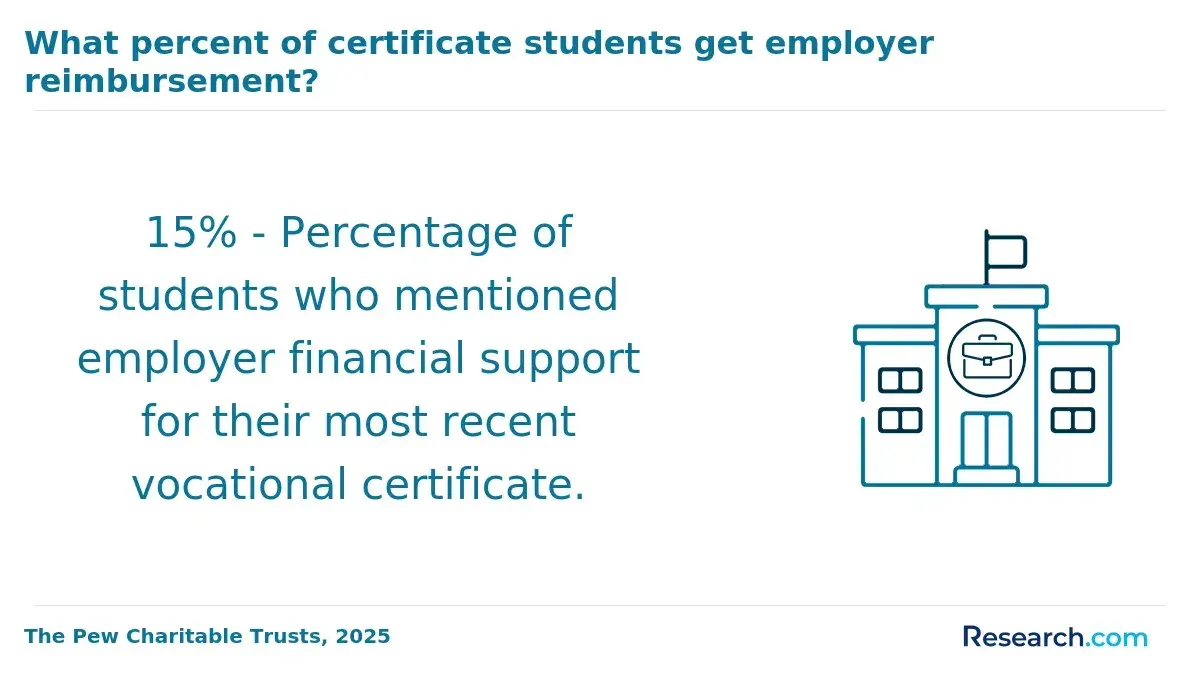
Funding options may include employer tuition support, denominational scholarships, seminary grants, veterans benefits, private scholarships, payment plans, federal loans, or professional development funds from a nonprofit employer. Some students also align their doctoral project with a grant-funded organizational initiative, but you should not count on project funding unless it is confirmed in writing.
Use a simple comparison method before committing. Add tuition, mandatory fees, expected residency expenses, books, loan interest considerations, and likely time to completion. Then compare that total with your realistic career goals, not with a best-case salary scenario.
Be wary of programs that market "affordable tuition" without publishing total credits, fees, residency requirements, or continuation charges. Transparency is a major quality signal.
Faculty and networks can make the difference between a doctorate that remains theoretical and one that expands your leadership capacity. For nonprofit, policy, and community leadership careers, the strongest programs connect students with faculty who have real expertise in organizational change, public theology, community development, philanthropy, ethics, or applied research.
Faculty credentials matter, but so does fit. A renowned scholar in biblical studies may be valuable, but if your doctoral project is about a regional housing coalition, you also need mentorship in community partnerships, research design, and organizational implementation.
Evaluate professional connections through evidence, not promises. Strong programs can usually point to specific mechanisms that help online doctoral students build relationships.
- Faculty profiles showing publications, consulting, nonprofit leadership, policy work, or community-based research
- Doctoral cohorts that include pastors, nonprofit executives, chaplains, educators, and civic leaders
- Alumni working in faith-based agencies, foundations, advocacy organizations, universities, or community initiatives
- Residencies or intensives designed around workshops, project feedback, and peer consultation rather than passive lectures
- Partnerships with denominations, seminaries, nonprofits, or community organizations
- Opportunities to present research, publish applied work, or contribute to professional conferences
Networking is especially valuable in mission-driven careers because many leadership roles are filled through trust-based relationships, board referrals, denominational networks, and cross-sector partnerships. The most useful network is not always the largest; it is the one connected to the kind of communities and organizations you want to lead.
Ask to speak with current students or alumni before enrolling. Their answers can reveal whether online students receive meaningful mentorship or whether most relationship-building happens only for campus-based learners.
How Should You Evaluate Career Outcomes and ROI When Choosing an Online Ministry Leadership Doctorate?
ROI for an online ministry leadership doctorate should be evaluated broadly. Salary matters, but so do leadership scope, organizational influence, consulting opportunities, teaching options, personal mission, and the ability to solve complex community problems.
BLS 2024 outlook data projects faster-than-average growth for social and community service managers from 2023 to 2033. That does not mean a doctorate is required for every role, but it does suggest continued need for leaders who can manage programs, staff, budgets, partnerships, and accountability expectations in community-serving organizations.
Use the following sequence to evaluate ROI before you choose a program.
- Define your target role, such as nonprofit executive director, policy advocate, community development leader, denominational executive, educator, or consultant.
- Check whether people in that role typically need a doctorate, a master's degree, professional experience, licensure, or sector-specific credentials.
- Compare total program cost, including fees, residencies, books, and likely borrowing costs.
- Review the curriculum for direct alignment with your target role's responsibilities.
- Ask for examples of recent doctoral projects and alumni career paths.
- Estimate the opportunity cost of study time, especially if you will reduce work hours or pause consulting income.
- Decide whether the degree will help you gain new responsibilities, credibility, teaching opportunities, grant capacity, or organizational influence.
For students whose long-term goal is licensed family or relationship therapy, ROI should be measured against licensure pathways rather than ministry leadership alone. In that case, comparing the best online MFT programs may be more relevant than pursuing a ministry doctorate first.
Common mistakes can reduce ROI even when the school is accredited. Avoid choosing based only on tuition, prestige, speed, or inspirational language. Also avoid assuming that every DMin, PhD, or leadership doctorate has the same market value. Employers and boards will care about what you can do with the degree: lead teams, manage resources, communicate across sectors, evaluate programs, and produce measurable community benefit.
The best final decision is usually the program that fits your leadership problem, your schedule, your budget, and your professional network. If a doctorate does not clearly strengthen at least two of those areas, it may be worth considering a certificate, second master's degree, coaching credential, or targeted professional development instead.
Other Things You Should Know About Ministry Leadership
Yes, depending on the curriculum and your experience. Programs with nonprofit management, community engagement, organizational leadership, ethics, and evaluation coursework can support roles in faith-based nonprofits, advocacy groups, education, chaplaincy administration, community coalitions, and consulting.
Yes, a DMin is a professional doctorate when awarded by an accredited institution. It is usually practice-focused rather than research-focused, so it is best for experienced ministry and mission-driven leaders who want to apply advanced learning to real leadership settings.
Many programs take about three to five years, but timelines vary by credit load, dissertation or project requirements, residency schedules, and whether you study full time or part time. Ask schools for completion data and policies on project extensions.
Not always. Some programs require ministry experience or denominational endorsement, while others admit nonprofit executives, educators, chaplains, and community leaders. Check whether the program defines ministry broadly enough to include your professional context.
- Doctoral Degree in Ministry Leadership | Virginia Christian College https://www.vcc.edu/doctoral-degree-program
- Christian Leadership Degree Careers: What Can You Do in Ministry or the Marketplace? https://anchoru.com/christian-leadership-degree-careers-what-can-you-do-in-ministry-or-the-marketplace/
- Doctor of Philosophy (Ph.D.) in Organizational Leadership and Christian Ministry https://eldermont.com/course/doctor-of-philosophy-ph-d-in-organizational-leadership-and-christian-ministry/
- 50 Top Recommended- Best Master of Divinity Programs (MDiv) https://christianministryedu.org/editors-picks/50-top-recommendations-best-master-of-divinity-programs-mdiv/
- Education: Ministry Leadership Concentration Program • North Greenville University https://www.ngu.edu/programs/education-doctor/educational-ministry-leadership/
- Doctorate Programs - Faith Leads University https://flu.education/doctorate-programs/
- Doctor of Ministry in Transformational Leadership - Graduate Theological Foundation https://gtfeducation.org/academics/doctoral-programs/doctor-of-ministry-d-min/doctor-of-ministry-in-transformational-leadership/
- DMin or PhD - Which Path Fits Your Ministry or Academic Goals https://united.edu/dmin-or-phd/
- Program Details: https://www.eastern.edu/academics/online-undergraduate-programs/ba-ministry-leadership-online
- Doctor of Ministry | #1 Most Affordable Online Classes https://cornerstonecollege.org/academics/programs/doctor-of-ministry/