2027 Best Online Ministry Leadership Doctorate Programs for Career Advancement Beyond a Master's Degree

Co-Founder and Chief Data Scientist
Choosing a doctorate after a master's degree is a major career and financial decision, especially in ministry leadership where advancement often depends on trust, experience, scholarship, and organizational influence. The U. S. Bureau of Labor Statistics reported a May 2024 median wage of $78,240 for social and community service managers, a useful benchmark for faith-based nonprofit leadership roles.
This guide is for pastors, chaplains, nonprofit leaders, educators, and ministry executives comparing online doctoral options. You'll learn which programs fit different goals, when the degree is worth it, and how to evaluate career value before enrolling.
Key Things You Should Know
- An online ministry leadership doctorate is most valuable when it connects directly to a target role, such as senior pastor, denominational executive, seminary instructor, chaplaincy leader, nonprofit director, or faith-based organizational strategist.
- Salary upside varies widely by role and employer; May 2024 BLS data places social and community service managers at a $78,240 median wage and postsecondary education administrators at $104,070, but ministry compensation often depends on institution size, funding, region, and responsibilities.
- The strongest programs usually combine accredited doctoral study, applied leadership research, flexible online delivery, cohort networking, and a dissertation or capstone that solves a real ministry or organizational problem.
Which Online Ministry Leadership Doctorate Programs Best Support Career Advancement Beyond a Master's Degree?
The online ministry leadership doctorate programs that best support advancement are not always the most famous or the fastest. They are the programs whose degree type, curriculum, faculty, research model, and network match the next role you want after the master's degree.
For most working professionals, the main choice is between an applied professional doctorate and a research-centered doctorate. A Doctor of Ministry, often called a DMin, is usually designed for experienced ministry practitioners who want to improve leadership, preaching, discipleship, pastoral care, mission strategy, or organizational effectiveness. A PhD in ministry, practical theology, leadership, or a related field is usually better for people who want deeper academic research preparation, especially for publishing, faculty roles, or scholarly leadership.
The table below compares common online doctorate pathways by career goal. Use it to narrow your search before comparing schools, tuition, and admissions requirements.
| Doctoral pathway | Best fit after a master's degree | Common career advancement use | Typical culminating project |
| Doctor of Ministry in Ministry Leadership | Pastors, chaplains, ministry directors, and church executives | Senior ministry leadership, denominational influence, applied pastoral innovation | Applied ministry project or doctoral project |
| Doctor of Strategic Leadership or Organizational Leadership with ministry focus | Faith-based nonprofit leaders and ministry executives | Executive leadership, change management, consulting, organizational strategy | Applied research project or dissertation |
| PhD in Practical Theology, Ministry, or Leadership | Professionals pursuing teaching, scholarship, or research-intensive leadership | Seminary teaching, academic research, theological publishing, advanced consulting | Research dissertation |
| EdD with faith-based leadership emphasis | Christian school, seminary, or educational ministry leaders | Academic administration, curriculum leadership, institutional improvement | Dissertation in practice or applied capstone |
A practical way to decide is to work backward from the role you want. If you want to lead a congregation or ministry system more effectively, a DMin is often the most direct option. If you want broader organizational leadership preparation, compare ministry doctorates with leadership-focused graduate pathways such as best organizational development master's programs online, especially if you are not yet sure a doctorate is necessary.
Strong online programs usually share several features that matter more than marketing language. Before applying, compare the following elements carefully because they affect both learning quality and career usefulness:
- Institutional accreditation: The school should hold recognized institutional accreditation, and seminary-based programs may also have specialized theological accreditation.
- Doctoral fit: The program should serve master's-prepared professionals, not duplicate basic master's-level ministry coursework.
- Applied leadership depth: Courses should address governance, ethics, conflict, organizational change, research methods, and ministry systems.
- Project alignment: The dissertation, capstone, or doctoral ministry project should let you address a problem relevant to your current or target organization.
- Online support: Look for research advising, library access, writing support, cohort interaction, and clear residency expectations.
Which Career Paths Become More Accessible With an Online Ministry Leadership Doctorate?
An online ministry leadership doctorate can make certain senior, specialized, and credibility-sensitive roles more accessible, but it rarely replaces the need for experience. In many ministry settings, a doctorate is preferred rather than required, meaning it can strengthen your candidacy when paired with a record of leadership, pastoral judgment, teaching ability, or organizational results.
The degree is most useful for roles where advanced interpretation, leadership under complexity, institutional strategy, and public trust matter. The table below shows how doctoral education may change the opportunity set after a master's degree.
| Career path | How a doctorate may help | Doctorate usually required? | Important non-degree factors |
| Senior pastor or executive pastor | Signals advanced ministry formation, leadership maturity, and capacity to guide complex congregations | No, but often valued in larger or highly educated congregations | Preaching, pastoral care, governance, staff leadership, denominational fit |
| Denominational or judicatory leader | Supports credibility in theological leadership, conflict resolution, policy work, and organizational oversight | Usually not formally required | Ordination status, network, administrative experience, trust across congregations |
| Seminary, Bible college, or ministry faculty member | Can qualify candidates for practitioner-oriented teaching; a PhD is often stronger for tenure-track research roles | Often preferred or required depending on institution and rank | Publications, teaching experience, specialization, academic hiring standards |
| Chaplaincy supervisor or spiritual care director | Strengthens leadership, ethics, research, and program development credentials | Varies by employer | Board certification, clinical pastoral education, healthcare or military experience |
| Faith-based nonprofit executive | Supports strategic leadership, fundraising credibility, mission alignment, and organizational development | No | Budget responsibility, fundraising results, board relations, community partnerships |
| Ministry consultant or coach | Adds authority for consulting in church health, leadership development, pastoral systems, or change management | No | Client outcomes, niche expertise, reputation, business development skills |
The strongest advancement cases usually involve a clear "before and after" pathway. For example, a master's-prepared pastor may use a DMin project to build a leadership development model for a multisite church, while a chaplain may focus doctoral research on spiritual care quality improvement. These projects can become promotion evidence, conference presentations, consulting assets, or institutional change tools.
A doctorate may be less useful if your target role is primarily entry-level ministry, local volunteer leadership, or a position where the employer prioritizes ordination, licensure, clinical hours, or fundraising history over academic credentials. In those cases, targeted professional development or supervised experience may offer better short-term value.
How Does an Online Ministry Leadership Doctorate Increase Earning Potential After a Master's Degree?
A ministry leadership doctorate can increase earning potential indirectly by helping professionals compete for larger-scope roles, but it should not be viewed as an automatic salary multiplier. The financial benefit depends on whether the credential helps you move into positions with larger budgets, more staff responsibility, teaching authority, or executive decision-making power.
Recent labor data can help you set realistic expectations. The BLS reported a May 2024 median wage of $104,070 for postsecondary education administrators, a category that may include some leaders in colleges and seminaries. This does not mean a ministry doctorate will produce that salary, but it shows that education-sector leadership can pay more than many local ministry roles when the job includes institutional administration.
The table below gives a grounded way to think about salary context across possible doctoral-level pathways. Use these figures as labor-market reference points, not as promises tied to a specific degree.
| Role category | Relevant 2024 U.S. salary benchmark | How the doctorate may affect earning potential | Key limitation |
| Social and community service management | $78,240 median annual wage | May support movement into executive roles in faith-based nonprofits or community ministries | Many employers value management results more than degree level alone |
| Postsecondary education administration | $104,070 median annual wage | May help candidates qualify for dean, program director, student formation, or seminary leadership roles | Academic leadership often requires institutional experience and sometimes faculty credentials |
| Training and development management | $127,090 median annual wage | May support leadership development, coaching, discipleship systems, or organizational learning roles | Corporate or nonprofit roles may prefer business, HR, or organizational development experience |
| Clergy | $60,820 median annual wage | May improve competitiveness for larger congregations, denominational roles, or specialized ministry positions | Compensation varies sharply by congregation size, region, denomination, and funding model |
Many ministry professionals improve earnings by using the doctorate to expand responsibilities rather than by relying on the credential itself. For example, a pastor may move from associate leadership to executive leadership, a chaplain may qualify for department supervision, or a nonprofit ministry director may move into executive administration.
Be cautious about programs that imply direct salary increases without showing credible outcome data. A more realistic approach is to ask whether the program will help you build evidence of leadership impact: a completed organizational project, measurable program improvement, publishable research, board-level strategy experience, or a stronger professional network.
An online ministry leadership doctorate helps professionals qualify for leadership roles by building advanced competence in decision-making, organizational interpretation, research, and ethical judgment. These are the capabilities employers and faith communities often look for when a role involves people, budgets, doctrine, conflict, and public accountability.
The degree can be especially useful when a master's degree has already provided theological or counseling foundations, but the next role requires systems-level leadership. Professionals with pastoral counseling, spiritual care, or family ministry backgrounds may also compare ministry leadership doctorates with adjacent paths such as online masters programs for counseling if their advancement goal depends more on clinical preparation than ministry administration.
Leadership roles in ministry settings usually require a mix of academic preparation and demonstrated practice. Doctoral programs can help develop the following senior-level competencies when the curriculum is well designed:
- Strategic leadership: Reading institutional realities, setting priorities, and guiding mission-aligned change.
- Research literacy: Evaluating evidence, designing applied studies, and using data responsibly in ministry decisions.
- Organizational communication: Leading staff, volunteers, boards, congregations, and community partners through complex issues.
- Ethical and theological reasoning: Making decisions that integrate doctrine, care, justice, governance, and accountability.
- Conflict and change management: Addressing resistance, burnout, cultural tension, and leadership transitions.
- Program evaluation: Measuring whether ministries, discipleship systems, outreach programs, or chaplaincy services are working.
Technology is also changing ministry leadership. Online giving systems, hybrid worship, digital discipleship platforms, AI-assisted communication, data dashboards, and remote pastoral care all require leaders who can evaluate tools without reducing ministry to metrics. A strong doctorate should help you ask better questions about ethics, privacy, accessibility, and mission fit.
The most common mistake is assuming the degree alone will qualify you for senior leadership. Employers and boards typically want evidence that you can lead people well. Use the doctorate to produce that evidence through projects, publications, mentoring systems, strategic plans, or measurable organizational improvements.
The strongest specialization is the one that matches both your current experience and the role you want next. A specialization can sharpen your professional identity, but choosing one that is too narrow or disconnected from employer demand can limit flexibility.
In ministry leadership doctorates, specialization value often depends on whether it helps you solve a high-stakes problem. The table below summarizes common concentrations and the career advancement situations they tend to support.
| Specialization | Best career advancement fit | Why it may be valuable | Potential drawback |
| Church leadership and revitalization | Senior pastors, executive pastors, church planters, denominational consultants | Focuses on congregational health, change, mission strategy, and leadership systems | Less transferable outside church-centered roles |
| Spiritual formation and discipleship | Discipleship pastors, formation directors, Christian education leaders | Supports program design, adult learning, mentoring, and formation assessment | May need administrative coursework for executive roles |
| Pastoral care and chaplaincy leadership | Chaplain supervisors, pastoral care directors, crisis ministry leaders | Connects theology, care systems, ethics, trauma awareness, and institutional leadership | Some chaplaincy roles require separate certification or clinical pastoral education |
| Organizational leadership | Faith-based nonprofit executives, denominational leaders, ministry consultants | Broader transferability across churches, schools, nonprofits, and mission agencies | May provide less depth in theology unless ministry-integrated |
| Preaching and worship leadership | Senior pastors, teaching pastors, worship arts leaders | Strengthens public theology, communication, and congregational formation | Career value depends heavily on ministry context |
| Missional leadership and community engagement | Outreach directors, mission agency leaders, community ministry executives | Supports cross-cultural leadership, partnerships, and public-facing ministry strategy | May require fundraising and nonprofit management experience for executive roles |
Professionals whose ministry work overlaps with counseling, family systems, or pastoral care should be careful not to confuse ministry leadership preparation with clinical licensure preparation. Reviewing different types of counseling degrees can help clarify whether your next step should be a ministry doctorate, a counseling credential, or a supervised clinical pathway.
Choose a specialization only after identifying your target setting. A church revitalization concentration may be ideal for a pastor aiming to lead congregational renewal, while organizational leadership may be stronger for someone moving toward denominational administration, nonprofit executive work, or consulting.
Employers value an online ministry leadership doctorate when it is relevant, accredited, and supported by evidence of professional effectiveness. In churches, seminaries, chaplaincy departments, and faith-based nonprofits, the credential is usually interpreted alongside character, theological alignment, communication skill, leadership record, and practical wisdom.
Online format alone is rarely the deciding issue if the institution is properly accredited and the program has rigorous expectations. Many employers have become more comfortable with online graduate education, especially for working professionals, but they may still look closely at residency requirements, faculty credentials, research quality, and the reputation of the school or seminary.
Employer perception usually falls into three categories. Understanding which category applies to your target role can prevent overinvesting in a doctorate that your employer will not reward:
- Required or near-required: Some faculty, academic administration, and specialized institutional leadership roles may require a doctorate or strongly prefer one.
- Career-enhancing: Many senior ministry, chaplaincy leadership, nonprofit executive, and denominational roles value a doctorate when it strengthens credibility and strategic ability.
- Optional or low-impact: Some local ministry roles prioritize ordination, relational trust, preaching skill, availability, or practical experience over doctoral credentials.
A key red flag is enrolling before asking target employers what they value. If you want a seminary teaching role, ask whether a DMin is sufficient or whether a PhD is expected. If you want chaplaincy leadership, ask whether board certification or clinical pastoral education matters more. If you want a nonprofit executive role, ask whether fundraising, finance, and board governance experience carry more weight than the title "doctor."
The best way to improve employer value is to make your doctoral work visible and useful. A dissertation or capstone that addresses clergy burnout, volunteer retention, ministry assessment, community partnerships, or leadership development can become part of your promotion portfolio.
Most online ministry leadership doctorates take about three to five years for working professionals, though timelines vary by credit load, dissertation or capstone pace, residency requirements, and how much time the student can devote each week. Accelerated formats may be faster, but they can be difficult for pastors, chaplains, and nonprofit leaders with unpredictable schedules.
The timeline is not just a school calendar issue. It affects opportunity cost, family commitments, ministry workload, and how quickly the degree can support advancement. The table below summarizes common timeline factors for master's-prepared applicants.
| Timeline factor | What to expect | Career planning implication |
| Admissions after a master's degree | Programs often require a relevant master's degree, ministry experience, references, statement of purpose, and sometimes an interview | Applicants with clear goals and current ministry context are usually better positioned |
| Coursework phase | Usually completed online through seminars, intensives, cohort courses, or asynchronous modules | Best used to build leadership tools that apply immediately at work |
| Residency or intensive requirements | Some programs require short campus, virtual, or retreat-based sessions | Working professionals should budget travel time, leave, and ministry coverage |
| Dissertation, capstone, or doctoral project | Often the longest and most variable phase | A work-integrated project can improve completion momentum and career usefulness |
| Part-time enrollment | Common for ministry professionals balancing employment and family responsibilities | May reduce overload but extend the time before career payoff |
Before enrolling, ask schools how long students actually take to finish, not just the advertised minimum. Also ask how many students complete the doctoral project within the standard program sequence, because the final project is where many working professionals lose momentum.
If your career goal is urgent, a doctorate may not be the fastest route. A leadership certificate, board certification, supervised clinical training, fundraising credential, or targeted executive coaching may produce quicker results. The doctorate makes more sense when your target role rewards advanced scholarship, sustained leadership formation, and a major applied project.
The ROI of an online ministry leadership doctorate depends on the relationship between total cost, time, debt, career mobility, and nonfinancial value. For many ministry professionals, ROI includes salary growth, but also broader outcomes such as influence, teaching credibility, ministry effectiveness, publication opportunities, and access to senior leadership networks.
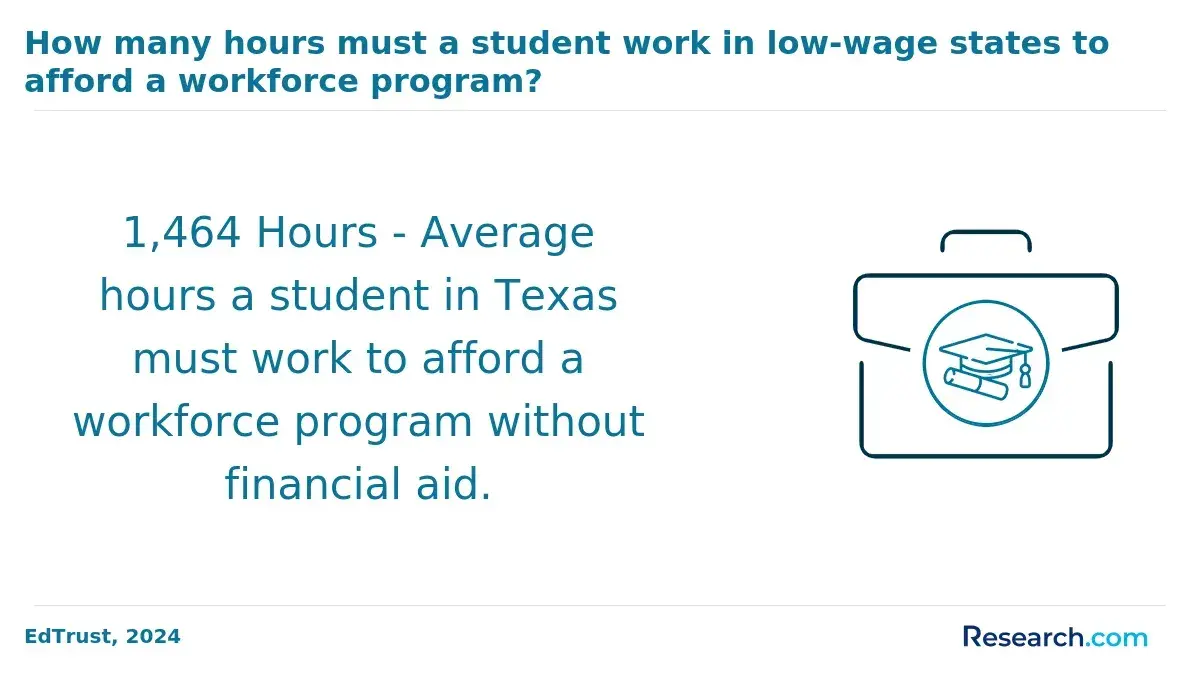
Financing is a major part of ROI. For federal loans first disbursed in the 2025-26 award year, graduate Direct Unsubsidized Loans carry a 7.94% fixed interest rate, which means borrowing can significantly raise the total cost beyond tuition. This matters because many ministry careers have modest or variable compensation compared with other professional fields.
Use the following steps to estimate whether a doctorate is financially and professionally reasonable for your situation:
- Identify the exact role or advancement goal you want within three to seven years after completing the doctorate.
- Ask whether that role requires, prefers, or merely accepts a doctorate, and confirm this with job postings, employers, denominational leaders, or hiring committees.
- Calculate total program cost, including tuition, fees, books, technology, travel for residencies, and interest if you borrow.
- Compare the doctorate with lower-cost alternatives such as certifications, supervised training, leadership coaching, or another focused graduate credential.
- Estimate realistic compensation changes using target job postings and current employer salary ranges rather than national averages alone.
- Consider nonfinancial returns, such as stronger preaching, better organizational systems, expanded teaching opportunities, or a ministry project you can scale.
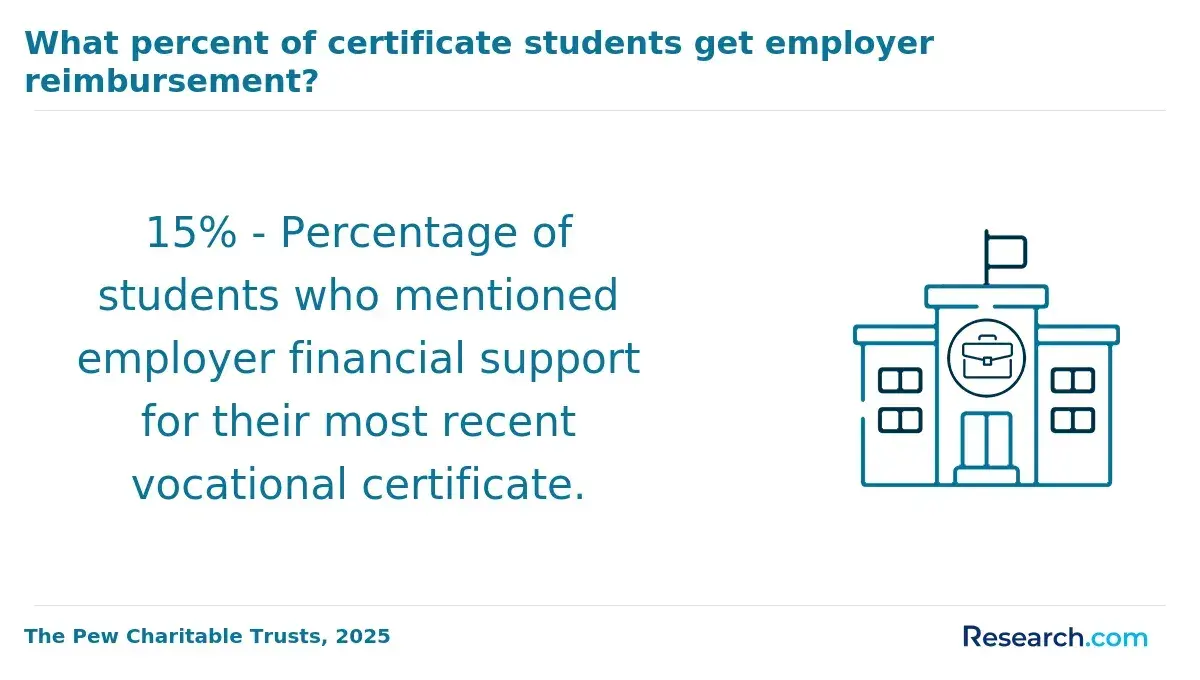
The degree is more likely to produce positive ROI when you are already near a senior role and need doctoral-level credibility, when your employer offers tuition support, when your capstone directly improves your organization, or when the program expands your network in a field where relationships matter.
The degree may have weaker ROI if you are taking on high debt without a role target, pursuing a specialization that duplicates your master's degree, or expecting a local congregation or nonprofit to increase pay simply because you earned a doctoral title.
The professionals who benefit most from an online ministry leadership doctorate are those who already have a solid master's-level foundation and are preparing for broader responsibility. The degree is usually best for people who need advanced formation, not for those who are still exploring basic ministry direction.
Several groups tend to be strong candidates because the doctorate aligns with real advancement needs. Consider whether one of these profiles describes your current position:
- Experienced pastors: Professionals moving toward senior pastor, executive pastor, church planting, multisite leadership, or denominational service.
- Chaplains and spiritual care leaders: Practitioners seeking supervisory, administrative, ethics, or program development responsibilities.
- Faith-based nonprofit leaders: Directors or executives who need stronger tools for governance, fundraising strategy, staff development, and mission accountability.
- Christian educators and seminary professionals: Leaders pursuing teaching, program direction, student formation, curriculum leadership, or academic administration.
- Ministry consultants: Professionals building authority in church health, leadership development, conflict transformation, discipleship, or organizational change.
- Pastoral care and family ministry professionals: Leaders whose work intersects with counseling, marriage, family systems, or crisis response but does not necessarily require clinical licensure.
Some professionals may be better served by a different path. If your intended work is clinical therapy, state licensure, or marriage and family counseling, compare ministry leadership doctorates with options such as best online MFT programs, because licensure-focused careers typically require specific supervised clinical preparation rather than a ministry doctorate alone.
You may want to wait if you are early in ministry, unsure of your denominational or vocational direction, carrying heavy debt, or lacking a current ministry context for applied research. Doctoral work is more powerful when you can test ideas in a real organization and connect your project to a clear leadership challenge.
How Should Professionals Choose an Online Ministry Leadership Doctorate for Career Advancement?
Choosing an online ministry leadership doctorate should begin with career fit, not a school list. The smartest program is the one that helps you move from your current master's-level role to a defined leadership outcome with manageable cost, credible accreditation, and strong doctoral support.
Use a structured process before applying. These steps can help you avoid common mistakes and compare programs in a way that reflects career advancement rather than marketing claims:
- Define your target role, such as senior pastor, seminary instructor, chaplaincy director, denominational executive, nonprofit leader, or consultant.
- Decide whether a DMin, PhD, EdD, or leadership doctorate best matches that role.
- Confirm institutional accreditation and, when relevant, theological or seminary accreditation recognized by your employer or denomination.
- Review admissions requirements for master's degree holders, including required ministry experience, theological prerequisites, GPA expectations, references, and writing samples.
- Compare the final project model and choose a program whose dissertation, capstone, or ministry project can strengthen your professional portfolio.
- Ask about completion rates, average time to finish, advising availability, online library support, and how students are supported during the project phase.
- Calculate total cost and debt exposure, including fees, residencies, travel, books, and interest.
- Speak with alumni in your target field and ask how the degree affected their responsibilities, credibility, and career mobility.
- Check whether your employer, denomination, military branch, healthcare system, or school district recognizes the degree for promotion or salary purposes.
- Compare the doctorate with alternatives before committing, especially if a certificate, licensure pathway, or leadership role change could achieve the same goal faster.
When reviewing programs, pay close attention to the difference between professional and research doctorates. A DMin is usually stronger for applied ministry improvement, while a PhD is usually stronger for research, publishing, and academic hiring. An EdD or organizational leadership doctorate may be useful when your ministry career is tied to schools, nonprofits, or institutional administration.
Common red flags include vague accreditation language, unclear project requirements, minimal faculty interaction, unrealistic completion promises, limited student support, and tuition pages that do not show the full cost of attendance. Also be wary of choosing a program solely because it is online, fast, or prestigious; the degree must fit your role, theology, schedule, and financial reality.
Other Things You Should Know About Ministry Leadership
In most settings, yes, but norms vary by church, denomination, employer, and academic context. Use the title accurately and avoid implying clinical, medical, or licensed counseling authority unless you hold the appropriate credential.
Some programs require ordination or active ministry experience, while others accept applicants from nonprofit, chaplaincy, education, or parachurch backgrounds. Always check admissions rules before assuming eligibility.
It can help if the program teaches sustainable leadership, systems thinking, delegation, and organizational health. However, a doctorate also adds workload, so professionals experiencing severe burnout should assess timing and support carefully.
A DMin may qualify you for practitioner-focused teaching, adjunct roles, or ministry formation courses. Research universities and tenure-track theology positions often prefer or require a PhD, depending on the institution and discipline.
- DMin or PhD - Which Path Fits Your Ministry or Academic Goals https://united.edu/dmin-or-phd/
- Doctor of Ministry | United Lutheran Seminary https://www.unitedlutheranseminary.edu/degrees-and-certificates/doctor-of-ministry
- Step into God's Plan for You: Leadership and Ministry - Grace Christian University https://gracechristian.edu/blog/step-into-gods-plan-for-you-leadership-and-ministry/
- Education: Ministry Leadership Concentration Program • North Greenville University https://www.ngu.edu/programs/education-doctor/educational-ministry-leadership/
- Christian Leadership – A Guide to Careers in Church Leadership https://christianministryedu.org/christian-leadership-careers/
- Doctor of Ministry (D.Min.) - South Florida Bible College & Theological Seminary https://sfbc.edu/doctor-of-ministry-d-min-degree/
- 25 Best Online EdD Programs of 2025 https://www.eddprograms.org/schools/best-online-doctor-of-education-programs/
- Doctor of Ministry DMin https://www.socalsem.edu/doctor-of-ministry/
- All Doctor of Ministry (DMin) Programs - TheologyDegree.org https://www.theologydegree.org/programs/doctor-of-ministry/
- Why Study Through Miscio? https://www.miscio.io/catalogue/doctorate-of-strategic-leadership-dsl