2027 Best Online Graphic Design Degrees for Jobs

Co-Founder and Chief Data Scientist
Choosing the best online graphic design degree can be overwhelming-students and professionals face a maze of programs varying widely in accreditation, curriculum rigor, cost, and career outcomes. Without clear, data-driven guidance, many select programs that offer minimal practical experience or poor student support. Notably, only 40% of graphic design graduates report immediate employment in their field, underscoring the importance of program quality.
This article examines top online graphic design degrees through the lens of key factors like accreditation standards, ROI, and experiential learning. It aims to equip readers with the tools to identify high-value programs suited to their unique career goals.
Key Things to Know About the Best Online Graphic Design Degrees for Jobs
- Accreditation-programs with regional accreditation ensure industry-recognized credentials, enhancing employability and eligibility for certifications important in graphic design careers.
- Curriculum rigor-top programs combine foundational art principles with digital software mastery, critical for adapting to evolving design technologies and client demands.
- Cost and return on investment-selecting affordable degrees with strong alumni employment rates maximizes financial value, noting 67% of graduates report positive job placement within a year.
What Is a Graphic Design Degree, and What Can It Do for Your Career?
A graphic design degree prepares students to visually communicate ideas through multiple media and is defined by expert organizations like the American Institute of Graphic Arts (AIGA). It blends creativity, technology, and problem-solving skills to develop strong visual messages. This degree builds foundational knowledge in typography, color theory, layout, digital imaging, and user experience design-essential for producing effective content for print, web, and multimedia platforms. Such programs develop applied competencies that set them apart from related fields like fine arts or marketing by focusing on practical communication goals supported by artistic expression.
Students gain proficiency in industry tools such as Adobe Creative Suite, learn audience research methods, and apply design principles rooted in psychology and semiotics. Various academic credentials provide tailored pathways for different career aims:
- Associate's Degree: A two-year program that covers essential design skills for entry-level positions or as a foundation for further study.
- Bachelor's Degree: A four-year comprehensive curriculum teaching advanced techniques and professional practices for diverse design careers.
- Master's Degree: Intended for professionals seeking leadership roles, specialized knowledge, or academic research opportunities.
- Doctoral Degree: Focused on research and teaching, suited for university faculty or high-level design consultancy.
This article zeros in on the best online graphic design degree programs for career advancement, illustrating how an online graphic design degree impacts job opportunities across industries. It evaluates programs using data-driven criteria: accreditation, curriculum rigor, cost-effectiveness, career outcomes, practical experience, and student support. Readers can also explore online certificate programs that pay well as complementary options for career growth.
How Do Online Graphic Design Degree Programs Compare to Traditional Campus Programs?
When comparing online graphic design degree programs to traditional campus offerings, several key factors emerge-highlighting strengths and challenges based on recent accreditation, curriculum, and employment data. For students weighing online graphic design degree vs traditional campus programs, this guide outlines critical aspects to consider.
- Curriculum Depth and Rigor: Accredited online programs often provide curriculum matching campus offerings in scope and difficulty, covering typography, digital media, and visual theory. Top institutions design coursework to meet rigorous academic standards, ensuring mastery of creative and technical skills.
- Faculty Qualifications: Instructors for online graphic design degrees usually hold terminal degrees and industry experience comparable to campus faculty. Many programs employ adjunct professionals active in design fields to maintain up-to-date expertise.
- Student-Faculty Interaction: Although on-campus programs benefit from in-person feedback, online courses maintain regular engagement through live critiques, discussion boards, and one-on-one virtual meetings, supported by advanced collaboration tools.
- Peer Collaboration: Campus programs allow spontaneous teamwork, while online options foster peer engagement via structured group projects and virtual studios. Cohort models help replicate community despite geographic separation.
- Practicum and Hands-On Experience: Traditional degree paths often require on-site internships or studio labs, challenging for remote learners. Leading online programs now incorporate local internships or virtual client projects to build portfolios and practical skills.
- Employer Perception: Employer surveys show increasing acceptance of accredited online graphic design degrees-especially from well-known schools-when graduates present strong portfolios and relevant experience.
- Structural Advantages: Online programs serve working adults, caregivers, military veterans, and remote learners who lack campus access. They break geographic and scheduling barriers without sacrificing academic quality, making them ideal for many seeking flexible education paths.
- Limitations and Institutional Solutions: Some students note less spontaneous interaction and mentorship online. Leading schools address this with on-campus residencies, enhanced multimedia tools, and cohort-based learning to deepen engagement and connection.
Working adults and career changers can also explore affordable options within this landscape-such as through a cheap online business degree pathway offering similar flexibility and quality standards. Understanding these distinctions enables prospective students to assess the differences between online and on-campus graphic design courses against their unique goals and circumstances.
What Are the Accreditation Standards That Define a Reputable Online Graphic Design Degree?
Accreditation is a vital marker of quality for online graphic design programs-especially for students aiming to advance their careers or pursue further education. Regional accreditation, given by six major U.S. bodies such as the Middle States Commission on Higher Education and the Western Association of Schools and Colleges, evaluates entire institutions-focusing on faculty expertise, curriculum quality, and student support. Degrees from schools with this broad recognition generally hold the most weight with employers and graduate schools.
Certain design programs enhance credibility by earning specialized accreditation, most notably from the National Association of Schools of Art and Design (NASAD), which scrutinizes curriculum rigor and outcomes specific to art and design disciplines.
Choosing an unaccredited or poorly vetted program can severely limit your future. Transfer credits may be rejected, financial aid options could be unavailable, and employers might doubt your degree's validity. Some states even mandate graduation from accredited programs for licensure or certification in creative professions, narrowing career paths substantially.
To confirm accreditation, rely on trusted resources like the U.S. Department of Education's Database of Accredited Postsecondary Institutions and Programs (DAPIP) and the Council for Higher Education Accreditation's directory. Both sources constantly update to safeguard students from diploma mills or unrecognized institutions. Verifying through these databases before enrolling protects your educational investment and safeguards your professional reputation.
Making accreditation a baseline requirement-regardless of lower costs or program convenience-ensures your degree holds genuine value in a competitive marketplace.
Which Types of Graphic Design Degrees Are Available Online-Bachelor's, Master's, or Doctoral?
Online graphic design degree programs cover various levels-associate's, bachelor's completion, master's, doctoral, and post-baccalaureate certificates-each catering to distinct educational backgrounds and career ambitions.
- Associate's Degree: Requiring a high school diploma, this credential typically spans about two years, building essential design skills ideal for entry-level positions or as a pathway to a bachelor's degree. Online formats with strong support often see improved completion rates.
- Bachelor's Completion Programs: Targeting students with prior college credits or an associate's degree, these programs last two to three years and emphasize advanced design theory and professional practice. They serve working adults and veterans aiming for mid-level roles, with IPEDS data showing significant enrollment among non-traditional learners.
- Master's Degree: Usually requiring any bachelor's degree, these programs extend one to two years and focus on deepening theoretical knowledge, leadership capabilities, and portfolio development-boosting eligibility for senior or specialized positions. Some programs recommend or require prior design experience.
- Doctoral Programs: Rare but available, these degrees demand several years post-master's and concentrate on research and pedagogy. Graduates typically move into academic or senior industry roles.
- Post-Baccalaureate Certificates: Suited for career changers or professionals refreshing skills, these short courses offer focused competencies and can be stacked-meaning credits are often applicable toward bachelor's or master's degrees, enabling flexible advancement.
Prerequisites rise with credential levels-from high school for associate's to a bachelor's for graduate studies-and so do career and earning potential. Completion times vary widely, with certificates and associate degrees under two years, while doctoral studies may exceed four years. Stackable credentials support steady progression, especially helpful for working adults balancing job and education. Prospective students should also explore affordable options, including programs highlighted in the most affordable online psychology degree listings to compare investment versus outcomes.
The best online bachelor's graphic design degree programs and master's graphic design degrees available online emphasize accredited curricula, relevant practical experiences, cost-effectiveness, and robust student support-key factors that distinguish high-value programs for serious career-focused students.
What Is the Typical Cost of an Online Graphic Design Degree, and How Can You Finance It?
Costs for an online graphic design degree vary widely depending on the institution type and additional expenses. Tuition at public in-state schools is generally the most budget-friendly, typically between $5,000 and $10,000 annually. Out-of-state public students often face higher costs, with tuition ranging from $15,000 to $25,000 per year. Private nonprofit colleges usually charge between $20,000 and $40,000 yearly. For-profit institutions can be more expensive and inconsistent regarding quality and refund policies.
Beyond tuition, enrolling students should plan for extra charges such as technology fees, software licenses, and possible on-campus residencies or exams, which some programs still require. These supplementary costs can add several hundred to several thousand dollars each year.
- Federal Aid: Key financing options include Pell Grants-need-based awards that don't require repayment.
- Student Loans: Both subsidized loans, with government-covered interest during study, and unsubsidized loans, which accrue interest immediately, are widely used.
- GI Bill Benefits: Available to eligible veterans and dependents, these help cover tuition and living expenses.
- Scholarships: Various scholarships targeting graphic design students arise from professional design organizations, state workforce programs, and individual colleges offering merit-based support.
It's vital to look beyond tuition per credit hour and calculate the full program cost-including fees and living expenses. Using tools like the College Scorecard's net price calculator helps prospective students get realistic estimates of out-of-pocket expenses after grants and aid, aiding in informed program comparisons and preventing unexpected financial burdens.
How Long Does It Take to Complete an Online Graphic Design Degree Program?
Associate's degrees in graphic design usually take about two years for full-time students, while bachelor's programs often require around four years. Graduate degrees-master's and doctoral-vary widely, generally from one to five years depending on the program's demands and format.
- Degree Level: Completion time fluctuates with degree type-associates are shortest, bachelor's moderate, and graduate degrees depend on thesis or research requirements.
- Enrollment Status: Full-time attendance accelerates progress; part-time learners may extend studies over six or more years balancing other commitments.
- Transfer Credits: Prior coursework or certifications can shorten the path, sometimes reducing the timeline by at least a semester.
- Accelerated Formats: Certain online programs offer competency-based or fast-track options enabling motivated students to advance more quickly than traditional term pacing.
- Year-Round Enrollment: Multiple start dates throughout the year minimize interruptions and condense overall degree duration.
- Prior Learning Assessment (PLA): Credit for relevant work or military experience helps decrease required coursework and time to graduation.
- Program Length Limits: Institutions set minimum and maximum timeframes to maintain accreditation and federal aid eligibility; prolonging study beyond maximums risks losing financial aid due to satisfactory academic progress rules.
- Realistic Timelines: Reported average completion times from accredited programs often exceed advertised durations, reflecting real-life factors like part-time status and personal obligations.
Aligning program selection with flexible pacing, transfer credit acceptance, and accelerated options maximizes efficiency-especially for working adults and veterans. Awareness of policies and actual completion data equips students to plan feasible timelines tailored to their goals and life circumstances.
What Core Curriculum and Coursework Should a Quality Online Graphic Design Program Include?
High-quality online graphic design programs adhere to rigorous curriculum standards outlined by professional accrediting bodies such as the National Association of Schools of Art and Design (NASAD). These programs integrate foundational courses with skill-building sequences and real-world projects to prepare graduates effectively for the demands of the creative industry.
- Fundamental Courses: Core subjects include design principles, color theory, typography, digital imaging, and drawing-providing a solid base in visual communication essential for every graphic designer.
- Technical Proficiency: Instruction covers industry-standard software such as Adobe Creative Suite-Photoshop, Illustrator, InDesign-and emerging tools in UX/UI and motion graphics, ensuring practical software fluency aligned with workplace needs.
- Concept Development: Projects emphasize problem-solving, creative ideation, and collaboration with clients, fostering skills that mirror professional workflows.
- Portfolio and Capstone Projects: Culminating experiences require students to synthesize their learning into professional-level deliverables, demonstrating their readiness to meet complex briefs and industry expectations.
- Current Industry Relevance: Leading programs institute regular curriculum reviews-often biennially-with guidance from industry advisory boards to incorporate trends like responsive design, accessibility standards, and sustainable design.
- Competency and Outcomes Focus: Graduates should display measurable outcomes such as effective visual problem solving, mastery of digital tools, collaboration, and critical thinking, directly translating to jobs like branding development, user experience design, and client communication.
- Accreditation and Transparency: Prospective students are encouraged to request detailed course sequences, syllabi, and learning outcomes maps to verify curriculum depth beyond marketing literature.
- Workforce Demand: According to the U.S. Bureau of Labor Statistics, employment of graphic designers is projected to grow 6% from 2021 to 2031, underscoring the value of comprehensive, up-to-date education.
Which Online Graphic Design Programs Offer the Best Return on Investment for Working Adults?
Working adults pursuing the best online graphic design degree programs for working adults must look beyond just tuition fees to assess return on investment (ROI). Critical evaluation involves analyzing employment rates, median earnings after graduation, and loan default statistics to build a clear understanding of financial outcomes.
Public universities often stand out by offering competitive tuition combined with employer partnerships that boost job placement success. Additionally, states with in-state tuition reciprocity agreements provide out-of-state students more affordable options-vital for professionals balancing career advancement and budget constraints.
- Employment Outcomes: Programs showing higher graduate employment within graphic design or related creative fields generally deliver better ROI. These schools maintain active industry connections that support internships and seamless job placement.
- Median Earnings: Tracking median salaries six to ten years post-enrollment offers insight into long-term value. Programs whose graduates advance into leadership or specialized roles indicate sustained career growth over time.
- Cost Considerations: Tuition remains important, but factors like employer tuition reimbursement and scholarships can significantly lower out-of-pocket expenses-enhancing ROI for working adults.
- Student Support: Successful online graphic design programs provide robust advising, career services, and practical experience opportunities ensuring students develop market-ready skills.
- Accreditation and Curriculum Rigor: Accredited programs aligned with industry needs blend foundational design principles with innovative techniques, increasing degree value in competitive job markets.
Rather than relying on broad institutional prestige, prospective students should prioritize outcome data such as loan default rates and median earnings to evaluate financial risk and return. For those seeking to expand leadership potential while earning credentials, programs like a masters in organizational leadership may also complement graphic design skills for career advancement. By understanding these performance indicators, adults can confidently select online graphic design degrees that align with their schedules and career goals, maximizing the highest return on investment online graphic design degrees can offer.
What Admissions Requirements Do the Top Online Graphic Design Programs Typically Require?
Admissions requirements for competitive online graphic design programs range widely-reflecting the diversity of institutions from open-enrollment community colleges to selective research universities. Understanding these can help applicants evaluate where their credentials fit best, especially when choosing requirements for top online graphic design degrees.
- GPA Thresholds: Most competitive bachelor's and master's programs expect a minimum undergraduate GPA near 3.0 on a 4.0 scale, though some flexibility applies. Less selective or open-access programs may not enforce a minimum GPA.
- Standardized Tests: Many online graphic design programs have adopted test-optional policies for undergraduate admissions. Graduate programs increasingly waive GRE scores, but verifying up-to-date policies directly with admissions advisors is key for accurate information.
- Letters of Recommendation: Graduate-level programs typically require two or three letters from professors or industry professionals who can attest to an applicant's creative skills, work ethic, and potential. Undergraduate programs rarely require letters but may encourage them for highly competitive applicants.
- Personal Statements or Portfolios: Personal statements outlining goals and design passion are standard, while a creative portfolio showcasing design projects or digital art is critical for graduate admissions and highly recommended for selective undergraduate programs.
- Professional Experience: Some advanced graduate programs prefer or require relevant internships or work experience in graphic design or related fields to better prepare students and sometimes to substitute formal prerequisites.
- Prerequisite Coursework: Applicants lacking a background in graphic design often need to complete foundational courses covering design principles, software proficiency, and digital media basics before or during graduate study.
Because policies concerning test-optional status, GPA minimums, and prerequisite requirements evolve, acting as an informed consumer means contacting admissions advisors for the latest criteria. Self-assessing your academic record, experience, and portfolio quality supports choosing a program that aligns with your career goals and credentials.
For those comparing programs, also consider exploring related fields such as accredited speech language pathology programs as an example of research-backed, career-oriented online education offerings relevant to working adults and professionals.
What Career Paths and Job Titles Are Available to Online Graphic Design Degree Graduates?
Graduates with an online graphic design degree have access to varied career avenues that align with diverse interests and skill sets. Entry-level positions emphasize core competencies in visual storytelling, design software, and creative problem-solving, laying a foundation for growth. As professionals gain experience, they often move toward specialized or leadership roles, developing expertise that unlocks advanced opportunities.
- Graphic Designer: Focused on producing visual assets for print, digital platforms, branding, and advertising. Early roles center on executing design projects, while experienced designers often manage complex briefs and collaborate closely with clients.
- Web Designer: Integrates graphic design with front-end coding skills to build engaging, user-centric websites and applications. Staying current with evolving technologies and UX trends is essential.
- Art Director: A leadership role typically attained after several years in design, responsible for guiding creative teams, conceptualizing visual campaigns, and ensuring consistent brand messaging.
- UX/UI Designer: Combines user research and aesthetic design to enhance product usability. Additional certifications or training beyond a bachelor's degree can be advantageous in this field.
- Motion Graphics Artist: Creates dynamic, animated visuals used in media such as film, advertising, and online content, requiring proficiency in animation and video software.
- Creative Director: Senior executives who oversee all creative processes within organizations. This position demands strategic vision, leadership capability, and extensive industry experience.
Online graphic design degrees also support career changes-professionals from fields like marketing, photography, or fine arts can transition into design roles through focused upskilling or certifications. This adaptability is valuable in competitive job markets where multidisciplinary skills are prized.
Employment opportunities span advertising agencies, corporate marketing divisions, publishing houses, media organizations, nonprofits, and technology firms. Over five to ten years, graduates often navigate a combination of upward moves-from designer to team lead or manager-and lateral shifts into specialized domains such as branding or digital strategy.
Advanced degrees or certifications-such as master's programs in design management or human-computer interaction-open pathways to research, teaching, or highly specialized professional roles that typically require graduate-level education. This structured progression helps graduates tailor their career trajectories to long-term ambitions and evolving industry demands.
What Is the Salary Outlook for Professionals with an Online Graphic Design Degree?
The median salary for professionals with an online graphic design degree varies widely, influenced by education, experience, industry, location, and specialization. According to recent labor statistics, the average graphic designer earns about $53,000 annually, though this figure shifts based on several factors.
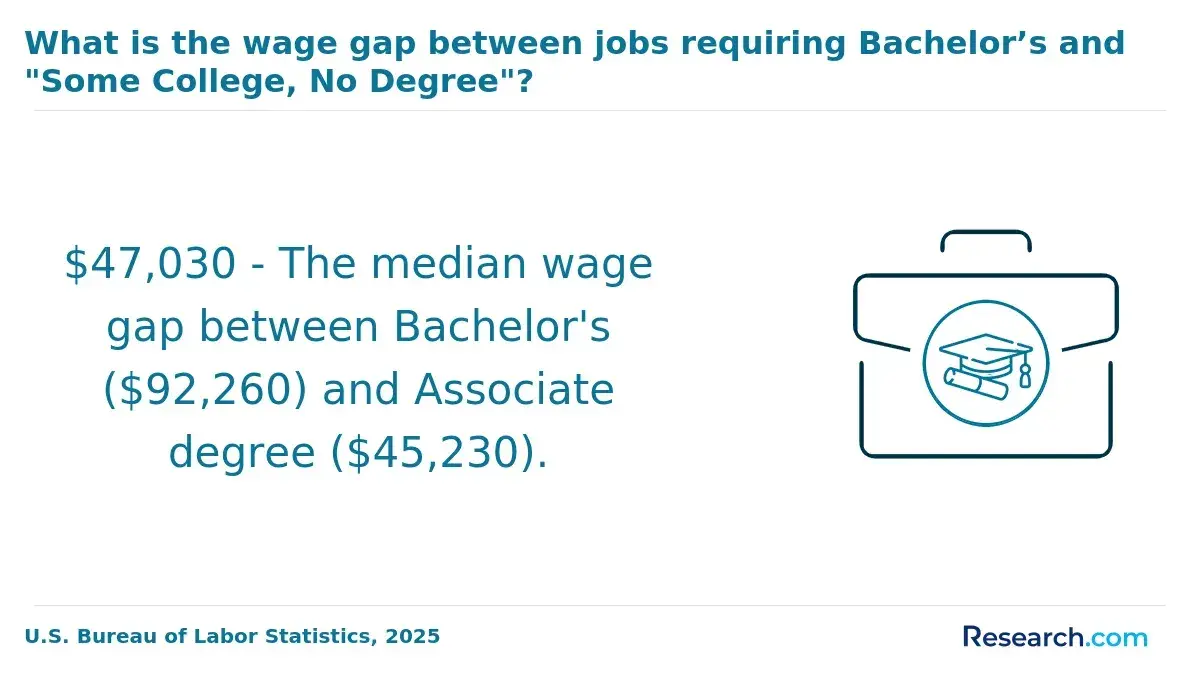
- Degree Level: Those holding bachelor's degrees typically command higher salaries than individuals with associate degrees, while advanced degrees often lead to management roles with salaries surpassing $70,000 per year.
- Experience: Entry-level designers usually earn between $40,000 and $45,000, but after five years or more, median wages rise closer to $60,000, particularly for those skilled in digital or user interface design.
- Industry Sector: Compensation can differ significantly by field; designers in advertising and digital marketing sectors often receive higher pay than those in print media or education. Technology companies and corporate environments tend to offer premium salaries for expertise in interactive and motion graphics.
- Geographic Market: Urban areas such as New York, California, and Washington provide above-average wages due to higher living costs and demand for creative talent, while smaller cities and rural regions report lower median incomes but benefit from reduced expenses.
- Specialization: Focus areas like web design, UX/UI, and animation generally yield earnings above the median. Mastery of emerging technologies or software development skills further boosts salary potential.
- Professional Certifications: Credentials such as Adobe Certified Expert (ACE) or UX design certifications offer documented salary premiums, occasionally increasing income by more than 10%. Online graduates can pursue these certificates post-degree to accelerate career advancement.
- Salary Projections: Modest growth in job opportunities and wages is anticipated, reflecting increasing demand for digital content creators and branding specialists. Continuing skill development remains essential to stay competitive amid ongoing technological changes.
Applicants should continually consult updated sources like the Bureau of Labor Statistics and sector-specific salary reports to ensure compensation expectations stay current rather than relying on static data in a rapidly evolving job market.
What Graduates Say About the Best Online Graphic Design Degrees for Jobs
- Azai: "The accreditation standards of my online graphic design degree truly set it apart-knowing the program met rigorous national criteria gave me confidence when applying for jobs. The curriculum was intense but rewarding, pushing me to master both creative and technical skills crucial in the industry. Looking back, the investment was absolutely worth it for the doors it opened professionally."
- Russell: "Reflecting on my time in the program, I appreciate how the curriculum rigor challenged me to grow steadily-balancing theory with hands-on projects prepared me well for real-world design challenges. The student support infrastructure was especially helpful when I encountered hurdles, providing timely guidance and motivation. These factors together made my online graphic design experience both demanding and deeply fulfilling."
- Christian: "Cost played a big role in my choice, but what really impressed me was the program's emphasis on practical experience requirements-it made sure I graduated ready to hit the ground running. The career outcomes were clear, too, with many alumni landing roles in creative agencies soon after finishing. Overall, the balance between affordability and applied learning was a major selling point for this online graphic design degree."
Other Things You Should Know About Graphic Design Degrees
The best online graphic design programs focus on developing both creative and technical skills. Graduates learn design principles, visual communication, typography, color theory, and digital software proficiency such as Adobe Creative Suite. Programs also emphasize problem-solving, project management, and collaboration skills-preparing students for real-world design challenges in diverse industries.
In 2027, the best online graphic design programs for job prospects are offered by institutions like the Savannah College of Art and Design, Full Sail University, and the Maryland Institute College of Art. These programs emphasize industry-relevant skills, offer robust alumni networks, and maintain partnerships with key industry players to enhance employment opportunities.
Online graphic design programs often incorporate internships or practicum experiences as integral parts of their curriculum. These placements are arranged locally or remotely, allowing students to gain real-world exposure while studying. Programs typically provide support for securing internships with design firms, marketing agencies, or corporate departments to build professional networks and practical portfolios.
Top online graphic design programs offer various support services such as academic advising, career counseling, and technical assistance tailored to remote learners. Many also facilitate networking through virtual design clubs, guest lectures, portfolio reviews, and connections with industry professionals. These resources help students prepare for job placement and career advancement.
References
- Online Graphic Design Degree - Things to Consider - Peterson's https://www.petersons.com/blog/online-graphic-design-degree-things-to-consider/
- Most Affordable Graphic Design Degree Programs Online (2025) https://careerkarma.com/blog/cheapest-online-graphic-design-degree/
- How long does it take to learn graphic design https://www.agitraining.com/graphic-design-classes/how-long-does-it-take-to-learn-graphic-design
- Graphic Design | Online Program | Toronto Film School https://online.torontofilmschool.ca/programs/graphic-design-interactive-media/
- Graphic Design Admission: Eligibility, process, Top Colleges https://design.careers360.com/articles/graphic-design-admission
- Accredited Online Graphic Design Degree Programs https://www.accreditedonlinecolleges.org/graphic-design/
- Online Graphic Design Courses: The Most Comprehensive Guide https://graphicmama.com/blog/online-graphic-design-courses/
- BA Hons Graphic Design Enrolment Form https://www.oca.ac.uk/courses/ba-graphic-design/
- What Does a Graphic Designer Do? (2026 Guide) | BrainStation® https://brainstation.io/career-guides/what-does-a-graphic-designer-do
- 15 career paths you can follow as a graphic designer | Shillington https://www.shillingtoneducation.com/blog/graphic-design-career-paths