2027 Best Online Family Nurse Practitioner (FNP) Programs for Residents of Los Angeles, CA

Co-Founder and Chief Data Scientist
For a Los Angeles RN, choosing an online family nurse practitioner program means finding more than flexible classes: the degree must also support California clinical training and a path to practice. The U.S. Bureau of Labor Statistics reported a national median annual wage of $129,210 for nurse practitioners in 2024.
That is career context, not a Los Angeles salary estimate or a promise of earnings. This guide compares realistic program options, explains where the schools are located, and shows what to verify before committing to tuition or a clinical placement.
Key Things You Should Know
- USC is a Los Angeles-based institution with an online MSN-FNP option. Georgetown and Simmons are out-of-state online alternatives to investigate, not Los Angeles schools. Confirm each program's current California enrollment and clinical-placement policies.
- California practice requires more than an FNP degree. Graduates must meet California Board of Registered Nursing requirements for nurse practitioner certification, including applicable national certification, before practicing as NPs.
- Compare the full cost and placement support, not advertised tuition alone. Required in-person training, preceptor availability, and travel can make an otherwise flexible program impractical.
What Are the Best Online FNP Programs in Los Angeles, CA?
The best choice depends on whether a school will enroll a California resident, approve clinical experiences accessible from Los Angeles, and prepare the graduate for California nurse practitioner practice.
A family nurse practitioner, or FNP, is an advanced practice nurse educated to provide primary care across the lifespan. An online FNP degree moves academic instruction online; it does not eliminate supervised, in-person clinical training.
The comparison below separates a school physically based in Los Angeles from online providers elsewhere. It is a practical shortlist, not a ranking: authorization, admissions, delivery, costs, and California placements require confirmation directly with each school before applying.
| Institution and location | Option to investigate | Most important fit question |
| University of Southern California; Los Angeles | Online MSN-FNP with clinical training arranged separately from online coursework | What in-person commitments apply, and what assistance is available for placements accessible from the student's Los Angeles address? |
| Georgetown University; Washington, DC | Online MSN-FNP | Is the program currently open to California residents, and can California sites and preceptors meet its requirements? |
| Simmons University; Boston, Massachusetts | Online MSN-FNP | What are its current California enrollment, clinical approval, and required campus-visit policies? |
USC merits a first look for someone who wants a Los Angeles-based institution, but a city address does not automatically mean easier placement or lower tuition. Georgetown and Simmons may suit an RN who values their scheduling or curriculum more, provided the schools confirm California eligibility.
Campus-based Los Angeles programs can also be worth comparing if regular face-to-face instruction matters more than remote coursework; they should not be mistaken for online degrees.
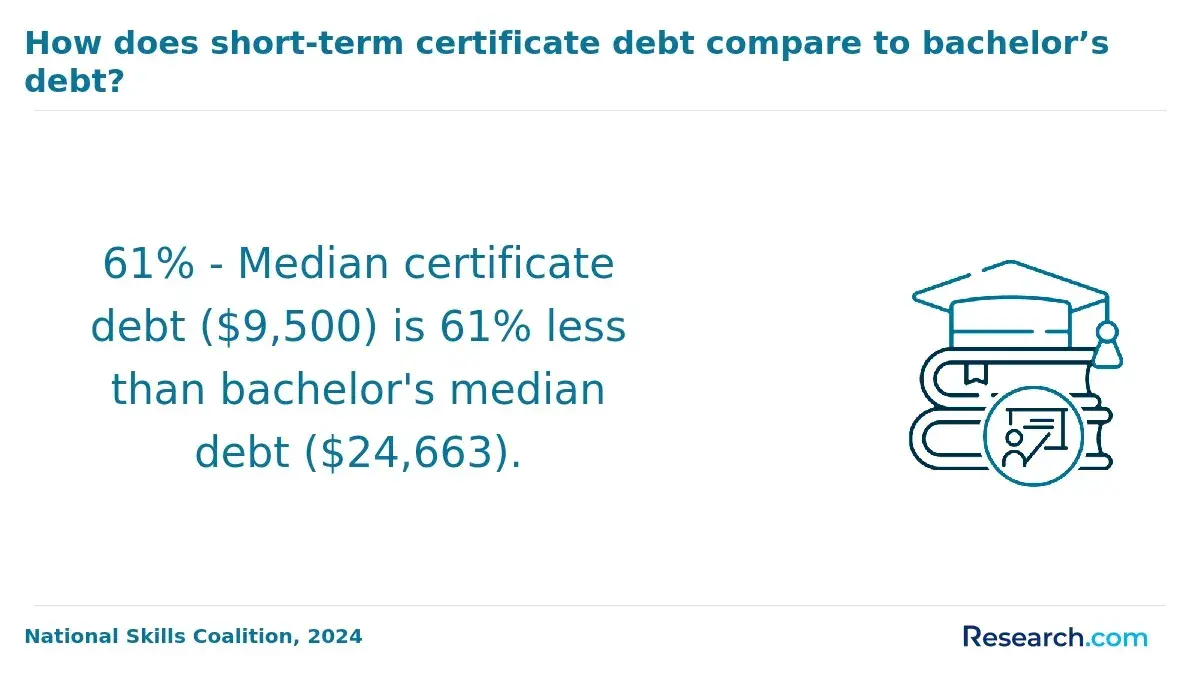
Ask each school for a written estimate covering tuition for the entire pathway, mandatory fees, technology, clinical compliance, travel, and any required visits. Compare that total with the support provided, rather than treating the lowest advertised tuition as the cheapest workable option. The guide to family nurse practitioner master's funding options can help frame questions about aid and borrowing.
What FNP Certification Requirements Apply to Residents of Los Angeles, CA?
There is no separate Los Angeles FNP license. For someone planning to practice in the city, California's Board of Registered Nursing (BRN) governs RN licensure and nurse practitioner certification. National FNP board certification and California authorization are related but distinct: passing a national exam alone does not authorize NP practice in California.
Before choosing a degree, check the BRN's current education and application requirements against the proposed program. Ask the school to identify its nursing-program accreditation, how its coursework and supervised clinical experiences satisfy California requirements, and which national FNP examination its graduates are prepared to pursue.
The national certifying organizations commonly considered for FNPs are the American Nurses Credentialing Center and the American Academy of Nurse Practitioners Certification Board; each sets its own eligibility rules.
An RN who already holds a graduate nursing degree in another specialty may be better served by an FNP post-master's certificate than a second master's. The online FNP certificate pathways for master's graduates explained offers a starting point, but California and certifier eligibility still need individual confirmation.
How Does an Online FNP Program Prepare Los Angeles, CA Residents for National Board Certification?
A strong curriculum links advanced assessment, pathophysiology, pharmacology, diagnosis, and treatment to supervised primary care across the lifespan. Online lectures and simulations can help students practice clinical reasoning.
Approved patient encounters and faculty evaluation establish whether they can apply it. Neither a certification-preparation course nor a school's claim of exam readiness replaces the certifier's eligibility review.
When comparing schools, request the current curriculum map, clinical-hour and patient-population requirements, recent first-time FNP exam results with the reporting period, and the school's plan for students who need additional preparation.
Ask which exam its review materials address. A school with a clear explanation of its outcomes is easier to evaluate than one that promises students will pass.
What Primary Care Skills Should Los Angeles, CA Residents Expect to Develop in an Online FNP Program?
FNP training should build competence in preventive visits, differential diagnosis, common acute complaints, chronic disease management, medication decisions, referrals, and follow-up for patients from childhood through older adulthood. Students should also learn when a patient's needs exceed the FNP's training or available setting.
For practice in Los Angeles, ask how clinical sites expose students to patients with varied ages, languages, coverage arrangements, and care-access barriers. A placement consisting almost entirely of one age group or visit type may leave gaps in a lifespan-focused education. A school's ability to approve a site matters more than its proximity on a map: a nearby clinic is useful only if it offers appropriate patients, supervision, and scheduling.
How Do Online FNP Programs Help Los Angeles, CA Residents Develop Advanced Practice Nursing Competencies?
Advanced practice involves more than mastering individual diagnoses. Programs should teach evidence appraisal, documentation, quality improvement, interprofessional communication, and ethical decisions about access and continuity of care. Faculty feedback on case presentations and clinical performance is especially important when much of the classroom experience is remote.
For a working RN, format changes how those competencies develop. Asynchronous courses offer scheduling flexibility but demand independent study; live online sessions create regular discussion but may conflict with shifts.
Hybrid or limited-residency models add face-to-face skills assessment at the cost of travel or time away from work. Ask for the actual weekly schedule and in-person calendar, not just the label "online."
How Can Los Angeles, CA Residents Evaluate FNP Preceptor Quality and Clinical Mentorship?
A preceptor supervises and evaluates clinical learning at an approved site. In a large healthcare market such as Los Angeles, the existence of many clinics does not mean an individual student can secure a suitable placement: sites must have capacity, agree to the school's terms, and provide experiences that fit the FNP curriculum.
Before paying an enrollment deposit, get specific answers about the placement process:
- Ask whether the school identifies sites, offers leads, or requires students to secure their own preceptors, and obtain the policy in writing.
- Confirm which credentials a preceptor may hold, how the school approves California sites, and who handles affiliation agreements.
- Ask how faculty observe progress, address a poor mentorship match, and help if a placement falls through.
- Check whether proposed clinical schedules are compatible with nursing shifts and realistic travel times from your part of Los Angeles.
Waiting until coursework begins to resolve these questions is a costly mistake. If the school cannot explain how a Los Angeles resident could complete approved experiences, a less flexible program with stronger placement support may be the better choice.
What Prescriptive Authority Can FNPs Have After Training for Practice in Los Angeles, CA?
In California, an FNP who satisfies BRN requirements may seek authority to furnish or order medications; a degree by itself does not confer that authority. Applicable requirements depend on the NP's California certification, furnishing authorization, practice arrangements, and the medications involved. Controlled-substance prescribing can require additional federal registration and compliance with state and federal rules.
California also has distinct statutory pathways for certain qualified NPs to practice without standardized procedures in specified circumstances. Do not interpret that change as automatic independent practice upon graduation. Review current BRN rules for the practice model you intend to use, and ask prospective employers which credentials and experience they require.
Which Healthcare Settings Offer the Best FNP Opportunities for Graduates in Los Angeles, CA?
FNP preparation is generally strongest for outpatient, lifespan-oriented primary care. Within Los Angeles, potential settings include community health centers, physician-group primary care practices, outpatient clinics, and organizations focused on chronic disease management.
The best first role is one with patients aligned to FNP training, appropriate onboarding, and access to experienced colleague, not necessarily the broadest job title.
Evaluate openings by their actual patient population and required experience. A hospital-based specialty role may call for different preparation, while a primary care employer may expect substantial independence and a defined panel.
Telehealth can broaden job searches, but patient-location licensing, employer policies, and clinical fit still matter. The remote job considerations for FNP graduates explained provides a useful comparison for readers considering that route.
How Can Los Angeles, CA Residents Compare MSN-FNP Programs With Other Advanced Nursing Pathways?
An MSN-FNP is a common route for a BSN-prepared RN seeking lifespan primary care. A post-master's FNP certificate may avoid repeating graduate coursework for someone who already has a relevant master's.
A DNP-FNP adds doctoral-level study and may suit leadership or scholarly goals. An adult-gerontology, pediatric, psychiatric-mental health, or acute care NP pathway may fit better when the intended patients or setting fall outside general family primary care.
Program length depends on prior education, approved transfer work, enrollment pace, course sequencing, and access to clinical placements. An unusually short advertised timeline is not enough to establish that a Los Angeles RN can complete the degree while working or meet certification and California requirements.
Readers comparing accelerated routes can use understanding 12-month FNP program options as a prompt to examine those constraints rather than assume the same timeline applies to every applicant.
What Should Los Angeles, CA Residents Verify Before Enrolling in an Online FNP Program?
Request written, applicant-specific answers from at least two or three schools. This is particularly important for an out-of-state provider: its campus location does not establish whether it can enroll a California resident or approve clinical training in California.
Use the same checks for every program so that differences are visible:
- Confirm admission prerequisites, the required RN license, degree background, and whether transfer credits or part-time study are available.
- Verify current California enrollment eligibility, institutional authorization for online instruction, nursing-program accreditation, and the school's stated California NP preparation pathway.
- Obtain clinical-hour, preceptor, site-approval, and placement-support policies for experiences accessible from Los Angeles.
- Request a complete tuition and fee estimate, the required visit schedule, and a realistic completion plan that accounts for clinical availability.
- Check exam preparation and current requirements with the national certifier and California BRN; contact the BRN if the school's explanation leaves practice eligibility unclear.
Do not assume "online" means no travel, that accreditation alone resolves California eligibility, or that admission guarantees a local preceptor. If grades may affect admission, the guide to GPA considerations for FNP admission can help you prepare targeted questions for each admissions office.
Other Things You Should Know About Family Nurse Practitioner Programs
No universal California FNP licensing requirement specifies Spanish proficiency. Language skills may be valuable for particular patients and employers, but clinicians should follow appropriate interpreter and communication policies rather than assume conversational ability is sufficient for every encounter.
Not necessarily. Schools set their own RN-experience prerequisites, and some may favor relevant experience even when it is not mandatory. Check each program's current admissions criteria and consider whether you are ready for a change from bedside nursing to outpatient diagnosis and management.
Do not count on it. Hours depend on approved preceptors' patient schedules and the types of visits the curriculum requires. Ask schools and prospective sites about scheduling before choosing a work arrangement.
Diploma wording is an institution-specific policy, not a California licensing rule. Ask the school how the degree, specialty, and transcript will appear if that distinction matters to you.
References
- Out of State Nurse Practitioner Programs | ca.gov https://www.rn.ca.gov/education/outofstatenp.shtml
- Graduate Program Statistics | A-State Knowledge Base https://kb.astate.edu/books/school-of-nursing/page/graduate-program-statistics
- Master of Science in Nursing Program Outcomes | Clarkson College https://www.clarksoncollege.edu/nursing/degree-options/master-of-science-in-nursing/program-outcomes
- Affordable MSN FNP Available to California Residents | UTA https://academicpartnerships.uta.edu/healthcare-nursing-online-programs/msn/fnp/affordable-msn-fnp-california/
- Preceptor & Capacity Definitions | Client Portal https://help.ohio.edu/TDClient/30/Portal/KB/PrintArticle
- Academic Outcomes Data | University of Rochester School of Nursing https://son.rochester.edu/academics/outcomes.html
- MSN Family Nurse Practitioner (FNP) Online | WCU https://westcoastuniversity.edu/online-programs/msn/fnp
- Family Nurse Practitioner (FNP) Programs in California https://npprograms.org/california/fnp-programs/
- Best Online NP Programs in California (2027 Rankings) | RegisteredNursing.org https://www.registerednursing.org/nurse-practitioner/programs/california/
- Best Nurse Practitioner Programs in California (2027) | NursePractitionerOnline.com https://www.nursepractitioneronline.com/state/california/