2027 Best Online Data Science Associate Degree Programs for Adults Returning to School

Co-Founder and Chief Data Scientist
Adults returning to college often need a data science program that fits work, family, and a realistic budget. An online associate degree can build job-ready foundations in statistics, programming, databases, spreadsheets, and analytics while preserving transfer options. The timing is strong: the U. S. Bureau of Labor Statistics reported a $112,590 median annual wage for data scientists in May 2024, though many advanced roles require more education. This guide helps working adults, career changers, and returning students compare program quality, flexibility, affordability, transfer value, and long-term fit.
Key Things You Should Know
- The strongest online data science associate degree programs for returning adults are regionally accredited, transfer-friendly, and offer asynchronous or evening coursework so students can continue working while completing 60 to 65 credits.
- Cost varies widely, but College Board's 2024 Trends in College Pricing reported average published tuition and fees of $4,050 for in-district public two-year colleges in 2024-25, making community colleges a common low-cost starting point.
- An associate degree can support entry-level analytics, database, reporting, or IT support roles, but students aiming for data scientist positions should choose programs with clear bachelor's transfer pathways.
What Flexible Online Data Science Associate Degree Formats Are Available?
Flexible online data science associate degree programs usually fall into several delivery models. The best format depends on how predictable your schedule is, whether you need instructor interaction, and whether your goal is immediate employment, transfer to a bachelor's degree, or both.
The table below compares common formats adults encounter when searching for online data science, analytics, computer information systems, or database-focused associate degrees.
| Format | How it usually works | Best fit for returning adults | Trade-off to check |
| Fully online asynchronous | Lectures, readings, labs, and discussions are completed by weekly deadlines | Students with rotating shifts, caregiving duties, or unpredictable work hours | Requires strong self-management and comfort learning independently |
| Online synchronous | Students attend live virtual classes at set times | Students who want structure, live explanations, and real-time accountability | May be difficult if work hours change often |
| Part-time online | Students take fewer credits per term, often one to three courses | Working adults who need steady progress without overloading their schedule | Completion takes longer, which may affect motivation and total fees |
| Accelerated online | Courses run in shorter sessions, often with more intensive weekly work | Students with prior credits or a clear transfer plan who can commit focused study time | Fast pacing can be hard during busy work or family periods |
| Hybrid | Most work is online, with some campus labs, orientations, exams, or advising | Students near campus who want online flexibility plus in-person support | Campus requirements can create travel and scheduling challenges |
A data science associate degree is different from a short certificate because it includes general education, math, computing, and transfer-oriented coursework. That broader structure can be valuable if you may later pursue a bachelor's degree, but a certificate may be faster if you already have a degree and only need specific skills in Python, SQL, Excel, or visualization.
For adults comparing "best" programs, format should be evaluated alongside curriculum. Look for courses in introductory programming, statistics, databases, data visualization, spreadsheet analysis, machine learning fundamentals, and a capstone or applied project. A program that is flexible but light on math, SQL, or applied analytics may not support your long-term goals as well as a slightly less convenient program with stronger coursework.
How Do Part-Time Online Data Science Associate Degree Programs Work?
Part-time online programs allow students to take a lighter course load, often six to nine credits per term instead of 12 to 15. This format is especially useful for adults returning to school after a long break because it reduces the risk of burnout while giving time to rebuild study habits.
A typical part-time first year may include one quantitative course, one computing course, and one general education course each term. For example, a student might take college algebra, introduction to programming, and English composition in one term, then statistics, databases, and communication in the next.
Part-time study is often the better choice when any of the following are true:
- You work full time or have a schedule that changes from week to week.
- You have been away from school for several years and want to start with a manageable academic load.
- You need developmental math, refresher writing support, or tutoring before taking statistics or programming-heavy courses.
- You are paying out of pocket and want to spread costs across more terms.
- You are transferring previous credits and need advising before choosing major courses.
The main downside is time. A two-year associate degree may take three to four years part time, depending on credit load and course availability. That can still be a smart investment if it helps you avoid failed courses, repeated tuition, or pausing out because the schedule was unrealistic.
Before enrolling part time, ask whether required data science courses are offered every term. Some smaller colleges rotate specialized courses, which means missing one class can delay graduation by a semester or longer.
How Do Self-Paced and Competency-Based Data Science Associate Degree Programs Work?
Self-paced and competency-based programs measure progress by demonstrated mastery rather than seat time alone. In practice, this may mean completing modules, projects, exams, or performance assessments as soon as you are ready, within a term or subscription period.
This model can be attractive for adults with prior experience in spreadsheets, reporting, coding, bookkeeping, logistics, healthcare data, or business operations. If you already know parts of the material, you may move faster through introductory units and spend more time on unfamiliar topics such as Python, SQL joins, probability, or data visualization.
Self-paced study works best when the program provides clear guardrails. Before choosing this format, confirm these details:
- Whether the institution is regionally accredited and eligible for federal financial aid.
- How competencies appear on the transcript and whether receiving colleges accept them for transfer.
- Whether courses include instructor feedback, tutoring, and technical support rather than only automated quizzes.
- Whether subscription pricing, term limits, or assessment retakes could raise your total cost.
- Whether financial aid requires minimum academic progress during each term.
The biggest risk is underestimating the discipline required. A flexible calendar is helpful, but data science topics build sequentially. Students who postpone math practice or coding labs may find that later assignments become much harder. If you need external structure, a traditional asynchronous or evening program may be safer.
Yes, some online data science associate degree programs offer evening courses, either live online or in hybrid formats. Evening classes can be a strong fit for adults who work standard daytime hours and want regular interaction with instructors and classmates.
Evening programs are most common at community colleges and regional public institutions that serve working adults. A class may meet once or twice per week by video, while labs, readings, quizzes, and discussion boards are completed online between sessions.
Evening classes make sense if you learn best with structure. They also help when you are taking math, statistics, or programming for the first time because you can ask questions in real time rather than waiting for a discussion-board response.
However, evening courses are not automatically easier to manage. A class that meets from 6 p.m. to 9 p.m. may still require several additional hours of homework, coding practice, and project work each week. If you work late shifts, travel frequently, or care for family members at night, an asynchronous section may be more realistic.
Before enrolling, ask the school whether evening sections are guaranteed for required major courses or only offered occasionally. Also ask whether exams must be taken at specific times, because a program described as online may still require scheduled proctoring.
Synchronous and asynchronous delivery describe when online learning happens. This distinction matters because two programs can both be "online" but feel completely different week to week.
The comparison below shows how the two formats affect scheduling, support, and workload planning for adults returning to school.
| Feature | Synchronous online | Asynchronous online |
| Class meetings | Live sessions at scheduled times | No required live class time in many courses |
| Instructor interaction | Real-time questions and discussion | Email, office hours, discussion boards, recorded feedback, or scheduled appointments |
| Schedule flexibility | Moderate; class time is fixed | High; weekly deadlines are usually fixed, but study time is flexible |
| Best academic uses | Statistics, programming, and courses where live problem-solving helps | General education, database practice, visualization projects, and independent labs |
| Main risk | Work conflicts can cause absences | Students may fall behind without weekly planning |
Asynchronous programs are often the most flexible option for adults, but flexibility does not mean open-ended. Most courses still use weekly modules, discussion deadlines, quizzes, coding assignments, and project milestones.
Synchronous programs can be better if you struggled with online learning in the past or if you need a class meeting to protect study time on your calendar. If possible, choose a program that mixes both formats: asynchronous lectures for convenience, plus optional live tutoring, lab sessions, or instructor office hours for difficult topics.
Hybrid data science associate degree programs combine online coursework with limited in-person requirements. Campus visits may be used for orientation, advising, computer labs, exams, presentations, or tutoring, depending on the school.
Hybrid programs can work well for adults who live near campus and want access to in-person services without commuting several days per week. They may also be useful for students who need structured support in math, programming, or academic planning.
The challenge is that "hybrid" can mean very different things. One program may require a single orientation, while another may require weekly lab attendance. That difference can determine whether the program is realistic for a working adult.
Ask these questions before applying to a hybrid program:
- How many campus visits are required each term?
- Are in-person meetings scheduled during evenings, weekends, or standard business hours?
- Can exams be completed through approved online proctoring?
- Are tutoring, advising, and library services available remotely?
- Will any future required courses shift from online to on-campus delivery?
A hybrid option may be better than a fully online program if you need face-to-face accountability or plan to use campus labs regularly. It may be a poor fit if travel, childcare, transportation, or work shifts make even occasional campus visits difficult.
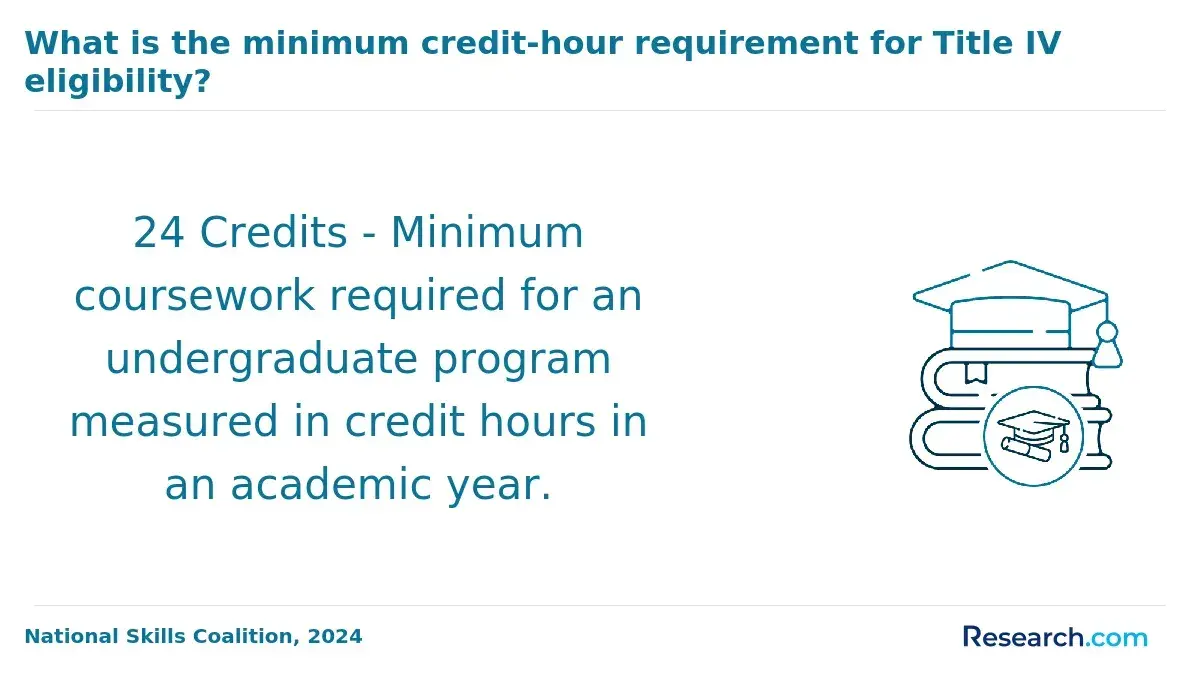
Most associate degrees require about 60 credits. Full-time students commonly finish in about two years, while part-time adults may need three to four years depending on course load, transfer credits, placement results, and whether classes are offered every term.
Time to completion should be evaluated as a planning decision, not simply a speed contest. Finishing faster may reduce opportunity cost, but taking too many technical courses at once can backfire if you are also working full time.
The table below summarizes realistic completion timelines for adults with different schedules and starting points.
| Student situation | Likely pace | Common timeline | Important caution |
| No prior college credits, full-time study | 12 to 15 credits per term | About two years | May be difficult while working full time |
| No prior college credits, part-time study | 6 to 9 credits per term | About three to four years | Course rotations can extend the timeline |
| Some transferable credits | Varies after transcript review | Often shorter than a full program | Credits may apply as electives rather than major requirements |
| Accelerated sessions | Condensed terms with heavier weekly workload | Potentially shorter if courses are always available | High intensity can be hard during busy work periods |
| Developmental or prerequisite coursework needed | Starts below college-level math or English | May add one or more terms | Skipping placement support can lead to course failure |
Adults planning to continue beyond the associate degree should map the full pathway early. If your long-term goal is a bachelor's or graduate credential, compare how this first degree could connect to later options such as an online masters in data science, but remember that graduate admission usually requires a completed bachelor's degree first.
A practical course sequence often starts with math placement, English composition, introductory programming, and computer literacy or database fundamentals. From there, students can add statistics, SQL, visualization, scripting, and applied analytics projects.
Accreditation and transfer policies are two of the most important quality checks for adults returning to school. Institutional accreditation affects financial aid eligibility, credit transfer, employer recognition, and whether your associate degree can support later bachelor's admission.
Start by confirming that the college is accredited by an agency recognized by the U.S. Department of Education or the Council for Higher Education Accreditation. For most returning adults, regional institutional accreditation is the safest transfer option, especially if the goal is to continue into a public university or bachelor's program.
The table below shows what to verify before you rely on a program's transfer promises.
| What to check | Why it matters | What strong programs provide |
| Institutional accreditation | It affects aid, transfer, and recognition | Clear accreditation status on the college website and catalog |
| Articulation agreements | They show whether credits have a planned pathway to a bachelor's degree | Named partner universities and degree maps |
| Transfer equivalencies | They show how individual courses apply at receiving schools | Course-by-course transfer tools or advisor-confirmed evaluations |
| Prior learning assessment | It may award credit for work, military, certifications, or exams | Published policies, fees, credit limits, and appeal rules |
| Major alignment | General electives may not satisfy data science or computer science requirements | Math, programming, statistics, and database courses accepted into the intended major |
Common red flags include vague accreditation language, pressure to enroll before a transcript evaluation, no published transfer agreements, unclear credit-hour policies, and advisors who will not put transfer guidance in writing.
Cost is one of the biggest reasons adults choose an online associate degree first. Public community colleges are often the most affordable option, but the lowest advertised tuition is not always the lowest total cost once fees, books, software, proctoring, and repeated courses are included.
Recent national pricing data gives adults a useful benchmark before comparing individual schools:
- College Board reported average published tuition and fees of $4,050 for in-district public two-year colleges in 2024-25.
- The maximum federal Pell Grant was $7,395 for the 2024-25 award year, which can significantly reduce out-of-pocket costs for eligible students.
Those figures are benchmarks, not quotes. Your actual cost depends on residency, credit load, transfer credits, financial aid eligibility, technology fees, and whether the program charges online course premiums.
The table below outlines the main cost categories adults should compare before choosing a program.
| Cost factor | Why adults should check it | Decision impact |
| Tuition per credit | Programs may charge different rates for in-district, out-of-district, and out-of-state students | Can change the total cost substantially |
| Online course fees | Some colleges add fees for online delivery, proctoring, platforms, or technology | Can make a low tuition rate less competitive |
| Books and software | Data courses may require textbooks, cloud tools, calculators, or specialized applications | Can affect term-by-term budgeting |
| Transfer credits | Accepted credits reduce the number of courses you must pay for | Often one of the fastest ways to lower total cost |
| Course repeats | Failed or withdrawn courses may require repayment of tuition and delay progress | Choosing a realistic pace can protect ROI |
Financial aid may include Pell Grants, federal student loans, state grants, employer tuition assistance, workforce funding, scholarships, military education benefits, and payment plans. Adults should complete the FAFSA even if they assume they will not qualify, because eligibility can depend on income, household size, enrollment intensity, and school cost.
If you are comparing associate programs with bachelor's options, total pathway cost matters more than the first credential alone. A low-cost associate degree can be a smart start, but some students may prefer a transfer-ready cheapest online computer science degree if they already know they want a bachelor's credential in computing.
Avoid borrowing based only on the salary potential of advanced data science roles. Many associate-level outcomes are support or junior analytics positions, while data scientist roles often expect a bachelor's degree, graduate study, or substantial project experience.
How Should You Choose the Best Flexible Online Data Science Associate Degree Program for Your Schedule?
The best online data science associate degree for an adult returning to school is the one that fits your schedule, protects your transfer options, teaches durable technical skills, and keeps total cost manageable. Rankings can be useful, but they should not replace a personal fit check.
Use the following sequence to compare programs in a practical way:
- Define your goal first: entry-level analytics work, internal promotion, bachelor's transfer, or a lower-cost restart after time away from college.
- Verify institutional accreditation before discussing admissions, financial aid, or transfer.
- Request an unofficial review of prior college, military, certification, or work-based learning credits before estimating cost or timeline.
- Compare course formats for required classes, not only general education courses.
- Review the curriculum for statistics, SQL, Python or another programming language, databases, visualization, and an applied project.
- Ask whether tutoring, advising, library support, disability services, career coaching, and technical help are available online and during evening or weekend hours.
- Calculate total program cost, including fees, software, books, and the cost of any courses that do not transfer.
- Confirm where graduates or transfer students typically go next, while remembering that employment outcomes vary by region, experience, portfolio, and further education.
Admissions requirements for associate programs are usually more accessible than bachelor's programs. Many community colleges use open or broad-access admission, but students may still need placement testing, high school or GED documentation, transcripts, residency verification, and prerequisites for college-level math or programming courses.
Career fit should also guide your decision. An associate degree can help you build foundations for roles such as data technician, reporting assistant, junior business intelligence support, database assistant, computer support specialist, or analytics coordinator. It may not be enough on its own for data scientist, machine learning engineer, or advanced analytics roles, where employers often expect deeper math, programming, and project experience.
Adults in a hurry should be careful with acceleration. If you already have credits and strong study time, an accelerated computer science degree online may be worth comparing with an associate pathway; if you are rebuilding academic confidence, a slower associate route may produce better results.
Common mistakes include choosing a program because it is fastest, ignoring whether credits transfer into the intended bachelor's major, underestimating weekly coding practice, and enrolling before checking support services. A better approach is to choose the most flexible program that still has rigorous technical coursework, transparent costs, and documented transfer value.
Other Things You Should Know About Data Science
You do not need to arrive as a math expert, but you should be ready to strengthen algebra, statistics, and logical reasoning. If you have been away from school for years, take placement seriously and use tutoring early rather than rushing into a statistics-heavy course before you are prepared.
Refresh spreadsheet formulas, file management, keyboard shortcuts, basic troubleshooting, and comfort installing software. If you have time, try beginner lessons in Python, SQL, or data visualization so the first programming course feels less unfamiliar.
Yes. A small portfolio of cleaned datasets, charts, SQL queries, dashboards, and short written explanations can help show practical ability. It should not replace the credential, but it can make your skills easier for employers or transfer advisors to evaluate.
It can be, especially for adults who bring domain experience from healthcare, finance, logistics, retail, manufacturing, education, or public service. The strongest career changers combine data skills with knowledge of real workplace problems rather than relying on coursework alone.
- Data Sciences Job Placement Programs in USA - Fortray https://www.fortray.com/us/career-path/bootcamp/data-sciences-job-placement-courses-online/
- Data Science Institute Accredited AI & Data Science Courses https://www.datascienceinstitute.net/
- Data Science https://online.champlain.edu/degrees-certificates/associate-data-science
- Best Associate Degrees in Data Science | ComputerScience.org https://www.computerscience.org/degrees/associate/data-science/
- Studying Data Science Online While Working Full-Time: 3-Month Reality https://bitspilani-digital.edu.in/blogs/studying-data-science-online-while-working-full-time-three-months-of-unfiltered-reality
- Workload Planning for Online Data Science Students With Full-Time Jobs | Data Analytics Career Entry Research https://eduinsightlab.com/workload-planning-online-data-science-full-time-job/
- 2025 Most Affordable Online Master's in Data Science Programs https://www.onlineu.com/most-affordable-colleges/data-science-masters-degrees
- Data Science Entry Level Positions, The Ultimate Guide https://www.blog.trainindata.com/data-science-entry-levels-positions/
- How to Determine if a Data Science Course is Right for Me? https://www.mygreatlearning.com/blog/how-to-determine-if-a-data-science-course-is-right-for-me/
- How To Choose The Right Data Science Course For Your Career Goals https://www.leanwisdom.com/blog/how-to-choose-the-right-data-science-course/