2027 Best Online Clinical Research Management Doctorate Programs for Executive and Leadership Careers

Co-Founder and Chief Data Scientist
Choosing an online clinical research management doctorate is a high-stakes decision for professionals aiming to lead trials, CROs, regulatory strategy, or research operations. The timing matters: the U. S. Bureau of Labor Statistics reports a May 2024 median pay of $117,960 for medical and health services managers, reflecting the value of advanced leadership in complex health organizations. This guide helps working professionals, senior managers, and aspiring executives compare credible doctoral options by accreditation, flexibility, cost, curriculum, and career fit.
Key Things You Should Know
- The best online clinical research management doctorate options are usually not one-size-fits-all; strong choices include clinical research PhD programs, translational health sciences PhDs, regulatory science doctorates, and health sciences doctorates with applied research leadership.
- Working executives should prioritize regional accreditation, asynchronous or low-residency delivery, dissertation or capstone fit, faculty experience in trials or regulation, and total cost beyond advertised tuition.
- The clearest ROI case is for professionals already in clinical operations, regulatory affairs, pharma, biotech, CRO leadership, academic medical centers, or healthcare management, where doctoral research can support promotion, consulting, teaching, or enterprise-level leadership.
What Are the Best Online Clinical Research Management Doctorate Programs for Executive and Leadership Careers?
The best online clinical research management doctorate program is the one that matches your leadership goal, not simply the one with the most familiar university name. Because few U.S. schools offer a doctorate titled exactly "clinical research management," executive-minded students should compare closely related doctorates that build advanced capability in trial operations, translational science, regulatory strategy, research governance, evidence generation, and organizational leadership.
The table below compares strong online or distance-friendly doctoral pathways that are commonly relevant to clinical research management leaders. Always verify current delivery format, tuition, residency expectations, and dissertation rules directly with the university before applying.
| Program or pathway | Best fit for executive goals | Typical strengths | Trade-offs to check |
| University of Jamestown PhD in Clinical Research | Clinical research professionals seeking a doctorate directly aligned with trial design, clinical research practice, and leadership in research settings | Focused clinical research identity, online format, research-intensive doctoral work | Confirm dissertation scope, faculty match, synchronous expectations, and whether the curriculum supports management as well as research methods |
| George Washington University PhD in Translational Health Sciences | Healthcare and research leaders working across evidence translation, implementation, and interdisciplinary health systems | Strong fit for translational science, implementation leadership, and academic medical center roles | Less narrowly focused on clinical trial management; applicants should connect dissertation interests to clinical research operations |
| University of Southern California Doctor of Regulatory Science | Pharma, biotech, device, and regulatory affairs leaders managing product development, compliance, and evidence strategy | Regulatory science focus, strong relevance to sponsors and regulated industries | May be more regulatory than operations-focused; residency, dissertation, and tuition should be reviewed carefully |
| MCPHS Doctor of Health Sciences | Experienced health professionals seeking applied leadership, teaching, or evidence-based practice roles | Broad health sciences leadership and applied scholarly work | Not a dedicated clinical research management degree; students need to ensure projects and electives align with trial leadership |
| A.T. Still University Doctor of Health Sciences | Health professionals pursuing leadership, education, population health, or applied research roles | Flexible online health-sciences doctorate structure for working professionals | Clinical research management fit depends heavily on project topic, advisor expertise, and elective choices |
A practical shortlist should include three types of evidence: institutional credibility, executive flexibility, and direct relevance to your target role. A program with excellent research training but little leadership content may fit future faculty better than a sponsor-side executive, while a broad leadership doctorate may need careful customization to serve a clinical trial operations career.
Use the following screening sequence before requesting admissions calls. It keeps the comparison focused on outcomes rather than marketing language.
- Confirm regional accreditation and the exact doctorate title that will appear on the transcript.
- Map the curriculum to your target role, such as clinical operations executive, regulatory leader, research compliance director, or academic research administrator.
- Ask whether dissertations, capstones, or applied projects can address clinical trial operations, decentralized trials, quality systems, patient recruitment, or regulatory strategy.
- Check whether online courses are asynchronous, synchronous, hybrid, or low-residency.
- Calculate total cost, including tuition, university fees, technology fees, travel, lodging, books, and time away from work.
Which Type of Clinical Research Management Doctorate Is Best for Executive Leadership Careers?
A PhD is usually best for executives who want to become recognized experts in clinical research methods, translational science, evidence generation, or academic leadership. A professional doctorate is often better for leaders who want applied problem-solving, organizational change, regulatory strategy, or executive consulting rather than a traditional research faculty path.
The comparison below shows how the major doctorate types differ for clinical research management careers. This distinction matters because the wrong degree type can leave you with impressive credentials that do not match your intended promotion, consulting niche, or leadership environment.
| Doctorate type | Best for | Leadership value | Potential limitation |
| PhD in Clinical Research | Clinical research scientists, trial-methods leaders, research directors, and future faculty | Builds advanced research design, evidence evaluation, and scholarly credibility | May be less focused on executive finance, people leadership, or organizational strategy |
| PhD in Translational Health Sciences | Leaders connecting discovery, implementation, practice change, and health systems improvement | Useful for academic medical centers, research institutes, and systems-level innovation roles | Requires careful dissertation alignment if your goal is trial operations management |
| Doctor of Regulatory Science | Regulatory affairs, pharma, biotech, device, and product-development leaders | Strong fit for regulated product strategy, compliance leadership, and evidence requirements | Less ideal if your primary interest is managing clinical sites or CRO operations |
| Doctor of Health Science | Healthcare professionals seeking applied leadership, education, consulting, or administrative advancement | Flexible for applied leadership projects and interdisciplinary healthcare management | May be too broad unless you shape coursework and research around clinical trials |
| DrPH or public health doctorate | Population health, epidemiology, research policy, and public health program executives | Valuable for population-level research leadership and health policy | Not always focused on clinical trial management or sponsor-side research operations |
If your career is connected to drug development or pharmacotherapy leadership, it may also be worth comparing clinical research doctorates with an online pharmacy school pathway. Pharmacy doctorates are not substitutes for clinical research management doctorates, but they may be more relevant for pharmacists moving into medical affairs, regulatory leadership, or medication-related research administration.
Choose a PhD when your next move depends on research credibility, publication potential, or scholarly leadership. Choose an applied doctorate when your main goal is to lead teams, redesign research systems, manage compliance risk, or consult with organizations that value executive problem-solving over academic specialization.
What Accreditation Should an Online Clinical Research Management Doctorate Program Have?
An online clinical research management doctorate should hold institutional accreditation from a recognized U.S. accreditor. Regional accreditation remains the most important baseline because it affects transferability, federal financial aid eligibility, employer recognition, and credibility for academic or executive roles.
Programmatic accreditation is less straightforward in clinical research management than in fields such as nursing, pharmacy, medicine, or public health. Many legitimate clinical research, regulatory science, translational science, and health sciences doctorates are evaluated primarily through institutional accreditation rather than a single specialized clinical research accreditor.
The table below summarizes accreditation checks that working executives should complete before applying. The goal is to separate credible online doctoral programs from options that may be expensive but poorly recognized.
| Accreditation or quality signal | What to verify | Why it matters |
| Institutional accreditation | The university is accredited by a recognized U.S. institutional accreditor | Supports employer recognition, federal aid eligibility, and academic credibility |
| Program location within the university | The doctorate is housed in a health sciences, medicine, pharmacy, public health, or related academic unit | Signals whether faculty and curriculum are connected to clinical research ecosystems |
| Faculty research expertise | Faculty publish or practice in clinical trials, regulatory science, translational science, implementation science, biostatistics, ethics, or health leadership | Determines whether your dissertation or capstone can be supervised effectively |
| Employer and industry relevance | Graduates and faculty work in CROs, sponsors, academic medical centers, regulatory agencies, health systems, or research administration | Helps assess whether the degree has practical leadership value |
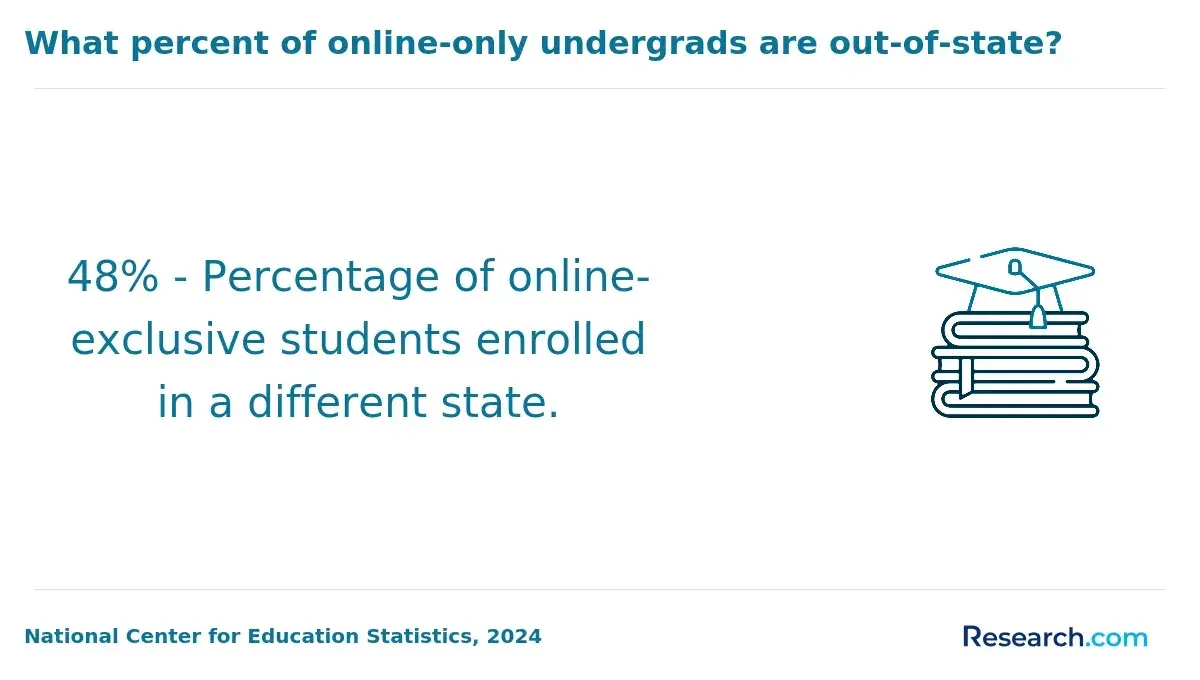
| State authorization | The school is authorized to enroll online students in your state | Online availability can vary by state and may affect enrollment eligibility |
Be cautious with schools that avoid clear accreditation language, cannot explain dissertation supervision, advertise unrealistically fast doctorates, or use "executive" branding without a rigorous curriculum. A doctorate should strengthen your credibility; it should not create questions about academic legitimacy.
What Do Students Learn in an Online Clinical Research Management Doctorate Program?
Students in an online clinical research management doctorate learn how to generate, evaluate, govern, and apply evidence in complex healthcare and life-sciences environments. The best programs go beyond research methods by helping experienced professionals lead people, budgets, systems, compliance processes, and cross-functional teams.
Curricula vary by degree type, but executive-focused programs usually combine advanced research training with leadership and operational decision-making. Look for courses and projects that support the kind of authority you want after graduation.
- Advanced clinical research design, including protocol development, study feasibility, endpoints, bias, and evidence quality
- Biostatistics, epidemiology, data interpretation, and real-world evidence evaluation
- Research ethics, human subjects protection, institutional review board processes, and compliance oversight
- Clinical trial operations, quality management, monitoring, vendor oversight, recruitment, and site performance
- Regulatory science, product development, documentation, and inspection readiness
- Leadership, organizational change, health systems strategy, communication, and executive decision-making
- Dissertation, capstone, or applied doctoral project focused on a research leadership problem
AI, decentralized trial models, electronic health records, remote monitoring, and real-world data are changing how research leaders work. A strong doctorate should help you evaluate these tools critically instead of treating technology adoption as a simple software decision.
Professionals earlier in the science pipeline may also compare doctoral options with an online biology degree if they still need foundational life-science preparation. For executive clinical research management, however, a doctorate is usually most useful after substantial graduate education and professional experience.
Can You Complete an Online Clinical Research Management Doctorate While Working Full Time?
Yes, many online clinical research management doctorate pathways can be completed while working full time, but "online" does not automatically mean "executive-friendly." The real question is whether the program's weekly workload, meeting times, residency requirements, dissertation expectations, and pacing match your leadership role and travel schedule.
The table below compares delivery models that executives often encounter. Use it to assess whether a program is realistically compatible with full-time work before you apply.
| Format | How it works | Best for | Watch for |
| Fully online asynchronous | Coursework can usually be completed within weekly deadlines without fixed class meetings | Executives with travel, variable hours, or global teams | Requires strong self-management and may offer less live networking |
| Online synchronous | Students attend scheduled live sessions online | Professionals who value cohort interaction and structured discussion | Time zones, evening conflicts, and board-meeting schedules can become barriers |
| Low-residency hybrid | Most coursework is online with required campus visits or intensives | Students who want networking, faculty access, and cohort bonding | Travel, lodging, leave time, and family logistics add cost |
| Accelerated online | Courses run in shorter terms or heavier sequences | Professionals with protected study time and a clear dissertation topic | Speed may reduce reflection time and increase burnout risk |
| Part-time executive pace | Students take fewer credits while continuing senior responsibilities | Working leaders balancing job, family, travel, and doctoral research | Total time to degree may increase, which can raise opportunity cost |
Before enrolling, ask the program director for a sample weekly schedule, average reading load, expected research milestones, and the frequency of live participation. The best choice is usually the format you can sustain for several years, not the one that looks fastest on paper.
Common mistakes include assuming every online doctorate is self-paced, underestimating dissertation time, ignoring required residencies, and enrolling during a major career transition. If you are taking on a new executive role, merger integration, or heavy travel cycle, a slower part-time plan may produce better results than an accelerated track.
What Are the Admission Requirements for an Online Clinical Research Management Doctorate?
Admission requirements usually reflect the advanced nature of clinical research leadership. Most programs expect applicants to have a graduate degree, professional experience, strong writing ability, and a clear reason for pursuing doctoral-level study.
The following requirements are common, although exact standards vary by university and doctorate type. Executives should use them to prepare a stronger application and identify gaps before deadlines arrive.
- Master's degree in a relevant field such as clinical research, health sciences, public health, nursing, pharmacy, medicine, biology, healthcare administration, regulatory affairs, or a related discipline
- Professional experience in clinical research, healthcare, regulatory affairs, pharmaceutical or biotech operations, academic medicine, research administration, or health leadership
- Graduate transcripts and minimum GPA requirements set by the university
- Statement of purpose explaining career goals, research interests, and fit with the program
- Resume or CV showing leadership responsibilities, research involvement, publications, presentations, quality improvement work, or regulatory experience
- Letters of recommendation from supervisors, faculty, research leaders, or executives who can assess doctoral readiness
- Writing sample, interview, or preliminary research proposal for some programs
Applicants moving from clinical support or entry-level healthcare roles may need additional education before a doctorate. For example, accelerated medical assistant programs can help people enter healthcare quickly, but doctoral clinical research management programs are designed for professionals with far more advanced academic and leadership preparation.
A strong application should make the business case for your doctoral work. Explain the research leadership problem you want to solve, why the faculty can support it, and how the degree connects to your executive trajectory.
How Long Does It Take to Earn an Online Clinical Research Management Doctorate?
Most online clinical research management-related doctorates take several years, especially for working professionals. The timeline depends on required credits, transfer policy, course load, dissertation or capstone structure, residency requirements, and how quickly you can move from coursework into an approved research project.
The table below gives a practical planning view rather than a promise. Your actual time to completion will depend on university rules and your ability to maintain progress while working.
| Student profile | Likely pacing pattern | What can extend the timeline | Best planning strategy |
| Full-time doctoral student | Heavier course load and faster research progression | Dissertation delays, limited faculty availability, or changing research topics | Enter with a refined research question and protected study time |
| Working executive, part-time | Fewer courses per term with steady year-round progress | Travel, organizational crises, job changes, family obligations, or slow data access | Choose a sustainable pace and schedule weekly dissertation work early |
| Accelerated student | Compressed terms or intensive course sequencing | Burnout, shallow topic development, or insufficient time for data collection | Use acceleration only if your employer and family can support the workload |
| Hybrid or low-residency student | Online work plus required intensives | Missed residencies, travel conflicts, or delayed milestone approvals | Block residency dates and travel funds before enrollment |
For executives, the largest time risk is usually not coursework; it is the dissertation or applied doctoral project. Programs with structured milestone coaching, early advisor matching, and clear project approval processes can reduce uncertainty without reducing academic rigor.
Does an Online Clinical Research Management Doctorate Require a Dissertation?
Many online clinical research management-related doctorates require a dissertation, but some professional doctorates use an applied doctoral project, capstone, or practice-based inquiry instead. The right model depends on whether you want to produce original scholarly research or solve an advanced practice problem in a research organization.
The table below explains the main scholarly project formats. This is one of the most important comparisons for executives because it determines how your final work can support promotion, consulting, publication, or organizational change.
| Final requirement | What it usually involves | Best for | Executive value |
| Traditional dissertation | Original research question, literature review, methodology, data collection or analysis, and defense | PhD students, future faculty, research directors, and scholarly experts | Builds credibility as an evidence-generation leader |
| Applied dissertation | Research-based investigation of a practical problem in a professional setting | Leaders who want scholarly rigor tied to organizational issues | Can address recruitment, quality systems, compliance, implementation, or operational performance |
| Doctoral capstone | Practice-focused project, deliverable, evaluation, and presentation | Professional doctorate students focused on applied change | May produce a usable framework, process redesign, or leadership intervention |
| Portfolio or publishable papers | Series of scholarly products, manuscripts, or applied research outputs | Students pursuing publication, consulting, or academic visibility | Can create evidence of expertise before graduation |
Ask whether you can use workplace data, whether employer approval is needed, how human subjects review works, and what happens if you change jobs during the project. Clinical research leaders often underestimate the complexity of data access, confidentiality, sponsor restrictions, and IRB review.
A common red flag is a program that markets "no dissertation" as if less rigor automatically benefits executives. A shorter final project can be appropriate, but it should still demonstrate doctoral-level analysis, evidence use, ethical reasoning, and leadership impact.
How Much Does an Online Clinical Research Management Doctorate Cost, and Is It Worth the Investment?
The cost of an online clinical research management doctorate varies widely by institution, credits, tuition structure, residency requirements, and time to completion. The most useful comparison is total cost of attendance, not the per-credit tuition number on a program page.
Use these cost categories when comparing schools. They are the items most likely to change the real price of an online doctorate for a working executive.
- Tuition: usually charged per credit or per term, so total tuition depends on required credits and how long you remain enrolled
- University and program fees: technology, online learning, graduation, dissertation, library, or student-service fees may be separate from tuition
- Residency costs: low-residency programs may require airfare, lodging, meals, ground transportation, and time away from work
- Books, software, and research tools: statistics software, transcription, survey tools, data access, and editing support can add cost
- Opportunity cost: executives should consider time away from billable consulting, leadership travel, family responsibilities, or promotion preparation
Federal loan limits can affect affordability. The current annual Federal Direct Unsubsidized Loan limit for graduate and professional students is $20,500, so students whose program costs exceed that amount often compare employer tuition benefits, savings, scholarships, payment plans, or Graduate PLUS borrowing.
For a useful healthcare doctorate cost benchmark, compare clinical research management programs with affordable online pharmacy school options. The degree goals differ, but the comparison can help you see how tuition, residency requirements, and professional ROI vary across advanced health-related doctorates.
The investment is most defensible when the doctorate supports a specific executive outcome: moving from manager to director or vice president, transitioning into regulatory or clinical operations leadership, building a consulting practice, teaching at the graduate level, or leading research strategy across an organization. It is less compelling if you are pursuing the credential mainly because you hope the title alone will produce a promotion.
What Executive Careers Can You Pursue With an Online Clinical Research Management Doctorate?
An online clinical research management doctorate can support executive careers in organizations that design, sponsor, regulate, monitor, or apply clinical evidence. It is most valuable when combined with substantial experience, leadership accomplishments, and a clear professional reputation.
The table below outlines career paths where doctoral training may be relevant. Salary varies by employer, geography, sector, bonus structure, and prior experience, so use labor-market data as context rather than a guarantee.
| Career path | Typical responsibilities | How the doctorate may help | Salary context |
| Clinical research director or executive director | Oversee study portfolios, site performance, operations teams, quality systems, and trial timelines | Strengthens research credibility, process improvement ability, and evidence-based leadership | Often benchmarked within healthcare management, life sciences, or research administration compensation bands |
| Vice president of clinical operations | Lead multi-study operations, vendors, budgets, risk management, and cross-functional execution | Supports enterprise-level thinking and advanced evaluation of operational evidence | Compensation is highly employer-dependent and may include bonuses or equity in industry settings |
| Regulatory affairs or regulatory science leader | Guide submissions, compliance strategy, product development evidence, and agency interactions | Useful when the doctorate emphasizes regulatory science and clinical evidence standards | May align with senior life-sciences leadership rather than general healthcare management |
| Research compliance or quality executive | Manage audit readiness, SOPs, inspection response, ethics, monitoring quality, and risk mitigation | Builds authority in governance, evidence, and systems-based quality improvement | Pay depends on sector, complexity, and whether the role is in academia, healthcare, CRO, or industry |
| Clinical research consultant | Advise sponsors, CROs, sites, health systems, or startups on trial operations and research strategy | Can differentiate expertise when paired with measurable executive experience | Income varies by client base, specialization, and business development success |
| Graduate faculty or academic research administrator | Teach, supervise research, manage programs, or lead academic research infrastructure | PhD pathways are especially useful for scholarship and faculty credibility | Academic pay structures differ significantly from industry executive compensation |
BLS projects medical and health services managers to grow much faster than average over the 2024-2034 period. For clinical research leaders, that broader management demand suggests continued need for professionals who can manage complexity, compliance, data, technology, and cross-disciplinary teams.
The degree is not a guaranteed path to the C-suite. Employers still look for measurable leadership outcomes, budget responsibility, team scale, regulatory judgment, communication skills, and the ability to deliver results under pressure. The best doctoral candidates use the program to amplify an already strong leadership profile.
Before committing, ask yourself whether the doctorate solves a real career constraint. If the barrier is lack of executive presence, weak networking, limited people-management experience, or no exposure to sponsors and regulators, targeted leadership development or a strategic job move may be more useful in the short term.
Other Things You Should Know About Clinical Research Management
It can be respected if it comes from a regionally accredited institution, has rigorous doctoral requirements, and aligns with recognized clinical research, translational science, regulatory science, or health sciences faculty expertise. Employers will also weigh your experience and leadership record.
A PhD is usually better for research-intensive, academic, or scholarly leadership roles. A professional doctorate may be better for applied executive leadership, consulting, organizational change, regulatory strategy, or practice-based problem-solving.
Often, yes, but only if the format fits your schedule. Check synchronous class times, residency dates, weekly workload, dissertation milestones, and whether part-time enrollment is allowed before assuming the program is manageable.
Not automatically. The degree may strengthen your candidacy for senior roles, but compensation and promotion depend on experience, employer needs, leadership results, sector, geography, and how well the doctoral work supports your career strategy.
References
- PhD in Applied Clinical Research - Hunimed https://www.hunimed.eu/course/phd-clinical-research/
- From Academia to Clinical Research: Q+A https://www.medpace.com/careers/blog/from-phd-to-clinical-research/
- Clinical Research Management (MS – online) - Biomedical Science Graduate Programs https://school.wakehealth.edu/education-and-training/graduate-programs/clinical-research-management-ms
- Top 25 Clinical Research and Clinical Research Management Master's Degree Programs - Healthcare Management Degree Guide https://www.healthcare-management-degree.net/best/clinical-research-clinical-research-management-masters-programs/
- Dr. Zubair Khalid | Veterinary Virologist & Bioinformatician https://www.zubairkhalid.com/blog/careers/clinical-research-careers-exploring-roles-and-advancement-opportunities
- Associate Clinical Trial Manager (PhD) - Infectious Disease / Immunology in Milan, Italy | Medpace, Inc. https://careers.medpace.com/jobs/12473
- EU Ranked #3 Among Forbes’ Best Online Doctorates in Organizational Leadership https://www.eastern.edu/news/phd-management-forbes
- How to Become a Clinical Trials Manager - Education, Certification & Pay https://www.healthcaredegree.com/administration/clinical-trials-manager
- Health Management Careers https://www.ache.org/Career-Resources/Start-Your-Career/Health-Management-Careers
- Clinical Research (M.Sc.) https://www.di-uni.de/master/clinical-research