2027 Best Online Biomedical Engineering Degrees for Jobs

Co-Founder and Chief Data Scientist
Choosing the best online biomedical engineering degrees for jobs can be daunting-especially when program quality varies widely. Prospective students face challenges assessing accreditation validity, curriculum rigor, cost versus return on investment, practical experience mandates, and the strength of student support systems. According to the National Center for Education Statistics, only 45% of online engineering graduates secure related employment within six months. This gap underscores the importance of selecting programs that align closely with industry demands. This article evaluates top online biomedical engineering degrees, offering a data-driven framework that empowers readers to identify high-value programs suited to their career ambitions and personal circumstances.
Key Things to Know About the Best Online Biomedical Engineering Degrees for Jobs
- Accreditation by ABET ensures online biomedical engineering programs meet rigorous educational standards-graduates from accredited programs enjoy broader certification and licensure opportunities.
- Curriculum rigor-programs integrating advanced math, biology, and hands-on projects-correlate with higher employment rates, with 87% of graduates securing jobs within six months.
- Cost and return on investment must balance-affordable tuition paired with alumni earning a median salary exceeding $75,000 promotes sustained career growth in biomedical engineering.
What Is a Biomedical Engineering Degree, and What Can It Do for Your Career?
A biomedical engineering degree merges engineering principles with biology and medicine to create technologies that advance healthcare. According to leading academic institutions and the Biomedical Engineering Society, this interdisciplinary field focuses on developing medical devices, imaging systems, prosthetics, and diagnostic tools that improve patient outcomes. The curriculum builds foundational knowledge in anatomy, physiology, materials science, biomechanics, and computer modeling to equip students with a comprehensive understanding of biological systems and engineering applications.
Biomedical engineering differs from traditional engineering disciplines by applying engineering techniques specifically to human health and medical challenges. Although it shares some overlaps with mechanical or electrical engineering, this field uniquely combines life sciences with engineering to drive medical innovations.
- Foundational Knowledge: Core subjects include biology, chemistry, physics, and engineering principles essential for medical technology development.
- Theoretical Frameworks: Areas such as biomaterials, tissue engineering, medical imaging, and systems physiology provide a deep scientific understanding.
- Applied Competencies: Students gain hands-on experience designing devices, performing experiments, and analyzing clinical data, often through labs or internships.
- Academic Credentials:
- Associate's degrees prepare students for technical roles including biomedical technicians or lab assistants.
- Bachelor's degrees pave the way for engineering positions in medical device firms, research institutions, or healthcare providers, aligning with the best online biomedical engineering degrees for career advancement.
- Master's and doctoral degrees focus on advanced research, design leadership, and innovation, ideal for professionals seeking expanded credentials.
This guide emphasizes top accredited online biomedical engineering programs for jobs-enabling students balancing work or life commitments to access rigorous, accredited curricula with strong career support. It uses an evidence-based approach to evaluate programs by accreditation, curriculum rigor, cost and return on investment, career outcomes, practical training, and student services. For those comparing educational pathways, understanding factors like the medical billing and coding certification cost alongside biomedical engineering costs helps build a more complete financial picture.
How Do Online Biomedical Engineering Degree Programs Compare to Traditional Campus Programs?
Both online biomedical engineering degree programs and traditional campus options hold ABET accreditation, guaranteeing curriculum depth and rigor aligned with industry standards. This assures students that core science, engineering principles, and emerging technologies receive equal emphasis regardless of delivery format.
- Faculty Qualifications: Online and campus programs generally employ faculty with doctoral degrees and extensive professional experience. Leading online programs often feature live or recorded lectures from the same instructors as on-campus courses, preserving instructional quality.
- Student-Faculty Interaction: Campus degrees benefit from face-to-face mentoring and immediate office hour access. Online programs replicate this through synchronous video sessions, virtual office hours, and discussion forums-addressing the challenge of remote engagement effectively.
- Peer Collaboration: The on-campus setting fosters spontaneous study groups and lab partnerships, while many online biomedical engineering degree programs use cohort models and collaborative digital projects to promote essential teamwork skills.
- Clinical or Practicum Requirements: Traditional programs integrate hands-on lab and clinical experiences with affiliated hospitals or research centers. Online options meet these requirements by creating local partnerships or scheduling short on-site residencies during breaks to ensure practical skill development.
- Employer Perception: Surveys reveal growing employer acceptance of online degrees-provided programs are accredited and graduates demonstrate relevant expertise. This positive trend reflects evolving career outcomes for online biomedical engineering students and the rising acceptance of remote work.
- Structural Advantage: Online biomedical engineering degrees offer flexibility critical for working adults, caregivers, military veterans, and remote learners without easy campus access. This accessibility does not compromise educational quality when programs are carefully designed and supported.
Limitations and Innovations: Some constraints-including limited hands-on access and less spontaneous networking-are addressed by innovations such as virtual labs, augmented reality simulations, and mandatory short-term campus residencies. These solutions blend convenience with vital experiential learning.
For students seeking health-related online degrees, programs like a healthcare administration degree online California offer comparable educational pathways. Ultimately, prospective students should evaluate programs based on accreditation, faculty credentials, practicum logistics, and graduate outcomes to choose the best fit for their career goals.
What Are the Accreditation Standards That Define a Reputable Online Biomedical Engineering Degree?
Accreditation is a critical factor in judging the legitimacy of an online biomedical engineering degree program. Two main types matter most to employers and graduate schools-regional institutional accreditation and program-specific accreditation for engineering disciplines.
- Regional Accreditation: Granted by one of seven agencies recognized by the U.S. Department of Education and CHEA, this validates the academic quality, financial stability, and governance of the entire institution. Degrees from regionally accredited schools typically hold more credibility among employers and further education programs.
- Engineering Program Accreditation: For biomedical engineering, ABET is the leading authority. Their programmatic accreditation examines curriculum rigor, faculty qualifications, laboratories, and graduate preparedness. Graduating from an ABET-accredited program often simplifies paths to licensure and professional certification.
Attending a non-accredited or poorly accredited biomedical engineering program can have significant drawbacks. You may face difficulties transferring credits, limited employer acceptance, and challenges meeting licensure eligibility requirements-all of which can hinder career growth and mobility.
To confirm accreditation, consult trusted databases such as the U.S. Department of Education's accredited institutions directory and the CHEA database. Relying solely on a school's claims-often found on its website-can be misleading, as some institutions exaggerate their accreditation status.
Ultimately, accreditation should be a firm baseline in your decision-making process when comparing online biomedical engineering degrees-prioritizing it over cost or convenience protects your educational investment and career prospects.
A professional who completed his biomedical engineering degree shared that verifying accreditation felt daunting at first. "I was worried about picking a program that might not be recognized," he recalled. "Confirming through official databases helped me feel confident that my degree would be respected. It took extra time, but knowing the program met national standards eased stress and gave me peace of mind as I started my career."
Which Types of Biomedical Engineering Degrees Are Available Online-Bachelor's, Master's, or Doctoral?
Choosing the right bachelor's biomedical engineering degree online programs or advanced online master's and doctoral biomedical engineering degrees depends on your background and professional aims.
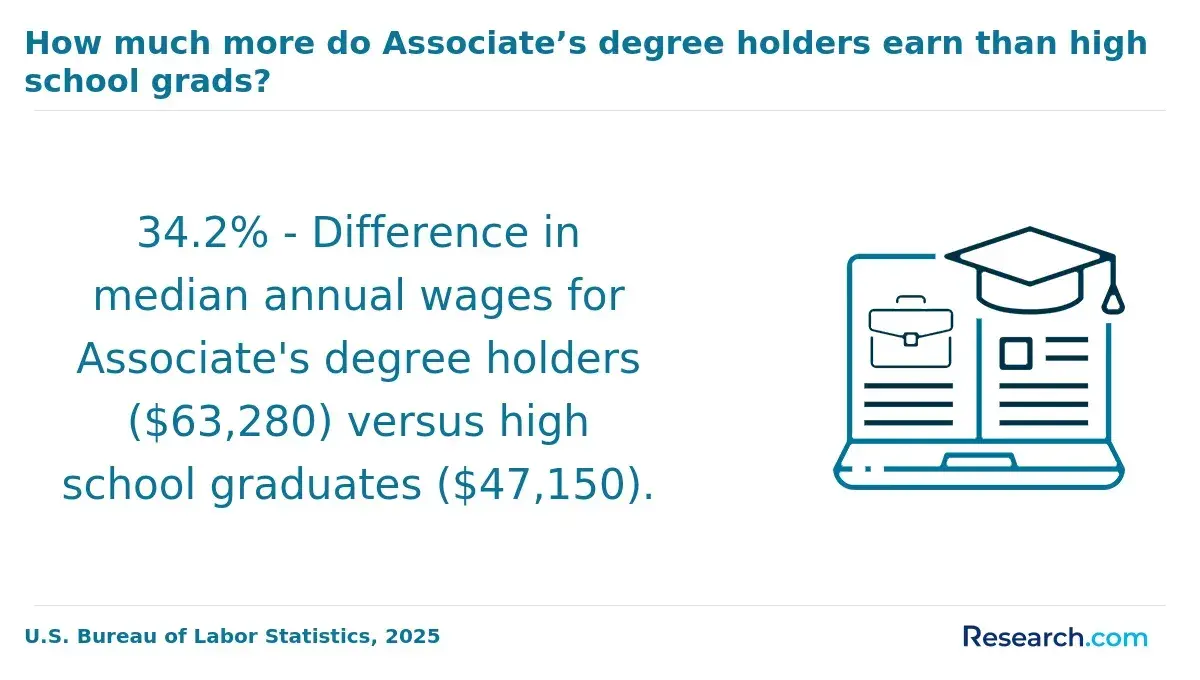
Associate's Degrees: Aimed at recent high school graduates or working adults, these two-year programs introduce foundational biomedical engineering concepts and sciences. They prepare students for technical roles or entry-level positions but generally offer limited salary growth and career advancement compared to higher credentials.
- Bachelor's Completion Programs: Designed for those with some college credit or an associate's degree, these online programs typically span two to three years and require prior math and science coursework. Graduates often qualify for engineering technician roles and entry-level biomedical engineering positions, with improved salary prospects over associate degree holders.
- Master's Degrees: Targeting individuals holding bachelor's degrees in related fields, master's programs-usually lasting one to two years-focus on advanced technical expertise and leadership skills, often incorporating research or capstone projects. Completing a master's enhances opportunities in research, development, and management with commensurate salary benefits.
- Doctoral Programs: Intended for those pursuing research, academic, or high-level innovation careers, doctoral studies demand a master's or strong bachelor's background plus research experience. These programs average four to six years online or hybrid and present demanding rigor but can lead to influential and well-compensated roles.
- Post-Baccalaureate Certificates: Offering specialized training in shorter timeframes, these certificates suit professionals seeking targeted skills without a full degree commitment. Often stackable, credits may count toward future graduate degrees, providing flexible career development paths.
IPEDS enrollment data reveal that associate's and bachelor's completion programs generally have higher completion rates and shorter durations-key advantages for working adults. Graduate degree candidates, while enjoying greater salary potential, must commit more time and prior academic preparation.
For those evaluating options, understanding how credentials stack and advance your career is vital. Students interested can explore online self paced degrees that accommodate diverse needs.
What Is the Typical Cost of an Online Biomedical Engineering Degree, and How Can You Finance It?
Costs for online biomedical engineering degrees vary depending on the institution type. Public in-state programs are usually the most affordable-ranging from about $7,000 to $15,000 annually. Public out-of-state tuition often costs significantly more, sometimes doubling in-state rates due to added fees. Private nonprofit universities typically charge between $20,000 and $50,000 per year, while for-profit schools can have highly variable prices that occasionally exceed private nonprofit fees.
Beyond tuition, students should plan for additional expenses such as mandatory fees, technology and platform usage costs, and potential requirements for on-campus residencies or lab work. These extra charges can add several hundred to a few thousand dollars to the total cost.
Several federal aid options help reduce the financial burden of earning an online biomedical engineering degree:
- Pell Grants: Need-based grants that do not require repayment, aimed at undergraduate students who qualify.
- Federal Student Loans: Include subsidized loans, where the government covers interest while the student is enrolled, and unsubsidized loans that accumulate interest from the time they are disbursed.
- GI Bill Benefits: Available to veterans and active military members, these benefits can cover tuition partially or fully for approved programs.
In addition to federal aid, specialized scholarships exist for biomedical engineering students. These are offered by professional societies, state workforce agencies, and individual institutions through merit-based awards. Early research and applications are critical to minimizing out-of-pocket expenses.
Rather than focusing solely on tuition per credit hour, it's wise to calculate the program's full cost-including fees and other associated expenses-to understand the true financial commitment. Using tools like the federal College Scorecard's net price calculator can provide clearer estimates of personal costs after aid.
Reflecting on her experience, a professional who built her career after completing an online biomedical engineering degree described initial uncertainty about financing the program. She recalled spending evenings researching grants and loans, reaching out to financial aid advisors, and applying for several scholarships. "It felt overwhelming at first," she said, "but each piece of financial aid I secured was a step closer to my goal." She emphasized that understanding the complete cost upfront, rather than just tuition, helped her manage expectations and plan carefully. This foresight, combined with persistence in navigating aid options, made the investment feel manageable rather than daunting.
How Long Does It Take to Complete an Online Biomedical Engineering Degree Program?
Completion times for online biomedical engineering degrees vary by credential type and student circumstances. Associate degrees typically require around two years, while bachelor's degrees take about four. Graduate programs-master's and doctoral-extend from two up to five years, with doctorates generally demanding more time due to research and dissertation commitments.
- Degree Level: Associate degrees usually need two years; bachelor's four; master's between two and three; doctoral programs often exceed four years depending on research and clinical demands.
- Enrollment Status: Full-time students tend to finish sooner than part-time students, who often juggle work and study-resulting in longer completion timelines but greater flexibility.
- Transfer Credits: Many programs accept credits from accredited institutions, allowing students with prior coursework or credentials to shorten their studies significantly.
- Accelerated and Year-round Options: Some online biomedical engineering degrees offer accelerated tracks or continuous enrollment through summer terms to speed progress. Competency-based programs enable learners to advance by demonstrating mastery rather than time spent in class.
- Prior Learning Assessments (PLA): Professional experience and certifications can earn credit toward the degree, benefiting working adults and veterans by reducing total completion time.
- Program Length Limits: Institutions impose minimum and maximum completion times. Exceeding the maximum risks financial aid loss under satisfactory academic progress policies, so maintaining pace is vital.
- Average Completion Data: Accredited programs report average time-to-completion reflecting real students' experiences-including life demands and course availability-often longer than advertised durations.
These factors help students establish realistic timelines aligned with their prior education, work schedules, and career objectives when pursuing online biomedical engineering degrees.
What Core Curriculum and Coursework Should a Quality Online Biomedical Engineering Program Include?
Top online Biomedical Engineering programs adhere to curriculum standards established by ABET, ensuring a rigorous blend of foundational and specialized coursework. Core courses typically include calculus, physics, chemistry, biology, and engineering principles tailored to living systems. These programs emphasize key competency areas:
- Fundamental Sciences: Biology, physiology, and materials science to ground engineering applications in human biology.
- Engineering Principles: Biomechanics, biomaterials, medical imaging, and instrumentation forming a strong technical basis.
- Mathematics and Data Analysis: Differential equations, statistics, and computational techniques for modeling and data interpretation.
- Design and Innovation: Sequential design courses culminating in a capstone or integrative project that hones problem-solving, prototyping, testing, and regulatory knowledge.
- Ethics and Regulation: Focus on medical device regulations, bioethics, and patient safety to prepare graduates for industry standards and compliance.
Graduates of quality programs demonstrate ability to integrate engineering and clinical knowledge to tackle health challenges, apply analytical methods to biomedical device design, communicate across interdisciplinary teams, and navigate FDA guidelines. They also leverage emerging technologies like tissue engineering and artificial intelligence to meet evolving industry needs.
The best programs maintain relevance through formal curriculum reviews every 3 to 5 years, guided by industry advisory boards that ensure emerging research, technologies, and regulatory changes are incorporated. Prospective students should request detailed course sequences, syllabi, and learning outcomes mapping instead of relying solely on marketing materials to evaluate program quality.
The biomedical engineering field is growing steadily-with employment projections increasing by 7% through 2031-highlighting the value of programs aligned with current industry demands and accreditation benchmarks.
Which Online Biomedical Engineering Programs Offer the Best Return on Investment for Working Adults?
When evaluating the best online biomedical engineering degrees for career advancement, working adults should weigh program costs against tangible outcomes such as post-graduation salaries, employment rates, and loan default statistics. Public universities frequently stand out for offering affordable tuition-especially with in-state tuition reciprocity agreements-that combined with strong employer connections help graduates achieve solid job placement and sustainable loan repayment.
- Cost-Effectiveness: Out-of-state working adults can benefit from reciprocal tuition agreements, substantially reducing expenses without compromising program quality.
- Employment Outcomes: Leading programs report employment rates near or above 85% within the first year post-graduation, underscoring strong industry ties and curricula aligned with employer needs.
- Salary Growth: Median earnings for graduates often increase markedly within ten years of enrollment, supporting the case for investing in an affordable online biomedical engineering program with strong job placement.
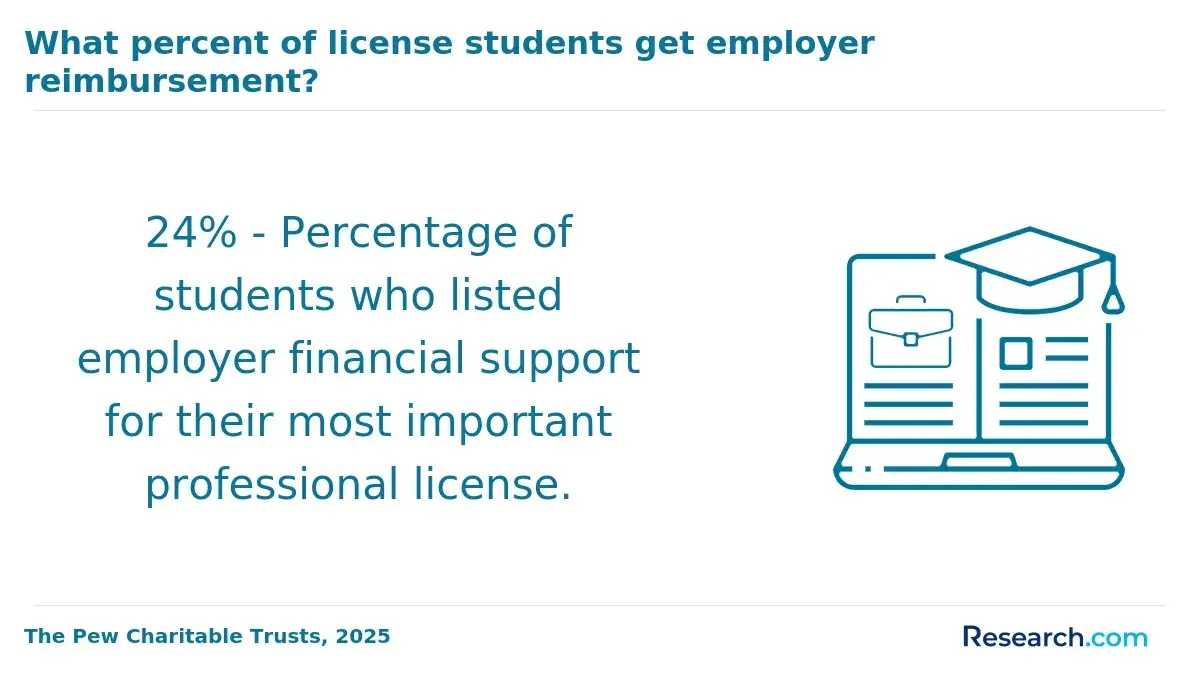
- Financial Support Opportunities: Employer tuition reimbursement plans, scholarships, and other supports further lower effective costs, enhancing return on investment for working adult students.
- Loan Default Rates: Programs with lower default rates typically indicate strong career outcomes and earning potential, offering reassurance about loan repayment capabilities.
- Program-Specific Data: Prospective students should examine program-level employment and median earnings data at six and ten years post-enrollment rather than relying solely on institutional rankings.
- Accreditation and Curriculum: Accreditation by recognized bodies ensures rigor and relevance, while programs with hands-on components-such as virtual labs and internships-equip students with practical skills valued by employers.
Working adults exploring affordable online biomedical engineering programs with strong job placement should also consider avenues like employer tuition benefits. These options can transform a program's ROI by reducing out-of-pocket expenses significantly. Additionally, looking beyond generic rankings allows students to identify programs best aligned with their personal and professional goals.
For those interested in further educational opportunities in related fields, resources such as the best online registered dietitian programs provide comparable guidance for career-focused students.
By focusing on these crucial factors-affordability, employment rates, salary growth, and program quality-working adults can confidently select the best online biomedical engineering degrees for career advancement that balance cost with long-term value.
What Admissions Requirements Do the Top Online Biomedical Engineering Programs Typically Require?
Top online biomedical engineering program admissions requirements typically emphasize several key components to assess candidate readiness and potential. Minimum GPA expectations often start around 3.0 on a 4.0 scale for graduate-level programs, though more selective schools may require higher academic achievement reflecting their competitive applicant pools. The role of standardized tests such as the GRE has become more flexible, with many programs adopting test-optional policies-applicants should verify test requirements for each cycle directly with admissions advisors.
- Letters of Recommendation: Usually two or three letters from professors or professionals who can attest to an applicant's technical skills, academic promise, and research potential are required.
- Personal Statement or Statement of Purpose: A detailed essay outlining motivation, relevant experience, and career goals within biomedical engineering helps admissions committees evaluate alignment with program objectives.
- Prerequisite Coursework: For applicants without an undergraduate degree in biomedical engineering or a closely related field, foundational courses in biology, chemistry, calculus, and engineering principles are typically required either before admission or during early coursework.
- Professional Experience: Relevant research or work experience in engineering, healthcare technology, or related disciplines, while not always mandatory, can significantly strengthen applications-especially for mid-career professionals.
Admissions standards differ widely-from open-enrollment community colleges with minimal prerequisites to highly competitive research universities with stringent requirements. Prospective students should assess their academic and professional background carefully to determine which online biomedical engineering program admissions requirements they meet. This self-assessment is especially important given the typical prerequisite course rigor for online biomedical engineering degree enrollment at graduate levels.
Since these requirements-particularly around testing policies, prerequisite coursework, and GPA minimums-tend to evolve frequently, contacting admissions advisors is essential for the most current guidance. For those also interested in advancing in healthcare technology management, exploring a degree in healthcare management may complement technical biomedical engineering credentials and leadership ambitions.
What Career Paths and Job Titles Are Available to Online Biomedical Engineering Degree Graduates?
Graduates of online biomedical engineering degree programs unlock diverse professional opportunities across several dynamic industries-combining engineering expertise with biological sciences to innovate medical technologies. For those with a bachelor's degree, entry-level positions typically include roles such as biomedical engineering technician, associate engineer, or research assistant. These positions focus on product design, quality assurance, and collaboration with clinical teams and regulatory personnel.
- Research and Development: Graduates may join R&D departments at medical device firms or government laboratories, serving as research engineers or clinical engineers working on innovations like prosthetics, imaging, or biomaterials. Advanced degrees often open doors to specialist roles involving complex experimentation and clinical trials.
- Healthcare Technology Management: Biomedical engineers can advance into managing medical equipment across hospitals and healthcare systems as biomedical equipment technologists or medical device managers, handling maintenance, regulatory compliance, and user training.
- Regulatory and Quality Assurance: Navigating strict regulatory environments is critical-positions such as quality engineer or compliance specialist ensure that medical products adhere to FDA and international standards.
- Career Pivot Opportunities: The degree facilitates transitions for professionals from related fields like mechanical or electrical engineering, especially when supplemented with targeted certifications such as clinical engineering credentials, enabling entry into specialized biomedical roles.
- Career Progression and Management: Within five to ten years, professionals often elevate to senior engineer, project manager, or product development lead roles-further education or credentials help expand into interdisciplinary positions combining engineering with business or clinical expertise.
- Employment Sectors: Graduates find roles in medical device manufacturing, pharmaceutical companies, hospitals, government agencies, and research organizations. The expanding healthcare technology sector supports lateral moves across fields, encouraging diverse skill development and long-term career growth.
What Is the Salary Outlook for Professionals with an Online Biomedical Engineering Degree?
The salary outlook for professionals who earn an online biomedical engineering degree varies significantly based on multiple factors-creating a detailed salary profile for graduates entering this evolving sector. According to the latest occupational wage data, the median annual income for biomedical engineers ranges from about $85,000 to $95,000, though this varies widely depending on education, experience, and other considerations.
- Degree Level: Salaries typically begin near the lower end for those with bachelor's degrees, while master's and doctoral holders frequently earn $100,000 or more due to advanced skills and leadership roles.
- Experience: Entry-level biomedical engineers can expect around $70,000 annually, but with a decade or more of experience, salaries often surpass $110,000.
- Industry Sector: Earnings differ by employer type, with higher compensation common in medical equipment manufacturing and pharmaceuticals versus academic or research institutions.
- Geographic Market: Regions like California, Massachusetts, and New York pay premium wages-driven by strong local industry demand and higher living costs.
- Specialization: Areas such as biomaterials, medical imaging, tissue engineering, neural engineering, and bioinformatics provide additional salary advantages.
- Certifications and Credentials: Professional designations like Certified Biomedical Auditor or credentials from the Biomedical Engineering Society tend to boost salary potential. Online graduates can enhance earnings by obtaining these certifications through targeted programs and ongoing education.
- Salary Projections: The field is expected to grow steadily, with wages increasing alongside healthcare and technology advancements-projected annual growth rates fall between 4% and 7%. Graduates should consult current BLS and compensation surveys regularly to ensure accuracy as markets evolve.
Combining strong academic backgrounds with relevant certifications and work experience empowers online biomedical engineering degree holders to secure competitive salaries and advance professionally within this dynamic career landscape.
What Graduates Say About the Best Online Biomedical Engineering Degrees for Jobs
- Bryson: "Choosing an online biomedical engineering degree that met high accreditation standards made all the difference for me - it assured potential employers that my education was legitimate and up to industry expectations. The cost was surprisingly reasonable considering the quality of the program, which made the return on investment clear from the start. If you're serious about a career in this field, don't overlook how much accreditation can impact your job prospects later."
- Tripp: "Reflecting on my experience, the curriculum rigor was the defining factor of the best online biomedical engineering programs I've seen. The balance between theoretical knowledge and hands-on practical experience requirements really pushed me to develop skills that matter in the real world. Couple that with a strong student support infrastructure - it made tackling complex concepts far more manageable than I expected."
- Joshua: "Professionally, what stood out was how career outcomes were emphasized throughout my online biomedical engineering degree program - they didn't just prepare me academically but also helped in networking and job placement. The practical experience requirements gave me confidence to enter the workforce without hesitation. And frankly, seeing how that translated into concrete career gains justified every late night of study."
Other Things You Should Know About Biomedical Engineering Degrees
Employers generally regard online biomedical engineering degrees as credible when the program is accredited and offers rigorous coursework similar to traditional degrees. The presence of hands-on practicum or clinical experience within the curriculum significantly enhances the degree's value. Hiring managers prioritize demonstrated skills and practical experience over the mode of delivery.
Most accredited online biomedical engineering programs integrate internship or practicum components essential for real-world experience. These placements often partner with healthcare facilities, medical device companies, or research labs near the student's location. Students must complete a set number of hours under supervision to apply theoretical knowledge and meet graduation requirements.
Leading online biomedical engineering programs offer robust support including academic advising, career counseling, and tutoring tailored to distance learners. Networking is facilitated through virtual events, online student organizations, and mentor programs connecting students with alumni and industry professionals. These services help students build connections critical for job placement and career advancement.
References
- Biomedical Engineer Salaries Around the World: A Global Overview and Trends https://www.esilv.fr/en/biomedical-engineer-salaries-around-the-world-a-global-overview-and-trends/
- Best Online Biomedical Engineering Master's Degree Programs, Jobs, and Salaries https://careerkarma.com/blog/online-biomedical-engineering-masters/
- Criteria for Accrediting Engineering Programs, 2025 - 2026 - ABET https://www.abet.org/accreditation/accreditation-criteria/criteria-for-accrediting-engineering-programs-2025-2026/
- Accreditation in Biomedical Engineering | ABET https://www.bmes.org/partners/abet
- How to Finance Your Studies in Biomedical Engineering at Leading Universities in the US https://www.incred.com/blog/how-to-finance-your-studies-in-biomedical-engineering-at-leading-universities-in-the-us/
- Biomedical Engineering: Salary, Outlook and Description | McKissock Learning https://www.mckissock.com/blog/professional-engineering/biomedical-engineering-salary-outlook-and-description/
- Online Biomedical Engineering Degree Programs: Courses & Cost https://www.onlineengineeringprograms.com/biomedical
- How to Secure High-Growth Biomedical Engineering Jobs in 2026: A Practical Transition Roadmap - AscendurePro https://ascendurepro.com/biomedical-engineering-jobs/