
2027 Best Online Associate Degree Programs With Multiple Start Dates

Co-Founder and Chief Data Scientist
Waiting for the next semester can delay a career change or a return to college. Online associate programs with multiple start dates offer more chances to begin, but a convenient first day does not guarantee that every required course will be available when you need it.
Cost matters, too, the College Board reported average published in-district tuition and fees of $4,050 at public two-year colleges for the 2024-25 academic year. This guide helps you compare fields, schools, schedules, and total costs - and identify what to verify before applying.
Key Things You Should Know
- Start with the next available start date for your required major courses, not just the college's next general admission date.
- Most associate degrees require about 60 semester credits, but course sequencing, enrollment intensity, and accepted transfer credit determine how long you will actually study.
- "Online" does not rule out scheduled meetings, proctored exams, labs, or local clinical placements; confirm every requirement before choosing a program.
Top 10 Best Online Associate Degree Programs With Multiple Start Dates
Business Programs
Online business associate programs commonly cover accounting, management, marketing, and business communication. An Associate of Arts or Associate of Science may suit a student planning to transfer; an Associate of Applied Science may emphasize immediate workplace skills. Multiple general-education start dates are useful only if accounting and other required courses also run often enough to avoid delays. Ask whether classes are asynchronous and whether the program has an agreement with your intended bachelor's institution. An associate degree can support entry-level office work, but management positions generally require experience.
Healthcare Programs
Healthcare administration and health information programs may be available online with several starts each year. Hands-on fields, such as diagnostic imaging, have different constraints: labs, supervised practice, and selective admission may limit both location and start dates. Check whether a program prepares students for a specific certification and whether employers require it. A general healthcare degree is not a substitute for occupation-specific training or a professional license. If you need a fully remote academic schedule, compare each program's required in-person activities before applying.
Information Technology Programs
IT associate programs may focus on networking, cybersecurity, software development, or general computing. Online labs can make much of the coursework accessible from home, but technical prerequisites and infrequently offered advanced classes can slow progress despite frequent introductory starts. Compare the curriculum with entry-level job descriptions and ask whether certification exam fees are included. An Associate of Applied Science may prioritize job-ready skills, while a transfer-oriented Associate of Science may be better if a bachelor's degree is your goal. Neither a degree nor a certification guarantees a technology job.
Nursing / Pre-Nursing Programs
Pre-nursing associate coursework may be offered online with multiple starts, but completing prerequisites does not mean admission to a nursing cohort. Associate Degree in Nursing programs typically require in-person clinical training, may have separate competitive admissions, and may start less frequently than the college's other online programs. Before enrolling, confirm prerequisite expiration rules, clinical placement locations, state board approval, and eligibility for the NCLEX-RN. If your goal is RN licensure, distinguish an actual nursing degree from an online pre-nursing transfer pathway.
Criminal Justice Programs
Criminal justice associate programs introduce law, courts, corrections, and public safety. Online coursework and multiple starts can work well for employed students, but hiring standards for police, corrections, and federal roles vary by agency and may include academy training, background checks, or additional education. A transfer-oriented degree can provide a route toward a bachelor's; a career-focused curriculum may emphasize applied coursework. Ask whether required classes - not just electives - are offered at the pace advertised, and do not assume the degree alone qualifies you for a particular agency.
Psychology / Counseling Programs
An online psychology associate degree is usually a foundation for transfer, not a qualification to practice counseling. Compare its statistics, research, and general-education requirements with those of your intended bachelor's program. Frequent starts may help with introductory classes, while prerequisite sequencing can still affect graduation. Some human-services associate programs include local practicums, even when classes are online. Professional counselor licensure generally requires graduate education and supervised experience; choose this path if you want an accessible first step, not a direct route to independent clinical practice.
What Are Online Associate Degree Programs With Multiple Start Dates?
An online associate program with multiple start dates admits or begins courses more than once during an academic year. Colleges may use standard semesters with additional late-start classes, shorter terms, or rolling course starts. Those models offer different levels of flexibility: an admission date, an orientation date, and the start date of a required course may not be the same.
Students who need an earlier entry point can compare online colleges that start soon, but should ask for a term-by-term schedule for their intended major. A quick first start is less valuable if a prerequisite is offered only once a year.
Which Accredited Colleges Offer Online Associate Degrees With Multiple Start Dates?
Southern New Hampshire University, Rio Salado College, and Ivy Tech Community College are useful places to begin comparing online associate options and recurring starts. They are examples to investigate, not a ranking, program availability, course calendars, residency pricing, and in-person requirements must be confirmed for your degree and enrollment date.
The comparison below shows the scheduling distinction each school is known for and the question that matters before you commit. Check the institution's current accreditation status and the exact degree listing as part of your review of the best online schools for your goals.
| College | Scheduling model to investigate | What to confirm for your degree |
| Southern New Hampshire University | Recurring online undergraduate terms | Next term for your associate major and availability of required courses |
| Rio Salado College | Frequent online course starts | Whether every course in your chosen degree follows the frequent-start schedule |
| Ivy Tech Community College | Multiple course starts within its academic calendar | Online availability, campus requirements, and the schedule for your specific associate program |
A college's institutional accreditation establishes an important baseline, but it does not verify that a particular program is fully online or meets a licensing board's requirements. Request those details directly from the school.
How Much Do Online Associate Degree Programs With Multiple Start Dates Cost?
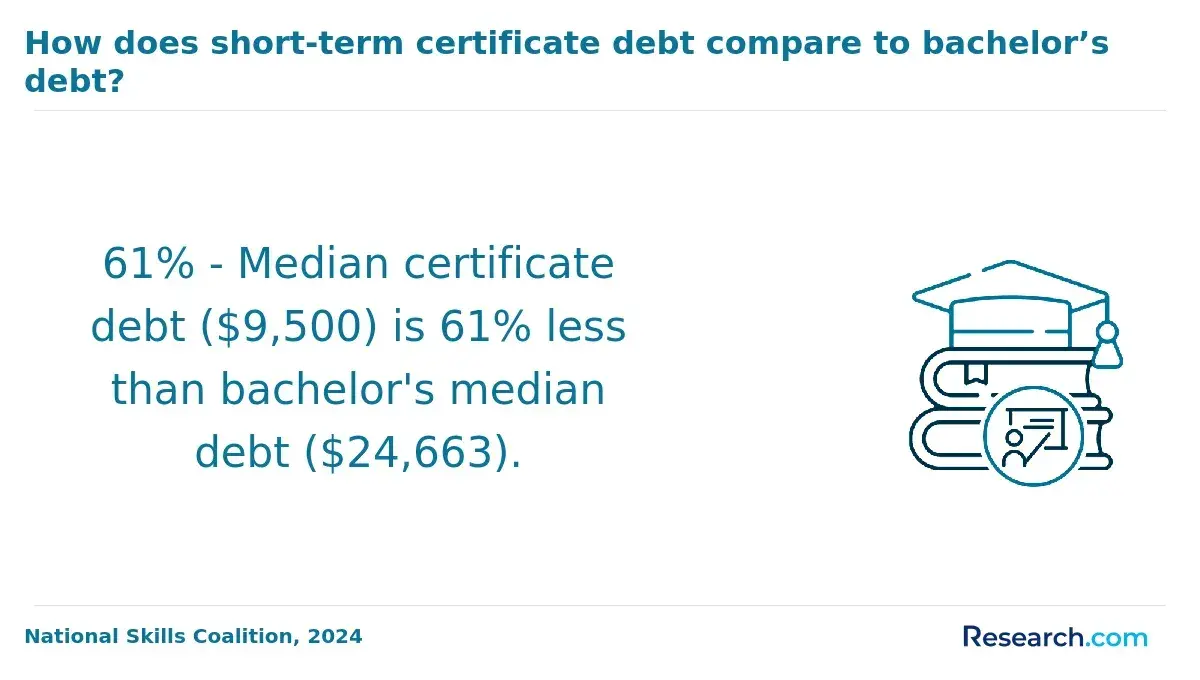
Compare the cost to finish the degree, not just the advertised cost of one course. As a national benchmark, the College Board's published 2024-25 figure for public two-year colleges is $4,050 in average annual in-district tuition and fees for full-time students.
That benchmark is not a quote for any school in this article. Your bill may differ because of residency rules, enrollment intensity, mandatory online or technology fees, books, lab supplies, and required travel. A shorter term is not necessarily cheaper if the same credits and fees still apply.
Ask each college for an estimate based on your remaining credits, then compare grants, scholarships, employer tuition assistance, and federal aid eligibility. Aid depends on factors including the institution, program, and your enrollment and financial circumstances. If you have prior coursework, request a transfer evaluation before treating an estimated completion cost as final.
What Online Associate Degrees Can Students Complete With Multiple Start Dates?
Common online options include business, information technology, criminal justice, psychology, liberal arts, and some healthcare administration or health information programs. Availability varies by college: a school may offer an online major without offering every required class at every start date.
Degree labels provide a starting point, not a complete description. An Associate of Arts or Associate of Science often supports transfer, while an Associate of Applied Science often emphasizes workforce preparation; any of these may have exceptions. Match the actual course requirements to your goal.
If you intend to pursue a bachelor's, confirm that credits will apply to its major requirements, not merely be accepted as electives. If you want immediate employment, compare the curriculum with current job requirements and any separate certification or licensing rules.
How Long Do Online Associate Degree Programs With Multiple Start Dates Take?
Many associate degrees require about 60 semester credits. A student taking a full-time load may finish in roughly two years, while part-time study generally takes longer. Short courses and frequent starts can reduce waiting between classes, but they do not reduce the number of credits required. Prerequisites, course rotation, clinical placements, and transfer-credit decisions can also change the timeline.
Claims about 1 year associate degree programs online deserve particular scrutiny: a short completion estimate may assume substantial previously earned credit or an intensive schedule. Ask for a personalized degree audit showing which credits the school accepts, which requirements remain, and when each remaining course is next available.
What Are the Admission Requirements for Online Associate Degree Programs?
Most colleges ask associate applicants for a high school diploma or equivalent and an application; they may also request transcripts and use placement information to determine the right starting courses. Standardized-test policies vary. Applicants seeking credit for prior college work should submit official transcripts early enough to receive a useful evaluation.
Admission to the college is not always admission to the major. Nursing and other selective healthcare programs may have separate prerequisite, grade, testing, background-check, or health requirements. Ask whether you can enter the major at the next advertised start or would first enter as a general student.
How Do Online Associate Degree Programs Compare With Campus Programs?
Online and campus associate programs can award the same type of credential, but delivery changes how students attend, practice skills, and get help. The better choice depends on your schedule and the requirements of your field.
| Feature | Online program | Campus program |
| Attendance | May allow asynchronous work, but can still require live sessions and fixed deadlines | Usually requires travel for scheduled classes |
| Hands-on learning | May use virtual labs or require local placements and occasional visits | May provide on-site labs and facilities |
| Course access | Multiple starts may help, subject to major-course availability | Course timing depends on the campus schedule |
| Student support | Advising and tutoring may be remote; hours and formats vary | May offer face-to-face support during campus hours |
Online study may fit a student who cannot commute regularly and can manage independent coursework. Campus study may be preferable when access to equipment or face-to-face instruction is central to the major. For a regulated occupation, neither format replaces required supervised training.
What Careers, Salaries, and Job Outlook Follow These Associate Degrees?
Career outcomes depend on the occupation, location, experience, and credentials - not simply on earning an associate degree. Business, IT, and healthcare programs may support entry-level applications, while transfer-oriented psychology and pre-nursing studies often lead to further education. Check the qualifications in actual job postings before choosing a major.
Registered nursing illustrates why degree and career data must be kept separate. The U.S. Bureau of Labor Statistics reports a May 2024 median annual wage of $93,600 for registered nurses and projects 5% employment growth from 2024 to 2034. Those are occupation-wide figures, not expected earnings or a job guarantee for associate graduates. An aspiring RN must complete an eligible nursing program and meet examination and state licensure requirements; an online pre-nursing degree alone does not qualify someone to practice.
Likewise, an associate degree in psychology does not qualify someone as a licensed counselor. Counseling typically requires graduate education after a bachelor's degree, so 1 year master's programs are a later-stage consideration, not a substitute for choosing an appropriate associate and transfer pathway now.
How Can Students Choose a Reputable Online Associate Degree Program?
The best program is the one whose verified schedule, credential, and full cost fit your goal. A frequent-start claim should lead to a practical conversation with an advisor, not an assumption that you can take every class whenever you want.
Use these checks to compare programs on the terms that affect completion:
- Confirm current institutional accreditation and, for a regulated field, any relevant program approval or accreditation and state licensing eligibility.
- Request the next available start dates for required courses, prerequisites, and any clinical or practicum - not just the next general enrollment date.
- Ask which activities require live attendance, a campus visit, proctoring, or an in-person placement.
- Get a written estimate of remaining credits, transfer applicability, mandatory fees, and the likely schedule through graduation.
- If you plan to transfer, check how the receiving bachelor's program will apply each course toward its degree requirements.
Be wary of a program that advertises a fast start but cannot show a workable course sequence, calls itself fully online while omitting required in-person components, or quotes tuition without required fees. A written degree plan makes these trade-offs easier to spot before you enroll.
Other Things You Should Know About
Usually not. Multiple starts mean several entry points, not unlimited enrollment or immediate access to every required course. Check the next start for your specific major.
Some can, but others require labs, proctored activities, campus visits, internships, or local clinical placements. Verify the requirements for the exact program.
Possibly. Acceptance of credits does not guarantee that they fulfill your intended major. Compare course equivalencies and articulation agreements with the receiving college.
Not necessarily. Compare required-course availability, accreditation, total cost, support, and career or transfer fit. A slightly later start may offer a clearer path to graduation.
References
- Semester Course Load and Student Performance - PMC - NIH https://pmc.ncbi.nlm.nih.gov/articles/PMC7568764/
- Undergraduate Retention and Graduation Rates - COE https://nces.ed.gov/programs/coe/indicator/ctr/undergrad-retention-graduation
- Recognition of Accrediting Agencies | Texas Higher Education Coordinating Board https://www.highered.texas.gov/recognition-of-accrediting-agencies/
- University of Phoenix Upcoming Start Dates | Click Here to Apply Today https://www.phoenix.edu/admissions/class-start-dates.html
- Tuition in Detail - One Stop Student Services https://onestop.utk.edu/billing-payments/tuition-detail/
- Why Is Accreditation Important? | ACE Blog https://ace.edu/blog/why-is-accreditation-important/
- Associate to Bachelor's Degree Completion | Tiffin University https://go.tiffin.edu/bachelors-programs/associate-to-bachelors-degree-completion/
- Online Associate's Degree Programs (AS and AAS) - Purdue Global https://www.purdueglobal.edu/degree-programs/associates-degrees/
- Online | Coastline College https://www.coastline.edu/locations/online.php
- What Is An Accelerated Degree Program and How Does It Work? | Chatham University https://www.chatham.edu/news-and-stories/blog/what-is-an-accelerated-degree-program-and-how-does-it-work.html


