2027 Best Master's Degree Programs With Multiple Start Dates

Co-Founder and Chief Data Scientist
Missing a fall application deadline should not mean waiting a year to pursue a master's degree. Programs with multiple start dates can offer another entry point, but an earlier start is valuable only if the courses, costs, and required attendance fit your life.
The U.S. Bureau of Labor Statistics reported a 2024 median annual wage of $124,910 for information security analysts - an occupational figure, not a promised return on a cybersecurity degree. This guide compares fields and scheduling models, then shows working adults and career changers what to verify before applying.
Key Things You Should Know
- Compare the next available start, application deadline, course frequency, and required live or in-person work - not just a "multiple starts" label.
- An institution may offer frequent starts for one master's degree but different enrollment or placement schedules for another.
- Required credits, fees, prerequisite courses, and clinical or practicum scheduling can matter more than the date classes begin.
Top 10 Best Master's Degree Programs With Multiple Start Dates - Multiple Start Programs
Business / MBA Programs
An MBA is a strong scheduling-first option for professionals seeking broad management preparation: online programs may have several entry terms or monthly starts. Compare when required accounting, finance, and strategy courses run, not merely when enrollment opens. An MBA can support advancement or a career change, but management jobs generally also require relevant experience. Applicants seeking deeper technical or research training may be better served by a specialized MS.
Healthcare Administration & Management Programs
Master of Healthcare Administration (MHA) and healthcare-management programs prepare students for operational, financial, and policy responsibilities. Multiple starts can suit employed healthcare professionals, but check whether internships, residencies, or cohort courses begin less frequently than general coursework. These degrees do not confer a clinical license. Compare the curriculum with the roles you want: managing a clinic, for example, calls for different preparation than practicing medicine or nursing.
Information Technology Programs
An MS in information technology may emphasize systems, cloud infrastructure, or IT management. Frequent online entry can help experienced technicians study while employed. Ask whether foundational courses are available at every start and whether team projects require scheduled meetings. Applicants without technical preparation should check for prerequisites; those aiming primarily for business leadership should compare an IT-focused MS with an MBA.
Computer Science Programs
An MS in computer science is often a better fit than a general IT degree for advanced algorithms, software, or computing research. A career changer may need programming and mathematics prerequisites before graduate coursework begins. Check whether a new start date provides immediate access to the required introductory sequence. Thesis options may suit research goals, while project-based routes may better suit applied software work.
Cybersecurity Programs
An MS in cybersecurity can develop security engineering, risk, and incident-response skills. Some online programs offer frequent starts, but labs, group work, or a capstone can still follow a fixed sequence. Compare technical depth with your background and target role: a policy-oriented program may not provide the hands-on preparation sought for engineering work. A degree alone does not replace experience or employer-requested certifications.
Data Science / Analytics Programs
An MS in data science or analytics can suit applicants seeking stronger statistical, programming, and modeling skills. Multiple entry dates are useful only if prerequisite statistics and coding courses are available when you need them. Compare an analytics program's business-decision emphasis with a data science program's technical depth. Ask how projects address data quality, responsible AI use, and communicating results - not just whether they teach particular tools.
Education / Educational Leadership Programs
A Master of Education (MEd) or educational-leadership degree may support instructional specialization or school leadership. Online coursework can have several starts, while student teaching, fieldwork, or leadership internships follow school calendars. If your goal is principal certification or another credential, confirm your state's requirements and the program's eligibility before applying. An education master's without an approved licensure pathway may still be useful for professional development, but it serves a different purpose.
Counseling / Psychology Programs
Master's degrees in counseling and psychology are not interchangeable. A counseling program may be designed around supervised practice and a state licensure pathway; a psychology MA or MS may instead emphasize research or other nonlicensure goals. Even with several classroom start dates, practicum placements can limit when students progress. Verify programmatic accreditation where relevant and ask the applicable state board whether the degree meets its educational requirements.
Nursing Programs
A Master of Science in Nursing (MSN) may prepare licensed nurses for education, leadership, or an advanced-practice pathway. Admission commonly depends on nursing qualifications, and clinical placement can constrain an otherwise flexible online schedule. Compare starts for your specific concentration, not the MSN as a whole. Advanced-practice roles have separate state licensure and certification requirements; the MSN alone does not authorize practice.
Engineering Management Programs
An MS in engineering management combines technical project, operations, and organizational coursework. Multiple starts may appeal to engineers moving toward coordination or leadership without leaving work. Check whether the program expects an engineering or quantitative background and whether project courses can be taken in the sequence you need. It can build management skills, but senior engineering roles still depend heavily on experience and employer requirements.
What Are Master's Degree Programs With Multiple Start Dates?
A master's program with multiple start dates admits new students more than once during an academic year. That might mean several fixed terms, frequent course-entry dates, or monthly enrollment. Start frequency describes when you can begin, not how quickly you can graduate.
Distinguish the application deadline from the first day of classes. Also ask whether every required course is offered each term. A program can admit you promptly yet make you wait for a prerequisite, clinical placement, or cohort-only capstone.
Which Accredited Master's Programs Offer Multiple Start Dates?
Accredited institutions offer master's programs with different entry schedules, but institutional accreditation alone does not establish the start policy for a particular degree. The examples below illustrate two scheduling models, not a ranked list. Confirm the current intake calendar and any concentration-specific restrictions on each program's official page before applying.
| Institutional program | Scheduling model to check | Best-fit consideration |
| Western Governors University MBA | Monthly enrollment model; confirm the next eligible start and admissions cutoff | Potential fit for independent learners who want to begin without waiting for a conventional semester |
| Western Governors University MS in Cybersecurity and Information Assurance | Monthly enrollment model; confirm current program availability | Potential fit for employed technology professionals who can manage self-directed study |
| Southern New Hampshire University online MBA | Multiple graduate terms during the year; confirm the next MBA start | Potential fit for students who prefer defined course terms and deadlines |
For any candidate, verify institutional accreditation through the institution and its recognized accreditor. Then check programmatic accreditation or state approval when your intended profession requires it. A frequent-start MBA and a licensure-track counseling degree should never be assumed to share the same admissions calendar simply because they are offered by the same university.
How Do Online Master's Programs Compare With Campus Programs?
Online programs often provide more entry points because students do not need to relocate or wait for campus classroom space. Campus programs may provide easier access to on-site labs, faculty, and local professional networks. Hybrid study can offer both, but required visits reduce location flexibility.
Delivery format does not settle the scheduling question. Online classes may meet live, impose weekly deadlines, or require local clinical placements; campus classes may offer evening or part-time schedules. Ask for a sample course calendar showing attendance requirements after your intended start date.
What Are the Admission Requirements for These Master's Programs?
Most master's programs require a completed bachelor's degree and transcripts. Depending on the field, applicants may also need prerequisite coursework, a résumé, recommendations, a statement, an interview, or professional licensure. GPA thresholds and GRE or GMAT policies vary by graduate program; an institution's undergraduate admissions policy is not a reliable substitute.
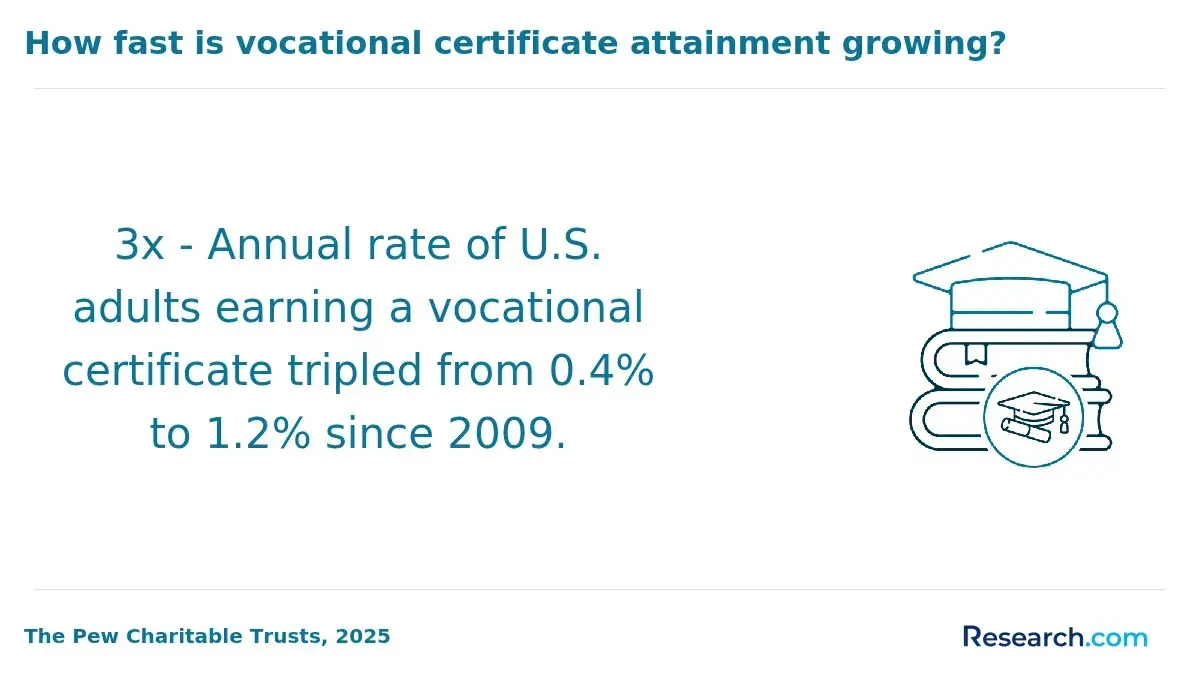
If you have not yet earned a bachelor's degree, compare undergraduate pathways first. An easiest online associates degree may be one possible starting point, but an associate degree alone ordinarily does not meet standard master's admission requirements. Applicants who already hold a bachelor's should ask whether foundation courses can be completed before entry or alongside graduate study.
What Courses and Curricula Do These Master's Programs Include?
Coursework reflects the credential's purpose. MBAs commonly cover organizational decision-making and business functions; computing degrees emphasize technical methods; clinical and educator-preparation programs add supervised field requirements. Programs may conclude with a capstone, portfolio, comprehensive examination, or thesis. Compare the actual course sequence and assessment requirements rather than relying on the degree title.
A thesis may make sense for students considering research-intensive doctoral study, while an applied capstone may better fit an immediate workplace goal. Neither should be assumed to disappear because a program offers frequent starts. Ask which courses have prerequisites and whether your preferred culminating option is offered every term.
How Long Do Master's Programs With Multiple Start Dates Take?
There is no universal completion time. Required graduate credits, full- or part-time enrollment, course availability, and clinical or thesis requirements determine the timeline. A monthly start can shorten the wait to enroll without shortening the time spent completing the degree.
If speed matters, compare the remaining credits and course sequence with online 1 year masters programs. Confirm whether any advertised timeline assumes full-time study, specific prior preparation, or an approved accelerated pathway. Previous graduate coursework may reduce remaining requirements only if the program accepts it and applies it to the degree; undergraduate credits ordinarily do not substitute for graduate credits.
How Much Do Master's Programs With Multiple Start Dates Cost?
Compare total program cost, not just tuition per credit. Required credits, mandatory and program-specific fees, books or software, travel, and unpaid placement time can change the financial picture. A convenient start date can also prevent an unwanted delay, but it is not by itself evidence of good value.
Request a written estimate for your intended enrollment pace and residency status. Ask whether employer tuition assistance, scholarships, assistantships, or eligible federal aid apply, and whether changing pace affects aid eligibility. If you have prior graduate coursework, obtain an evaluation of credits that will actually fulfill degree requirements before estimating savings.
What Careers and Salaries Can These Master's Degrees Lead To?
These degrees can support different goals: an MBA may broaden management preparation, an MS in cybersecurity may deepen technical specialization, and a licensure-oriented counseling or nursing degree may form part of a regulated professional pathway. The value of starting sooner depends on whether the curriculum advances your next step.
For context, the Bureau of Labor Statistics reported a 2024 median annual wage of $124,910 for information security analysts. That is pay across the occupation - not the expected salary of cybersecurity master's graduates. Experience, location, role, and employer requirements matter, and a master's is not the only route into security work. If you need a narrower skill upgrade, compare the cost and purpose of certifications for jobs before committing to a full degree.
How Do You Choose a Reputable Master's Program?
The most reputable choice is the accredited program whose actual calendar, curriculum, cost, and professional eligibility fit your goal. A "next start" deadline should not pressure you to skip those checks.
Use these questions when speaking with admissions and program staff. Request answers specific to your degree and concentration, preferably in writing.
- What is my next eligible start, application deadline, and first required course?
- Are all required courses offered often enough for my planned pace, and which activities require live attendance or an in-person placement?
- What is my estimated total cost, and how would approved graduate transfer credit affect both cost and completion time?
- Does the program meet any applicable accreditation, state-approval, or licensure-education requirements for my intended career?
Red flags include an unclear required-course schedule, cost estimates that omit mandatory fees, and claims that a degree automatically leads to licensure or a particular job. If your goal is academic research rather than professional master's-level advancement, compare doctoral expectations separately; even programs described as online PhD no dissertation require careful review of their research and culminating requirements.
Other Things You Should Know About
No. A program may have several fixed application deadlines and entry terms. Ask for both the next application cutoff and the first day of your required classes.
Not necessarily. Monthly entry reduces waiting time; graduation still depends on credits, course sequencing, your enrollment pace, and any placements or capstone requirements.
Some are, but start frequency and delivery format are separate features. Check for live sessions, campus visits, labs, internships, and local clinical work.
Choose the field that matches your career goal, then compare its part-time course schedule and required attendance. A convenient MBA start will not substitute for a licensure-track degree if your goal is counseling or advanced nursing practice.
References
- Accreditation in the U.S. | ed.gov http://www.ed.gov/laws-and-policy/higher-education-laws-and-policy/college-accreditation/accreditation-in-the-us
- Academic Years, Academic Calendars, Payment Periods, and Disbursements | 2025-2026 Federal Student Aid Handbook https://fsapartners.ed.gov/knowledge-center/fsa-handbook/2025-2026/vol3/ch1-academic-years-academic-calendars-payment-periods-and-disbursements
- Recognition of Accrediting Agencies | Texas Higher Education Coordinating Board https://www.highered.texas.gov/recognition-of-accrediting-agencies/
- Class Formats | Ivy Tech Community College https://www.ivytech.edu/classes/class-formats/
- How Many Years is a Master's Degree | Franklin.edu https://www.franklin.edu/blog/how-many-years-masters-degree
- 4 Flexible Ways to Earn a College Degree on Your Schedule | stjohns.edu https://www.stjohns.edu/news-media/johnnies-blog/4-flexible-ways-earn-college-degree-your-schedule-0
- Master's Degree Requirements | University of South Carolina https://academicbulletins.sc.edu/graduate/degree-requirements/masters-degree-requirements/
- How Many Years Does a Master's Degree Take to Complete? | SCU https://www.scu.edu/business/blog/admissions/master-degree-years/
- Instructional Delivery | University of Louisville Academic Catalogs https://catalog.louisville.edu/undergraduate/instructional-delivery/
- Cohort Programs Admission | lincolnuca.edu https://admissions.lincolnuca.edu/cohort-programs-admission/